Who Buys Watches? UK Myths vs Facts and How to Get Paid
Who Buys Watches in the UK? Myths vs Facts
If you’re searching for who buys watches and how to sell quickly and securely without visiting a shop, this guide separates old myths from modern realities. We explain how valuations work, who actually pays, and how to avoid common pitfalls — especially if your watch’s value is mainly in its gold, silver or platinum content.
As a specialist precious‑metal buyer, Gold Buyer is one answer to who buys watches — specifically those made of gold, silver, platinum or palladium, whether they are working, vintage, broken or sold for scrap. We offer mobile home visits and discreet local pop‑ups, an office listed in Chesterfield, instant on‑the‑spot valuations and same‑day payment by bank transfer, all with transparent pricing tied to live metal rates.
Quick Answer: Who Buys Watches and What Affects the Price?
At a glance, who buys watches includes jewellers, specialist watch dealers, pawnbrokers, auction houses, online marketplaces and precious‑metal buyers like us. Your best route depends on whether your watch has brand/collector value or mainly metal value.
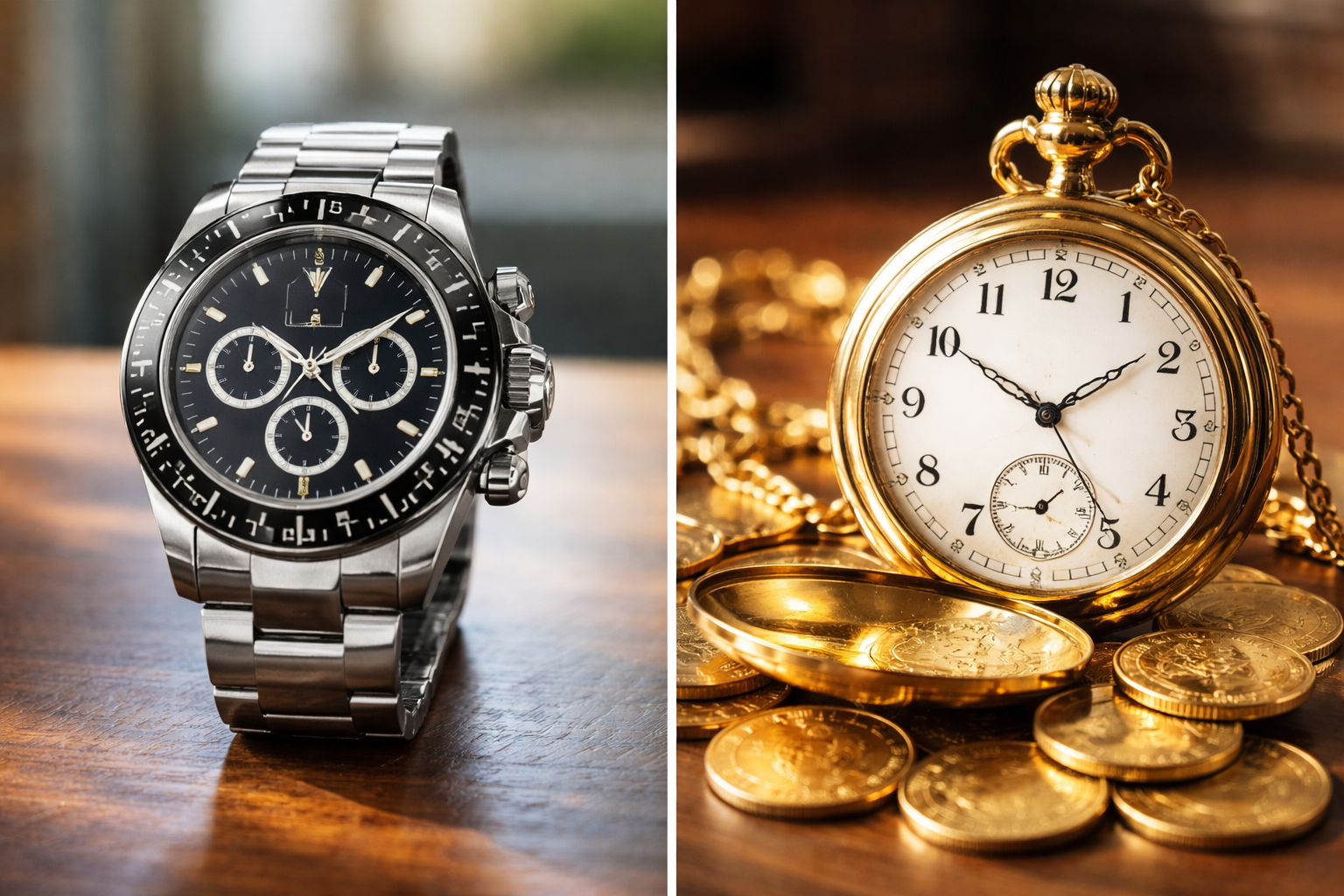
- Watch dealers/jewellers: Best for sought‑after brands and models with boxes/papers in good condition.
- Auction houses: Suitable for rare or collectible pieces; slower and involves fees and sale uncertainty.
- Pawnbrokers: Fast but typically lower offers due to lending risk and overheads.
- Marketplaces/private sale: Potentially higher, but slower and riskier; requires photos, messaging, and safe handover.
- Local gold buyers: Ideal when you want convenience and clear, metal‑based pricing — the most practical route for people asking who buys watches when the brand premium is minimal or absent.
Which route suits you depends not only on who buys watches but also on metal purity, weight, working condition, demand for the brand/model, and whether you have proof of purchase or servicing history. Gold Buyer focuses on transparent metal‑value pricing, with brand premiums considered where appropriate.
Prefer not to travel? Our ID‑checked representatives can visit you at home for a same‑day bank transfer, or we can send a discreet home selling kit if a visit doesn’t suit. Book a valuation.
Answers to 'who buys watches' in the UK: Myths vs Facts
There’s no shortage of received wisdom about selling watches. Use the table below to separate the myths from what actually happens in today’s UK market.
| Myth | Fact | What to Do |
|---|---|---|
| “Only big jewellers pay proper money for watches.” | Collectors and precious‑metal buyers can be competitive, especially if the value is in the gold, silver or platinum content. | Get at least two quotes: one brand‑premium route and one metal‑value route. |
| “Auctions always fetch the highest price.” | Not always. Fees, time to sell and reserve risks can reduce your net return. | Ask for fee estimates and compare your likely net proceeds versus an instant offer. |
| “Any yellow metal watch is solid gold.” | Many are gold‑plated or rolled gold. UK hallmarks confirm precious‑metal fineness. | Look for hallmarks and stamps; verify purity before assuming value. |
| “Nobody local knows who buys watches fast.” | Mobile precious‑metal buyers offer home visits, on‑the‑spot valuation and same‑day bank transfer. | Use a reputable mobile buyer with ID‑checked reps and transparent pricing. |
| “If it’s broken, it’s worthless.” | Broken watches can still hold significant metal value and sometimes parts value. | Weigh the watch (bracelet too) and check metal purity; get a metal‑value quote. |
| “I must post my watch to get a quote.” | Not necessary. You can book a home visit or request a home selling kit with insured post. | Choose the option that suits your schedule and comfort. |
| “Only dealers know who buys watches safely.” | Reputable buyers explain ID checks, payments, and provide invoices/receipts. | Ask about ID, payment method (bank transfer) and paperwork before meeting. |
If you’ve wondered who buys watches for gold or silver timepieces, remember that many pieces are worth what their precious metal is worth on the day. That is why live‑rate pricing and transparent weight/purity testing matter.
Who Buys Watches — Jewellers vs Gold Buyers vs Marketplaces
Many people type who buys watches and see marketplaces first. These can work, but they require time, careful communication and personal safety planning at meet‑ups. High‑street jewellers can be excellent for top‑tier brands with full provenance. Precious‑metal buyers, meanwhile, are straightforward when a watch’s value sits mostly in its gold, silver or platinum weight.
If your priority is simplicity and immediate payment — you’re not just asking who buys watches, you want money in your account the same day — a mobile precious‑metal buyer is often your fastest, clearest route. Gold Buyer ties offers to live gold rates, explains the calculation on the spot, and pays by instant bank transfer, with a clear receipt for your records.
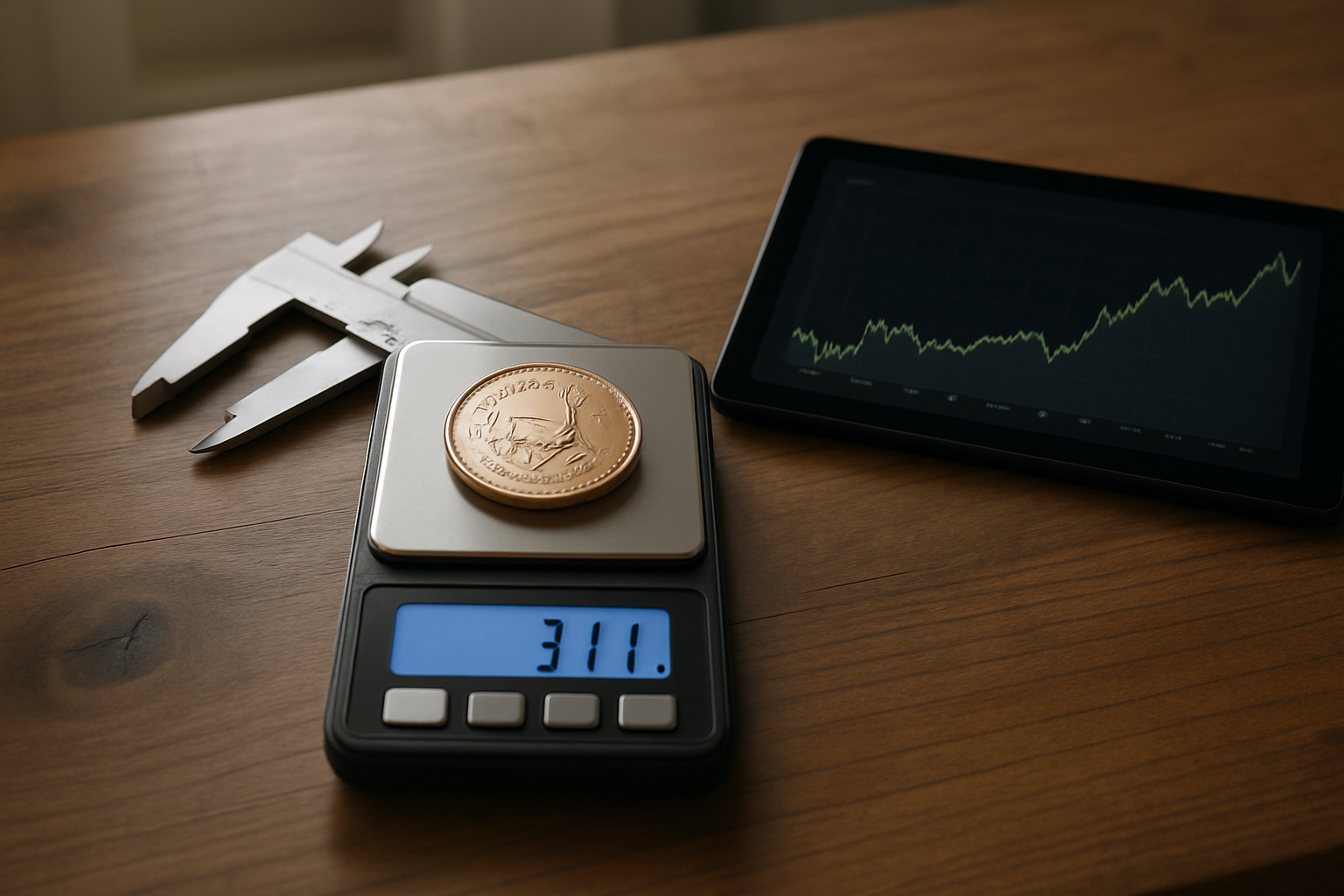
- Have coins or bullion too? Our guides can help you compare options: Sell Gold Britannia Coins, How to Sell Krugerrands and Canadian Maple Leaf: 15 Practical Tips.
Hallmarks, Metal Purity and Authenticity
One reason who buys watches matters is that buyers approach value differently. Dealers focus on brand desirability and condition, while precious‑metal buyers focus on purity and weight. In the UK, hallmarks confirm precious‑metal fineness; a full traditional hallmark typically includes the sponsor’s mark, fineness mark, and an Assay Office mark.
To understand hallmarks, see the UK government’s overview of hallmarking: gov.uk/guidance/hallmarking-overview. You can also learn how hallmark symbols work via the Birmingham Assay Office: theassayoffice.co.uk/hallmarking.
- Solid vs plated: Solid gold is hallmarked (e.g., 375 for 9ct, 750 for 18ct). “GP,” “GEP,” or “RGP” often indicate plating or rolled gold.
- Bracelet vs head: Bracelets and watch heads may have different purities; each needs verifying.
- Non‑metal value: Boxes, papers and servicing receipts can add brand premium; keep them together.
How Gold Buyer Buys Watches and Precious‑Metal Timepieces
Here’s how Gold Buyer answers who buys watches with a clear, convenient process you can complete at home or at a local pop‑up event.
- 1) Enquiry: Tell us about your watch (photos help). We’ll explain whether metal or brand value is likely to drive the offer.
- 2) Mobile visit or kit: Choose a discreet home visit by an ID‑checked representative, or request a home selling kit if a visit doesn’t suit.
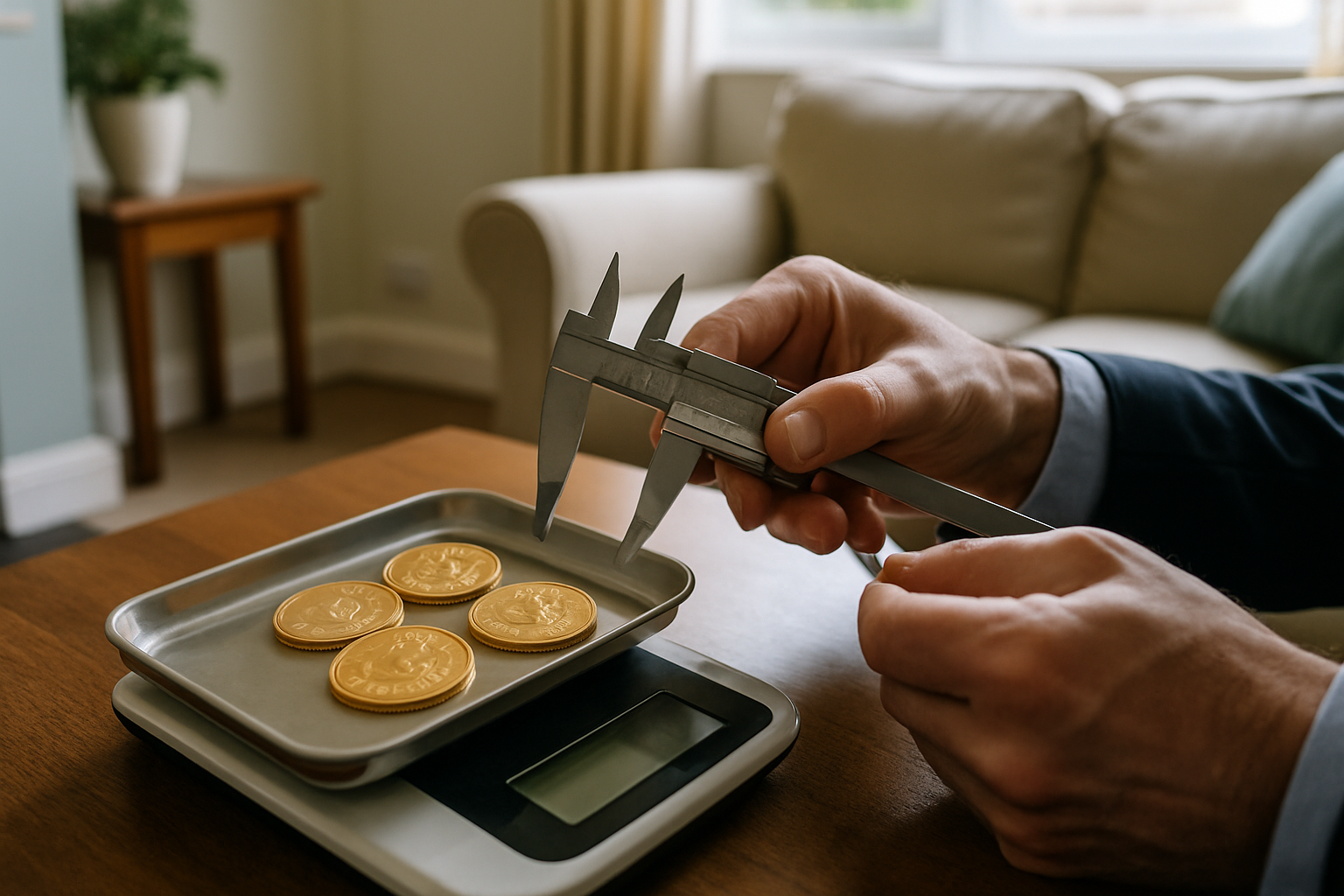
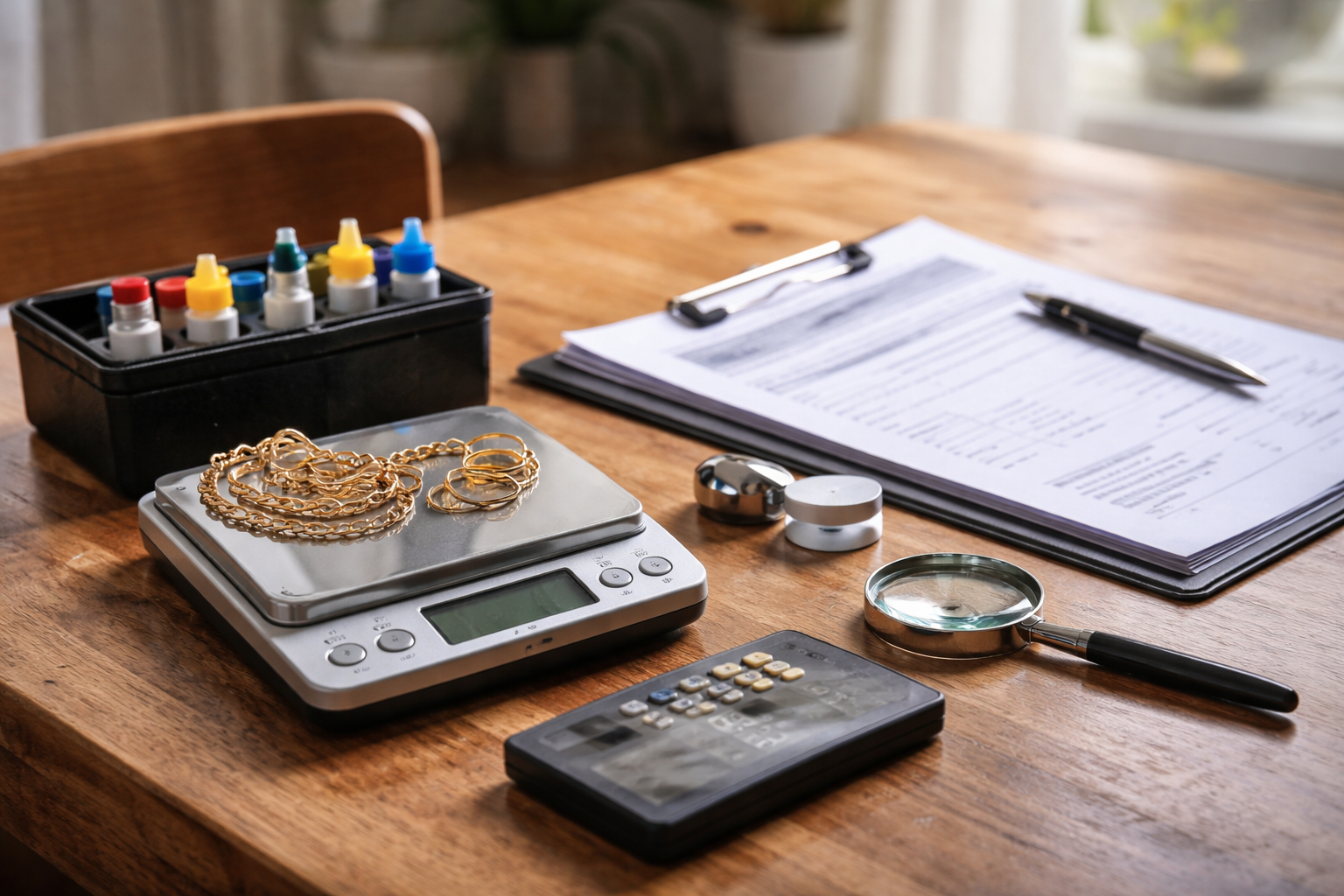
- 3) On‑the‑spot valuation: We test purity, weigh the watch/bracelet and reference live metal rates to calculate your offer. If brand premium applies, we’ll factor it in transparently.
- 4) Same‑day payment: If you accept, we pay by bank transfer the same day and provide a receipt. No need to handle cash.
- 5) Local presence: Prefer in‑person reassurance? We run local pop‑ups and have an office listed in Chesterfield.
We are discrete, punctual and transparent. Prices track live gold rates, and you’ll always know how we arrived at your offer. If you want to compare options or ask questions before a visit, you can book a valuation for free advice and availability.
Safety and Paperwork: Practical Tips
Before you decide who buys watches to trust, take simple precautions:
- Verify the buyer: Check website, phone number and reviews. Ask about ID checks and receipts.
- Agree logistics: For home visits, confirm the representative’s name and arrival time; ensure payment is by bank transfer to your named account.
- Document everything: Keep photos and serial numbers where available. Photograph the watch and bracelet on scales for your records.
- Stay scam‑aware: Citizens Advice maintains clear guidance on spotting scams: citizensadvice.org.uk.
Pricing Essentials: What Drives Offers
Understanding how buyers price watches will help you choose the right route — and ask better questions during a valuation.
- Metal purity and weight: For gold, 9ct, 14ct, 18ct and 22ct carry different values; total weight matters, including bracelet/end links if they’re precious metal.
- Brand/model appeal: Some brands/models command strong premiums; condition, originality and documentation influence this.
- Condition and function: Working order, crystal condition and bracelet stretch can raise or reduce offers.
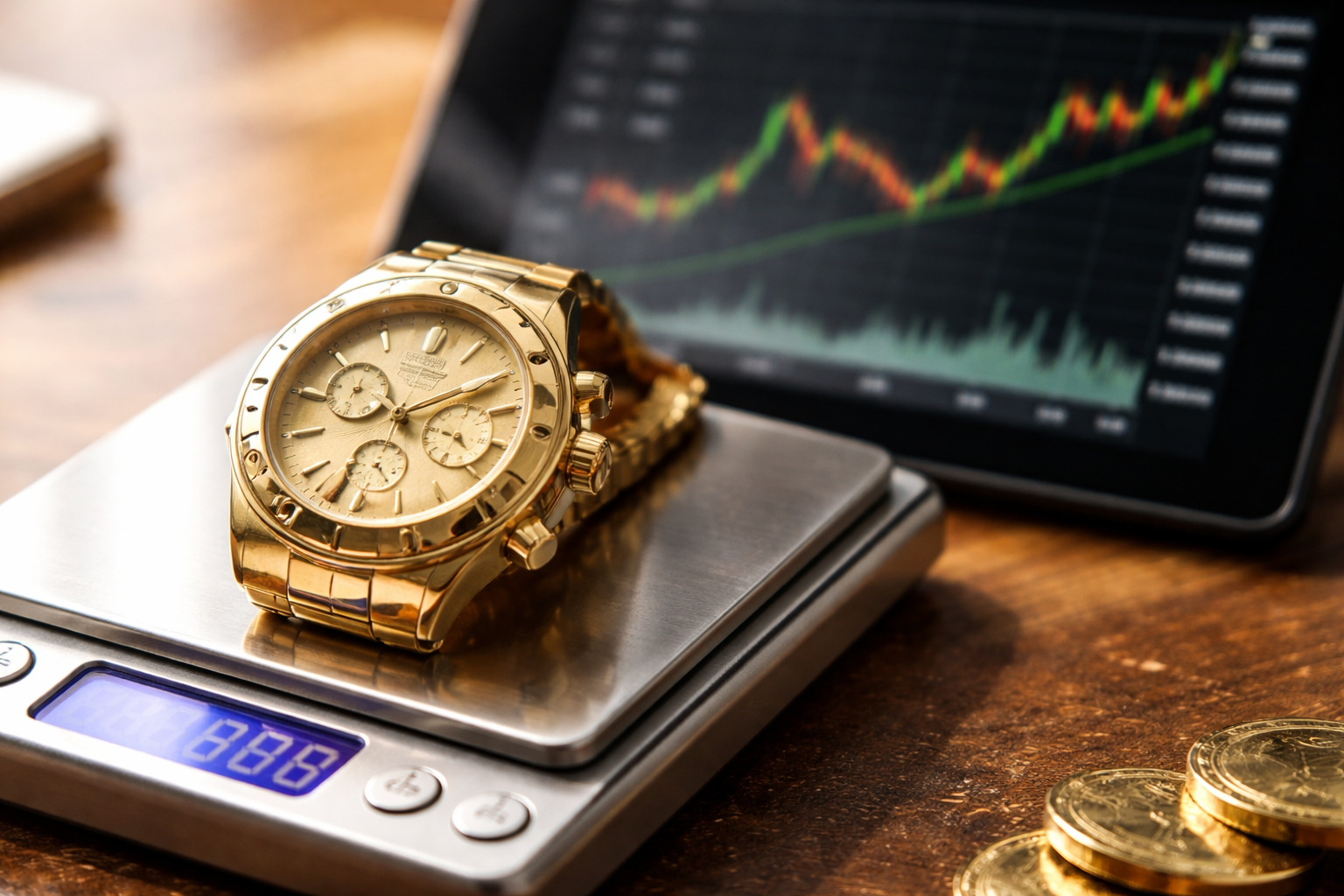
- Market timing: Live metal rates can shift intraday; reputable precious‑metal buyers peg offers to those rates.
FAQs: Quick Clarifications
- “Do you only buy gold watches?” We buy precious‑metal watches (gold, silver, platinum, palladium). Steel watches may carry brand value but we primarily value the metal.
- “How fast is payment?” Same‑day bank transfer on acceptance; you’ll receive a receipt.
- “Can you value remotely?” We can give an initial guide from photos and weight. Final offers are confirmed after testing.
- “Broken or missing links?” Common question: who buys watches that are broken or missing links? We can buy for metal value; bring or mention spare links/end pieces.
- “Do I have to leave home?” No — choose a home visit or request a home selling kit for insured postage.
We’re not affiliated with any watch brands or manufacturers. Our offers are based on precious‑metal content and, where applicable, market demand for the brand/model.
Ready to Sell?
Ready to stop Googling who buys watches and get a clear, same‑day answer? Book a free, no‑obligation valuation and choose a home visit or our discreet home selling kit. Book a valuation.