How to Sell Gold Jewellery for a Fair Price
Quick Answer
How to sell gold jewellery starts with checking hallmarks, weighing each piece, and separating anything broken or unusual. Then compare buyers, because the best offer depends on purity, weight, and fees. For a fair price, choose a trusted UK gold buyer that explains valuation clearly and pays securely.
How to sell gold jewellery is easier when you know what you own, what it is worth, and where to sell it safely. That matters whether you have inherited pieces, broken chains, odd earrings, or items kept in a drawer for years. The right approach can help you avoid rushed offers and spot the difference between scrap value and resale value. If you want a starting point, our guide to UK gold hallmarks and carats explains the markings that usually matter most before you ask for a valuation.
In the UK, many homeowners and estate managers want a simple, secure route to cash without dealing with uncertainty. That is why how to sell gold jewellery should begin with a basic check of hallmarks, weight, and condition. It also helps to know whether your piece is best sold as jewellery, scrap, or part of a wider collection. In this guide, you will learn how to sort pieces, compare options, and avoid common mistakes. You will also see when a home visit, postal kit, or local appointment makes the most sense. The aim is practical and simple: help you sell with confidence and get a fair price, not just a fast one.
How to Sell Gold Jewellery: What Should You Check First?
How to sell gold jewellery starts with sorting what you have into clear groups. First, separate hallmarked items from unmarked ones. Then group broken jewellery, complete pieces, chains, rings, bangles, coins, and anything with stones. This makes valuation easier and helps you avoid overlooking items that may have more value than scrap.
Next, check condition. A bent chain, single earring, or missing clasp can still have value. However, a complete, wearable necklace may be worth more if it can be sold as jewellery rather than only for metal content. If you are dealing with inherited items, keep sets together where possible. Matching items can matter.
It also helps to keep paperwork, boxes, or receipts. These do not set the gold price, but they can support provenance and reduce confusion during a valuation. If you want a quick option for chains and necklaces, see sell gold necklaces. For a broader view of service options, the main Gold Buyer page explains how valuations and payment work.
When you prepare properly, how to sell gold jewellery becomes much simpler. You give the buyer better information, and you get a clearer offer. That usually means fewer surprises and less pressure at the point of sale.
For a useful overview of seller choices, the article from NerdWallet on selling gold is a good general reference. It reinforces a simple rule: know what you have before you accept any offer.
A quick sorting checklist:
- Separate hallmarked items from unmarked items
- Group broken, tangled, and complete pieces
- Keep matching sets together
- Put coins, sovereigns, and bullion to one side
- Note any gemstones, even if they are small
What if the jewellery is broken or incomplete?
Broken jewellery still has value. In fact, many sellers are surprised that a damaged ring or snapped chain can still be worth selling because the gold itself remains valuable. Missing clasps, dents, and single earrings do not remove the metal content.
That said, condition can affect whether a buyer treats the item as jewellery or scrap. If the piece is wearable, some buyers may value it differently from a broken item. Therefore, keep broken items separate from complete pieces. That makes the valuation clearer and can help you understand the offer more easily.
If you have mixed items, a specialist service such as sell scrap gold may be more suitable. It is designed for unwanted, damaged, and mixed gold items.
How to Sell Gold Jewellery by Checking Hallmarks and Carat Markings
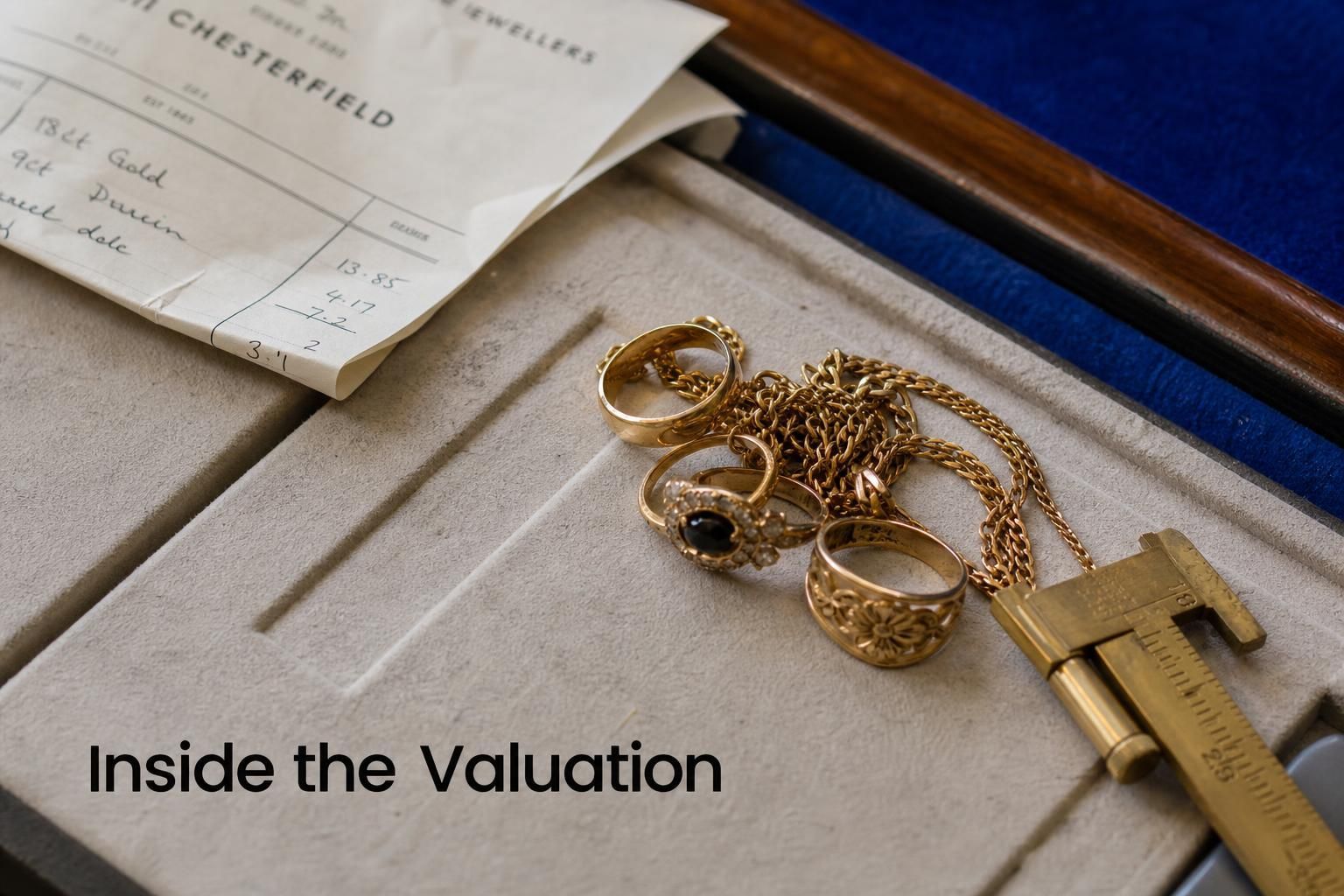
How to sell gold jewellery safely depends on knowing the hallmark or carat marking. A hallmark or stamp gives a strong clue about purity, although it should still be tested before payment. In the UK, common markings include 9ct, 14ct, 18ct, 22ct, and 24ct. Higher purity usually means more gold content, which usually means a higher offer for the same weight.
A clear marking is useful, but it is not the full story. Some older items are unmarked. Others may be worn down, repaired, or mixed with other metals. That is why serious buyers test the item before giving a final figure. If you want a deeper explanation, our UK gold hallmarks, carats and testing guide explains how purity is identified in practice.
For sellers, the key point is simple. How to sell gold jewellery well means checking the stamp, but not relying on it alone. A 9ct ring and an 18ct ring can look similar. Their values can be very different because the gold content differs. Meanwhile, items marked as plated or filled are not the same as solid gold, so do not assume every yellow piece has the same value.
A trustworthy buyer should explain the test, the weight, and the final basis of the offer. That transparency matters even more if you are selling inherited jewellery or managing an estate. It helps avoid misunderstanding and builds confidence in the sale.
If you are not sure what the markings mean, compare them with an educational source such as the UK gold jewellery selling guide from Pretty Big Butterflies. Also, a practical buyer-facing page like how gold is valued before payment can help you understand the steps before you meet a buyer.
Common hallmarks and what they usually suggest:
- 9ct: lower gold content than higher carats
- 14ct: mid-range purity
- 18ct: popular for fine jewellery
- 22ct: high-purity jewellery, often seen in certain traditional items
- 24ct: very high purity, more common in bullion than everyday jewellery
Why do unmarked items still matter?
Unmarked items still matter because testing can reveal solid gold even when a stamp is missing. Wear, resizing, and older manufacturing methods can leave items without clear marks.
That is why how to sell gold jewellery should never stop at the surface. A good buyer will test and weigh the item rather than dismissing it. If you have unmarked or mixed pieces, ask for a clear explanation of how the valuation is reached. That keeps the process fair and straightforward.
How to Sell Gold Jewellery: Weight, Purity and the Live Gold Price
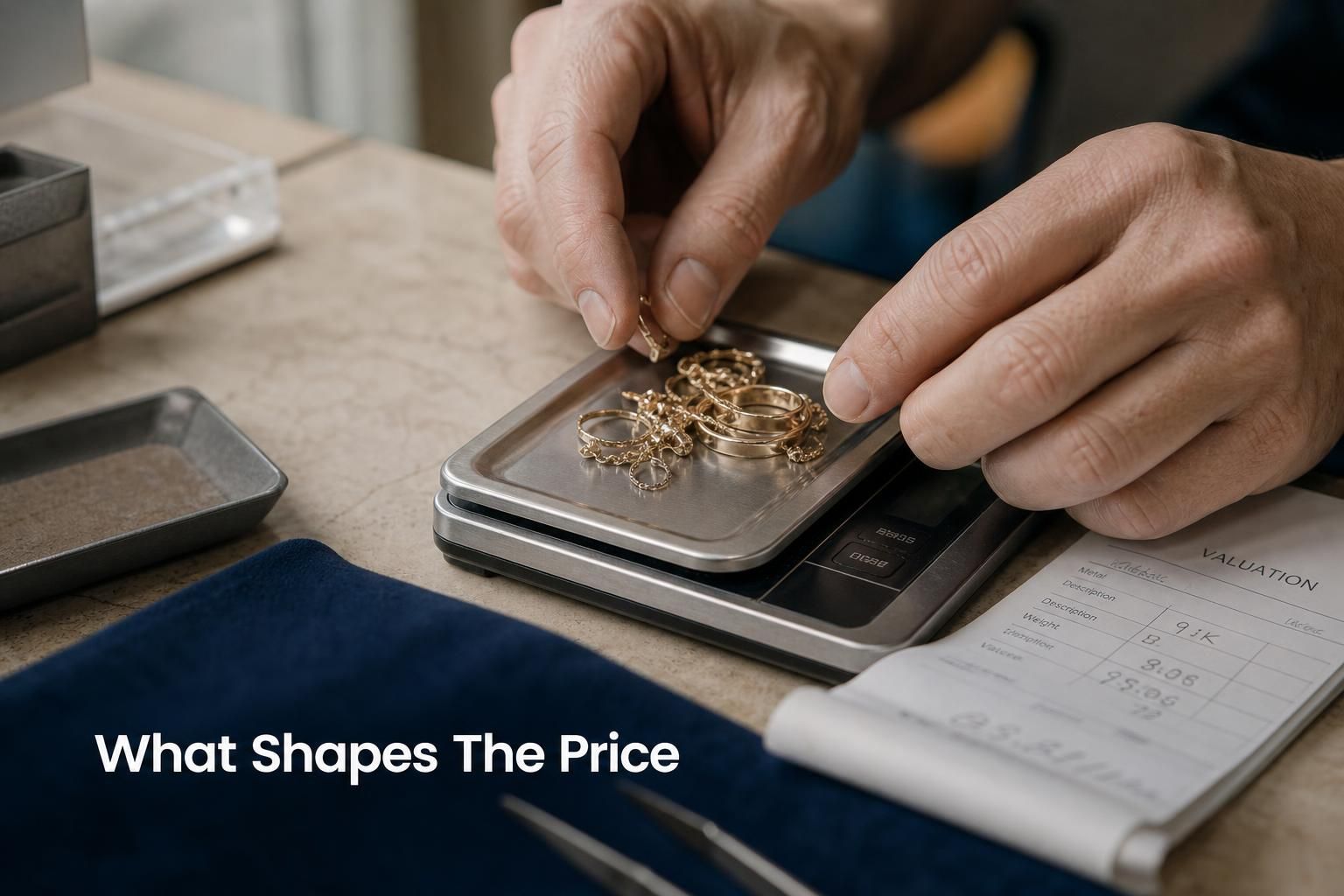
How to sell gold jewellery for a fair price depends on three things: weight, purity, and the live gold price. Weight tells you how much metal there is. Purity tells you how much of that weight is actually gold. The live price gives the market context for the offer you receive.
This is why two pieces that look similar can produce very different payouts. A heavier item with lower purity may not beat a lighter item with higher purity. In addition, settings, stones, and solder can affect the final calculation. Buyers often focus on the gold content itself, not the decorative parts.
If you want to estimate value before speaking to a buyer, a useful starting point is our gold price calculator. For live market context, the gold price per gram UK page is also helpful. These tools will not replace a formal valuation, but they do help you understand the offer.
One important note: no responsible buyer should promise a value without testing the item first. That is because purity and weight must be confirmed. Consequently, how to sell gold jewellery well means treating any online estimate as a guide, not a guaranteed payout.
If you are comparing offers, ask each buyer what they deduct, whether there are any fees, and how they pay. Clear answers matter. So does a method you feel comfortable with, whether that is a home visit, a local appointment, or a secure postal kit.
For general background, the article from Sell Gold & Silver gives a broad sense of how gold selling is often framed online, while our UK gold price guide focuses on what changes your payout in practical terms.
How much money will I get if I sell 1 gram gold?
You will get the value of the gold content, minus any buyer costs or processing adjustments. The exact amount depends on purity, market price, and the buyer’s payout structure.
How to sell gold jewellery responsibly means checking that gram estimates are only guides until the item is tested. A 1 gram item of 9ct gold is not worth the same as 1 gram of 18ct gold because the purity is different. That is why buyers should explain their method clearly.
Decide Where to Sell Your Jewellery
How to sell gold jewellery well often comes down to choosing the right type of buyer. Different sellers need different levels of convenience, privacy, and speed. Some want instant payment. Others want a home appointment or a secure postal option. The best route depends on the item and your comfort level.
If you are selling from home, estate managers and retirees often prefer a service that comes to them. That can reduce travel and make the process feel calmer. If you are comparing options, our home gold valuation visits page explains how at-home assessments work. If you are looking for a broader comparison, the guide on the best way to sell gold in the UK is also useful.
The main choices usually look like this:
- Gold Buyer: convenient valuations, clear testing, and direct payment
- Pawnbroker: quick access, but the model may suit loans rather than the best jewellery price
- Jeweller: useful for wearable pieces, especially if you want a resale assessment
- Online postal buyer: convenient, but you should trust the process and postage handling
If you want a local perspective, a page such as sell gold in the Midlands can help if you are in the region. For wider UK safety advice, our how to sell gold safely guide covers ID checks, valuation steps, and payment.
For a plain-language comparison, this jewellery selling guide from RH Jewellers is a helpful external reference. It supports the same core idea: compare offers and understand how the price is built.
### Gold Buyer
Gold Buyer is a practical choice if you want a simple valuation, straightforward explanations, and secure payment. It suits people who want help with necklaces, scrap, sovereigns, bullion, and inherited items.
### Pawnbroker
A pawnbroker can be useful if speed matters most. However, the offer structure may be less ideal if your goal is to maximise the payout for gold jewellery.
### Jeweller
A jeweller may be the right fit for complete pieces with good resale appeal. Wearable items can sometimes be valued differently from broken gold.
### Online Postal Buyer
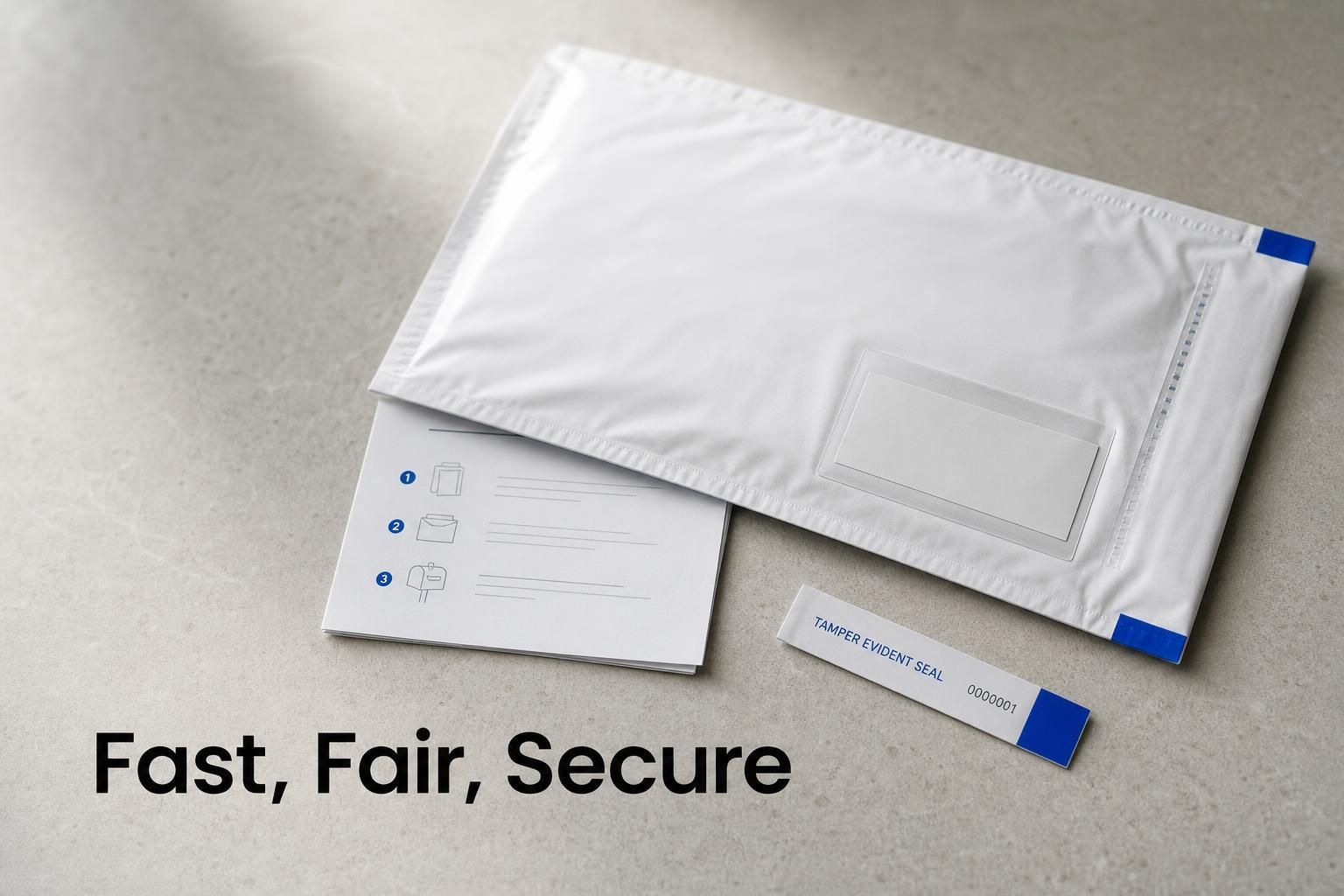
Postal buyers can be convenient, especially if you cannot travel. However, you should be comfortable with packaging, tracking, and the company’s valuation process.
What is the best way to sell jewellery in the UK?
The best way to sell jewellery in the UK is the one that gives you a fair offer, secure handling, and a payment method you trust. For many people, that means comparing at least two options and checking how each buyer tests and values the item.
How to sell gold jewellery with less stress often means choosing a buyer who explains the offer clearly and pays promptly. If convenience matters, a home valuation or secure postal kit can be better than rushing to the first shop.
How to Sell Gold Jewellery That Is Broken, Inherited, or Hard to Identify
How to sell gold jewellery becomes more nuanced when the item is broken, inherited, or difficult to identify. Inherited pieces may come with old boxes, mixed metals, or unclear markings. Broken jewellery may have no wearable value, but the gold still matters. Meanwhile, items with stones may need the buyer to separate the metal value from the gem value.
This is where a specialist buyer can help. If your items include odd earrings, tangled chains, or mixed scraps, a service such as sell scrap gold is designed for that sort of lot. If you have old crowns or bridgework, sell dental gold may be more appropriate. For people managing estates, the page on selling inherited gold is especially relevant.
When the item is unusual, the main rule is to avoid assumptions. A worn ring may still be solid gold. A clasped chain may be worth more than expected. A set with stones may need separate handling. Therefore, how to sell gold jewellery well means giving the buyer the chance to test, weigh, and explain each part.
If you prefer local service, the page on gold buyer near me can help you find a suitable appointment style. For a broader explanation of valuation steps, the how gold valuations are calculated page is also useful.
For practical video guidance, this BriteCo overview is worth a look because it compares major selling routes and explains what to consider before accepting an offer:
The main takeaway is simple. How to sell gold jewellery is not only about finding any buyer. It is about finding the right buyer for the condition and type of item you own.
What should estate managers do first?
Estate managers should inventory the items, note any hallmarks, and keep similar pieces together. That creates a cleaner record and makes the valuation process easier.
How to sell gold jewellery from an estate is usually smoother when you avoid mixing items into one unknown lot. A clear list helps you compare offers and keeps the process transparent for beneficiaries.
Mistakes to Avoid When You Sell Gold Jewellery
How to sell gold jewellery safely also means knowing what not to do. Many sellers lose confidence because they accept the first offer, skip testing, or rush through the process. Others overlook the difference between wearable jewellery and scrap value.
Here are the most common mistakes:
- Accepting a quote before the item is tested
- Ignoring hallmarks or carat markings
- Mixing gold with costume jewellery
- Sending valuables without checking the postal process
- Assuming broken pieces have no value
- Focusing only on speed instead of fairness
Another mistake is failing to ask how the payment works. A fair buyer should explain the process clearly. If you are unsure what documents may be needed, our ID requirements for selling gold in the UK page is a useful reference.
It is also sensible to compare the buyer’s explanation with independent guidance. The article from Goldbank’s gold scrap selling tips offers a useful reminder to understand purity, weight, and the selling route before committing.
How to sell gold jewellery with confidence often comes down to patience. If one buyer seems vague, ask more questions. If the offer is unclear, step away and compare. A fair sale should feel straightforward, not pressured.
For sellers who want extra reassurance, a page like pawn shop vs gold buyer can help you think through the trade-offs before you decide.
How does online selling compare with a home appointment?
Online selling can be convenient, but a home appointment gives you more face-to-face clarity. That matters when you want to ask questions and see how the valuation is explained.
How to sell gold jewellery in the safest way often means choosing the option that matches your comfort level. If you value personal service and direct discussion, a home visit may be the better fit.
FAQs About How to Sell Gold Jewellery
How to sell gold jewellery is a common question because every piece is different. The answers below cover the issues people ask most often before getting a valuation.
For a practical video overview of in-store and online selling choices, this TODAY segment is also useful because it shows the questions sellers should ask before parting with gold:
Key Takeaways
- Sort jewellery before you sell it so hallmarks, condition, and item type are clear.
- Check carat markings and remember that purity affects value more than appearance.
- Weight, purity, and live gold price all influence the final offer.
- Compare buyer types carefully, especially for broken, inherited, or mixed items.
- Ask for a clear explanation of testing, fees, and payment before you accept any offer.
Frequently Asked Questions
How much is a gold coin worth in the UK today?
A gold coin’s worth depends on its type, purity, weight, and the current gold market. The exact figure changes, so the best approach is to test and weigh the coin before accepting an offer.
How to sell gold jewellery and coins fairly means treating any online estimate as a guide, not a final price. Sovereigns and bullion pieces can be valued differently from jewellery because collectability and metal content both matter. If you want to sell coins as well as jewellery, see sell sovereigns.
What is the best way to sell jewellery in the UK?
The best way to sell jewellery in the UK is usually the option that gives you a clear valuation, secure handling, and a payment method you trust. For many people, that means comparing a specialist gold buyer, a jeweller, and a postal or home-visit service.
How to sell gold jewellery well means looking beyond the headline offer. Check how the buyer tests the item, whether there are fees, and when payment is made.
How much money will I get if I sell 1 gram gold?
You will get a value based on purity, live gold price, and any buyer deductions or service terms. A 1 gram item of lower-purity gold will not pay the same as 1 gram of higher-purity gold.
How to sell gold jewellery successfully means using gram estimates only as a starting point. The final figure should come after testing and weighing the item.
What's the best way to sell your gold?
The best way to sell your gold is the route that balances price, safety, and convenience. For many UK sellers, that means choosing a trusted specialist who explains the valuation and offers secure payment.
How to sell gold jewellery is easiest when you sort your items first, compare offers, and avoid pressure. If you want a local, direct route, explore contact Gold Buyer to arrange a valuation.