
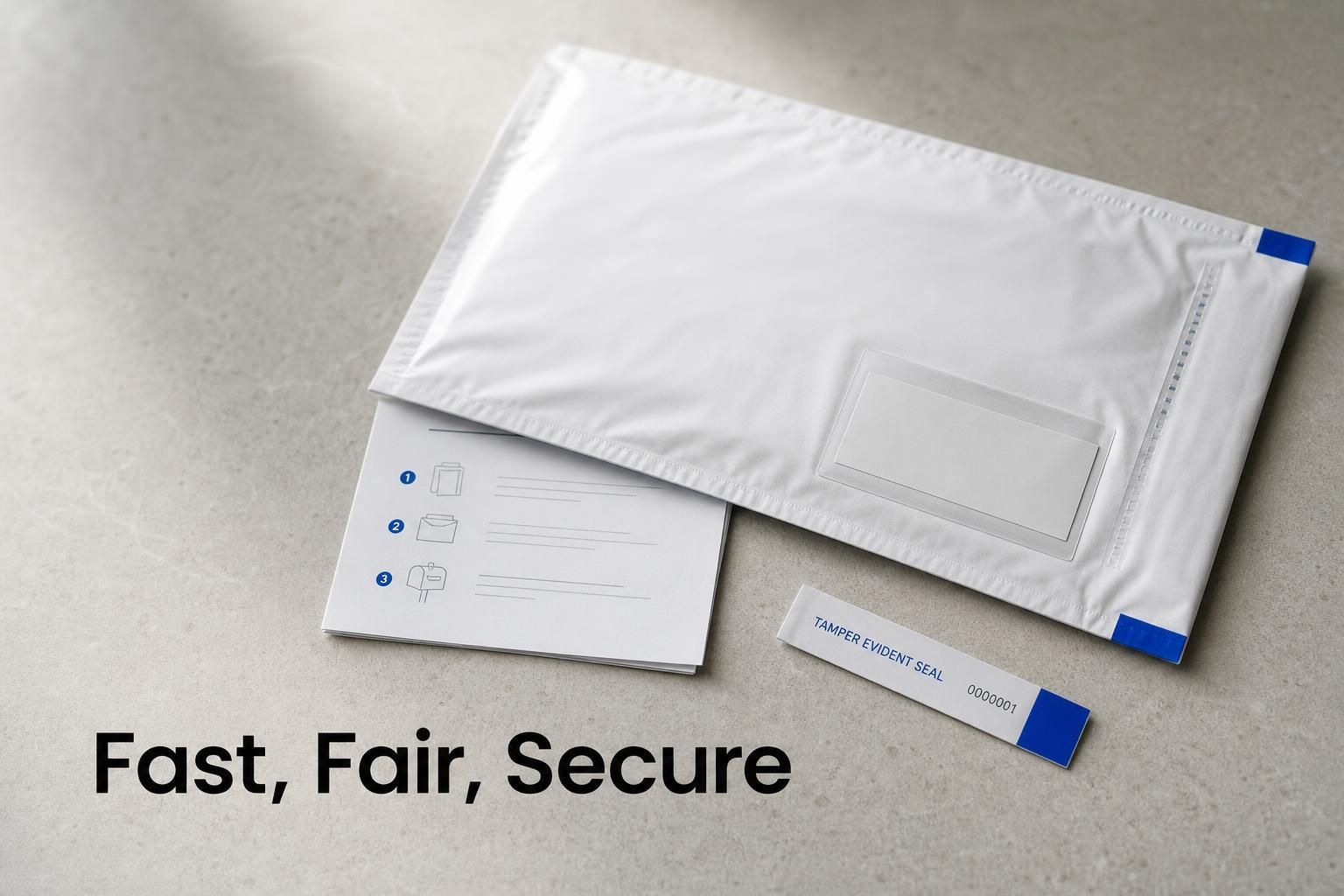
Selling Gold FAQ: ID, Valuations, Payment, Postage and Safety

Gold Buyer • October 7, 2026

Quick Answer

The gold selling FAQ explains how to sell gold safely, what ID you need, how valuations are worked out, when you get paid, and how postage or home visits protect you. It also covers privacy, refusals, and UK compliance, so you can sell with confidence and avoid avoidable mistakes.

If you are looking for a gold selling FAQ that actually answers the questions people ask before they sell, you are in the right place. This guide explains the process clearly, from ID checks and valuation methods to payment speed, postage safety, privacy, and what happens if you change your mind. It is written for UK sellers who want a secure, no-pressure way to sell unwanted jewellery, inherited pieces, coins, bars, scrap gold, or dental gold. If you want to compare options while you read, our Gold Buyer FAQ and how to sell gold safely pages are useful starting points. For many sellers, the biggest concern is not price alone. It is trust. Therefore, this gold selling FAQ focuses on practical steps, common rules, and the kind of detail that helps you decide whether to use a postal kit, a home visit, or a local valuation. You will also find clear answers to the PAA-style questions people search before they part with gold.

How Does the gold selling FAQ Process Work?

A gold selling FAQ should explain the process in plain English. In most cases, you begin by describing the item, then the buyer tests the purity, weighs it, explains the offer, and pays you if you accept. That is the basic flow, whether you are selling a chain, ring, sovereign, bullion bar, or scrap gold.

The key is transparency. A reliable buyer should explain how the value was calculated and give you time to decide. If you prefer to start with a price reference, our gold valuation page and gold price per gram UK guide can help you understand the moving parts before you book.

For many readers, this gold selling FAQ is really about reducing uncertainty. That means knowing what happens before you post anything, what happens when the item is tested, and when payment lands. The best process is simple: you send or show the gold, the buyer checks purity and weight, then you either accept the offer or decline it. A sensible buyer will never rush that decision.

If you want a wider overview of service options, our Gold Buying page explains the types of gold we buy, including jewellery, coins, bullion, and scrap. Meanwhile, a short external guide such as 10 common mistakes to avoid when selling gold is useful for spotting avoidable errors like accepting unclear quotes or skipping hallmark checks.

In practical terms, the gold selling FAQ process should feel calm, not complicated. You should know who has your gold, how it is assessed, and how your offer is produced. That is what makes the sale secure.

Identity documents and dealer verification stamp on metal desk. 

What should you check before you send or show gold?

Start with the item type, any visible hallmark, and the seller’s terms. You should also check whether the buyer offers a postal kit, a home visit, or a branch-style appointment. If you are selling necklaces specifically, our sell gold necklaces page gives a clear example of what gets bought and how the process usually works.

A good gold selling FAQ also reminds you to ask how offers are made. If the buyer cannot explain testing or weight calculations in simple terms, that is a warning sign.

What ID Do You Need to Sell Gold?

You usually need valid photo ID to sell gold in the UK. That is because reputable buyers follow anti-money laundering checks and need to confirm who is selling the item.

This is one of the most searched questions in any gold selling FAQ, and the answer is straightforward: have your ID ready before the valuation. Most sellers use a passport or driving licence, and some buyers may ask for proof of address as well, depending on the transaction and internal checks. If you want a dedicated breakdown, our what ID do you need to sell gold in the UK? page explains the expected documents in more detail.

The point of ID checks is not to make the process difficult. It is to protect both sides. It helps reduce fraud, supports traceability, and makes the sale easier to document properly. That matters even more when the gold is inherited, mixed, or posted in from another part of the country.

If you are selling coins or bullion, the same principle applies. Our sell gold sovereigns and sell gold bullion pages are useful if you want item-specific guidance before booking a valuation.

A practical gold selling FAQ answer is this: bring ID early, keep the name on the account consistent, and ask in advance if any extra checks will apply. That keeps the process smooth and avoids delays at the payment stage.

For wider consumer guidance, the UK government’s anti-money laundering rules are the right backdrop. They explain why legitimate buyers may ask for identification and transaction details before purchase.

How much gold can you sell without reporting it in the UK?

There is no single universal “safe amount” that removes all checks. Reporting obligations depend on the buyer’s compliance processes and the transaction context, not just the weight or value.

In other words, a gold selling FAQ should not promise a loophole. A legitimate buyer may still need ID and records for small or large sales alike. If a seller claims you can avoid checks by splitting a sale, that is a red flag.

How Are Gold Valuations Calculated in a gold selling FAQ?

A gold valuation is normally based on purity, weight, and the current market price for that purity. That is the short answer, and it is the one every gold selling FAQ should give first.

Hallmarks matter because they help indicate carat. Weight matters because more pure gold usually means a higher offer. Current market conditions matter because gold prices move. However, the exact payout also depends on the item type and any non-gold parts that must be removed or separated.

If you want to understand this in more detail, our how gold buyer values your gold and how gold valuations are calculated pages explain the process from test to offer. For sellers who want a quick estimate first, the gold calculator can help you frame expectations before you commit.

This is also where a good gold selling FAQ should be realistic. Not every piece is valued the same way. A solid sovereign, a tangled scrap chain, a broken ring, and a bullion bar all require different handling. Additionally, items with stones, clasps, or mixed metals may be priced differently because only part of the item is recoverable as fine gold.

For readers who like to compare methods, an educational video walkthrough can help:

If you want a broader market perspective, the How to Make Money Buying and Selling Gold in 2025 article is useful for understanding why buyers compare offers carefully. The message is simple. Ask how the valuation was built, not just what the final figure is.

That is the heart of any trustworthy gold selling FAQ: clear testing, clear weight, clear basis for the quote, and no pressure to accept immediately.

Why do offers differ between buyers?

Different buyers work with different margins, overheads, and business models. Some focus on speed, some on convenience, and some on a narrower range of items.

Therefore, a gold selling FAQ should tell you to compare the explanation behind the offer, not just the amount. A better offer is useful only if the process feels secure and the valuation is clear.

How Quickly Do You Get Paid in a gold selling FAQ?

Payment should be fast once you accept the offer. In a normal gold sale, the buyer confirms the valuation, you approve it, and payment is made by the agreed method.

This is one of the easiest parts of a gold selling FAQ to get right: ask exactly when the money is sent and how it is sent. Many sellers prefer bank transfer because it is simple and traceable. Others prefer a same-day payment method if the buyer offers one. The important thing is that the payment terms are explained before the gold is handed over.

If you are using a local appointment, a discreet visit, or a postal kit, payment timing can vary slightly based on when the gold arrives and when you approve the offer. That is normal. What should never vary is clarity. You should know what happens next.

For sellers who want local collection or home-based assessment, our home gold valuation visits page and contact Gold Buyer page can help you arrange the right option.

A helpful rule for any gold selling FAQ is this: if the offer is accepted, payment should be straightforward and documented. If a buyer is vague about payment timing, ask for the process in writing before you proceed.

For a concise visual summary of offer comparison, this external guide is also helpful:

What happens if payment is delayed?

A short delay can happen if ID needs reviewing or if the offer is awaiting your approval. However, the buyer should explain the reason clearly.

If the delay is unexplained, that is not ideal. A good gold selling FAQ answer is to pause, request an update, and keep all written records until payment clears.

Is Postal Gold Selling Safe in a gold selling FAQ?

Yes, postal gold selling can be safe if the service is structured properly. The most important parts are secure packaging, tracking, insurance where offered, and clear instructions from the buyer.

This gold selling FAQ point matters because many sellers want convenience without losing peace of mind. If you do not want to visit a high-street shop, a postal kit can be a practical alternative. You should still check how the parcel is sent, what tracking is used, and what happens once it arrives.

Our free postal gold selling kit page explains the process step by step. If you prefer another route, our home visit vs postal gold buyer article helps you compare the two options.

Safety is not just about transit. It is also about what happens after receipt. The buyer should record the item, test it, and notify you before making an offer. That gives you a proper decision point. If the offer is not right, you should be able to decline it.

A sound gold selling FAQ also encourages sellers to photograph their items before posting them. That is especially useful for inherited jewellery, mixed scrap, or items with recognisable features. It gives you a personal record and reduces anxiety.

If you want more detail on secure selling, our how to sell gold safely page is designed for exactly this concern. It covers ID, valuation, insurance, and payment in one place.

In short, postal selling works well when the process is transparent. A safe service should make each step easy to follow and easy to verify.

What should be inside a secure postal kit?

A secure kit should include clear instructions, packing guidance, and a way to track the parcel. It should also tell you what to do if you want the items returned.

A practical gold selling FAQ answer is simple: only post what you are comfortable tracking, and keep your own record of what you sent.

What Happens If You Reject the Offer?

You should be able to reject the offer without pressure. That is a core trust point in any gold selling FAQ.

If the price is not right, a proper buyer will explain the next step. Usually, that means returning the item or holding it briefly until you confirm what you want to do. The important thing is that you are not forced to accept a figure that does not suit you.

This matters especially for inherited gold or pieces with sentimental value. If the offer feels too low, step back and compare it with other information. Our how to get the best price for gold in the UK page can help you judge whether the offer seems reasonable for the item type.

A good gold selling FAQ should also remind you that rejection is part of a healthy process. It is not rude. It is a normal buyer decision. You are free to wait, compare, or ask for more explanation before moving forward.

If the buyer has to return the item, make sure you understand the method and timing. That is especially important if the item was posted. You should know how it comes back, who covers postage in that scenario, and whether tracking is used.

In practical terms, the best sale is the one you still feel comfortable with after the conversation. That is why this gold selling FAQ keeps returning to one rule: clarity first, pressure never.

Can you negotiate a gold offer?

Sometimes you can, especially if you have multiple items or a clear reference point. However, negotiation should stay respectful and evidence-based.

A good gold selling FAQ approach is to ask how the price was worked out, then decide whether to continue. If the explanation is strong, the offer may already be fair.

Is My Information Kept Private in a gold selling FAQ?

Your information should be kept private and used only for the transaction. That is a basic expectation for any professional gold buyer.

A strong gold selling FAQ should tell you what is collected, why it is needed, and how it is stored. Typically, buyers need your name, contact details, ID details, and transaction record for compliance. They should not use that information for anything unrelated.

Privacy matters because many people sell gold quietly. Some are clearing old jewellery. Others are selling coins or bars after a life event. Whatever the reason, sellers usually want a discreet process. That is exactly why clear communication is important.

If privacy is a priority, ask how appointments are handled, who can see your details, and whether the valuation can be arranged at home. Our gold buyer near me and sell gold safely pages are helpful if you want to understand the practical side of discreet sales.

This gold selling FAQ advice is simple: keep copies of any messages, confirm the return method if you decline, and use a buyer who can explain privacy clearly. You do not need drama. You need a controlled process.

That is especially reassuring for people selling sentimental items, inherited jewellery, or mixed collections. Discretion should be part of the service, not an extra.

Do you have to declare when you sell gold?

You may need to provide information for compliance, but that is different from casual public disclosure. The buyer will usually keep records for legal and accounting reasons.

A useful gold selling FAQ answer is to treat the sale as a private transaction with proper documentation, not a public event. Ask the buyer how they handle records before you proceed.

Anti-Money Laundering and Compliance Checks in the gold selling FAQ

Compliance checks are normal when selling gold through a legitimate buyer. They help confirm identity, support traceability, and reduce fraud.

This is one of the most important parts of any gold selling FAQ because it explains why honest sellers are sometimes asked for extra information. It is not a sign that something is wrong. It is often a sign that the buyer is operating properly.

The UK legal position around gold and precious metal sales means buyers may need to verify ID and keep transaction records. For broader context, the external page on selling inherited gold ingots in England and license requirements is a useful discussion starter, especially if you are selling unusual or inherited items. For ordinary consumer sales, the principle is still the same: proper records matter.

If you are selling bars, sovereigns, or bullion, compliance can feel stricter because the items are high-value and easy to transfer. That is why item-specific pages such as how to sell gold bars in the UK safely and sell gold UK are worth reading before you book.

A grounded gold selling FAQ should not promise a shortcut around checks. Instead, it should tell you what the checks are for and how they protect both sides. When that is explained properly, most sellers find the process much easier to trust.

What is the rule of selling gold?

The practical rule is to sell through a buyer who is transparent, compliant, and willing to explain the valuation. You should know what you are selling, how it is being assessed, and when you will be paid.

That is the simplest gold selling FAQ rule: no pressure, no vague pricing, and no hidden steps.

Questions About Specific Gold Items in a gold selling FAQ

Different items need different handling, and that is why item-level detail matters in a gold selling FAQ. A necklace is not the same as a sovereign coin, and scrap gold is not the same as a bar.

If you are selling jewellery, our sell scrap gold page covers broken, unwanted, and mixed pieces. For dental scrap, the sell dental gold page is the right fit. If your item is a chain or pendant, the sell gold necklaces and chains page is more relevant.

This gold selling FAQ also needs to account for inherited items. People often ask whether they should clean or repair old gold first. In general, you should not polish or alter the item before getting advice, because the original condition can help with identification and appraisal.

For coins and bullion, purity and authenticity matter a lot. If your item is a sovereign, a bar, or an investment coin, make sure the buyer can explain how they test it and what happens if the piece has been handled or stored badly. If you need a local valuation, our gold valuation near me page is a good next step.

For a broader buying comparison, you can also review the general market guidance in pawn shop vs gold buyer. It is a useful reminder that convenience, privacy, and payout structure are not the same across all channels.

In short, the best gold selling FAQ answer for item types is to match the process to the item. That prevents confusion and helps you choose the right route the first time.

Should you clean gold before selling it?

Usually, no. Light dirt is not a problem, and over-cleaning can risk damage.

A practical gold selling FAQ answer is to leave the item as found unless a buyer specifically asks otherwise. Original condition is often better for assessment.

Key Takeaways

  • A gold selling FAQ should explain the process, ID requirements, valuation method, payment timing, privacy, and return rights in plain English.
  • UK sellers should expect identity checks and transaction records when dealing with a legitimate gold buyer.
  • Gold valuations are usually based on purity, weight, item type, and the current market price.
  • Postal kits and home visits can be safe if the process includes tracking, clear instructions, and a no-pressure offer stage.
  • If you reject an offer, a trustworthy buyer should return the item or hold it briefly without hassle.

Frequently Asked Questions

How much gold can I sell without reporting it in the UK?

There is no single universal amount that avoids checks. Buyers decide what to record based on compliance duties, transaction type, and identification rules. In a practical gold selling FAQ, the safest assumption is that ID and records may be required for any legitimate sale.

What do I need to know before I sell my gold?

You should know the item type, approximate purity, how the buyer values it, what ID is needed, and when you will be paid. A good gold selling FAQ also reminds you to ask about postage, insurance, return terms, and whether you can reject the offer without pressure.

Do you have to declare when you sell gold?

You usually need to provide details for the buyer’s records, but that is not the same as publicly declaring the sale. In a gold selling FAQ, the key point is that legitimate buyers keep transaction records for compliance and traceability.

What is the rule of selling gold?

The rule is to sell through a buyer who is transparent, compliant, and clear about the valuation. A strong gold selling FAQ answer is simple: know what you have, understand the offer, and only accept if the terms feel right.

Sell Gold Midlands: Home Visits, Postal Kits and Fast Payment
By Gold Buyer • October 6, 2026
If you want to sell gold Midlands customers often look for three things: security, speed and a fair offer. That is why many people now prefer a home visit or a free postal kit instead of a busy high-street counter. It keeps the process simple, discreet and easier to compare. Whether you have broken jewellery, inherited pieces, sovereigns or bullion, Gold Buyer can help you sell gold Midlands-wide with a clear valuation and fast payment. If you are just getting started, you can also explore…
Gold Buyer Chesterfield: Sell Gold Locally with Secure Valuation
By Gold Buyer • October 5, 2026
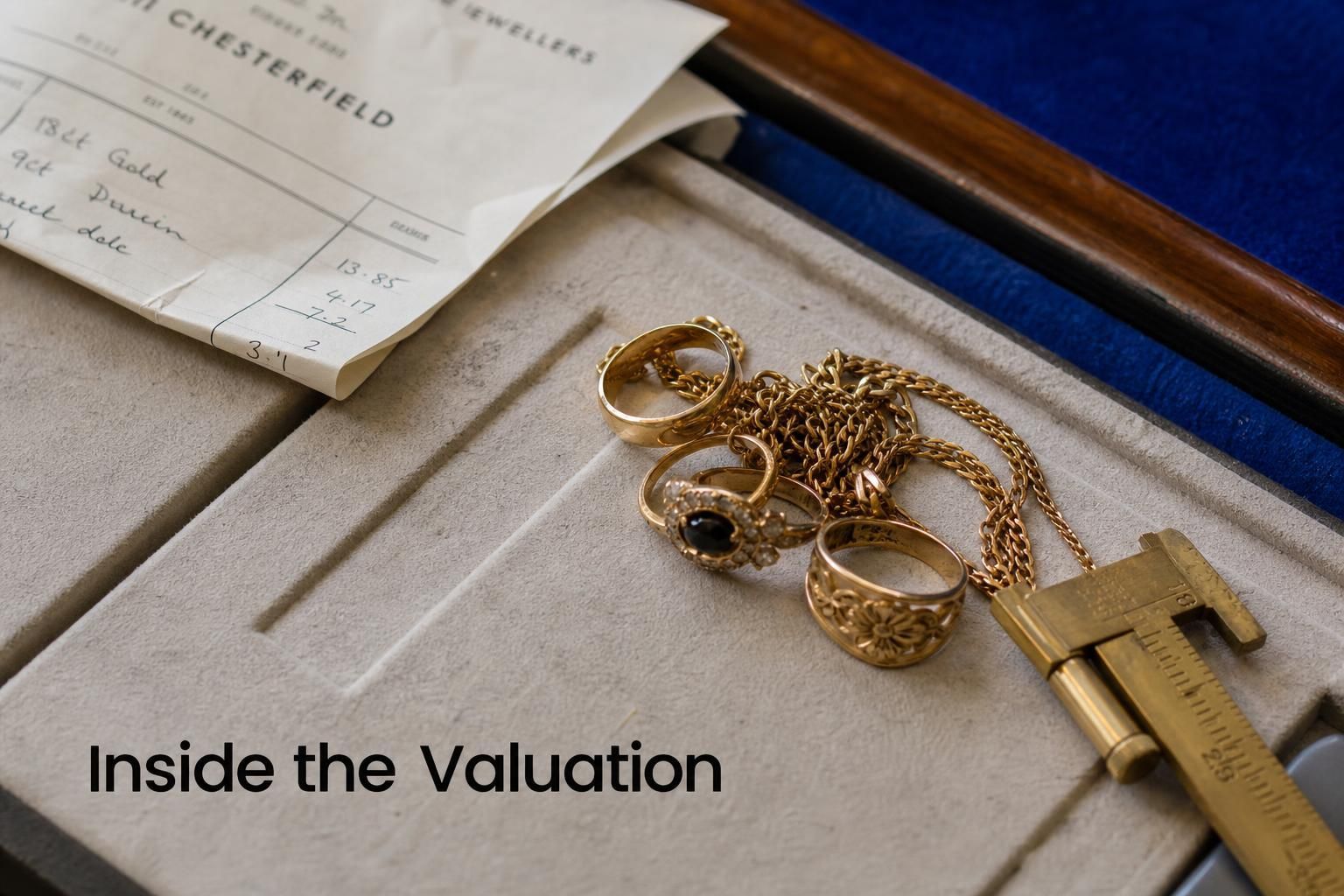
If you are looking for a gold buyer Chesterfield residents can trust, the main advantage is simple: you can sell gold locally, securely, and without rushing. That matters whether you have broken jewellery, a gold necklace, sovereigns, bullion bars, or inherited items you want to turn into cash. A good gold buyer Chesterfield service should explain the valuation clearly, check purity properly, and pay promptly once you are happy. It should also give you options. For example, you may prefer a…
Sell Gold UK Price Guide: What Affects Your Gold Payout?
By Gold Buyer • October 4, 2026
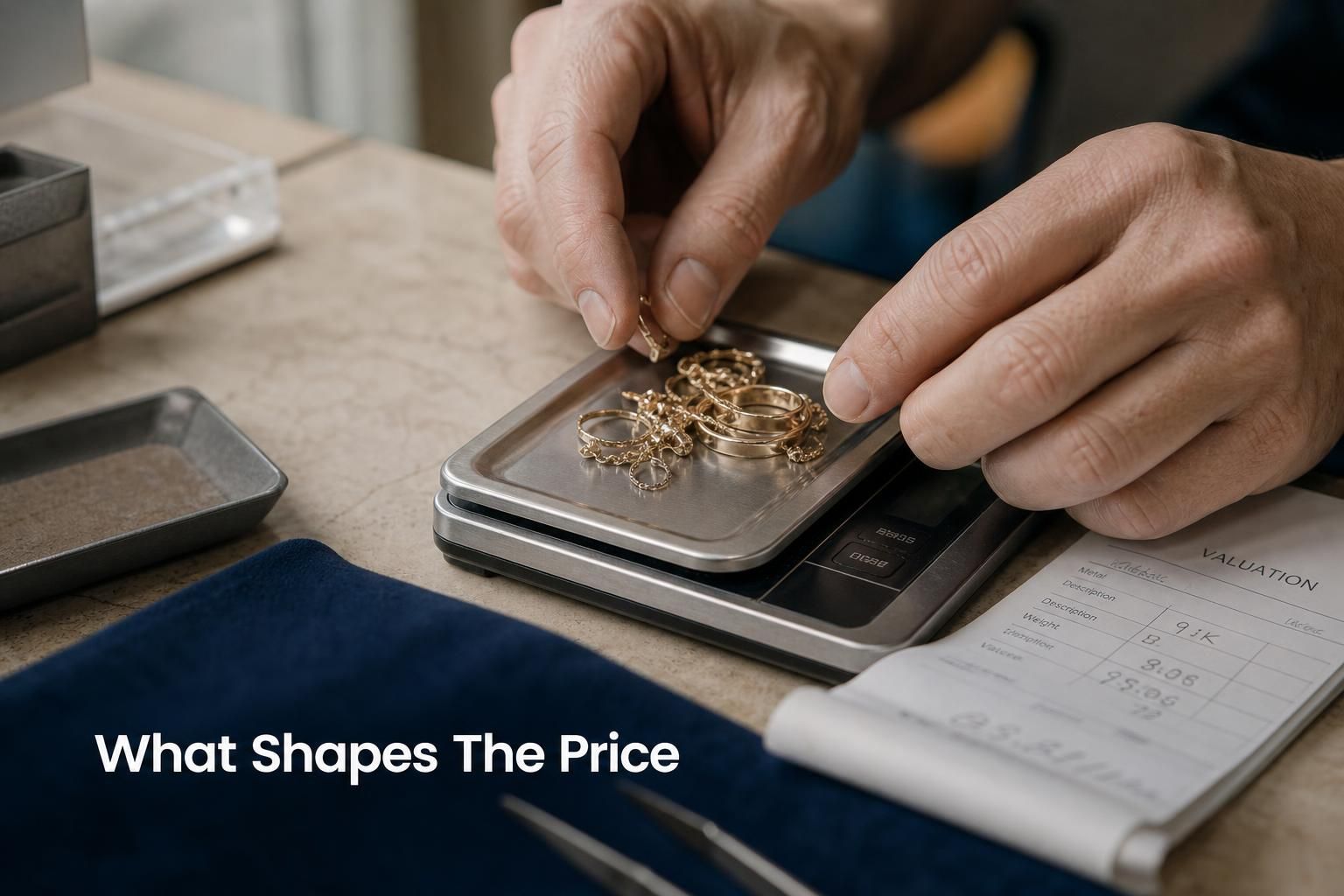
If you are comparing the sell gold uk price across buyers, the main thing to know is this: your payout is not just about gold weight. It depends on purity, the live market price, the type of item, and how much margin the buyer keeps. That is why two offers for the same ring or sovereign can look very different. A fair offer should explain the price per gram, the carat, and any deductions clearly. It should also feel secure, whether you choose a home visit, a postal kit, or a direct…

Home Gold Valuation Visits: Sell Gold from Your Home
By Gold Buyer • October 3, 2026
If you want to sell gold privately, a gold valuation at home is a simple way to do it. You avoid the pressure of a high-street visit and still get a clear, expert assessment in your own space. That makes it ideal for anyone with inherited jewellery, old chains, broken pieces, sovereigns, or bullion who values convenience and discretion. At Gold Buyer, we help customers across the Midlands and South with home visits, instant valuations, and fast payment. If you are comparing options, you can…
Free Postal Gold Selling Kit: How to Send Gold Securely
By Gold Buyer • October 2, 2026
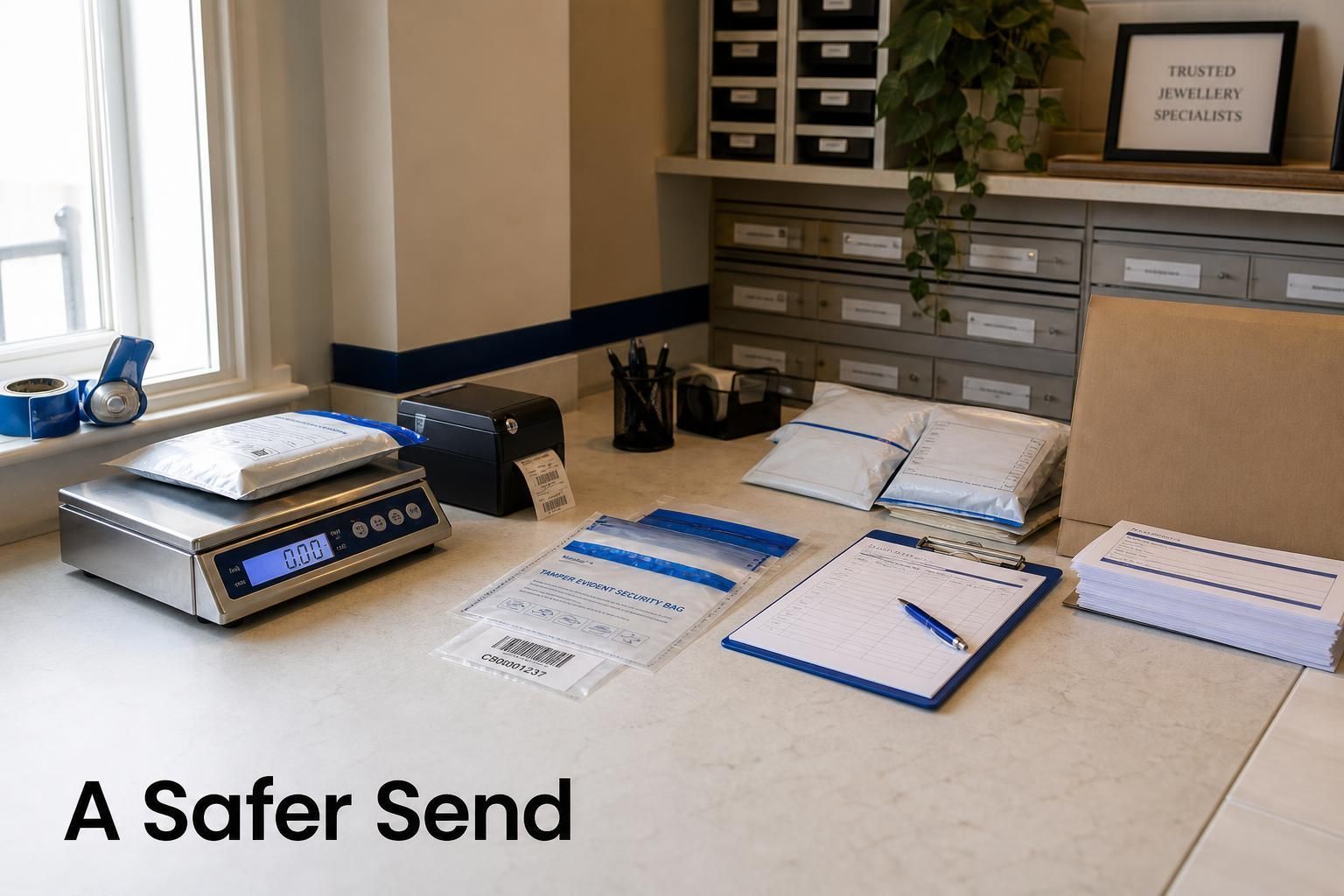
A postal gold selling kit gives you a simple way to sell gold without rushing to a high street buyer. It is ideal if you want privacy, tracked delivery, and a clear valuation process from start to finish. With the right postal gold selling kit, you can post unwanted jewellery, coins, scrap, or inherited pieces securely and review the offer before you accept it. That makes it a practical choice for many UK sellers who want cash without the stress of an in-person visit. If you want to compare…
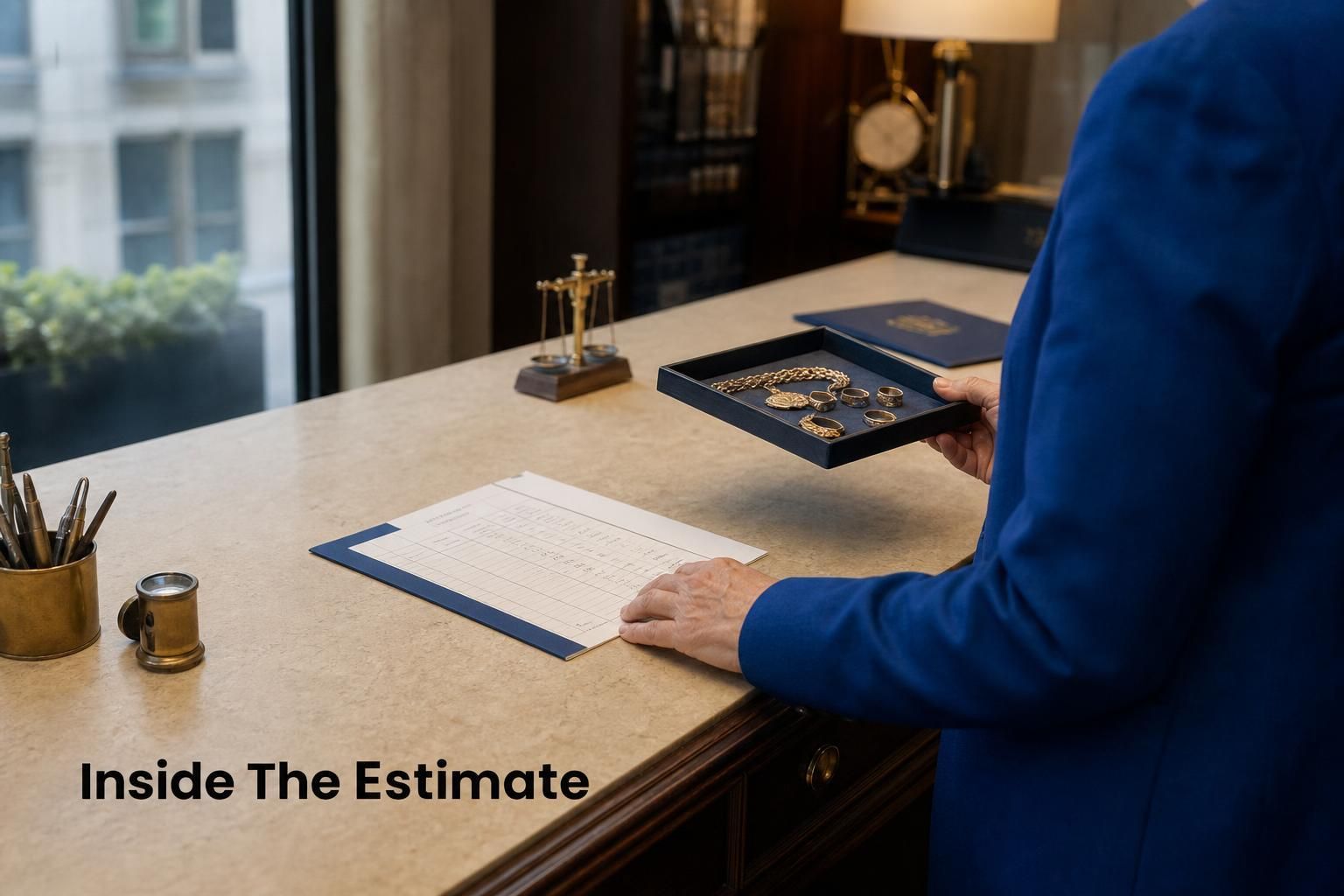
By Gold Buyer • October 1, 2026
If you want a fast way to value unwanted jewellery, coins, bullion, or scrap, a sell gold UK calculator is the best place to start. It gives you a clear estimate before you speak to a buyer, so you can understand the likely range for 9ct, 14ct, 18ct, 22ct and 24ct items. That matters because purity changes value, and so does weight. It also helps when you are comparing options like a home visit, postal kit, or local appointment. For a broader guide to the selling process, you can also read…
By Gold Buyer • September 30, 2026
If you are comparing gold buyers Chesterfield residents can trust, the main things to look for are clear valuations, discreet service, and fast payment. Gold Buyer offers home visits and secure appointments for people selling jewellery, necklaces, coins, sovereigns, bullion, scrap gold, and dental gold. That makes the process easier if you want to avoid shop pressure or post items away. Many sellers also prefer a local, face-to-face valuation because it gives them more control before they…
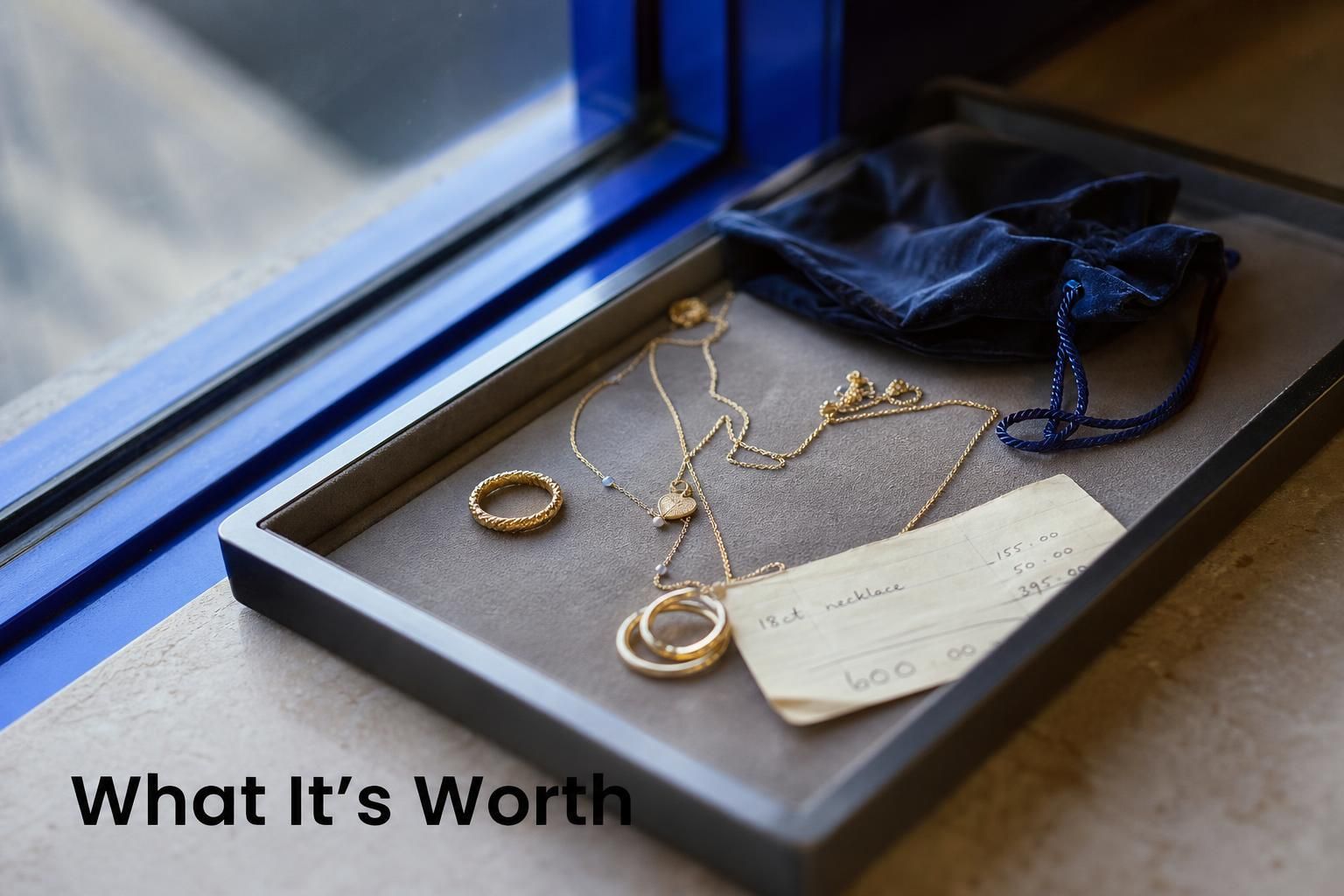
Sell Gold Jewellery Near Me: Home Visits and Local Valuations
By Gold Buyer • September 29, 2026
If you are searching for sell gold jewelry near me, you probably want two things at once: a fair offer and a simple, secure way to sell. That is exactly why local valuations matter. Instead of posting rings, necklaces, bracelets, or earrings to an unknown buyer, you can arrange a face-to-face assessment and decide in your own time. At Gold Buyer, we focus on home visit gold buying, gold valuation appointments, and fast payment for customers across the Midlands and South. If you want to…
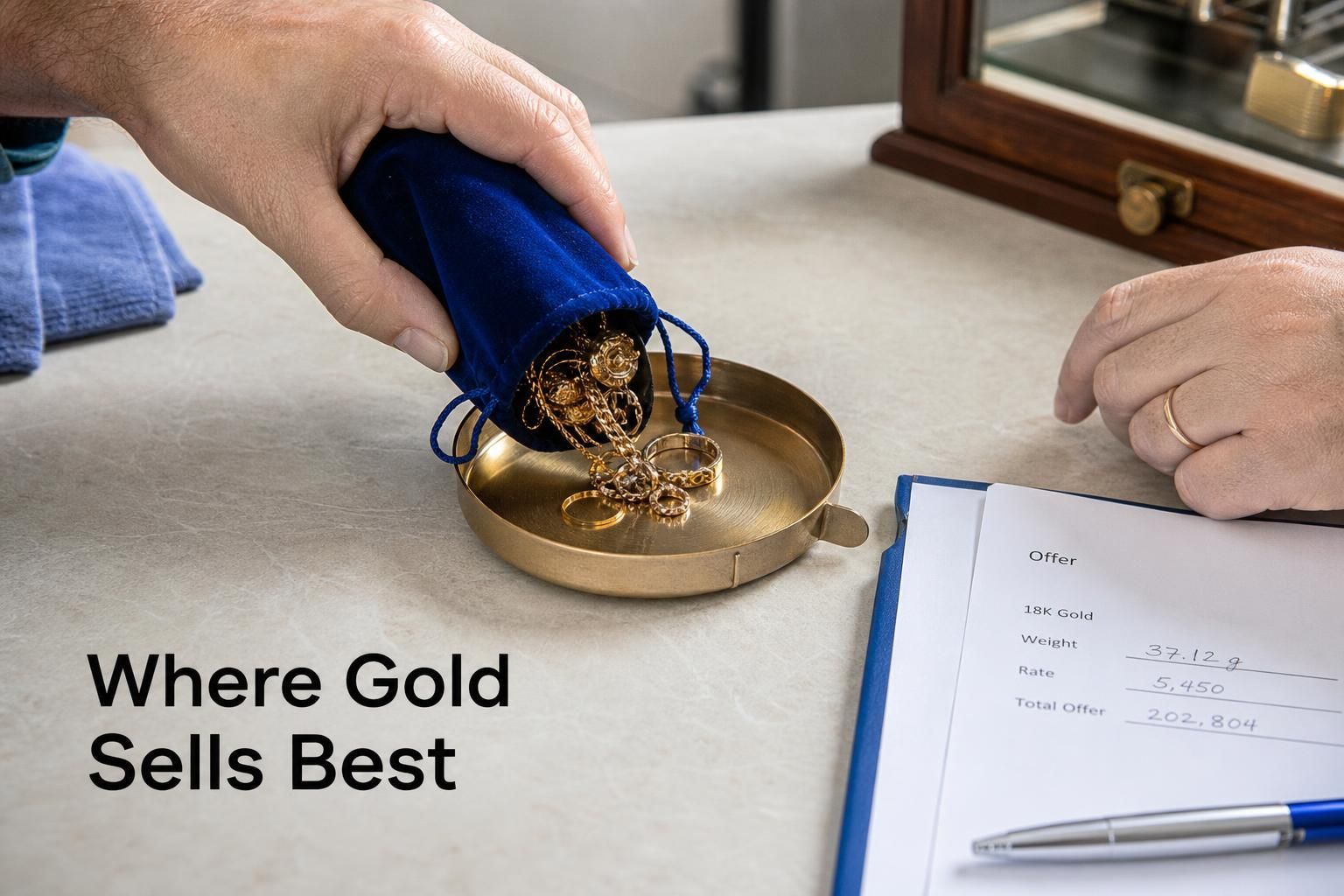
Pawn Shop vs Gold Buyer: Where Should You Sell Gold?
By Gold Buyer • September 28, 2026
If you are comparing pawn shop vs gold buyer, the biggest difference is simple: one is mainly a lender, and the other is mainly a buyer. That changes how your gold is tested, how the offer is explained, and how quickly you get paid. For UK sellers with unwanted jewellery, inherited chains, sovereigns, bullion, or scrap gold, that difference matters. It can affect convenience, security, and how confident you feel before you sell. If you want to see how a specialist service is structured, start…
By Gold Buyer • September 27, 2026
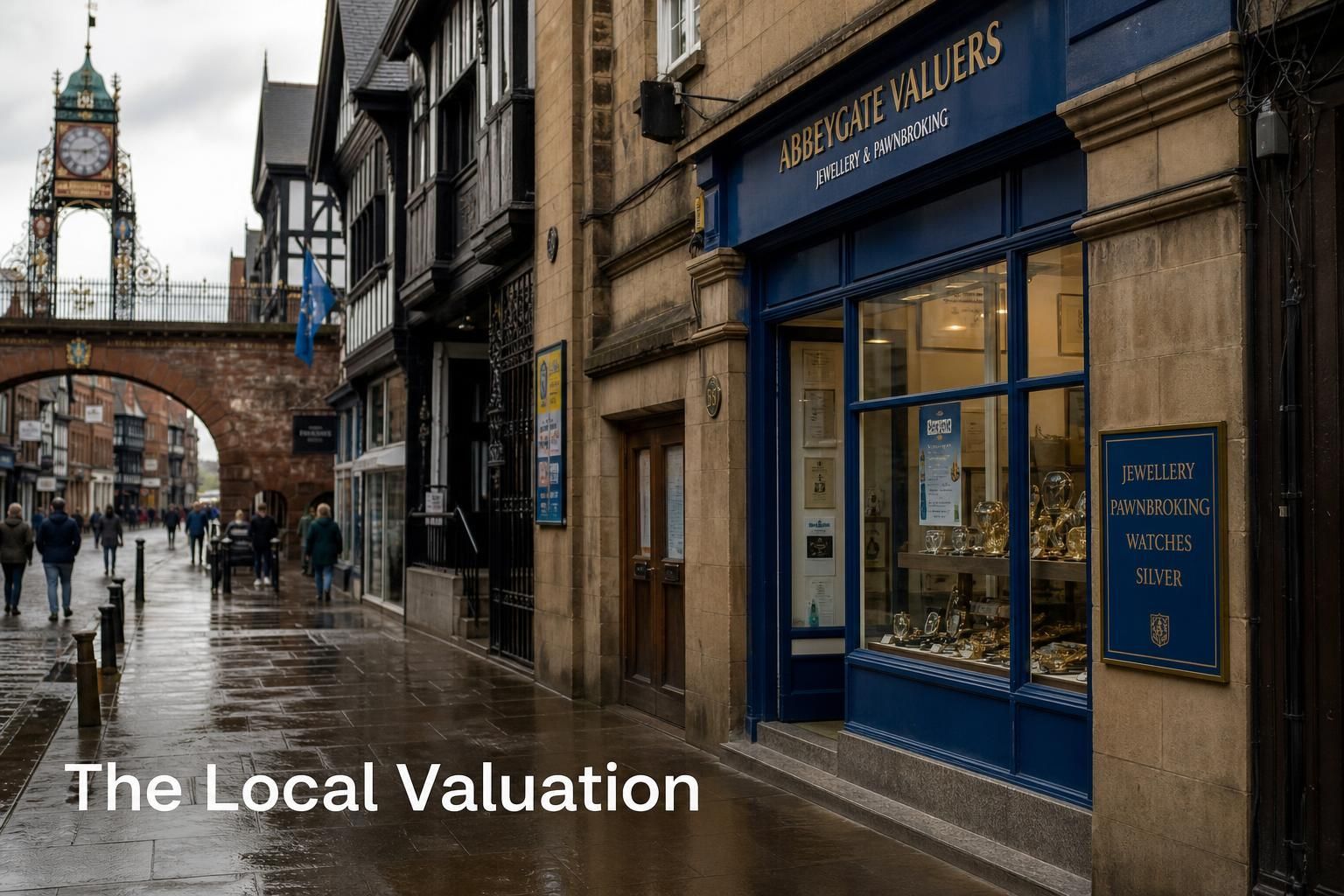
If you are looking for cash for gold Chesterfield, Gold Buyer gives local sellers a secure way to turn unwanted gold into money quickly. That can include broken jewellery, inherited pieces, old necklaces, sovereigns, bullion bars, scrap gold and even dental gold. The process is designed to be simple, private and convenient, especially if you want a home visit instead of a shop appointment. For sellers who are comparing options, it also helps to understand how valuation, testing and payment…
Show More