Sell Gold Jewellery in the Midlands
Quick Answer
If you want to sell gold jewellery in the Midlands, the best approach is to choose a trusted local buyer, understand how purity and weight affect value, and compare offers before you accept. Even broken, old-fashioned, or inherited pieces can still have value because gold is usually priced by its metal content, not its style.
If you want to sell gold jewellery, the most important thing is to know that everyday items can still hold real value. Rings, chains, bracelets, earrings, bangles, and inherited pieces are often worth more than people expect, even when they are damaged or out of fashion. At Gold Buyer, we help people across the Midlands and South UK sell gold jewellery in a simple, secure way, with clear valuation appointments, home visit options, and instant payment after an accepted valuation. If you are starting to compare your options, our Gold Buyers Near Me guide explains how to choose a trusted local buyer and avoid rushed decisions. This page is designed for practical sellers, not just collectors. It answers what your items may be worth, what happens during a valuation, and when it makes sense to sell gold jewellery now rather than leave it in a drawer. It also covers sentimental pieces, estate items, and scrap gold, so you can make a clear decision with less stress.
Sell Gold Jewellery Locally: Why a Midlands buyer can be the simplest option
The best way to sell gold jewellery is usually to work with a local buyer who can assess your items in person and explain the offer clearly. That gives you a chance to ask questions, compare pieces, and decide without pressure.
Local selling is especially helpful if you have mixed items. For example, one ring may be hallmarked, while another chain may be broken or missing a clasp. A good buyer still reviews each piece on its own merits. If you want a broader overview of the process, our Selling Gold in the UK guide explains what to expect from start to finish.
There is also a practical reason to sell gold jewellery locally. You can bring in a few items at once, discuss sentimental pieces, and avoid the delays that come with posting valuables. For some sellers, that reassurance matters as much as price.
If you are comparing service options, a home visit can also be useful. Gold Buyer offers contact options for arranging a gold valuation, which suits homeowners, retirees, and families dealing with inherited jewellery. Moreover, if your collection includes necklaces, our sell gold necklaces page can help you understand how chain weight and purity affect value.
Watch this short overview before you decide where to sell gold jewellery:
For many Midlands sellers, the right choice is not the fastest offer. It is the clearest one. That is why many people prefer to sell gold jewellery through a specialist buyer who explains the valuation and pays promptly once they accept.
Types of Gold Jewellery We Buy
We buy a wide range of items when people want to sell gold jewellery. The key point is simple: wearability is not the main issue. Gold content, purity, and weight matter more.
That means everyday pieces are often suitable, including broken items and single earrings. If you are unsure whether something qualifies, it is usually worth asking. Many sellers are surprised by what can still be valued.
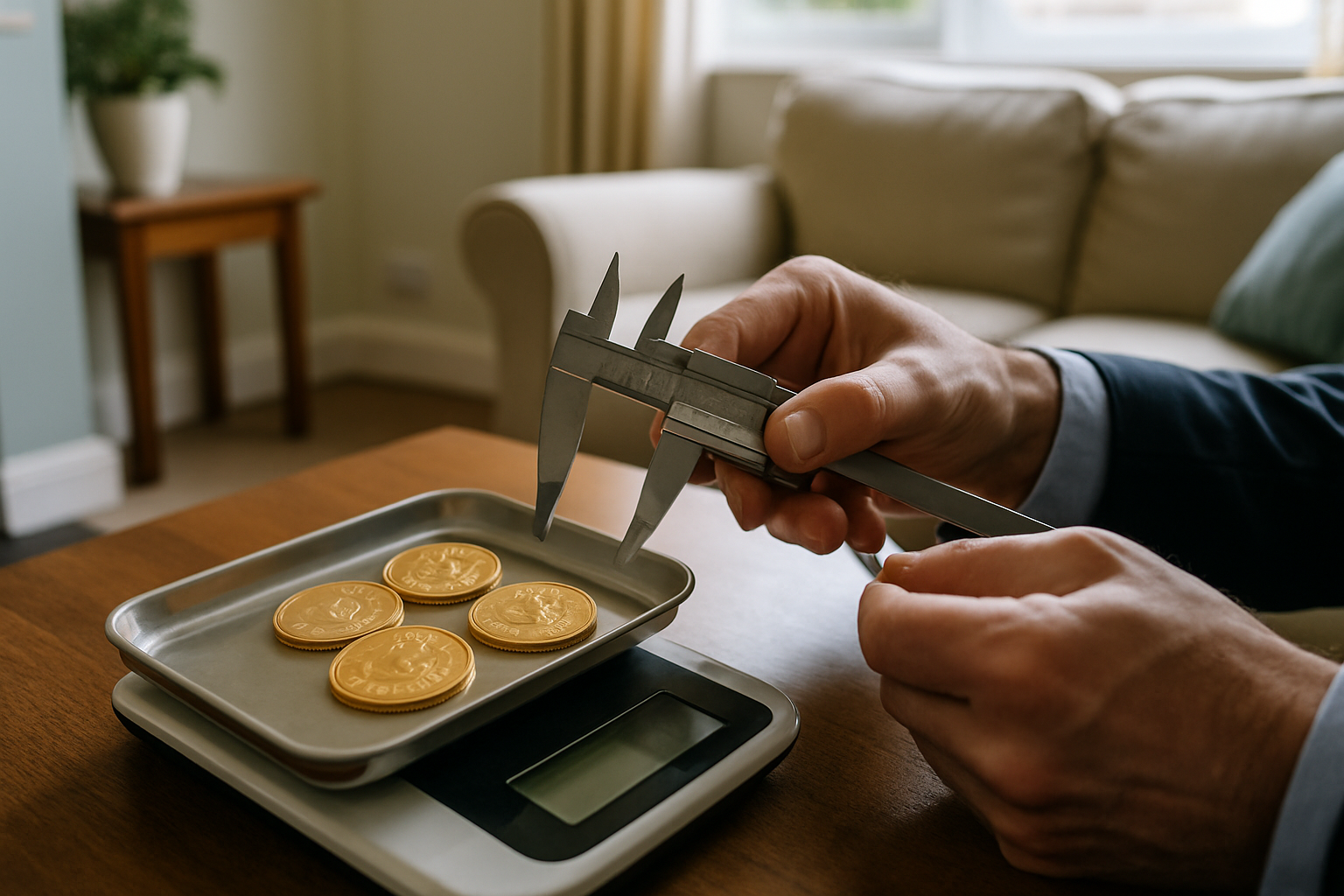
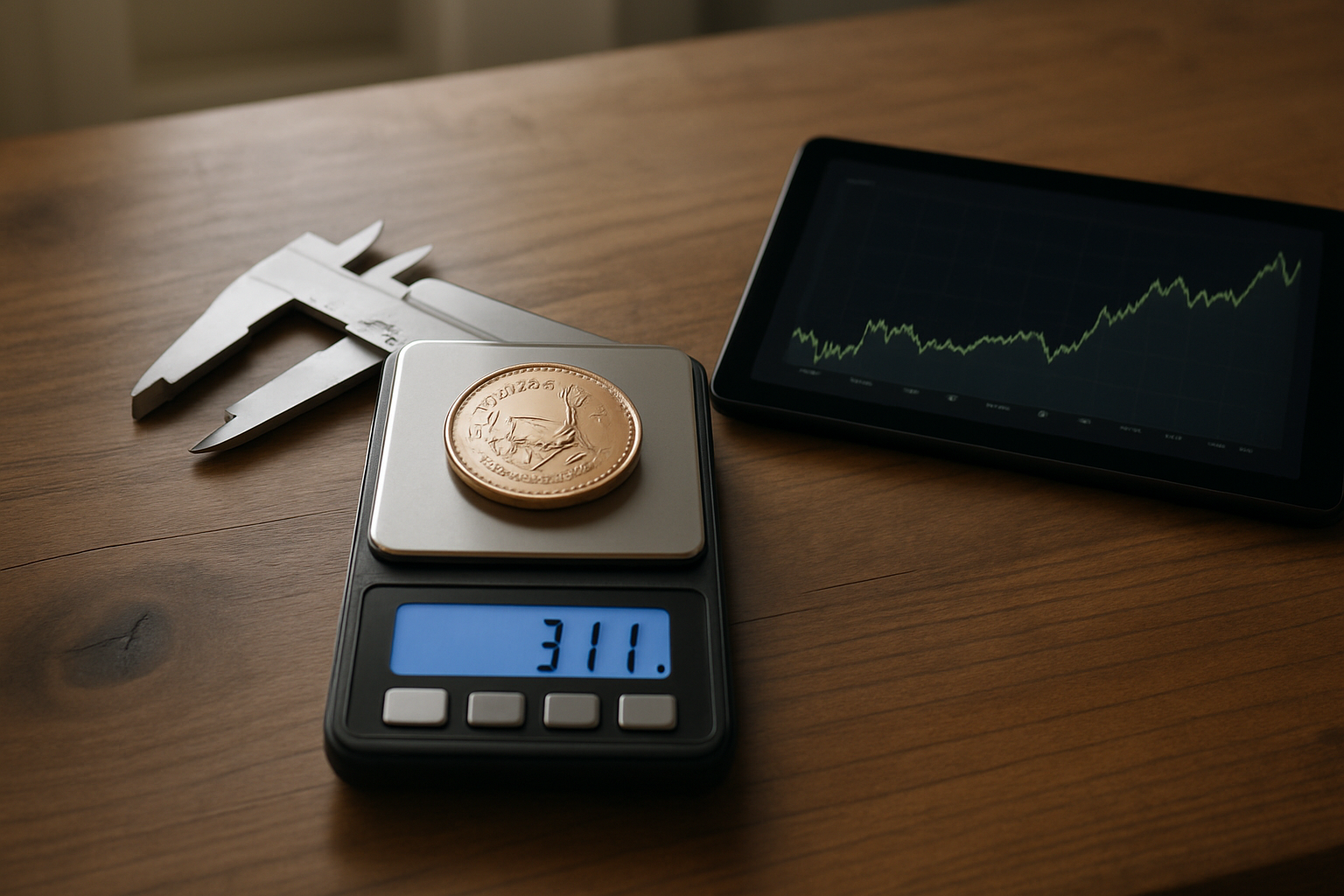
For investment-related items, we also handle coins and bars through our specialist pages such as sell gold sovereigns and sell gold bullion. However, this page focuses on jewellery items people commonly find at home or receive through family estates.
Rings, Chains and Bracelets
Rings, chains, and bracelets are among the most common items people choose when they sell gold jewellery. These pieces can be valuable even if they are scratched, tangled, or missing stones.
Chains and bracelets often contain more gold than people realise, especially thicker styles. Rings may be worth considering if they are plain gold, wedding bands, or older designs with no resale fashion appeal. If a ring has a missing stone, that does not automatically remove the gold value. The metal itself can still be sold.
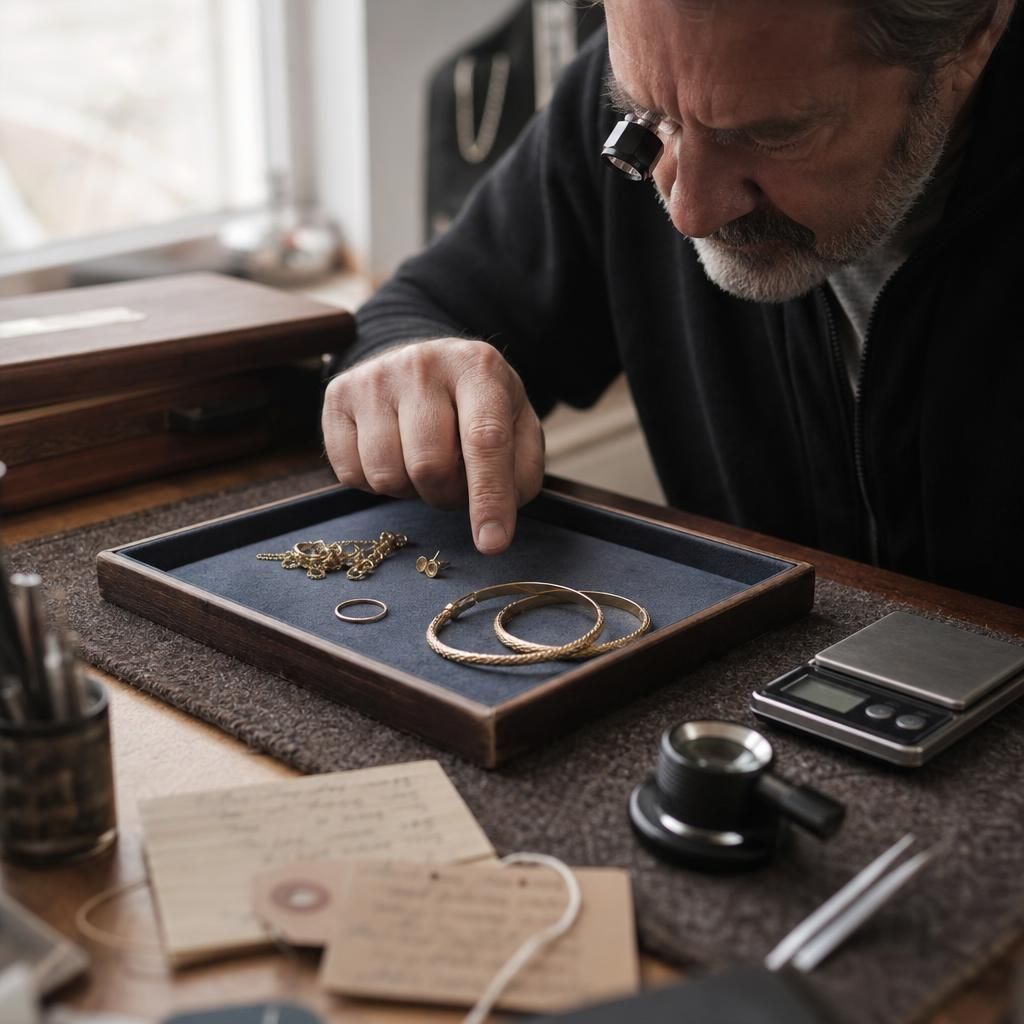
This is why many people bring a mixed tray of jewellery rather than only one item. A professional buyer can separate gold pieces from plated or non-gold items and explain what each one contributes to the offer.
Earrings, Bangles and Pendants
Earrings, bangles, and pendants also make sense to include when you sell gold jewellery. Odd earrings, broken clasps, and worn bangles are still worth checking because the gold may remain usable as metal.
This is especially useful for small items that have been forgotten in boxes or jewellery rolls. A pendant may be tiny, but it can still contain hallmarked gold. Likewise, bangles may offer stronger value because they are often solid and heavier.
If your pieces include necklaces, pendants, or mixed chains, you can compare them with our gold valuation in the Midlands page to understand how weighing and testing work during an appointment.
Inherited Gold Jewellery
Inherited jewellery is often the hardest to part with, but it is also a common reason people decide to sell gold jewellery. Estate pieces may sit unused for years because they do not suit the current owner or because the family wants to divide assets fairly.
In these cases, value should be based on facts, not sentiment. That means checking purity, weight, hallmarks, and whether any non-gold components change the calculation. If you need more context on selling decisions, the NAJ consumer guide to selling your jewellery is a useful educational resource.
Inherited items can include bangles, lockets, old chains, and mixed lots from a house clearance. Even when the style is dated, the gold may still be valuable. Therefore, it is usually sensible to get them assessed before deciding to keep or sell.
Does Condition Matter When You Sell Gold Jewellery?
Condition matters less than many people think. In most cases, you can still sell gold jewellery if it is broken, dented, worn, or unfashionable.
That is because buyers usually focus on the gold content rather than the item’s retail appearance. A bent bangle or a snapped chain may still contain the same gold weight as before the damage. As a result, the metal can still be valued and purchased.
This is one reason gold is different from many other personal possessions. Style changes quickly, but gold remains a commodity. If you want a second opinion on where to sell, a practical guide like where to sell gold in the UK can help you understand the main routes available, even if you ultimately prefer a local buyer.
However, condition can matter when your jewellery includes stones, enamel, or non-gold parts. Those elements may not be included in the offer unless they have separate value. Therefore, it helps to know exactly what is gold and what is decorative. That clarity makes it easier to sell gold jewellery confidently.
If you are deciding whether to repair a piece first, remember that repair costs can reduce your return. Often, it is better to get a valuation before spending money on restoration. You may find that the item is better sold as it is, especially if it is being treated as scrap gold or part of an inherited lot.
For sellers who want a quick route, our cash for gold near me page explains how local gold buying works in the Midlands and why condition is usually not a barrier.
How Jewellery Is Valued When You Sell Gold Jewellery
Jewellery is valued by checking purity, weight, and whether any parts have extra resale value. That is the core method used when you sell gold jewellery.
A valuer usually starts by identifying hallmarks or testing the metal. Then they weigh the item and separate any non-gold elements where needed. Finally, they calculate the offer based on the gold content and current market conditions.
This process is straightforward, but it should still be explained clearly. If you receive an offer, you should understand why that figure has been given. That is especially important with mixed lots, where some items may be solid gold and others may be plated.
For a more detailed local explanation, our Gold Valuation in the Midlands page covers how we weigh and value gold in practice. You can also review our main Gold Buyer homepage if you want to explore the wider service range.
If you are wondering how much you get if you sell your gold jewellery, the honest answer is that it depends on the item. Smaller, low-purity pieces will usually bring less than heavier, higher-purity items. Therefore, the best approach is to have a professional look at each piece rather than guess from appearance alone.
Watch this practical guide if you are weighing up online and in-person options:
Some sellers also ask whether it is worth selling gold jewellery at all. In many cases, yes, especially if the items are unused, damaged, inherited, or unlikely to be worn again. The main question is not whether the piece is old. It is whether the gold can be turned into money in a way that feels fair and secure.
Should You Clean or Repair Jewellery Before Selling Gold Jewellery?
Usually, you should only give jewellery a light clean before you sell gold jewellery. Do not polish, solder, or repair anything unless a buyer has asked you to do so.
A gentle wipe can help reveal hallmarks and make items easier to inspect. However, heavy cleaning can damage delicate pieces. Repairs can also cost more than they add in value. For that reason, it is often better to leave the item as it is and let the buyer assess the raw gold content.
This advice is especially relevant for inherited jewellery, where condition may be mixed. One necklace may be bright and wearable, while another item may be tangled or broken. Even so, both can still be assessed in the same appointment.
If you are considering alternatives, some people look at selling online instead of locally. That can work for certain sellers, but it also adds extra packaging, waiting time, and trust issues. If you want to understand the trade-offs, the Saga guide to selling gold jewellery is a helpful consumer article.
The simplest rule is this: if the item already has sentimental or market issues, do not risk making it worse. Get a valuation first, then decide whether the best path is to sell gold jewellery now or hold the piece a little longer.
Get a Jewellery Valuation and Decide With Confidence
A professional valuation is the easiest way to decide whether to sell gold jewellery now. It gives you a clear view of what you have and what it may be worth.
At Gold Buyer, we support sellers who want speed, privacy, and a straightforward explanation. That includes home visits, free selling kits, and instant payment after an accepted valuation. If you want to take the next step, visit our Contact Gold Buyer page to arrange a valuation or ask a question.
This approach works well for people clearing drawers, handling a family estate, or reviewing old investment pieces. It also helps if you have several different items and want one simple conversation instead of multiple appointments.
The main thing to remember is that you do not need perfect jewellery to get a sensible offer. Broken, old-fashioned, and inherited pieces can still be worth selling. In other words, you do not have to wait for the right season or a better style trend. You can sell gold jewellery when it suits you, as long as you choose a buyer who explains the process clearly and pays promptly.
Key Takeaways
- You can often sell gold jewellery even if it is broken, old-fashioned, or inherited.
- Gold value usually depends on purity, weight, and any extra resale value, not the jewellery’s style.
- Local valuations are useful because they are clearer, faster, and easier to discuss in person.
- Cleaning is fine, but repairs are often unnecessary before selling.
- A proper valuation is the simplest way to decide whether to sell now or keep the piece.
Frequently Asked Questions
What is the best way to sell gold jewelry?
The best way to sell gold jewellery is to use a trusted buyer who can assess it in person and explain the offer clearly. That gives you more control, especially if the items are broken, inherited, or mixed with non-gold pieces. A local valuation also makes it easier to ask questions and decide without pressure.
How can I sell my gold jewelry for the most money?
To sell gold jewellery for the most money, compare offers, check purity, and avoid rushing into the first price you hear. It also helps to separate solid gold from plated items before you go. Most importantly, choose a buyer who explains how weight and purity affect the valuation.
How much do you get if you sell your gold jewelry?
The amount you get when you sell gold jewellery depends on the item’s weight, purity, and whether it has any extra value beyond the metal. A thin, low-purity piece will usually be worth less than a heavier, higher-purity one. Because each piece is different, a proper valuation is the best way to know.
Is it worth selling gold jewelry?
Yes, it is often worth selling gold jewellery if the piece is unused, damaged, inherited, or unlikely to be worn again. Gold can still have value even when the jewellery is unfashionable or broken. If the item is sitting in a drawer, a valuation can show whether it is better as cash.