Sell Scrap Gold UK: What Counts as Scrap Gold?
Quick Answer
If you want to sell scrap gold UK, almost any gold item can qualify, even if it is broken, mismatched, worn, or out of fashion. The key is the gold content, not the condition, so local valuation is the safest way to confirm what your pieces are worth.
If you want to sell scrap gold UK, the first thing to know is simple: scrap gold is gold that has value because of its metal content, not because it is pretty, complete, or wearable. That means broken chains, single earrings, tangled necklaces, old rings, and inherited pieces that no one wants to wear can all still be worth money. In many cases, condition matters far less than karat and weight. That is why people across the Midlands often start with a proper valuation before making a decision. If you are unsure whether your items count as scrap gold, a local assessment is usually the fastest way to find out. It also helps you avoid sending valuable pieces away blindly. For a local next step, you can book a gold valuation in the Midlands or explore the main Gold Buyer service page. This guide explains what counts, how pricing works, and when a local buyer is the better choice.
What Is Scrap Gold?
Scrap gold is any gold item sold for its metal value rather than its design value. In practical terms, if an item is damaged, incomplete, outdated, or not suitable for resale as jewellery, it may be treated as scrap gold.
That definition matters if you want to sell scrap gold UK without confusion. A buyer is not paying for the original shop price. Instead, they assess the gold content, purity, and weight. Therefore, a bent bracelet or a single stud can still have real value. Many people are surprised by that.
Scrap gold is common in homes because gold lasts for decades. It appears in broken chains, old wedding bands, dental items, and inherited boxes of mixed jewellery. Some pieces may still look attractive, but if they are not easy to resell as finished jewellery, they may be priced as scrap.
If you are comparing options, a clear explanation of the wider process can help. Our selling gold in the UK guide explains what usually happens at valuation and payment. Likewise, if you are ready to move from sorting to selling, the cash for gold near me page shows how local selling works for Midlands customers.
For a quick public reference on how live scrap prices are often presented, you can also review a live calculator from London Gold Centre’s scrap gold price calculator. Another useful reference for current per-gram style pricing is Gold Traders’ gold prices page.
In short, if it is gold and has little resale appeal as jewellery, it may count as scrap gold. That is why people often choose to sell scrap gold UK after a simple face-to-face check.
Examples of Scrap Gold You Can Sell
Yes, many everyday items can qualify as scrap gold. The main question is whether the item still has useful resale value as a piece of jewellery or whether its gold content is the real asset.
If you want to sell scrap gold UK, here are the most common items buyers see. They often include mixed lots from jewellery boxes, inherited collections, and broken chains that have sat in drawers for years.
Broken Chains
Broken chains are one of the clearest examples of scrap gold. If a clasp is missing, links are snapped, or the chain is too damaged to wear, it may be valued mainly for metal content. That does not make it worthless. It simply means the gold itself is doing the heavy lifting at valuation.
A chain that is broken can still be useful to a buyer because gold can be melted and refined. As a result, the pattern or style matters less than the purity and weight. This is one reason people choose to sell scrap gold UK rather than store unusable jewellery.
Single Earrings
A lone earring can still be sellable. In fact, single earrings often go into scrap piles because matching the pair is impossible or uneconomic.
If the earring is gold, the missing partner does not necessarily remove its value. Instead, the buyer looks at the metal itself. So, if you have one hoop, one stud, or a mismatched pair, it may still make sense to sell scrap gold UK after a quick valuation.
Damaged Rings
Bent, cracked, or worn rings are another common example. A ring may be too damaged for resale as a finished piece, yet the gold can still be valuable.
This is especially relevant for inherited jewellery or older rings with sentimental history. If repairs would cost more than the piece is worth, scrap value may be the better route. A local buyer can tell you quickly whether repair or scrap sale makes more sense.
Old Gold Findings and Offcuts
Jewellery makers often end up with leftover clasps, jump rings, soldered fragments, and offcuts. These small pieces are easy to overlook, but they can add up.
Many sellers also bring dental gold, old settings, or unused mountings. These are classic scrap gold items because they are usually bought for their precious metal content, not for display. If you have a mixed bag of bits and pieces, it may still be worth it to sell scrap gold UK locally.
How Scrap Gold Is Priced When You Sell Scrap Gold UK
Scrap gold is priced mainly by purity, weight, and current market conditions. In other words, the buyer first checks how much fine gold is actually inside your item.
That is why two similar-looking pieces can produce very different offers. A 9ct item contains less gold than a 18ct item of the same weight, so the payout changes accordingly. Condition matters less than metal content once the item is treated as scrap.
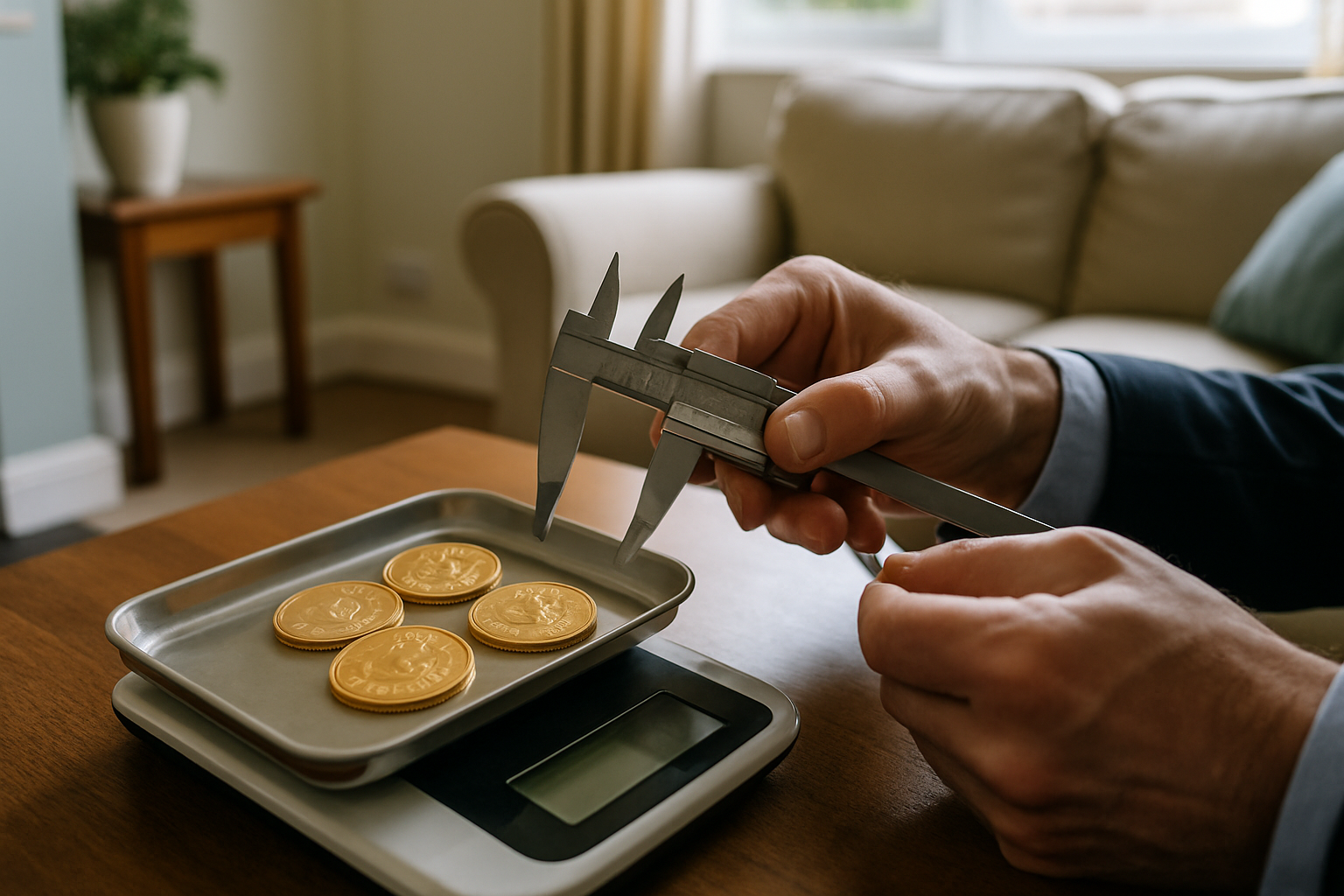
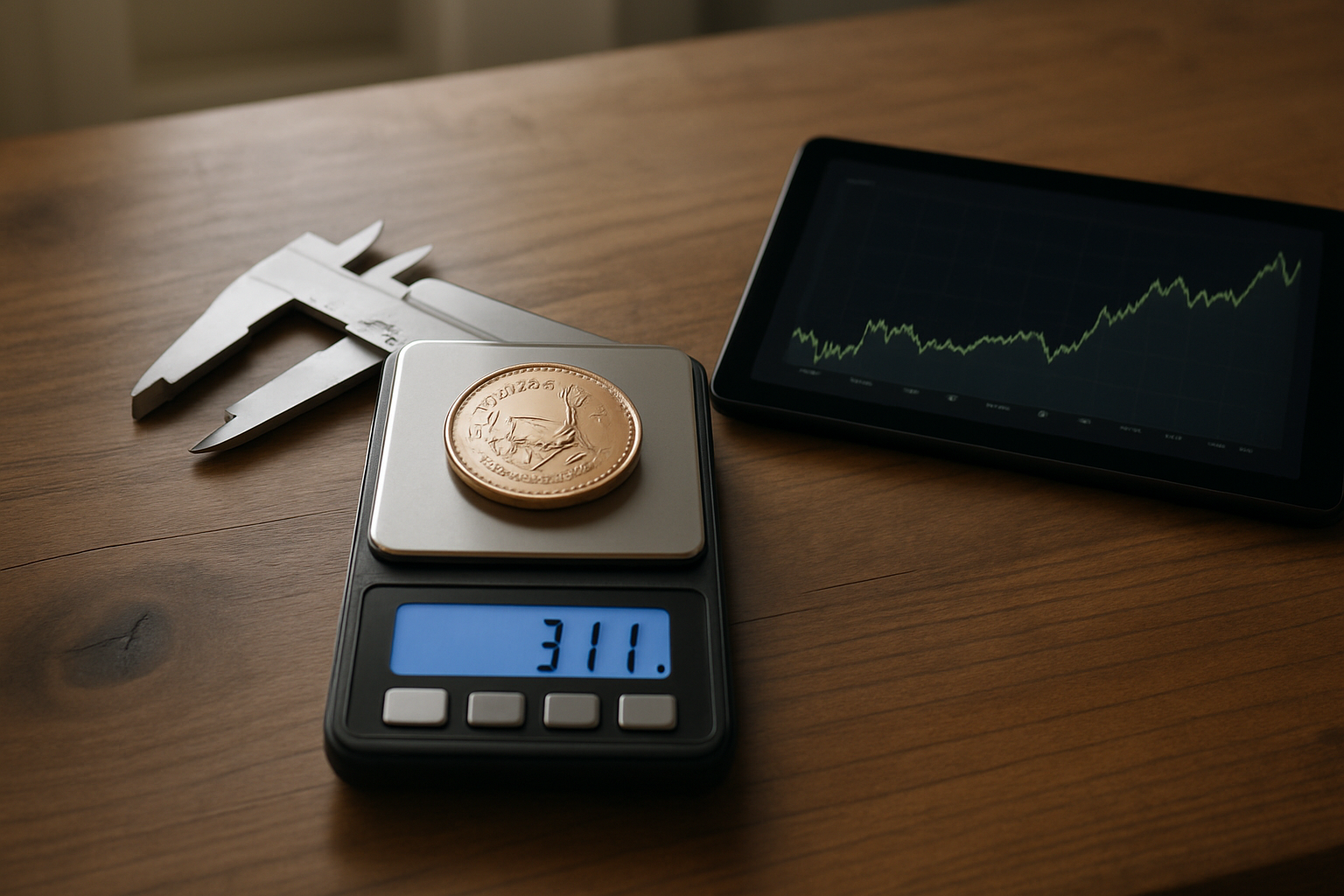
A reputable buyer will usually weigh items carefully and confirm the karat before offering a valuation. If you want to understand the process in more detail, our gold valuation in the Midlands page explains how weighing and testing work. It is also useful to compare the approach used by broader market reference pages, such as BullionByPost’s scrap gold prices page, which shows how buyers often frame live pricing.
People often ask, “How much is 1 gram of scrap gold worth in the UK?” The honest answer is that it depends on purity and the live gold market. A gram of 9ct gold will be worth less than a gram of 18ct or 24ct gold because there is less pure gold in the alloy. Therefore, any quote should be based on the exact item, not a quick guess.
If you are asking who pays the most for scrap gold in the UK, the best answer is usually: the buyer who explains the valuation clearly, tests properly, and charges no hidden deductions. The highest offer is not always the best deal if fees, postal risk, or vague testing create uncertainty.
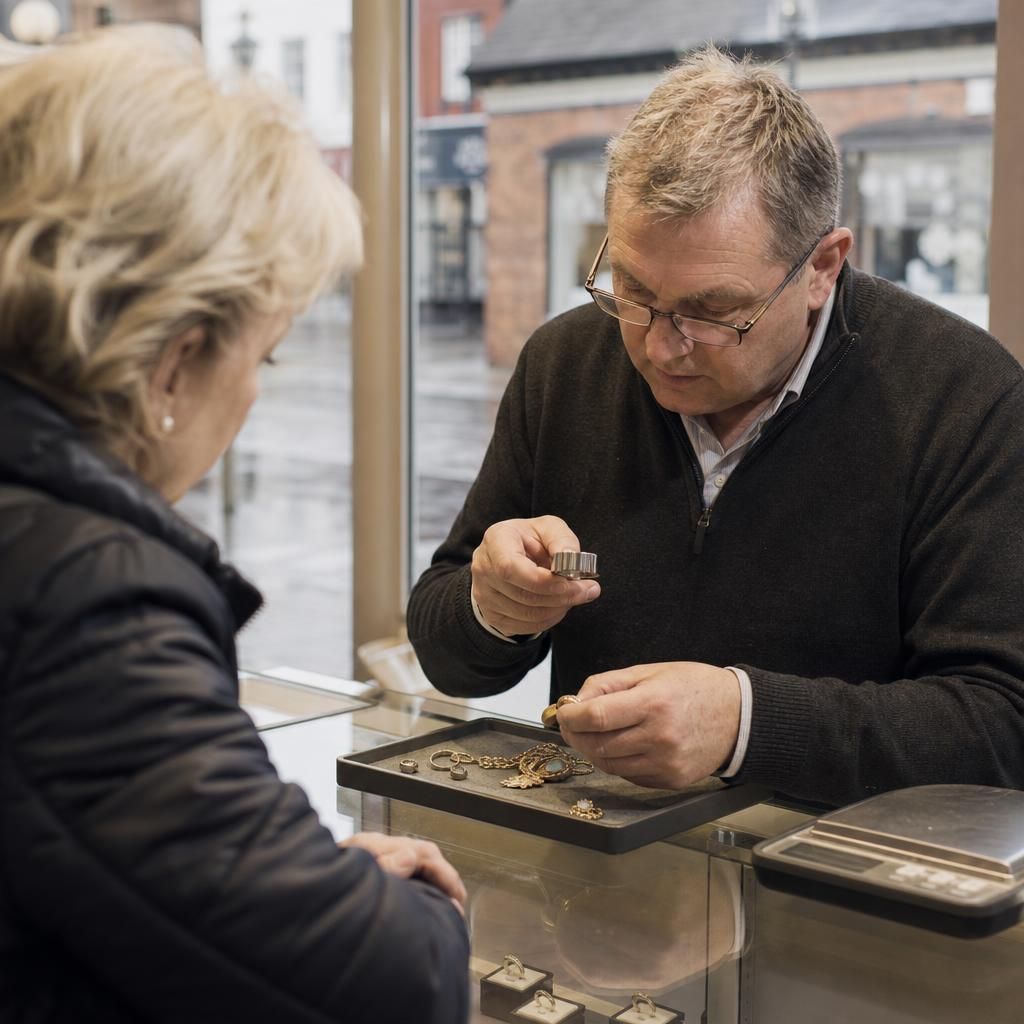
For many Midlands sellers, a local appointment is the most reassuring route. It lets you see the weighing process, ask questions, and decide in person. That is especially useful if you want to sell scrap gold UK with confidence rather than post valuables away unseen.
Before sending anything by post, some sellers also watch a practical cautionary video. It explains why envelope services are not always the best fit when you want clarity and control:
If you prefer a service built around direct assessment, you can also look at sell gold for cash in the Midlands for a local option with an in-person valuation route.
Does Scrap Gold Need Hallmarks?
No, scrap gold does not always need a hallmark to be sellable. A missing or unreadable hallmark does not automatically make an item worthless.
Hallmarks help identify purity, but they are not the only evidence a buyer can use. Experienced buyers can test gold in other ways, so unmarked items may still be accepted when the metal is genuine. That makes this topic important for anyone trying to sell scrap gold UK after finding old, worn, or handmade pieces.
A hallmark can help speed up the process. However, its absence does not end the conversation. Some gold items are simply too old, too worn, or too small to show clear marks. Others have been polished repeatedly or damaged in ways that obscure the stamp.
If you have a mixed box of jewellery, do not sort only by visible marks. Instead, separate anything that feels heavy, looks yellow, or seems likely to be gold. Then bring it in for a proper assessment.
This is also where a trusted local buyer matters. A proper valuation page, such as Sell Gold Jewellery in the Midlands, can help you understand what may still have value, even when the item is not perfect. In addition, the item may be bought as scrap even if it could not be sold as a retail piece.
So, if you are wondering whether an unmarked necklace or ring can still be sold, the answer is often yes. That is one of the biggest reasons people choose to sell scrap gold UK rather than assume old jewellery is unusable.
Scrap Gold vs Resale Jewellery
Scrap gold is bought for metal value. Resale jewellery is bought because someone else may wear it again.
That difference changes the price. A clean, complete, desirable item may attract a different offer than a broken or dated one. However, the line is not always obvious, especially with inherited jewellery or unusual designs.
If a piece is trendy, complete, and in good condition, it may be treated as jewellery for resale. If it is damaged, mismatched, or has no market demand, it may be treated as scrap gold instead. This is why many sellers ask for a valuation before deciding whether to repair or sell.
For example, a simple gold chain might still be desirable if it is intact and attractive. On the other hand, if the clasp is broken and links are stretched, scrap value may be the smarter route. The same logic applies to rings, bangles, and necklaces.
If your main aim is to sell scrap gold UK, do not worry about the item looking old. Old is not the same as worthless. Some older gold is still beautiful, but buyers can tell you whether its best use is resale or scrap. That advice can save you time and money.
For more on item-specific options, the sell gold necklaces page and the sell gold sovereigns page are useful if you also have investment pieces mixed in with jewellery. Meanwhile, if you want to understand how a buyer separates retail resale from metal value, a short demonstration can help:
This quick example shows how a UK buyer assesses scrap gold in practice.
Ultimately, the right route depends on condition, demand, and purity. If you want the simplest answer, ask for a local evaluation and compare options before you sell scrap gold UK.
Sell Scrap Gold UK Locally in the Midlands
A local valuation is often the easiest way to sell scrap gold UK if you live in the Midlands. It gives you a clear face-to-face assessment and reduces the uncertainty that comes with postal selling.
That matters if you are dealing with inherited items, retirement clear-outs, or mixed boxes of jewellery. You can bring everything in one visit, ask questions, and decide on the spot. In many cases, that is a lot more reassuring than packing items into an envelope and waiting.
Gold Buyer offers a friendly local route for people who want a direct assessment and fast payment after an accepted valuation. If you are ready to speak to a team, use the contact Gold Buyer page. If you want to understand the wider buying process first, the main Gold Buyer homepage also outlines the service clearly.
For sellers outside the immediate area, a home visit gold buying service or a free gold selling kit can also be helpful. That is especially useful for customers who have multiple items, mobility concerns, or a full estate to sort through.
Here is the simplest rule to remember: if you are unsure whether an item counts as scrap, bring it anyway. Broken, mismatched, old, and damaged pieces may still be valuable. Therefore, the best first step is not to guess. It is to get them checked.
If you want to sell scrap gold UK with confidence, a local valuation in the Midlands gives you the clearest picture. It also helps you compare scrap value with any possible resale value before deciding.
Do I need to declare gold to HMRC?
Usually, the act of selling personal gold is not something people “declare” in the same way they would report income from work. However, tax treatment can depend on what you own, how you acquired it, and whether you make a chargeable gain.
If you are asking about HMRC, the safest answer is to keep records and get professional tax advice if your sale involves investment pieces, inherited assets, or unusually valuable items. This is especially relevant for sovereigns or bullion, which may have different tax considerations from ordinary scrap jewellery.
For most everyday sellers, the priority is simpler: identify what you have, get a fair valuation, and sell through a trusted route. If your items are personal jewellery or old family pieces, the process is usually straightforward. Still, if you are unsure, it is sensible to check the official HMRC guidance or speak to an adviser.
So, while HMRC is an important question, it should not stop you from exploring a fair offer. It is one more reason to sell scrap gold UK through a transparent buyer who can explain exactly what is being purchased and why.
Key Takeaways
- Scrap gold is valued for its metal content, not its appearance or wearable condition.
- Broken, mismatched, damaged, and old gold can still be worth selling.
- Price depends on purity, weight, and the live gold market.
- Hallmarks help, but they are not always required for a valuation.
- A local Midlands valuation is the most reassuring way to sell scrap gold UK.
Frequently Asked Questions
How much is 1 gram of scrap gold worth in the UK?
It depends on purity and the live gold market. One gram of 9ct gold will be worth less than one gram of 18ct or 24ct gold because the gold content is different. For an exact figure, a buyer needs to test and weigh the item before you sell scrap gold UK.
Who pays the most for scrap gold in the UK?
The best payer is usually the buyer that gives you a clear, transparent valuation with no hidden deductions. That may be a local specialist, especially if you want to compare the offer in person before you sell scrap gold UK.
Who pays most for scrap gold?
The highest offer is not only about the headline price. It also depends on accuracy, fees, and whether the buyer tests and weighs properly. When you sell scrap gold UK, choose the option that explains the valuation clearly and pays promptly after acceptance.
Do I need to declare gold to HMRC?
Not always, but it depends on the type of gold and the tax context. Everyday personal jewellery sales are usually straightforward, while inherited assets or investment gold can raise different tax questions. If you are unsure, keep records and seek HMRC or professional advice before you sell scrap gold UK.