
Sell Gold Necklaces and Chains for a Fast UK Valuation
Quick Answer
If you want to sell gold necklaces in the UK, the fastest and safest option is usually a local gold buyer who can weigh the chain, check the carat, assess any damage, and pay by bank transfer after you accept the valuation. Broken clasps, mixed jewellery, and inherited pieces can still have strong gold value.
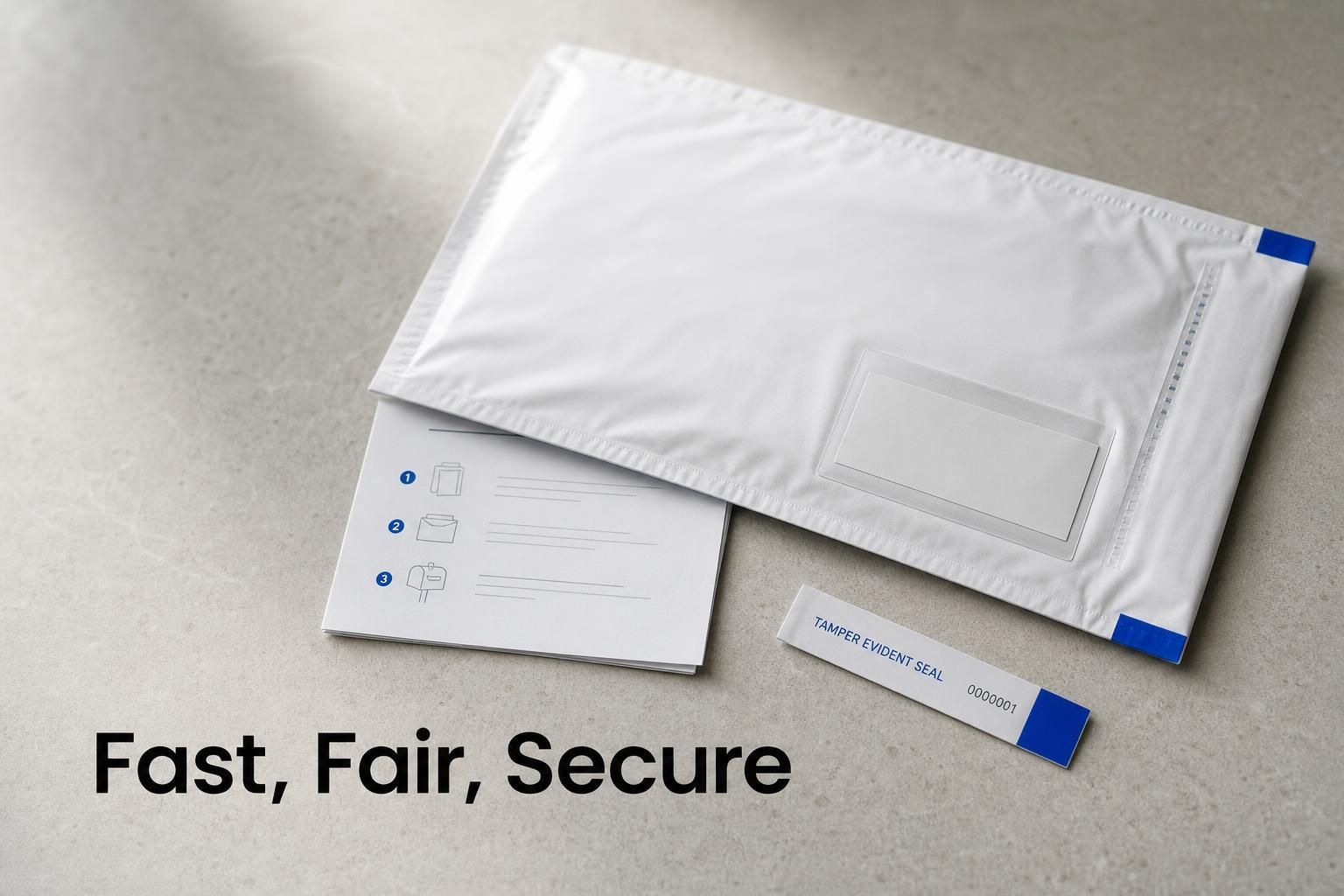
If you want to sell gold necklaces, the key is simple: get the carat checked, the weight measured, and the offer explained clearly before you accept anything. A good valuation should cover chains, pendants, broken clasps, and inherited jewellery without pressure or hidden deductions. Gold Buyer makes that process straightforward for UK sellers who want a local appointment, a home visit, or a free selling kit. You can also start with Sell Gold Necklaces | Gold Buyer | Midlands & South if you already know your item is a necklace or chain. Many people arrive with damaged pieces, mixed lots, or jewellery they no longer wear. That is normal. What matters is knowing how the offer is worked out and how to compare it with other selling options before you agree to sell gold necklaces.
Sell gold necklaces, chains and broken necklaces with confidence
You can sell gold necklaces even if they are broken, tangled, or missing a clasp. The value usually depends on the gold content, not the fashion condition.
That means chains, rope necklaces, curb links, snake chains, Figaro styles, and inherited pieces can all be assessed in the same way. If you are comparing options, it helps to look at trusted guidance such as a gold calculator overview from Scrap Gold UK and F.Hinds’ gold for cash service, then compare that with a local appointment.
At Gold Buyer, the aim is to make it easy to sell gold necklaces without sending items away first. That is especially useful if you want face-to-face reassurance or prefer a bank payment after valuation. If you are nearby, you can also use Contact Gold Buyer | Gold Buyer | Midlands & South to arrange a visit.
This is often the best route for people selling one necklace, several chains, or a mixed jewellery box. It also suits sellers with broken jewellery, because damage does not automatically remove the gold value. In practice, the buyer weighs the item, checks the purity mark, and explains the payment before you decide whether to sell gold necklaces.
Watch this quick overview if you want a broad guide to comparing selling routes before you accept an offer:
If your necklace is part of a larger jewellery clear-out, keep the pieces together until valuation. That makes it easier to see which items should be sold as individual pieces and which should be grouped into a lot.
What types of gold necklaces are usually accepted?
Most buyers will consider gold chains, lockets, pendants, tennis-style necklaces, and damaged pieces. Many will also buy hallmarked and non-hallmarked items, as long as the gold content can be checked.
This is why people often sell gold necklaces after a house move, bereavement, or jewellery box clear-out. A chain that is too short, bent, or missing a fastening can still be worth selling. The same applies when a necklace has no resale use but still contains precious metal.
What affects the value when you sell gold necklaces?
The value of a necklace is based on what it contains, not just how it looks. Carat, weight, and condition all matter, but purity and grams are usually the biggest drivers.
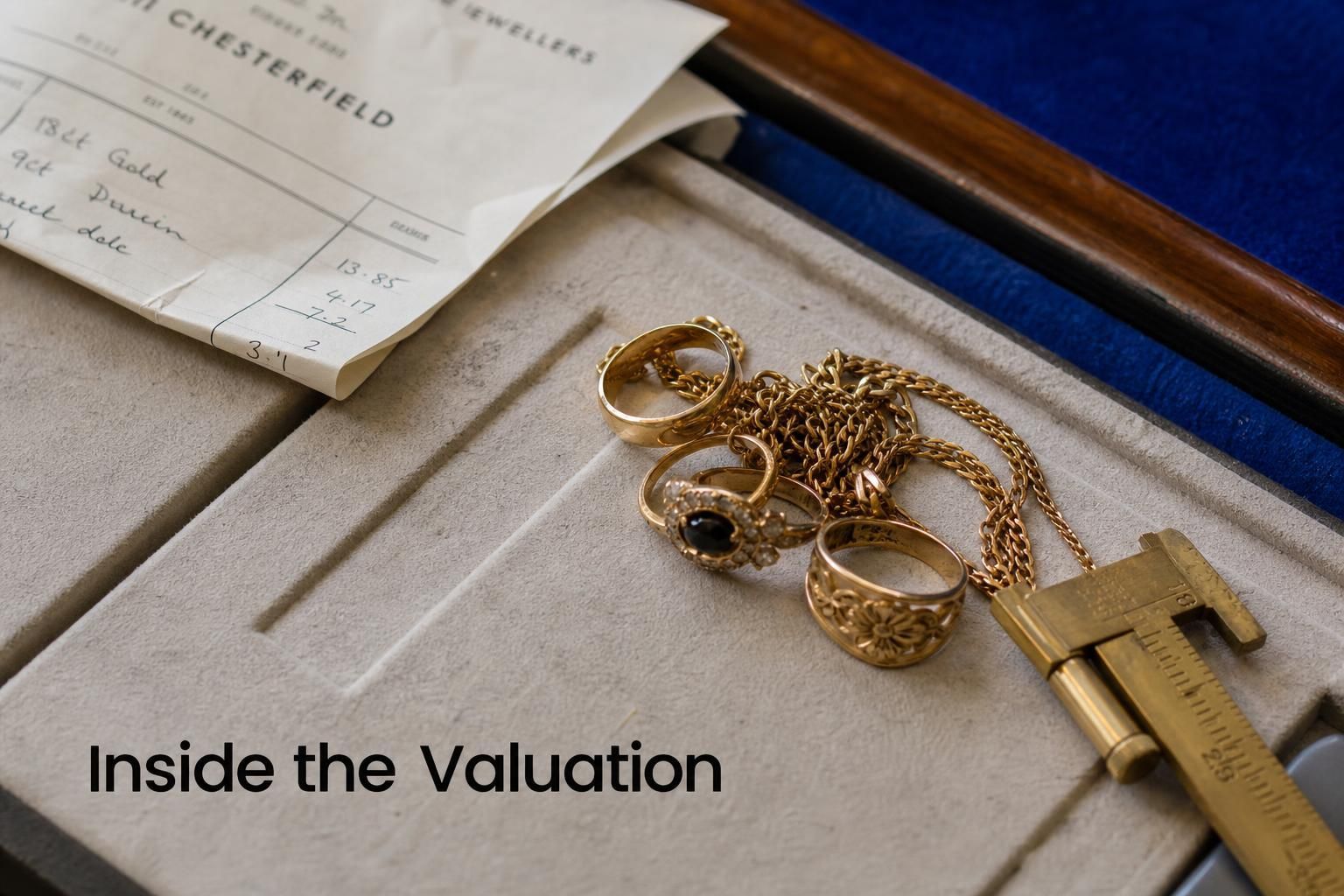
If you want to sell gold necklaces for a fair valuation, start by understanding the basics. Gold Price Per Gram UK pages such as Gold Price Per Gram UK: 9ct, 14ct, 18ct, 22ct and 24ct Gold are useful for context, although the final offer still depends on the exact item. For a local, guided approach, Gold Valuation in the Midlands: How We Weigh and Value Your Gold explains the process clearly.
When people sell gold necklaces, they often worry about tiny details. In reality, a buyer is usually focused on the metal content first. Decorative links, style, and age may matter for antique resale, but many everyday chains are priced mainly for scrap gold value.
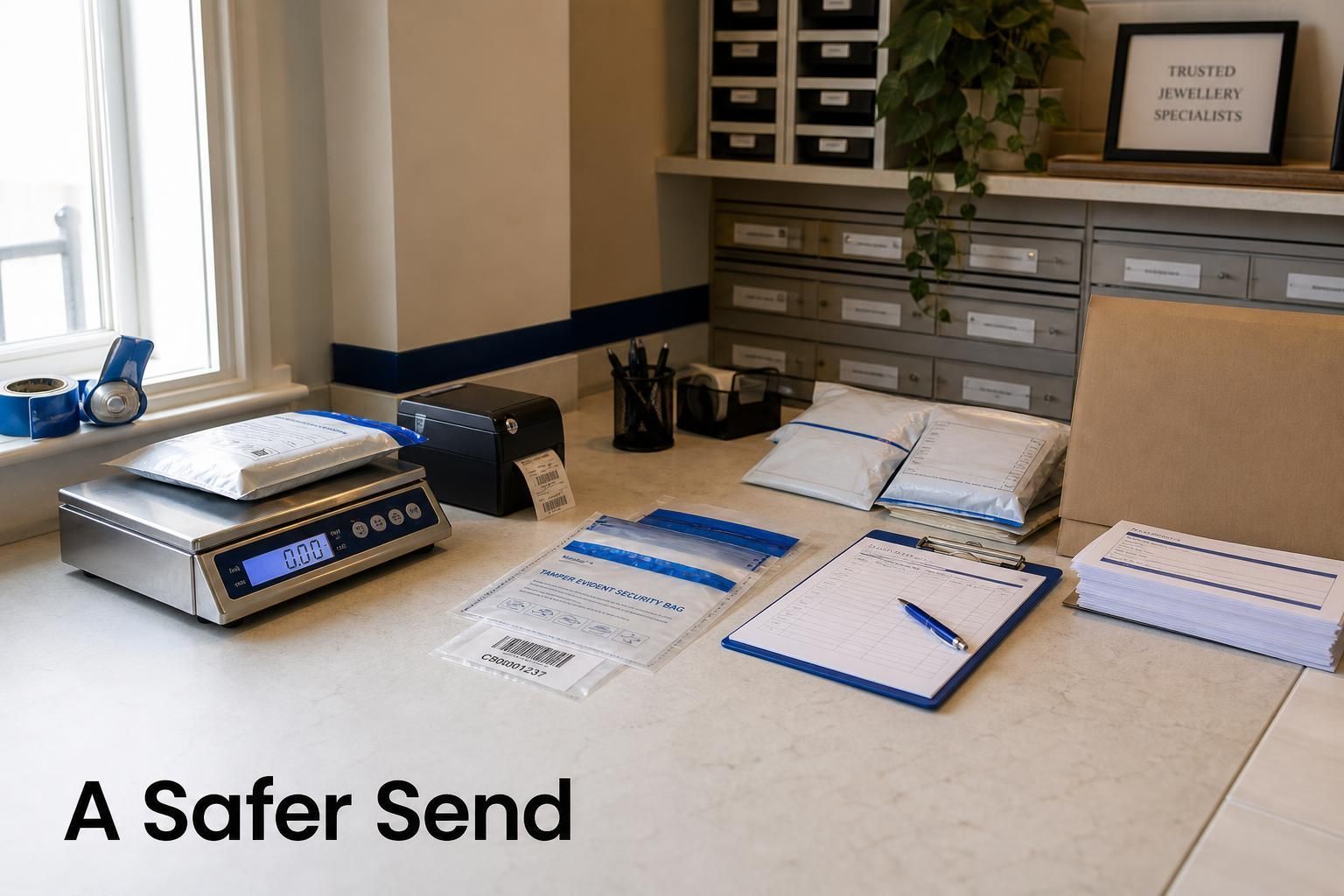
If you want a safer alternative to posting valuables, Gold Buyer also offers a local route with direct assessment and payment after acceptance. That can be a better fit than anonymous online selling, especially for inherited pieces or higher-value chains.
For a second perspective on necklace selling, this practical video is helpful:
In short, to sell gold necklaces well, ask how the offer was calculated, what purity was tested, and whether any deductions were made for testing or handling. Clear answers matter more than a fast headline quote.
Carat and purity
Carat tells you how much pure gold is in the necklace. A 9ct chain contains less gold than 18ct or 24ct, so the valuation is usually lower for the same weight.
When you sell gold necklaces, hallmarks help, but they are not the only clue. If a hallmark is worn, a buyer may still test the piece. That is normal and should be explained clearly.
Weight and length
Weight is critical because gold is valued by grams. A longer chain often weighs more, but style matters too, since some designs use more metal than others.
Therefore, two necklaces with a similar look can produce very different offers. If you sell gold necklaces in a mixed lot, ask for item-by-item clarity before agreeing.
Damage, missing clasps or broken links
Damage does not usually remove the gold value. Broken clasps, kinks, snapped links, and bent sections can still be sold for their metal content.
This is one reason many people choose to sell gold necklaces rather than repair them. Repair costs can exceed the value of an old chain, especially on lighter or lower-carat pieces.
How the valuation works when you sell gold necklaces
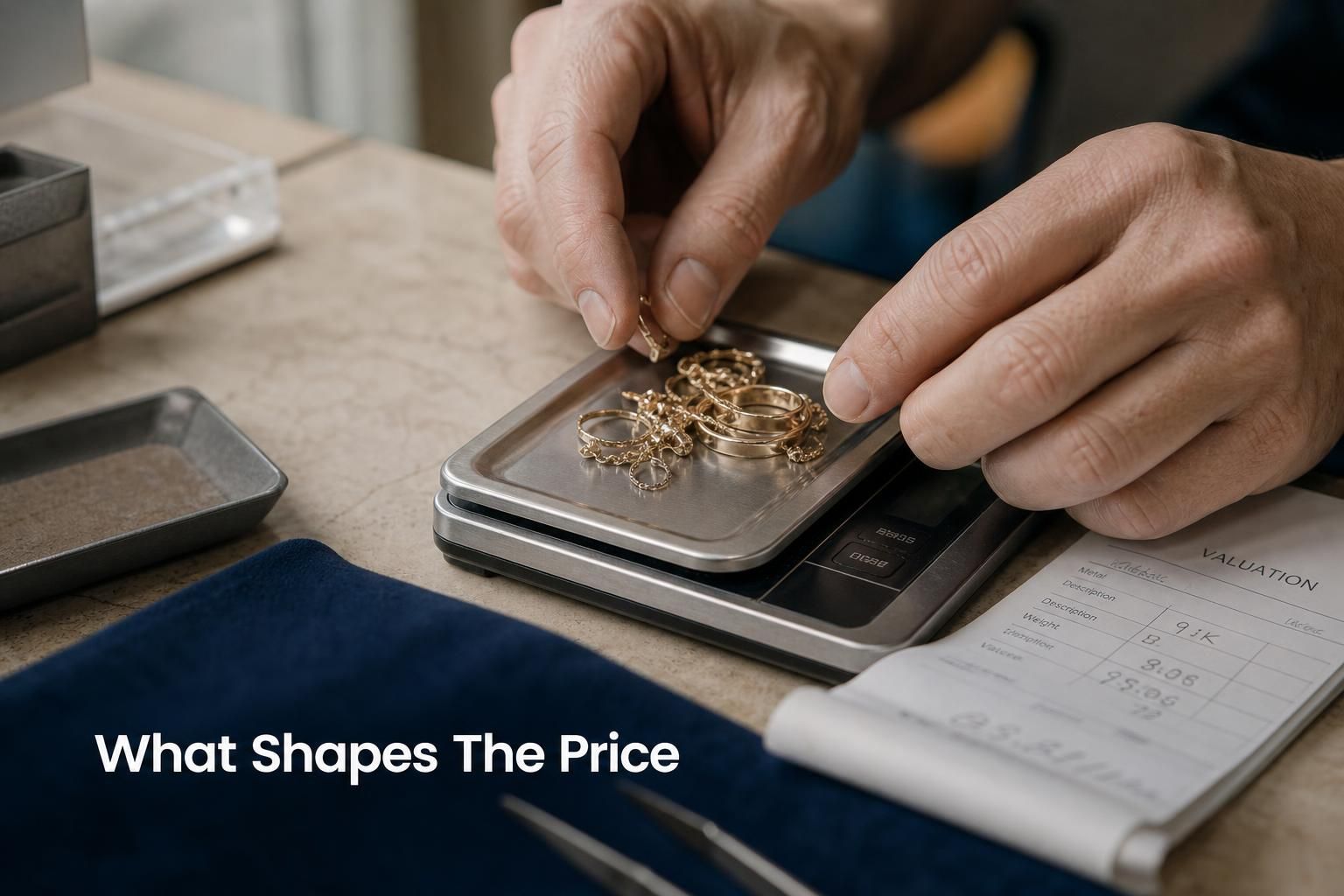
The valuation should be simple, transparent, and easy to follow. A buyer should weigh the necklace, check the carat, and explain the offer before you commit.
Gold Buyer’s approach is designed for sellers who want clarity. You can start online, arrange a visit, or book through Sell Gold in the UK: Jewellery, Coins, Bullion and Scrap Gold. If you want to compare with broader guidance, How to Get the Best Price for Gold in the UK is also useful.
To sell gold necklaces without stress, ask three questions: How was the weight checked? What carat was confirmed? How was the final price worked out? A reputable buyer will answer directly. If the offer seems vague, keep your necklace and get a second valuation.
Payment should also be clear. At Gold Buyer, accepted valuations are paid by instant bank payment, which gives sellers a secure and traceable result. That matters if you are selling from home, handling inherited jewellery, or simply want a clean transaction.
When comparing services, remember that a good valuation is more than a number. It should feel safe, documented, and easy to understand. That is especially important when you sell gold necklaces with sentimental value, because confidence matters as much as speed.
Sell gold necklaces as a single item or mixed jewellery lot
You can sell gold necklaces on their own or include them with other gold items. Both options can work well, depending on what you have.
A single necklace is ideal when you want a focused appraisal. A mixed lot can be better if you are clearing out old jewellery, broken pieces, or items from an estate. Gold Buyer also handles other precious metals, so related pages like Scrap Gold Buyer: How to Sell Scrap Gold Safely can help if your necklace is part of a broader collection.
If you have investment items as well, you may want to separate them before booking. For example, chains should be valued differently from sovereigns or bullion. That is why some sellers use Sell Gold | Gold Buyer | Midlands & South UK for coins and Sell Gold Bullion | Gold Buyer | Midlands & South for bars, then bring jewellery together for a separate quote.
The best approach is the one that gives you the clearest outcome. If you want to sell gold necklaces quickly, keep the item clean, separate it from costume jewellery, and bring any paperwork or hallmark information you have. That helps speed up the assessment and makes the final offer easier to trust.
Key Takeaways
- You can sell gold necklaces even if they are broken, tangled, or missing a clasp.
- Carat, weight, and purity are the main factors that affect value.
- A transparent valuation should explain testing, weighing, and payment clearly.
- Mixed jewellery lots can be sold together, but chains should be separated from coins and bullion.
- Instant bank payment after accepted valuation gives sellers a secure, traceable result.
Frequently Asked Questions
How much is 1g of 9ct gold worth?
There is no fixed figure that applies every day. The value changes with the live gold market, the buyer’s process, and the exact item, so the most accurate answer comes from a current valuation.
If you want to sell gold necklaces made from 9ct gold, ask the buyer to explain the price per gram, any testing method, and whether the offer is based on scrap value or resale value.
What is the best way to sell gold jewelry?
The best way is usually to compare a trusted local valuation with clear payment terms. For many people, that means meeting the buyer in person, getting the carat and weight checked, and accepting bank payment only after you approve the offer.
That approach helps you sell gold necklaces safely because you can see how the valuation is handled before handing anything over.
How can I sell my gold without getting ripped off?
Get at least one clear valuation, ask how the price was worked out, and avoid offers that feel rushed or vague. You should always know the carat, the weight, and whether the buyer is paying for scrap gold or design value.
If you want to sell gold necklaces safely, choose a buyer with transparent testing and a secure payment method.
How much is 1 gram of gold worth in the UK today?
The value of 1 gram of gold in the UK changes with the live market, so there is no single permanent price. It also varies by carat, because 9ct, 18ct, and 24ct contain different amounts of pure gold.
For anyone who wants to sell gold necklaces, the right comparison is a live valuation for your exact item, not a generic estimate.