Gold Valuation UK: How to Find Out What Your Gold Is Worth Today
Quick Answer
Gold valuation is the process of finding what your gold is worth by checking its purity, weight, live market price, and item type. In the UK, the final offer also reflects the buyer’s margin and how easily the item can be resold or refined, so two valuations can differ.
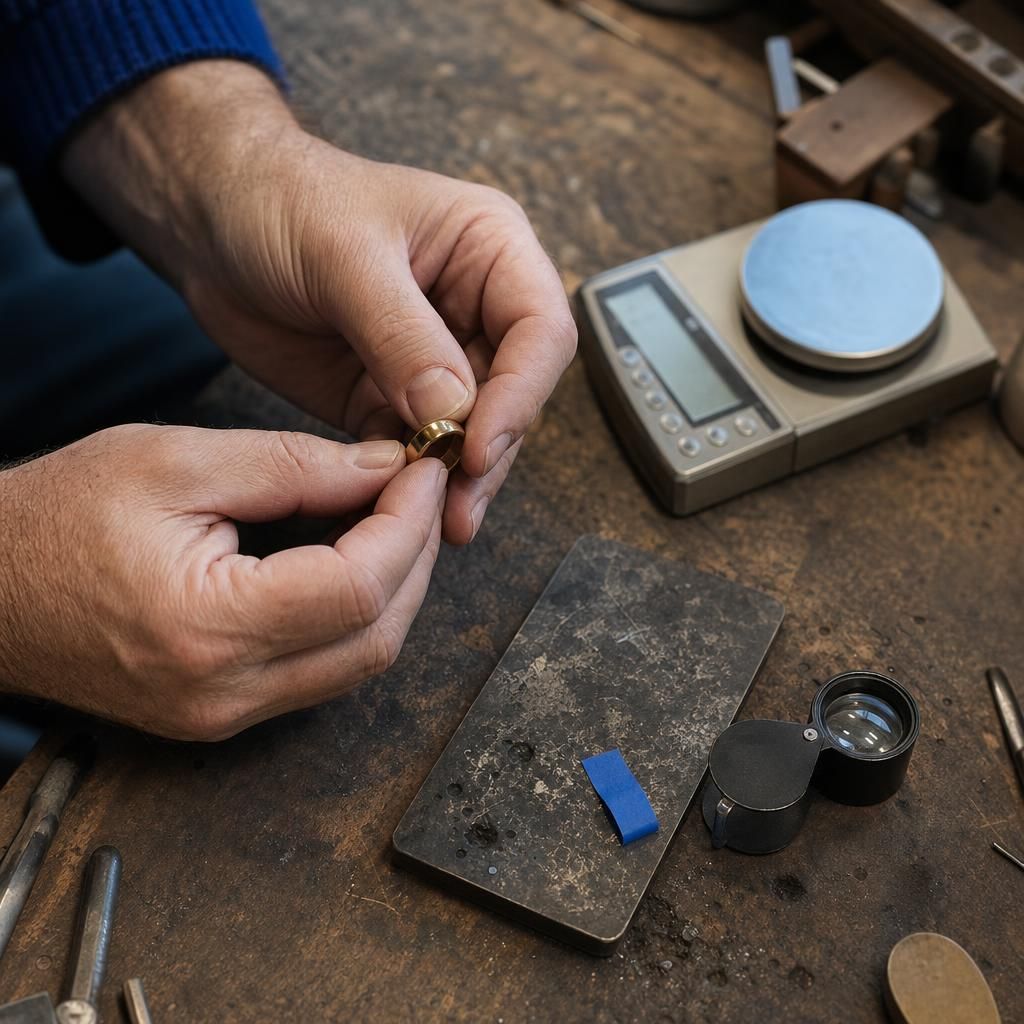
Gold valuation is the practical way to work out what a ring, chain, coin, bar, or scrap item is worth right now. The result is not just about the metal itself. It also depends on purity, weight, the live gold price, and whether the item has resale value beyond melt value. If you want a clear, human explanation instead of an impersonal estimate, a local appointment is often the easiest route. Gold Buyer offers that kind of service, including secure home visits and expert checks for jewellery, sovereigns, bullion, and inherited items. If you are starting with a necklace, our sell gold necklaces page is a useful place to see how item type affects a gold valuation. This guide explains what gold valuation means, how buyers calculate it, and why the final offer can differ from one buyer to another. It also shows how to prepare your items so you can compare offers with confidence and avoid rushed decisions.
What Is a Gold Valuation?
A gold valuation is an assessment of what your gold is worth based on measurable facts. Those facts usually include purity, weight, live market price, and the type of item you own.
In simple terms, a gold valuation tells you the likely buying price today, not the sentimental value or the original retail price. That is why a broken chain, a single earring, and a sovereign can all receive very different offers. The method also helps you compare local buyers against postal services and other options before you decide.
For a deeper look at how this works in practice, Gold Buyer explains the process on its how gold valuations are calculated page. If you want to sell gold in a straightforward way, the main Gold Buyer service page at Gold Buying | Gold Buyer also gives a useful overview.
A good gold valuation should be clear and easy to follow. You should know what was tested, what was weighed, and how the offer was reached. That is especially important if you are selling inherited pieces, mixed jewellery, or items you have not looked at for years.
There are two broad value types to keep in mind. Melt value is based on the gold content alone. Resale value may be higher if the item has demand as jewellery, a coin, or an investment piece. Therefore, the best gold valuation is not always the fastest one. It is the one that explains the numbers properly and leaves you free to decide.
How does a gold valuation differ from an online calculator?
An online calculator can give a rough estimate, but it cannot inspect the item properly. A real gold valuation checks the actual piece, including hallmarks, condition, and any stones or non-gold parts.
That matters because calculators often assume a simple scrap scenario. In contrast, a live appraisal can separate useful value from scrap-only value. As a result, the offer may be more accurate for coins, sovereigns, and better jewellery.
How Gold Buyer Calculates the Value of Your Gold
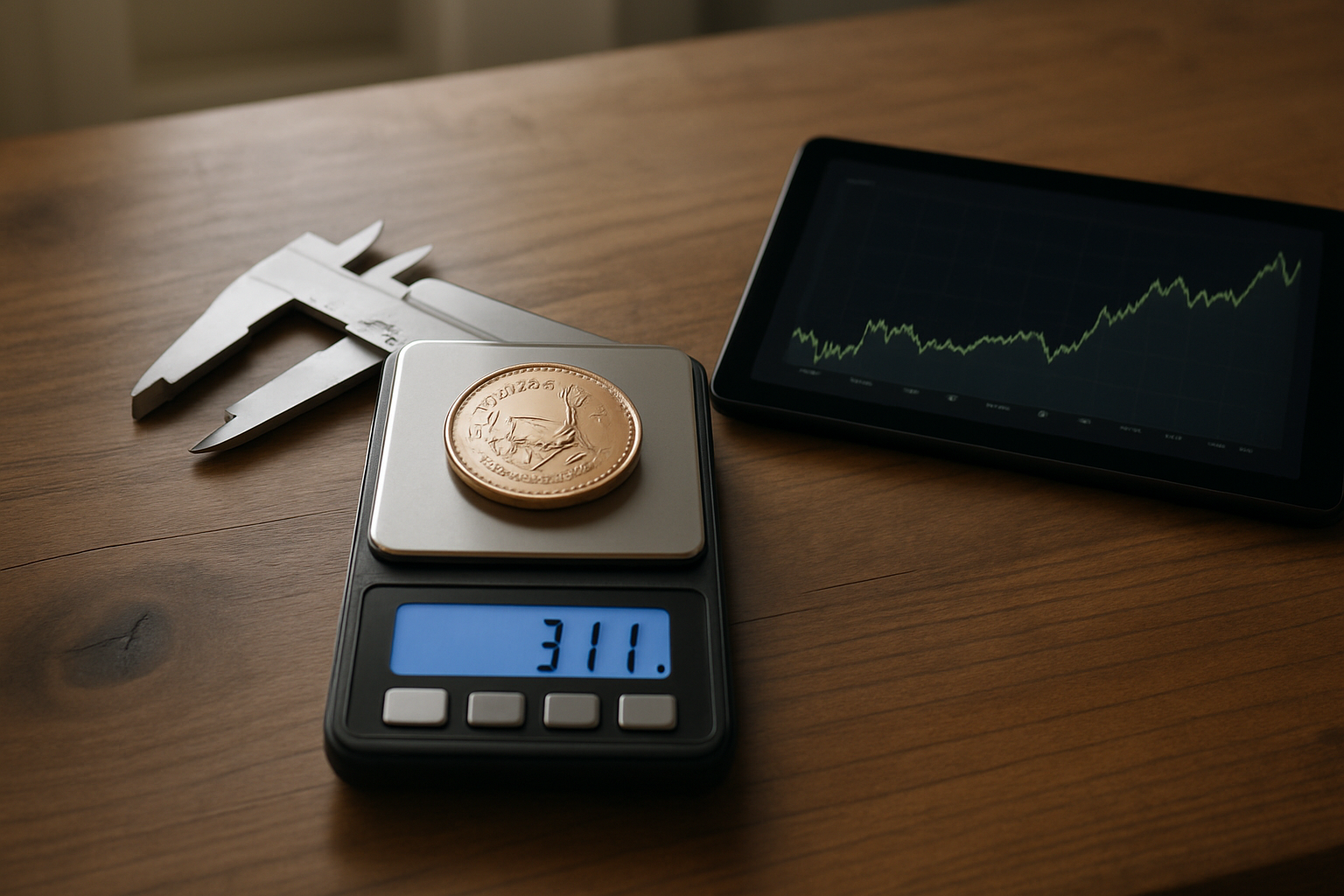
Gold Buyer calculates a gold valuation by combining test results with current market conditions. The basic formula starts with purity and weight, then adjusts for the live gold price and the item’s likely resale route.
This is why a gold valuation should never be treated as guesswork. A good buyer will test the piece, confirm the karat or fineness, and then work from the pure gold content. For market context, the spot price is influenced by global trading, currency moves, and wider economic sentiment. If you want a plain-English market explanation, the article from Tavex United Kingdom on how the price of gold is determined is a helpful reference. You can also watch the BBC World Service overview below for a broader view of why prices move over time.
For live price context and valuation mechanics, the guide from Spot Bot’s 22ct gold price per gram guide is useful, especially if you are comparing 22ct jewellery, sovereigns, or bullion. If you want to understand your own likely outcome before a visit, Gold Buyer’s sell gold UK calculator page explains how a gold valuation is worked out.
The important point is this: the live gold price is only one part of the picture. The final offer also depends on whether the item can be sold again as jewellery or must be refined as metal. Therefore, two items with the same weight can still produce very different gold valuation results.
Gold purity: 9ct, 14ct, 18ct, 22ct and 24ct
Purity is one of the biggest drivers in any gold valuation. The higher the purity, the more pure gold the item contains.
In the UK, 9ct jewellery is common, while 18ct and 22ct items often contain a much larger gold content. 24ct is typically used for fine bullion rather than everyday jewellery. That means a gold valuation for a 22ct chain or sovereign will usually look very different from a 9ct ring.
Hallmarks help, but they are not always enough on their own. A buyer may still test the item, because wear, repair, or mixing with other metals can affect the result. For a quick comparison of hallmarked items, Gold Buyer’s gold price per gram UK page is a useful companion to the valuation process.
Weight, live gold price and dealer margin
Weight converts purity into value. After that, the live market price helps show what the gold content is worth on the day.
However, the buyer still needs room for handling, testing, refining, and business costs. That is the dealer margin. It is a normal part of the gold valuation process, but it should be explained clearly. The best buyers make the margin transparent rather than hiding it inside a vague quote.
Jewellery value versus bullion or coin value
Jewellery and bullion do not always follow the same gold valuation logic. Jewellery may have design value, while coins and bars are usually priced much closer to metal value.
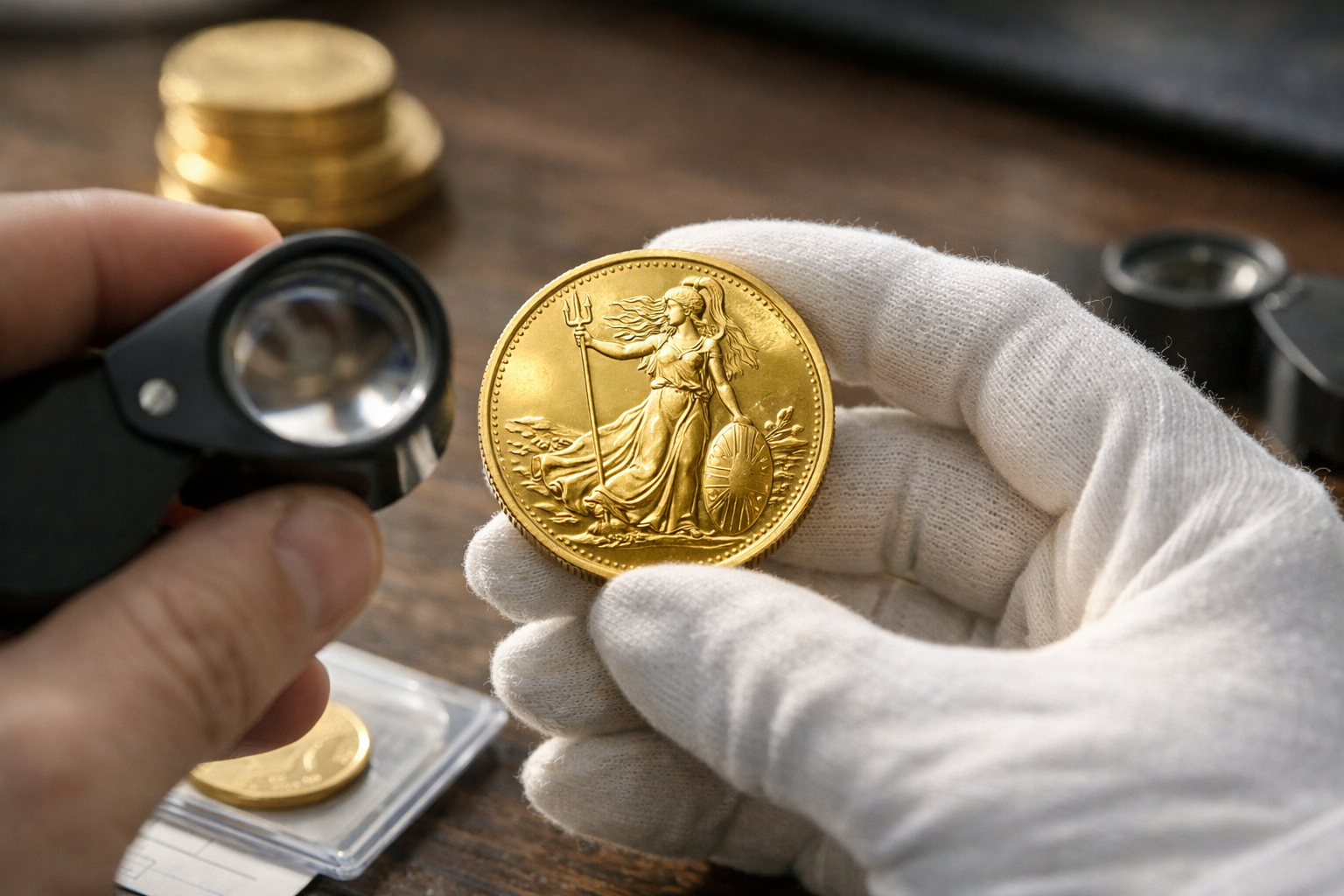
A sovereign, for example, is often assessed differently from scrap jewellery because it is a recognised investment item. Likewise, a gold necklace may need separate handling if it has a desirable style or brand. If you are selling investment pieces, see Gold Buyer’s sell gold bullion and sell gold sovereigns pages for item-specific guidance.
What Affects the Price You Are Offered in a Gold Valuation?
The offer you receive is shaped by more than metal content. A strong gold valuation also reflects condition, item type, demand, and how much work the buyer expects to do afterward.
Condition matters because damaged items are usually treated as scrap, while cleaner, intact pieces may have more resale potential. Likewise, a gold coin or bullion bar may attract a different approach from mixed jewellery, dental gold, or broken chains. That is why a one-line calculator answer is often too limited.
A few practical factors usually make the biggest difference:
- Purity and hallmark accuracy
- Real weight after removing non-gold parts where relevant
- Whether the item is jewellery, a coin, a bar, or scrap
- Current gold market movement
- The buyer’s costs and margin
- Resale potential versus melt-only value
You can see how this approach fits specific item types on Gold Buyer’s scrap gold buyers page and the sell gold coins page. If your item is a bar, sell gold bars explains the process in more detail.
A reliable gold valuation should also explain why the buyer’s offer is not the same as the full spot value. That difference is not unusual. It reflects the commercial reality of buying, testing, storing, and reselling or refining the metal. Consequently, the clearest valuations are usually the easiest to trust.
How much is 1 gram 22K gold?
The answer changes with the live market, so there is no single fixed figure. A gold valuation for 1 gram of 22K gold should always be based on the current price and the buyer’s method.
22K gold contains less than pure 24K gold, so its value is calculated from its fineness rather than from a flat retail rate. If you want a live UK reference point, the Spot Bot page on 22ct pricing and Gold Buyer’s own pricing pages can help you understand the framework before you book an appointment.
How Do I Find Out What My Gold Is Worth?
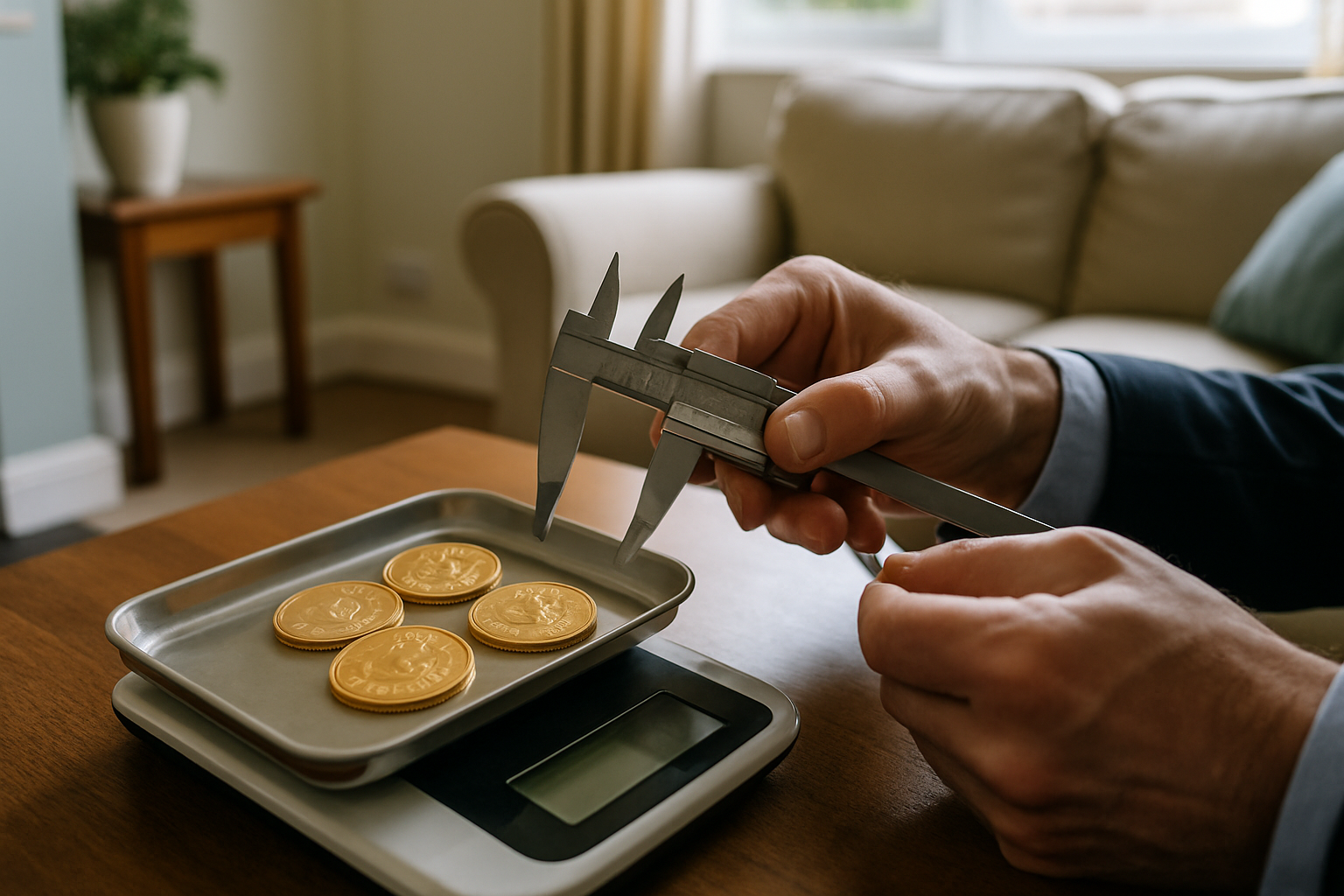
You find out what your gold is worth by combining a few simple checks with a proper gold valuation. Start with the hallmark, note the item type, and get the weight if you can do so safely.
Next, compare that information with the live gold market and then ask a trusted buyer to inspect the item in person. That is the most reliable route because it confirms what is actually in front of you. It also helps if you are unsure whether the item is gold-plated, hollow, broken, or mixed with other metals.
If you want a fair, local experience, Gold Buyer offers practical options such as a home visit gold buyer service and gold buyer near me support across the Midlands and South. For people with inherited items, the sell inherited gold guide can also help you avoid rushing.
A simple rule helps here. If the valuation does not explain purity, weight, market link, and margin, keep asking questions. A good gold valuation should leave you informed, not confused.
What is the valuation of gold?
The valuation of gold is the process of determining its current buying worth. In practice, that means checking how much pure gold the item contains and how much a buyer is prepared to pay today.
It is not the same as sentimental value or replacement cost. For that reason, a gold valuation is most useful when it is clear, current, and tied to the specific item in front of you.
How to Prepare Your Gold Before a Valuation
Good preparation can make your gold valuation smoother and easier to understand. It can also help you feel more confident before you accept or decline an offer.
Start by gathering every item you want checked. Separate jewellery, coins, bars, and scrap pieces if possible. Then look for hallmarks, paperwork, or packaging. For example, original box or certificate details can help with coins and bullion. If you are selling necklaces, Gold Buyer’s sell gold necklaces and chains page shows why item grouping matters.
Do not clean items aggressively before the appointment. Harsh cleaning can damage surfaces and make hallmarks harder to read. Instead, keep everything in a safe container and bring any loose clasps, links, or parts with the item. If you own mixed precious metals, the sell gold and silver page is useful because mixed collections often need separate assessment.
A few simple steps help most people:
- Keep items together but separated by type
- Bring any certificates, receipts, or coin sleeves
- Note any missing stones or broken clasps
- Avoid polishing or altering the pieces
- Ask how testing will be done before you agree
That preparation makes the gold valuation faster and less stressful. It also gives the buyer a clearer view of what they are handling, which can improve accuracy.
What should I bring to a home visit valuation?
Bring the gold items themselves, plus any documents that support identification. If you have sovereigns, bullion bars, or boxed pieces, include those as well.
You do not need to sort everything perfectly. However, grouping similar items together makes the gold valuation easier and reduces the chance of confusion. If you are unsure what counts as gold, Gold Buyer’s sell unwanted gold page is a good reference.
Home Visit Gold Valuations in the Midlands and South
A home visit gold valuation is ideal if you want privacy, convenience, and less pressure. It brings the appraisal to you, which is especially helpful for busy homeowners or anyone who feels nervous about posting items away.
Gold Buyer serves customers across the Midlands and South with discreet appointments and secure payment options. If you want a local search-style page, cash for gold locations explains where services are available. For people in specific cities, location pages such as sell gold Birmingham and sell gold Nottingham show how local appointments work.
Home visits are useful when you are selling larger collections, inherited jewellery, or investment pieces. They also suit anyone who wants to compare an offer without travelling. In addition, you can discuss the valuation face to face and ask questions before making a decision.
A secure local appointment often feels better than posting gold because you remain in control of the items throughout the process. Therefore, a home visit can be the best fit when trust and convenience matter as much as price.
Why a private appointment can feel more comfortable
A private appointment keeps the process simple and personal. You can watch the valuation happen, ask questions, and decide without pressure.
That is especially valuable if the items are sentimental or inherited. A face-to-face gold valuation also makes it easier to discuss whether certain pieces should be treated as scrap, jewellery, or bullion.
Why a Private Appointment Can Be Safer Than Posting Gold
A private appointment can be safer because your gold stays with you until you choose to sell. That reduces the risks that come with shipping, sorting delays, and unclear handling.
Postal buyers can work well for some people, but many sellers prefer to see the whole gold valuation in person. It feels more transparent, and it gives you a direct chance to ask how the price was reached. If you are comparing options, Gold Buyer’s home visit vs postal gold buyer page is helpful.
Safety is not only about the parcel itself. It is also about knowing who has your items, when they are tested, and how payment will be made. That is why many people choose a local buyer who offers instant cash or bank payment after agreement.
If you have dental gold, broken jewellery, or mixed scrap, it can also help to use a specialist page such as dental gold buyers or broken gold buyer. Those item-specific routes often make the gold valuation clearer.
In short, a private appointment usually gives you more control. As a result, many sellers find it easier to trust the outcome and make a calm decision.
What happens if I say no after the valuation?
You should be free to walk away if the offer is not right for you. A proper gold valuation is a no-pressure process.
If you decline, your items should be returned promptly and safely. That is one reason many sellers prefer local appointments over distance-based options. The whole point of the valuation is to give you information, not force a sale.
Book a Free Gold Valuation Appointment
A free gold valuation appointment is the easiest way to turn uncertainty into a clear decision. You bring the items, get them checked, and learn what they are worth today.
Gold Buyer makes this straightforward for customers who want a friendly, local service. If you are ready to talk to someone, the Contact Gold Buyer page is the best place to start. You can also compare routes on the gold price today page if you want to understand current market framing before you book.
A good gold valuation should answer three questions clearly. What is the item? How much pure gold does it contain? And what is the buyer prepared to pay today? When those answers are explained properly, you can decide whether to sell, hold, or get a second opinion.
If you have sovereigns, bullion, old necklaces, or scrap pieces, Gold Buyer can assess them through a secure appointment or a home visit. That makes the process simpler than trying to guess from a calculator alone. Therefore, if you want a trusted human alternative, a local gold valuation is often the best next step.
Key Takeaways
- Gold valuation depends on purity, weight, live market price, item type, and the buyer’s margin.
- An online calculator can help, but an in-person check is more accurate for jewellery, coins, bars, and mixed items.
- A private home visit can be safer and more transparent than posting gold away.
- Sovereigns, bullion, scrap gold, and dental gold may be valued differently because resale potential changes the offer.
- The best gold valuation explains the numbers clearly so you can decide without pressure.
Frequently Asked Questions
How much is gold valued now?
Gold is valued now by using the live market price and then adjusting for purity, weight, and the item type. The final offer can change throughout the day because the underlying gold price moves. A proper gold valuation should always tell you which karat or fineness was used and how the buyer reached the figure.
How much is 1 gram 22K gold?
There is no fixed figure that stays the same all the time. A 1 gram 22K gold valuation depends on the current market and the buyer’s pricing method, so the amount can change as the live gold price changes. For the most accurate answer, ask for a fresh in-person valuation rather than relying on a static calculator.
How do I find out what my gold is worth?
Start by checking the hallmark, weight, and item type, then compare that with the live gold market. After that, book a proper gold valuation with a trusted buyer who can test and inspect the item in front of you. That is the best way to learn whether you have scrap gold, jewellery value, or a better price as a coin or bullion item.
Is a home visit better than posting gold?
For many sellers, yes. A home visit gold valuation keeps the items with you until you decide to sell, and it gives you a chance to ask questions face to face. Posting gold can be convenient, but some people prefer the control and reassurance of a private appointment.