Sell Dental Gold: Crowns, Bridges and Old Dental Scrap Valuations
Quick Answer
You can sell dental gold if it contains precious metal, even when it is broken, old, or mixed with other materials. The value depends on the gold content, weight, and testing results, so the safest way to sell dental gold is through a trusted buyer who can assess it properly and pay securely.
If you want to sell dental gold, the first thing to know is simple: old crowns, bridges and dental scrap can still have real value. Even small items may contain gold, platinum, palladium or other precious metals, so they are worth checking before you throw them away. That is especially true if the pieces were inherited or removed years ago and you are not sure what they are made of. At Gold Buyer, we help UK sellers understand what they have and how to sell dental gold securely, with clear valuation steps and payment by cash or bank transfer. If you are also comparing other gold items, our gold valuation service explains how we assess precious metals before any offer is made. This page is designed for people who want reassurance first and a simple next step second. You do not need dental knowledge to begin, and you do not need to guess the value yourself. A proper test will tell you whether your dental scrap is worth a modest amount or something more meaningful.
Can You Sell Dental Gold?
Yes, you can sell dental gold if the item contains precious metal. Most buyers assess crowns, bridges, clasps and mixed dental scrap because the value comes from the metal content, not the dental shape.
The key point is that you do not need a perfect item. Broken pieces, old fittings and inherited dental scrap can still be eligible, which is why many people choose to sell dental gold rather than keep it in a drawer. If you are unsure where to start, our dental gold buyers page explains the service in more detail. You can also compare it with our wider scrap gold buyers service if your items are mixed or damaged.
The main reason people hesitate is uncertainty. Dental items do not look like jewellery, and the markings are often missing. However, that does not stop them from being valuable. A proper buyer can test the piece and separate gold-bearing material from non-precious parts. That is why it is usually better to sell dental gold through a specialist rather than guess from appearance alone.
If you are deciding whether to proceed, use these simple checks:
- Keep all items together in a safe envelope or bag.
- Do not clean or polish them aggressively.
- Separate anything you think may be gold from non-metal debris.
- Ask for a clear explanation of testing before you agree to sell.
For extra reassurance, the educational guide from APMEX on where to sell dental gold shows why testing and metal content matter more than appearance. Likewise, this guide on selling gold crowns is useful background if you are sorting through old dental pieces for the first time.
Gold crowns
Gold crowns are often the simplest dental items to assess. They may contain a visible precious metal layer or a gold alloy mixed with other metals.
That said, not every crown is high purity. Some are only partly gold, and some contain very little precious metal at all. So when you want to sell dental gold, the right approach is testing, not guessing. A buyer can weigh the crown, inspect it and identify whether the metal content is worth extracting.
Bridges and mixed dental alloys
Bridges can be more complex because they often combine different metals. That mix can affect value, but it does not make the item worthless.
In many cases, mixed dental scrap still has value because precious metals can be recovered. If you plan to sell dental gold in bridge form, ask how the buyer handles mixed alloys and whether any non-precious parts are removed during valuation.
Old or inherited dental gold
Old or inherited dental gold is common, and it often arrives with no paperwork. That is not a problem.
Many people inherit a small pot of dental scrap and do not know what to do with it. If that sounds familiar, you can also look at our guide to selling inherited gold. The same principle applies: identify the metal, test it properly and sell only when you are comfortable with the offer.
Dental Gold Items We Can Assess
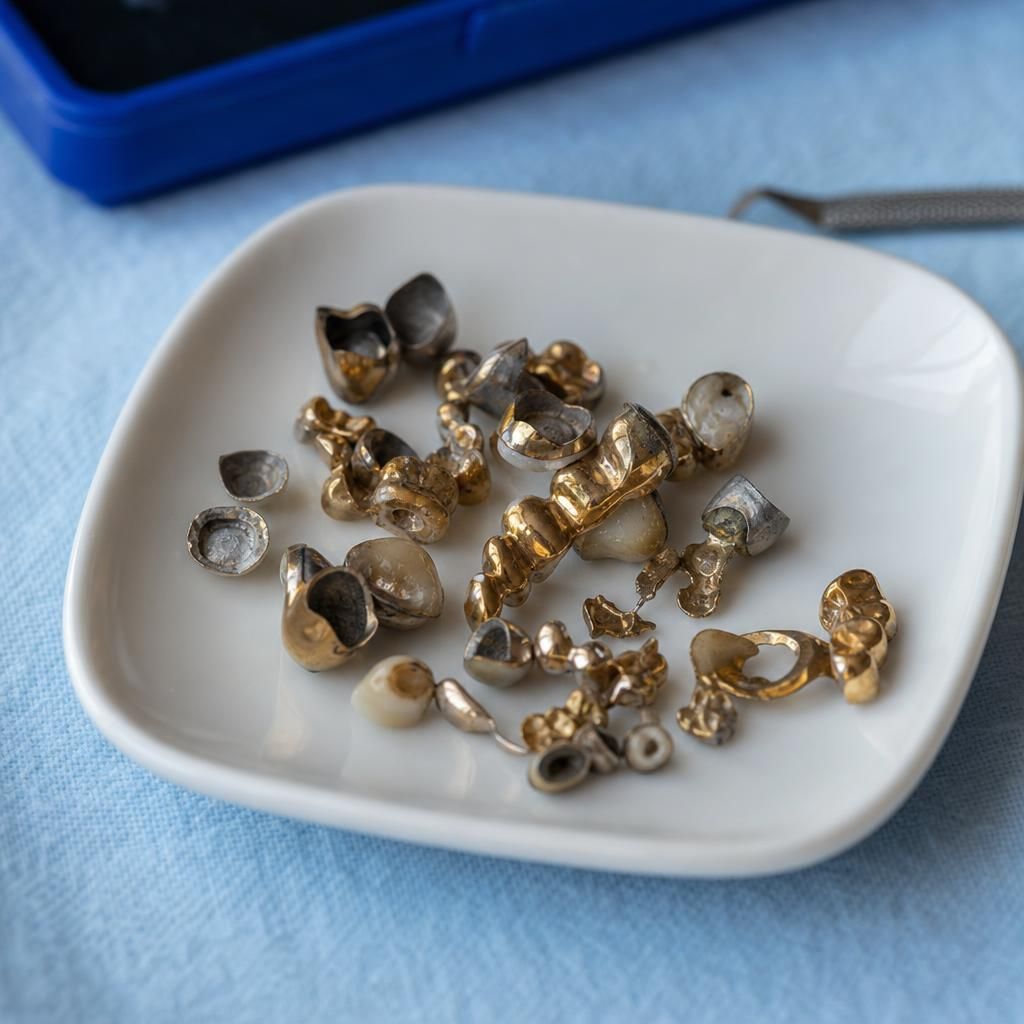
We can assess a wide range of dental scrap, not just one type of item. The best way to sell dental gold is to group everything you have, then let the buyer separate precious metal from non-precious material.
That matters because dental items often arrive in small batches. One envelope may contain crowns, bridge sections, clasps and fragments from different treatments. Even so, those pieces can still be tested together or individually. If you are collecting several gold assets, our Gold Buyer home page gives a quick overview of the other services we offer, including jewellery, coins and bullion.
We also see sellers who have a wider mix of items. For example, if your dental scrap came with old chains or rings, you may want to check our sell gold necklaces page or our sell gold sovereigns page. That way, you can value everything in one conversation instead of splitting it up.
When you sell dental gold, the item types below are the most common ones to bring forward first. Each can be assessed on its own merits.
How Dental Gold Is Tested and Valued
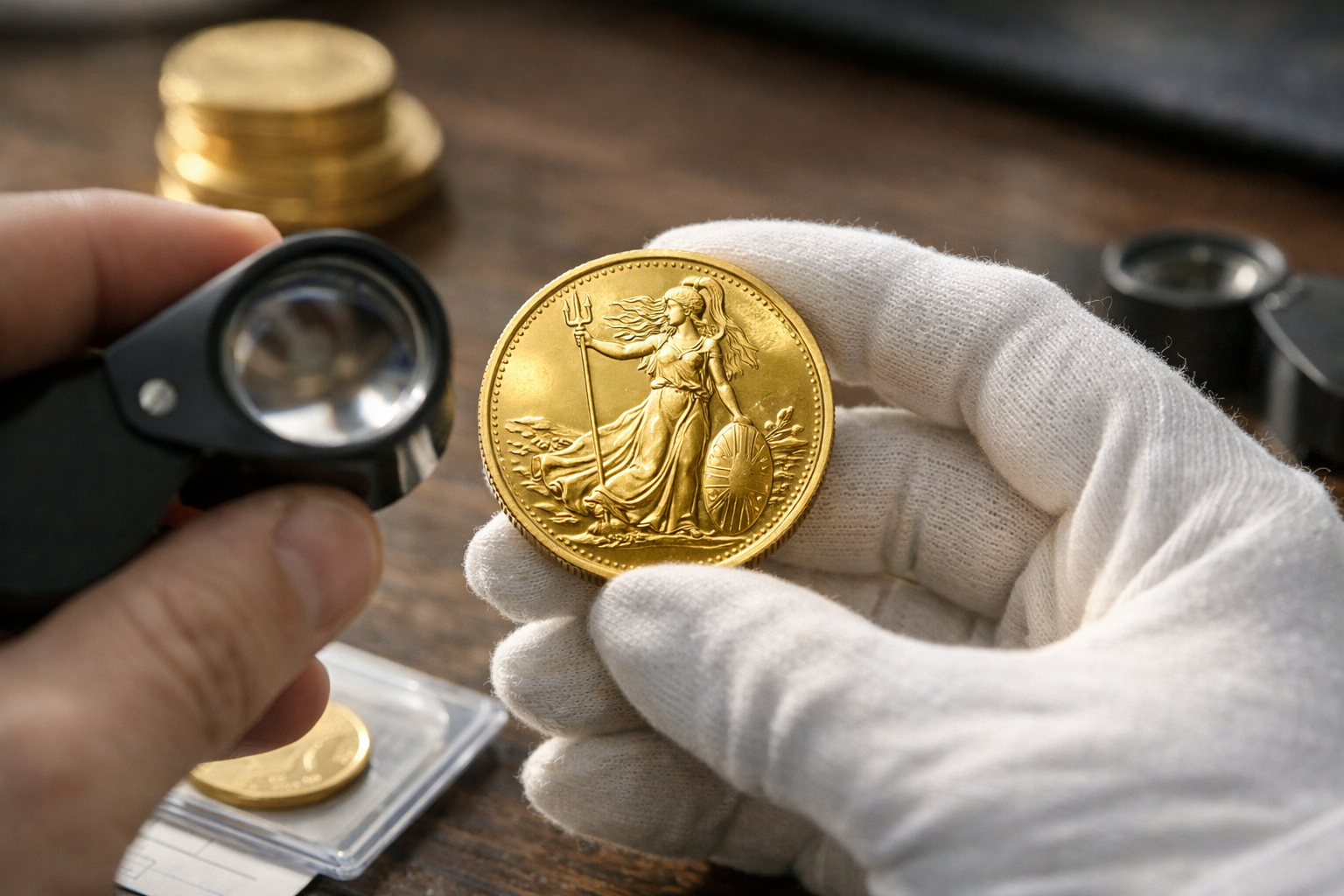
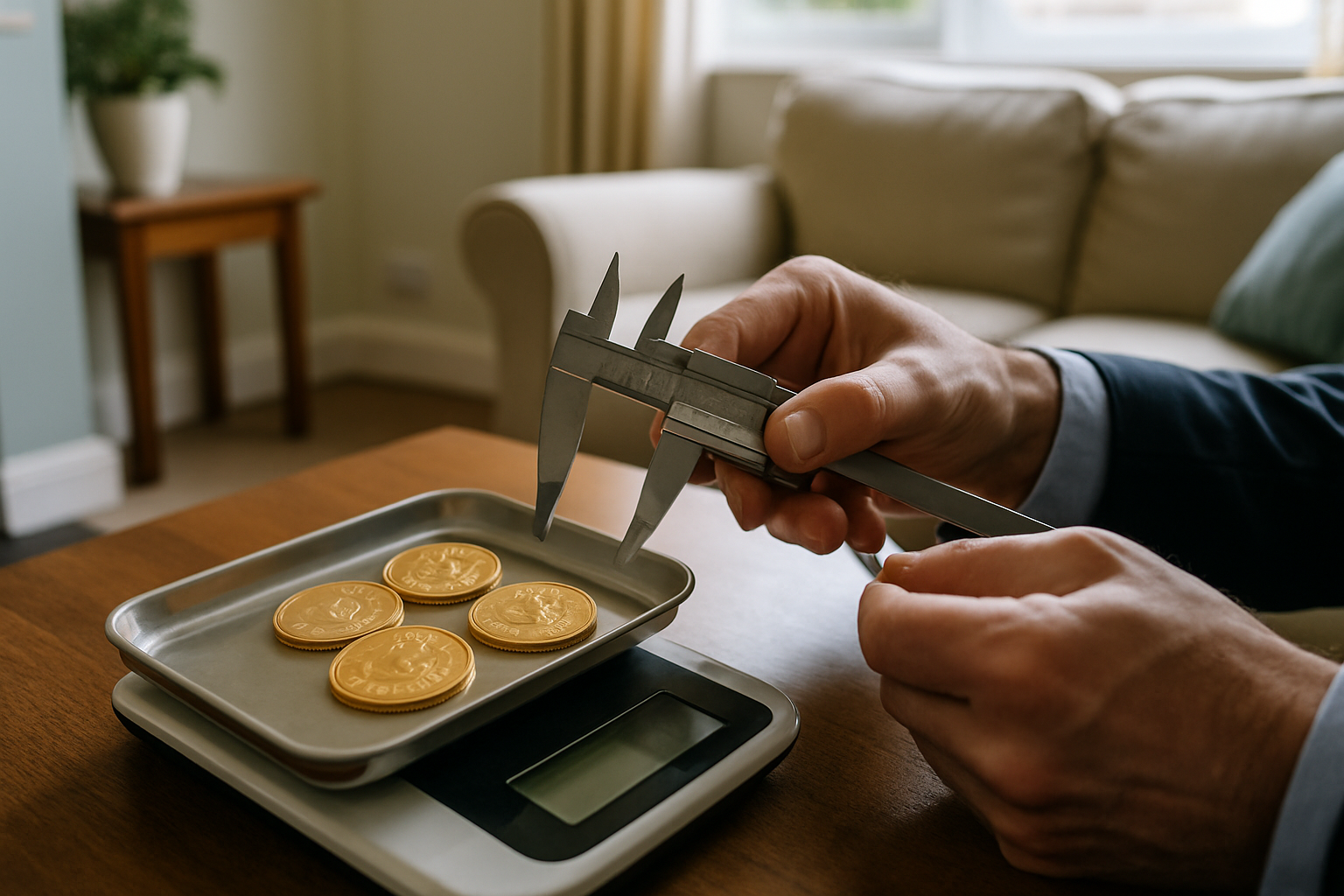
Dental gold is tested by checking what metals are actually present and how much the item weighs. That is the core method used when you sell dental gold, and it is why the offer can only be final after inspection.
Testing usually starts with a visual check, then a closer look at the item’s construction. After that, the buyer may use accepted precious-metal testing methods to confirm content. The value is then based on the recoverable metal, not the item’s original dental purpose. Our guide to how gold valuations are calculated explains the general process in more detail.
If you want another practical reference, Gold Traders’ dental gold page and J Blundell’s dental scrap metals page both show how specialist buyers frame the service. The common theme is simple: value depends on the precious content, not the age of the item.
Before you agree to sell dental gold, ask three things:
- How will the item be tested?
- Will I get a clear explanation of the offer?
- When will payment be made?
If you prefer a face-to-face service, our home visit gold buyer guide explains how secure local appointments work. That can be reassuring if you do not want to post valuable items.
A quick video can also help you understand why dental crowns vary so much. The amount of gold in one crown may be very different from another, even when they look similar. That is why it pays to sell dental gold only after proper testing.
Is Dental Gold Worth Less Than Jewellery?
Often, yes, dental gold is priced differently from jewellery. However, it can still be worth selling because the value comes from the precious metal content.
Jewellery is usually easier to identify, hallmark, sort and resell. Dental scrap is more irregular, so it is normally valued as material for recovery rather than as a finished item. That means you should expect a different pricing approach when you sell dental gold. It does not mean the item is poor quality; it means the buyer is pricing the metal more than the form.
This is where clear advice matters. If you have dental scrap and other unwanted gold, compare your options before you decide. Our best way to sell gold in the UK page can help you choose between local, postal and home-visit routes. If you want to understand pricing more broadly, our gold price per gram UK guide is also useful context.
In practice, the best result comes from transparency. Ask for the testing method, the weight used in the calculation and the payment timing. Then compare that offer with the convenience and safety of the service. That is the simplest way to sell dental gold without second-guessing the process.
Before you accept any offer, it is wise to see how different sellers handle pressure and pricing. Investigative videos like Julie Watts Investigates’ “Selling Gold Undercover - Who Gives The Best Price?” are a good reminder to compare buyers carefully. When you sell dental gold, the calm and informed route is usually the strongest one.
Book a Confidential Dental Gold Valuation
The easiest way to sell dental gold is to book a confidential valuation and let a specialist assess the item for you. That gives you a clear answer without guesswork, and it keeps the process discreet.
If you are in the Midlands or South, we can help you arrange a secure valuation and payment method that suits you. You can start by using our contact page if you want to ask about an item before bringing it in. If you are comparing your options, our trust and process page explains how we handle checks and payment securely.
For many sellers, dental scrap is just one part of a larger clear-out. If that is your situation, we can also assess mixed gold, broken pieces and other unwanted items. The goal is always the same: test fairly, explain clearly and pay securely. That is the most practical way to sell dental gold with confidence.
If you have old crowns, a bridge or a box of dental scrap, do not leave them sitting unused. A simple valuation can tell you whether they have modest scrap value or something more worthwhile. Either way, you will know exactly what you have before you decide.
Key Takeaways
- You can sell dental gold if it contains precious metal, even when it is old, broken or inherited.
- The value depends on metal content, weight and testing, not on how the item looks.
- Dental scrap is often valued differently from jewellery, but it can still be worth selling.
- A secure valuation and clear explanation are the best way to avoid underpricing.
- Confidential home visit or local assessment options can make it easier to sell dental gold safely.
Frequently Asked Questions
How much is 1 gram of dental gold worth per gram?
It depends on the actual gold content and the buyer’s testing results. You can only price dental gold accurately after the metal has been checked, because crowns and bridges often contain different alloys and amounts of precious metal.
Is dental gold worth anything?
Yes, dental gold is often worth something if it contains precious metal. Even small crowns or old scrap can have value, especially when they are tested by a specialist buyer who knows how to assess mixed alloys.
How much is 1 gram of dental gold worth in the UK?
There is no single fixed figure for dental gold in the UK. The value changes with purity, weight, and how much recoverable metal is present, so the only reliable answer comes from a proper valuation.
How much can you sell a gold tooth?
A gold tooth can be sold if it contains precious metal, but the amount it brings depends on its metal content and condition. The shape of the item matters far less than the gold inside it.