
How Gold Valuations Are Calculated Before You Sell

Gold Buyer • September 8, 2026

Quick Answer

How gold valuations are calculated depends on four core checks: purity, weight, live gold price, and any deductions or resale factors. A buyer tests the item, confirms the karat or fineness, weighs it, applies the current market rate, then explains any offer differences before you decide to sell.

If you are wondering how gold valuations are calculated, the short answer is that buyers work out the metal content, weigh it, and compare it with the live gold price. Then they decide whether the item should be priced as scrap, jewellery, bullion, or a coin. That process matters because a ring, chain, sovereign, or dental item can all be valued differently. It also helps you spot fair offers and avoid rushed decisions. At Gold Buyer, we keep the valuation process simple and transparent, whether you want a home visit, a postal kit, or an appointment. If you are starting to compare options, our trust and valuation process page explains how we handle ID checks, testing, and payment. This guide will show you exactly how gold valuations are calculated, what buyers test, and why offers can vary between items and services.

The Main Factors That Determine how gold valuations are calculated

How gold valuations are calculated starts with four basics: purity, weight, live market price, and resale potential. Those factors give a buyer the metal value first. After that, they consider whether the piece should be treated as scrap, bullion, or something with secondary value.

For UK sellers, this matters because not every item is valued the same way. A plain 22ct bangle may be priced mainly on its gold content. A sovereign may be assessed differently from broken jewellery. In addition, a chain with a strong retail resale appeal may receive a different offer from mixed scrap.

If you want a quick local route, our sell gold in the UK page explains the service options we offer across the Midlands and South. You can also compare item-specific pages, such as sell gold necklaces or sell gold sovereigns, if you already know what you have.

A useful rule is this: the cleaner the item is to value, the easier it is to calculate. However, a fair buyer should still explain each step. That means telling you how much of the item is actually gold, how much it weighs, what price they are using, and whether any deductions apply. In other words, how gold valuations are calculated should never feel like guesswork.

For a simple reference point, you can also look at our gold price per gram UK guide before booking a visit. It helps you understand why the same item can move in value during the day as the market changes.

UK assaying workshop with jewelry on a bench 

Carat and Purity

Purity tells the buyer how much fine gold is inside the item. It is usually shown as carat in the UK, such as 9ct, 14ct, 18ct, 22ct, or 24ct. Higher carat means more gold content, so it usually carries a higher metal value.

How gold valuations are calculated depends heavily on this step. A 9ct chain contains less gold than an 18ct chain of the same weight. Therefore, the payout will usually be lower, even if the pieces look similar. Buyers may also use the fineness number stamped on the item, especially for bullion and coins.

If the marking is unclear, the item needs testing. That is normal. A professional buyer should explain the result rather than simply naming a number and moving on.

Weight

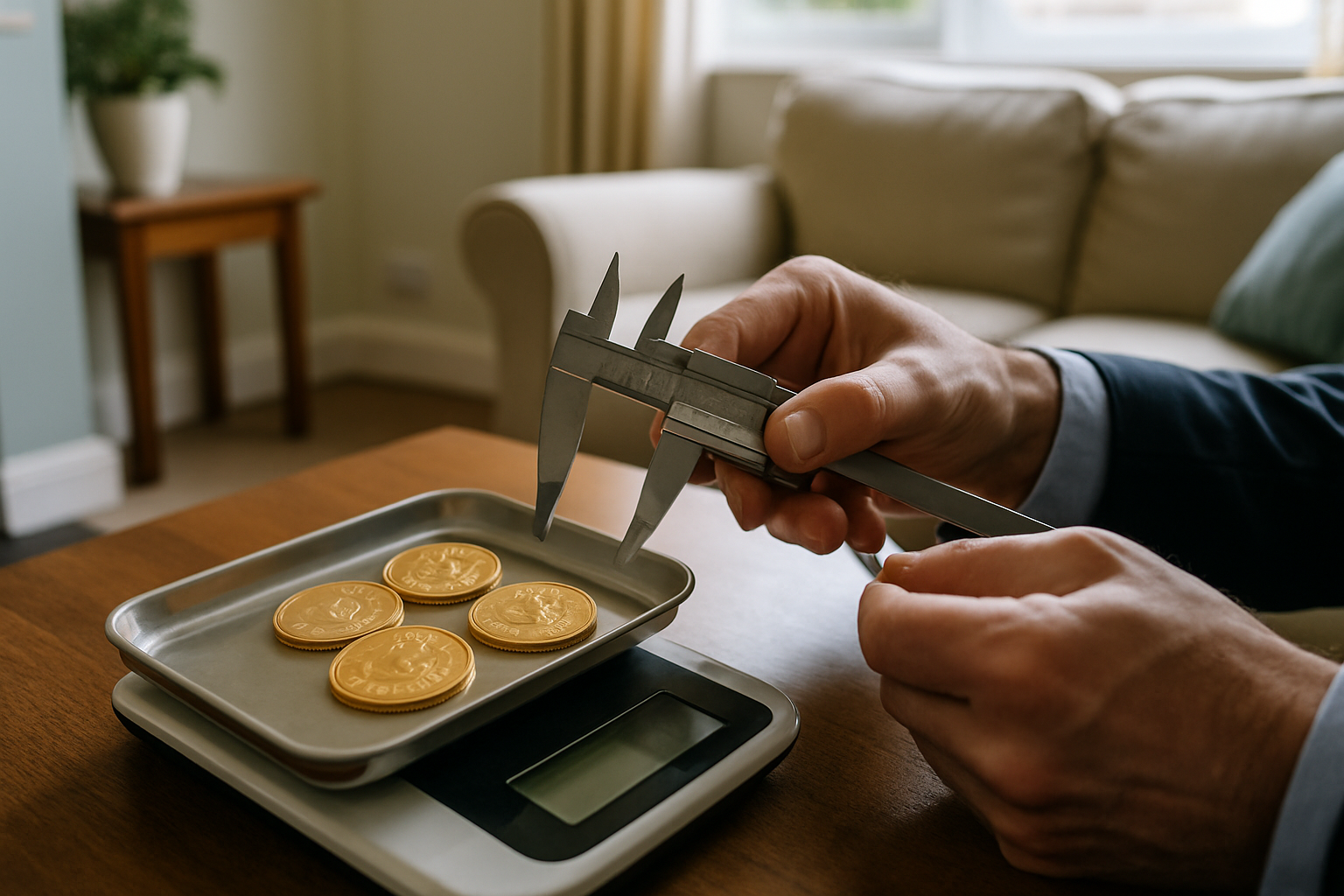
Weight is the second major factor. Buyers usually weigh gold on calibrated scales, and the result helps them calculate the fine metal content.

How gold valuations are calculated is very weight-sensitive. A larger item can still be worth less than a smaller one if its purity is lower. That is why people should not judge value by appearance alone.

During a valuation, the weight should be taken in front of you when possible. That makes the process easier to follow and reduces confusion. It also helps if stones, clasps, or non-gold parts are discussed clearly before the final offer is made.

Live Gold Price

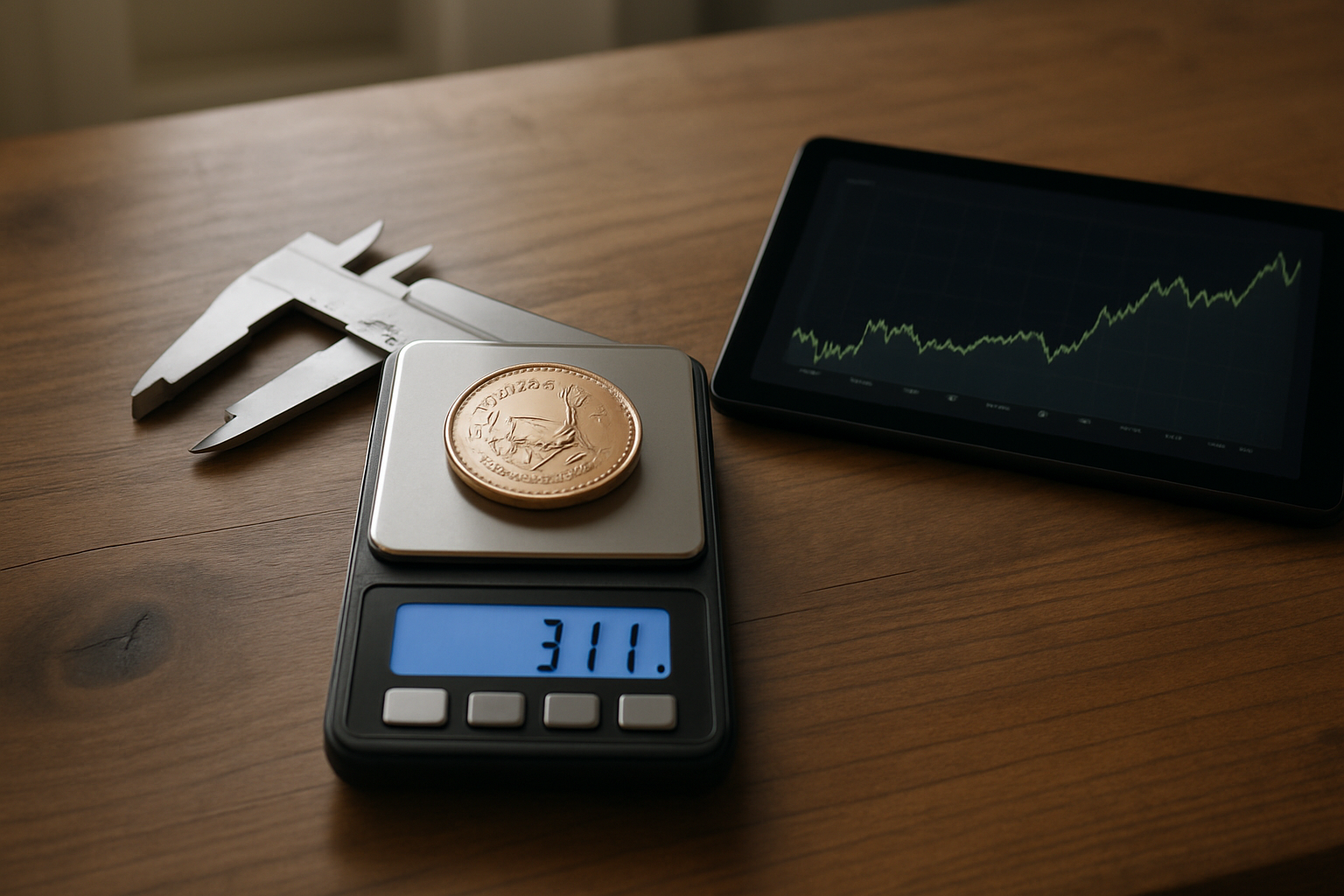
The live gold price sets the market backdrop for the offer. Buyers use a current rate, then convert your item’s fine gold content into a valuation.

How gold valuations are calculated can change from day to day because gold moves with the market. That does not mean the process is random. It means the underlying price of gold changes, so the offer does too.

Many sellers like to check a live calculator first. For example, the guide at How Much Is My Gold Worth? | Gold Value Calculator UK is a useful educational reference. You can also use our own sell gold UK calculator as a starting point before a valuation appointment.

Condition and Resale Potential

Condition matters when an item may have more value than its melt content. A clean, desirable piece can sometimes be better sold as jewellery or collectable stock than as scrap.

How gold valuations are calculated therefore includes a judgement call. A plain broken chain is usually valued for metal. A recognisable sovereign or bullion bar may be handled differently. An inherited bracelet with retail appeal may also be assessed beyond its raw gold content.

That is why it helps to tell the buyer exactly what you have, even if the item is damaged. Our sell inherited gold guide is useful if you are sorting family items and do not want to rush.

How gold valuations are calculated from hallmarks and testing

How gold valuations are calculated becomes much clearer once hallmarks and testing are involved. Hallmarks can point to purity, but they do not always remove the need for a test. A hallmark is a helpful clue, not the final answer.

In the UK, hallmarks often show fineness, sponsor marks, and assay office marks. These can help a buyer identify the likely carat. However, wear, repair work, and mixed-metal parts can make a direct reading less reliable. That is why a careful valuation usually combines visual inspection with a test.

If you want to understand why buyers ask for ID and record details, our ID requirements for selling gold in the UK page explains the compliance side in plain English. It is part of the same trust process as testing and valuation.

Hallmarks are useful for speed. Testing is useful for accuracy. Together, they help answer how gold valuations are calculated in a way that supports both the seller and the buyer. A good buyer should never rely on guesswork if the item’s purity is uncertain.

For general market context, the educational calculator at Gold Value Calculator: Karat & Melt Value shows how karat and melt value are linked. That is a helpful way to visualise the formula before you visit us. In practical terms, the buyer is looking for the same things: what the item is made of, how much gold it contains, and what the market rate is at the time of sale.

What hallmarks usually tell a buyer

Hallmarks can confirm the carat or fineness, and they often help buyers move faster. They are especially useful on well-kept jewellery, sovereigns, and bullion pieces.

However, hallmarks can be worn down. They can also be misleading if an item has been repaired or altered. For that reason, hallmarks support the process, but they do not replace testing.

How gold valuations are calculated should always be based on the actual item in front of the buyer, not just the stamp.

Why tests still matter

Tests matter because they confirm what the item contains now, not just what it was supposed to contain when it left the factory.

A buyer may use acid tests, electronic testers, or other non-destructive methods, depending on the item. The exact method should be suitable for the piece and explained clearly.

That transparency is important. It makes the valuation easier to trust, especially when you are selling an inherited or mixed group of items.

How gold buyers test gold during a valuation

How gold valuations are calculated is only reliable when the testing stage is done properly. A buyer should inspect the item first, then choose a test that matches the type of gold and the risk of damage.

Common checks include looking for hallmarks, checking colour consistency, using a scale, and testing the metal content. For jewellery, buyers often separate stones or non-gold parts when they need to. For coins and bullion, the evaluation may be more direct because the form and purity are usually easier to identify.

If you want to see the process in action, watch this practical walkthrough on weighing and pricing scrap gold:

A good valuation should feel methodical. The buyer should tell you what they are checking, why they are checking it, and what the result means. That is especially important for scrap gold, broken chains, dental gold, or mixed lots.

How gold valuations are calculated can also be affected by deductions for non-gold parts. Clasp hardware, stones, and settings may not be counted in the metal weight. Therefore, the buyer should explain whether the scale weight is the gross weight or the payable gold weight.

For a closer look at item types we buy, our scrap gold buyers page and dental gold buyers page explain how different items are handled. If you have a mixed bag of pieces, that context helps before you book.

Testing should never feel secretive. You have every right to ask what method is being used and how the result affects the offer. That question is part of understanding how gold valuations are calculated, and a reputable buyer should answer it clearly.

What to expect from a proper test

A proper test is quick, visible, and relevant to the item. It should not involve pressure or vague language.

You should be told whether the item is being treated as gold jewellery, bullion, scrap, or a coin. You should also be told if any non-gold parts are removed from the calculation.

That clarity is what turns a test into a trustworthy valuation.

Why offers differ between gold buyers

Why offers differ between gold buyers is a key part of how gold valuations are calculated. The same item can produce different offers if the buyer uses different overheads, different resale routes, or different service models.

Some buyers focus on scrap metal only. Others may pay differently for sovereigns, bullion, or jewellery with resale potential. Some also build in collection, insurance, refining, or admin costs. Those costs can affect the final number, even when the underlying gold content is the same.

That is why it helps to compare more than one route. A home visit may suit people who want convenience and privacy. A postal kit may suit sellers who are happy to send items securely. If you are weighing those options, our home visit vs postal gold buyer guide sets out the trade-offs in a simple way.

How gold valuations are calculated should also be explained before you agree to sell. You should know whether the quote is provisional or final, whether the offer includes any deductions, and how payment will be made. At Gold Buyer, we offer cash for gold style convenience with instant bank payment, which keeps the process straightforward.

It also helps to understand that not all gold items belong in the same pricing bucket. A bullion bar, a pair of earrings, and a broken necklace may all need different treatment. That is why our service pages, including sell gold bullion and sell gold necklaces, focus on item type as well as metal content.

If one offer is much lower than another, ask why. A transparent buyer will explain the reason without dodging the question. That is one of the best ways to avoid poor-value sales.

The role of fees, handling, and service model

Some buyers absorb more costs than others. That can affect the price they can offer you.

Convenience services may be worth it if you want a secure appointment or home visit. However, the valuation should still be clear and competitive.

When you ask how gold valuations are calculated, you should get a plain-language answer, not a sales pitch.

What happens after the valuation?

What happens after the valuation is simple: you decide whether to accept the offer. If you accept, payment is arranged. If you decline, the item should be returned to you promptly and safely.

How gold valuations are calculated matters most at this stage because it helps you judge whether the offer matches the process you saw. You should know the tested purity, the weighed amount, the market basis, and any deductions before you say yes.

This is also the point where ID checks, receipts, and payment method should be clear. For UK sellers, that is part of a secure transaction. If you want to know what paperwork or ID may be needed, see our contact Gold Buyer page or the more detailed gold valuation in the Midlands guide before arranging a visit.

How gold valuations are calculated should lead to confidence, not confusion. A fair seller experience includes a clear breakdown, a no-pressure decision, and a payment route that suits you. In many cases, bank payment is the easiest option because it leaves a clean record.

If you are still comparing your route, you can also look at how to get the best price for gold in the UK. It explains the practical steps that improve your outcome without adding risk.

The best outcome is not just the highest number. It is a number you understand, backed by a process you trust. That is what good valuation should feel like.

How to sell your gold without getting ripped off

The safest approach is to understand the formula before you agree to sell. Ask how the item was tested, what purity was used, and whether any parts were excluded from weight.

Then compare offers only after you have the same facts in front of you. That way, you are comparing like with like.

How gold valuations are calculated becomes much easier to trust when the buyer explains each step clearly.

How gold valuations are calculated: a simple example to keep in mind

How gold valuations are calculated can be understood as a chain of questions. What is the item? What carat is it? How much does the gold portion weigh? What is the current market basis? Are there any deductions or special resale factors?

That sequence matters because it prevents sellers from focusing only on the headline number. A quote can look strong at first glance, but it only makes sense when you see how the buyer arrived there. If a piece is a recognised coin or bullion item, the valuation may be closer to market-linked pricing. If it is broken jewellery, the buyer may treat it mainly as scrap gold.

For a more practical view of the maths behind jewellery pricing, this guide from Silver Seeker is useful:

You can also compare this article with our broader service page at Gold Buying | Gold Buyer if you want to explore home visits, postal selling, or item-specific sales routes. For sellers in Chesterfield, our sell gold Chesterfield page gives a local starting point.

If you remember one thing, make it this: how gold valuations are calculated should always be traceable from item to offer. When the chain is clear, the valuation is easier to trust, compare, and accept.

How do I calculate what my gold is worth?

Start with the purity, then the weight, then the live gold price. After that, adjust for any non-gold parts or resale factors.

That is the simplest way to understand how gold valuations are calculated. If you want a quick estimate, use a live calculator first, then confirm it with a buyer who can test the item in person.

Key Takeaways

  • How gold valuations are calculated comes down to purity, weight, live price, and resale factors.
  • Hallmarks help identify gold, but testing confirms the actual metal content.
  • Different buyers may offer different amounts because their costs and resale methods differ.
  • A fair valuation should explain each step clearly before you accept the offer.
  • The safest way to sell is to compare offers using the same facts and no pressure.

Frequently Asked Questions

How do I calculate what my gold is worth?

Use three inputs: carat, weight, and the live gold price. That is the core of how gold valuations are calculated. Then remove any non-gold parts from the payable weight, if needed, and consider whether the item has resale value beyond melt price. A buyer can confirm the exact figure after testing.

What if I invested $10,000 in gold 20 years ago?

The outcome depends on the price you paid, the form of gold, and whether you held coins, bars, or jewellery. In general, gold values move over time with the market, so the gain or loss can only be judged by comparing your purchase price with today’s value. If you want to sell now, a buyer will still use how gold valuations are calculated today, not the original purchase price.

How can I sell my gold without getting ripped off?

Ask the buyer to explain the test, the purity, the weight, and any deductions before you accept an offer. That is the best way to protect yourself. If the buyer cannot explain how gold valuations are calculated in plain language, walk away and compare another offer.

Do hallmarks guarantee the value of my gold?

No, hallmarks help identify the likely purity, but they do not guarantee the final value. They support how gold valuations are calculated, yet a buyer may still need to test the item if the mark is worn, unclear, or affected by repairs.

Can broken or damaged gold still be sold?

Yes, broken items are often sold as scrap gold. Damage usually affects resale appeal, not whether the gold itself has value. A buyer will still use how gold valuations are calculated to work out the metal content, weight, and offer.

Sell Gold and Silver Near Me: Local Valuations Across the Midlands and South
By Gold Buyer September 7, 2026
If you are searching for sell gold and silver near me, you probably want a simple answer, a fair valuation, and fast payment without the usual hassle. That is exactly what a local precious metals buyer should provide. At Gold Buyer, we help customers across the Midlands and South value unwanted jewellery, inherited boxes, mixed coins, bullion, and scrap items in a secure and friendly way. If you are comparing options, a good place to start is our Gold Buying service page, which explains how…
Home Visit Gold Buyer vs Pawn Shop vs Postal Gold Buyer: Which Is Best?
By Gold Buyer September 6, 2026
If you are comparing a home visit gold buyer vs pawn shop, the best choice depends on what you value most: price, security, or convenience. For many UK sellers, the decision is not just about getting cash. It is also about avoiding pressure, protecting sentimental items, and understanding how gold is weighed and priced. That is why it helps to compare a home visit gold buyer vs pawn shop alongside a postal kit option before you decide. Gold Buyer offers home valuations, postal selling kits…
What ID Do You Need to Sell Gold in the UK?
By Gold Buyer September 5, 2026
If you are checking the ID requirements for selling gold UK, the short answer is that reputable buyers normally ask for photo ID and may ask for proof of address or ownership documents. That is not a sign of trouble. It is a normal part of safe, compliant gold buying. Legitimate dealers use these checks to protect you, reduce fraud risk, and keep the transaction clear from start to finish. At Gold Buyer, we treat ID checks as part of a secure valuation process, whether you are selling…
How to Sell Inherited Gold in the UK Without Being Rushed
By Gold Buyer September 4, 2026
Learning how to sell inherited gold can feel emotional as well as practical. You may be dealing with a family estate, a box of old jewellery, or investment pieces that have sat untouched for years. The good news is that you do not need to decide quickly, and you should never feel pressured into a sale before you understand what you have. In most cases, the best first step is to sort the items carefully and book a proper valuation. That gives you time to compare options and ask clear questions…
Sell Gold Nottingham: Local Gold Valuations and Fast Payment
By Gold Buyer September 3, 2026
If you want to sell gold Nottingham customers can do safely and quickly, Gold Buyer offers a local, straightforward option with clear valuations and fast bank payment after acceptance. This is ideal if you are selling jewellery, inherited pieces, broken items, sovereigns, bullion, or mixed scrap gold. A local appointment also helps when you want to see how your gold is tested and how the offer is worked out. For many sellers, that transparency matters more than a rushed quote. It is also…
Sell Gold Birmingham: Jewellery, Bullion, Sovereigns and Scrap Gold
By Gold Buyer September 2, 2026
If you want to sell gold Birmingham residents can trust, the safest path is usually a local valuation with a clear explanation of weight, purity and payment. Gold Buyer helps people sell gold Birmingham wide, including jewellery, necklaces, bullion, sovereigns, scrap items and dental gold, with simple appointments and secure payment options. That matters if you are sorting inherited pieces, broken chains or investment items you no longer want. It also helps if you would rather avoid posting…
How to Sell Gold Bars in the UK Safely
By Gold Buyer September 1, 2026
If you are searching for how to sell gold bars uk, the safest route is usually a local or appointment-based bullion buyer that explains valuation clearly, checks identity properly, and pays by secure bank transfer once you accept the offer. That matters because gold bars are high-value items, and small details like assay packaging, serial numbers, and brand can affect the price you are offered. In other words, how to sell gold bars uk is not just about finding the highest headline rate. It is…
By Gold Buyer August 31, 2026
Dental gold buyers help you turn old crowns, bridges and dental scrap into cash without guesswork. If you have inherited dental items, leftover repair pieces, or mixed scrap from a clinic or home collection, the value depends on the gold content, other metals, and how the item is tested. That is why a clear valuation matters more than a quick promise. At Gold Buyer, we focus on straightforward appraisals, friendly service, and secure payment. If you are comparing options, it helps to…
Scrap Gold Buyers UK: Sell Broken, Unwanted and Mixed Gold
By Gold Buyer August 30, 2026
If you have broken jewellery, odd items, or a mixed box of gold, scrap gold buyers can help you turn it into cash without the stress of sorting everything first. That is especially useful when you are dealing with inherited pieces, damaged chains, or a lot of jewellery that no longer gets worn. At Gold Buyer, we make that process straightforward with local valuations, home visits, and instant bank payment after an accepted offer. If you want to understand the wider service first, see our Gold…
Sell Gold Chesterfield: Local Gold Valuations and Instant Payment
By Gold Buyer August 29, 2026
If you want to sell gold Chesterfield, a local valuation is usually the simplest place to start. It lets you see how your items are tested, ask questions in person, and decide whether to accept the offer without the pressure of posting valuables away. Gold Buyer helps Chesterfield sellers with friendly, straightforward valuations for jewellery, necklaces, sovereigns, bullion, scrap gold, and dental gold. If you are comparing options, our best place to sell gold guide explains the differences…
Show More