
What ID Do You Need to Sell Gold in the UK?

Gold Buyer • September 5, 2026

Quick Answer

The ID requirements for selling gold UK usually start with valid photo ID and, in some cases, proof of address or supporting paperwork. Legitimate buyers ask for these checks to meet anti-money-laundering expectations, protect sellers, and make sure the transaction is recorded securely and handled fairly.

If you are checking the ID requirements for selling gold UK, the short answer is that reputable buyers normally ask for photo ID and may ask for proof of address or ownership documents. That is not a sign of trouble. It is a normal part of safe, compliant gold buying. Legitimate dealers use these checks to protect you, reduce fraud risk, and keep the transaction clear from start to finish. At Gold Buyer, we treat ID checks as part of a secure valuation process, whether you are selling jewellery, sovereigns, bullion bars, scrap gold, or inherited items. If you want to see how our service works across the Midlands and South, you can start with our trust and valuation process overview. The ID requirements for selling gold UK can feel formal, especially if you are selling for the first time. However, the process is usually quick, sensible, and much safer than dealing with an unknown buyer who asks for no paperwork at all.

Why do buyers ask about the ID requirements for selling gold UK?

The ID requirements for selling gold UK exist because legitimate buyers need to know who they are dealing with. That helps prevent fraud, stolen-goods transactions, and suspicious payments. It also protects honest sellers, because a proper ID check creates a clear record of the sale.

In practice, a trustworthy gold buyer will usually ask for basic verification before or during the valuation. That may include a photo ID check, a quick review of your details, and, for some transactions, extra paperwork. If you are selling jewellery, coins, or bars, the process should still feel straightforward. It should never feel secretive or rushed.

The ID requirements for selling gold UK are especially important for higher-value items such as bullion bars and sovereigns. Those items are easy to move, easy to hide, and often sold by people who want a clear, documented transaction. If you are selling in person, a local service such as Sell Gold UK for a Fair Valuation and Instant Bank Payment can make the process easier because you can see how the checks work before you agree to sell.

For a broader explanation of how responsible onboarding works in bullion buying, the guidance on customer onboarding and ID requirements is a useful reference point. In addition, some bullion trade guides explain why dealers collect documents before payment, such as why UK bullion dealers need ID from customers.

If a buyer says they never need any ID, that should make you pause. The ID requirements for selling gold UK are not red tape for its own sake. They are part of how legitimate gold buyers stay secure, professional, and accountable.

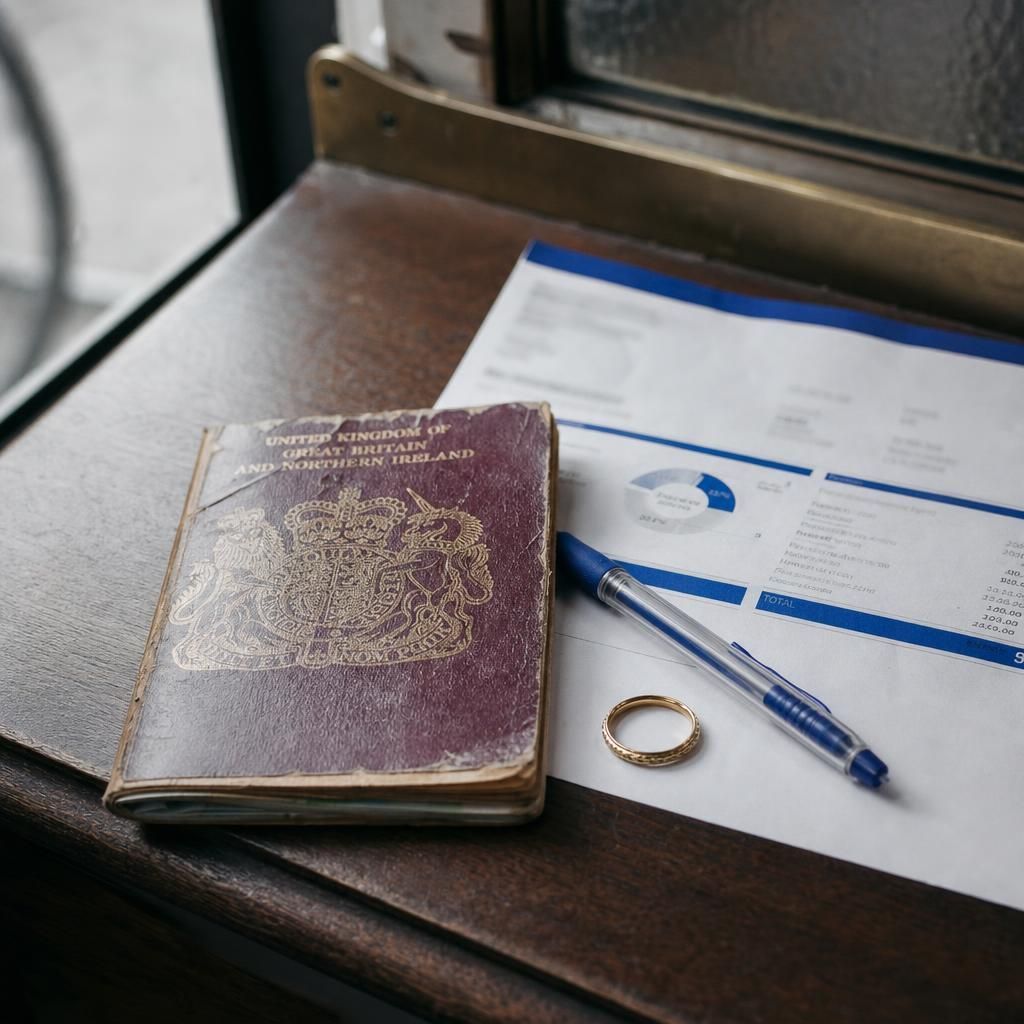
UK passport, utility bill, and gold ring on counter 

What is a legitimate ID check in gold buying?

A legitimate ID check is a basic verification step that confirms the seller’s identity before payment. It should be quick, proportionate, and explained clearly.

In most cases, the buyer will inspect your ID, note your details, and link them to the valuation record. That is normal. It should not involve unnecessary pressure or confusing questions. The ID requirements for selling gold UK are meant to support a safe sale, not create friction.

What ID requirements for selling gold UK should you expect to bring?

The ID requirements for selling gold UK usually start with one valid photo ID. In many cases, that is enough for a standard valuation. Some buyers also ask for proof of address, especially if the transaction is higher value or the item type warrants extra checks.

The safest approach is to bring more than one document if you have them. That keeps the appointment moving and reduces delays. It is also helpful if you are selling inherited gold, mixed scrap, or items you have owned for years and no longer have the original paperwork for.

If you want a practical example of a secure local appointment, our gold valuation in the Midlands page explains how we weigh, test, and value items in a transparent way. If you are selling chains or necklaces, our sell gold necklaces service shows the type of gold items we buy every day.

The key point is simple. The ID requirements for selling gold UK are usually reasonable, and they are designed to match the risk level of the transaction. You are not being judged. You are being verified.

Photo ID

Photo ID is the main document most buyers want first. A passport or UK driving licence is the clearest option because it confirms both identity and likeness.

If your photo ID is out of date, ask the buyer whether they will accept it. Many will prefer current identification. The ID requirements for selling gold UK are easier when your documents are clear and readable.

Proof of Address

Proof of address may be requested when a buyer needs a second verification step. A recent utility bill, bank statement, or council tax letter is often the sort of document sellers have ready.

Bring something recent and matching your name. That reduces questions and helps the buyer complete the record correctly. It also supports the wider ID requirements for selling gold UK if the sale value is higher.

Proof of Ownership Where Available

Proof of ownership is not always required, but it can help. Old receipts, hallmark paperwork, valuation records, or inheritance notes can support the sale of bullion, coins, or family items.

If you do not have them, do not worry. Many sellers do not. The ID requirements for selling gold UK focus first on identity. Supporting paperwork simply makes the process smoother when it is available.

How do the ID requirements for selling gold UK relate to anti-money-laundering checks?

The ID requirements for selling gold UK are closely linked to anti-money-laundering checks. Those checks help buyers spot unusual activity and keep payment channels clean and traceable.

In plain English, this means a dealer may ask who you are, where you live, and what you are selling. They may also ask where the gold came from if the item or transaction needs clarification. That is normal compliance behaviour, not suspicion for its own sake.

For sellers, the benefit is clarity. You know why questions are being asked, and you know the business is taking compliance seriously. A professional buyer should be able to explain the process without jargon. The transaction should feel orderly and respectful.

If you are comparing ways to sell, our guide on the best way to sell gold in the UK can help you decide between local, postal, and other selling routes. You can also review how to get the best price for gold in the UK so you understand that compliance and price are separate questions. A buyer can ask for ID and still offer a fair price.

For readers who want an external view on how sellers are typically onboarded, a detailed walk-through is available at how selling gold for cash usually works. The important thing is this: the ID requirements for selling gold UK are there to make the process safer, not harder.

If you are ever asked for sensitive information without a clear reason, ask how it will be stored and why it is needed. A genuine buyer will answer plainly.

How is your gold handled during a valuation when ID is checked?

Your gold should be handled carefully at every stage. A professional buyer will weigh, test, and inspect your items in front of you wherever possible, then explain the offer before you decide anything.

That is one reason the ID requirements for selling gold UK matter. They sit inside a wider secure process. The buyer should log the valuation, match the item details to your identity, and keep the transaction tidy. Nothing should disappear into a back room without explanation.

If you are selling in person, ask where the weighing happens and whether you can watch the testing. You should be able to see the basics clearly. That is particularly important for mixed gold, scrap pieces, and sentimental items that you may want to keep if the offer is not right.

For local sellers, a page like Gold Buyer Near Me: Home Visit Gold Valuations Across the Midlands and South is useful if you prefer a home visit rather than posting valuables. If you are selling coins, our sell gold sovereigns page explains that coin buyers should also value items carefully and securely.

A secure valuation has three signs. First, the buyer explains the process. Second, the gold stays visible and accounted for. Third, the ID requirements for selling gold UK are handled discreetly, not theatrically. That is what a trustworthy service looks like.

When you know your items are being recorded properly, you can focus on the offer itself instead of worrying about what happens next.

What happens if you reject the offer after the ID requirements for selling gold UK are checked?

If you reject the offer, you should simply get your gold back. That is how a fair valuation works. The ID requirements for selling gold UK do not mean you are committed to selling.

A good buyer will let you compare the offer with your expectations and decide in your own time. You should never feel pushed to accept immediately. If you do not like the price, you can walk away.

This is important because trust is part of the service. Sellers sometimes worry that providing ID creates pressure to proceed. It should not. ID is there to secure the appointment, not trap you into a sale.

If you are unsure how to compare offers, our page on how your gold valuation is worked out explains the main factors clearly. You can also use our contact page to ask questions before booking.

The best buyers make rejection easy. They return your items, thank you for coming, and keep the conversation professional. That is a strong sign the ID requirements for selling gold UK are being used properly.

In short, ID should support a safe decision, not rush it.

What are the legal requirements for selling jewellery in the UK?

The legal requirements for selling jewellery in the UK are mainly about identity, ownership, and honest dealing. You should be able to prove who you are, and the buyer should be able to record the transaction properly.

For most sellers, that means the ID requirements for selling gold UK will include photo ID and, sometimes, proof of address. If the jewellery is inherited or has no paperwork, that does not automatically stop the sale. It just means the buyer may rely more heavily on your identity check and the item inspection.

It is also sensible to keep any paperwork you do have. Old receipts, tags, insurance notes, or inherited item records can help. They are especially useful for high-value pieces, vintage jewellery, and investment items.

If you are selling mixed jewellery or broken items, our scrap gold buyers guide can help you understand what counts as scrap. For damaged pieces, broken gold buying can be a practical route.

One more point matters here. If a buyer does not ask any questions at all, that is not automatically a good sign. The ID requirements for selling gold UK exist because legitimate businesses take compliance seriously. That is often what separates a safe buyer from a risky one.

Key Takeaways

  • The ID requirements for selling gold UK usually start with valid photo ID.
  • Proof of address and supporting paperwork may be requested for higher-value or more complex sales.
  • Legitimate buyers ask for ID to support anti-money-laundering checks, reduce fraud, and protect sellers.
  • You should never feel pressured to sell after a valuation; a fair buyer returns your items if you decline.
  • A trustworthy gold buyer explains the process clearly, handles your items securely, and records the transaction properly.

Frequently Asked Questions

Do you need ID to sell gold in the UK?

Usually, yes. The ID requirements for selling gold UK normally include valid photo ID, and some buyers also ask for proof of address or supporting paperwork. That is standard for legitimate sellers because it helps verify identity, reduce fraud, and keep the transaction properly recorded.

Does HMRC know if I buy gold?

Not automatically in the way many people worry about, but legitimate dealers do keep records and follow compliance rules. The ID requirements for selling gold UK are about identity and record-keeping, not about making a casual sale feel invasive. If you are unsure, ask the buyer how they store and use your information.

Can you sell gold without proof of ownership?

Often, yes. Many sellers do not have old receipts or original paperwork. The ID requirements for selling gold UK usually focus first on your identity, while ownership documents are helpful rather than essential. If you do have them, bring them, because they can make the valuation smoother.

What are the legal requirements for selling jewellery in the UK?

The main legal expectations are that you can identify yourself, the buyer can record the sale, and the item is handled honestly. The ID requirements for selling gold UK are part of that process. For a normal jewellery sale, photo ID is the starting point, with extra checks only when needed.

How to Sell Inherited Gold in the UK Without Being Rushed
By Gold Buyer September 4, 2026
Learning how to sell inherited gold can feel emotional as well as practical. You may be dealing with a family estate, a box of old jewellery, or investment pieces that have sat untouched for years. The good news is that you do not need to decide quickly, and you should never feel pressured into a sale before you understand what you have. In most cases, the best first step is to sort the items carefully and book a proper valuation. That gives you time to compare options and ask clear questions…
Sell Gold Nottingham: Local Gold Valuations and Fast Payment
By Gold Buyer September 3, 2026
If you want to sell gold Nottingham customers can do safely and quickly, Gold Buyer offers a local, straightforward option with clear valuations and fast bank payment after acceptance. This is ideal if you are selling jewellery, inherited pieces, broken items, sovereigns, bullion, or mixed scrap gold. A local appointment also helps when you want to see how your gold is tested and how the offer is worked out. For many sellers, that transparency matters more than a rushed quote. It is also…
Sell Gold Birmingham: Jewellery, Bullion, Sovereigns and Scrap Gold
By Gold Buyer September 2, 2026
If you want to sell gold Birmingham residents can trust, the safest path is usually a local valuation with a clear explanation of weight, purity and payment. Gold Buyer helps people sell gold Birmingham wide, including jewellery, necklaces, bullion, sovereigns, scrap items and dental gold, with simple appointments and secure payment options. That matters if you are sorting inherited pieces, broken chains or investment items you no longer want. It also helps if you would rather avoid posting…
How to Sell Gold Bars in the UK Safely
By Gold Buyer September 1, 2026
If you are searching for how to sell gold bars uk, the safest route is usually a local or appointment-based bullion buyer that explains valuation clearly, checks identity properly, and pays by secure bank transfer once you accept the offer. That matters because gold bars are high-value items, and small details like assay packaging, serial numbers, and brand can affect the price you are offered. In other words, how to sell gold bars uk is not just about finding the highest headline rate. It is…
By Gold Buyer August 31, 2026
Dental gold buyers help you turn old crowns, bridges and dental scrap into cash without guesswork. If you have inherited dental items, leftover repair pieces, or mixed scrap from a clinic or home collection, the value depends on the gold content, other metals, and how the item is tested. That is why a clear valuation matters more than a quick promise. At Gold Buyer, we focus on straightforward appraisals, friendly service, and secure payment. If you are comparing options, it helps to…
Scrap Gold Buyers UK: Sell Broken, Unwanted and Mixed Gold
By Gold Buyer August 30, 2026
If you have broken jewellery, odd items, or a mixed box of gold, scrap gold buyers can help you turn it into cash without the stress of sorting everything first. That is especially useful when you are dealing with inherited pieces, damaged chains, or a lot of jewellery that no longer gets worn. At Gold Buyer, we make that process straightforward with local valuations, home visits, and instant bank payment after an accepted offer. If you want to understand the wider service first, see our Gold…
Sell Gold Chesterfield: Local Gold Valuations and Instant Payment
By Gold Buyer August 29, 2026
If you want to sell gold Chesterfield, a local valuation is usually the simplest place to start. It lets you see how your items are tested, ask questions in person, and decide whether to accept the offer without the pressure of posting valuables away. Gold Buyer helps Chesterfield sellers with friendly, straightforward valuations for jewellery, necklaces, sovereigns, bullion, scrap gold, and dental gold. If you are comparing options, our best place to sell gold guide explains the differences…
Gold Buyer Near Me: Home Visit Gold Valuations Across the Midlands and South
By Gold Buyer August 28, 2026
If you are searching for a gold buyer near me, you probably want three things: a fair price, a safe process, and a fast payment. Gold Buyer offers home visit valuations across the Midlands and South, so you can sell gold without posting it away or visiting a busy shop. That matters if you are selling inherited jewellery, broken chains, sovereigns, bullion, scrap gold, or dental gold. It also helps if you want someone to explain the valuation in plain English. For a broader overview of your…
Best Way to Sell Gold in the UK: Local Buyer, Jeweller, Pawn Shop or Postal Gold?
By Gold Buyer August 27, 2026
If you are searching for the best way to sell gold uk, the right choice depends on what you value most: price, safety, speed, or convenience. Some sellers want the highest return on jewellery, coins, bullion, scrap gold, or dental gold. Others want a local appointment, a home visit, or a simple postal service. Gold Buyer helps people across the Midlands and South compare those options without pressure, whether they are selling gold jewellery, coins and bullion or just trying to understand what…
Sell Gold Necklaces and Chains for a Fast UK Valuation
By Gold Buyer August 26, 2026
If you want to sell gold necklaces, the key is simple: get the carat checked, the weight measured, and the offer explained clearly before you accept anything. A good valuation should cover chains, pendants, broken clasps, and inherited jewellery without pressure or hidden deductions. Gold Buyer makes that process straightforward for UK sellers who want a local appointment, a home visit, or a free selling kit. You can also start with Sell Gold Necklaces | Gold Buyer | Midlands & South if you…
Show More