How to Sell Gold Online Without Risking Your Valuables
Quick Answer
The safest way to handle how to sell gold online is to choose a reputable buyer, use insured tracked postage, photograph and list every item before posting, and understand the valuation and rejection policy before you send anything. That way, you keep control of your gold, your offer, and your payment.
If you are learning how to sell gold online, the key is not speed. It is control. A safe process protects your jewellery, bullion, coins, or scrap gold from the moment you pack it until the moment you decide whether to accept the offer. That matters even more for postal kits, because once your gold leaves home, your paperwork and tracking become your safety net. For many UK sellers, the best outcome comes from a buyer that explains postage, valuation, and rejected-offer rights clearly. If you want a simple starting point, our How to Sell Gold Online Safely guide and free postal gold selling kit explain the process in plain English. In this article, we will show you how to sell gold online with less risk, what to record before posting, and how to avoid pressure when the offer comes back. We will also compare postal selling with a home visit, so you can choose the route that feels secure and practical.
Choose a Reputable Online Gold Buyer
The safest answer to how to sell gold online starts with the buyer. A reputable gold buyer explains its process, gives clear contact details, and tells you what happens if you do not accept the offer. That transparency matters because your gold should never feel trapped in transit or in a valuation queue.
Look for a company that names the types of gold it buys, including necklaces, sovereigns, bullion, scrap gold, and dental gold. For example, if you are selling chains or mixed jewellery, the Sell Gold Necklaces page and Sell Scrap Gold page should explain what they accept. That kind of specificity is a good sign. It shows the buyer understands item categories and does not rely on vague promises.
You should also check that the buyer offers a clear route to speak with someone before you post. A simple contact page, such as Contact Gold Buyer, helps you verify details first. Additionally, a trustworthy seller should not pressure you to post immediately. You should be able to ask about pricing, ID, and return procedures before you send anything.
When you research how to sell gold online, compare the buyer’s information, not just the headline offer. A strong buyer explains hallmarks, weighing methods, and payment timing. It also gives you a realistic path if you change your mind. That is especially important for inherited pieces, sentimental jewellery, and investment gold.
If a site hides its terms, uses vague language, or makes you rush, walk away. In online gold selling, clarity is part of security.
What makes a safe gold buyer online?
A safe buyer is easy to identify because it explains the full process before you send anything. It should tell you how items are valued, whether postage is insured, and how returns work if you reject the offer. It should also provide a direct contact route and clear terms for payment. When those details are easy to find, you reduce the risk of confusion later.
How to Sell Gold Online: Check Postal Insurance and Tracking
Postal protection is one of the most important parts of how to sell gold online. If your package is tracked and insured, you have a record of where it is and what happened in transit. That record can make a stressful situation much easier to resolve.
Before posting, ask whether the buyer recommends a tracked service, what insurance level applies, and who carries the risk while the parcel is moving. Do not assume every postage label offers the same cover. Some services have limits, and valuable items may need extra protection. The government’s guidance on sending parcels is a useful reminder to check the carrier rules before you post valuables, even when the package stays within the UK.
You should also keep the tracking number, proof of postage, and any email confirmation together. If the buyer sends a postal kit, inspect it first. A proper kit should include clear instructions, secure packaging, and a route to contact support if the parcel is delayed. If you need a reference point, the How to Sell Gold Safely page explains why insurance, ID, and payment clarity matter.
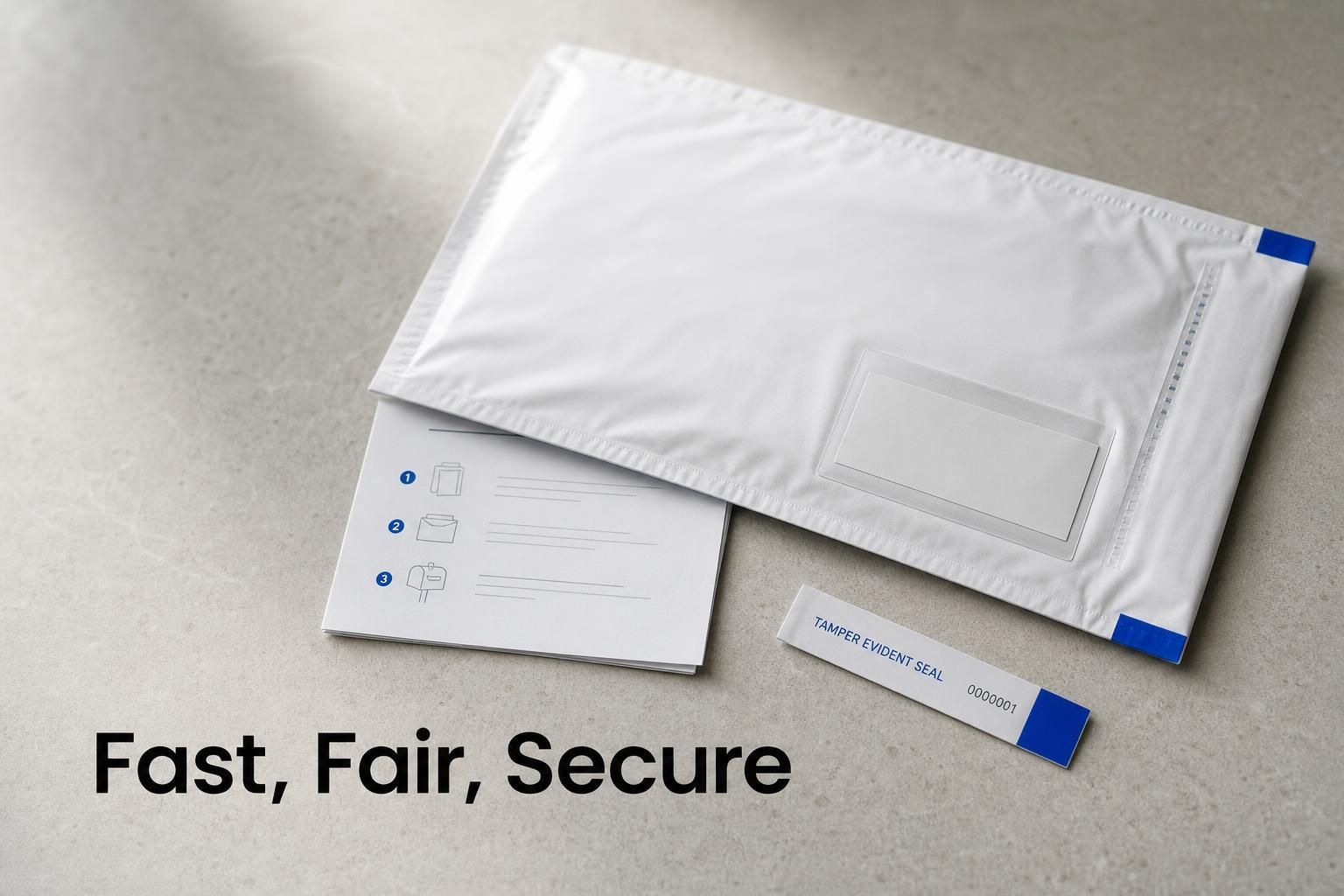
For how to sell gold online safely, never post loose items in an ordinary envelope. Use a padded, tamper-evident parcel and seal it properly. Moreover, send it only after you have photographed everything and written down what is inside. That small extra step can make a big difference if you ever need to verify what you sent.
When a buyer treats postage as a controlled process rather than a casual mailing, that is a positive sign. It shows they understand that your valuables deserve a careful journey.
Photograph and Record Your Items Before You Post
The best protection in how to sell gold online is a record of what you owned before it left your home. Clear photos and a written list make it much easier to compare the returned offer with the items you sent.
Start with high-quality photos of each item on a plain surface. Capture the front, back, clasp, hallmarks, and any stones or dents. If you are selling coins or investment pieces, photograph any certificates or packaging too. Then make a simple list that notes each item’s description, condition, and any visible markings. For mixed lots, separate the pieces in your notes so nothing gets lost in one combined description.
This is especially useful for inherited gold. Sentimental items often look different from modern jewellery, and a record helps you stay calm if the valuation is lower than expected. If you want to understand purity marks first, our How to Identify Gold Purity guide is a helpful companion. It explains UK hallmarks and carat markings in a practical way.
You do not need a perfect inventory system. You just need enough detail to confirm what you posted. Therefore, keep the photos on your phone and back them up in your email or cloud storage. Keep your postage receipt with them. That way, your evidence is in one place.
If you are selling multiple types of gold, such as a necklace, a sovereign, and some scrap pieces, record them separately. That makes valuation disputes easier to handle. It also gives you a better basis for deciding whether to accept the offer.
This is one of the most overlooked steps in how to sell gold online, yet it is one of the most valuable.
What should you record for each item?
Record the item type, approximate weight if you know it, hallmarks, visible condition, and any packaging or documents that belong with it. Take clear photos from several angles. These details help you prove what was sent and make offer comparisons much easier.
Understand How the Valuation Will Be Made
How the buyer values your gold matters just as much as how you send it. A good answer to how to sell gold online includes understanding whether the offer is based on carat, weight, market price, and item condition.
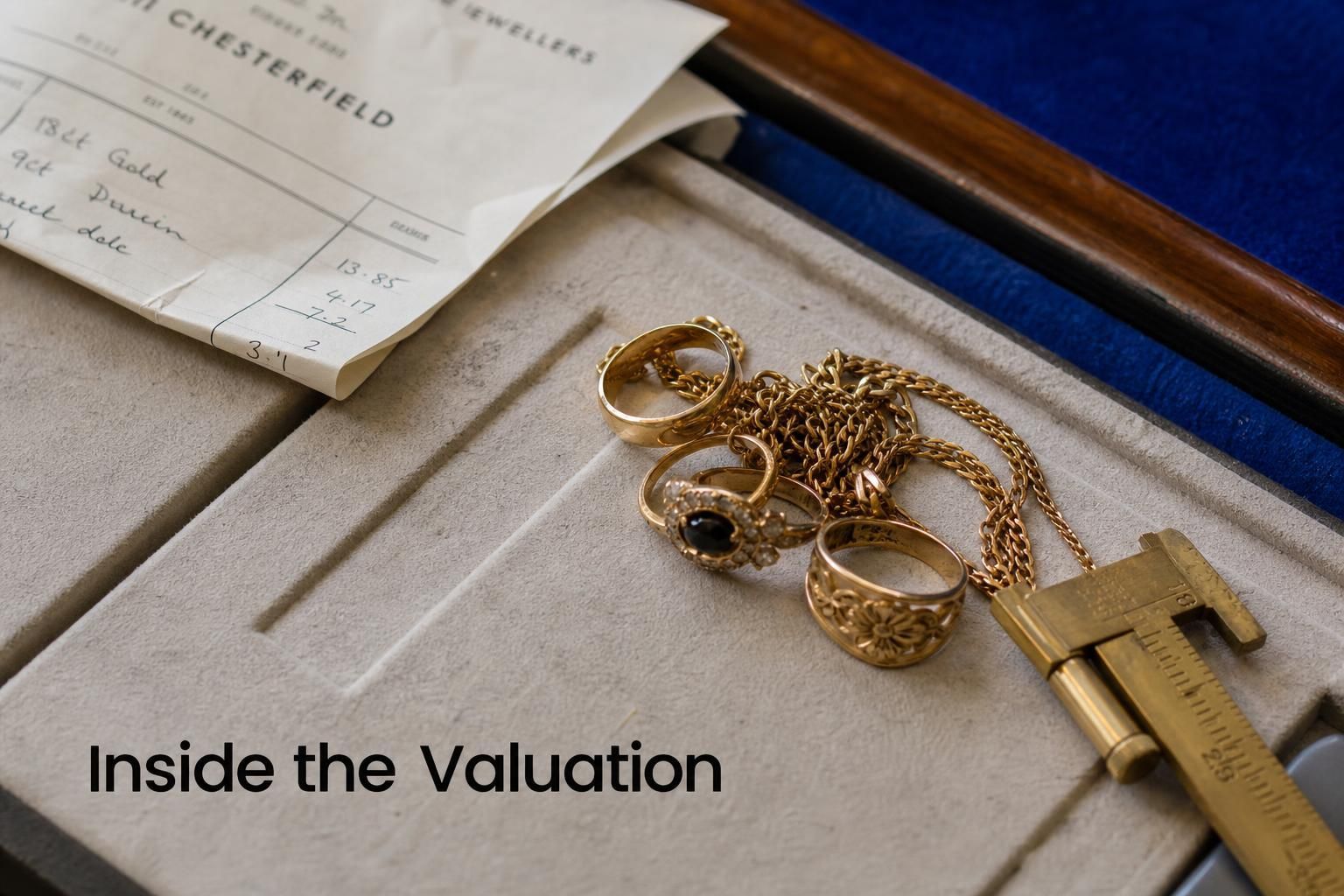
In many cases, the buyer will test purity, weigh the item, and then apply its pricing method. That is normal. However, you should always know whether gemstones, damaged clasps, or non-gold parts affect the offer. If you are selling bullion or sovereigns, the method may differ from scrap jewellery. For a clear overview of valuation steps, see How Gold Buyer Values Your Gold. If you want to estimate first, the Gold Price Calculator can help you understand how carat and weight influence value.
It is also wise to know the difference between scrap value and collectible value. Some pieces are valued mainly for their gold content. Others, such as certain coins or mint-condition items, may have additional market interest. If you are unsure, ask before posting. That prevents disappointment later.
Moreover, you should expect a written or clearly stated explanation of the offer. If the buyer can explain the valuation in plain language, that is a positive sign. If they only give a number with no context, ask for a breakdown.
When you understand the valuation method, you can compare offers with more confidence. You also avoid accepting a price that does not match the type of gold you sent. That is a major part of how to sell gold online without risking your valuables or your peace of mind.
Know What Happens If You Reject the Offer in How to Sell Gold Online
You should know your rejection rights before you send anything. A safe process for how to sell gold online gives you a clear path to decline the offer and request your items back.
Ask the buyer three things in advance: how long you have to decide, whether return postage is insured, and whether there are any fees if you reject the valuation. If those answers are unclear, pause. Your decision window matters because you should never feel pushed into accepting a price on the spot.
A fair buyer will explain the next step if you decline. That may include returning the items by tracked post or arranging collection. You should receive the item back in a way that is traceable and documented. If the company has a wider FAQ, such as Selling Gold FAQ, check it before you post. The terms should match what you were told by phone or email.
Also, remember that rejection rights protect your comfort as much as your money. If the offer is lower than expected, you can step back. That is especially useful for inherited jewellery or sentimental pieces, where value is not only financial.
For many sellers, this is the deciding factor in how to sell gold online safely. A buyer that welcomes questions before and after valuation is far easier to trust. A buyer that resists questions is asking you to give up control.
If you are comparing routes, this is also where a home valuation visit can feel more reassuring. We cover that next.
How to Sell Gold Online vs a Home Visit
The best method depends on what makes you feel safest. For some people, how to sell gold online is the most convenient option. For others, a home visit offers more reassurance because the items stay with you until an offer is agreed.
A postal service works well when you want convenience, live further away, or have several items to send together. It is often a good fit for busy households and estate sorting. A home visit can suit people who prefer face-to-face questions, want to avoid mailing valuables, or need help understanding a mixed collection.
If you want a local, in-person alternative, the Home Gold Valuation Visits page explains how a private assessment works. You can also compare it with our Gold Buyer UK overview, which covers postal, local, and home-based options.
Therefore, choose the route that matches your comfort level. If tracking and packaging make you uneasy, a home visit may suit you better. If you want convenience and a paper trail, postal selling can be very practical. Either way, the same principles apply: ask questions, record your items, and understand the offer before you agree.
For a broader discussion of seller decisions, this BriteCo Insurance video offers a quick overview of where to sell and how to avoid accepting too little.
If you want another seller-focused perspective, this Silver Dragons video covers practical ways to get the most money from gold or silver sales.
When you compare both approaches, the right answer is the one that keeps you calm and informed. That is the real goal of how to sell gold online or in person.
Key Takeaways
- Choose a gold buyer that explains postage, valuation, and return rights before you send anything.
- Use tracked and insured postage, and keep proof of posting and the tracking number.
- Photograph every item and keep a written list so you can verify what you sent.
- Understand how the valuation is calculated before you accept an offer.
- If you are unsure about postal risk, compare online selling with a home visit.
Frequently Asked Questions
What is the safest way to post gold for sale?
The safest way is to use insured, tracked postage and keep proof of everything you send. Photograph each item, record the contents, and confirm the return policy before you post. That gives you a clear trail if there is any delay, dispute, or rejected offer.
How do I know if an online gold buyer is trustworthy?
A trustworthy buyer explains its valuation process, shows clear contact details, and gives you written terms for postage, payment, and returns. It should not pressure you to send items quickly. It should also answer questions before you commit, especially if you are sending sentimental or inherited gold.
Can I refuse an offer and get my gold back?
Yes, if the buyer’s terms allow rejection and return. You should confirm this before posting and ask how the return will be tracked. A clear rejection policy is one of the most important parts of how to sell gold online safely, because it keeps you in control of the decision.
Should I sell necklaces, coins, and scrap gold the same way?
Not always. Different items may be valued differently depending on purity, condition, and whether they have collector interest. For example, necklaces and scrap gold are often priced for metal content, while coins or sovereigns may need a different assessment. Ask how each item type will be handled before you send it.
Is a home visit safer than posting gold?
It can feel safer for some sellers because the gold stays with you until you agree to sell. However, postal selling is still secure when you use tracking, insurance, photos, and a clear return policy. The best option is the one that gives you the most confidence.