





Selling Gold Bullion Bars: A Practical UK Walkthrough
If you want a quick, safe route to cash, selling gold bullion bars typically means arranging a mobile valuation, verifying purity and weight against the live market price, and receiving same-day payment by bank transfer. Expect to show ID, choose between a home visit or a postal kit, and receive transparent, market-based pricing with a written offer.
What Does a Smooth Sale Look Like? A Walkthrough Scenario
Imagine a careful, methodical seller preparing two items: a 100 g minted bar in sealed packaging and a lightly scuffed 1 oz cast bar. The seller wants certainty on value, minimal hassle, and a quick bank transfer. Here’s how a realistic, well-run sale can unfold from first contact to payment, without visiting a high street shop.
First, the seller reaches out to a mobile buyer who serves their local area. They’re asked basic questions: approximate weight, brand and packaging status (sealed or unsealed), any purchase receipts, and preferred appointment style (home visit, local pop-up, or postal kit). The buyer explains how offers are tied to the live spot price, what verification checks occur, and what personal ID will be required.
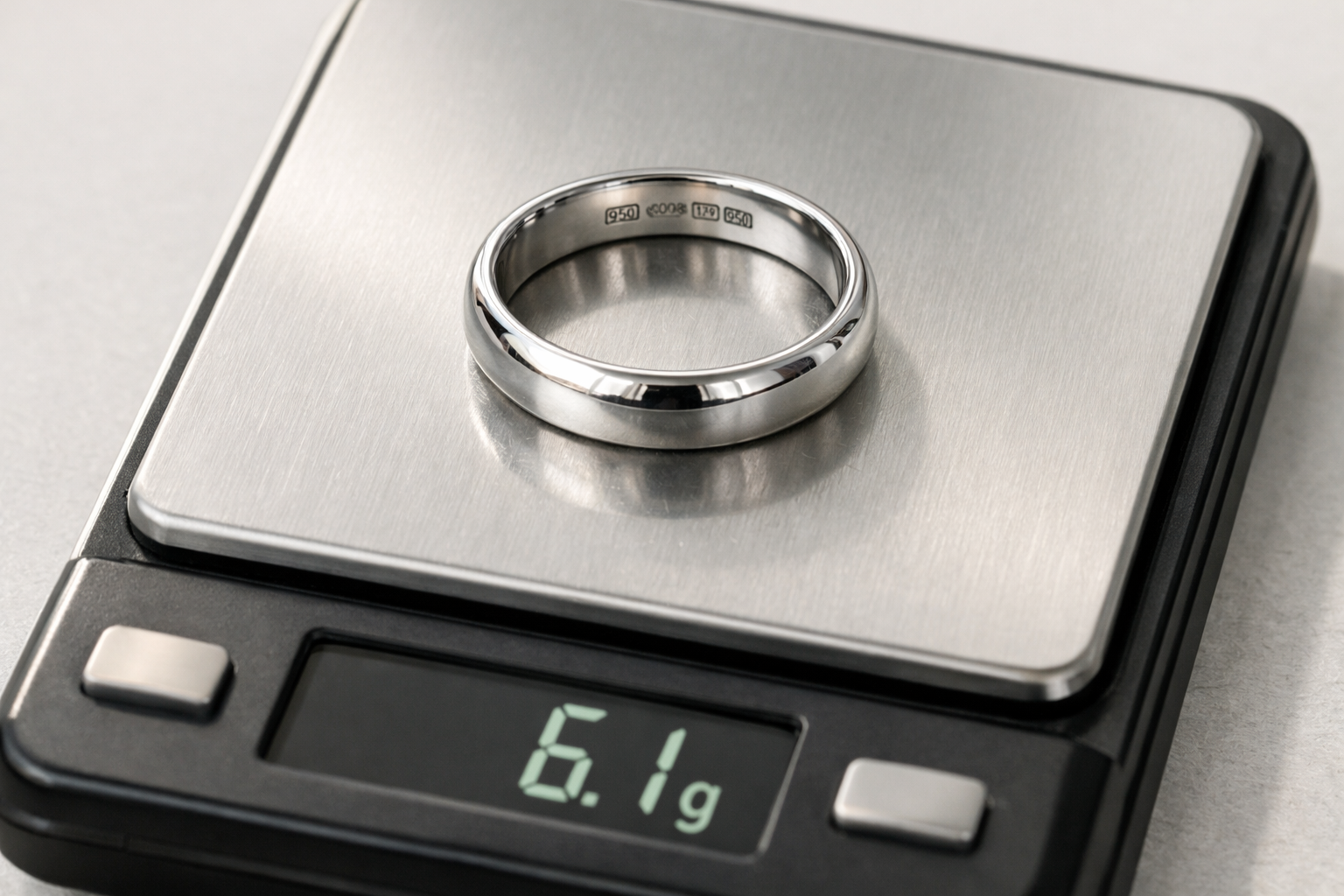
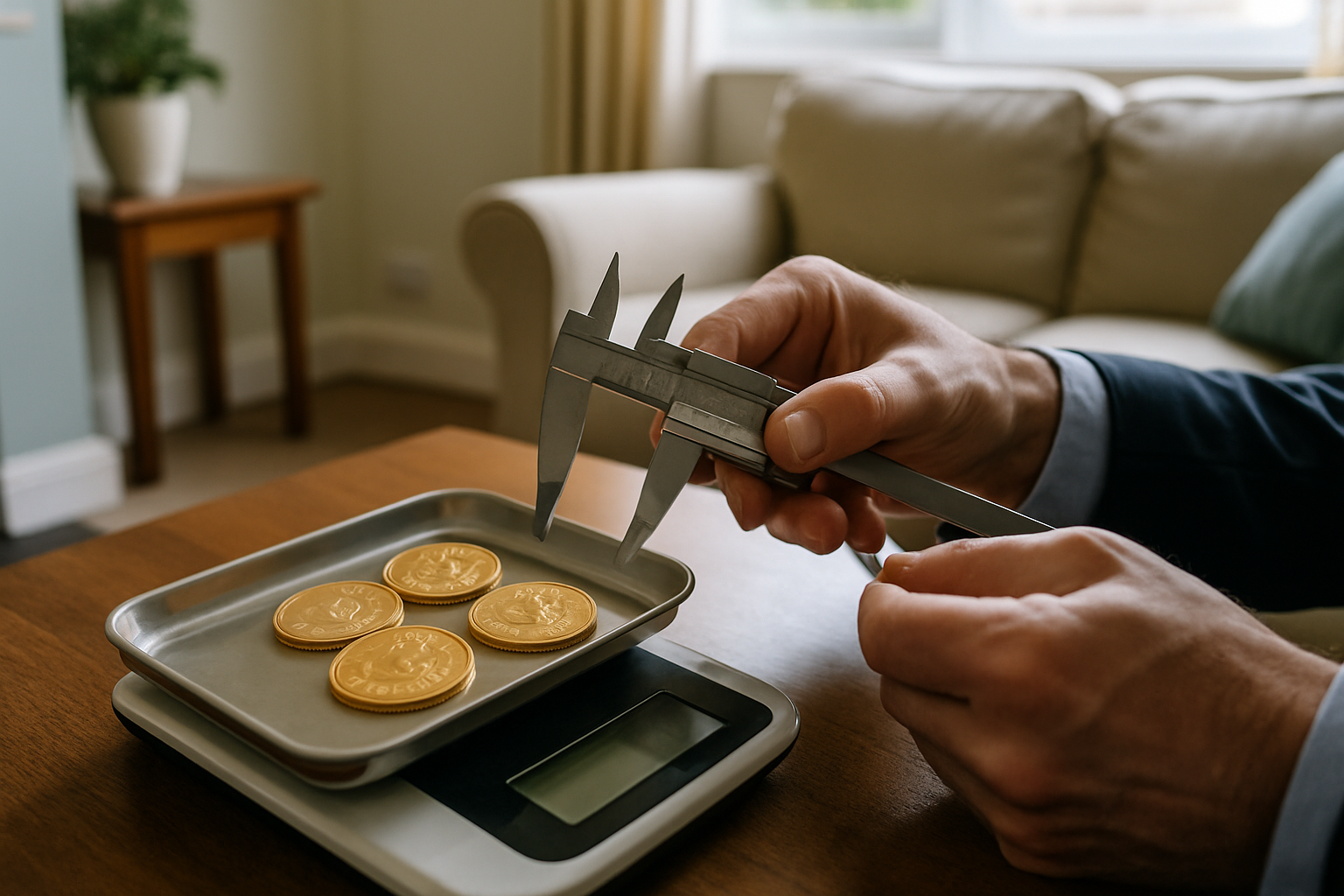
During the home visit, the representative arrives discreetly, confirms identity and permissions, and sets up portable tools: high-accuracy digital scales, a touchstone or XRF tester where appropriate, and a magnet for quick ferromagnetic screening (pure gold is not magnetic). For packaged, well-known brands, checks are fast; for unsealed or unfamiliar pieces, further non-destructive testing can take a few more minutes.
Once the bar’s weight and fineness align with expectations, the buyer calculates an offer: weight in troy ounces multiplied by fineness and that day’s spot rate, minus a clearly explained spread. The seller can accept or decline without pressure. If accepted, the buyer confirms bank details and proceeds with a same-day transfer, issuing a receipt and itemised valuation summary. For the seller, the entire process from greeting to payment often fits into a single, well-structured visit.
This scenario keeps control with the owner: there’s a clear explanation of pricing, no obligation until the final offer, and a payment method that leaves an audit trail. It’s a straightforward template for selling gold bullion bars without unnecessary friction or travel.
How Much Is Your Bar Worth Today?
Your bar’s value hinges on three core inputs: fine gold weight, purity, and the live spot price at the time of sale. Start by confirming the bar’s marked fineness (often .999 or .9999). Then convert the bar’s gross weight into troy ounces (1 troy ounce = 31.1035 g). Finally, multiply fine troy ounces by the current spot price to reach the intrinsic metal value.
Reputable buyers track active markets and mirror spot movements during business hours. Expect a buyback spread; that difference from spot reflects handling, secure logistics, testing, insurance, and the future resale risk for the buyer. Factory-sealed, internationally recognised brands can command tighter spreads than unsealed or lesser-known bars, because they’re easier to authenticate and resell.
Brand and format influence the ease of sale. Bars on or closely aligned with the LBMA Good Delivery list framework are widely trusted in the trade, which can translate into stronger bids. Condition also matters: sealed, scratch-free minted bars tend to be treated more favourably than scuffed cast bars, though both are saleable if purity and weight test out as expected.
A final variable is payment speed. Some buyers build rapid settlement into their offer. Others may price slightly higher but need more time to complete due diligence if additional testing or background checks are required. Aligning your priorities—speed, convenience, and final price—will help you decide the best route for your situation when selling gold bullion bars.
Which Bars Are Easiest to Sell in the UK?
Liquidity is about trust and demand. Bars from well-known refiners in tamper-evident packaging are simpler for buyers to verify and resell quickly. Smaller sizes often move faster to a broader pool of end buyers, while larger bars may be ideal for those consolidating value but could attract a slightly wider spread due to fewer retail-level takers.
Minted vs cast affects presentation and condition sensitivity. Minted, carded bars tend to be more condition-sensitive; visible scratches on the plastic or bar can influence the spread, even though the gold content is still solid. Cast bars are usually more forgiving cosmetically, but packaging helps maintain confidence.
If you discover that you actually hold coins rather than bars, the dynamics change slightly. Coins like Krugerrands and Maple Leafs have active UK markets with strong demand, and you can learn more in our dedicated resources: follow our step-by-step guide to selling Krugerrands or read practical tips for selling Canadian Maple Leafs.
While each buyer’s matrix differs, the overarching principle holds: the more easily a bar can be verified and resold, the more competitive your offer is likely to be. That’s why known brands, intact seals, and standard weights can smooth the path and reduce friction.
Step-by-Step: From First Enquiry to Same-Day Payment
Here is a practical, no-nonsense sequence you can follow to keep the process efficient and transparent from initial outreach to funds arriving in your account.
- Initial Contact: Share what you have: weight, brand, packaging, any supporting documents. Ask how the buyer ties prices to live markets and what identification is required.
- Choose the Format: Home visit for personal verification and instant settlement, pop-up event for convenience, or postal kit for those who prefer shipping from home.
- Pre-Appointment Prep: Keep bars accessible, gather ID and any provenance paperwork, and set aside a quiet, well-lit surface for the visit.
- On-the-Spot Verification: Expect weighing, visual checks, magnet testing, and, if needed, further non-destructive analysis. For sealed, known brands, this can be quick; unsealed pieces might take longer.
- Offer and Acceptance: Receive a written or on-screen quote explaining the calculation and spread. There’s no obligation to accept. If you do, the buyer will confirm bank details.
- Payment: Same-day bank transfer is common in structured mobile services, followed by a receipt and valuation record for your files.
Clarity and communication are key. By confirming expectations at the outset—how prices track the live market, what testing may be used, and how quickly funds move—you create the conditions for a smooth sale from start to finish when selling gold bullion bars.
What Documents and Proofs Will You Need?
Expect robust identity checks. A government-issued photo ID (such as a passport or driving licence) and a recent proof of address are standard. This isn’t bureaucracy for its own sake: buyers must follow anti-money laundering (AML) requirements and keep accurate records. For context, see the UK’s overview of AML obligations in the Money Laundering Regulations.
Provenance documents help. If you have an original invoice, a certificate from the mint, or previous valuation paperwork, keep it to hand. While missing paperwork does not necessarily block a sale, it can increase the time needed for verification or affect the spread if extra testing is required. For sealed, recognised bars, the packaging and serial often serve as a helpful anchor for checks.
When selling on behalf of someone else (for example, as part of an estate), you may be asked for letters of authority or probate documentation, alongside your own ID. If the bars were acquired overseas, be prepared to explain the history of ownership clearly and honestly. Openness helps the buyer complete required compliance steps and can keep timelines short.
Finally, prepare your bank details and ensure the account name matches your ID. This avoids delays at the payment stage and reduces the chance of bank verification hiccups.
When Is the Best Time for selling gold bullion bars?
Timing is partly market-driven and partly personal. Markets move continuously during business days, and buyers typically align offers with active spot pricing windows. If you value certainty over inch-perfect timing, focus on process: a clear, confirmed quote and rapid settlement may matter more than waiting for a marginal uptick.
Weekdays often provide cleaner price alignment than weekends, when live pricing is limited and final offers may be deferred to the next open session. Intraday, any period with high liquidity can support tighter pricing; however, micro-timing the top is notoriously difficult. Instead, consider your objectives: consolidating assets, freeing cash for a purchase, or simplifying an estate. If your priority is speed and convenience, choose a moment that fits your schedule and allows you to be present for verification.
One pragmatic approach is to obtain a live quote and decide promptly. Hesitation can expose you to adverse moves; equally, waiting for a perfect top can be a moving target. If you have multiple bars, you might sequence sales to average timing risk and to match your cash flow needs.
Home Visits vs Posting a Kit: Which Is Right for You?
Mobile visits bring the buyer to you. Advantages include real-time verification, direct communication, and same-day settlement. You keep oversight of the process as weight and purity are checked in front of you. This route suits those who prefer face-to-face clarity without travelling to a shop. It also works well for those selling multiple items in one go.
Postal kits prioritise convenience for people who cannot commit to an appointment. A well-designed kit includes secure packaging, tamper-evident seals, and insured shipping instructions. The trade-off is brief time in transit and a short wait while the receiving office logs, verifies and prices your bars before making an offer. For many, this is a fair balance of convenience and speed.
If you want the fastest end-to-end route for selling gold bullion bars with personal oversight, a home visit can be ideal. If your schedule is unpredictable or you live far from the nearest pop-up, a postal kit is a strong alternative. Either way, confirm insurance arrangements, how live prices are applied, and expected turnaround times.
Ready to get started? You can book a valuation for a home visit or request a home selling kit in a couple of minutes.
What Fees, Spreads and Deductions Should You Expect?
Most reputable buyers avoid hidden charges. Instead, you’ll see an all-in offer made up of the live gold value minus a transparent spread. That spread covers verification, logistics, insurance, and resale risk. Understanding the drivers helps you evaluate and compare offers on a like-for-like basis.
Factors that influence the spread include packaging (sealed vs unsealed), brand recognition, bar size, and the type of testing required. Sealed, recognised bars generally achieve tighter spreads because they’re faster to verify and easier to resell. Larger bars can sometimes carry a slightly wider spread at the retail level due to a smaller pool of end buyers and higher individual ticket size.
| Item | When It Applies | What It Covers | How to Minimise |
|---|---|---|---|
| Buyback spread | Always, as part of the offer | Verification, logistics, resale risk | Sell recognised brands in good condition; compare quotes the same day |
| Testing overhead | Unsealed/unknown bars or suspicious items | Advanced non-destructive testing time and equipment | Provide provenance; keep bars sealed where possible |
| Postal insurance | Postal kit shipments | Cover against loss/damage in transit as per instructions | Follow packing guidance and declared value limits precisely |
| Bank processing | Payment stage | Transfer and banking verification | Provide correct account details and matching ID |
Focus on the total net amount you will receive, the clarity of the calculation, and the speed of settlement. If an offer is significantly higher than others with no clear rationale, proceed cautiously; reliable buyers explain their pricing frameworks upfront.
Are There Tax or Legal Considerations in the UK?
Two points matter for most private sellers. First, identity checks. Professional buyers must complete due diligence under AML rules, which is why you’ll be asked for ID and, at times, additional documentation for complex cases. The UK provides a clear overview in its Money Laundering Regulations introduction.
Second, tax. In the UK, gains on bullion can fall under Capital Gains Tax (CGT). Annual CGT allowances apply, and calculation depends on your cost basis and disposal proceeds. For current allowance thresholds, refer to HMRC’s guidance on Capital Gains Tax allowances. Note that some UK legal tender gold coins can be CGT-free, which is different from bars; if you’re considering selling coins like Britannias, see our expert answers on selling Gold Britannia coins.
For most routine sales, compliance is straightforward: bring valid ID, be honest about the source of your items, and retain your receipt and valuation for records. If your situation is unusual, or you are disposing of a large holding, consider professional tax advice. As a final note, precise AML and tax obligations can evolve, so it’s sensible to check the latest guidance in 2026 and beyond.
Whether you choose a home visit or a postal kit, make sure your buyer provides a written breakdown, shows how the live market was applied, and processes your payment to a bank account in your name. This preserves a clear audit trail when selling gold bullion bars and keeps you aligned with best practice.
Frequently Asked Questions
How do buyers verify a bar without damaging it?
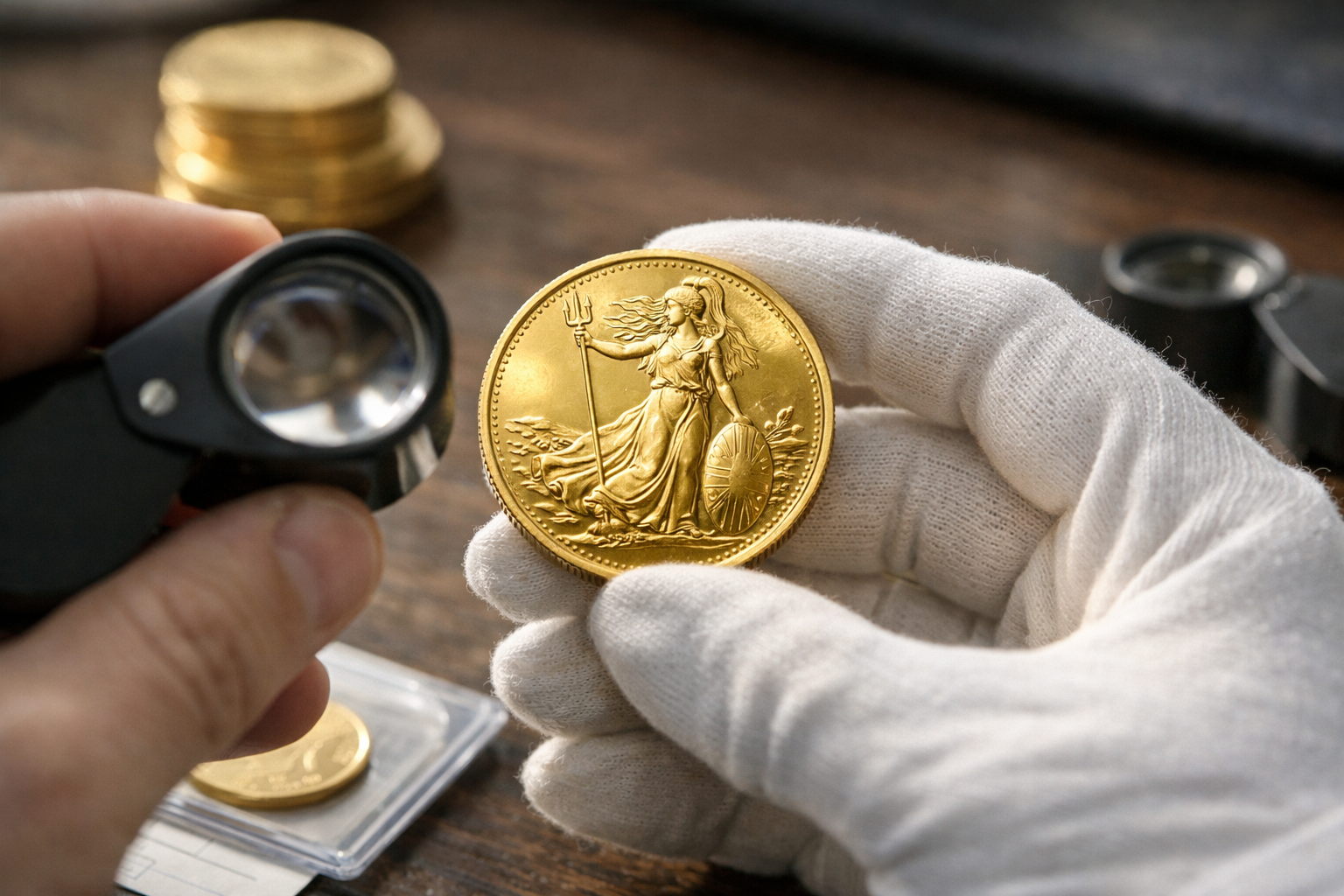
Reputable buyers use non-destructive methods: high-precision scales, visual inspection, magnet tests, ultrasonic or XRF devices, and sometimes density checks. For sealed, recognised bars, verification is usually fast. If anything seems inconsistent, they’ll perform additional non-destructive tests before making or confirming an offer, and will explain what they are doing throughout.
Will scratched packaging reduce my final offer?
It can, especially for minted bars in tamper-evident cards where presentation matters to the next buyer. The gold content remains valuable, but condition affects liquidity and resale appeal. Expect a tighter spread for sealed, pristine bars and a wider spread for scuffed or unsealed items, all else equal.
Can I sell multiple bars in one appointment?
Yes. A structured home visit is ideal for reviewing several items together. The representative will weigh and test each piece, provide an itemised valuation, and make a combined offer. This can be efficient if you’re consolidating, managing an estate, or freeing funds for a purchase, as you’ll receive one clear summary and settlement.
What happens if a test reveals a problem?
The buyer should pause, explain the result, and discuss options. If a bar’s purity or weight doesn’t match expectations, you can decline the revised offer and keep the item. Transparent businesses document their findings and return your property immediately if you choose not to proceed.
Is weekend selling possible?
Some mobile services and pop-ups run at weekends, but final pricing may reference the next active market session if live spot feeds are limited. You can still arrange verification and agree a framework, then finalise the offer when markets reopen. If timing is crucial, a weekday appointment may give smoother price alignment.
If you’re ready to proceed, you can book a valuation for a home visit or request a secure home kit today. Expect courteous, ID-checked representatives, market-based pricing and same-day bank transfer once you accept an offer.