The Practical Checklist for Selling Gold Bullion Bars in the UK
If you want a fast, safe route to cash, selling gold bullion bars is straightforward: confirm purity and weight, keep packaging and receipts, choose a trusted buyer who prices off live spot, agree the premium and fees upfront, and get paid the same day by bank transfer. Below is a beginner‑to‑expert checklist to help you prepare, compare options and avoid common pitfalls.
Beginner-to-Expert Checklist: selling gold bullion bars
Think of this as your A–Z from first check to funds received. The goal is to eliminate surprises and secure a fair, transparent price when selling gold bullion bars. Work through these steps in order if you’re new, or jump to specific sections if you’re experienced.
- Confirm metal and fineness: Most investment bars are 999.9 fine gold. Check the stamped fineness and brand mark (e.g., a Good Delivery refiner).
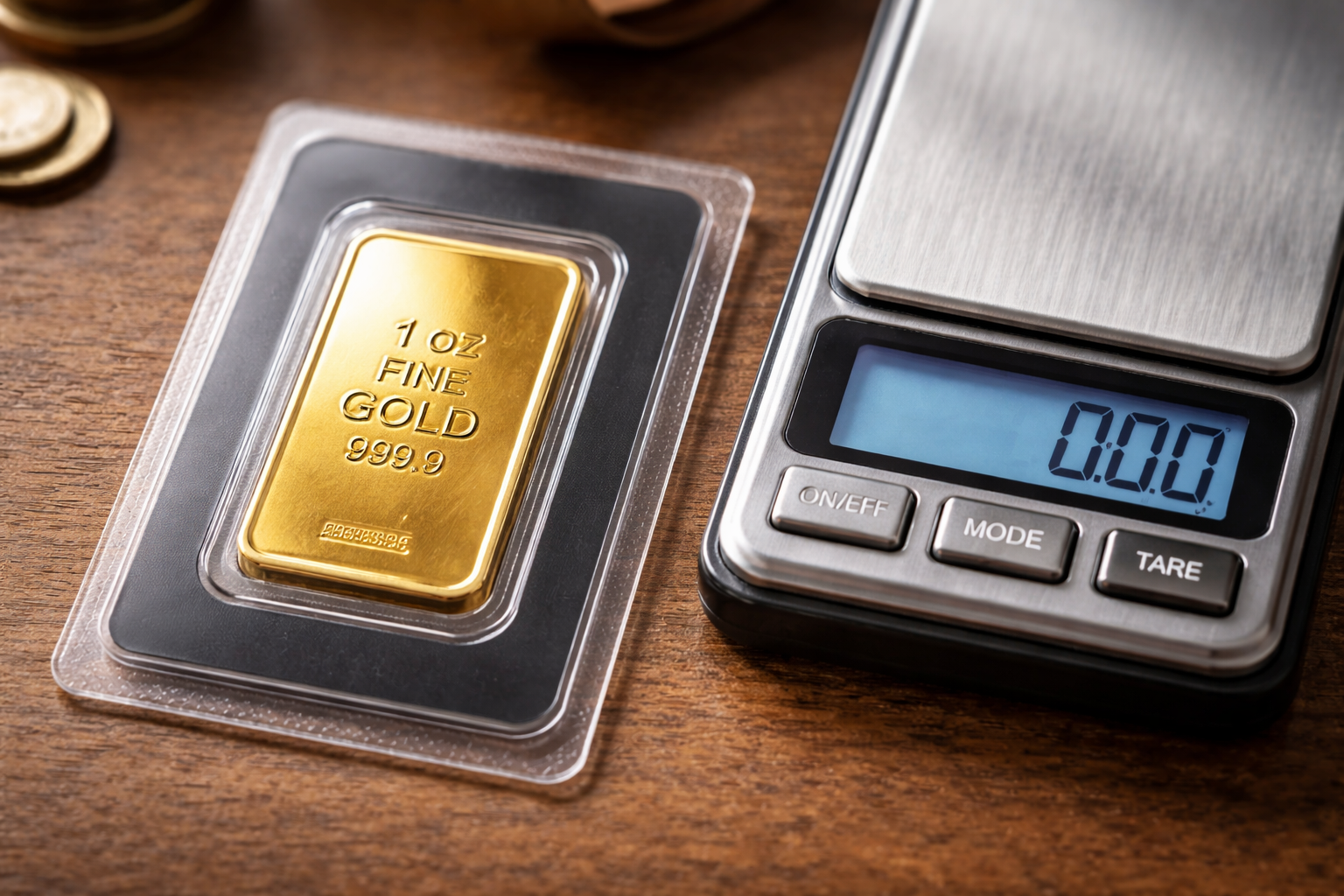
- Weigh accurately: Use a calibrated digital scale with 0.01 g resolution for small bars and 0.1 g for larger bars. Compare to the bar’s stated weight.
- Keep all packaging: Tamper‑evident cards (e.g., CertiPacks), serial numbers and assay certificates enhance buyer confidence and price.
- Assemble documents: Receipts, invoices and provenance notes help, especially for larger bars or private‑sale items.
- Assess condition: Superficial marks are fine for cast bars; severe damage, deep scratches or removed serials reduce liquidity.
- Choose where to sell: Compare mobile dealers, refiners and marketplaces. Prioritise instant valuation, live‑priced offers and same‑day bank transfer.
- Understand pricing: Spot price ± a premium/discount depending on brand, size, demand and condition.
- Verify ID requirements: Be prepared to show government‑issued photo ID and proof of address under anti‑money‑laundering rules.
- Agree testing method: Non‑destructive tests first (XRF, conductivity, precise weight/measurements). Destructive tests only with explicit consent.
- Clarify fees: Ask about deductions for assay, scratch removal, non‑standard weights or damaged seals before you proceed.
- Confirm payment timing: Many professional buyers pay the same day by bank transfer once tests are completed.
- Get a written summary: Keep a copy of the valuation basis, live price reference and the final net amount you’ll receive.
For a mobile, discreet service with on‑the‑spot valuation and same‑day payment, you can book a valuation with Gold Buyer. They price transparently against live rates and can visit at home or at local pop‑ups.
What affects bar value beyond weight and purity?
While weight and fineness are foundational, additional factors meaningfully shift sale outcomes. Brand recognition is first among them: bars from LBMA Good Delivery refiners tend to command keener offers because the buyer’s onward market trusts their stamps, serials and long‑standing quality controls. Well‑known names also reduce the need for deeper testing, which can cut costs and speed up payment.
Packaging and serial integrity follow closely. Intact, tamper‑evident cards and clear serials on minted bars are easier to authenticate. A missing or damaged assay card may trigger extra due diligence, small discounts, or (for some buyers) a melt‑value approach. Cast bars usually tolerate more cosmetic wear, but deep gouges or defaced logos still reduce salability.
Size matters. Smaller bars carry higher fabrication premiums when new; on resale, they can be more liquid to a broad market of smaller investors. Very large bars (e.g., 1 kg) often fetch prices closer to spot, but fewer private buyers can take them quickly, making a professional buyer or refiner more attractive.
Timing and demand dynamics also matter. Periods of intense retail buying can narrow discounts on popular bar sizes. Conversely, quiet markets may widen spreads. Finally, your proof of provenance—receipts, invoice PDFs, or the original seller’s certificate—can reduce verification friction and support stronger offers.
How do live prices and premiums actually work?
Professional buyers anchor offers to the live spot price—the constantly updating wholesale benchmark for unallocated gold, usually quoted per troy ounce in US dollars. Your final number in pounds depends on real‑time spot, the GBP/USD exchange rate and the premium/discount applied for your bar’s brand, size, condition and the buyer’s costs.
Premiums reflect fabrication and distribution costs embedded in bars, plus a margin for the buyer’s testing, logistics and market risk. A new 1 oz minted bar typically sells to investors above spot; when you resell, the buyer offers a figure relative to spot that considers how quickly and easily they can place it. Well‑known brands and intact seals tend to narrow that discount. Larger bars, closer to wholesale formats, often trade nearer to spot because fabrication cost per ounce is lower.
Exchange rates subtly influence your proceeds. UK dealers usually track a GBP gold live price derived from USD spot. When sterling strengthens sharply, the local gold price can ease even if USD spot is flat. Conversely, a weaker pound can lift the local price. Reputable buyers will show you the live reference point they use at the time of valuation.
Should you sell to a dealer, refiner or peer-to-peer?
Each route has trade‑offs in speed, risk and net proceeds. A mobile professional buyer combines security and convenience; they test on site, pay by bank transfer the same day, and remove the need to post high‑value metal or meet strangers. A refiner may offer close to melt on scuffed or unbranded items, but you’ll likely forgo any collectible or brand premium and may wait for assay results.
Peer‑to‑peer platforms or local forums can, in theory, yield a higher price for a popular bar size, but you assume counterparty, fraud and personal safety risks. You must also handle ID checks, fake‑detection and the logistics of verifying payment authenticity. For high‑value items, these risks often outweigh modest gains.
Dealers who specialise in investment metals tread the middle ground: fast settlements, market‑based pricing and robust testing. Ask whether the buyer references LBMA standards, accepts your specific brand without melting, and locks price against a visible live benchmark when you accept the quote. If you prefer not to travel, consider a mobile service with discreet, ID‑checked staff and clear procedures for selling gold bullion bars at home.

Ready to compare your options? If you want a secure home visit, transparent pricing and same‑day payment, book a valuation with Gold Buyer. They can also provide a home selling kit if you’d rather not arrange a visit.
Proof, cast and minted bars: which sell best and why
Bar format affects testing requirements, buyer demand and likely spreads. Minted bars are cut or struck to precise dimensions, commonly sealed in tamper‑evident packaging with an assay certificate and unique serial. Intact seals and recognisable brands reduce verification friction and usually secure keener offers. If seals are broken, buyers may need extra tests; the bar can still sell well, but spreads may widen slightly.
Cast bars are poured into moulds and often have a more rugged look with slight surface variation. They excel for larger weights (e.g., 250 g, 500 g, 1 kg) and are popular with buyers who prioritise proximity to spot over pristine aesthetics. Small cosmetic marks rarely matter, but defaced stamps or illegible serial numbers do.
Proof bars are finished to an exhibition standard and may carry collectible appeal at retail. On resale, however, most professional buyers price them for metal content similar to a standard minted bar of the same brand and weight, unless there’s an active collector premium in the current market.
| Format | Typical Sizes | Packaging/Docs | Liquidity on Resale | Pricing Tendencies |
|---|---|---|---|---|
| Minted | 1 g to 100 g; 1 oz | Tamper‑evident card, serial, assay cert | High, especially intact seals | Narrow spreads for top brands |
| Cast | 100 g to 1 kg+ | Stamped weight, fineness, brand; serial varies | High with reputable brands | Closer to spot for larger weights |
| Proof | Varied | Presentation box, cert | Good for metal value; collector premium uncertain | Usually priced like standard bars on resale |

ID, KYC and legal points you must know in 2026
Legitimate dealers follow anti‑money‑laundering (AML) obligations and will ask for identification. Expect to present a government‑issued photo ID and, in some cases, proof of address. This protects both parties and helps ensure the market remains trustworthy. The UK government summarises AML responsibilities online; for an overview, see the Money Laundering Regulations introduction on GOV.UK.
Tax is another consideration. In the UK, bars are treated as chargeable assets for Capital Gains Tax (CGT) purposes. Whether you owe CGT depends on your total gains and the annual exempt amount set by HMRC, along with other factors specific to your circumstances. HMRC’s guidance on CGT provides the general framework; you can start at the main Capital Gains Tax page. If unsure, seek independent tax advice.
For bars from recognised refiners, LBMA standards underpin market confidence. The LBMA Good Delivery Rules detail technical and quality requirements used across professional markets. While private investors mostly handle smaller bars, brands aligned with these standards typically resell more smoothly.
Professional buyers who specialise in selling gold bullion bars every day will guide you through ID checks, explain any documents needed for larger transactions, and confirm how your data is stored and protected. Ask questions; well‑run firms will be clear and patient.
Packaging, certificates and testing: step-by-step prep
Start by gathering everything that came with the bar: tamper‑evident card, assay certificate, serialed sleeve, purchase invoice and any correspondence from the original seller. Place these in a clear document wallet to hand to the valuer without removing the bar from its packaging. For cast bars without cards, a clean soft cloth pouch helps preserve surfaces.
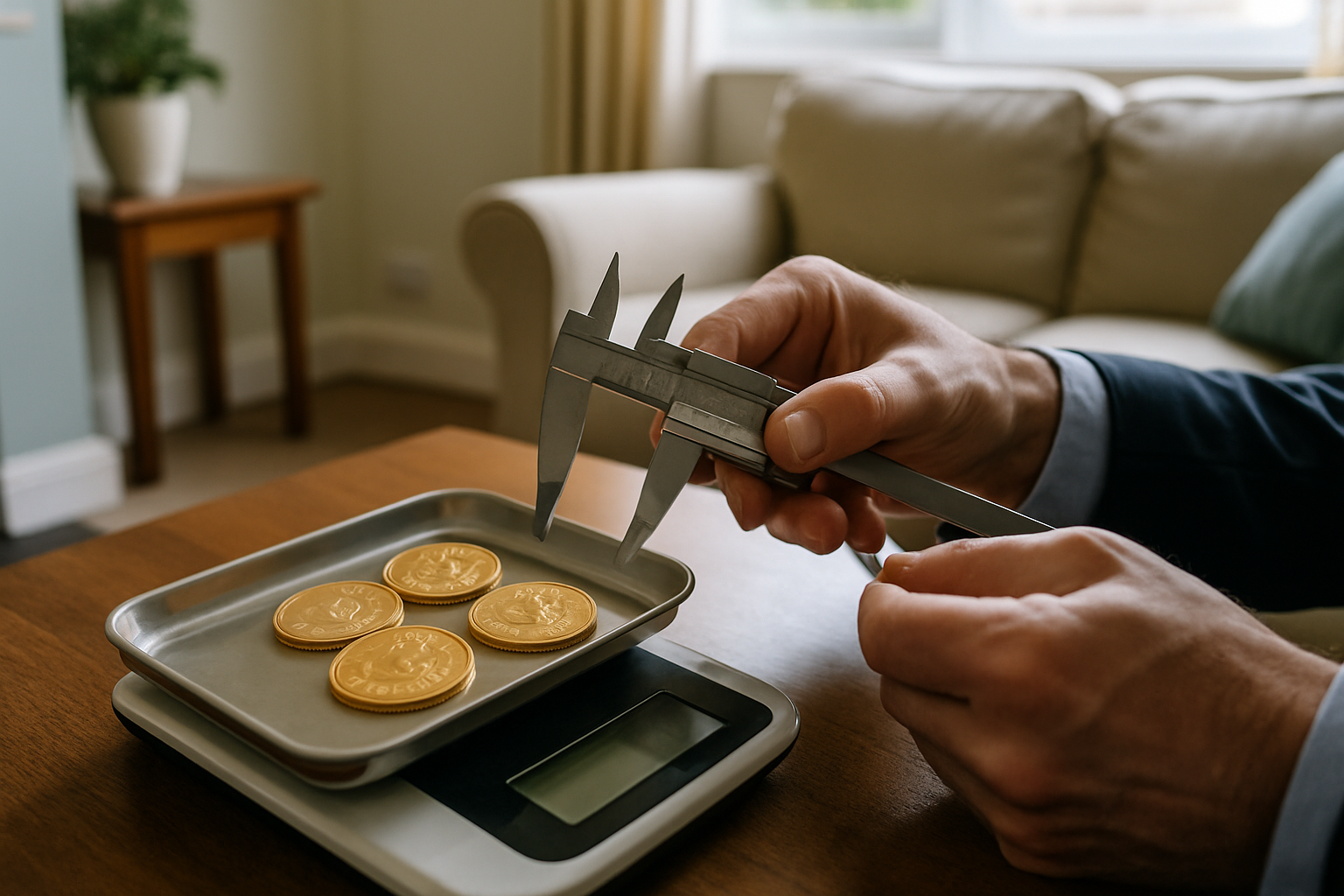
Next, run basic, non‑invasive checks at home. Weigh the bar on a sensitive digital scale and note the reading. Measure dimensions with callipers and compare to the manufacturer’s published specs (available on brand websites). A small variance can be normal; large deviations warrant professional assessment. Avoid magnet tests on packaged bars—gold is non‑magnetic, but magnets can damage seals.
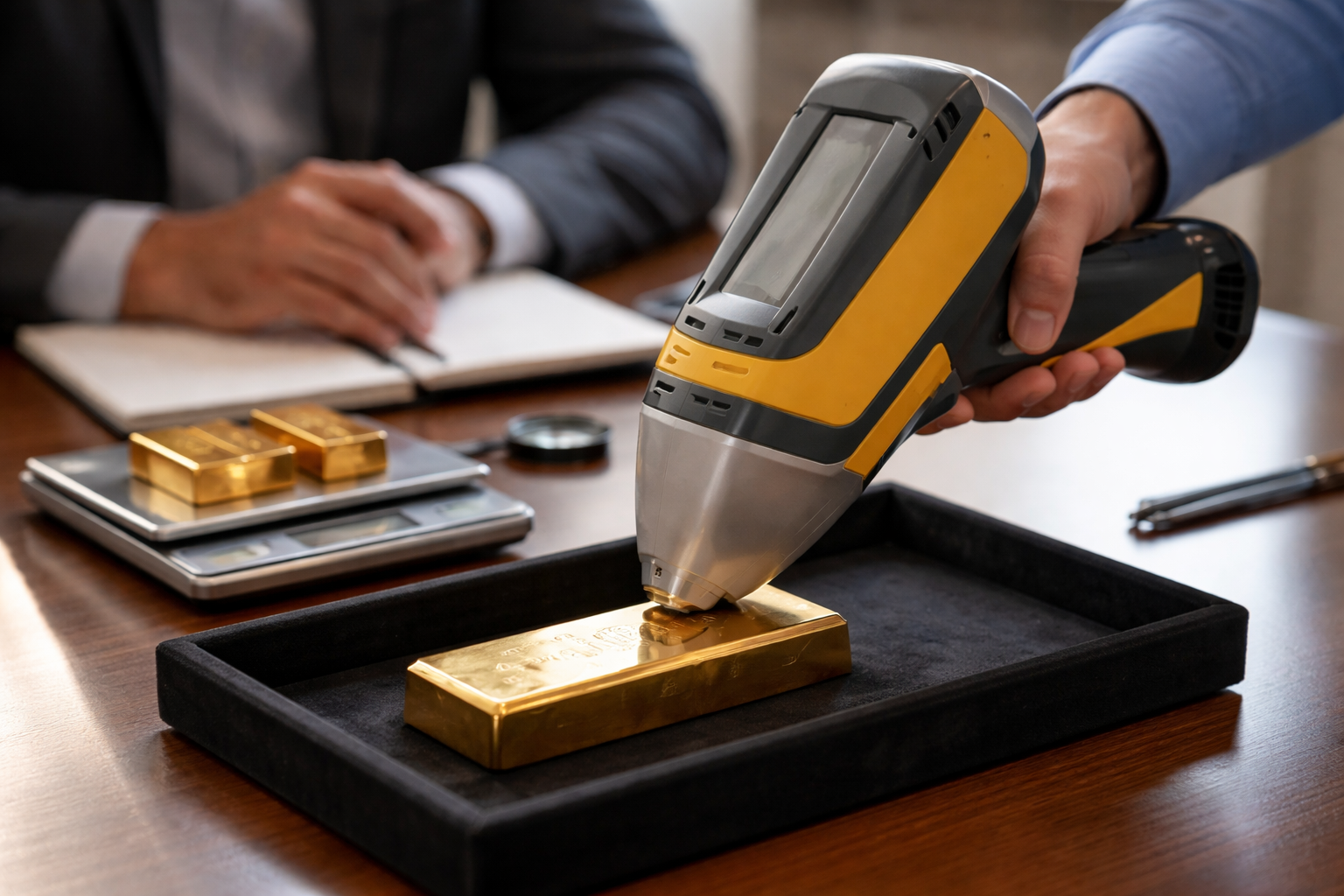
Professional testing progresses from least to most intrusive: visual inspection, weight/measurements, conductivity/resistivity checks, and X-ray fluorescence (XRF) to verify alloy composition. Destructive tests (e.g., drilling) should be rare and only done with your explicit consent when non‑destructive results are inconclusive. Good buyers explain each step and share the readings that inform the valuation.
Spot checks for authenticity and quality you can do at home
Before any appointment, do a quick sanity check. For sealed minted bars, look for consistent font, crisp edges, and a serial that matches any included paperwork. For cast bars, inspect stamps: brand logo, fineness (e.g., 999.9), weight and (if present) serials should be clean and centrally placed. Poor alignment, misspelt names or blurry marks are red flags.
Cross‑check bar dimensions against the brand’s specs. The Royal Mint, for example, publishes specifications for its bullion products; you can review general background at The Royal Mint’s bullion hub. If your measurements and weight align closely, that’s a good sign—though not proof. Resist the urge to remove a bar from its sealed card, as that can reduce value and create suspicion.
If you own several pieces, separate them by brand and size to streamline testing later. Create a simple list: item, weight, brand, condition notes, and any documents available. A tidy presentation reduces handling time, which can speed up your appointment and minimise back‑and‑forth queries.
On-the-spot valuation process: what to expect with a mobile buyer
A well‑run mobile service will confirm identity on arrival and outline the testing process before touching your bar. They’ll inspect packaging and serial numbers, weigh the bar on a calibrated scale, and conduct non‑destructive tests. You should see the live price reference used, along with a clear explanation of any premium or discount applied for brand, condition or size.
Transparent buyers issue an itemised valuation summary: brand, format, fineness, weight, test results, live reference price and the net amount to be paid after any agreed fees. If a fee exists—for example, for advanced testing—it should be disclosed before you proceed. You remain in control: if you choose not to accept, your bar is returned immediately.
Once you accept the offer, payment is typically made by bank transfer the same day. Ask about proof of payment and any timelines depending on your bank. If you’d like a discreet home appointment or to meet at a pop‑up, book a valuation with Gold Buyer—they provide instant on‑the‑spot valuations and same‑day transfers, with ID‑checked representatives experienced in selling gold bullion bars workflows.
Timing the market: practical ways to decide when to sell
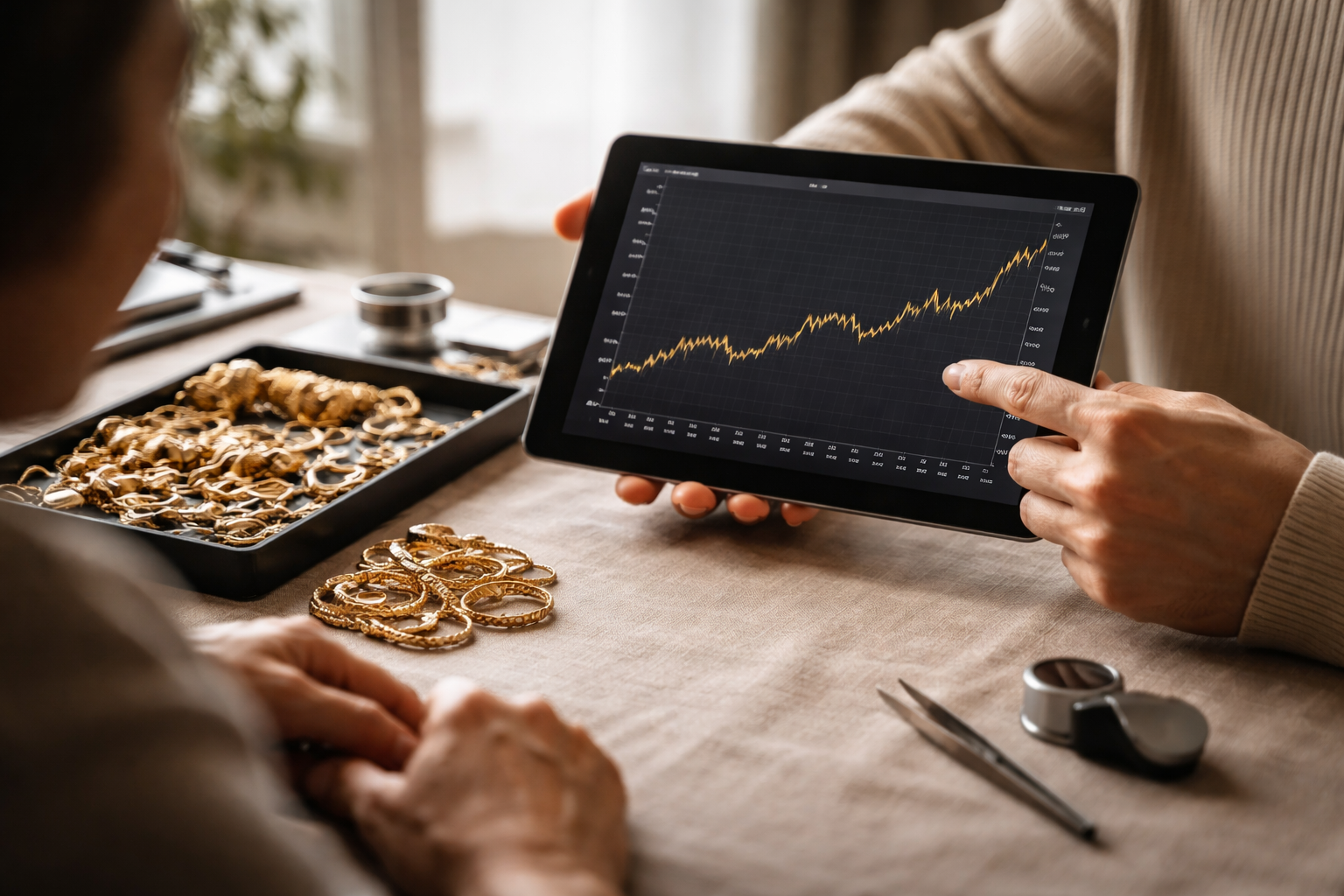
Perfect timing is elusive, but practical signals can guide you. First, define your goal: immediate liquidity, portfolio rebalancing, or taking profit after a run‑up. Then, follow a routine: glance at the live gold price and the GBP/USD rate, skim a trusted market summary, and review your cost basis. If you’re well into profit and need cash, incremental selling can reduce regret.
Volatility can help or hinder. Sharp spikes may attract keen bids but can also widen spreads if buyers hedge risk. Conversely, dull periods can narrow spreads yet deliver a lower headline price. If condition is an issue (e.g., damaged packaging), selling in calmer markets can reduce the penalty as buyers have more time. Where possible, avoid selling under pressure or in thin holiday trading.
Many UK investors hold both bars and CGT‑exempt coins; shifting mix when personal circumstances change can be sensible. For deeper reading on coin options, see our guide to selling Britannia coins with same‑day payment or the step‑by‑step process for Krugerrands. If you decide that now is the moment for selling gold bullion bars , a mobile buyer can lock a live price with you and pay the same day.
Brand matters: which names are easiest to resell?
Recognised brands underpin buyer confidence and liquidity. Bars from refiners and mints aligned with LBMA standards typically move fastest. Common UK‑familiar names include The Royal Mint, Metalor, Umicore, PAMP, Valcambi, Argor‑Heraeus and Credit Suisse. For larger weights, classic Good Delivery refiners can be especially attractive to professional markets.
Brand alone doesn’t dictate outcome—condition, intact packaging, and size play strong roles—but lesser‑known names may require additional verification steps. That doesn’t mean a poor price; rather, the buyer might allocate more time and testing, slightly widening spreads. Presenting any original receipts and certificates narrows those gaps.
If you also hold other precious metals, remember that professional buyers can value them together in one visit. For example, if you’re weighing up platinum jewellery alongside gold, see our guide on what affects a platinum ring’s value for context before you book.
Where to see standards and reference information
It helps to know what professionals reference. The LBMA maintains technical standards and lists recognised refiners; the Good Delivery Rules outline the quality criteria used in wholesale markets. While private investors mainly use smaller bars, aligning with these brands makes downstream verification easier.
For a consumer‑friendly overview of why bullion behaves as it does, including common formats and care tips, browse The Royal Mint’s bullion resources. For UK tax background, HMRC’s Capital Gains Tax guidance explains the general approach to gains on personal assets, including precious metals.
Keep any manufacturer spec sheets you find for your specific bar model. Dimensions, tolerance information and images of genuine packaging are a simple but powerful cross‑check both for you and for the valuer who visits.
Frequently Asked Questions
What documents should I prepare before a home valuation?
Have your bar in its original packaging if possible, plus any receipts, invoices, certificates, or prior appraisals. Bring one photo ID and, if requested, proof of address. A simple item list (brand, weight, condition notes, serial) streamlines testing. Keep bars in protective sleeves or pouches to avoid new marks before the appointment.
Will removing a bar from its sealed card reduce the price?
Often yes. Sealed, tamper‑evident packaging with a matching serial and certificate reduces verification steps and risk, which tends to narrow spreads. If seals are cut, buyers usually conduct extra tests and may widen the discount slightly. Unless a professional asks you to open it, leave sealed minted bars intact.
Can I get paid the same day by bank transfer?
With professional buyers who test on site, same‑day bank transfer is common once you accept the offer. Ask about cut‑off times, any bank processing delays and whether you’ll receive proof of payment. Mobile specialists focus on prompt settlements as part of a discreet, convenient service model.
Are larger bars (e.g., 1 kg) harder to sell quickly?
They typically sell to professional buyers or experienced investors rather than the broader retail public, so the pool of end‑buyers is smaller. That said, reputable dealers handle large bars routinely and can price them very close to spot, especially if the brand is widely recognised and tests are straightforward.
What if my bar has scratches or the serial is faint?
Light cosmetic wear on cast bars rarely matters; minted bars with intact seals fare best. Faint or obscured serials increase verification work and may widen spreads. Bring any purchase invoices or prior documentation to offset uncertainty. A reputable buyer will explain any price impact before you decide.
Ready to proceed? Arrange a discreet visit or request a home kit and get a transparent, live‑priced offer with same‑day payment. Book a valuation with Gold Buyer today.