

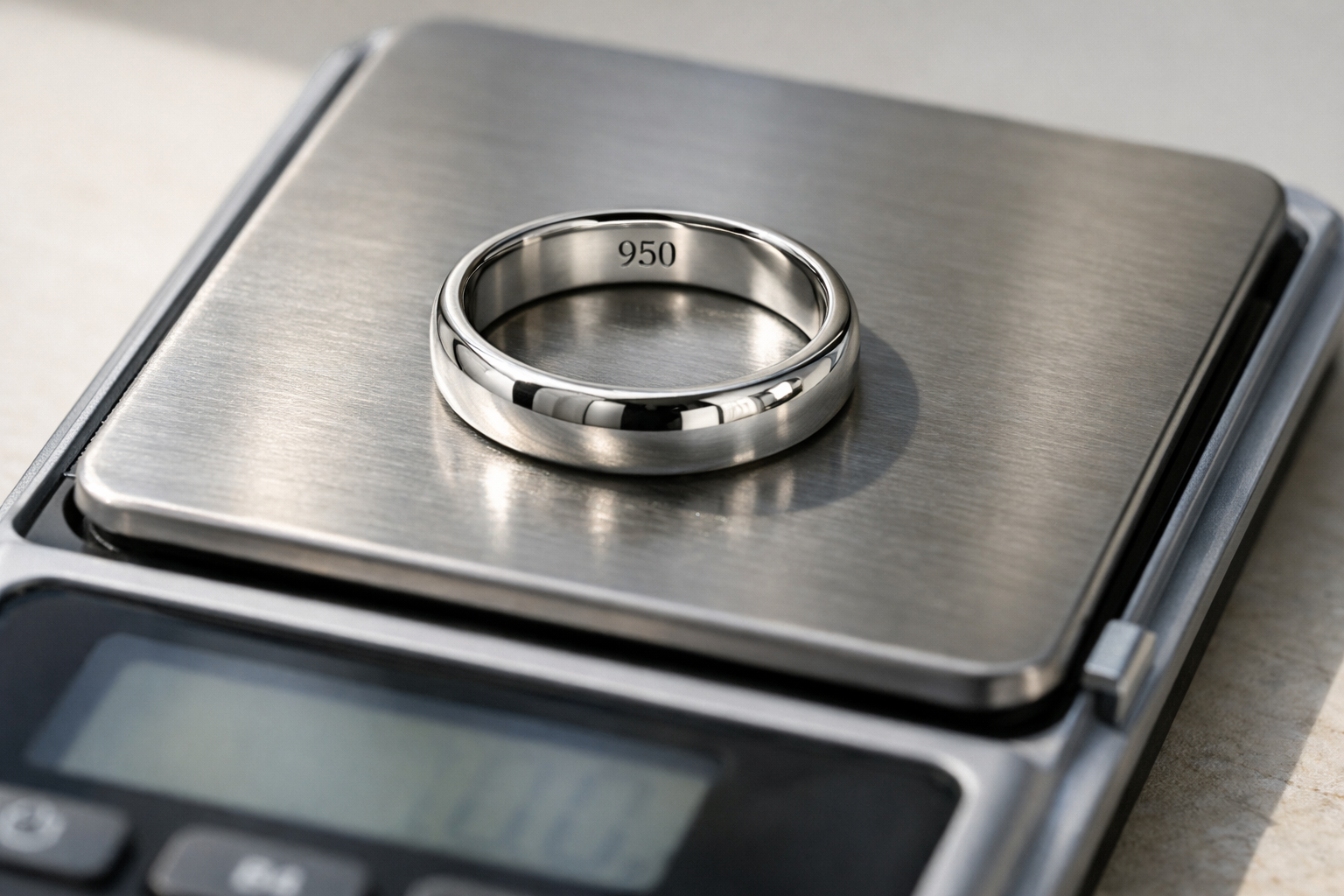
How to Sell Platinum Ring in the UK: The Ultimate Practical Guide

Epicurus One • October 28, 2026

If you want to sell platinum ring quickly and safely, get it weighed and tested, confirm the hallmark (usually Pt950), compare offers tied to live market rates, and choose a buyer who pays same-day by bank transfer with transparent fees. A mobile valuation at home is often the fastest, most discreet route in the UK.

What Affects the Price When You sell platinum ring?

Several tangible factors drive the price you’ll receive, and understanding them will help you decide when and how to proceed. First is purity: most UK platinum rings are Pt950 (95% pure), but you’ll also see Pt900 or Pt850. Purity directly affects the per‑gram value. Second is weight: buyers typically pay by gram, tied to the live platinum spot price, minus a small margin for refining and handling.

Design and brand can influence the offer. A signed piece from a renowned house (for example, a recognised luxury brand) may carry a premium if it’s in excellent condition and desirable size. However, many rings are purchased on metal content alone, especially if they’re worn, resized many times, or heavily engraved. If your priority is speed and certainty, you may choose to sell platinum ring at its metal value rather than pursuing a retail resale premium.

Gemstones are usually valued separately from the metal. Diamonds may be removed and priced on their own merits, while small melee stones often don’t add much. Condition matters for resale but matters less for scrap value: scratches, dents and misshapen shanks usually just mean the item is bought for refining. Lastly, market timing is a factor: if you sell platinum ring when the platinum price is strong, you’ll typically realise a higher payout for the same weight and purity.

Is Your Ring Really Platinum? Hallmarks, Testing and Misconceptions

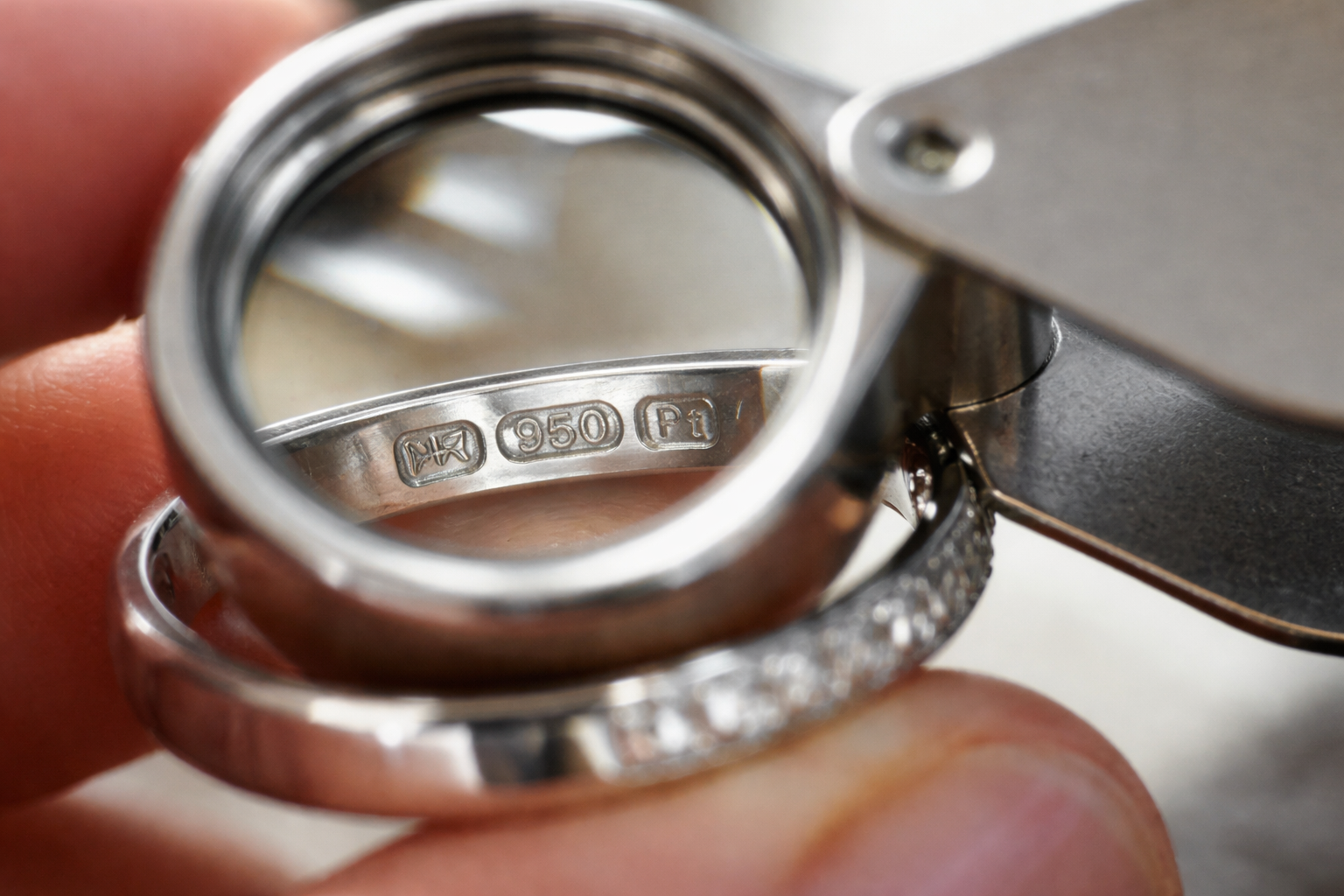
Before you make any decision, confirm that the ring is platinum and determine its fineness. UK hallmarking law requires precious metal items above a certain weight to carry hallmarks from an Assay Office. For platinum, common fineness marks are 950, 900 or 850 alongside a metal mark such as “PT”, “PLAT”, or the official platinum symbol. You’ll often find hallmarks on the inner band; use a magnifying loupe if needed.

A full UK hallmark typically includes: the sponsor’s mark (maker or importer), the fineness number, and an assay office mark. If your ring is modern and sold in the UK, it will usually bear these. For a clear explanation of legal standards and symbols, see the government’s guidance on UK hallmarking rules. Absence of a hallmark doesn’t automatically mean it isn’t platinum, especially for vintage or foreign pieces, but further testing will be required.

Buyers commonly use non-destructive XRF (X-ray fluorescence) analysers to confirm metal composition. Acid tests may be used for indicative checks but can mark the surface if not carried out properly. Platinum is dense and non-magnetic, so a simple magnet test is not definitive but can rule out obvious steel. A professional buyer should share their results transparently and explain how purity affects price if you decide to sell platinum ring .

Close-up of UK platinum ring hallmarks on an inner band with a loupe

How Does Platinum Compare to White Gold and Palladium?

Platinum is naturally white, dense and hypoallergenic, which is why it’s popular for engagement and wedding bands. White gold is an alloy of gold that’s usually rhodium plated to enhance whiteness; the plating can wear off, showing a warmer tint, and needs re-plating over time. Palladium, another member of the platinum group metals (PGMs), is lighter than platinum and was widely used in rings, especially around the 2010s.

From a value perspective, platinum rings are valued by purity and weight against the live platinum price. White gold rings are valued against live gold prices and their carat (e.g., 18ct). Palladium’s price has been volatile in recent years, at times exceeding platinum and then falling below it; actual payouts depend on the day’s market and buyer’s margin. The Royal Mint’s overview of investing in platinum provides useful context on the metal’s role in the market; see platinum investment at The Royal Mint.

If you’re unsure whether a white ring is platinum or white gold, check hallmarks: Pt950 or the platinum symbol indicates platinum, while gold will show marks like 750 (18ct) or 585 (14ct) with a gold fineness mark. For sellers, deciding to sell platinum ring rather than holding depends on personal timing, metal trends, and whether you value immediate cash over potential market movements.

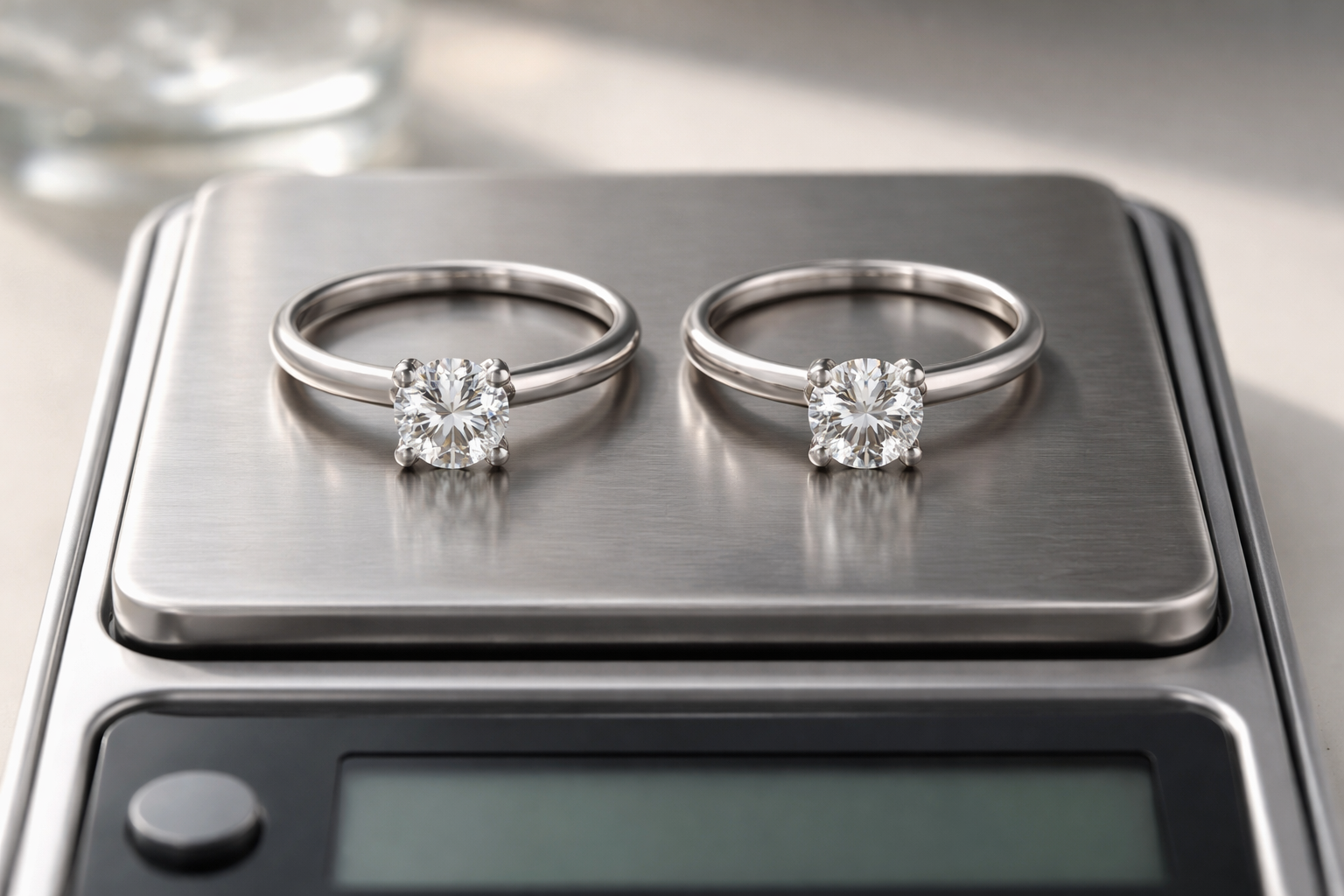
Side-by-side view of a platinum ring and a white gold ring on a scale

What Documents and ID Do You Need in the UK?

Legitimate buyers must comply with anti‑money‑laundering checks and second‑hand dealer regulations. Expect to provide a government‑issued photo ID (passport, photocard driving licence) and, often, a recent proof of address (utility bill or bank statement, typically dated within the last three months). If you’re selling on behalf of someone else, a letter of authority and their ID may also be required.

For estate or inherited items, it helps to have any paperwork that came with the ring: receipts, diamond grading reports, service documents, or original boxes. These aren’t essential if you are selling purely for metal value, but they can provide context or support a premium if the piece is resellable as jewellery. When you choose to sell platinum ring through a professional mobile service, the representative should verify your ID discreetly and securely at the appointment, explaining how your data is stored and why it’s needed.

Be wary of buyers who avoid basic checks. Reputable firms document purchases, provide a purchase receipt, and pay funds into a bank account in your name. If you prefer a lower‑contact route, a secure postal kit can still require ID to be submitted digitally before payment is released.

Where Should You Sell? Comparing Mobile Buyers, Jewellers, Auctions and Pawnbrokers

Your choice of selling route determines speed, transparency and the final amount you receive. Below is a practical comparison of common UK options. Consider how each channel sets its price (live metal rates vs shop discretion), the fees or commissions involved, and what level of convenience you want. If you need same‑day funds and a private appointment at home, a mobile buyer can be compelling. If you’re seeking a retail premium for a designer ring and can wait, a consignment or auction path may suit better.

Channel Speed to Cash Pricing Basis Typical Deductions Convenience Best For
Mobile precious metal buyer Same day (on-site bank transfer) Live platinum price, weight, purity Small margin for refining/handling Home visit; discreet and quick Fast, transparent sale with minimal effort
High-street jeweller Same day to a few days Metal value; sometimes shop discretion Variable; may be less transparent In-person; limited time windows Walk-in convenience if nearby
Auction/consignment Weeks to months Retail buyer demand; catalogue appeal Seller commission, listing & insurance Low effort after consignment Designer or rare pieces seeking premium
Pawnbroker Immediate (loan) or sale Shop’s assessment; often below market Interest (for loans) or margin on sale Quick, local Short-term cash needs (loan against item)
Online mail‑in 2–5 working days Quoted price after lab testing Postage/insurance if not covered Post from home No appointment needed; nationwide

If speed and clarity are top priorities, it often makes sense to sell platinum ring to a buyer who ties their offer to live rates and pays the same day. For those with coins or bars as well, bookmark this practical UK walkthrough on selling bullion bars for a complementary process overview.

Step-by-Step: From Quick Valuation to Same-Day Payment

Here’s what to expect with a well-run mobile valuation and purchase. The aim is a clear, structured appointment that ends with funds in your account the same day, if you proceed. This is especially useful if you want to sell platinum ring without travelling, queueing or arranging childcare, while still keeping full control over your decision to accept or decline the offer.

  1. Enquiry and scheduling: Share basic details (ring type, approximate weight if known, any hallmarks) and book a time. You can request a home visit or see if a local pop-up event is scheduled.
  2. ID confirmation: The buyer will explain what identification they’ll need to see on the day and how they handle data securely.
  3. On-site testing: The representative weighs the ring and verifies purity, typically using XRF. If stones are present, they’ll discuss whether they add value or will be removed for metal-only pricing.
  4. Offer based on live rates: You’ll be shown how the offer is calculated from weight, purity and the current market price, minus a clearly stated margin.
  5. Decision and payment: If you agree, you’ll sign a simple purchase document and receive a same‑day bank transfer. If not, the ring is returned immediately with no obligation.
  6. Receipt and record: You’ll receive a written receipt outlining what was purchased and the price paid.

Ready for a discreet home visit and instant payment? Book a valuation with Gold Buyer for a transparent, market‑based offer and same‑day transfer.

Can You Sell a Ring with Stones, Damage or Engraving?

Yes. Most platinum bands can be purchased for their metal value regardless of cosmetic wear. Scratches, out-of-round shanks, or past resizing typically reduce resale appeal but do not stop metal-value purchasing. If a ring is cracked or bent, the buyer may simply factor in the accurate weight and purity, then pay at the rate tied to the day’s market. You can still sell platinum ring and receive a fair, weight‑based price.

Stones are handled case by case. Diamonds can add value if they are of quality and accompanied by a grading report. Very small diamonds (melee) or non‑precious stones may be removed before weighing, because the payout is for precious metal mass only. Engraving rarely affects metal value; deep personalised engravings can reduce retail appeal but don’t change the intrinsic worth of the platinum itself.

If you’re unsure whether to extract stones before selling, discuss options during the valuation. A professional will explain whether the stones contribute to the offer or whether a separate sale route is sensible. For a broader context on pricing variables, see this UK breakdown of platinum ring values.

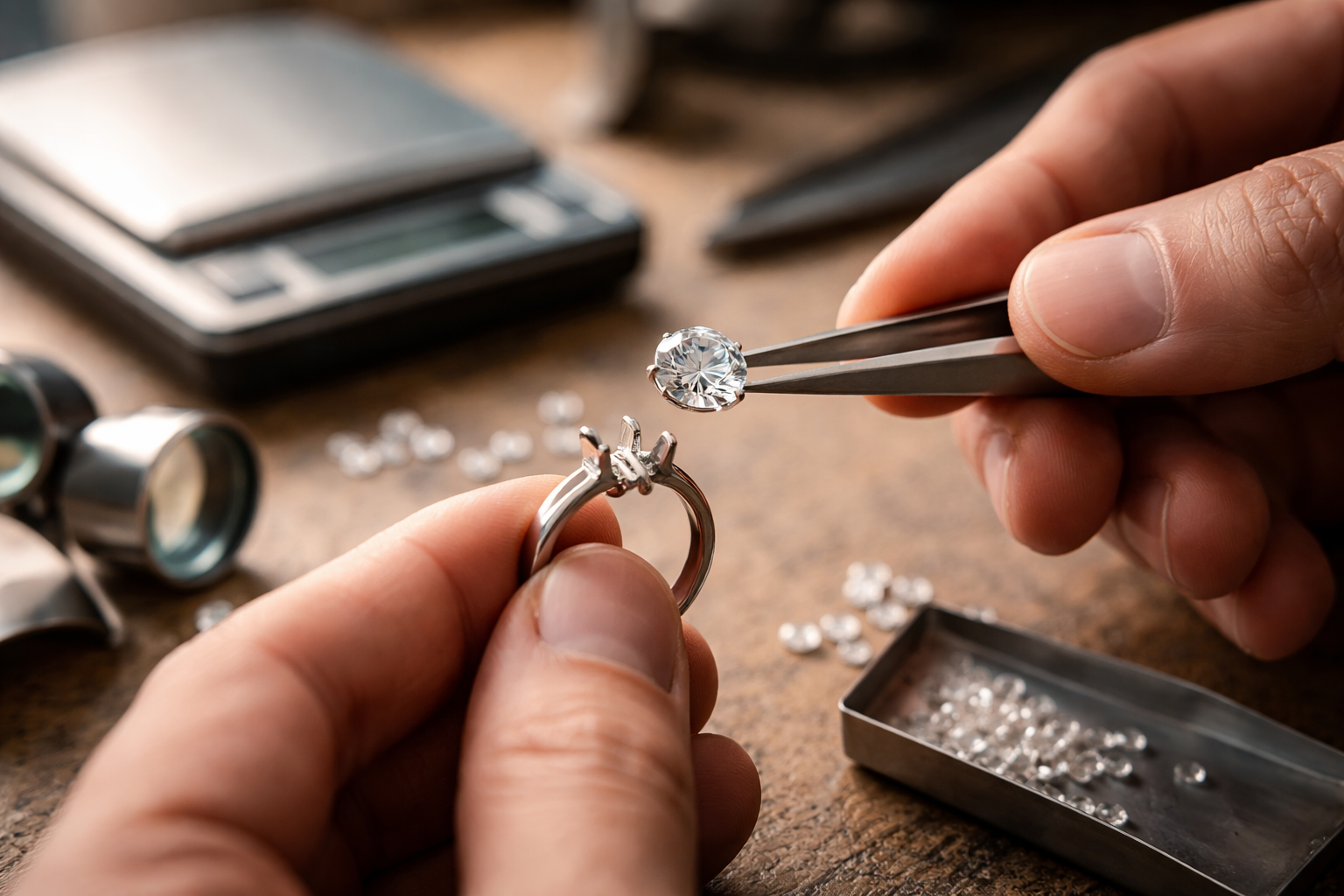
Jeweller removing a diamond from a platinum ring before weighing

How Are Live Prices Used to Value Platinum Today?

Reputable buyers anchor offers to live platinum spot prices, then calculate what they can pay per gram after refining, hedging and operational costs. They’ll weigh the ring, confirm purity (e.g., Pt950), convert grams to troy ounces for parity with market listings (31.1035 g per troy oz), and show you a per‑gram offer. Expect small, clearly explained margins that reflect real‑world costs.

Daily volatility can be meaningful. Platinum, like other precious metals, responds to industrial demand, automotive catalysts, and macroeconomic shifts. Checking an independent benchmark such as the LBMA precious metal prices helps you sense-check the environment before you sell platinum ring . While no retail buyer pays the full spot due to costs, the linkage to live rates should be visible in the final calculation.

If you’re comparing multiple offers on the same day, ensure each quote is based on the same purity and weight. If one buyer’s per‑gram price is higher but they weigh less or assume lower purity, the end figure may be similar. Ask for the working so you can compare apples with apples.

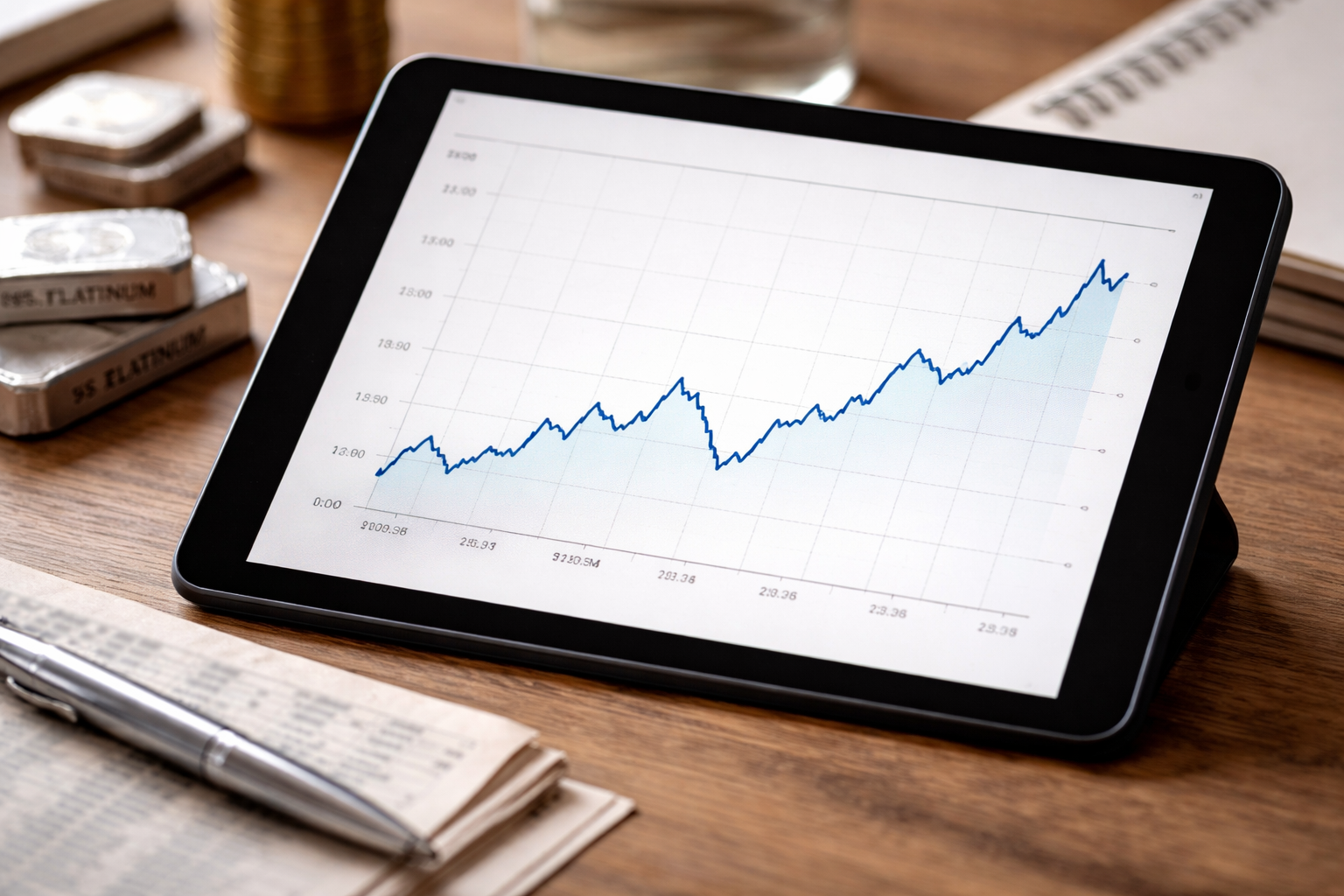
Graph of recent platinum spot price trends on a tablet screen

Security and Convenience: Home Visits vs Pop-Up Events vs Postal Kits

Home appointments are ideal if you want privacy, flexibility and minimal effort. A vetted representative visits at a time that suits you, tests the ring in front of you, and pays by bank transfer if you proceed. This option is popular for families, carers, or anyone who doesn’t want to travel with valuables. If you also have coins, bullion or other pieces, you can have everything appraised in one sitting without pressure.

Pop‑up events deliver many of the same benefits in community settings—useful if you prefer not to host at home. Appointments are usually bookable in advance, and you’ll still get on‑the‑spot testing and a transparent offer. Postal kits suit those who live remotely or have rigid schedules: you post your ring with insured packaging, receive an offer after testing, and get paid on acceptance. If you plan to sell platinum ring by post, confirm insurance coverage and how declines are handled and returned.

With Gold Buyer, you can choose any of these routes, including a discreet home visit, local pop‑up, or a requestable at‑home pack. Whichever you select, an ID‑checked professional should explain the process and pricing before you decide. If you also have other valuables, our guide on who buys watches in the UK offers useful context for selling timepieces alongside jewellery.

Friendly mobile buyer greeting a homeowner at the door, ID badge visible

When Timing Matters: Market Conditions, Sentiment and Personal Priorities

Choosing when to proceed blends market awareness with life priorities. If the platinum price has risen recently, selling sooner may lock in gains; if it’s dipped, you might watch the market briefly—though waiting can mean missing a rally or tying up value you want to redeploy. For most private sellers, the deciding factors are simpler: is the ring worn, uninsured, or no longer needed? Would the funds be more useful now?

Remember transaction certainty has its own value. If you’re weighing a possible retail premium via auction against a firm same‑day offer, consider fees, time to payment, and the chance a lot doesn’t sell. If your goal is a clear, fair figure today, it’s reasonable to sell platinum ring against live metal rates and move on. If you’re sentimentally attached or expect a brand-led premium, gather opinions from a couple of channels before deciding.

Whatever you choose, keep documentation, note weights and offers, and confirm the buyer’s payment method and timescales. A straightforward process, explained in plain English, is a good sign you’re dealing with professionals.

Preparing for Your Appointment: Small Steps That Improve Your Outcome

A few simple preparations can make your appointment smoother and, occasionally, nudge the offer upward. First, gather all related items: additional rings, matching bands, spare links, receipts, or gem reports. Consolidating pieces can lift total weight, which sometimes improves per‑gram rates for the lot. If you’ve saved the original box or paperwork for a branded ring, bring it along—it can support a better resale route if the piece is in mint condition.

Lightly clean the ring with warm water and a soft brush to remove surface residues so hallmarks are easy to inspect. Do not attempt home polishing or abrasive cleaning; you can remove metal and blur hallmarks. Prepare your ID in advance and have a well‑lit table ready for testing. If you’re planning to sell platinum ring with set stones, think through whether you want to retain them if they add no value to the offer; you can discuss options on the day.

Finally, set a realistic goal. Decide whether speed, maximum price, or zero‑hassle matters most. That clarity helps you evaluate offers and choose the route that aligns with your priorities.

Frequently Asked Questions

How is the value of my ring calculated?

For most sellers, value is based on metal content: verified purity (e.g., Pt950) multiplied by precise weight, priced against today’s platinum market rate, minus a small, declared margin. If the ring is by a sought‑after brand in excellent condition, a buyer might consider resale value, but typical private sales are anchored to metal value for speed and certainty.

Do stones increase the offer?

It depends on the stones. Quality diamonds with grading reports can carry additional value. Small diamonds (melee) and most coloured stones contribute little to a precious‑metal purchase and may be removed before weighing. A professional buyer will explain whether stones are included in the offer or whether a separate sale route is more sensible.

Can I change my mind if I receive an offer?

Yes. A reputable buyer will test the ring, show you the calculation, and make a no‑obligation offer. You accept only if you’re comfortable. If you decline, your ring is returned immediately. Choose firms that explain their process and margins up front, and provide a receipt if you proceed with the sale.

What if my ring is unhallmarked?

Unhallmarked does not necessarily mean not platinum. The buyer should test it using professional methods such as XRF to confirm composition and purity. If the ring is verified as platinum, it can be purchased on metal value. If it isn’t platinum, the buyer should explain what it is and whether it still has a market value.

Is now a good time to sell in 2026?

Market conditions change. In 2026, as in any year, check independent price benchmarks and consider your priorities: speed, certainty, or potential upside. If you need immediate funds and value a straightforward process, a transparent, live‑rate offer with same‑day payment can be the most practical choice. If you can wait, you might monitor prices for a while.

Ready to get a fair, fast offer? Arrange a discreet appointment or request a home kit today: Book a valuation.

By Epicurus One • October 28, 2026
Learn how to sell a platinum ring fast and securely with a UK scenario: hallmarks, pricing, mobile valuations, same‑day bank transfer, paperwork and safety.
By Epicurus One • October 27, 2026
A step‑by‑step UK checklist for selling gold bullion bars: prep, ID, testing, live pricing, and same‑day payment. Secure, transparent and mobile options.
By Epicurus One • October 27, 2026
Learn how to sell gold bars in the UK with a clear scenario walkthrough: valuations, ID, timing, fees, home visits vs postal kits, and same-day payment.
By Epicurus One • October 26, 2026
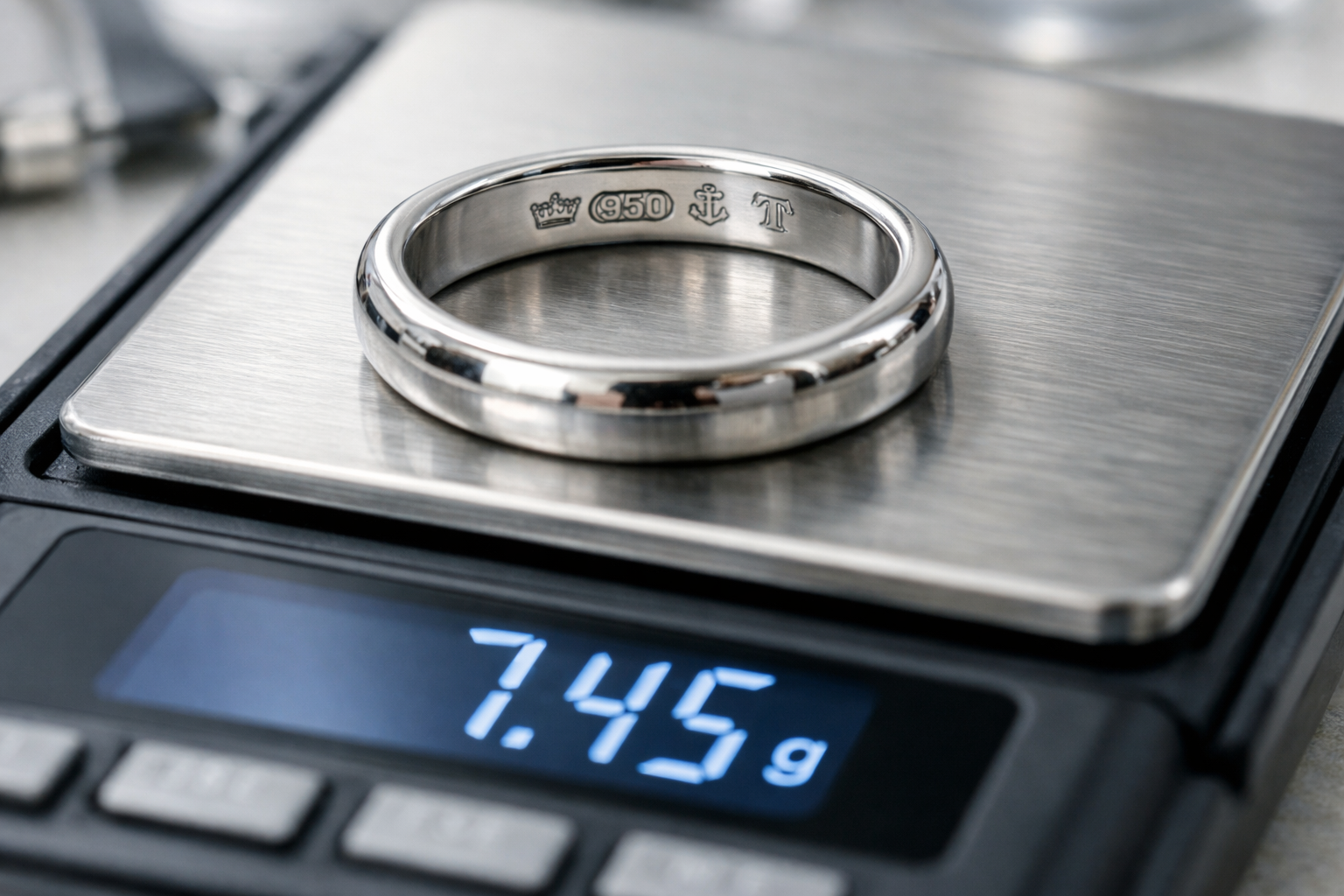
Discover how much a platinum ring is worth in the UK. See price-by-gram tables, purity, hallmarking, stones, and quick same-day sale options.
By Epicurus One • October 26, 2026
Wondering how much a platinum ring is worth? See UK price drivers, worked examples, and a clear payout table. Book a mobile valuation with same-day payment.
By Epicurus One • October 25, 2026
Wondering who buys watches for the best price in the UK? Learn the myths vs facts, how values are set, and how Gold Buyer pays same day by bank transfer.
By Epicurus One • October 25, 2026
Wondering who buys watches in the UK? Learn myths vs facts, compare buyer types, and see how Gold Buyer pays fast for precious‑metal watches.
By Epicurus One • October 24, 2026
Thinking of selling Gold Britannia coins? Get expert, market-based valuations, home visits across the UK and same-day bank transfer from Gold Buyer.
By Epicurus One • October 24, 2026
Clear, expert answers to the most common UK questions on how to sell Gold Britannia coins. Get fair, live-rate valuations and same-day payment options.
By Epicurus One • October 23, 2026
Learn how to check, value and sell Canadian Maple Leaf coins in the UK. Practical tips, quick-reference table, authentication steps and same-day payout options.
Show More