
Sell Platinum Ring: A Practical UK Scenario Walkthrough

Epicurus One • October 28, 2026

If you want to sell platinum ring quickly and safely in the UK, start by confirming the metal and purity, weighing it accurately, and arranging a professional mobile valuation that uses live market rates. Expect transparent pricing, ID checks and same‑day bank transfer, and keep clear records of the agreed price, weight and purity.

Why Choose to Sell Platinum Ring Today? A Scenario Overview

Imagine a seller with a well‑worn wedding band and a second platinum ring set with small diamonds, both rarely worn. Their priorities are speed, security, and a fair market‑based offer without visiting a high‑street shop. A mobile buyer schedules a discreet home visit, brings calibrated scales, checks hallmarks, and explains how the price links to live platinum rates before paying by instant bank transfer. That, in essence, is how you sell platinum ring without fuss.

In this hypothetical walkthrough, you’ll see each step unfold from first enquiry to payment. You’ll understand why some pieces are priced at melt value while others may attract a premium, how stones and damage affect payout, and what documents matter. You’ll also learn safety best practice for home visits and how to keep a paper trail that stands up months from now.

Because valuations are tied to the metal market, the agreed figure will move with platinum’s live price on the day. While you can’t fix the market, you can control presentation: clear photos, visible hallmarks, accurate weights, and honest disclosures about alterations help your buyer assess efficiently and pay you promptly.

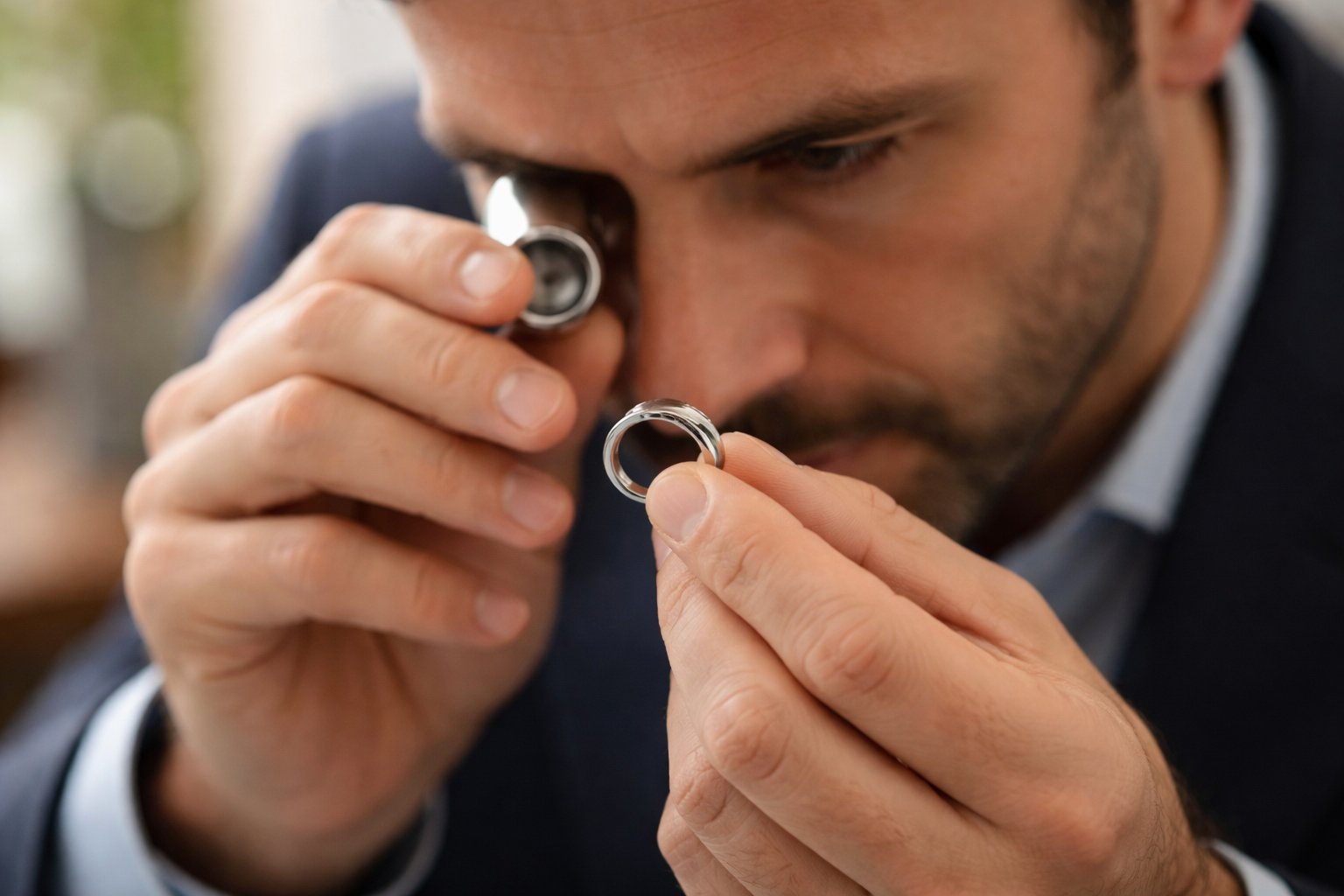
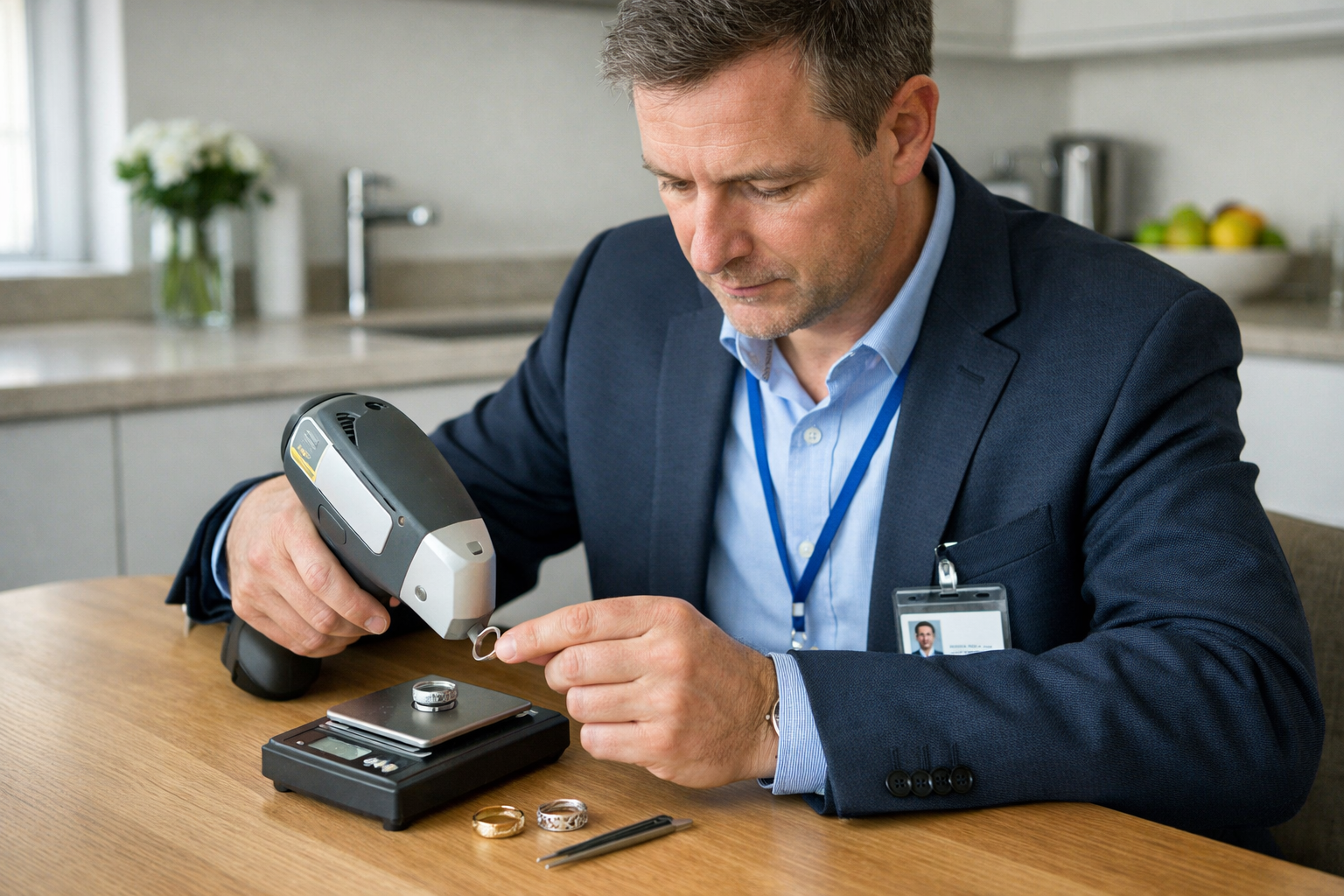
Discreet mobile buyer examining a platinum ring hallmark with a loupe

What Is Your Ring Made Of? Hallmarks, Purity and Weighing Explained

Before any negotiation begins, confirm what you actually have. In the UK, platinum jewellery should carry a hallmark from an Assay Office and a fineness stamp such as 950 (95% pure), 900 or 850. Common stamps include “PT” or “PLAT”, but the fineness numerals are most informative. A complete hallmark usually shows the sponsor’s mark, metal fineness, and Assay Office mark. If you’re unsure, read the government’s hallmarking guidance to understand each symbol and what it means in practice via official hallmarking rules on GOV.UK.

In our scenario, the plain band shows a clear “950” fineness stamp with a recognisable Assay Office mark, while the stone‑set ring shows light wear that partly obscures the marks. The buyer uses a loupe to verify, then confirms density and, if needed, a safe non‑destructive test on an inconspicuous area. This minimises risk to the piece, especially if you later decide not to proceed.

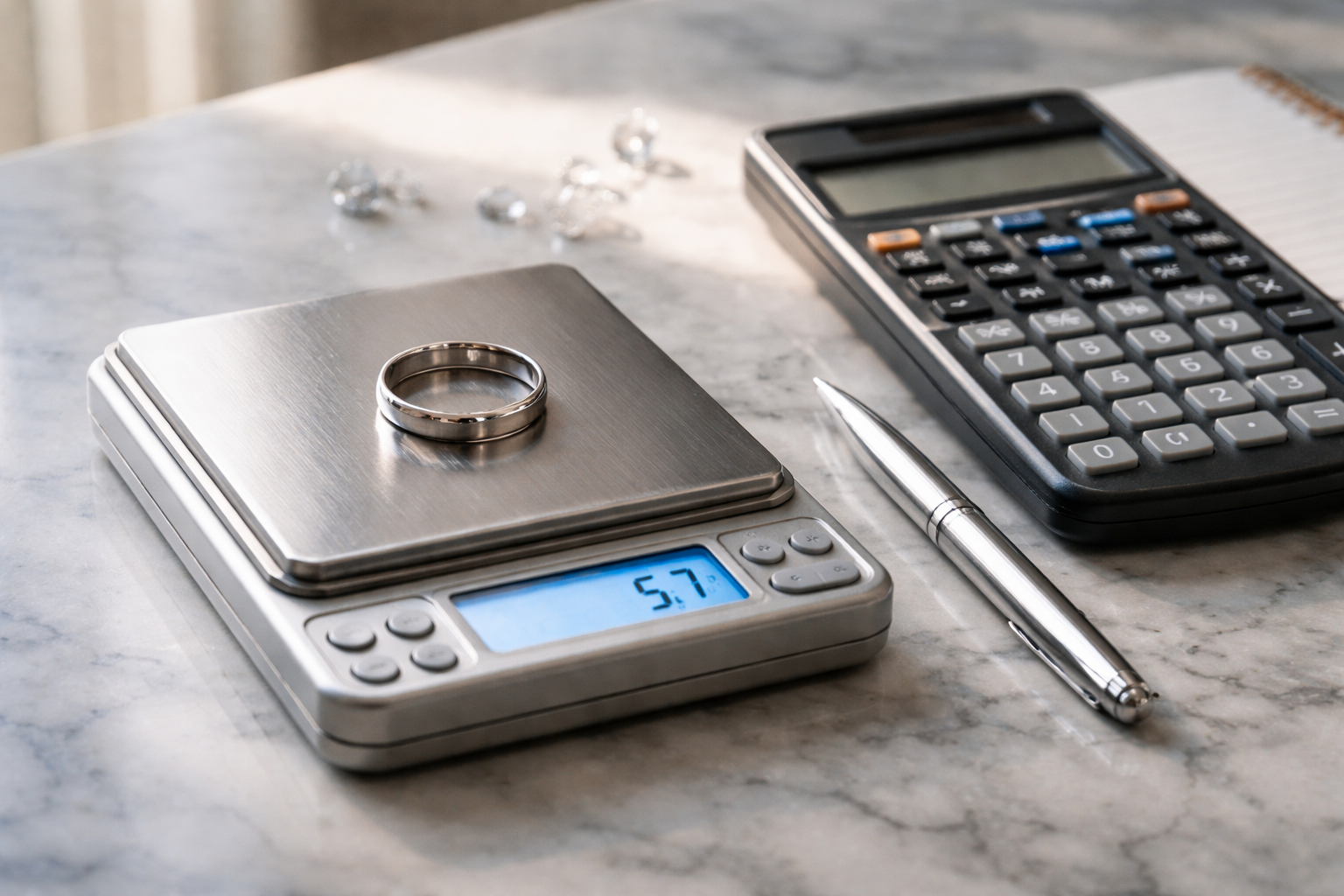
Next is weighing. Home digital kitchen scales are fine for a rough check, but professional buyers carry jewellery scales accurate to 0.01 g. Weighing is done without stones: either the stones are removed, or the buyer estimates their weight to avoid overstating the metal content. Documentation (receipts, certificates, past repairs) helps to build confidence that the item is what it appears to be. The more clarity you bring, the easier, faster and more transparent the valuation conversation will be as you prepare to sell platinum ring.

How Does a Mobile Valuation Work From Hello to Payment?

Mobile buying is designed for convenience. In our walkthrough, the seller completes a short enquiry, shares photos of the hallmarks, and books a discreet home visit at a set time. On arrival, the representative shows ID, explains the valuation steps, and sets up a portable testing kit and calibrated scales on a clean, well‑lit surface. They confirm you’re the legal owner, outline how live platinum prices feed into their offer, and describe any deductions for refining or stone removal.

Valuation proceeds item by item. Each ring is inspected for hallmarks and weighed with and without stones where possible. If stones cannot be safely removed on the spot, the buyer estimates the stone weight conservatively. The representative explains findings in plain language, often jotting figures on a worksheet so you can follow the maths. You should feel free to ask questions at each step—this is your decision.

Once a price is agreed, you provide ID (typical anti‑money laundering checks) and confirm bank details. Payment is sent by immediate transfer while you watch. You receive a receipt showing the items, fineness, weight and price. Prefer to start now? Book a valuation to arrange a home visit or request a home selling kit if you’d rather post your items. This is a fast and secure way to sell platinum ring without stepping into a shop.

What Price Should You Expect? Live Rates vs Jewellery Value

Platinum pricing starts with the live market rate per troy ounce or per gram, then adjusts for purity (for example, 950 vs 900) and costs such as refining, handling, and hedging the metal. Jewellery without a collectable brand or significant design value is usually priced at or near melt value. Branded or period pieces may attract a premium, but in most everyday cases the metal content drives the number.

A practical way to understand this is to work through example maths. First, check the day’s market price: reputable dealers often reference the London market. To see historic and current movements, you can consult the LBMA precious metal prices and data. Then apply purity and a realistic payout percentage that reflects the buyer’s costs and risk. Stones are usually excluded from the weight unless specifically purchased.

The table below shows purely illustrative figures to demonstrate how a quote might be constructed. The assumptions are for explanation only and are not a promise of any particular outcome on the day.

Fineness (Hallmark) Example Metal Weight (g) Assumed Market Price (£/g) Gross Metal Value (£) Assumed Payout at 85% (£)
950 8.0 24.00 182.40 155.04
900 6.5 24.00 140.40 119.34
850 10.0 24.00 204.00 173.40

Note: the “Assumed Market Price” and “Payout” are placeholders to illustrate the method. Your final number depends on that day’s price, your ring’s exact weight, and any deductions (for example, solder seams, mixed metals, or non‑platinum mounts). For a deeper dive on variables that influence offers, see how much a platinum ring is worth.

Digital jewellery scales and calculator beside a platinum band

Scenario Walkthrough: Two Rings, One Decision

Let’s follow a hypothetical seller through a real‑world choice. Their first piece is a simple 950 band with light scratches; the second is an older ring with small diamonds and a worn shank. The mobile buyer confirms the first ring’s hallmark, weighs it, and explains a price tied to live platinum rates, less a standard percentage covering refining. The seller is shown the calculation line by line and can compare it to their own rough pre‑visit estimate.

The second piece is trickier. The diamonds add sentimental value but relatively little resale value unless bought separately. Removing stones risks damage and takes time. The buyer offers two routes: a melt‑based offer that excludes stone weight (quickest path to payment), or a consignment option where stones are removed and the metal is weighed precisely for a later settlement. The seller chooses the faster melt‑based option to simplify the process and accept immediate payment.

This scenario highlights the trade‑offs you weigh when you sell platinum ring: maximise net return through more processing or prioritise speed and certainty. Either route can be right; what matters is that the maths and the method are explained clearly, you understand the implications, and you leave with documentation that matches what you agreed.

Can You Sell a Platinum Ring with Stones or Damage?

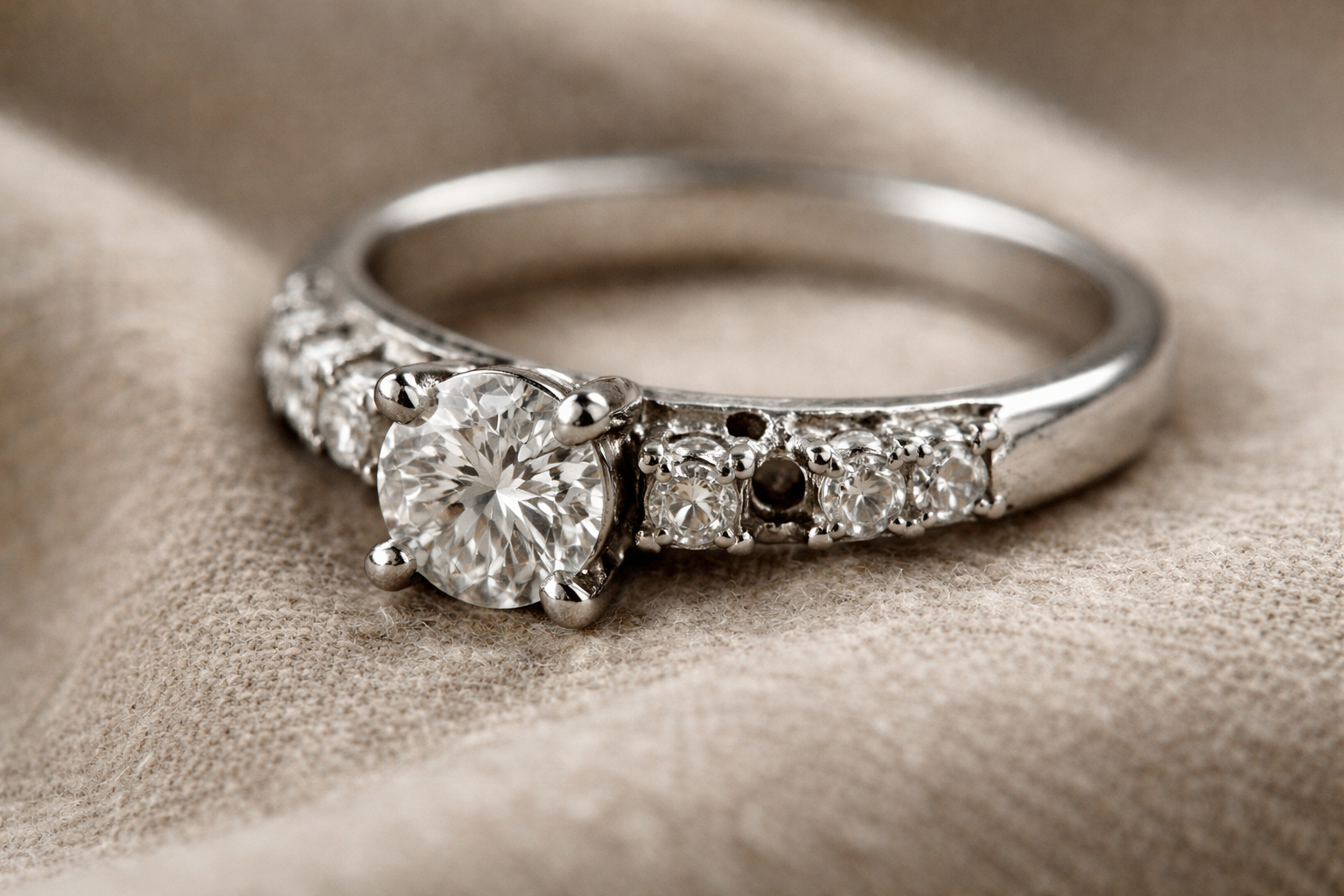
Yes—most buyers will purchase plain bands, stone‑set rings, and even damaged or misshapen pieces based on metal value. For stone‑set items, the metal is priced net of stones. Small diamonds typically do not add much to the offer unless there is a separate purchase arrangement; coloured stones may or may not be of interest depending on size and quality. Claw repairs, solder seams, and mixed‑metal heads can reduce the net platinum weight and therefore the payout.

If a ring is out‑of‑round or heavily worn, that rarely matters for melt. However, deep solder lines or non‑platinum sizing inserts will be identified and discussed. In the scenario, the buyer points out a white‑gold sizing insert that must be deducted from the platinum weight. This is done transparently, often with a photo and written note on the receipt so you understand how the final weight was derived.

When you sell platinum ring that’s set with stones, ask about timing and options: on‑the‑spot settlement at an estimated net metal weight, or a short hold to remove stones for a precise weigh‑in. If you think you might reuse the stones, consider having them removed by a trusted jeweller first. If time is paramount, proceed with an agreed deduction and prioritise same‑day payment.

Stone-set platinum ring with missing small diamond and worn claws

At-Home Prep: Photos, Documents and Safety Before the Visit

A little preparation goes a long way. Photograph each ring in good light, including a close‑up of any hallmark. Collect receipts, service paperwork, or valuation notes if you have them. Weigh items on kitchen scales for a ballpark number, understanding professionals will re‑weigh on certified jewellery scales. Clear a table, set a bright lamp, and have your ID ready for AML checks.

Safety matters. Arrange the meeting for a time when someone else is at home if you can. Confirm the visitor’s name in advance and ask them to present ID on arrival. Do not feel pressured—reputable buyers will welcome questions and will not rush you. For general guidance on avoiding scams and staying in control at the door, see Citizens Advice advice on spotting scams. Keep your items in sight during the visit and make sure you are comfortable with the testing methods being used.

If you prefer not to host a visit, request a secure home selling kit so you can post your items insured and trackable. Whether you choose post or a home visit, you can still sell platinum ring quickly if you provide clear details up front and respond promptly to any follow‑up questions about weight, purity or condition.

What About Platinum vs White Gold? Common Mix-Ups and How to Avoid Underselling

Platinum and white gold can look alike at first glance, but they behave differently and carry different values. Platinum is denser and typically heavier than a comparable white‑gold ring. Its hallmark should state 950, 900 or 850 alongside an Assay Office mark, while white gold often shows 750 (18ct), 585 (14ct) or 375 (9ct). Rhodium plating can make both appear similar in colour when freshly polished, so relying on colour alone is risky.

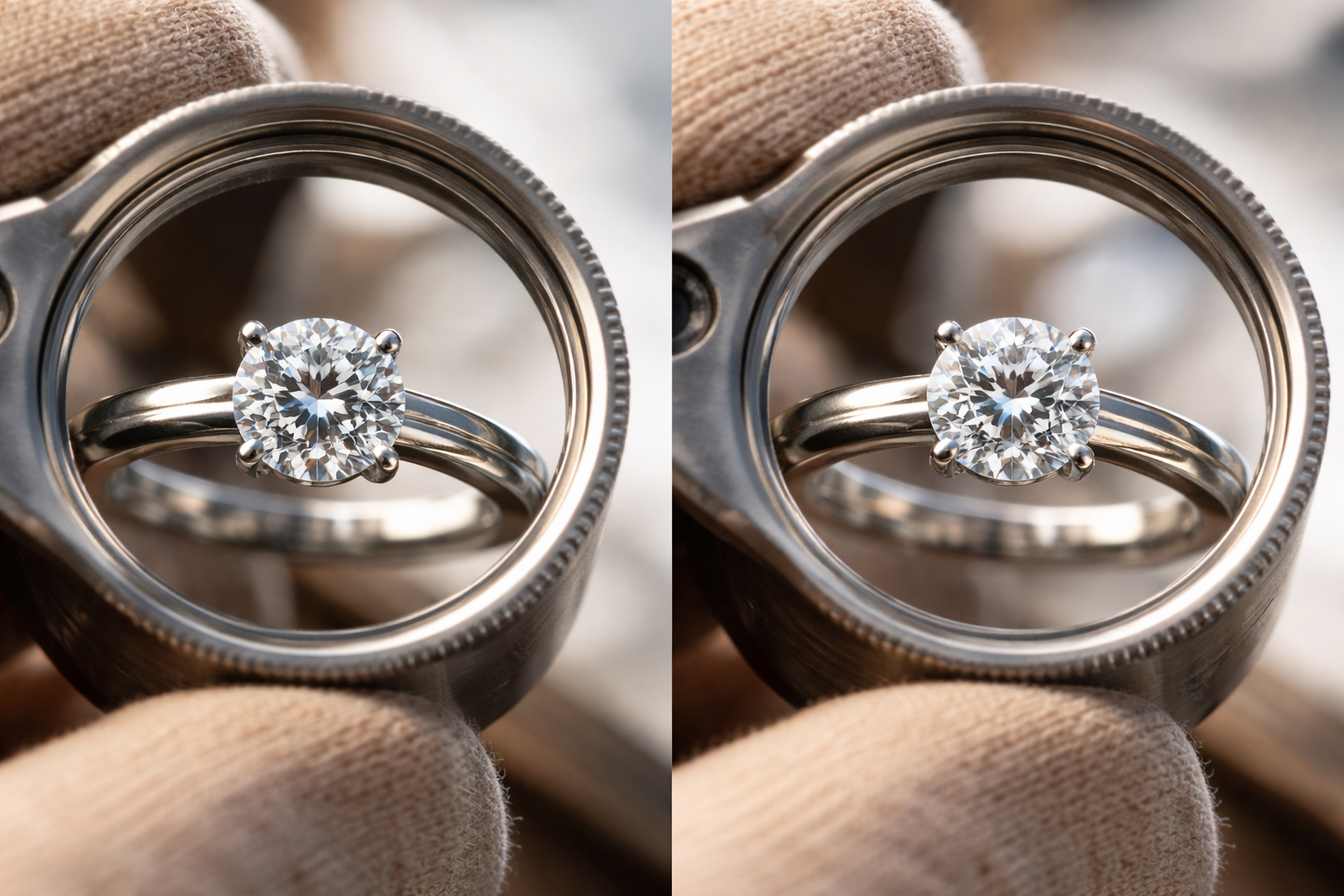
In our scenario, the stone‑set ring had a subtle yellowish tinge inside the shank where plating had worn away. The buyer identified a white‑gold sizing insert—an easy detail to miss at home. This is why hallmark inspection and, where appropriate, non‑destructive testing are part of any professional valuation. Proper identification prevents over‑ or under‑stating platinum weight and protects both sides from later disputes.

If you’re comparing two offers and one feels dramatically higher, ask how the metal was identified and what weight was used. Misread hallmarks and assumptions about mixed metals are common sources of discrepancy. Correctly identified, you can sell platinum ring with confidence, knowing the number reflects actual platinum content, not wishful thinking or a misplaced stamp.

Side-by-side comparison of platinum and white-gold rings under a loupe

How Is Payment Made and What Records Should You Keep?

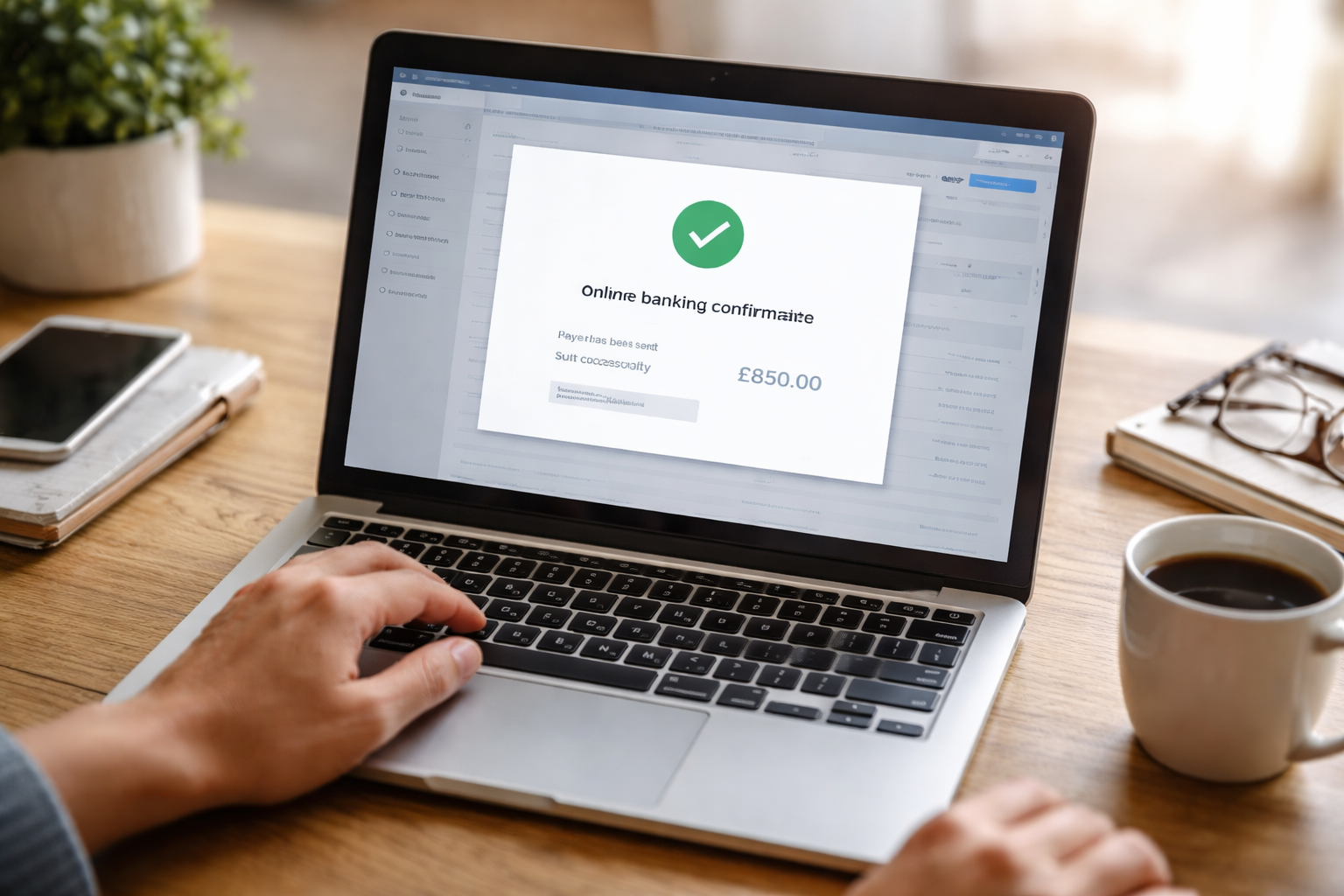
Once you agree to proceed, payment by bank transfer is the norm for a swift, traceable settlement. In a mobile visit, the buyer typically initiates a faster payment while you watch, then shows confirmation on their device. You should receive an itemised receipt listing each ring, the confirmed fineness, the net metal weight used in the calculation, and the total paid. Keep that document with any pre‑visit photos and correspondence.

Reputable buyers must complete ID checks to comply with anti‑money laundering regulations—so bring photo ID and proof of address. If you are selling on behalf of a relative, have a letter of authority and a copy of their ID. Where a stone removal or further testing is agreed, ensure the handover form describes the piece in enough detail (photos help) and states the return or settlement timeline.

If you intend to sell platinum ring regularly as part of a broader collection, maintaining a simple spreadsheet that logs dates, weights, purity and payments can be invaluable for your records. Many sellers also keep a screenshot of the live platinum price on the day for context. For watches or other luxury pieces you might also consider, see this guide on who buys watches and how to get paid.

Online banking screen showing a faster payment confirmation

Frequently Asked Questions

Do I need to remove diamonds or gemstones before a valuation?

No. A professional will examine the ring as it is and either estimate stone weight or, if agreed, remove stones later for a precise metal weigh‑in. If you want to reuse the stones, discuss safe removal first. The metal offer usually excludes stone weight unless there is a separate arrangement to purchase stones.

Are kitchen scales accurate enough to judge value at home?

They are fine for a rough idea, but professional jewellery scales are far more precise. Home scales typically round to 0.1 g or 1 g and can be thrown off by surface or airflow. Treat home results as a ballpark. The final figure should be based on calibrated scales, confirmed purity and the live platinum price on the day.

Can I sell on behalf of a family member who cannot attend?

Usually yes, with proper authority. Bring a signed letter confirming you can act for them, plus copies of their ID and your own. The buyer must still follow anti‑money laundering checks and verify ownership. Clear paperwork protects everyone and avoids delays, especially important if you need funds urgently in 2026.

Will my ring be resold as jewellery or melted down?

Most everyday pieces are purchased for their metal content and ultimately refined. Branded or designer items in excellent condition may be resold intact if there’s market demand, but the default expectation should be a melt‑based valuation. If resale potential exists, a buyer may outline consignment or premium options during the appointment.

How fast is payment and what proof will I receive?

Payment is typically a same‑day faster bank transfer once you accept the offer, often initiated during the visit. You should receive a receipt detailing the items, fineness, net weight and price paid. Keep your ID and the receipt together for your records. If stones are to be removed, the handover form will outline the next steps and timeline.

Ready to move forward? Arrange a discreet home visit and same‑day bank transfer with a transparent, market‑based offer. Book a valuation or request a secure home selling kit to start from home.

By Epicurus One • October 28, 2026
Get a fair, fast price for your platinum ring. Learn hallmarks, pricing, ID, and where to sell for same-day payment. Mobile valuations across the UK.
By Epicurus One • October 27, 2026
A step‑by‑step UK checklist for selling gold bullion bars: prep, ID, testing, live pricing, and same‑day payment. Secure, transparent and mobile options.
By Epicurus One • October 27, 2026
Learn how to sell gold bars in the UK with a clear scenario walkthrough: valuations, ID, timing, fees, home visits vs postal kits, and same-day payment.
By Epicurus One • October 26, 2026
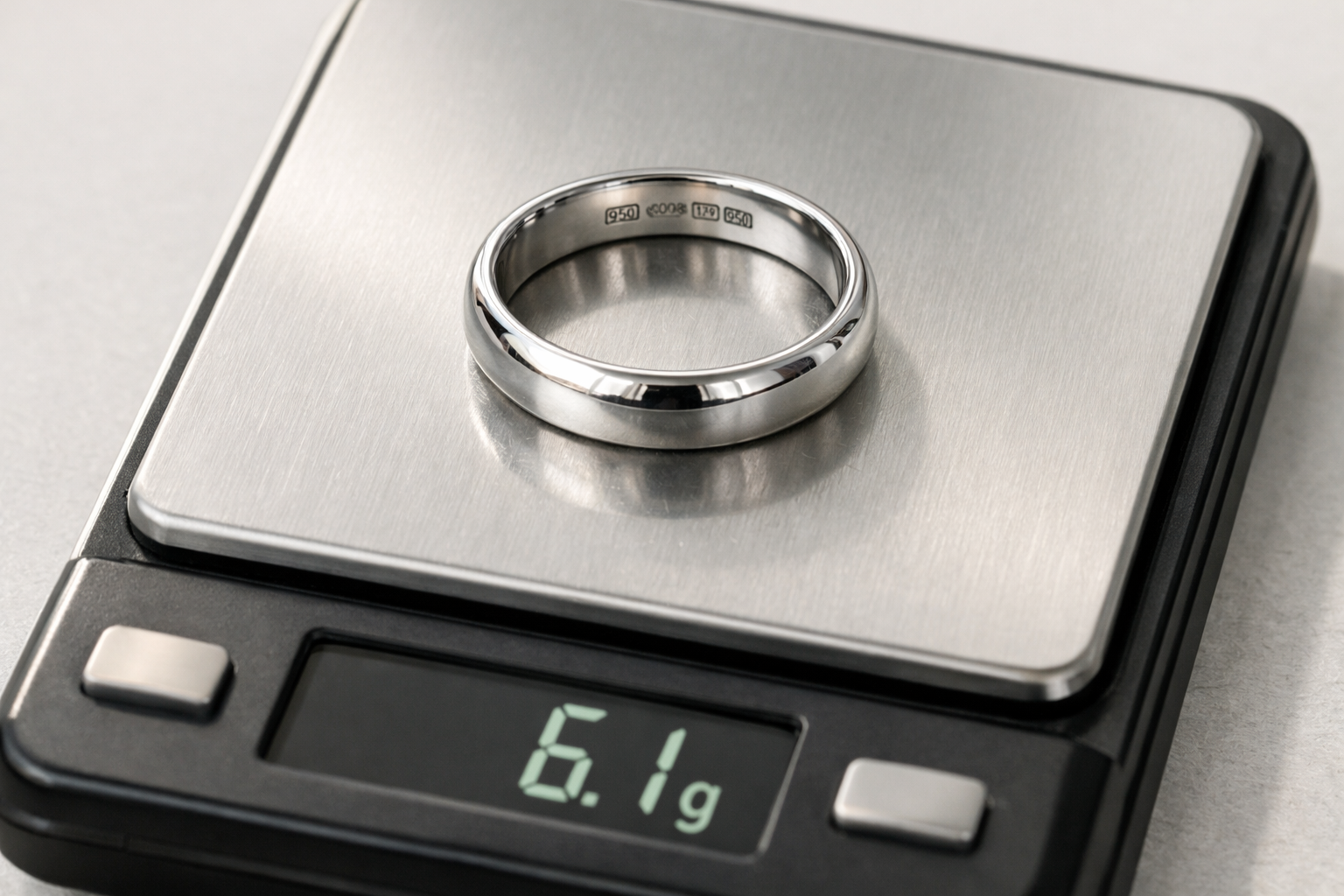
Discover how much a platinum ring is worth in the UK. See price-by-gram tables, purity, hallmarking, stones, and quick same-day sale options.
By Epicurus One • October 26, 2026
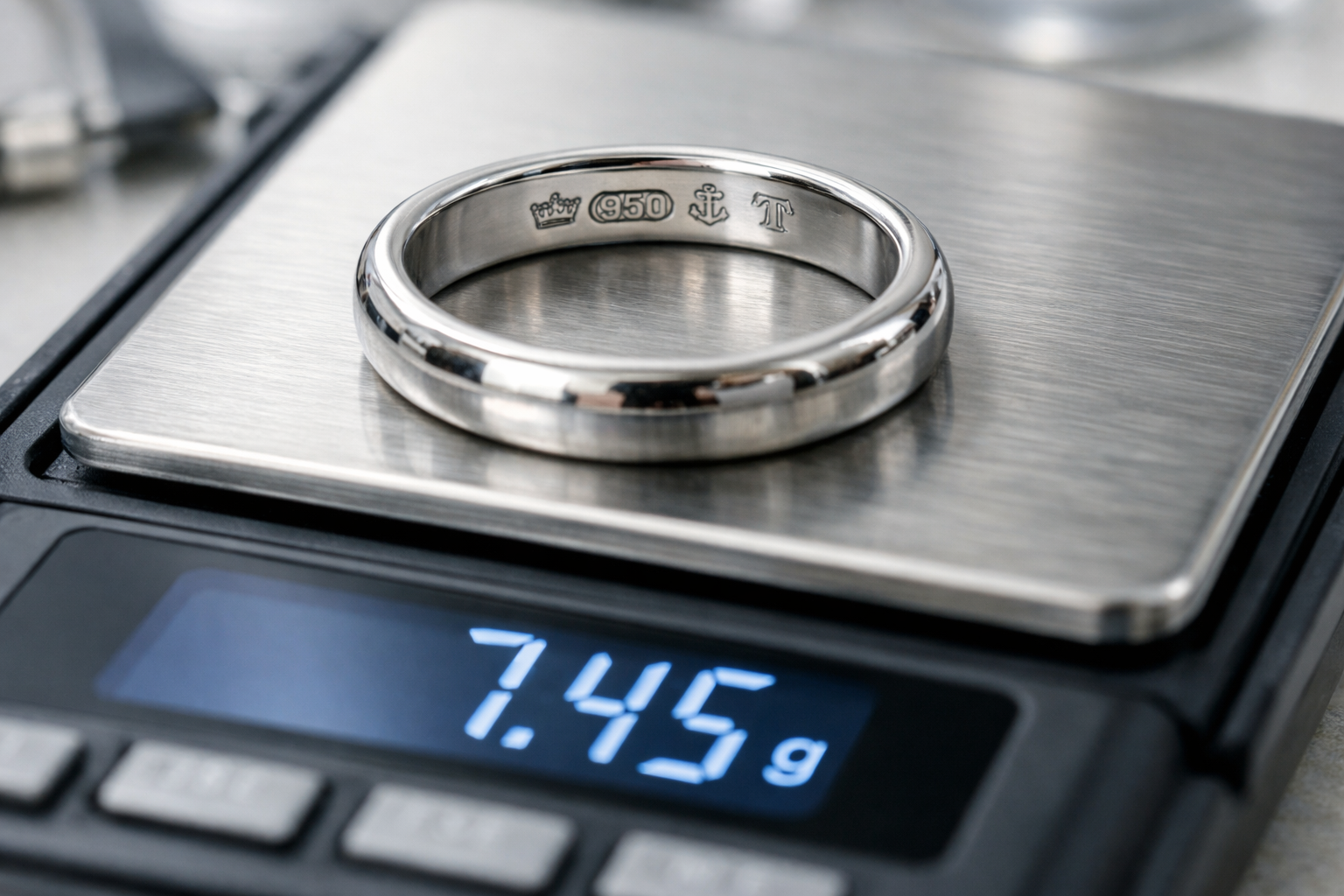
Wondering how much a platinum ring is worth? See UK price drivers, worked examples, and a clear payout table. Book a mobile valuation with same-day payment.
By Epicurus One • October 25, 2026
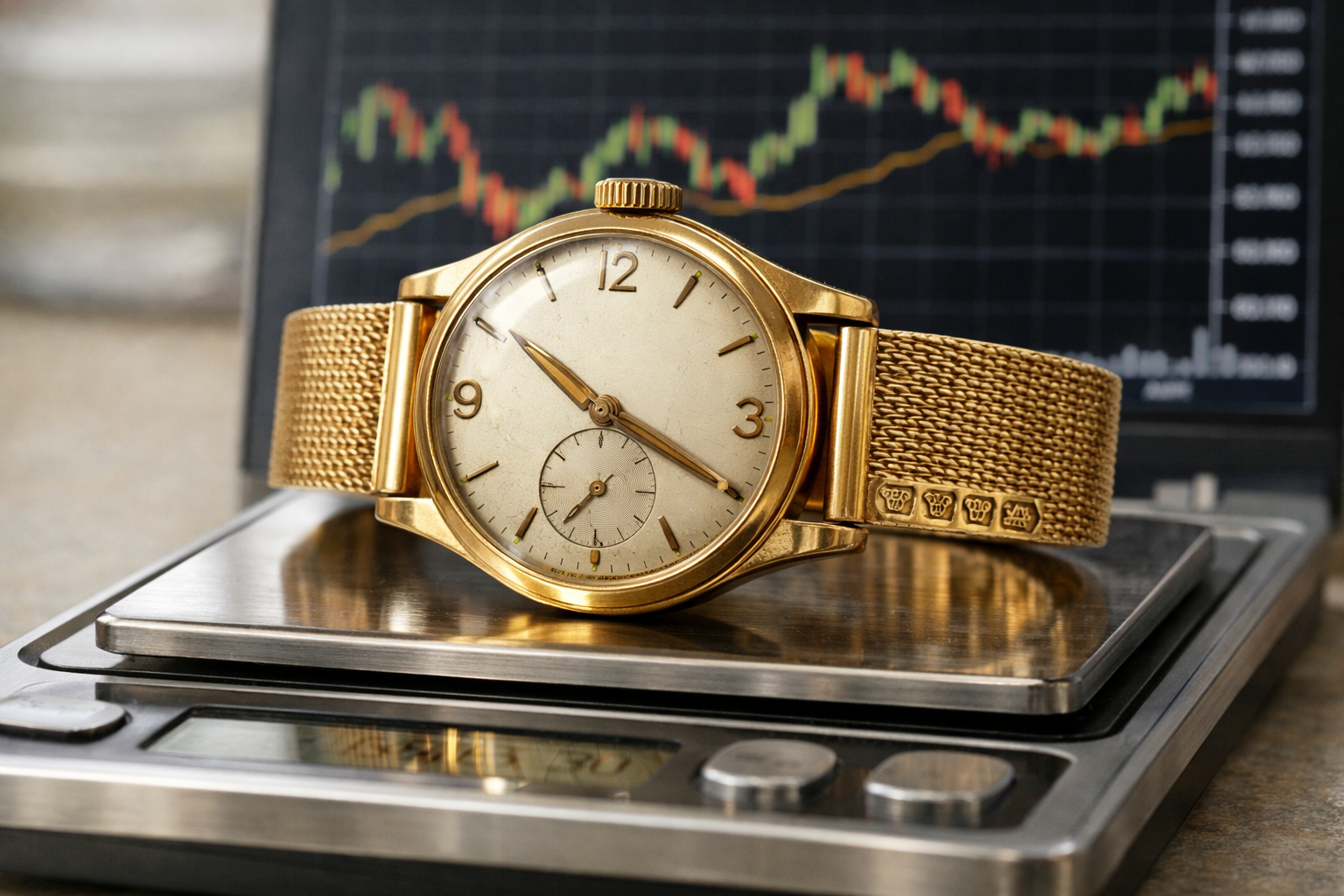
Wondering who buys watches for the best price in the UK? Learn the myths vs facts, how values are set, and how Gold Buyer pays same day by bank transfer.
By Epicurus One • October 25, 2026
Wondering who buys watches in the UK? Learn myths vs facts, compare buyer types, and see how Gold Buyer pays fast for precious‑metal watches.
By Epicurus One • October 24, 2026
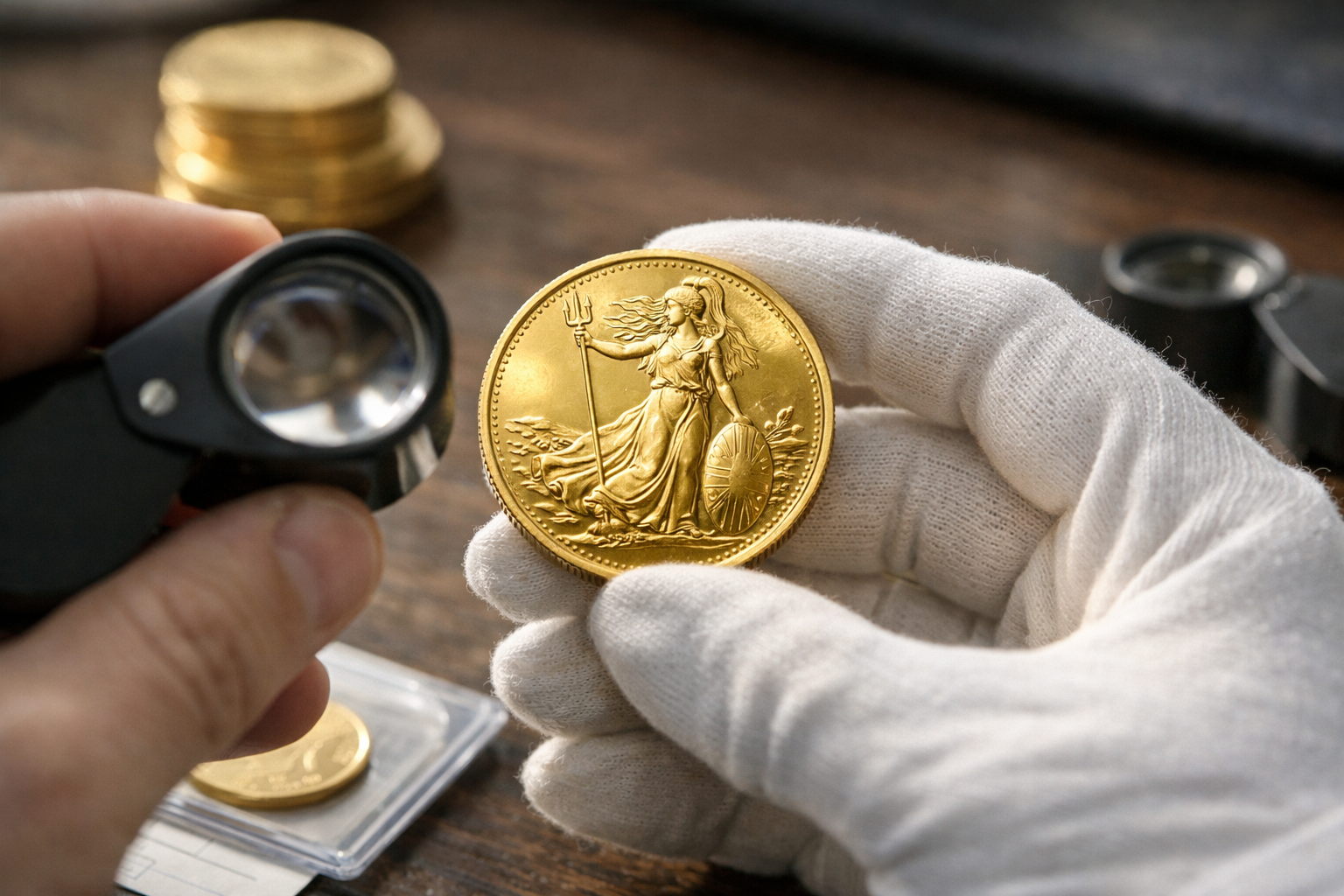
Thinking of selling Gold Britannia coins? Get expert, market-based valuations, home visits across the UK and same-day bank transfer from Gold Buyer.
By Epicurus One • October 24, 2026
Clear, expert answers to the most common UK questions on how to sell Gold Britannia coins. Get fair, live-rate valuations and same-day payment options.
By Epicurus One • October 23, 2026
Learn how to check, value and sell Canadian Maple Leaf coins in the UK. Practical tips, quick-reference table, authentication steps and same-day payout options.
Show More