Selling White Gold: The Ultimate UK Guide to Prices, Proof and Fast Payment
To maximise your return when selling white gold, get a live, weight‑and‑purity based valuation from a reputable UK buyer who prices against the current spot rate and pays by same‑day bank transfer. Prepare items by checking hallmarks, separating stones and mixed metals, and having ID to hand. You can complete everything at home.
How White Gold Is Valued in the UK Today
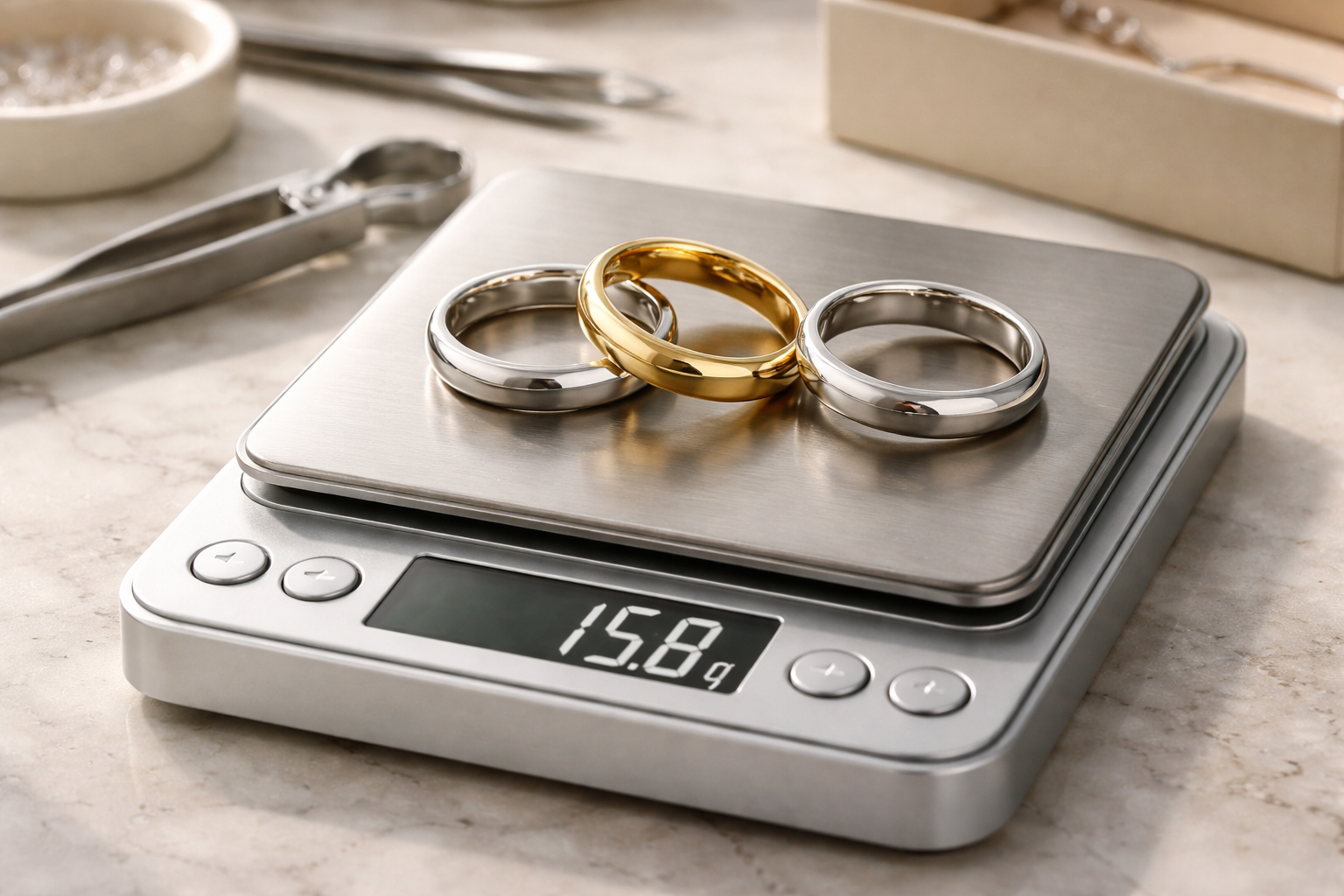
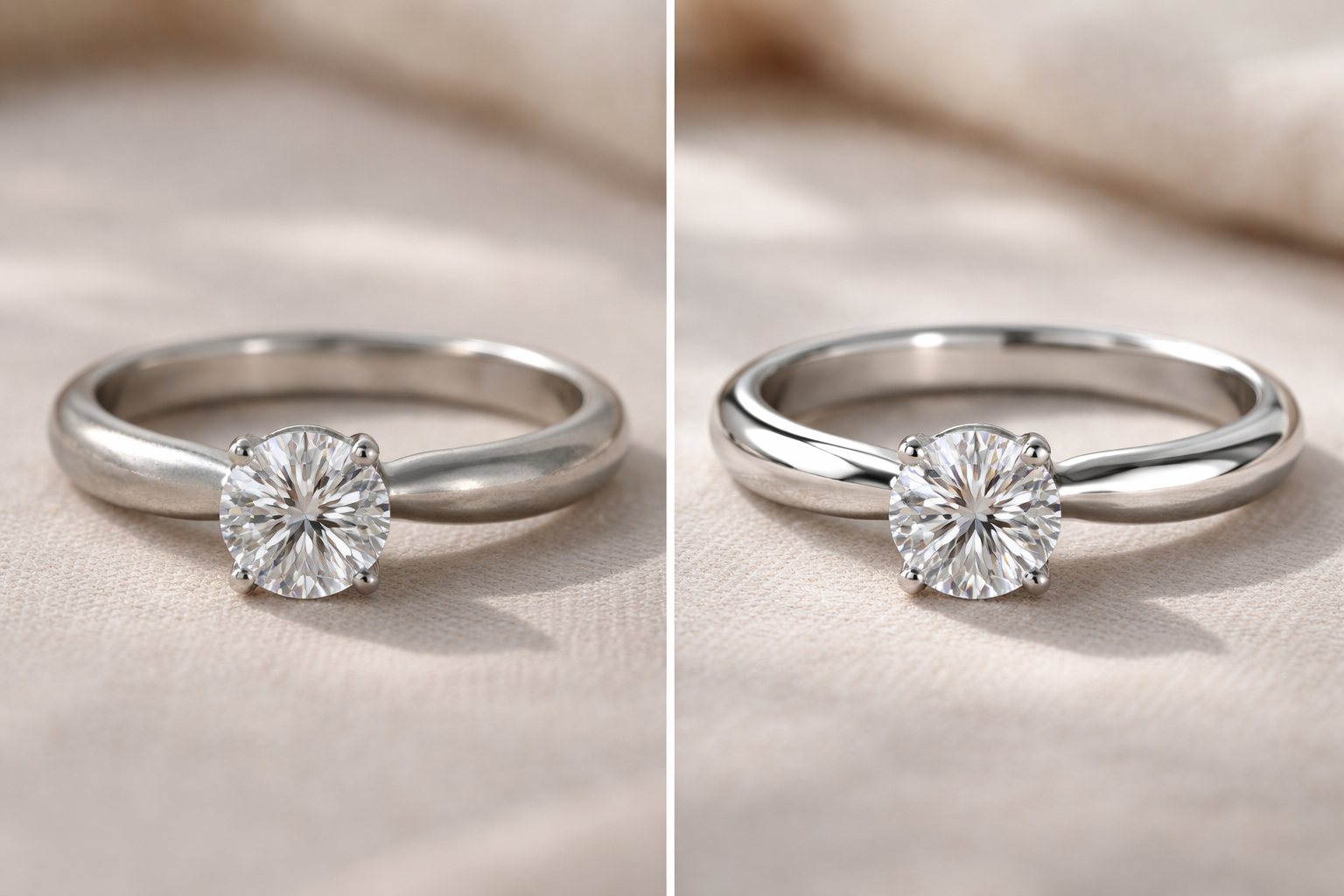
White gold is a gold alloy mixed with white metals such as palladium, nickel or silver, then often rhodium‑plated for brightness. Buyers value it primarily by precious metal content. That means your payout is driven by three things: the current gold market price, the exact fineness of your items (e.g., 9ct, 14ct, 18ct), and the true metal weight once stones and non‑precious parts are removed.
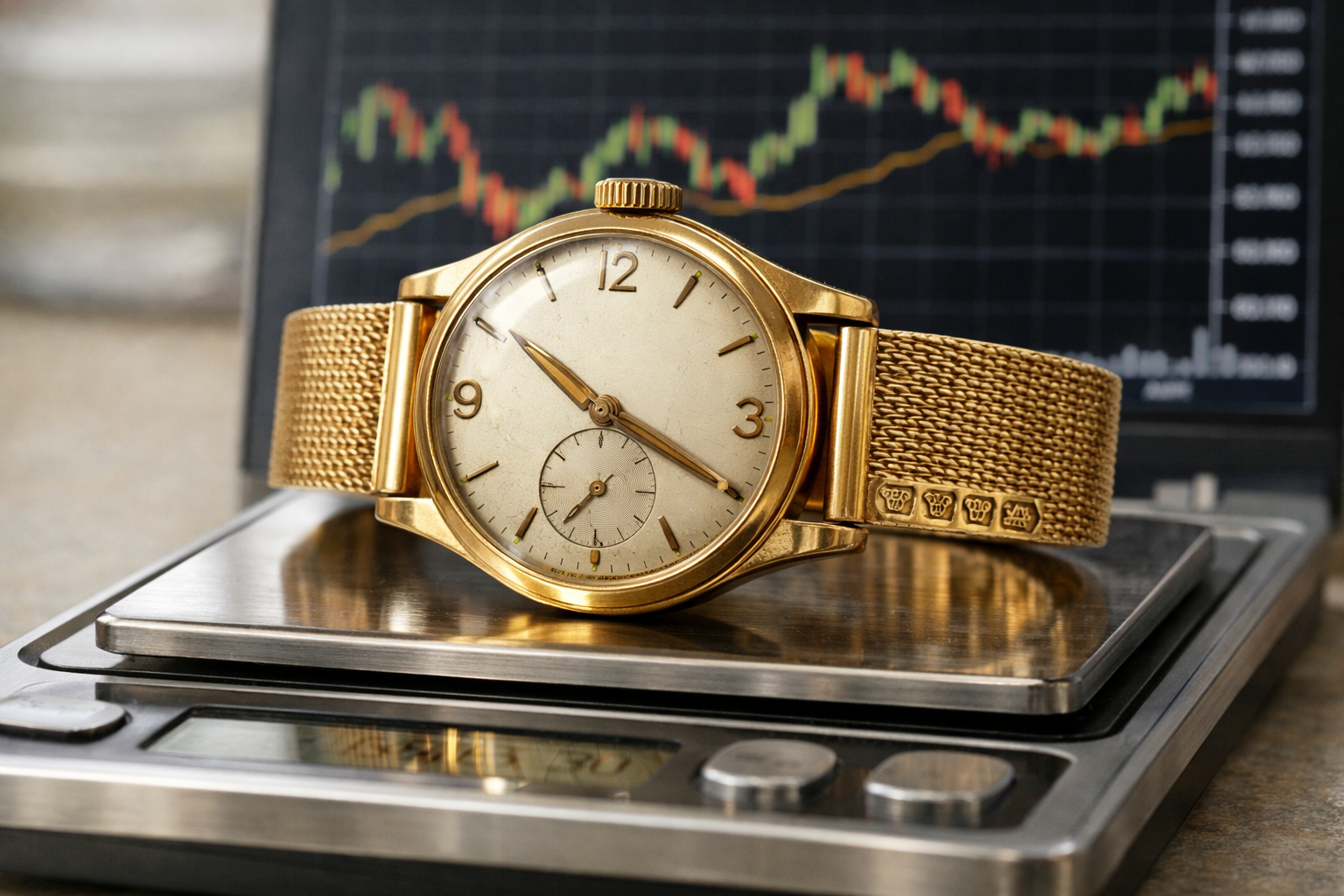
Most professional buyers peg offers to live spot pricing from recognised sources, then apply a transparent percentage to cover refining, handling and risk. If you want a reliable benchmark, monitor London market references such as the LBMA precious metal prices, noting that consumer buyback rates will sit below wholesale spot. In 2026, volatility remains a factor, so quotes can move even within the same day.
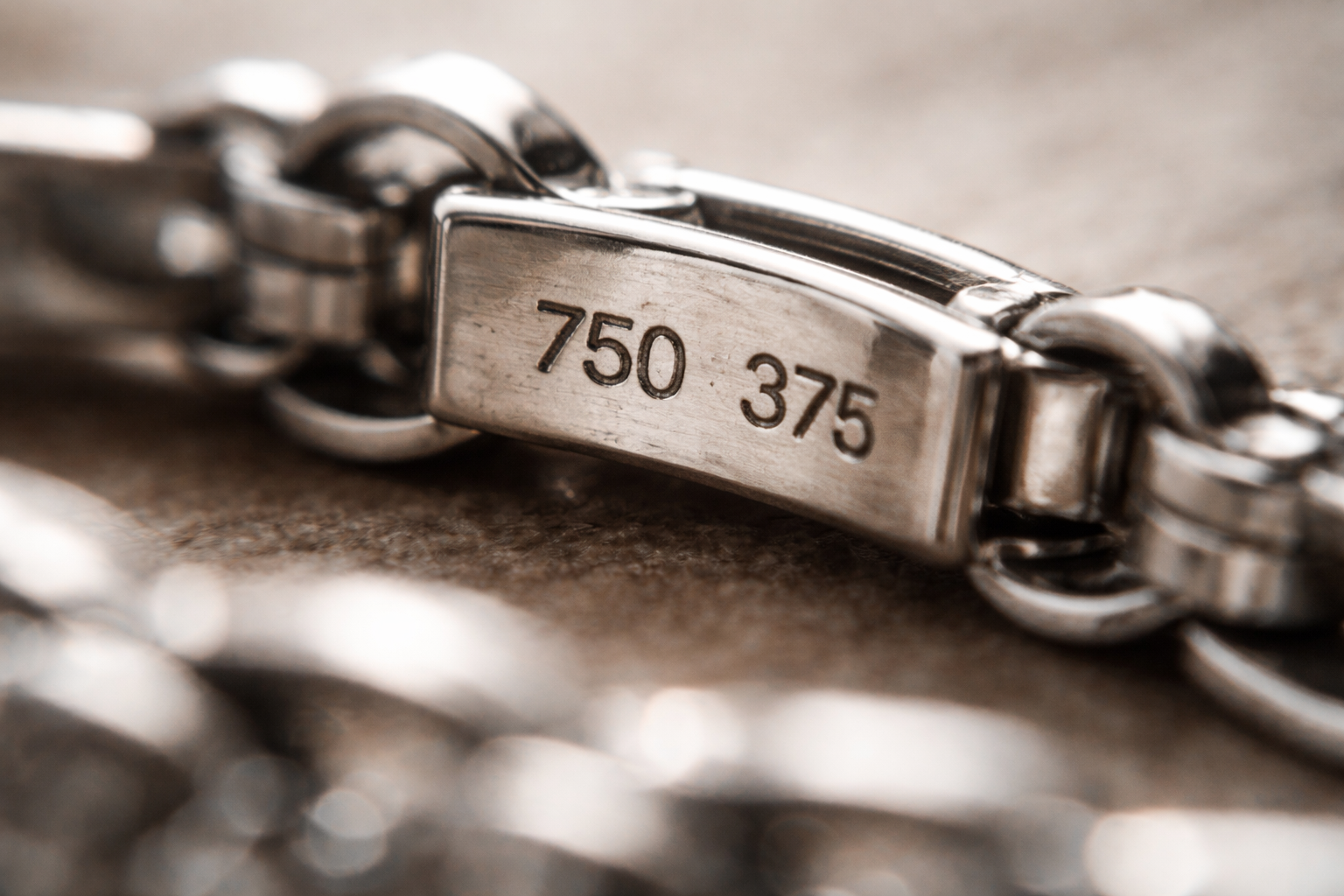
Karats matter. An 18ct ring (750 parts per thousand gold) contains more fine gold per gram than a 9ct ring (375 ppt). Two rings of identical physical weight can yield very different payouts because the underlying gold content differs. If you’re unsure what you have, hallmarks and simple metal tests clarify it quickly, giving you confidence when selling white gold items into a moving market.
Rhodium plating doesn’t increase metal value; it’s a thin cosmetic layer. If your piece is designer‑signed or in excellent, saleable condition, a buyer may offer above scrap because they can retail it. Otherwise, expect valuation as precious metal, with gems either returned, bought separately, or deducted by weight before calculating the gold value.
What Affects the Price When Selling White Gold?
If you’re weighing up selling white gold , be clear on the levers that move your quote. Some are in your control, others are market‑driven. Understanding both helps you decide when to sell and how to prepare pieces to retain more of their value.
- Live market price: The global gold price shifts throughout the day. Many UK buyers quote against spot and lock for a limited time. Timing can influence your payout by a meaningful margin on heavier lots.
- Fineness (karat): 18ct white gold usually pays more per gram than 9ct because there’s more fine gold content. Hallmarks are key proof; testing confirms them.
- Net precious weight: Stones, springs, steel pins and non‑precious clasps are removed from the calculation. Heirloom rings with large stones often have lower net gold weight than expected.
- Condition and re‑sale potential: Branded or current‑style jewellery in good condition might command a premium above melt. Generic or damaged items are typically priced as scrap.
- Lot size and mix: A single light ring might attract a different rate to a multi‑item parcel. Mixed metals (e.g., white gold with platinum or steel) slow processing and can trim offers unless pre‑sorted.
- Verification time: Items needing more in‑depth testing or stone removal may affect convenience and speed, though professional mobile buyers handle this on the spot.
Practical tip: pre‑sort your jewellery by hallmark (e.g., 375, 585, 750), remove non‑precious chains and split pairs where only one earring is gold. Doing this before selling white gold helps you receive a cleaner, quicker quote with fewer deductions.
White Gold vs Yellow Gold vs Platinum: Which Sells for More?
White and yellow gold of the same karat contain the same proportion of fine gold, so—purely on melt value—an 18ct white band and an 18ct yellow band are equivalent. In practice, offers can vary because of weight differences, fashion demand, or whether a buyer believes a piece can be resold as jewellery rather than refined. Platinum is a separate precious metal with a different market and density profile.
| Metal/Type | Typical Purity (UK) | Visual Tone | Buyback Basis | Pros | Potential Cons |
|---|---|---|---|---|---|
| White Gold (9ct/18ct) | 375 / 750 | Silvery; often rhodium‑plated | Gold content; sometimes resell premium | Strong demand, easy to verify | Stone deductions; plating adds no value |
| Yellow Gold (9ct/18ct) | 375 / 750 | Warm yellow hue | Gold content; occasional antique premium | Classic styles can resell well | Worn or broken pieces default to scrap |
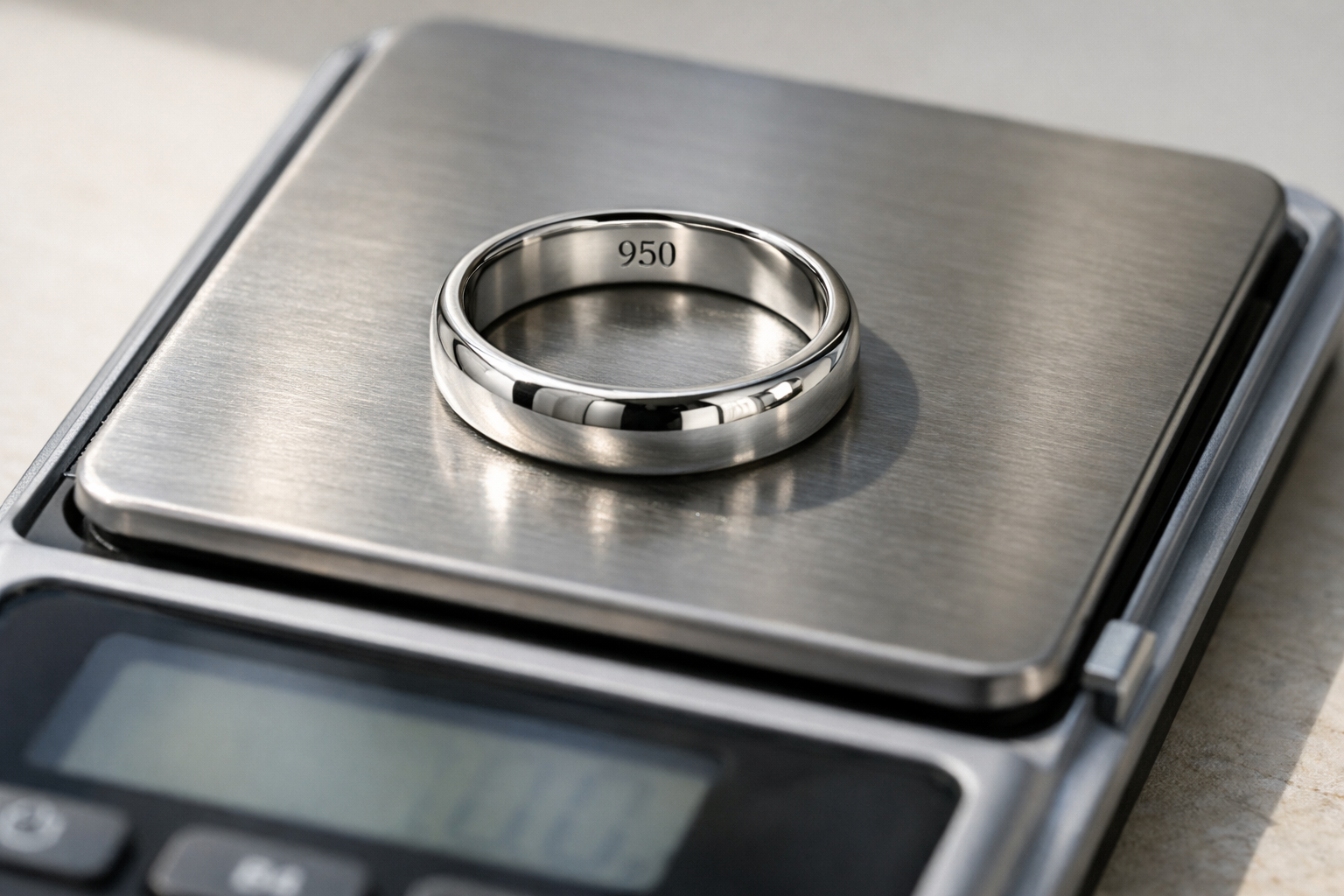
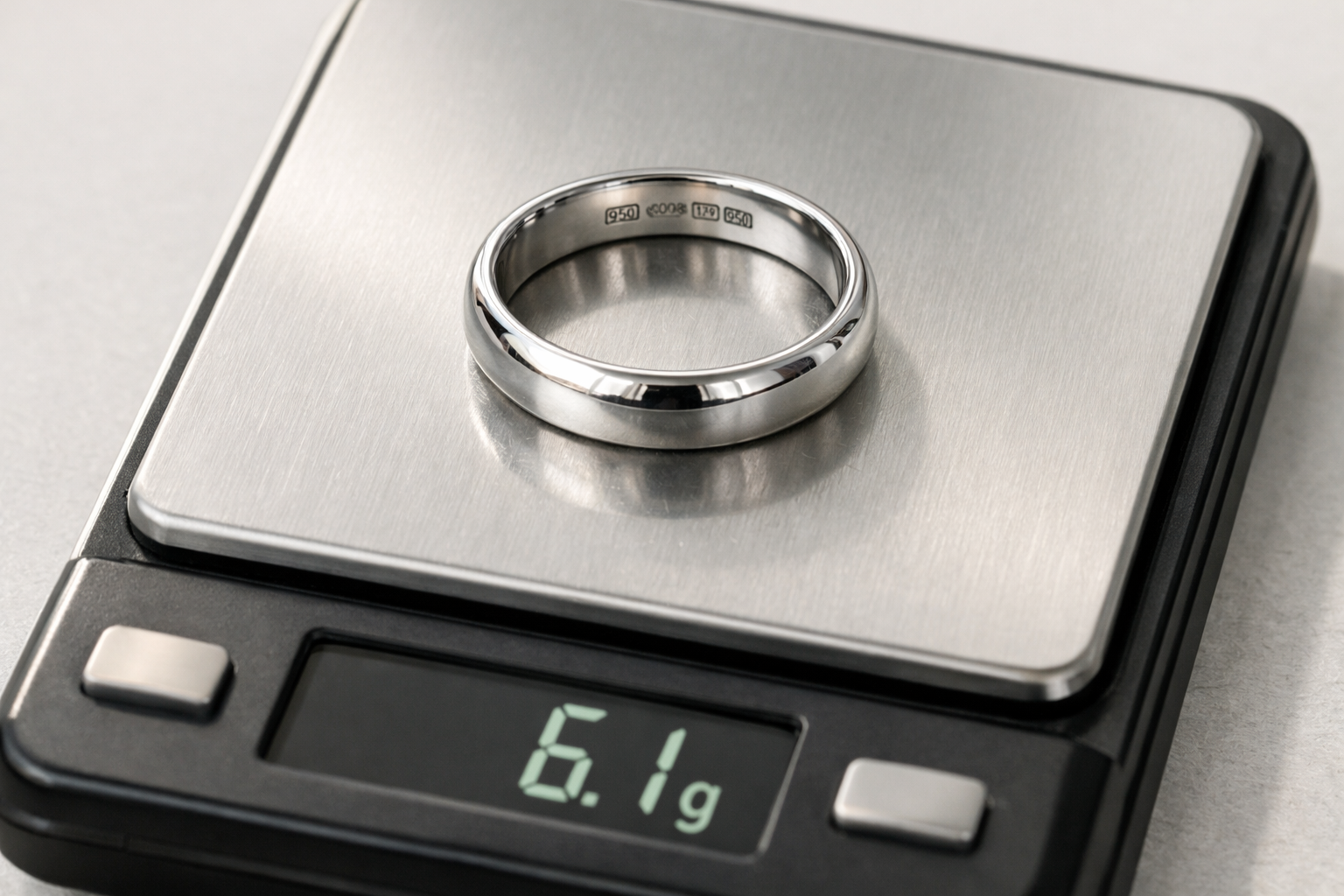
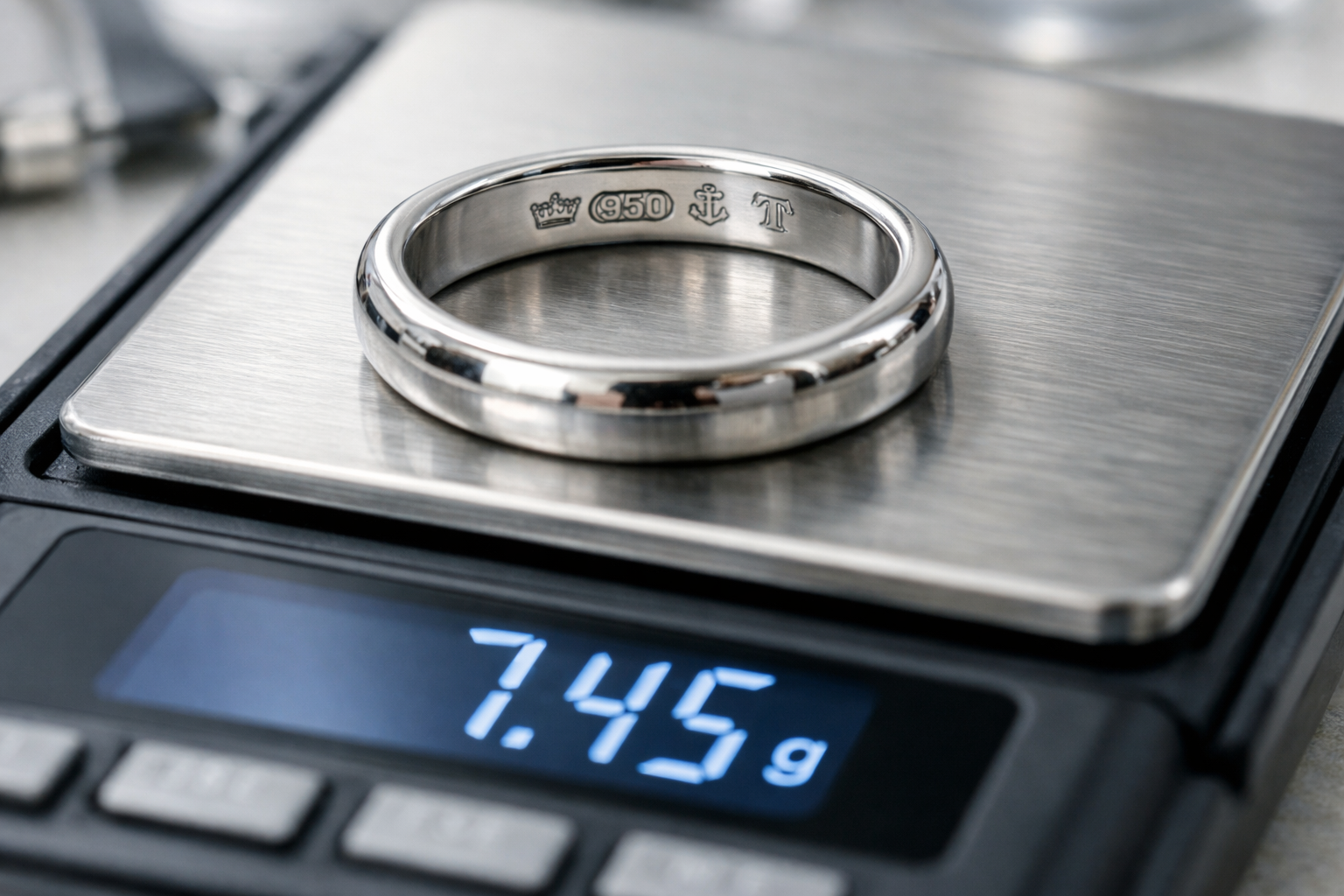
| Platinum (Pt950 common) | 950 | Natural silvery‑grey | Platinum content, separate market | High density; premium bridal demand | Different price cycle; testing needs care |
If you’re comparing a white band to a platinum ring, remember they’re not interchangeable metals. Platinum can command strong buyback because of weight and purity, but market cycles differ from gold. For more detail on platinum resale factors, see this guide to how much a platinum ring is worth. If you’re selling white gold jewellery, focus on karat, weight and whether the design is saleable beyond melt.
Is It Worth Refining or Selling As Jewellery?
There are two broad routes: sell items for their precious metal content (melt/scrap basis) or as finished jewellery. The right choice depends on brand, condition, and style. A well‑known designer engagement ring in excellent condition may warrant a premium above melt because a buyer can retail it with minimal refurbishment. A worn, soldered or broken chain is usually priced as precious metal only.
Imagine two 18ct bands of equal weight. Band A is a plain, lightly worn court profile; Band B is a dated, deeply engraved style with heavy wear. Band A might attract a modest uplift because it’s easy to re‑finish and resell. Band B is likelier to be valued on metal alone. When selling white gold , ask whether any piece is being assessed for retail potential, and request the quote breakdown.
Be realistic about diamonds and gems. Melee stones (tiny accent diamonds) often hold little resale value removed from a setting; larger, independently graded stones can be bought separately. If you plan to keep stones, request removal before weighing. Always seek clarity on whether stones are included, returned, or deducted, so you understand the metal‑only valuation.
How to Check Alloy, Hallmarks and Stones Before You Sell
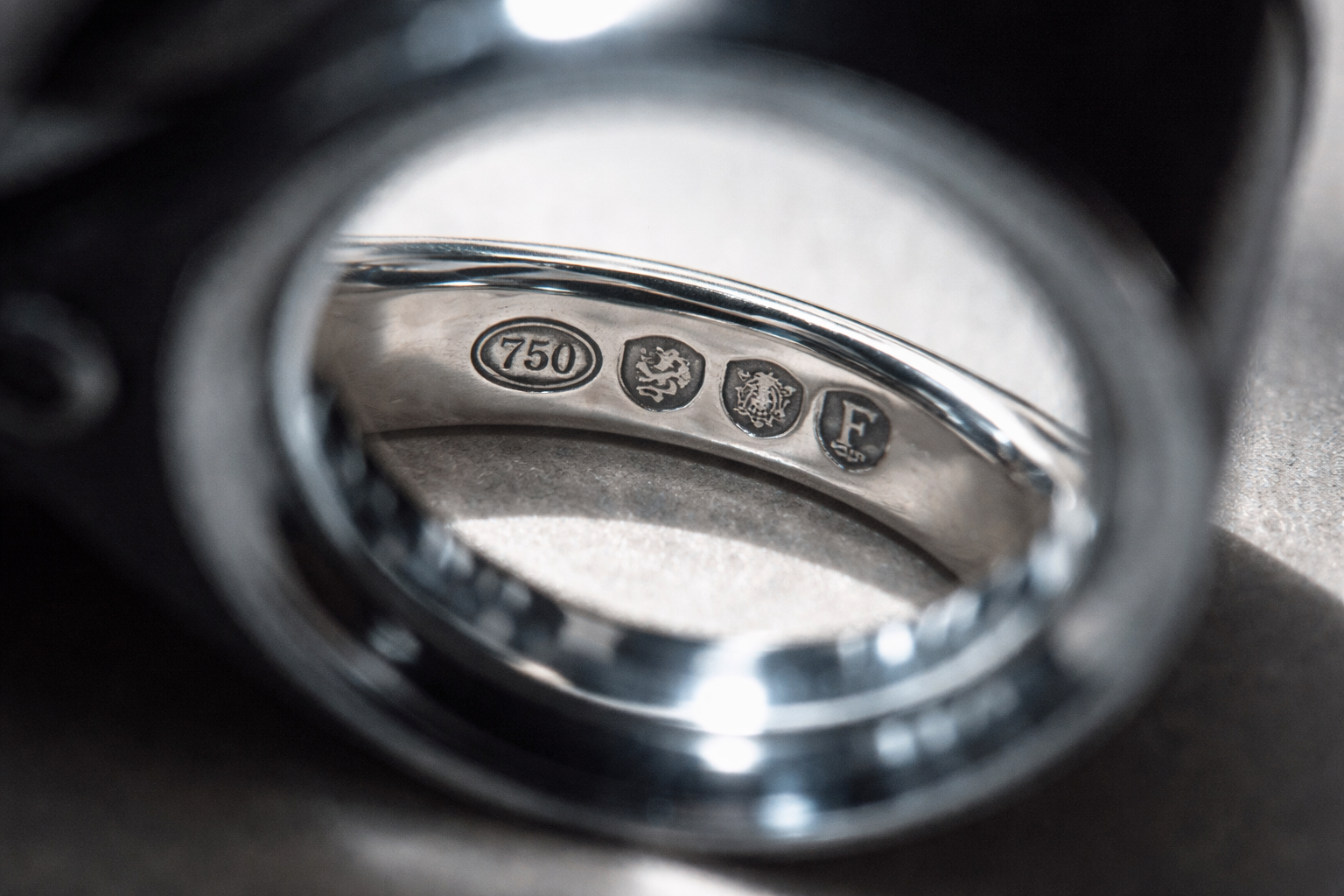
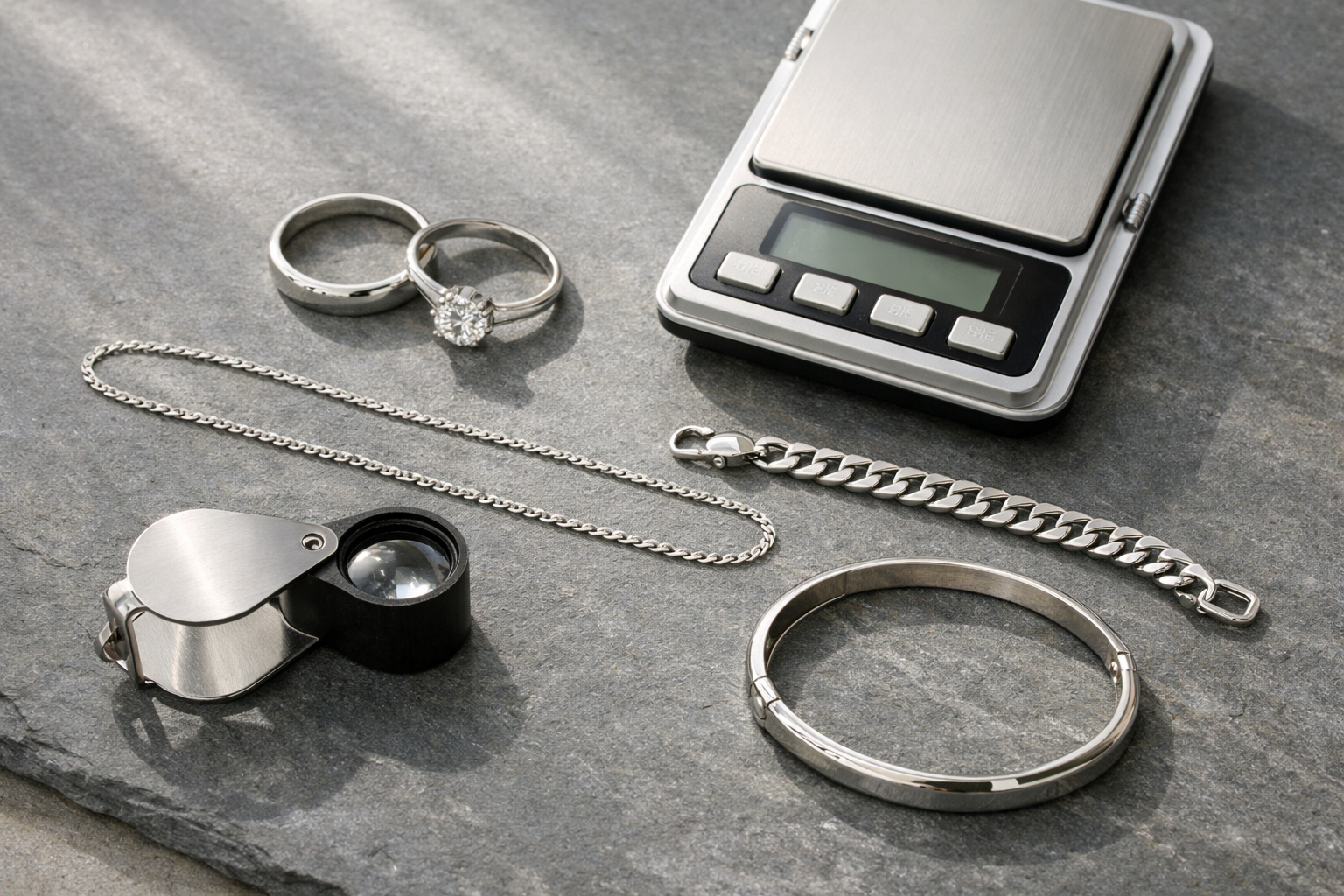
UK hallmarking provides a dependable roadmap to what your jewellery is made from. Look for stamps such as 375 (9ct), 585 (14ct) or 750 (18ct), often near the clasp or inside a ring shank. You may also see the Assay Office mark, fineness mark and sponsor’s mark. Verifying these speeds up quoting and makes conversations more transparent.
If you can’t find a hallmark, professional buyers test discreetly—using XRF, acid tests or both. This protects everyone by confirming metal content before money changes hands. For a clear primer on hallmarks and what they legally mean, read the UK government’s overview of hallmarking. Taking five minutes to pre‑check hallmarks before selling white gold can save time at appointment.
Next, inspect stones. Photograph each piece, note any chips or loose settings, and decide if you want to keep gems. Remove obviously non‑precious pendants or mixed‑metal extenders from chains to avoid weight deductions. Keep sets together (earring pairs, bridal sets) if they’re saleable, but separate different karats to help achieve precise quotes.
What Paperwork and ID Do You Need?
Legitimate buyers follow anti‑money‑laundering rules and basic due diligence. In practice, expect to show a government‑issued photo ID and confirm your address. You may be asked simple questions about item ownership and how long you have had the pieces. Reputable firms welcome this—it protects you as a seller and supports secure transactions.
For context, UK anti‑money‑laundering rules for high‑value dealers sit within the wider regulatory framework explained in the government’s Money Laundering Regulations introduction. While you won’t be expected to know the detail, cooperating with ID checks helps speed up payment. Keep your passport or driving licence ready, plus a recent proof of address if requested.
A quick checklist before selling white gold at home: have your ID, gather items with notes on hallmarks/weights, list any pieces you’re keeping stones from, and ensure your bank details are correct for transfer. This preparation makes the appointment smoother and helps you get paid faster.
How to Get Paid the Same Day Without Visiting a Shop
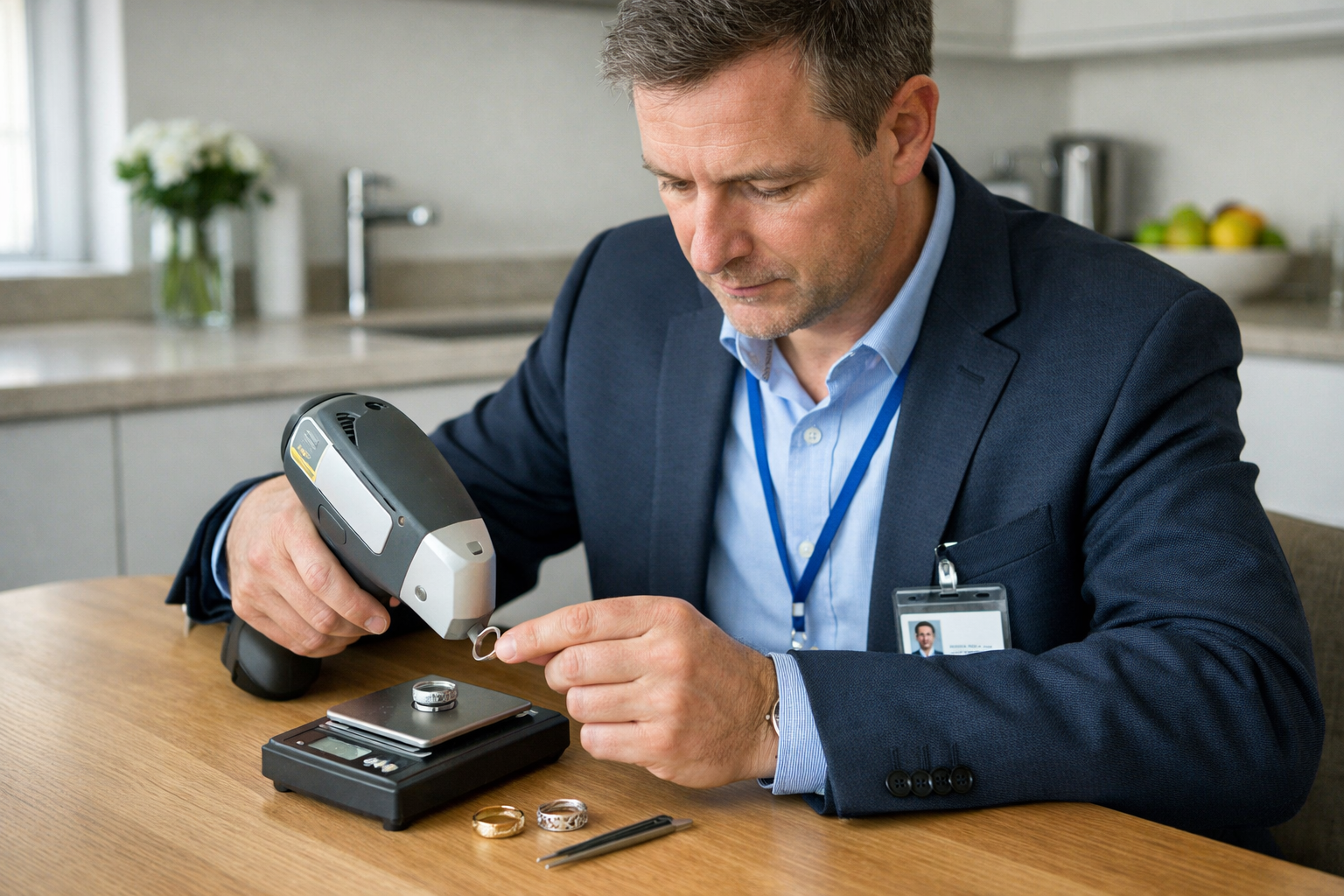
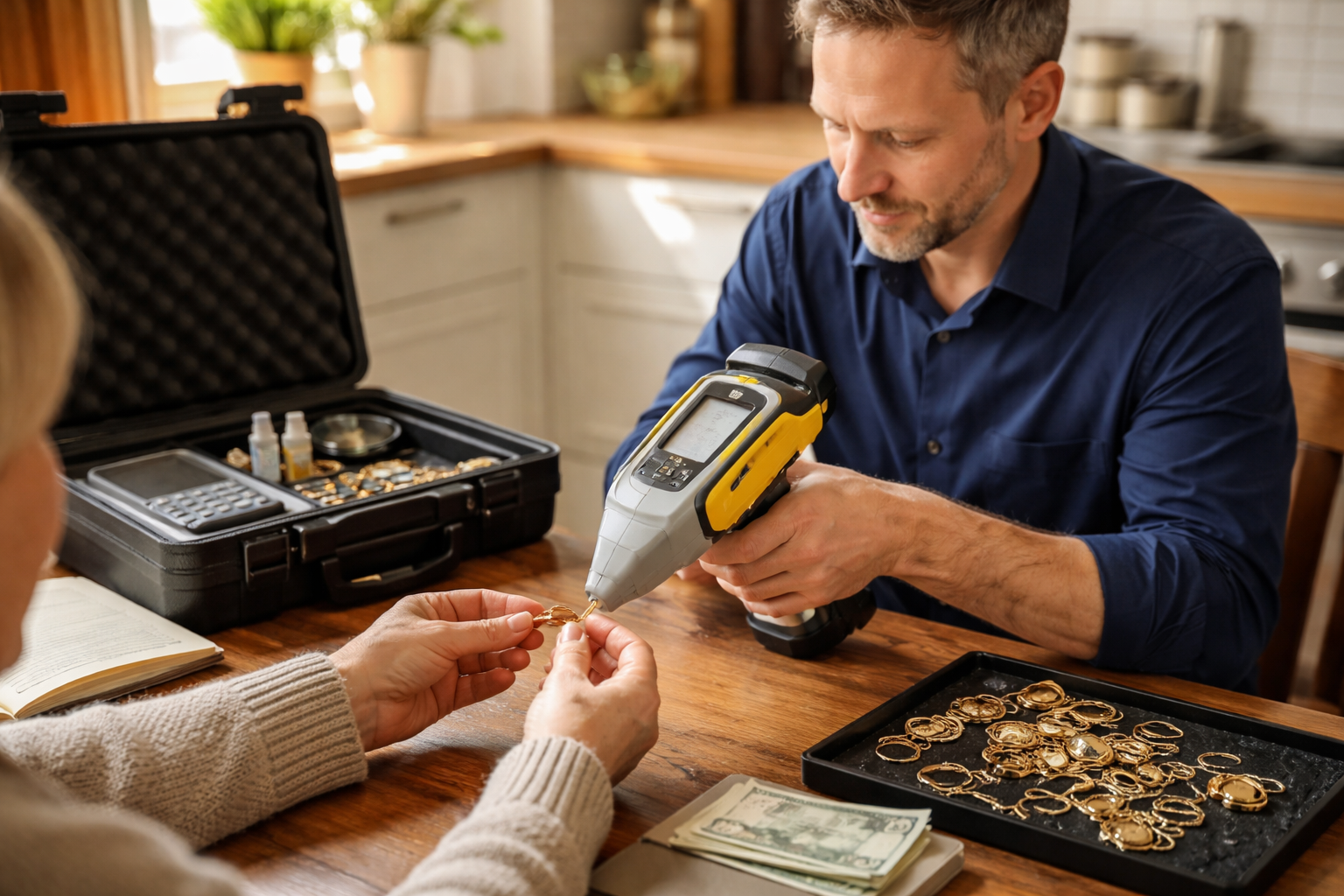
Mobile precious‑metal buyers now offer full, on‑the‑spot service: verification, valuation and immediate bank transfer—from the comfort of your kitchen table. The process is simple. A vetted representative arrives at your agreed time, confirms ID, sorts and tests items, shows you the live rate basis, then issues a firm quote. Accept, and funds are sent via Faster Payments the same day.
Gold Buyer serves the UK with discreet home visits, local pop‑up events, and an office listed in Chesterfield. Pricing is tied to live market rates and clearly explained. If you prefer not to arrange a visit, you can request a home selling kit. Ready to move forward? Book a valuation to secure a timed appointment and a transparent offer.
Two handy tips when selling white gold for same‑day payout: first, pre‑separate items by hallmark and remove obvious non‑precious attachments to reduce testing time; second, have your phone or laptop ready to confirm receipt of funds before the representative leaves. Reputable buyers will always wait for your confirmation.
Common Myths That Reduce Offers (and How to Avoid Them)
Misconceptions can cost you money or lead to unnecessary delays. Clearing these up makes selling smoother and quotes more consistent. Below are frequent myths and what to do instead.
- “Rhodium plating makes it worth more.” Plating is cosmetic and extremely thin. It doesn’t add melt value. Value derives from gold content and weight.
- “All 18ct rings pay the same.” Fineness may match, but net weight varies a lot once stones and non‑precious parts are removed. Two 18ct rings can pay very different amounts.
- “Diamonds will massively increase the offer.” Small accent stones rarely add much on a melt‑basis quote. Larger, certified stones may be bought separately.
- “Buyers always pay a flat percentage.” Good buyers tie to live market rates and may sharpen pricing for clean, pre‑sorted lots or saleable designs.
- “I can’t sell without boxes/certificates.” Packaging helps for resale, but isn’t essential for metal value. Hallmarks and testing matter more.
When selling white gold , ask for a clear breakdown: gross weight, deductions, net precious weight, purity, and the live‑rate basis used. Written summaries (even on email) help you compare like‑for‑like between buyers and avoid apples‑to‑pears quotes.
Where to Sell: Home Visit, Pop-up, Post-in or Auction?
You have several routes to market, each with its own trade‑offs in speed, fees and control. The best option depends on your priorities—fast payment, minimal effort, or attempting a premium for saleable designs.
- Home visit: Convenient, private and fast. A vetted representative tests and weighs items in front of you and pays by bank transfer. Ideal for mixed lots, heavy pieces and those who value discretion.
- Local pop‑up event: Good balance of in‑person service and accessibility if you prefer not to host a home visit. Expect the same testing and live‑rate pricing.
- Home selling kit (post‑in): Useful if you can’t schedule a visit. Ensure the kit includes insured postage, itemised receipts and a clear price‑lock process.
- Auction/marketplace: Potential retail‑level prices for rare, branded or collectible jewellery, but there are seller fees, photography/lotting delays and no guarantee of final price.
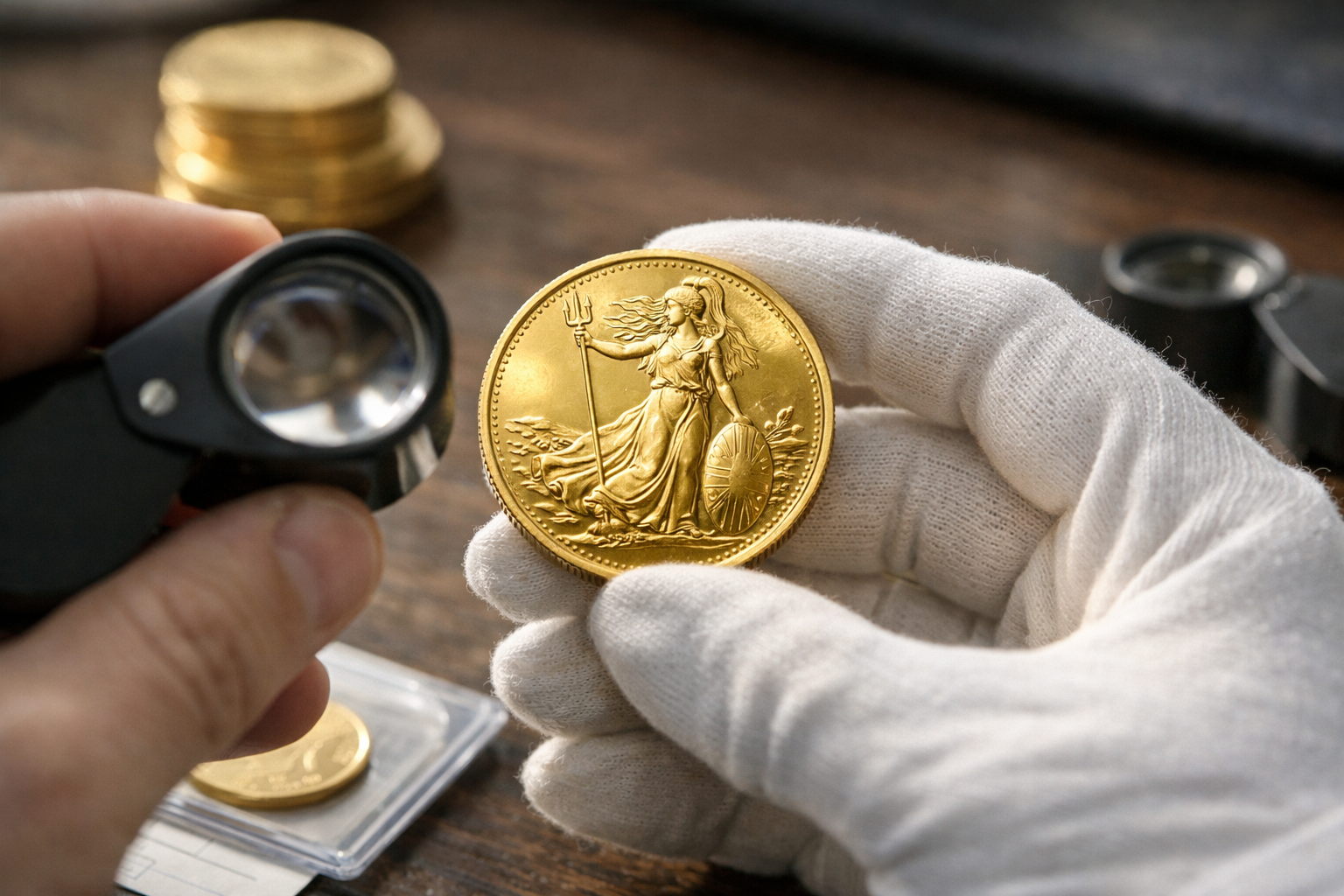
If your items include coins or bullion, explore specialist routes too. For example, if you also hold UK bullion coins, see how to sell Gold Britannia coins with same‑day payment. South African coins? Here’s a step‑by‑step guide to selling Krugerrands. Bars to liquidate? Read the practical checklist for selling gold bars so you’re prepared.
For straightforward jewellery, a mobile buyer is often the quickest route from valuation to cleared funds. For branded, boxed pieces, you can ask for both melt and resale‑based offers, then decide. Keep communication clear, ask questions, and confirm the live‑rate reference used when selling white gold via any route.
Frequently Asked Questions
This section addresses common UK queries about white‑gold valuations, hallmarks, stones and fast payment in 2026. It’s designed to help you prepare once and sell confidently without repeated back‑and‑forth.
Do I need to remove diamonds or gemstones first?
No—professionals can remove or account for stones during appraisal. If you want to keep them, say so at the start and request removal before weighing the metal. Small accent stones rarely affect monetary value on a melt‑basis quote; larger, graded stones may be bought separately.
Is rhodium plating valuable?
Not for metal value. Rhodium plating is a thin cosmetic coating that gives brightness but adds negligible weight. It doesn’t increase the underlying gold content. Well‑kept, saleable styles can still draw a premium above melt, but that reflects resale potential, not the plating itself.
What if my jewellery has no hallmark?
Legitimate buyers will test discreetly (e.g., XRF or assay acids). Lack of a visible hallmark doesn’t mean the item isn’t gold; it just requires verification. UK hallmarking law sets the standards for describing precious metal—see the government’s overview to understand what official marks signify.
Can I be paid by bank transfer on the same day?
Yes. Reputable mobile buyers finalise quotes in person and pay via Faster Payments immediately after acceptance. Have your ID and correct bank details ready, and confirm receipt while the representative is present. For many households, this is the quickest, most secure route to cleared funds.
Will designer brands always pay more?
Not always. Condition, completeness (box, papers) and current demand matter. A timeless, lightly worn band from a recognised house may earn more than melt. A dated, damaged piece—even if branded—might default to its precious‑metal value. Ask for both melt and resale‑based quotes if you’re unsure.
Ready to Get a Fast, Fair Offer?
Prefer a discreet visit, transparent pricing tied to live rates and same‑day payment? Arrange a time that suits you and let a vetted specialist do the legwork. Book a valuation to start.