How to Value and Sell a 1 oz Canadian Gold Maple Leaf Coin
To sell a 1 oz Canadian Gold Maple Leaf coin, check its identity and condition, use the current gold price to estimate its metal value, and compare that figure with a buyer’s offer. A home valuation can make the process convenient, but ask how the price is calculated and when payment will arrive before agreeing to sell.
1. What Is a 1 oz Canadian Gold Maple Leaf Coin?
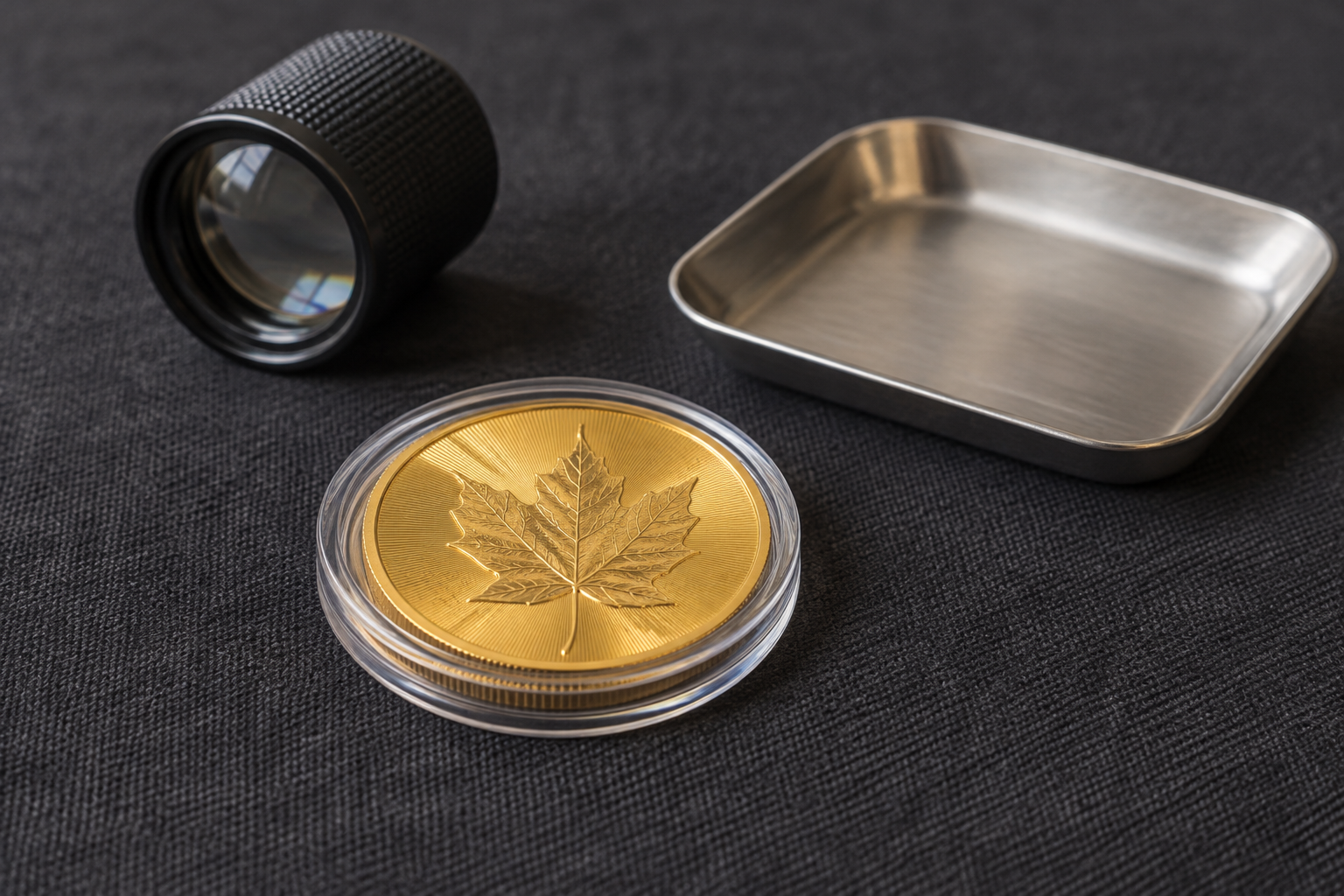
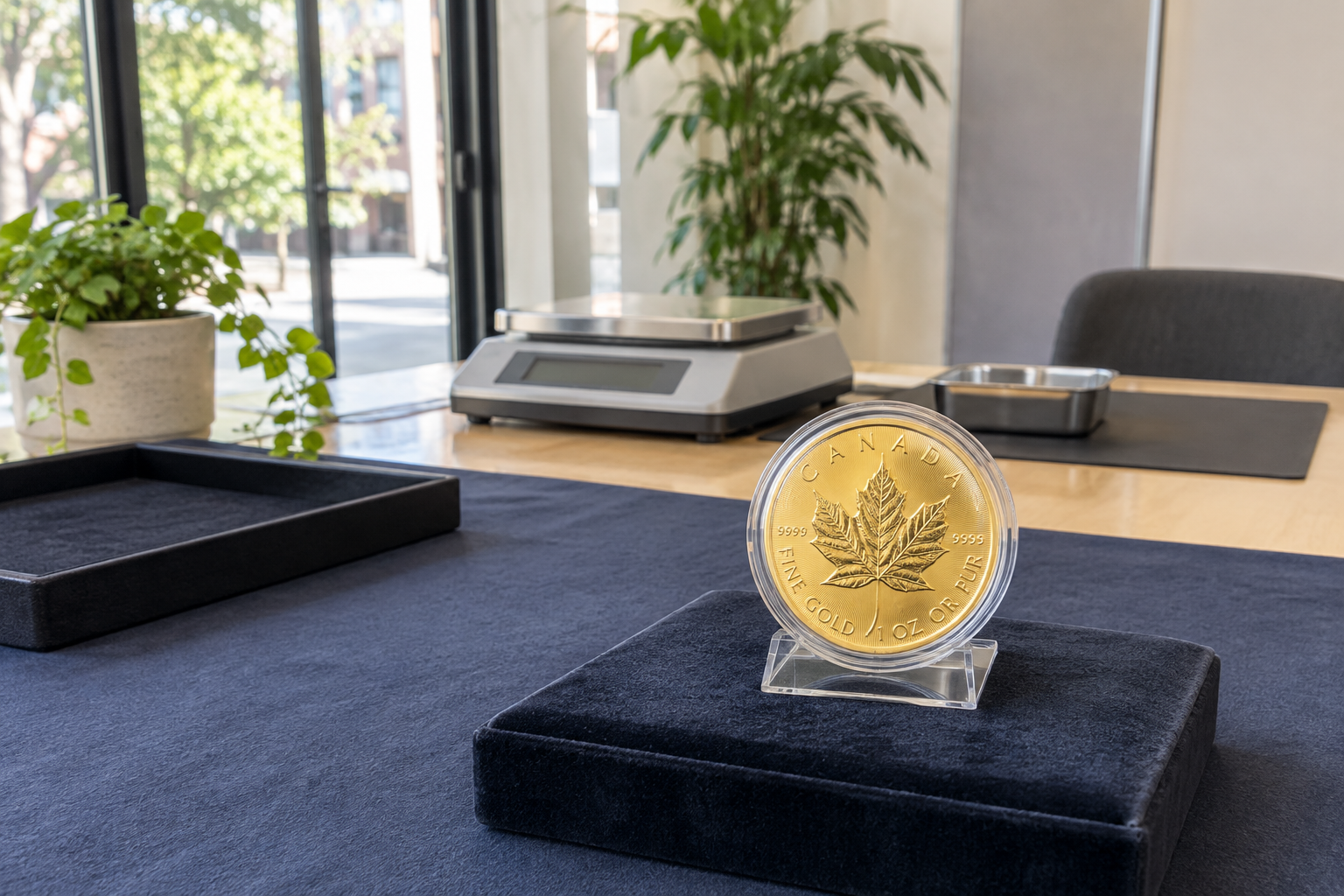
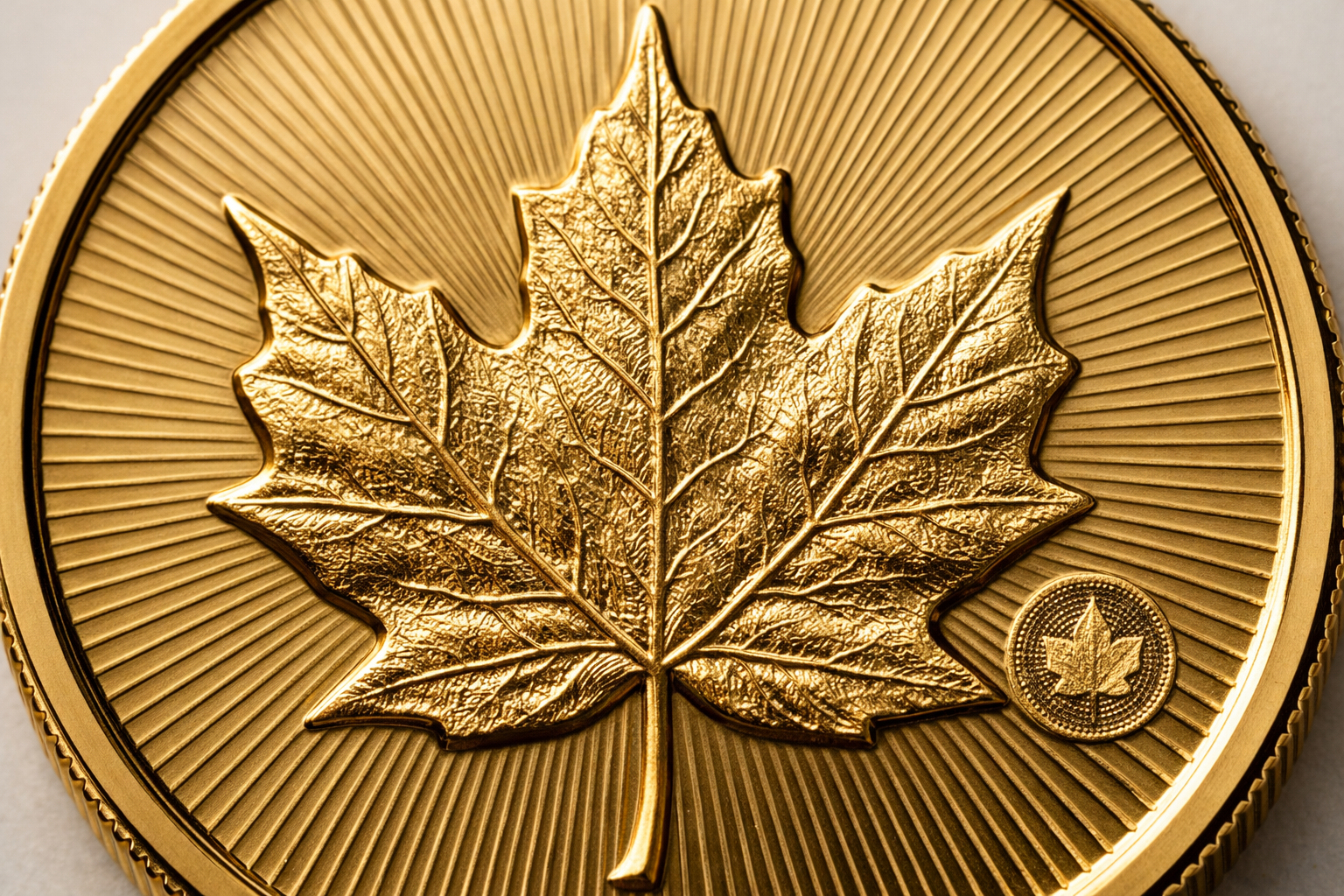
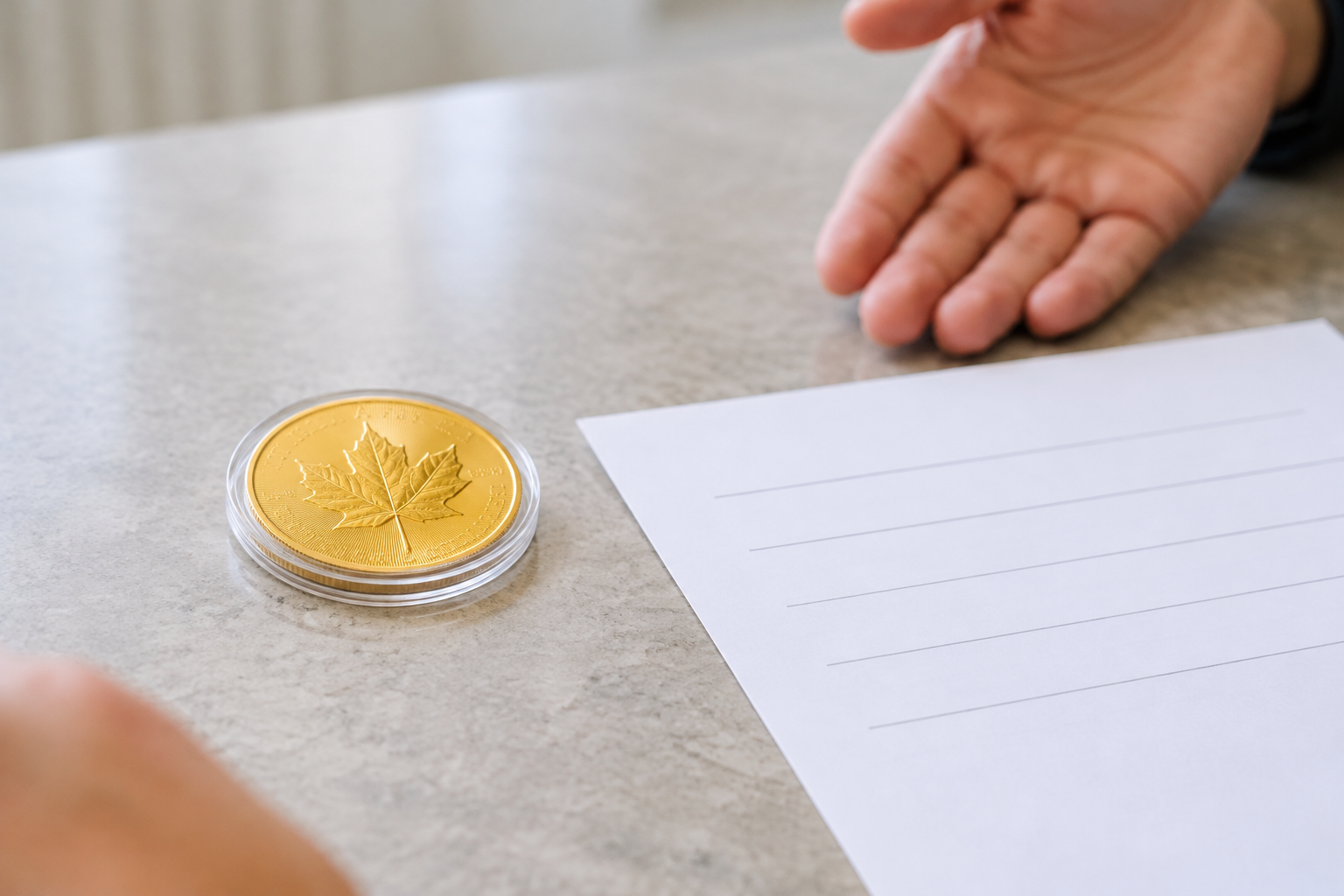
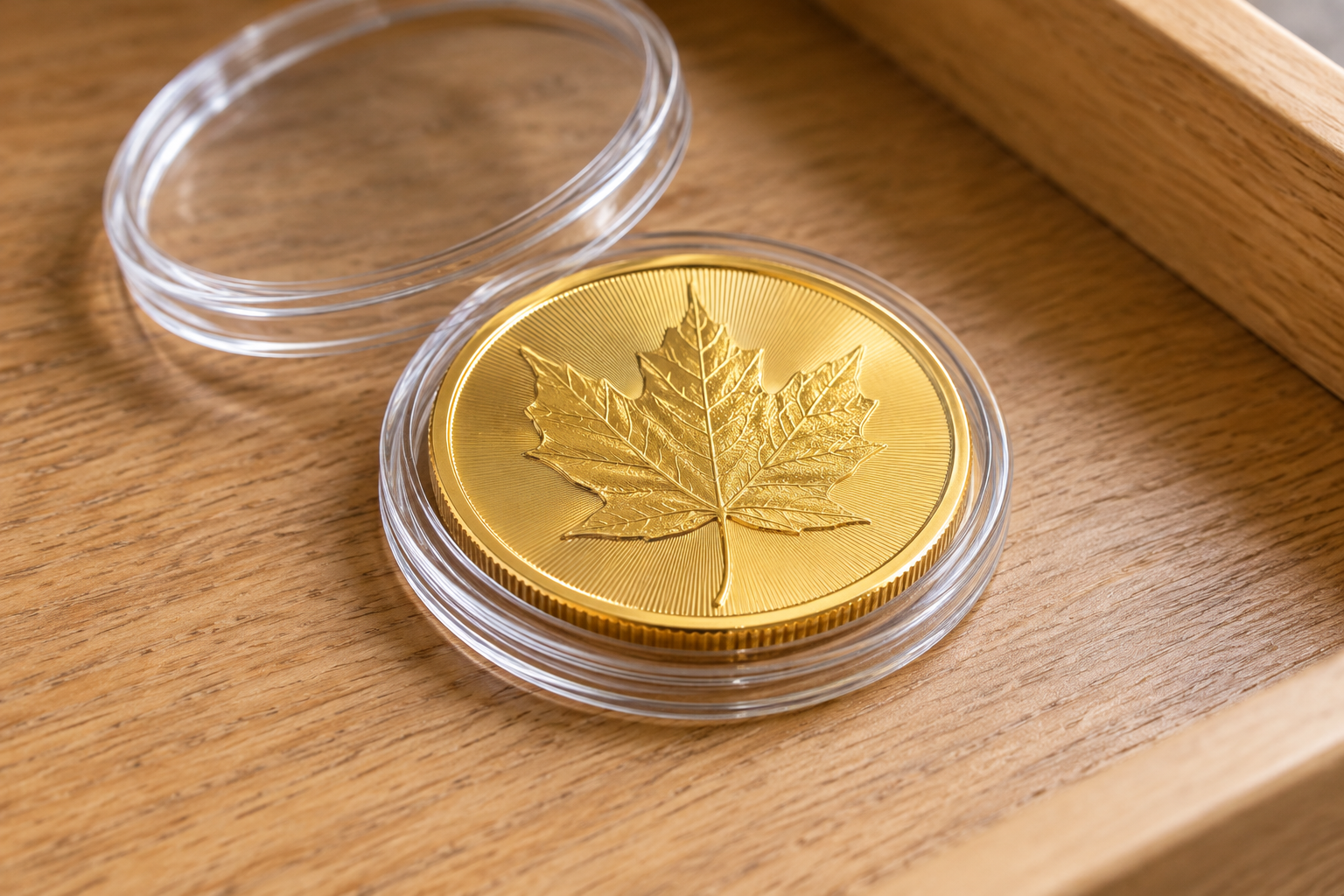
The Canadian Gold Maple Leaf is a bullion coin produced by the Royal Canadian Mint. Its maple leaf design and stated weight make it recognisable, but a buyer will still need to inspect and test an individual coin before confirming an offer. The Royal Canadian Mint provides information about its bullion coins, including the Gold Maple Leaf range.
A one-ounce coin’s value is principally linked to its gold content. The figure printed on a coin is its face value, not a reliable indication of what a buyer will pay for the gold. The market price changes, and the amount offered will normally be below the full market value of the metal because the buyer has costs and commercial risk.
Check the denomination, date, design and stated weight against a reliable mint description. Designs and security features can vary by issue, so an apparent difference does not automatically mean a coin is fake. Equally, matching a photograph is not proof of authenticity. If you are unsure, keep the coin protected and ask a knowledgeable buyer to inspect it.
Do not confuse a one-ounce bullion coin with a smaller Maple Leaf, a plated souvenir or a different Canadian coin. Your purchase receipt or original packaging may help establish what you bought, but neither replaces an inspection.
2. How Can You Check Your Coin Without Damaging It?
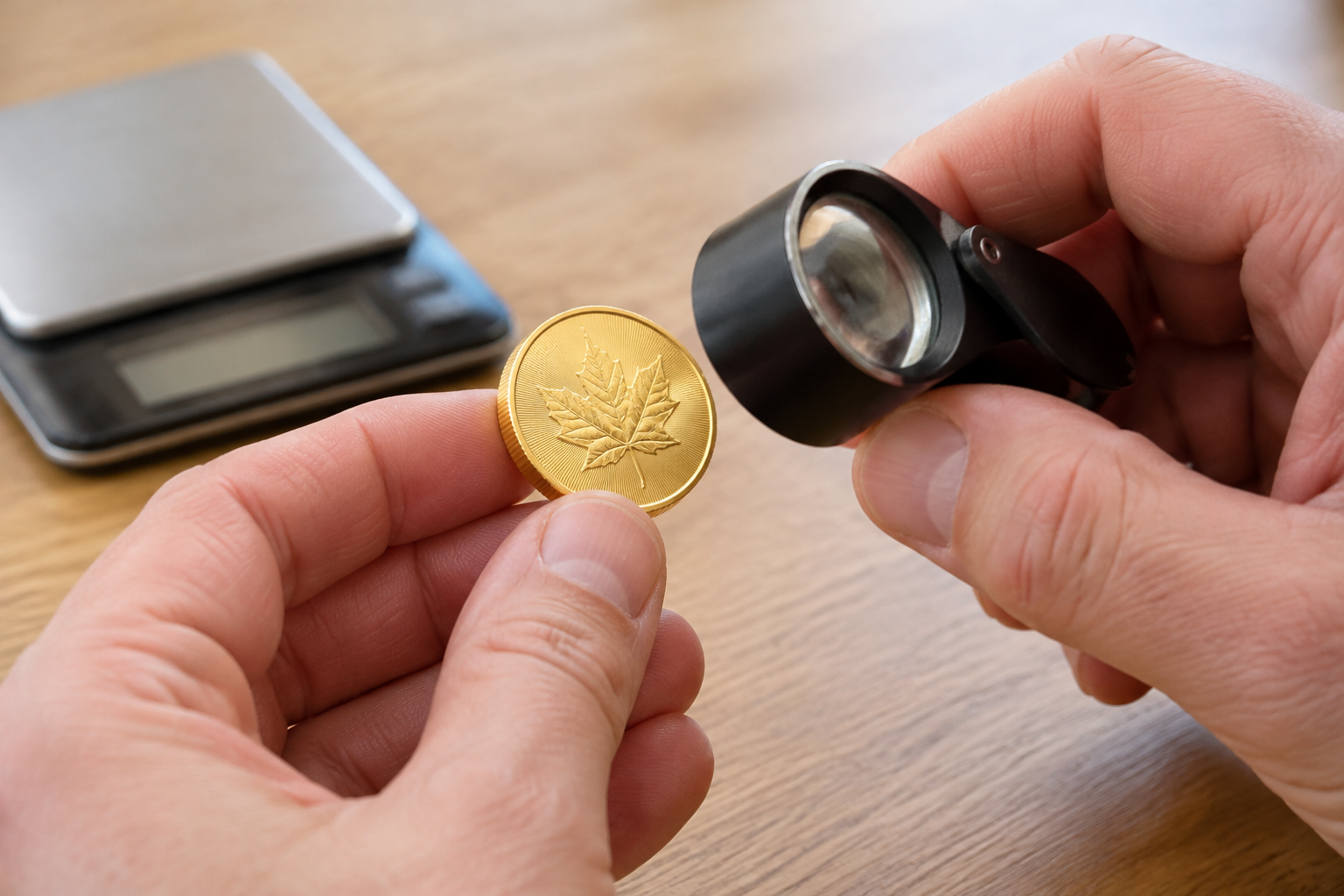
Begin by looking at the coin in good light. Note the date and any visible marks, and check whether it sits in a capsule, presentation case or original packaging. If it is already protected, leave it there until the buyer needs to examine it. Hold an exposed coin by its edges over a soft surface, taking care not to drop it.
Do not clean or polish the coin. Cleaning can leave scratches or alter its surface, potentially making it less attractive to a buyer. Avoid abrasive cloths, household chemicals and home testing methods that could mark the metal. A buyer can explain what checks are necessary and whether the coin needs to be removed from its capsule.
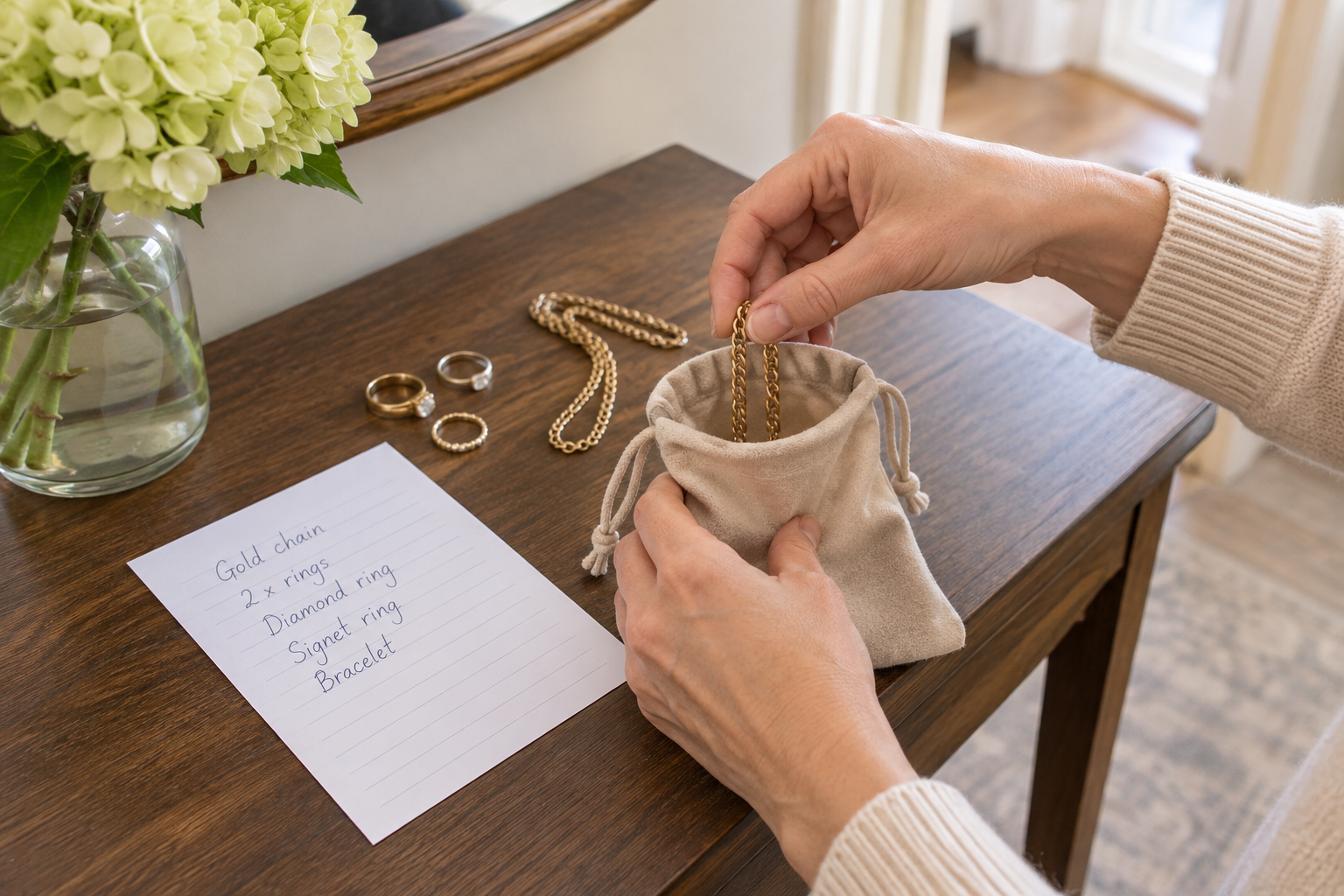
Make a brief inventory before an appointment: record what you believe the item is, its date, its packaging and any obvious damage. Keep receipts or purchase records to hand if you have them. You do not need to guess its authenticity or describe a mark as a fault; simply point out what you can see.
If the coin has unusual packaging, a special finish or appears to be a commemorative issue rather than a standard bullion coin, say so when requesting a valuation. It may be worth seeking a specialist coin opinion as well as a precious-metal offer, because a metal-only quote may not reflect any collector interest.
When comparing the coin with a description, check both sides without rubbing the surfaces. If a detail is difficult to read through the capsule, note that uncertainty rather than forcing the coin out. A clear note of what you could and could not see gives the buyer a useful starting point for the appointment.
3. Estimate the Gold Value Before Asking for an Offer
The spot price is a useful starting point: it is the market price for gold at a given time, not a guaranteed retail selling price. For a straightforward estimate, find a current gold spot price quoted in pounds per troy ounce and apply it to the coin’s stated gold weight. Check the unit carefully: a troy ounce is the precious-metals convention and is not the same as an everyday avoirdupois ounce.
If a price is shown in US dollars, exchange rates affect its sterling equivalent. Prices also move throughout the day. Record the time and source of any reference price, then ask a buyer which rate applies to your quote and how long the offer remains open.
The following table separates the main figures you may encounter. It is a framework for comparing offers, not a promise of a particular payout.
| Figure or factor | What it means | What to ask |
|---|---|---|
| Gold spot price | A changing market reference price, often quoted per troy ounce. | Is the price in pounds and when was it recorded? |
| Indicative metal value | The reference price applied to the coin’s stated gold content, before buyer deductions. | Have I used the correct weight and price unit? |
| Buyer’s offer | The amount the buyer is prepared to pay after assessing the coin. | What rate and deductions are included? |
| Collector interest | Possible additional value for a particular issue or condition; not guaranteed. | Does this offer consider the coin as a collectible? |
| Final payment | The agreed amount paid after any stated conditions are met. | When will it be sent, and are there any fees? |
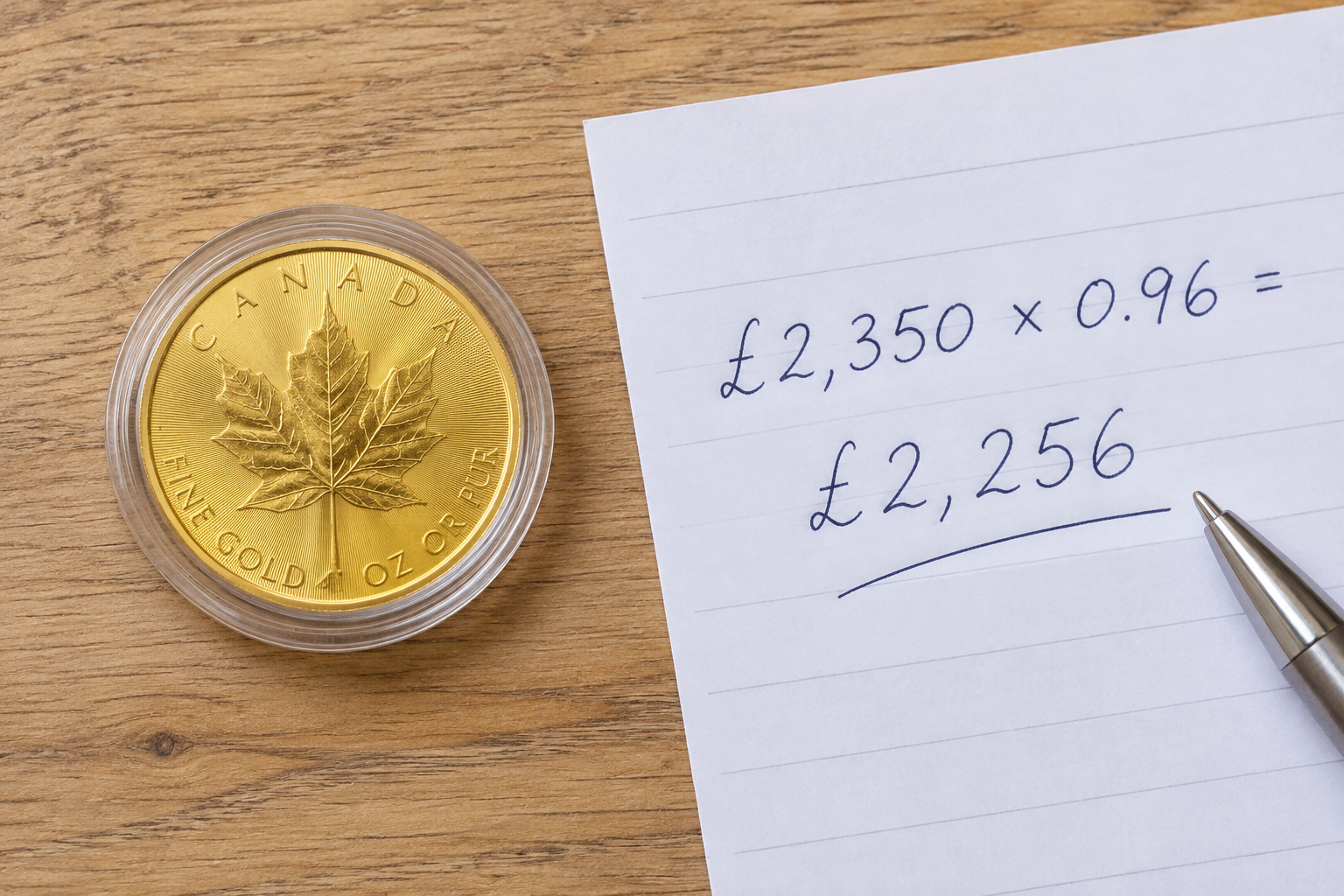
For a hypothetical comparison, suppose you have found a sterling spot price and a buyer gives you a quote later that day. The two figures need not match: the market may have moved, and the buyer’s offer can include a margin. Ask for the offer in pounds, the basis used and any deductions rather than comparing percentages without context.
To make the comparison easier, write down the reference price, the time you checked it and the buyer’s proposed payment side by side. If a quote is conditional, record the conditions too. An estimate based on your description and a final offer following inspection are different stages, so avoid treating them as equivalent.
For another practical perspective on the process, read this UK Maple Leaf selling scenario.
4. What Should You Ask a Buyer Before a Valuation?
A useful quote should tell you more than a headline price. Before arranging an appointment, explain that you have a Canadian Gold Maple Leaf and give the stated weight, date and any details you can see. Ask whether the initial figure is indicative or whether an inspection is needed before a firm offer can be made.
- How is the offer linked to the live gold price, and which rate will be used?
- Will the coin be assessed for any value beyond its gold content?
- Are there inspection, travel, postage or other charges?
- What testing will be carried out, and could it mark the coin?
- How long is the offer valid, and can you decline after inspection?
- When and how will payment be made if you accept?
- What identification is required, and how will your information be handled?
Compare offers on the same basis where possible. An attractive initial estimate may be subject to inspection or a later price change. Conversely, a firm quote made after examination may be more useful than an unqualified estimate. Ask for the amount you would actually receive, including any relevant deductions.
If you contact more than one buyer, give each the same description and ask the same questions about fees and conditions. Note whether each figure includes an assessment of collector interest or only the gold content. This makes it easier to identify differences in the offers rather than assuming the highest initial figure will be the final payment.
Check the buyer’s contact details independently and be wary of pressure to accept immediately. A reputable valuation should allow you to understand the proposed transaction before handing over your coin.
5. Choose a Convenient Way to Sell
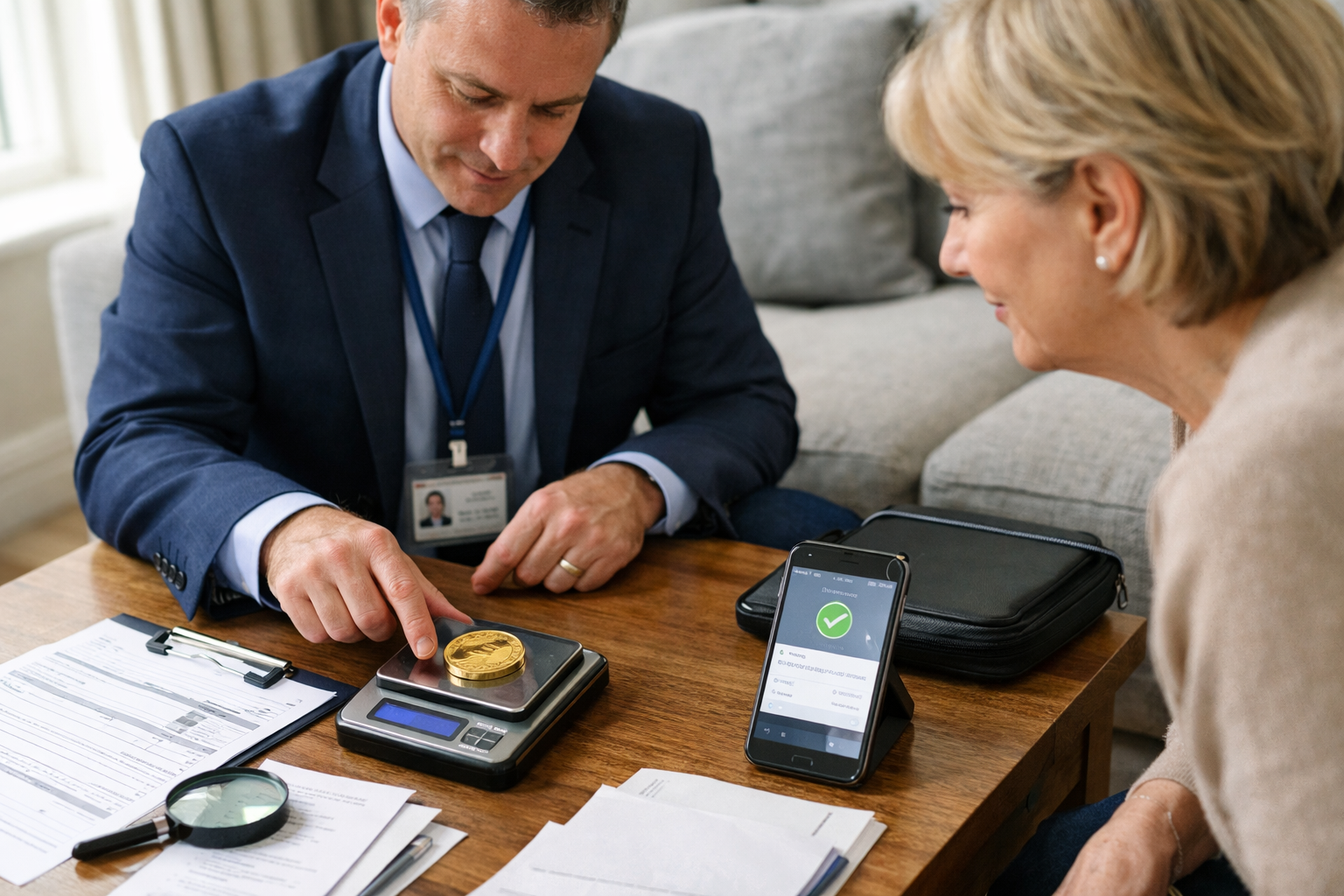
If you would rather not travel to a shop, Gold Buyer offers mobile services, including home visits and local pop-up events, and lists an office in Chesterfield. Availability may depend on your location and the appointment schedule, so confirm the arrangements before relying on a particular service.
A home visit lets you keep the coin with you until the representative arrives. Ask for the representative’s identification and confirm who will attend. Choose a suitable place for the inspection and avoid sharing details about valuables more widely than necessary. You can have someone you trust present if that makes you more comfortable.
A local pop-up may suit you if you prefer to meet away from home. Confirm the venue and opening details directly, and transport the coin discreetly in its protective packaging. Keep it under your control until you are ready for the assessment.
If a visit is not suitable, you can ask about a home selling kit. Before sending anything, check the instructions, delivery and insurance arrangements, how the offer will be communicated, and what happens if you decline it. Do not assume postal cover or return costs: confirm the terms first.
For a postal option, establish which party is responsible for arranging delivery and what information you should keep about the shipment. Ask when you can expect to hear the outcome of the inspection and how you would authorise a sale or request a return. Read the terms before sending the coin, rather than relying on an estimate alone.
Ready to discuss your coin? Book a valuation with Gold Buyer and ask which service is available in your area.
6. Prepare for the Inspection
Bring the coin, its capsule or packaging, and any relevant purchase records. If you have several items, keep them separate and make a list so that each can be discussed. Tell the buyer if you believe a coin might have a special finish or collector value, rather than allowing it to be treated automatically as ordinary scrap.
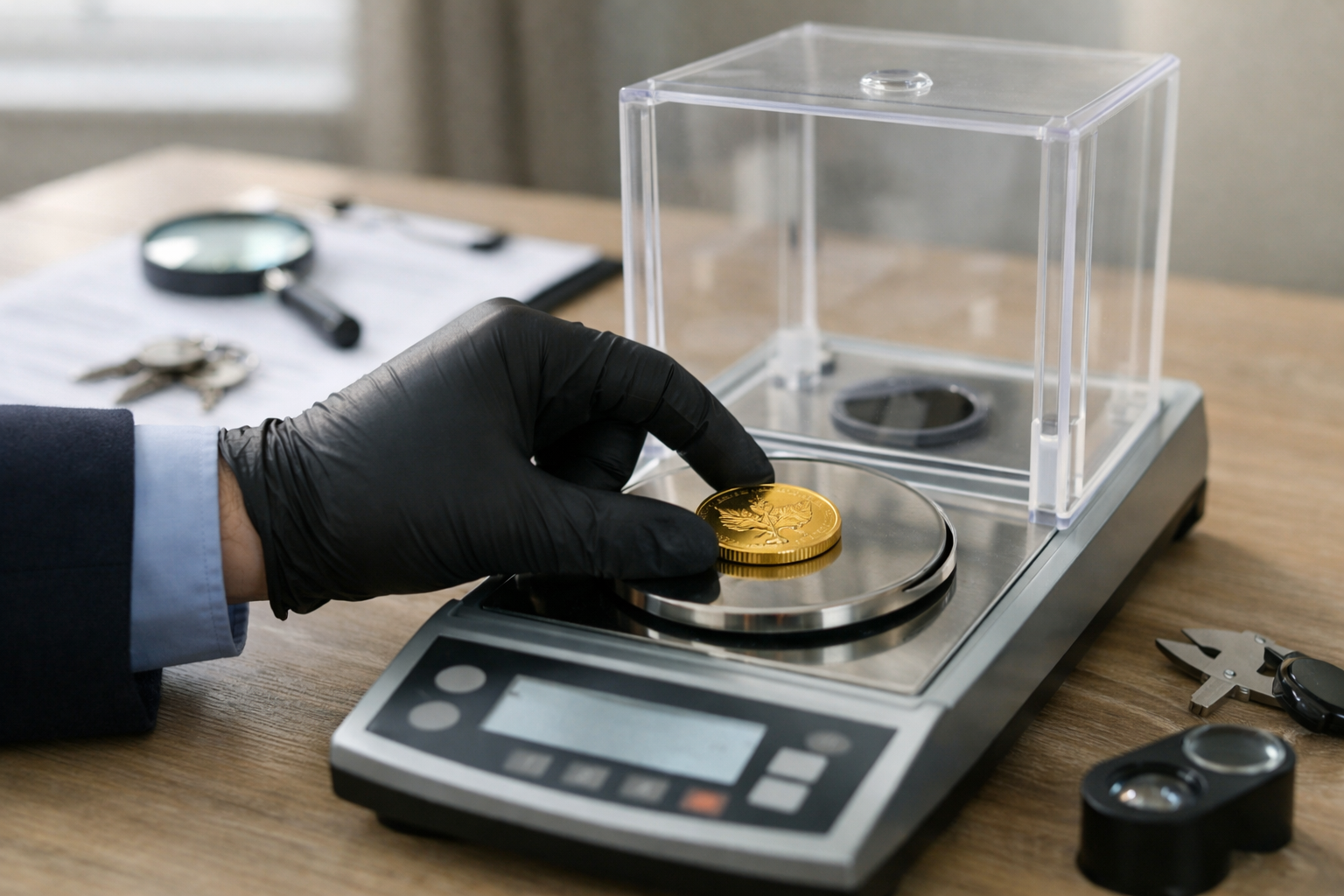
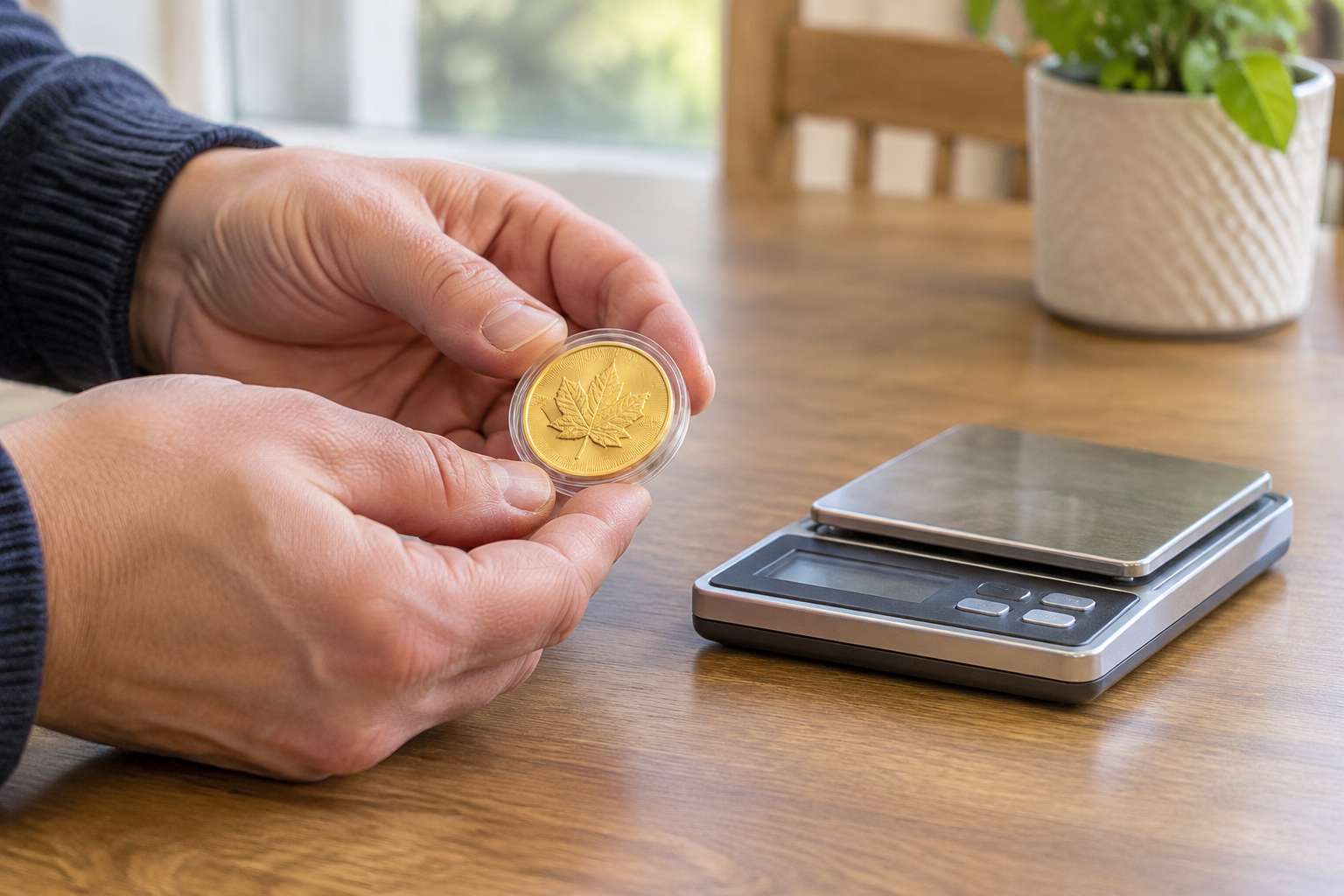
The representative may examine the design, dimensions and weight, and use equipment to help assess the metal. Ask what each test involves before it begins. A visual check alone cannot establish authenticity conclusively, while a buyer may need to complete several checks before making a final offer.
Gold Buyer says its representatives are ID-checked and its valuations are provided on the spot. You can still ask to see identification and confirm the appointment details. Have the identification requested by the buyer ready, but do not send copies to an unverified contact.
If an inspection raises a concern, ask for a clear explanation. You can seek another opinion rather than accepting an assessment you do not understand. Keep any documentation and packaging together if you decide not to sell.
7. Review the Offer and Agree Payment
Once the coin has been assessed, ask for the final amount in pounds and confirm that it covers the item you intended to sell. Check whether the offer has changed from an earlier estimate and, if so, why. A difference may reflect the current market price, the outcome of testing or details that were not available when the estimate was given.
Before accepting, make sure you understand any fees and the payment method. Gold Buyer offers same-day payment by bank transfer. Confirm when the transfer will be initiated and check the destination details carefully. A transfer being initiated is not the same as the funds appearing in your account; ask how the transaction will be recorded and retain the sale documentation.
Do not feel obliged to accept an offer simply because a representative has inspected the coin. Ask what happens if you decline and whether any agreed charges apply. If you want to compare a second quote, note when the first offer expires: a later offer may reflect a different gold price.
Before concluding the sale, check the transaction record against your inventory and the agreed amount. If you are selling more than one item, ask how the payment relates to each item or to the group as a whole. Keep the record somewhere you can find it alongside any purchase documents.
Keep your purchase and sale records. Depending on your circumstances, selling an asset may have tax implications. The government’s Capital Gains Tax guidance explains the general rules; seek professional advice if you are unsure how they apply to your coin.
8. Watch a Coin Identification Demonstration
A visual demonstration can help you understand where to look for the design, stated weight and security details on a Maple Leaf. Check the date and issue shown in any video against your own coin: features can differ, and a video cannot authenticate an individual item.
Use any demonstration as preparation for a professional inspection, not as a substitute for one. Avoid copying a test that could scratch, bend or otherwise damage your coin.
Frequently Asked Questions
Is a Maple Leaf coin worth more than its face value?
Its gold content can make its market value substantially different from the face value printed on it. The amount a buyer offers depends on the current gold market, the coin’s authentication and the buyer’s pricing. Some issues may attract collector interest, so consider a specialist opinion if you think yours is unusual.
Do I need the original packaging to sell?
Not necessarily. A buyer can inspect the coin itself, although original packaging and purchase records may provide useful context. Tell the buyer what you have before the appointment. If the coin is already in a protective capsule, keep it there until the buyer needs to examine it.
Will scratches affect the offer?
Surface marks may matter to a buyer, particularly if the coin is being assessed for resale or collector interest. The effect depends on the item and the buyer’s assessment. Do not try to remove marks yourself; cleaning may cause further damage. Point out anything you have noticed and ask how it affects the quote.
Can I sell other precious metals at the same appointment?
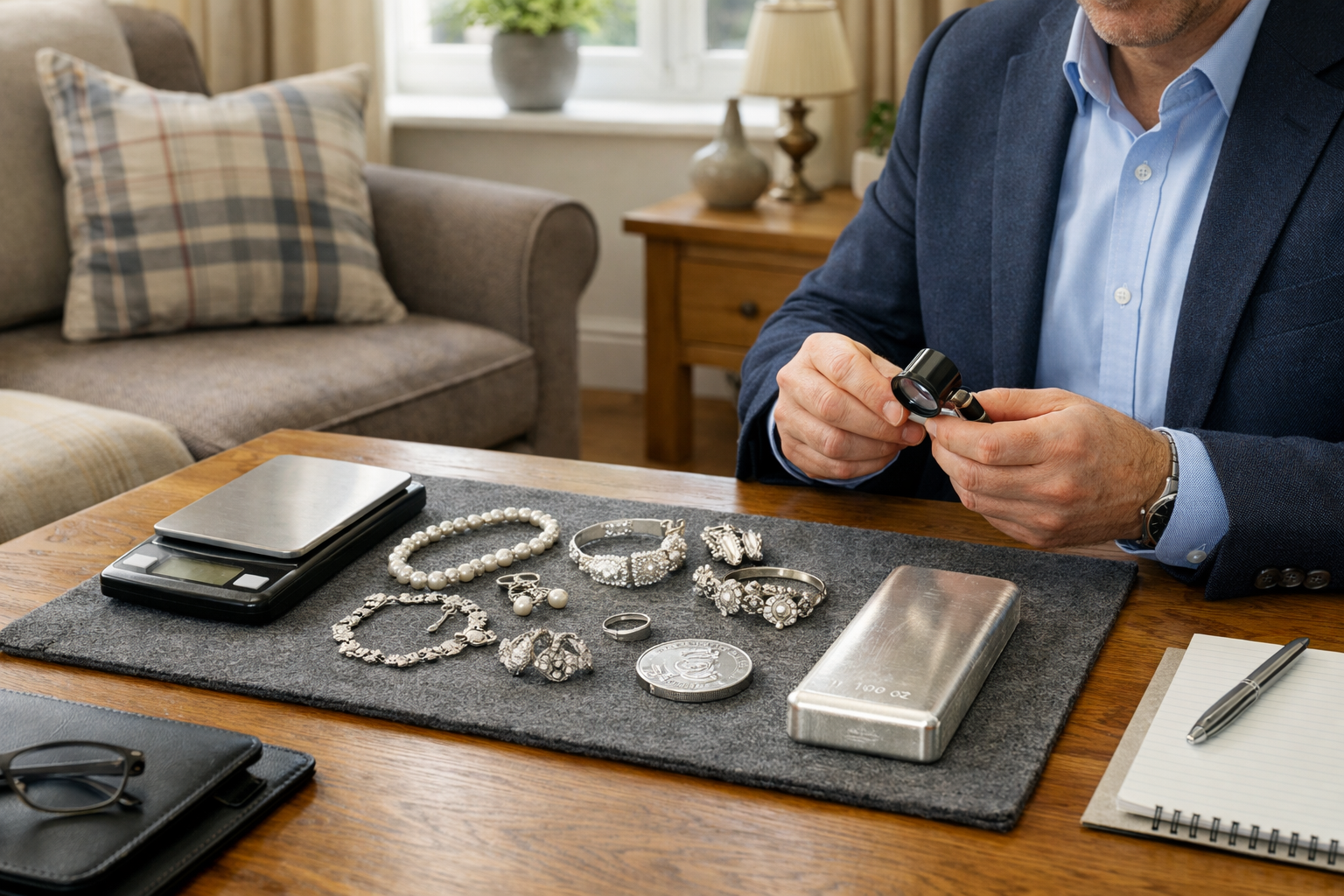
Gold Buyer purchases gold, silver, platinum and palladium items, including jewellery, coins, bullion, scrap and dental gold. Mention all the items you want assessed when booking so the representative can confirm the arrangements. Ask for a clear breakdown if you want to understand the offer for each item separately.
How quickly will I receive payment?
Gold Buyer offers same-day payment by bank transfer when a sale is agreed. Ask when the transfer will be initiated and check the details before accepting. The time at which funds appear can depend on the banking process, so distinguish the payment being sent from it reaching your account.
To find out what your coin may be worth, use the contact link above to arrange a valuation and discuss the available options.