1oz Gold Maple Leaf Coin: What Is It Worth and How Can You Sell It?
A 1oz Gold Maple Leaf coin is generally valued by reference to the current gold price, its gold content and the buyer’s assessment of the coin. The amount you receive will normally differ from the headline market value. A valuation takes account of authenticity, condition and the buyer’s pricing, so ask for a clear offer before agreeing to sell.
If you would rather not visit a shop, Gold Buyer offers home visits and local pop-up events, as well as a home selling kit. You can request a valuation and discuss the available options before deciding how to proceed.
What Determines the Value of a 1oz Gold Maple Leaf Coin?
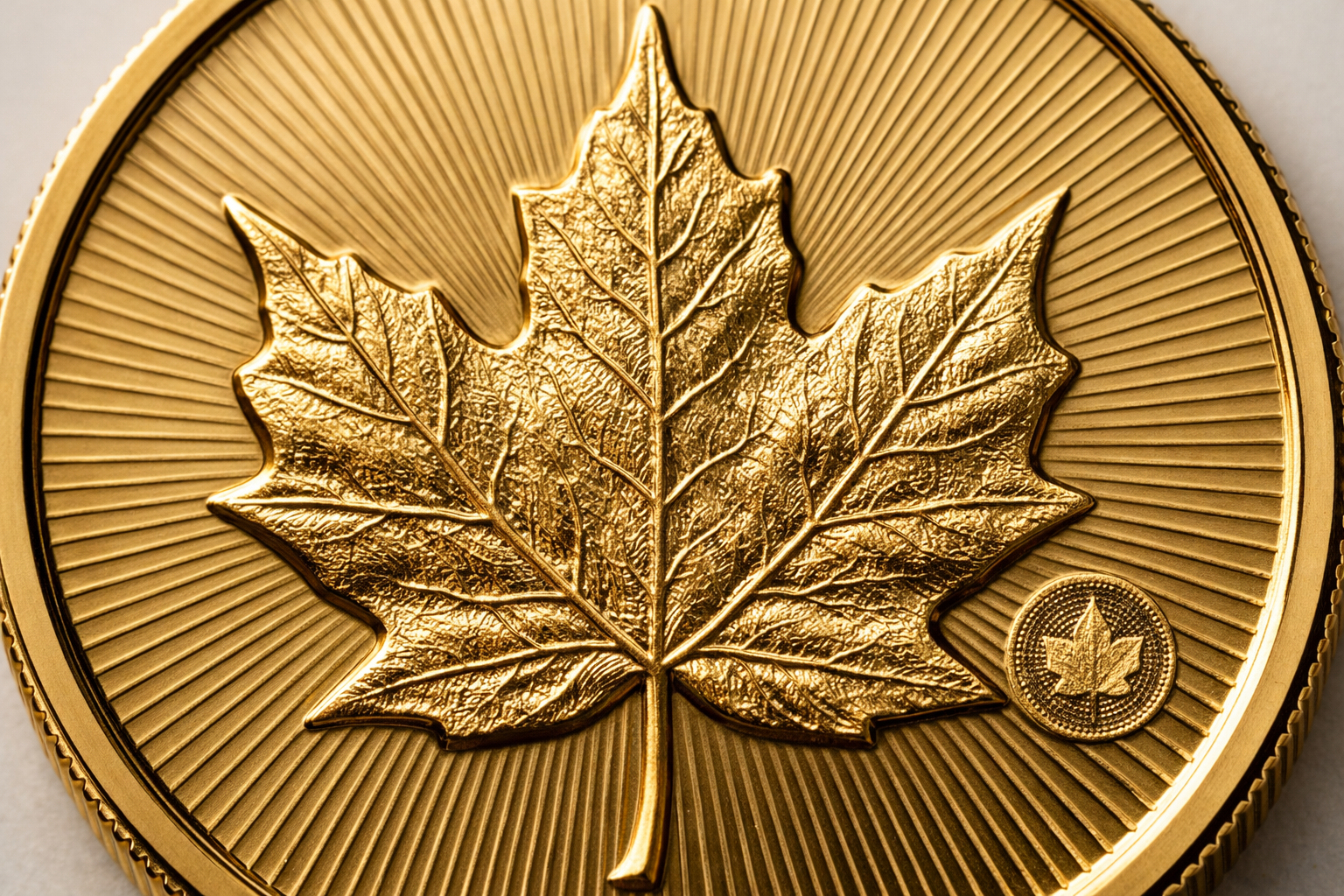
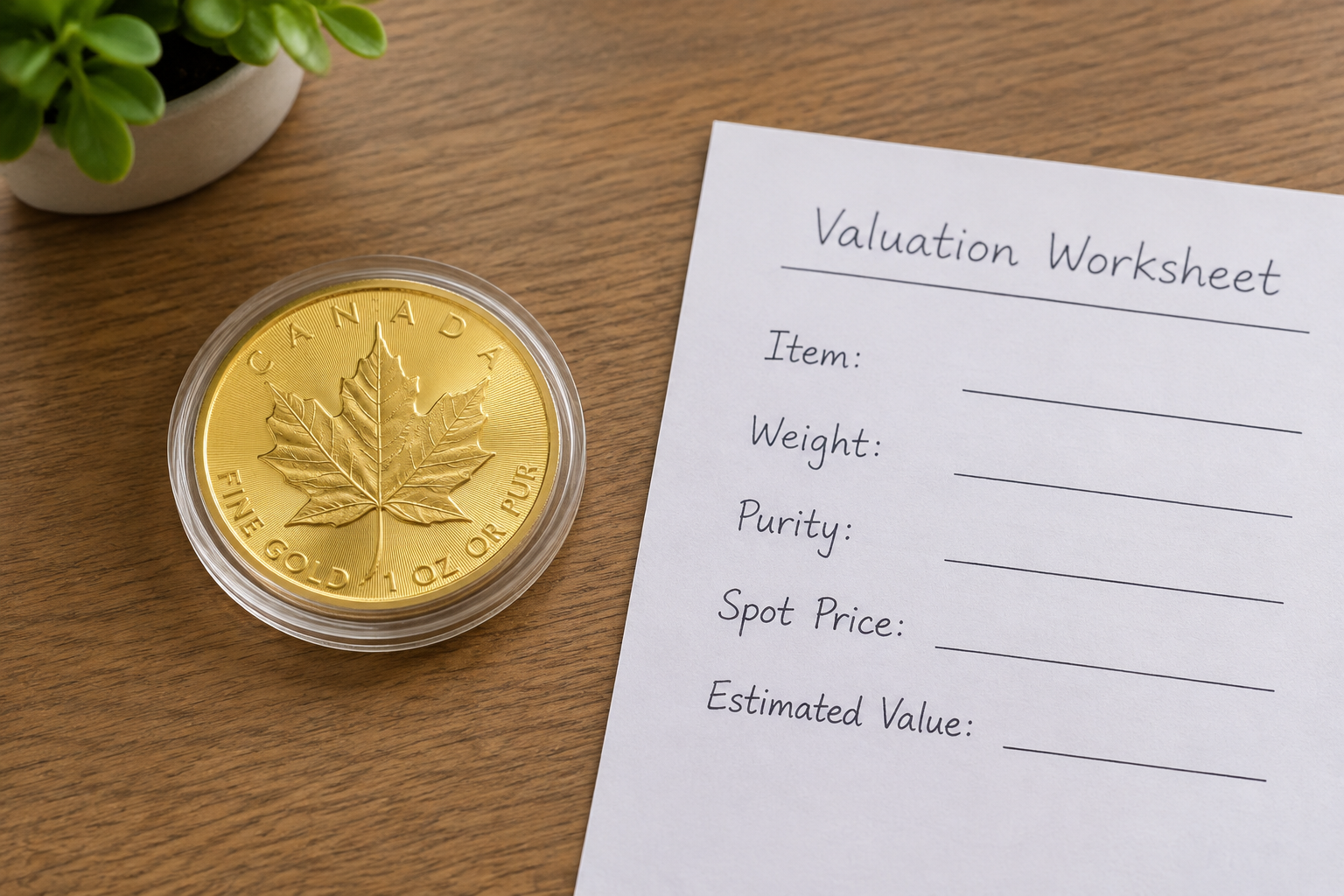
The starting point is the value of the gold in the coin. A standard one-ounce Gold Maple Leaf contains one troy ounce of fine gold. The Royal Canadian Mint’s Gold Maple Leaf information explains the coin’s specifications and features. Check the particular coin you own: the Maple Leaf range includes other weights and editions, and not every coin carrying a maple leaf design is necessarily the standard bullion issue.
The gold price changes throughout the trading day. A UK offer also depends on the sterling price used by the buyer, which can be affected by exchange rates when international prices are quoted in US dollars. A price you checked yesterday, or even earlier today, may not be the price used when your coin is assessed.
When checking a price yourself, make sure it refers to a troy ounce rather than another unit of weight. Note whether it is quoted in pounds or another currency, and record the time alongside the figure. These details help you ask meaningful questions about an offer without mistaking a difference in units or timing for a difference in the buyer’s assessment.
Gold content is not the same as the cash offer. A buyer may allow for testing, handling, market movement and the costs of reselling or refining. An authentic bullion coin may also have a resale value beyond its melt value, but whether a buyer pays for that potential depends on the coin and their market.
Keep these distinctions in mind:
- Market reference: a quoted gold price for a specified weight and time.
- Metal value: the reference price applied to the coin’s fine-gold content.
- Purchase offer: the amount a buyer is prepared to pay you after assessing the item.
- Retail asking price: the price a dealer charges a purchaser, which is not necessarily what that dealer will pay a seller.
For a reputable market reference, consult the London Bullion Market Association’s precious metal prices. Check the currency, unit and timing of any figure before comparing it with an offer.
How Is a Coin Offer Calculated?
A useful way to understand an offer is to work from the reference value towards the actual payment. The following table is a pricing framework, not a live quote or a promise of a particular deduction.
| Pricing component | What it means | What to ask |
|---|---|---|
| Gold reference price | The buyer’s chosen gold price at a stated time, expressed in a stated currency and unit. | Which price and time are you using? |
| Fine-gold content | The amount of pure gold attributed to the assessed coin. | Have you confirmed the weight and type? |
| Condition and authenticity | Checks that may influence whether the coin can be resold as bullion or needs further assessment. | Is anything affecting the offer? |
| Buyer’s pricing | The difference between the reference metal value and the buyer’s offer, including any commercial costs or margin. | What is the final amount payable? |
| Payment | The method and timing agreed if you accept. | When will the transfer be made, and are there any fees? |
For a hypothetical illustration, call the current sterling value of one troy ounce of fine gold G . If a buyer offers a stated proportion of that value, the initial calculation is G multiplied by that proportion. The amount you actually receive is the agreed offer after any disclosed charges. This example uses no assumed gold price or purchase percentage; both must be established when you seek a quote.
To use that framework in practice, first confirm that the buyer has identified the coin as the one-ounce issue. Then ask for the sterling reference and the amount offered for the coin. If a charge is quoted separately, ask for the net payment as well. Write down whether the figure depends on further checks or a future price, so you can distinguish an estimate from terms you can actually accept.
Ask whether the figure is indicative or final. An indicative quote may depend on inspection and a later market price. A final offer should state the amount you will receive and any conditions, allowing you to decide whether to proceed.
Why Can Offers Differ Between Buyers?
Two buyers can assess the same coin differently without either using the wrong gold price. They may take their reference prices at different times, operate different resale channels or make different allowances for risk and overheads. A buyer who regularly handles bullion coins may view a recognisable coin differently from a buyer whose usual route is refining mixed scrap.
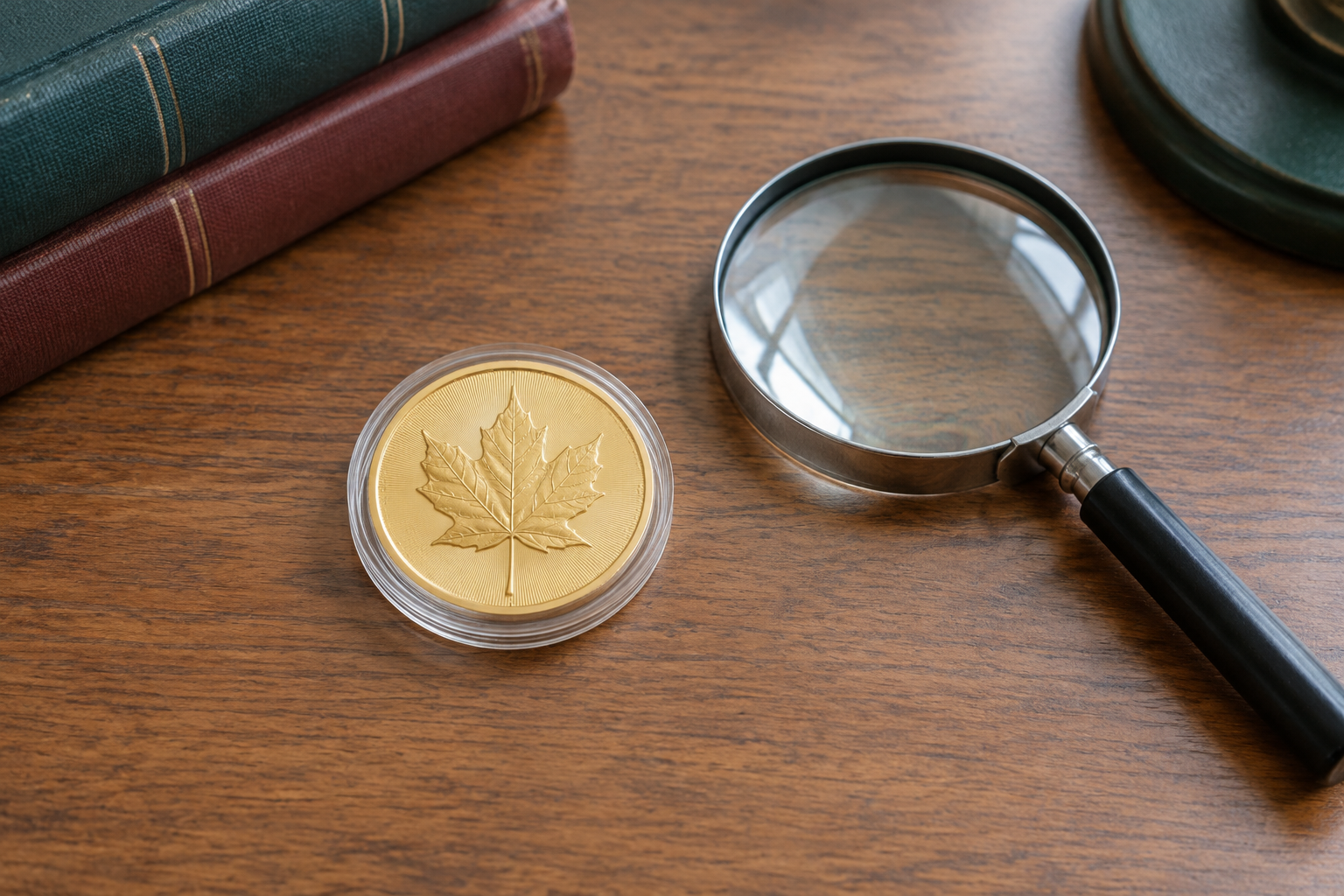
Condition can matter too. Marks, damage or signs of cleaning may make a coin less attractive to a future purchaser, even though they do not automatically change the amount of gold it contains. A buyer who sees an unusual date, finish or packaging may need more time to establish whether it is an ordinary bullion coin or a distinct issue.
When comparing offers, make the comparison like for like. Note the date and time, whether the buyer has seen the coin, the exact amount offered and any charges. A seemingly higher initial figure is less useful if it is subject to undisclosed deductions or depends on an inspection that has not yet taken place.
For example, if one buyer gives an estimate from your description and another gives an inspected offer, ask what could change the estimate before treating the figures as equivalent. If the quotes were made at different times, check whether the reference price has moved. You can also ask each buyer how long their offer remains available and whether payment or delivery costs affect the amount you receive.
Do not assume that the most convenient option is automatically the best-priced one, or that a shop window’s selling price is a realistic buying price. Consider the complete arrangement: the net offer, how the coin is handled, the identity of the buyer and the payment process.
Does Condition or Packaging Add Value?
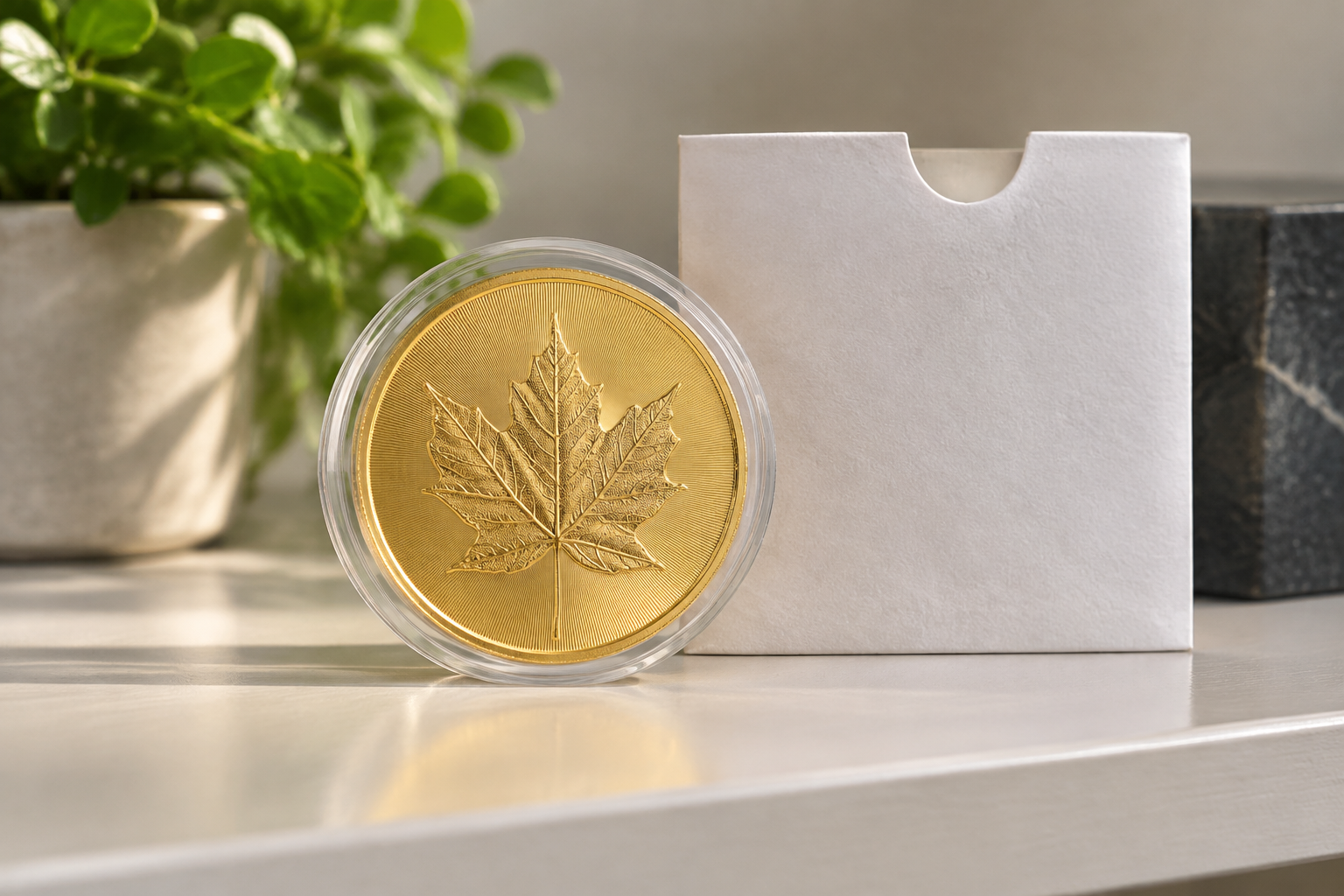
A standard bullion coin is often bought primarily for its gold content and recognisability. Nevertheless, good condition can help a buyer assess and resell it. Original packaging or relevant paperwork may be useful context, particularly if the coin is part of a special issue, but neither guarantees a higher offer.
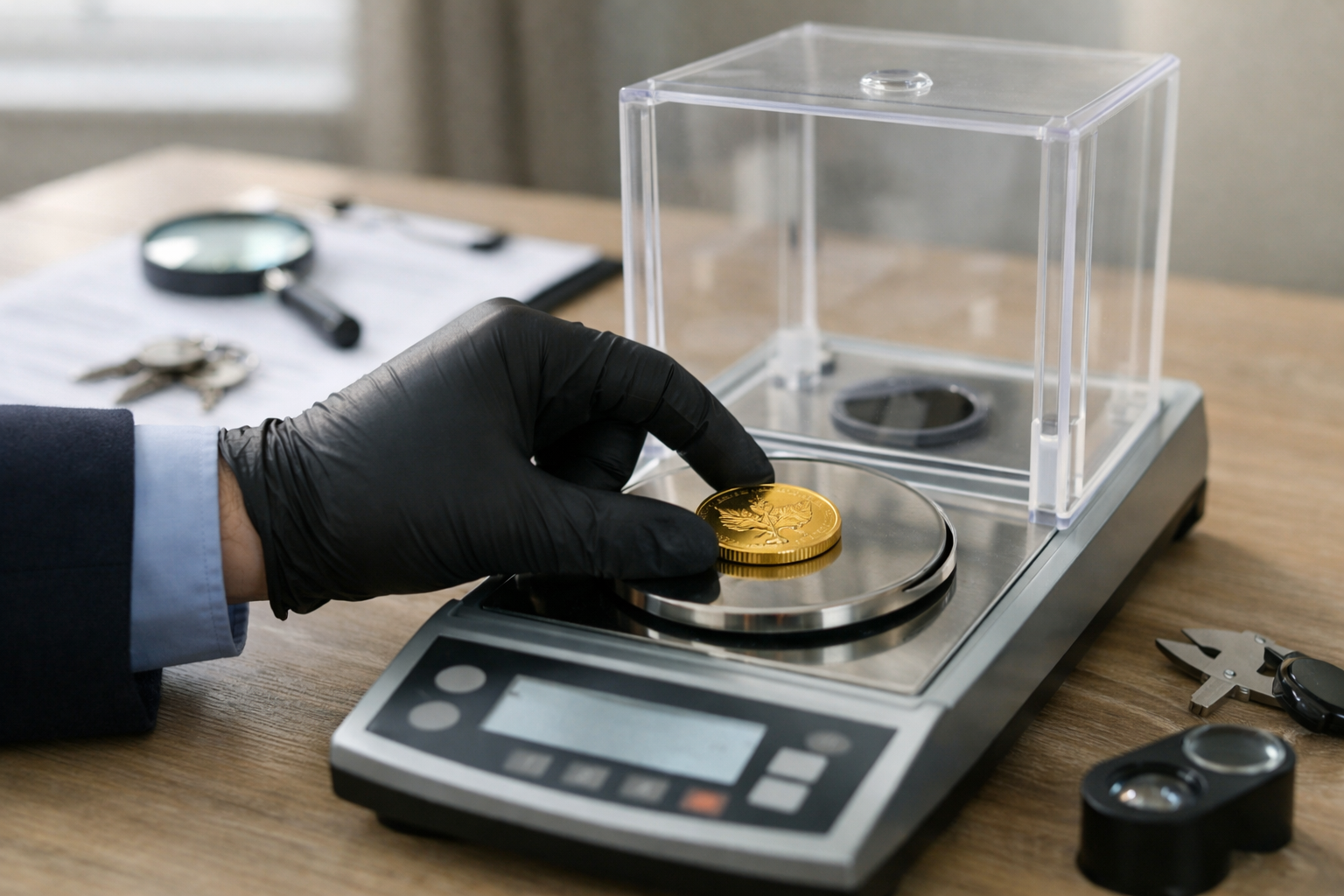
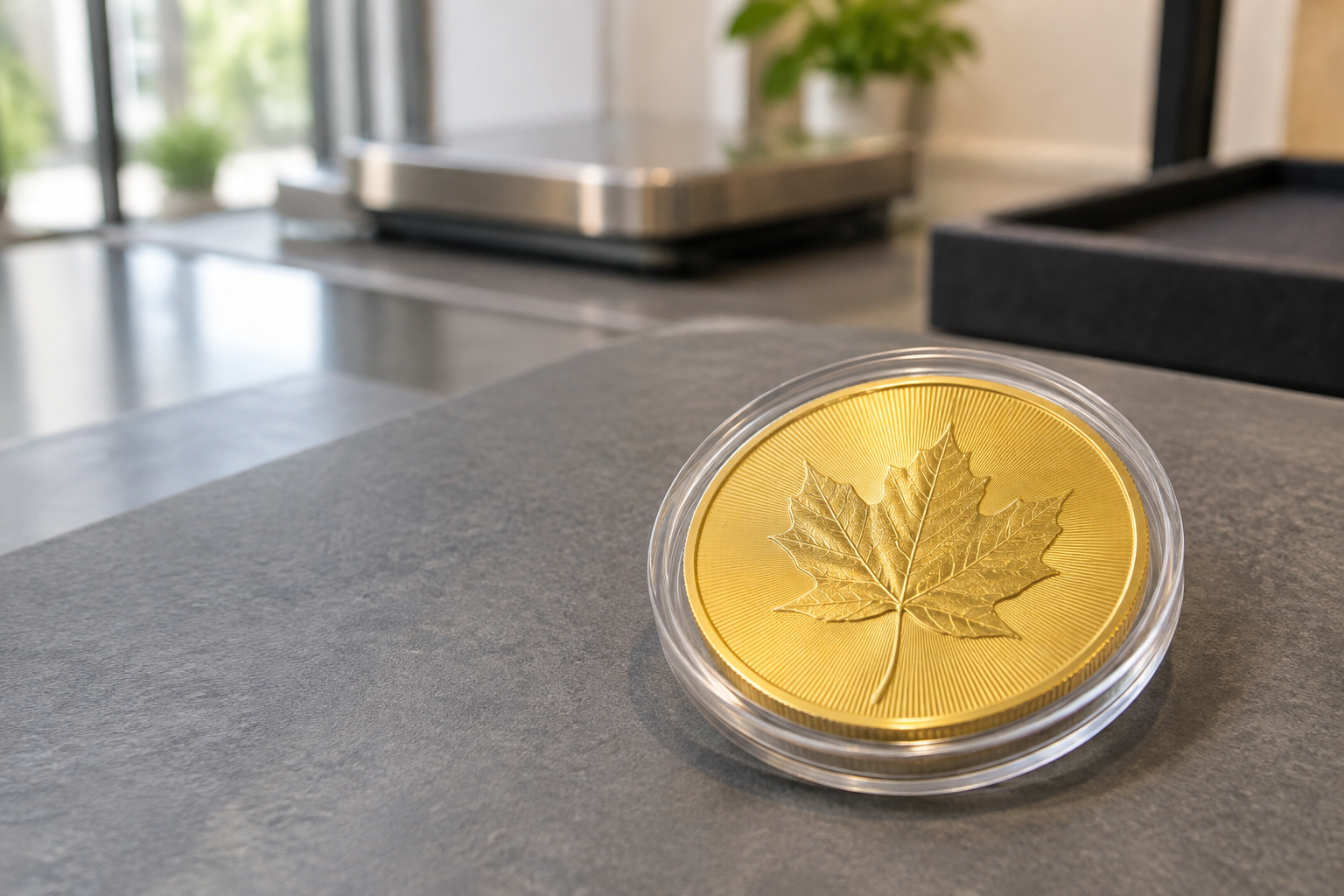
Leave the coin in its capsule if it has one, and avoid polishing it. Cleaning can leave marks or change the surface. If a buyer needs a closer look, ask how the coin will be handled and whether you can remain present during the inspection.
Separate a possible collector value from the bullion calculation. A proof or limited issue may need specialist assessment; rarity, demand and condition all matter. If you think your coin might be unusual, describe it accurately and consider seeking an independent specialist opinion before accepting an offer based solely on metal content.
When describing a possible special issue, distinguish what you can read on the coin or paperwork from what you are unsure about. A photograph of the packaging and the visible design can help frame a question, but it should not replace an examination. Ask a specialist what information they need and whether their assessment considers both bullion and collector interest.
- Check the denomination, date and design without scraping or cleaning the surface.
- Keep any original packaging and purchase records together with the coin.
- Do not rely on packaging alone as proof of authenticity.
- Tell the buyer if you believe the coin is a proof or special edition.
How Can You Prepare for a Valuation?
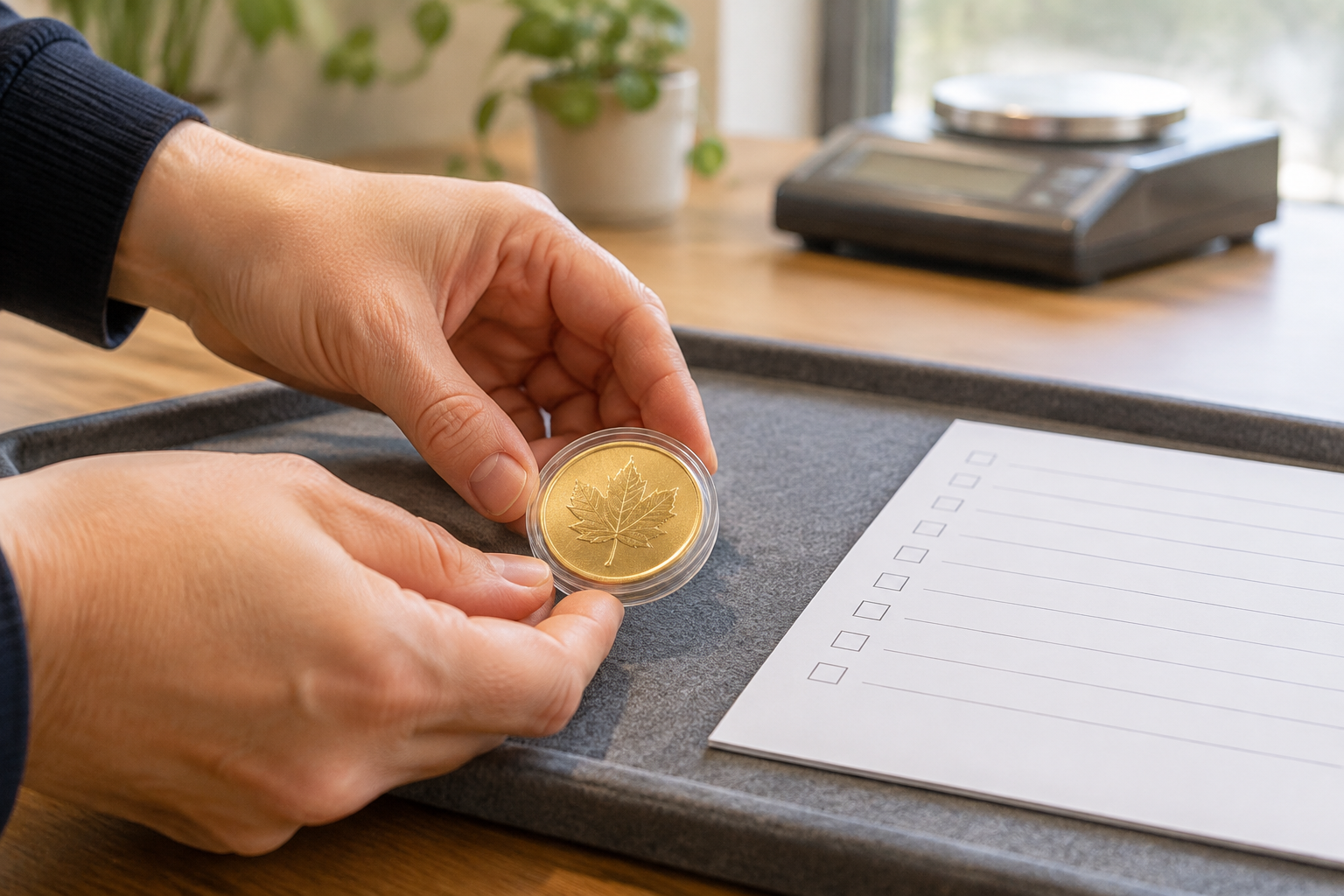
Start by identifying what you have as closely as you can. Read the visible inscriptions and note the date, denomination and stated gold weight. If you own several coins, list them individually rather than assuming they are identical. Photographing each one for your own records can also help you keep track of what you present.
Gather any purchase receipt or packaging, but do not worry if these are missing. The buyer will still need to assess the coin itself. Avoid sharing unnecessary personal information in photographs, and ask how the buyer wants you to describe the item when arranging the appointment.
Your list can also make it easier to check that everything presented is accounted for at the end of the appointment. Note any visible marks without attempting to remove them. If a coin is difficult to identify through its holder, leave it protected and ask the buyer how they would prefer to inspect it rather than forcing the packaging open.
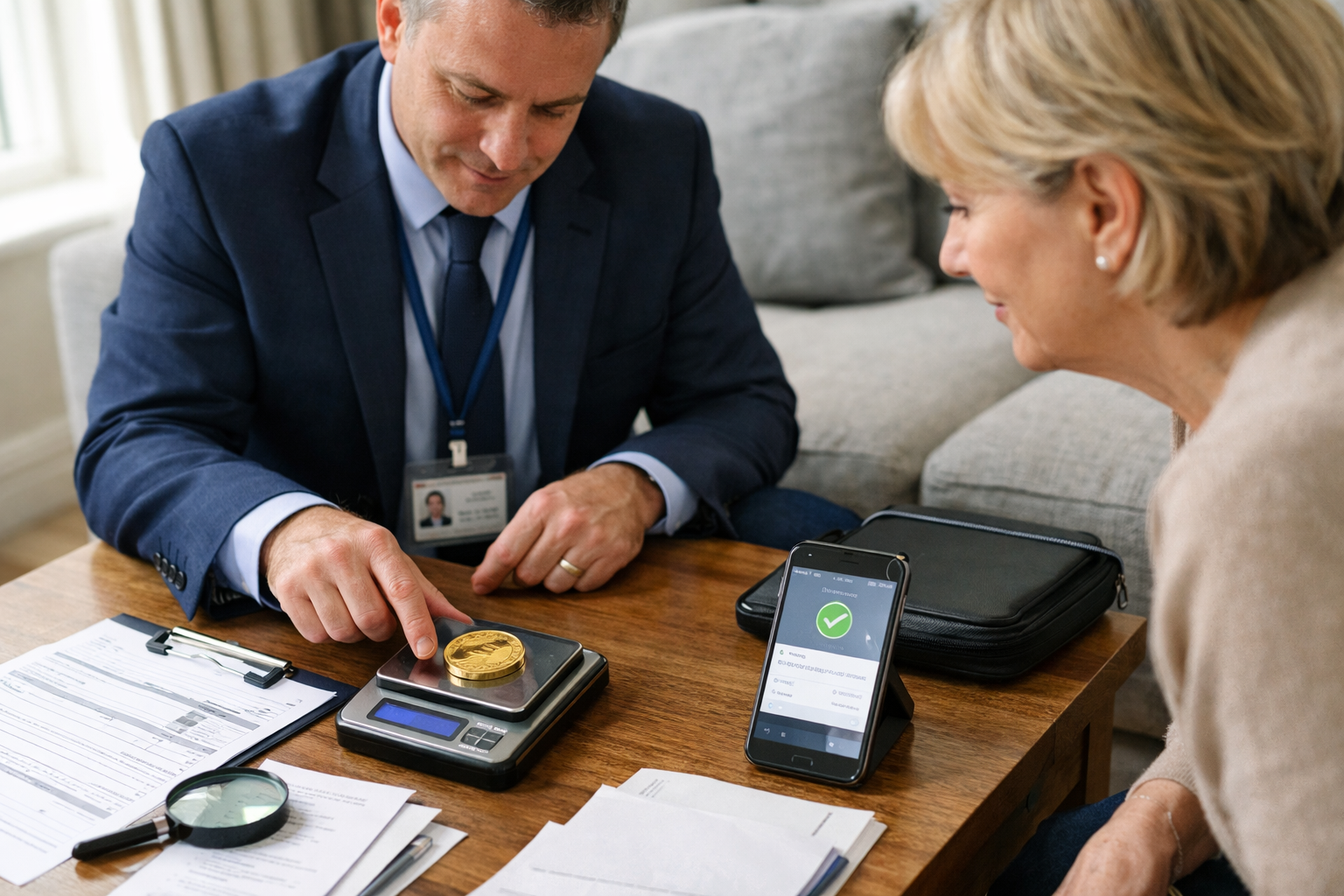
Before a home visit, confirm who will attend, what identification they will show and where the assessment will take place. Gold Buyer says its representatives are ID-checked and offer discreet visits. You can also ask whether a local pop-up event or home selling kit is available and how each option works.
Prepare a short list of questions about the reference price, the inspection and the final offer. You do not need to decide in advance that you will sell: understanding the proposed terms first is a sensible part of the process. Ask what happens if you choose not to accept.
Book a valuation with Gold Buyer to discuss your coin, appointment options and the information to have ready.
What Happens When You Accept an Offer?
At an in-person appointment, the representative can inspect the coin and explain the valuation. Ask to see the final amount before agreeing, and clarify whether it covers the coin alone or other items you have presented. If you are selling several pieces, an itemised explanation can make the offer easier to understand.
Before agreeing, check that the stated total matches your understanding of the items being sold. If you want to keep any piece, make that clear and ask for the offer to be revised. Confirm any conditions attached to the amount and retain the transaction information you are given, including the agreed payment method and the buyer’s details.
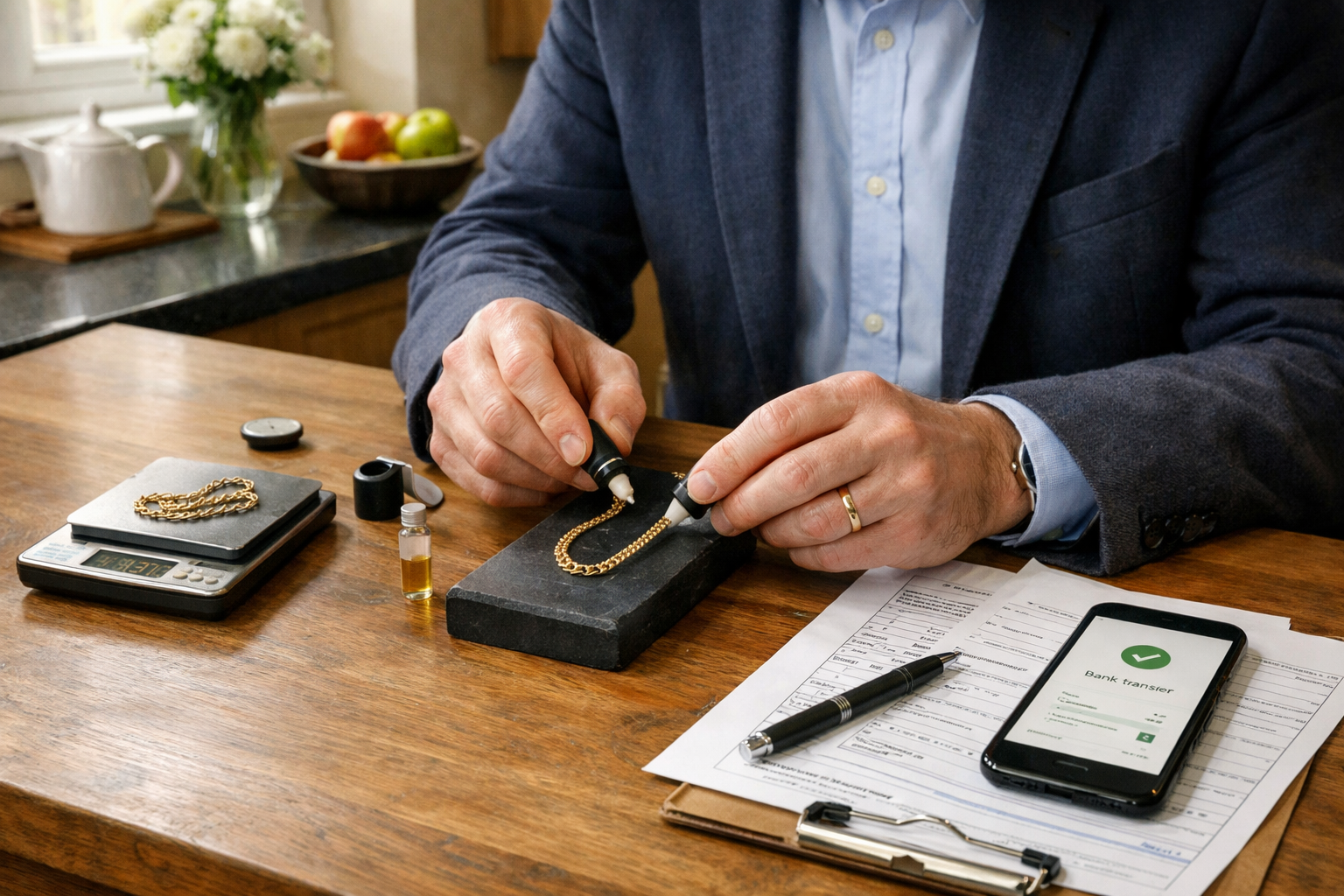
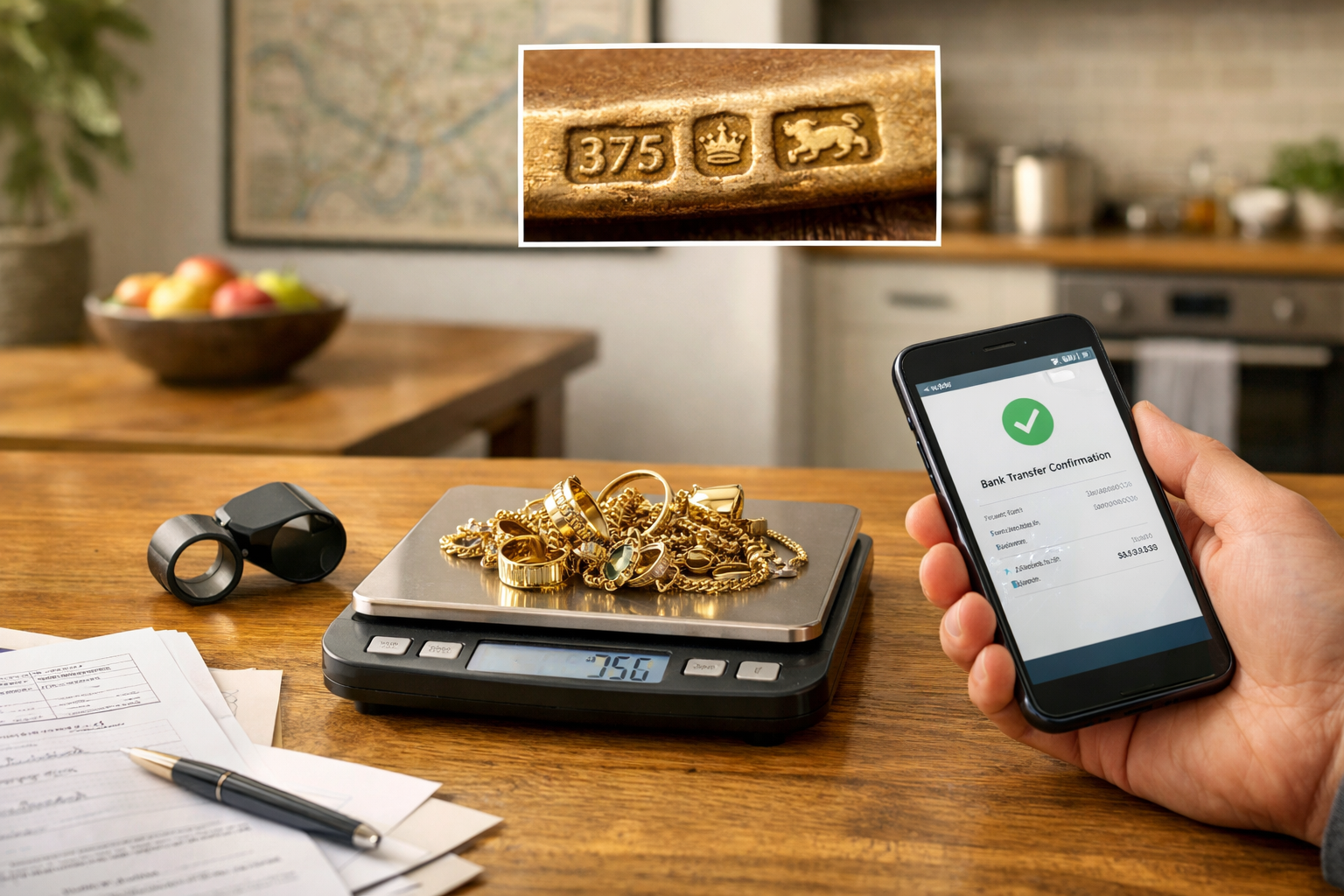
Gold Buyer offers on-the-spot valuations and same-day payment by bank transfer when a sale is agreed. Confirm the payment details and process directly with the representative. Keep a record of the agreed transaction, and check your account through your usual banking channel rather than relying solely on a message or screenshot.
If you use a home selling kit instead, ask for the relevant instructions, delivery arrangements and valuation terms before sending anything. In particular, establish how your coin is protected in transit, when you will receive an offer and what happens if you decline it. Do not assume that the timing or process for an in-person appointment is identical to a postal transaction.
For a postal transaction, clarify who arranges and pays for return delivery if you decline, and what steps are involved. Keep your own description and photographs of the item together with the delivery information. Read the instructions before packing the coin, and ask about anything unclear before sending it.
Where Can You Learn More Before Selling?
Understanding the type of coin you own can make a valuation conversation more productive. Read this practical walkthrough of selling a Maple Leaf gold coin for a closer look at the steps involved.
If you are comparing a Maple Leaf with other bullion in your collection, the guide to selling Gold Britannia coins explains considerations for another widely held coin. Different coins can have different specifications, so avoid applying one coin’s weight or purity to another without checking.
For a visual introduction, search for a demonstration of how the coin is identified and handled. Treat videos as background information rather than proof that your own coin is genuine or worth a particular amount.
Watch: Understanding the Gold Maple Leaf
A video can help you recognise the design and learn which details to discuss with a buyer. Check the date and source of any pricing information, as an older video cannot provide a current offer.
Frequently Asked Questions
Is a Maple Leaf worth the same as one ounce of gold?
The fine gold in a standard one-ounce bullion coin provides a reference point for its metal value, but the amount a buyer pays can be higher or lower than a simple reference calculation. The offer depends on the buyer’s pricing and assessment. Ask for the live reference used and the final amount payable.
Can I sell a coin without its original packaging?
Missing packaging does not necessarily prevent a sale. A buyer will need to examine the coin and may ask about its history. Keep any receipt or documentation you do have, and mention missing packaging when arranging the valuation. If the coin is a special edition, packaging may be relevant to a collector’s assessment.
Should I clean the coin before the appointment?
No. Cleaning or polishing can leave marks that affect its appearance and may make it less attractive to a future purchaser. Keep it in its existing protective capsule where possible. If it needs to be removed for inspection, discuss handling with the buyer rather than trying to improve its appearance yourself.
Can I sell other precious metals at the same time?
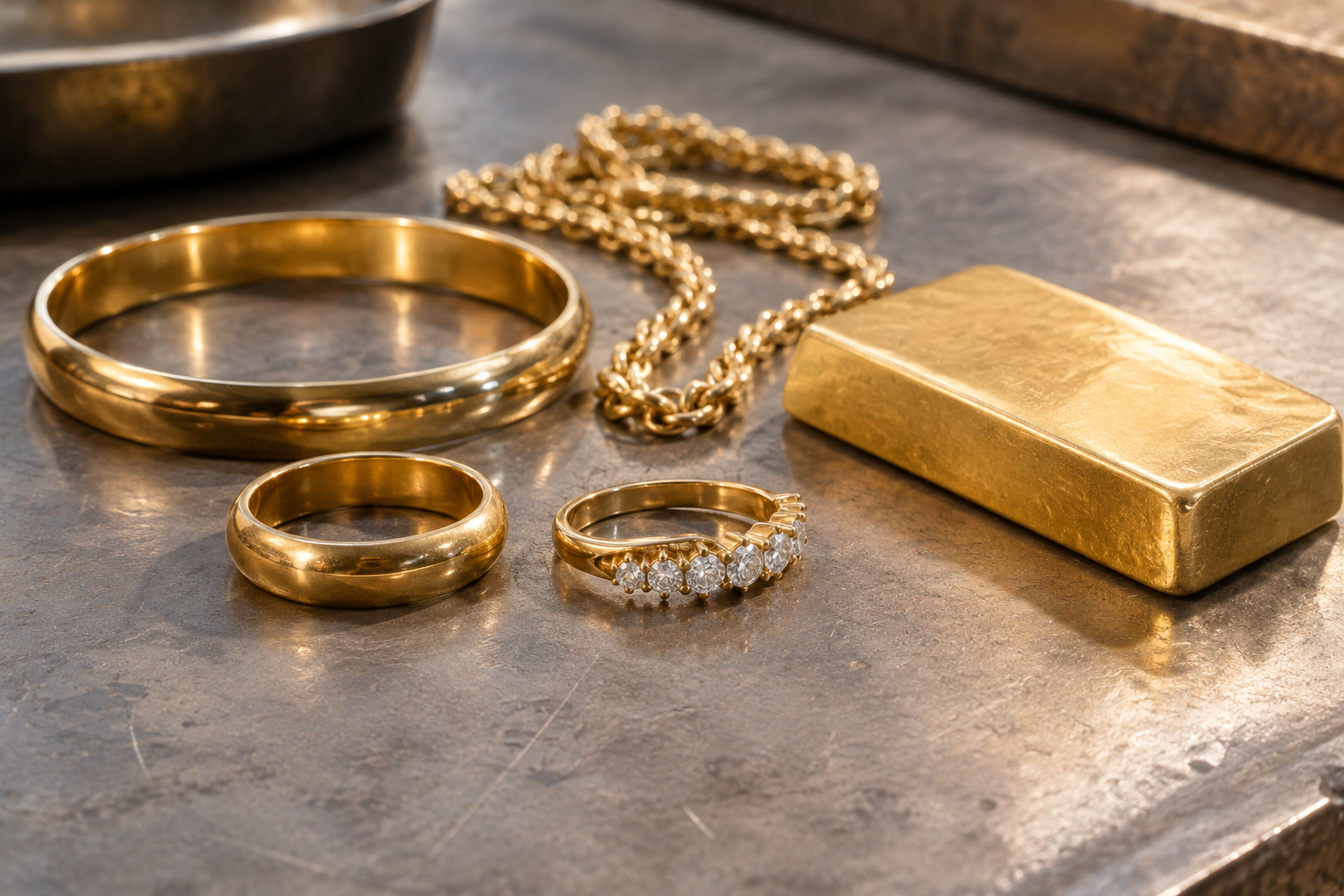
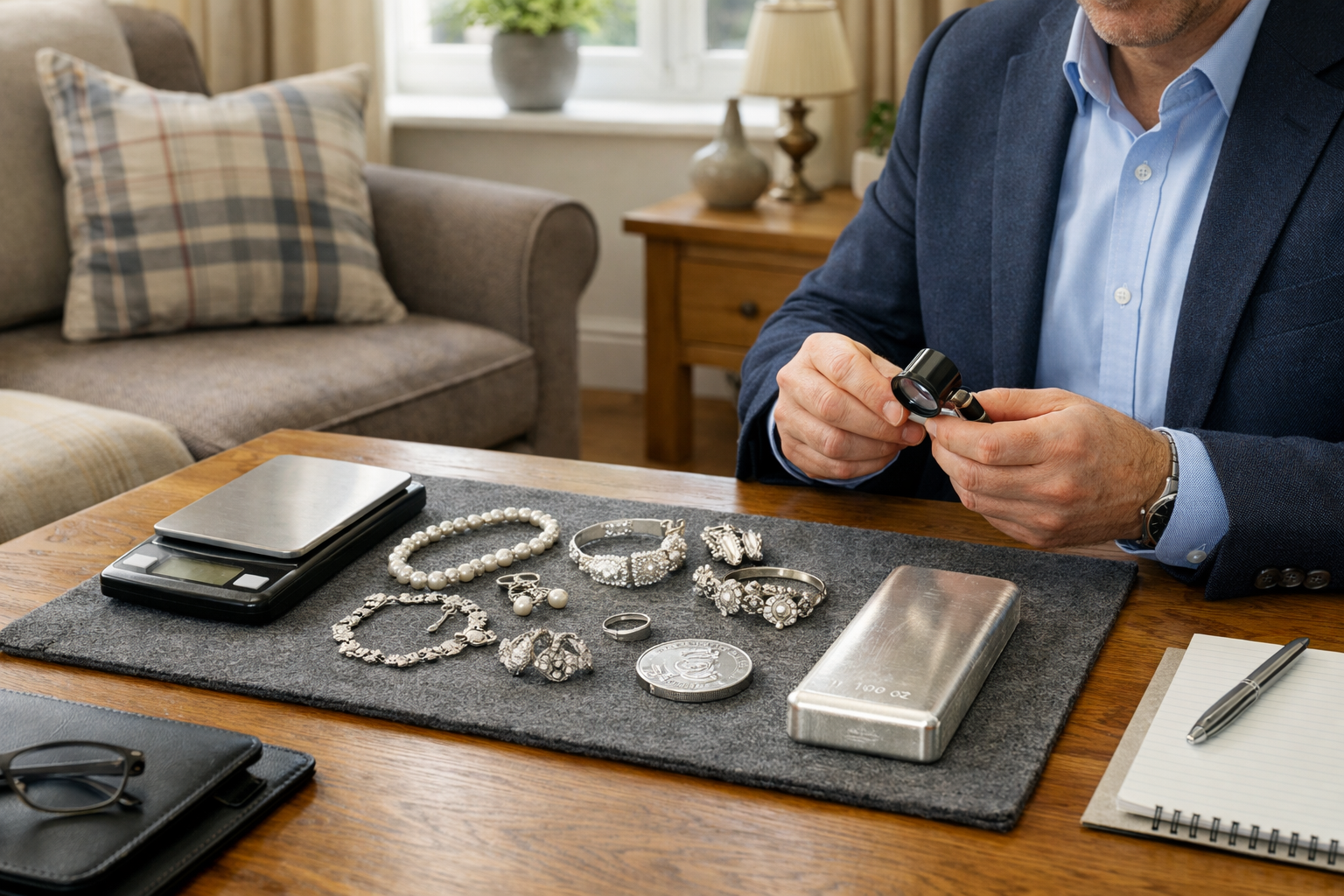
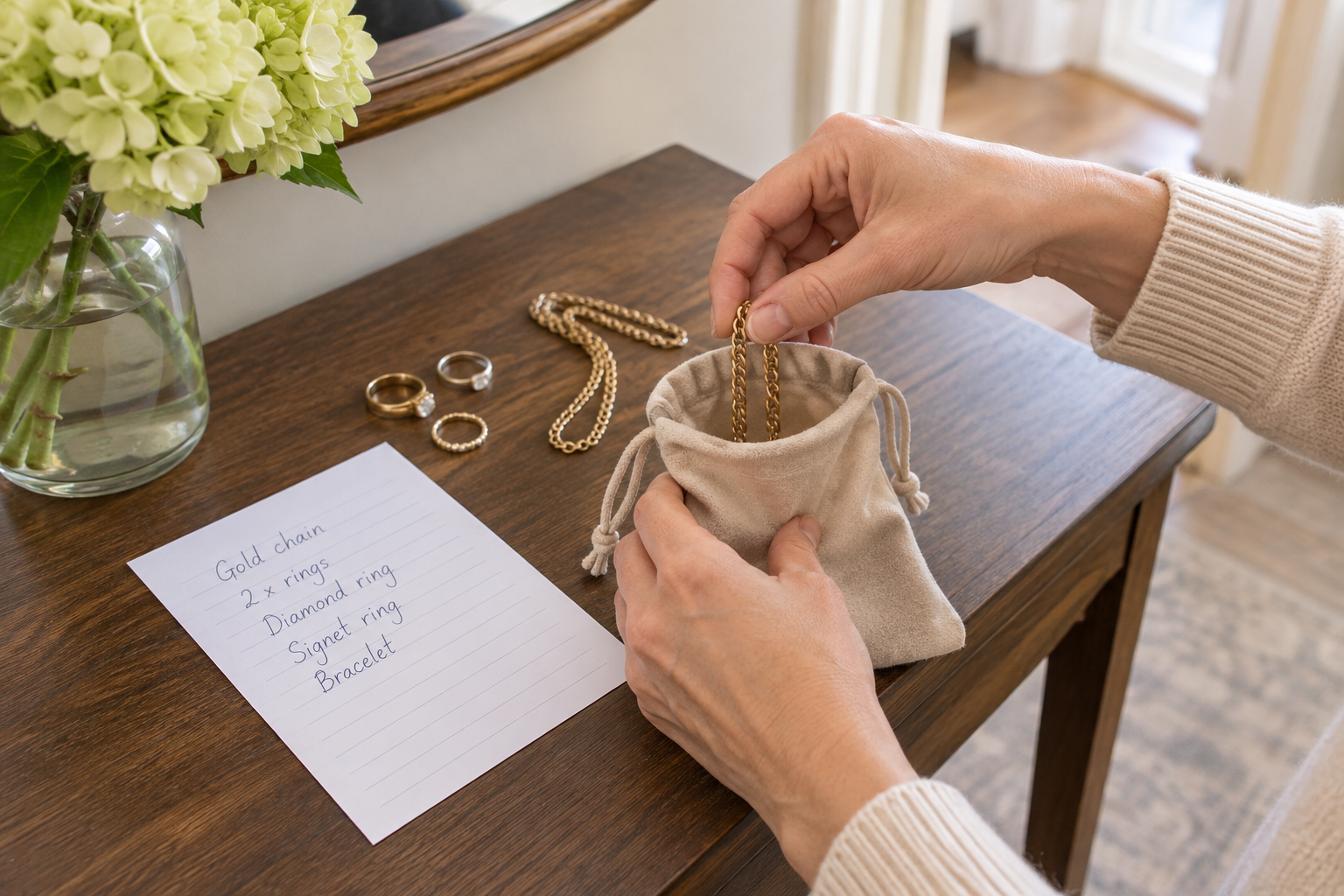
Gold Buyer purchases a range of gold, silver, platinum and palladium items, including jewellery, coins, bullion, scrap and dental gold. Tell the team what you would like assessed when arranging the appointment. Ask for an explanation of the offer for each item or group so that you understand the overall amount.
How quickly will I receive payment?
For an agreed sale, Gold Buyer offers same-day payment by bank transfer. Confirm the timing and payment procedure for your chosen service before proceeding, particularly if you are considering a home selling kit rather than an in-person valuation. Your bank’s processing arrangements may also affect when you see funds.
Ready to find out what your coin may be worth? Arrange your Gold Maple Leaf valuation and ask about the most convenient selling option.