
Alton Gold Buyers: How to Sell Precious Metals Safely
If you are looking for alton gold buyers, you can compare local selling options with a mobile valuation or a home selling kit. Gold Buyer purchases gold and other precious metals and offers home visits and pop-up events. Contact the team to check availability in your part of Alton and discuss the most convenient way to sell.
What Are Your Options for Alton Gold Buyers?
A convenient sale does not necessarily mean taking jewellery to a high street shop. Depending on availability, you may be able to arrange a representative’s visit, attend a local pop-up event or request a home selling kit. The right choice depends on where you live, what you are selling and whether you would prefer to be present when the items are assessed.
Gold Buyer lists an office in Chesterfield and offers mobile services, but that does not establish that every service is available in Alton on every date. When making an enquiry, give your postcode and ask about travel arrangements, upcoming events and the home kit. If you mean an Alton outside Hampshire, make that clear as well.
A home visit can be useful when you have several items or find it difficult to travel. A pop-up may suit you if an event is taking place nearby. A kit offers another route for those who would rather not arrange a visit, although you should check its terms and timescales before sending anything.
Whichever route you choose, ask how the assessment works, when an offer becomes final and what happens if you decide not to sell. Convenience matters, but you should still have enough information to make an unhurried decision.
When comparing routes, think about what you need from the appointment as well as how quickly it can be arranged. If you want to ask questions as each item is examined, check whether the process allows that. If you have a mixed collection, describe the different metals and item types in advance rather than assuming one appointment or kit will cover everything.
What Can You Sell?
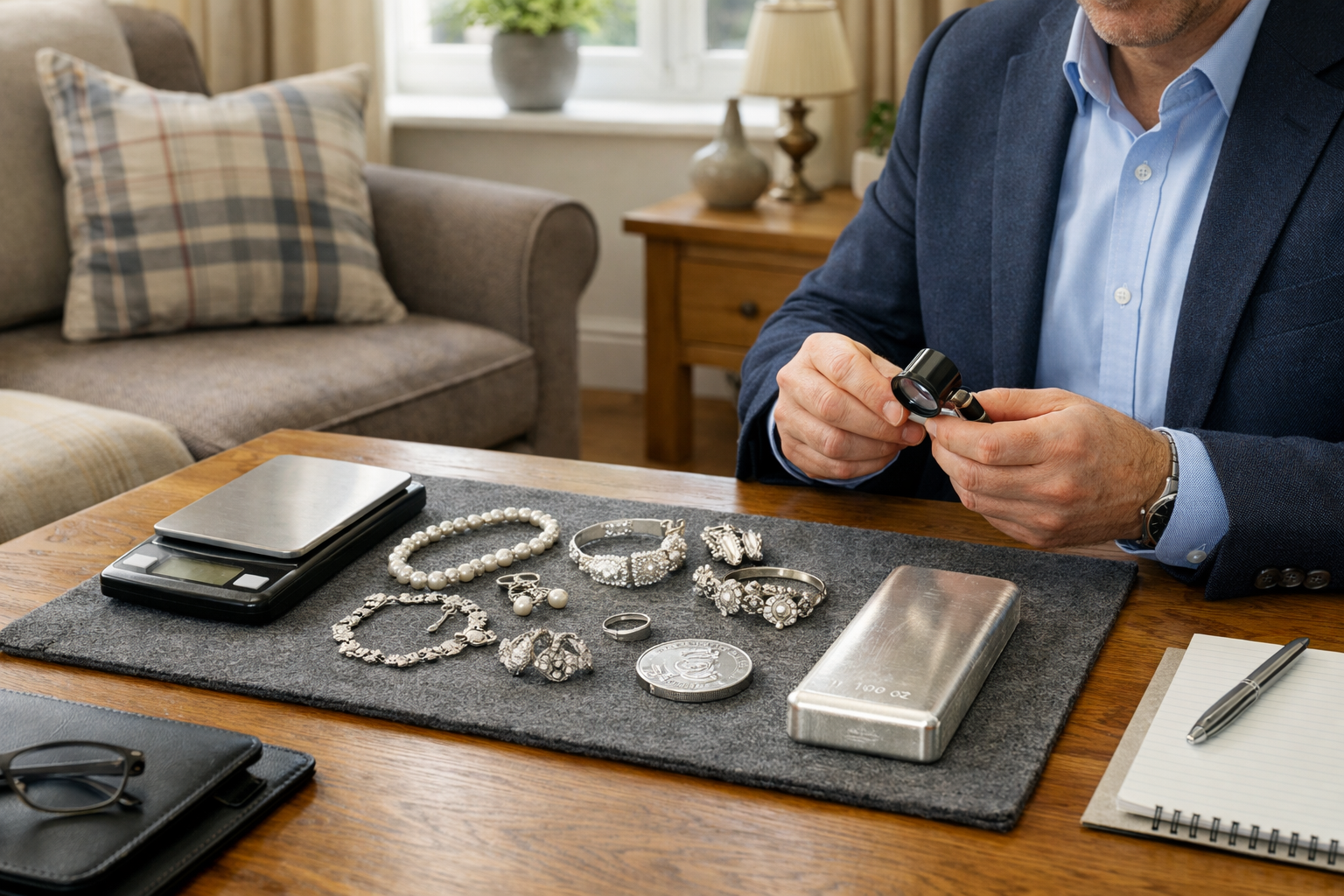
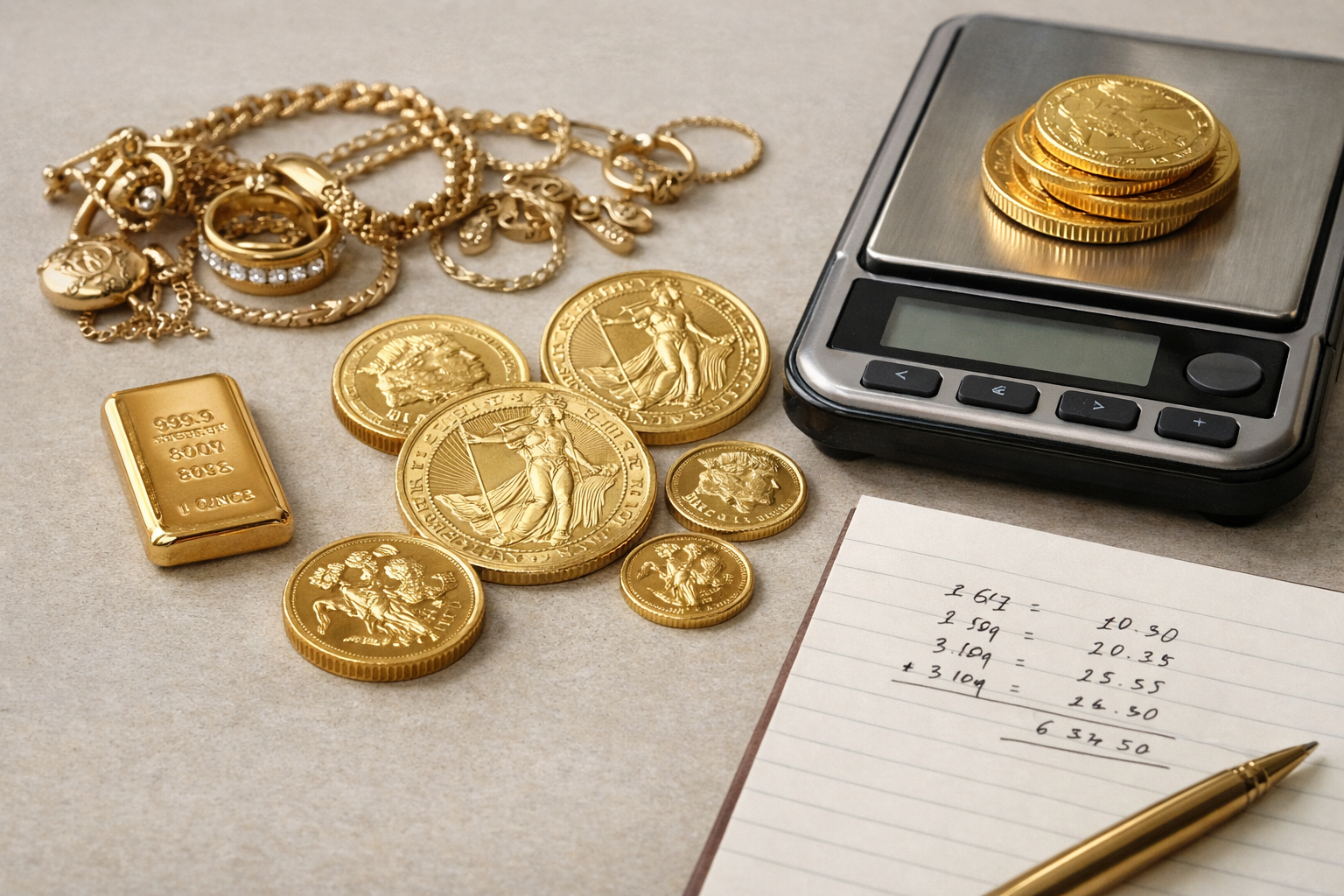
Gold Buyer purchases gold, silver, platinum and palladium items. These can include jewellery, coins, bullion, scrap and dental gold. Condition and presentation vary widely, so describe your items as accurately as you can when you enquire. A broken chain, for example, may still contain precious metal even if it cannot be worn.
| Item | What to check before a valuation | Useful question to ask |
|---|---|---|
| Jewellery | Look for hallmarks, damage, stones and non-metal fittings. | How will stones and other materials be treated in the offer? |
| Coins | Note the coin’s name and any visible date; keep existing packaging. | Is the offer based on metal content alone or on other characteristics too? |
| Bullion bars | Keep any original packaging and record identifying details. | What information is needed to assess the bar? |
| Scrap and dental gold | Keep separate items apart and mention any attached non-metal material. | How will mixed materials and uncertain purity be assessed? |
| Silver, platinum and palladium | Check any marks and describe the item’s condition. | Can you value this metal and item type through my preferred service? |
Marks can be helpful, but do not rely on a colour or stamp alone to establish purity. A buyer may need to test an item before making an offer. If you have silver to sell as well, read the UK guide to selling silver for practical preparation tips.
Some pieces may have value beyond their precious metal content. Collectable coins, antique jewellery, designer pieces and items with valuable stones may warrant a specialist opinion before you accept a metal-based offer. Tell the buyer about anything you think could be relevant and ask what their assessment includes.
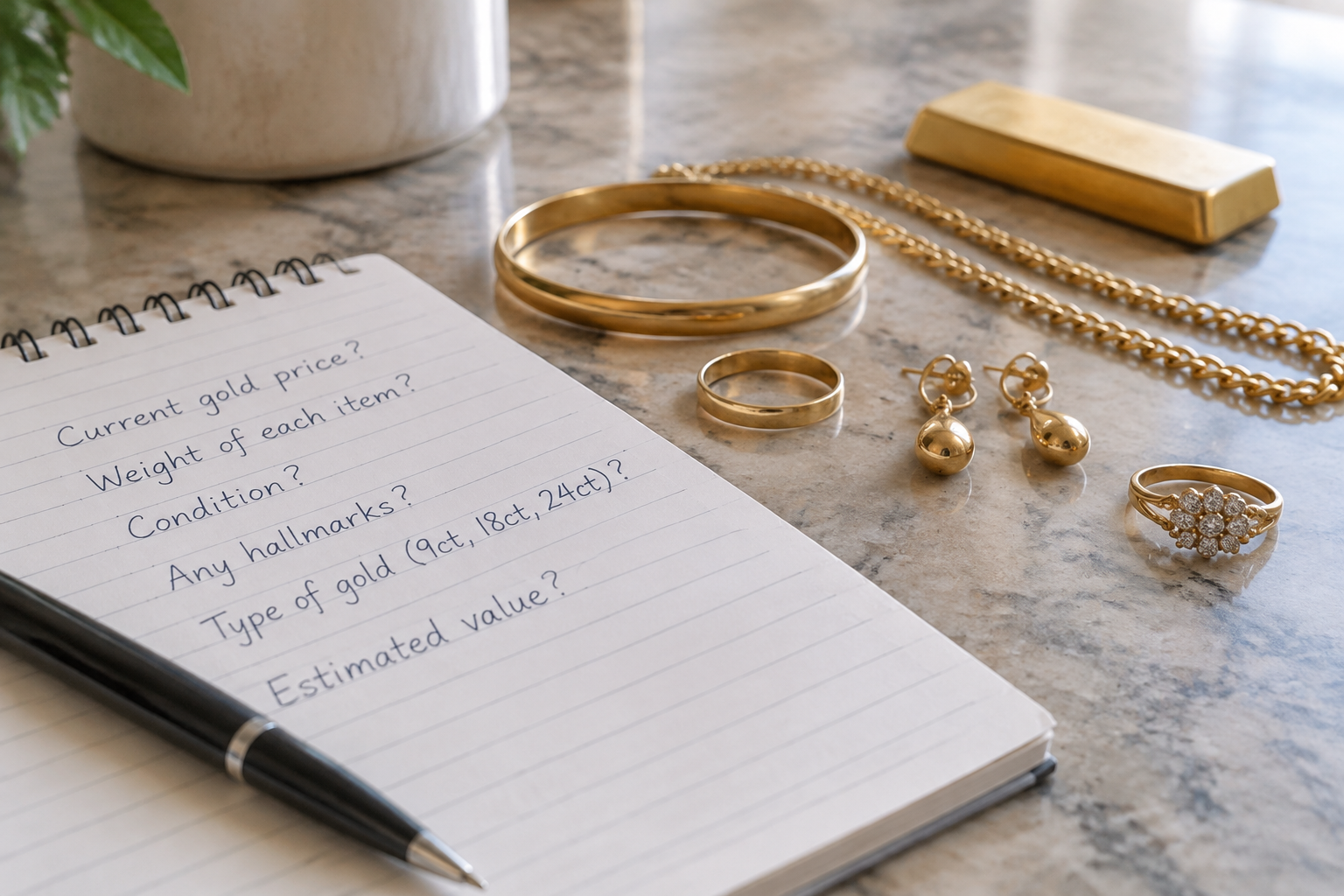
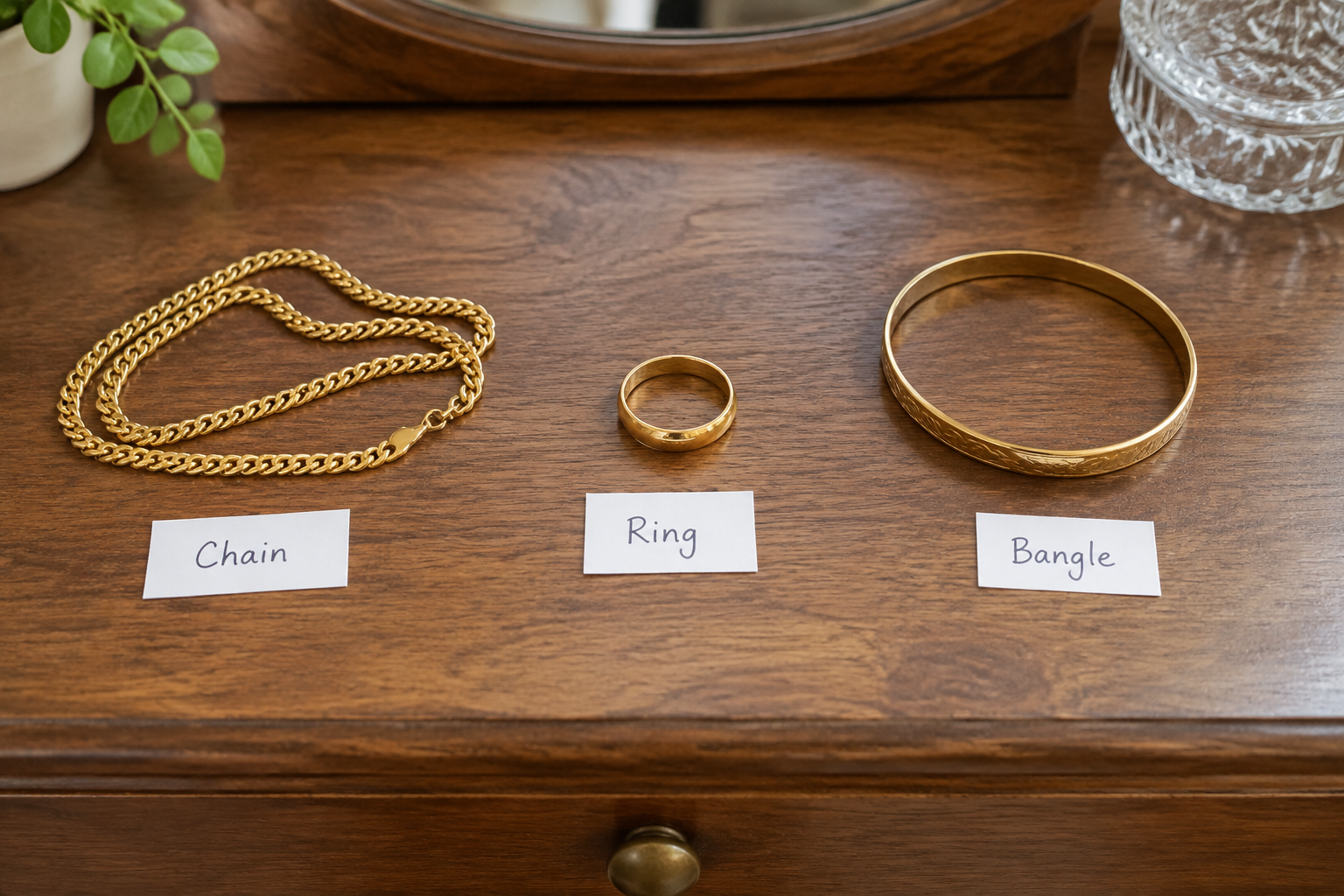
Make a simple inventory before the valuation, noting each item’s description and any marks you can read. Include loose stones or components with the piece they belong to, without trying to detach anything yourself. If you are unsure whether a piece is precious metal, list it separately and explain your uncertainty rather than presenting it as a particular purity.
How Is a Gold Valuation Worked Out?
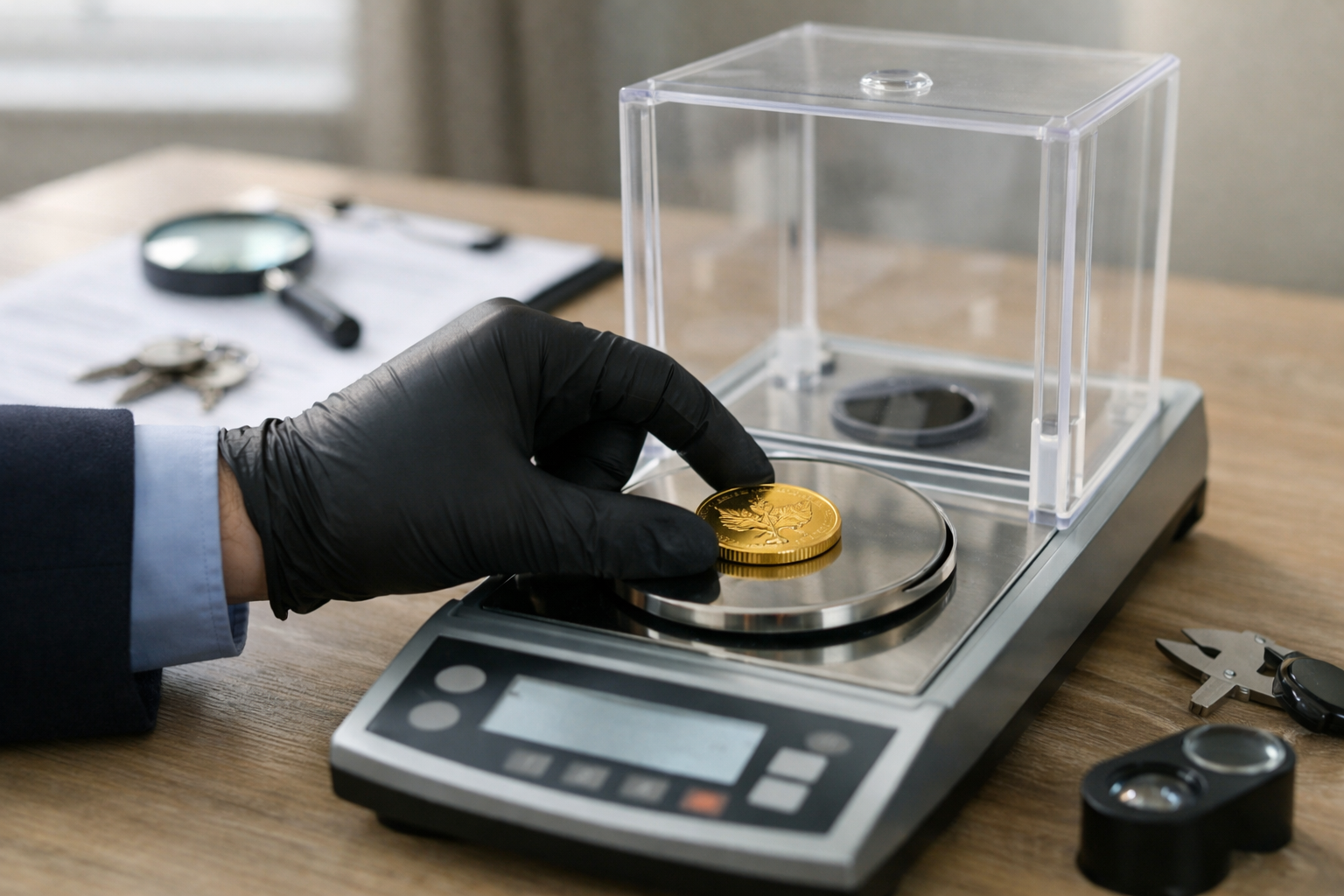
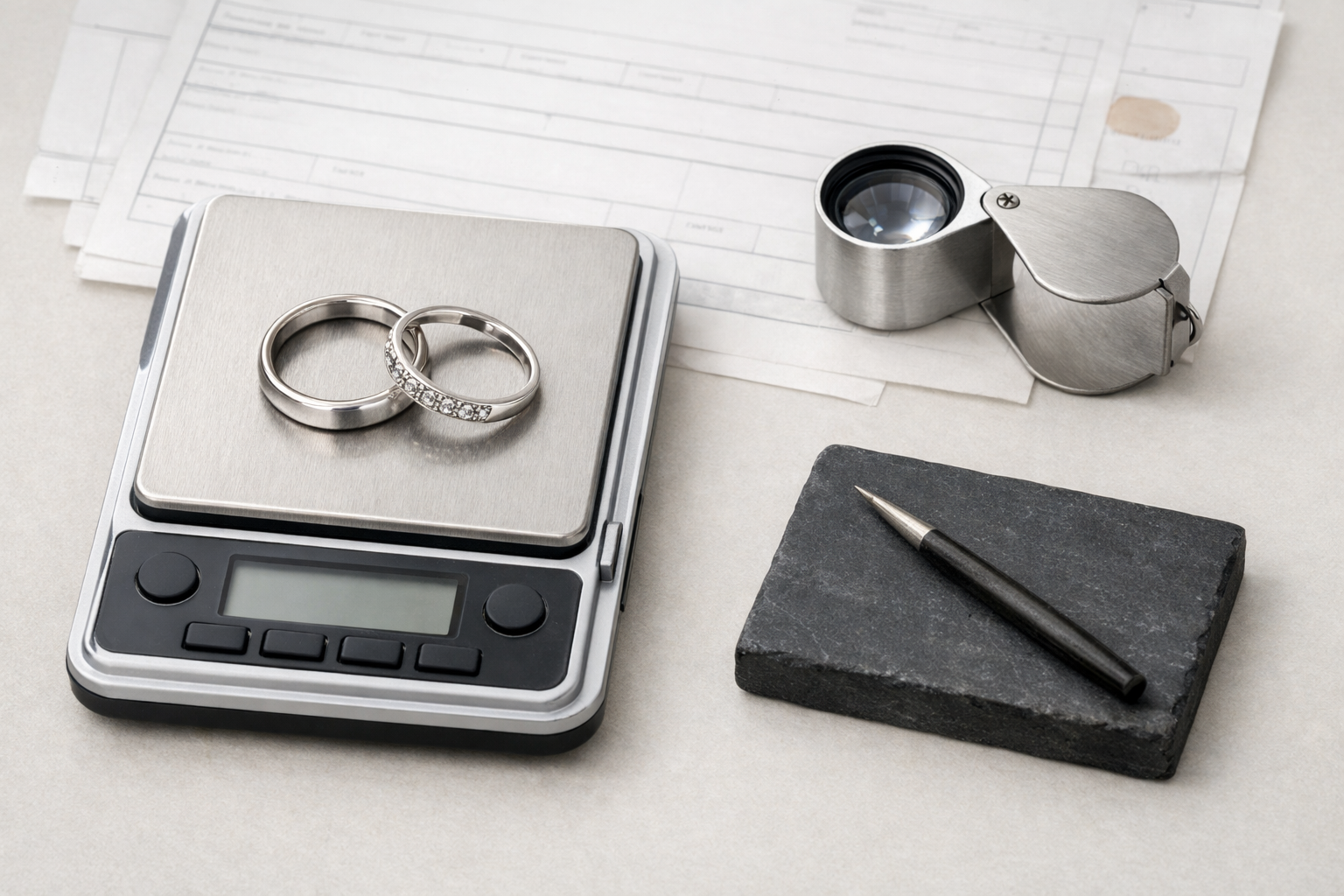
A precious metal valuation starts with identifying the material, its purity and the relevant weight. The buyer then considers the applicable market price and explains the offer. Gold Buyer says its pricing is tied to live gold rates, so an offer may change as the market moves. The amount offered for an item should not be assumed to equal the headline market value of an equivalent weight of pure metal.
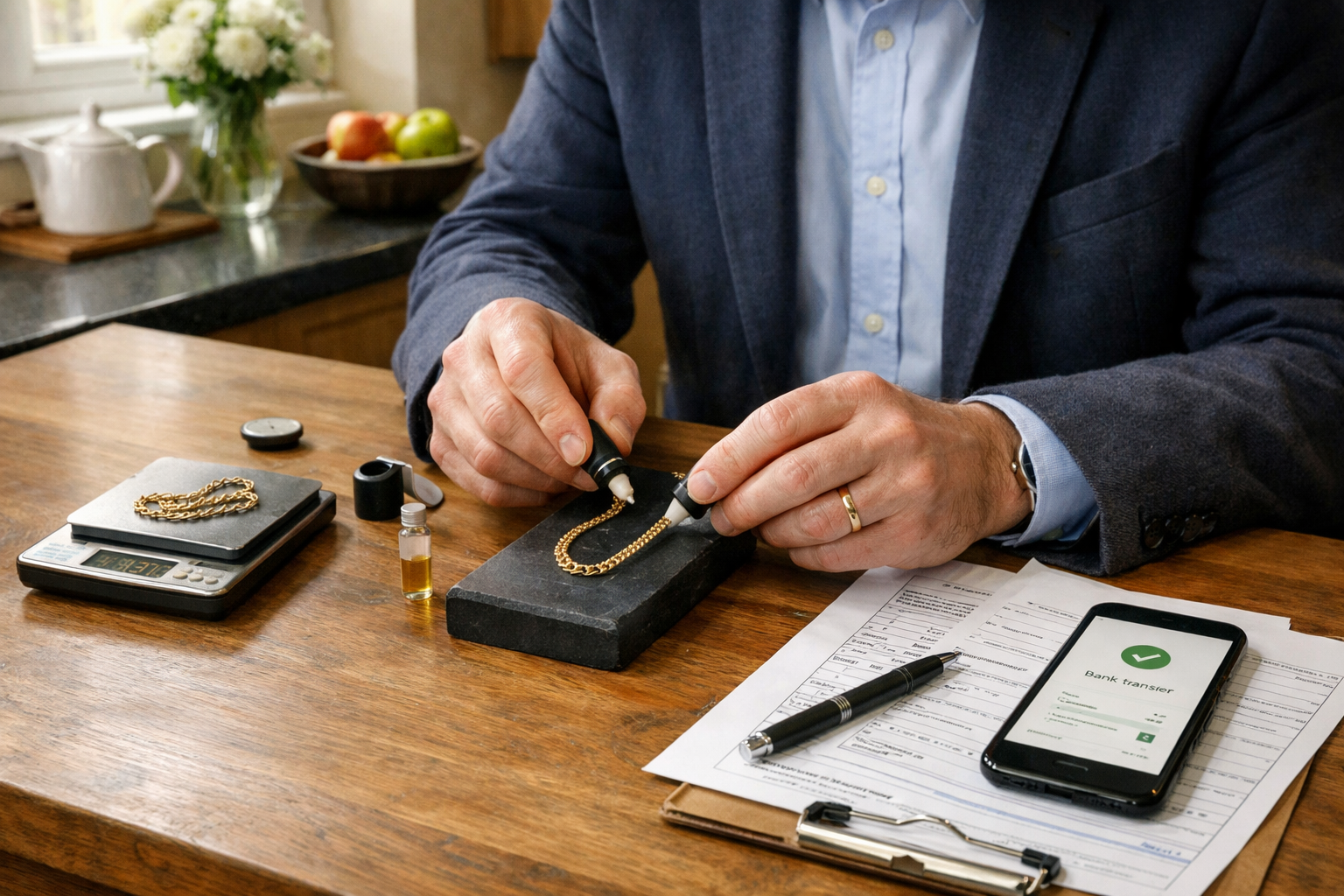
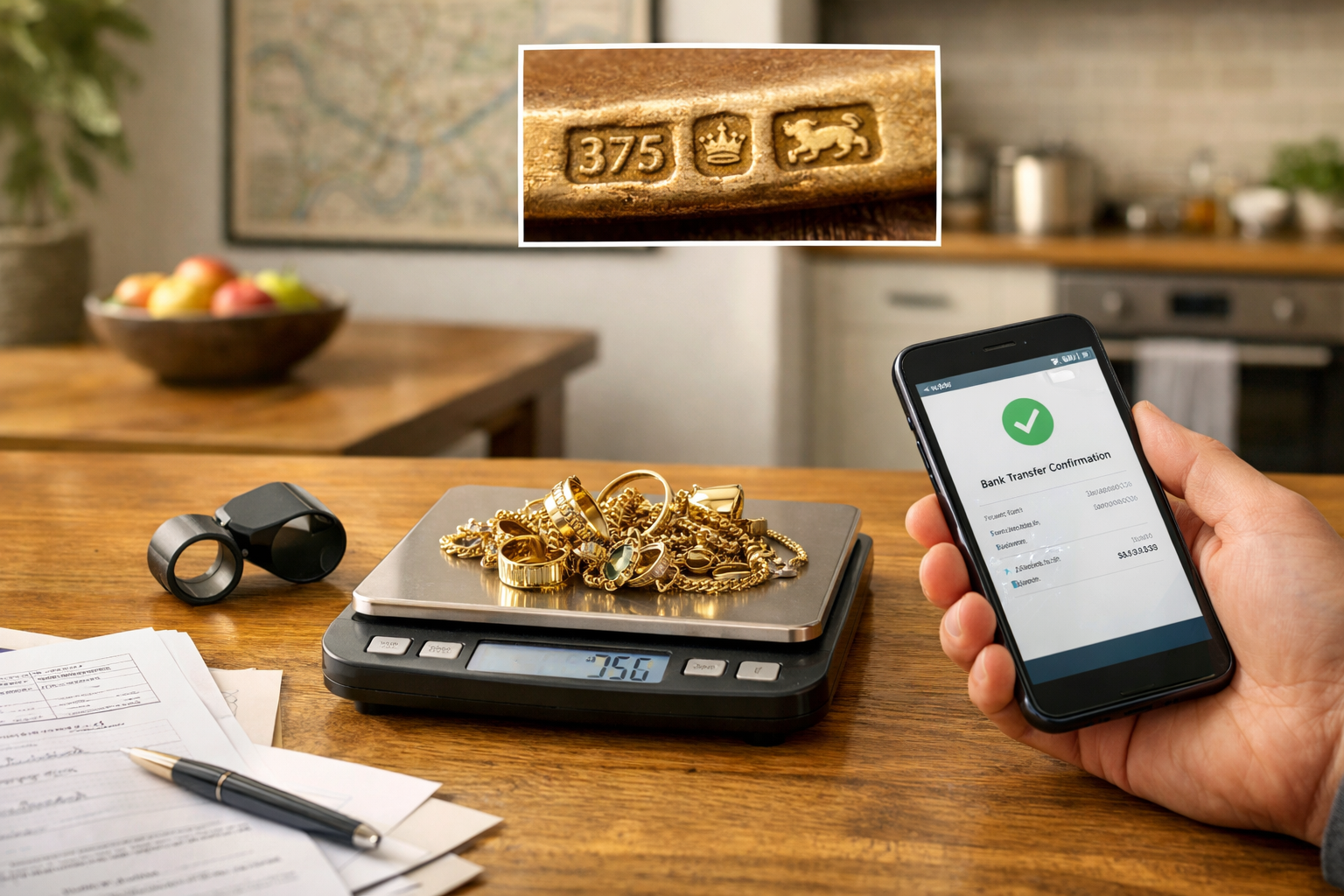
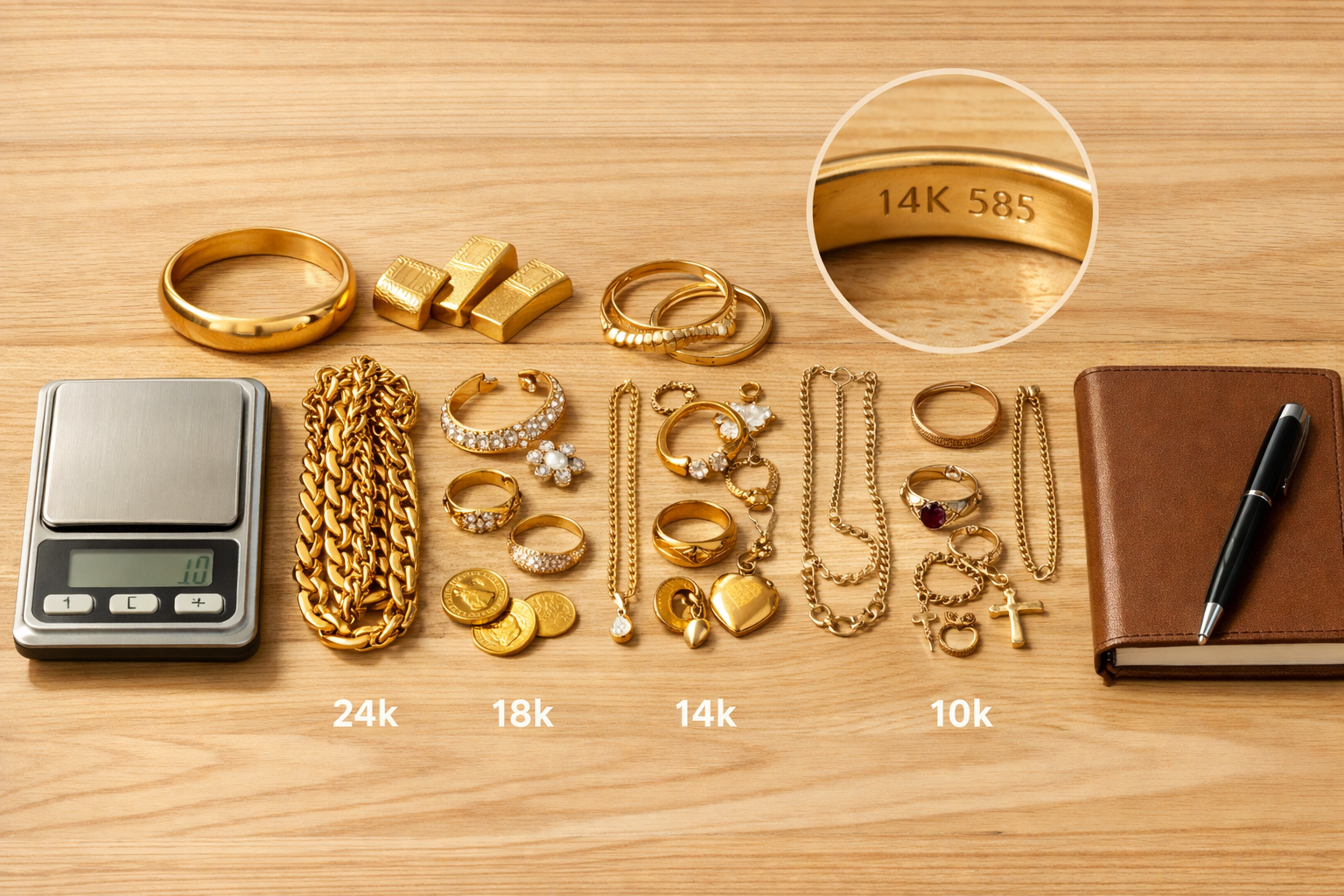
Purity matters because many jewellery items are made from an alloy rather than pure gold. The UK government’s hallmarking guidance explains the purpose of hallmarks and the recognised fineness standards. A hallmark is a useful starting point, although a buyer may still carry out checks as part of a valuation.
Weight also needs context. A ring’s total weight can include a stone, and a mixed lot may contain items of different purities. Ask the representative to explain which weight has been used and whether non-precious components have been excluded. For dental gold or scrap with attached materials, ask how the buyer will assess the precious metal content before agreeing to sell.
Market prices are usually quoted for standardised metal, whereas an offer reflects the buyer’s assessment of your particular items and the terms of the transaction. The London Bullion Market Association’s precious metal prices provide market context, but they are not a promise of the amount a buyer will pay you.
To compare offers fairly, check that they cover the same items and that each buyer has assessed the relevant purity and weight. Ask whether any deductions apply, how long the offer remains valid and whether payment is included without a separate charge. An apparently higher figure is less useful if the terms are unclear.
If an offer covers several pieces, ask for a breakdown or an explanation of how the total was reached. This can help you distinguish an assessment of the metal from any consideration of stones or other features. If a piece requires further testing, ask what that involves and whether it could alter the item before giving permission.
How Does a Home Visit or Pop-Up Valuation Work?
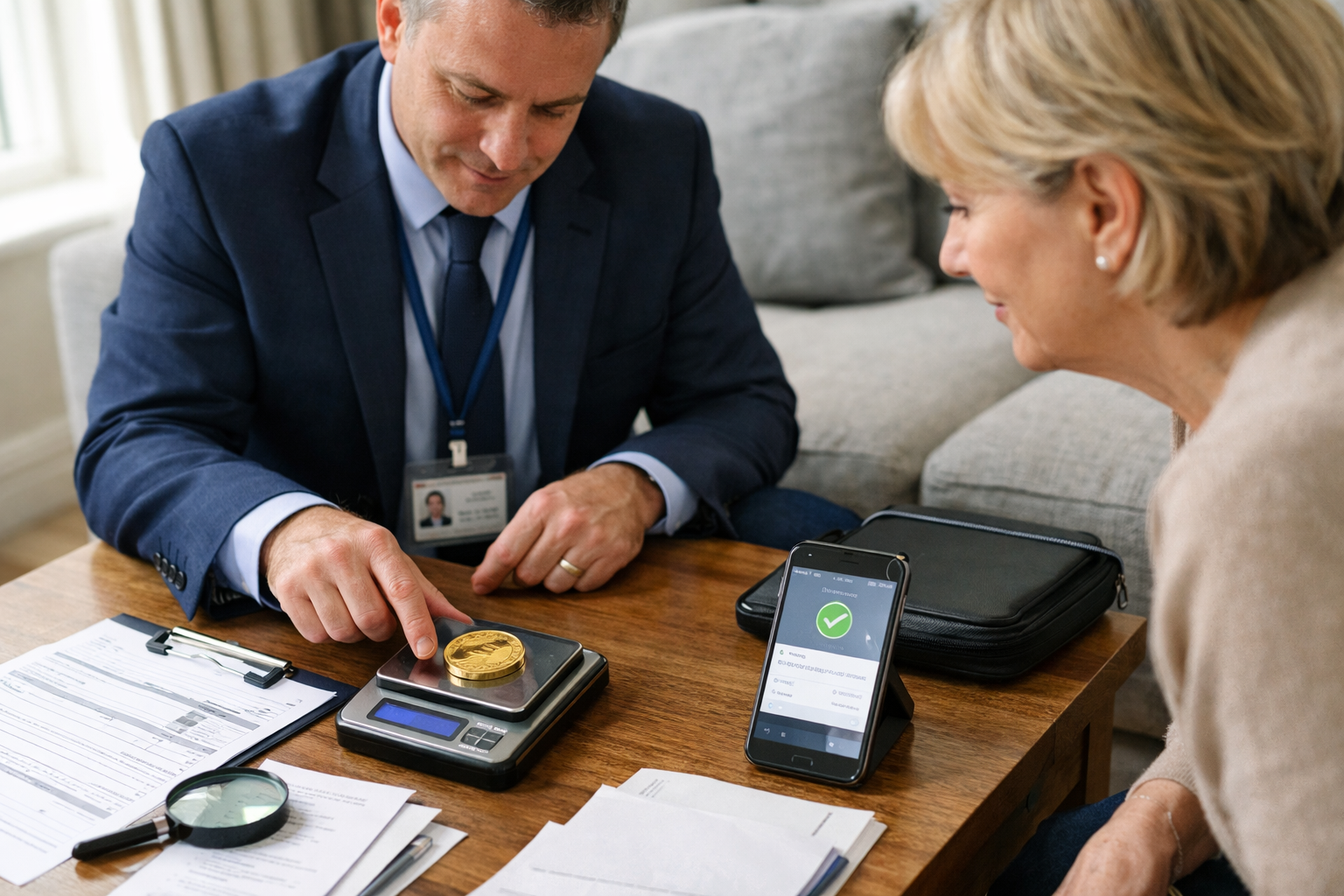
Start by contacting the buyer with your location and a brief description of your items. Ask whether a home visit or an event is available near you and what identification or information you should have ready. Gold Buyer says its representatives are ID-checked and discreet; you can also ask how to identify the representative who will attend.
- Arrange the appointment or event visit. Confirm the location, timing and items you intend to bring or show.
- Prepare your items. Gather jewellery, coins or scrap together, keeping any supporting packaging or information with the relevant piece.
- Discuss the assessment. Ask the representative to explain testing, weight, purity and any treatment of stones or other materials.
- Consider the offer. Make sure you understand the amount and which items it covers before deciding whether to sell.
- Agree payment. If you accept, confirm the payment method and check the details before the transaction is completed.
Gold Buyer offers instant on-the-spot valuation and same-day payment by bank transfer for its in-person service. Confirm the arrangements for your particular appointment, including what happens if a bank transfer is delayed or you decide not to proceed. Do not feel obliged to accept an offer before you understand it.
For a pop-up, ask in advance whether the event handles your type and quantity of items. It is also sensible to check whether an appointment is needed and how privacy is managed. At home, choose a place where you are comfortable discussing the items and the offer; you can ask someone you trust to be present.
Before the representative arrives, set aside any pieces you are not ready to sell so they do not become confused with the items for assessment. Have your questions and inventory to hand. If you accept an offer, check the transaction record against the pieces included and keep it with your payment details for future reference.
Book a valuation with Gold Buyer or ask the team to confirm availability in Alton and explain the options for your items.
What Should You Ask Before Using a Home Selling Kit?
A home selling kit may be helpful if you prefer not to arrange a visit. Before requesting or using one, establish the steps from dispatch through to payment. The brief information available about this service does not establish the postage, insurance, return or payment terms, so ask the team rather than assuming they match an in-person appointment.
- Which item types can be sent using the kit?
- How should items be packaged, and what delivery service should be used?
- Is the parcel insured, for what value and under what conditions?
- How will you be told the valuation, and how long will the process take?
- What happens if you decline the offer, including any return costs?
- When and how will payment be made if you accept?
Keep a private record of what you send, including descriptions and photographs, and retain any dispatch receipt. Follow the agreed packing and delivery instructions rather than placing identifying details about valuable contents on the outside of the parcel. If the terms do not give you the reassurance you need, consider an in-person valuation instead.
It can help to request the relevant terms in a form you can refer to later. Check whether any insurance limit applies to the whole parcel and whether you need to meet particular packing or dispatch requirements. Before sending, make sure you know how to contact the team if the parcel or valuation takes longer than expected.
How Can You Compare Offers Safely?
When comparing alton gold buyers, focus on the whole transaction rather than a headline rate alone. A clear offer should identify the items being purchased and explain the basis for the valuation. Ask whether the quoted amount is the final amount payable and whether it can change after further testing.
Consider how the buyer handles identification, privacy and payment. Check the representative’s identity through a contact method you have independently confirmed, not just a number supplied by an unexpected caller. Do not provide more personal or banking information than is needed, and ask why any information is required. You should understand who is buying your items before handing them over.
If you are comparing valuations, ask each buyer about the same set of items. A lot containing a heavy piece of lower-purity gold can be assessed differently from a lighter piece of higher-purity gold. Similarly, a buyer specialising in collectables may consider features that a straightforward metal valuation does not. Neither approach should be assumed to suit every item.
Record the date of each offer alongside its amount, the items covered and any conditions. That makes it easier to see whether a difference reflects the items assessed, the timing or the transaction terms. If an offer has expired, ask for an updated figure rather than assuming the earlier amount is still available.
For a closer look at the factors behind an offer, see how much your gold may be worth. Keep any written offer or transaction record in case you need to refer to the agreed details later.
What Does a Typical Sale Look Like?
Hypothetical example: someone in Alton has an unworn gold chain, a damaged ring and a silver bracelet. They want to sell without visiting a shop, but are not sure whether all three items can be assessed together.
They first describe the items and provide their postcode when contacting Gold Buyer. They ask whether a home visit is available, whether the silver bracelet can be valued at the same appointment and what identification is needed. They also ask how the representative will treat the ring’s stone and whether the offer will show the items separately.
Before an appointment, they place the items in separate groups and keep any relevant packaging nearby. At the valuation, they can ask for an explanation of the assessment and decide whether to accept the offer. If they prefer to compare it with another valuation, they can ask how long the offer remains valid. This example illustrates the questions to raise; it does not predict availability, an offer or a payment outcome.
Watch: Understanding a Precious Metal Valuation
For a visual introduction, look for an explanation of how buyers check precious metal purity and weight. Use it to prepare questions for your appointment rather than treating a video as a valuation of your own items.
Frequently Asked Questions
Is Gold Buyer based in Alton?
Gold Buyer lists an office in Chesterfield and offers mobile services, including home visits and pop-up events. A Chesterfield office does not by itself confirm local coverage or a permanent Alton premises. Provide your postcode when enquiring and ask whether a visit, an event or a home selling kit is available to you.
Do I need to clean or repair my jewellery first?
You can ask for a valuation without repairing broken items; Gold Buyer purchases scrap as well as jewellery. Avoid aggressive cleaning, particularly on older pieces or coins, as it may affect their condition or collectable appeal. Keep loose components together and tell the buyer about any damage, stones or previous repairs you know about.
Can I sell an item without a hallmark?
An absent or hard-to-read hallmark does not automatically tell you whether an item contains precious metal. Explain what you know and ask the buyer how it would assess the piece. Testing may be needed before an offer can be made. Do not assume that a stamp, colour or the item’s appearance establishes its purity.
Will I be paid on the day?
Gold Buyer offers same-day payment by bank transfer for its on-the-spot service when a sale is agreed. Confirm the payment arrangements before accepting an offer, and ask what happens if there is a transfer delay. If you use a home selling kit, ask separately about the valuation and payment timescale.
Can I decide not to sell after receiving a valuation?
Ask about the terms before the assessment, including whether there are any charges and what happens if you decline. For a home selling kit, check how unsold items would be returned and whether return costs apply. Take time to understand an offer and its conditions before agreeing to hand over ownership.
Ready to explore your options? Contact Gold Buyer to discuss your items, check Alton availability and arrange the valuation method that suits you.