Where Can I Sell My Silver? A Step‑by‑Step UK Guide to Fast, Fair Payouts
If you’re asking "where can i sell my silver", the quickest, most secure routes are a reputable mobile buyer for home visits, a local pop‑up event, or a fully insured postal kit. Each offers expert valuation tied to live market rates and rapid payment. If you want same‑day bank transfer and discreet service, Gold Buyer provides all three options.
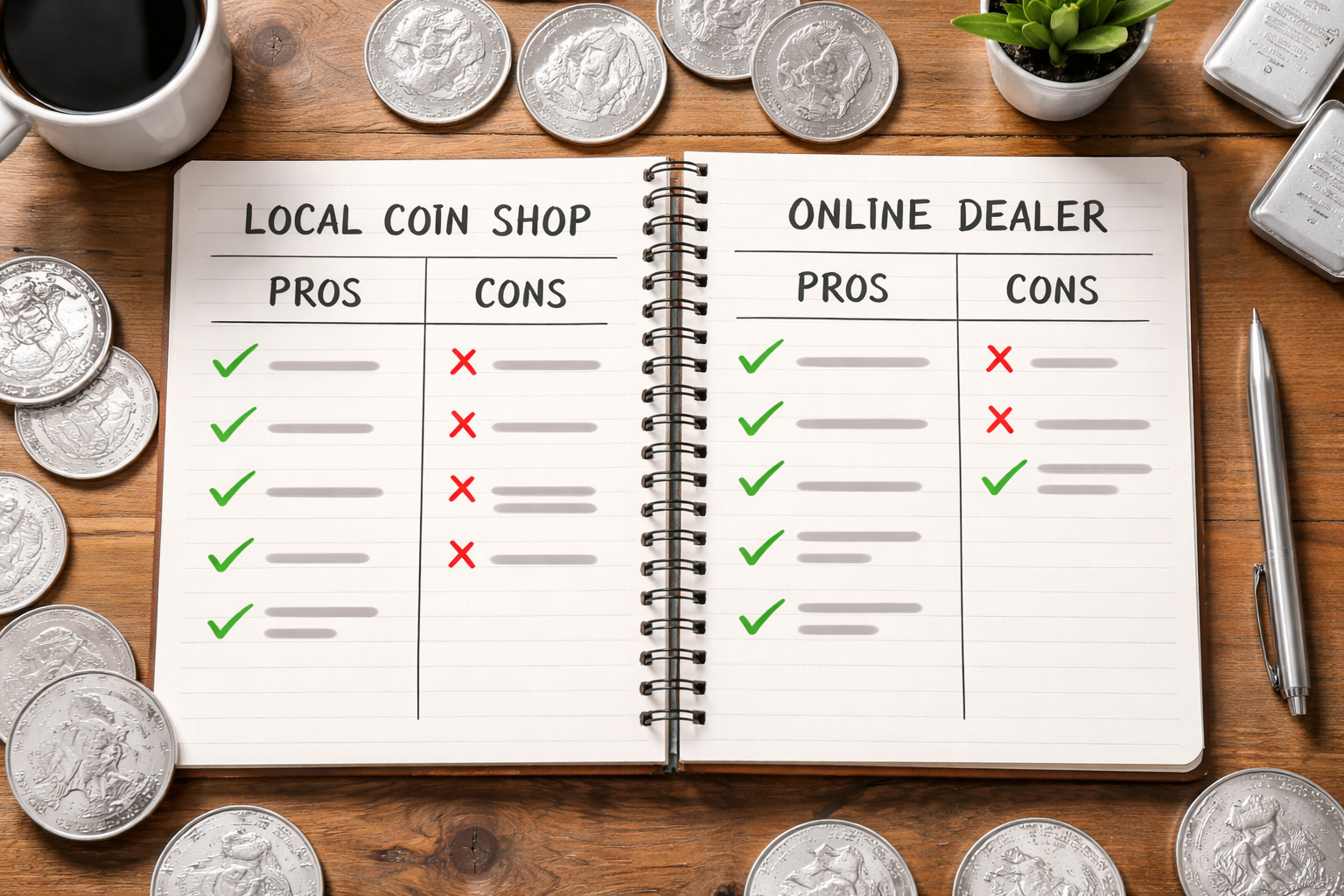
Where Can I Sell My Silver? Your Options at a Glance
Selling silver is straightforward when you match the right channel to your priorities—speed, convenience, and price certainty. Practical options include:
- Mobile buyers offering home visits and local pop‑ups: ideal for those who want to avoid travel, prefer in‑person testing, and value same‑day transfers.
- Insured postal kits: useful when you can’t schedule a visit; look for tracked shipping, itemised receipt, and clear opt‑out terms if you decline an offer.
- High‑street jewellers and pawnbrokers: convenient if nearby, though offers may vary and are sometimes more conservative.
- Specialist auction houses: suited to rare or branded pieces with collector demand; be mindful of seller’s fees and timelines.
- Peer‑to‑peer marketplaces: possible for collectables, but you must handle authentication, shipping, and risk management yourself.
Gold Buyer operates nationwide mobile valuations—home visits, discreet pop‑ups—and a home selling kit, with transparent pricing linked to live silver rates and same‑day bank transfer once you accept.
For those new to the process, the best first step is to list what you own (jewellery, coins, bullion, scrap, dental) and confirm likely purity marks (e.g., 925 for sterling). That makes the quotation faster and helps you compare like‑for‑like across buyers.
How Silver Selling Works in the UK: Valuation and Compliance
To avoid guesswork, start with a basic understanding of how silver is assessed and the compliance safeguards you should expect. When you search online for "where can i sell my silver", you’ll see buyers refer to purity, weight, and live market pricing. Here’s what that means in practice:
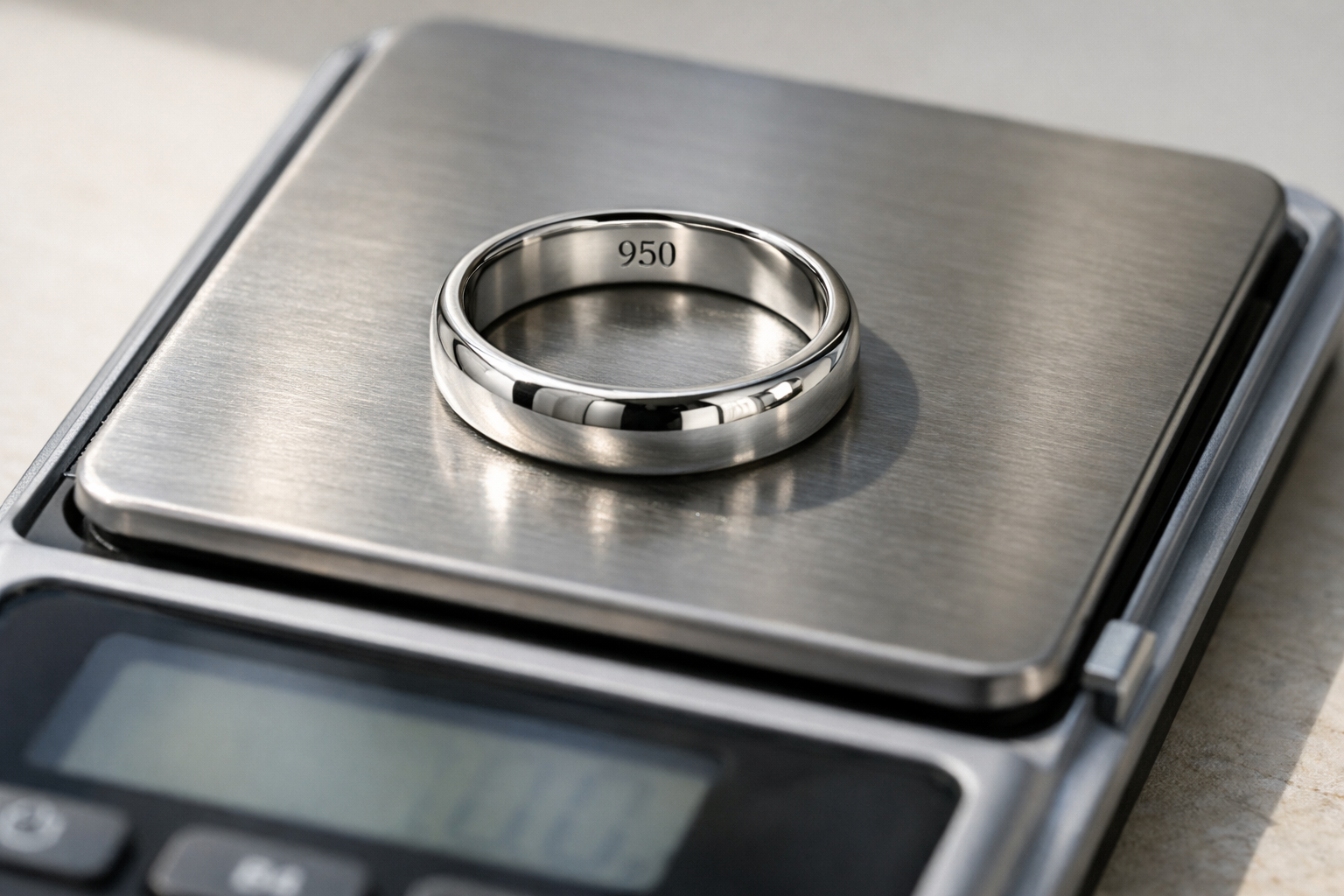
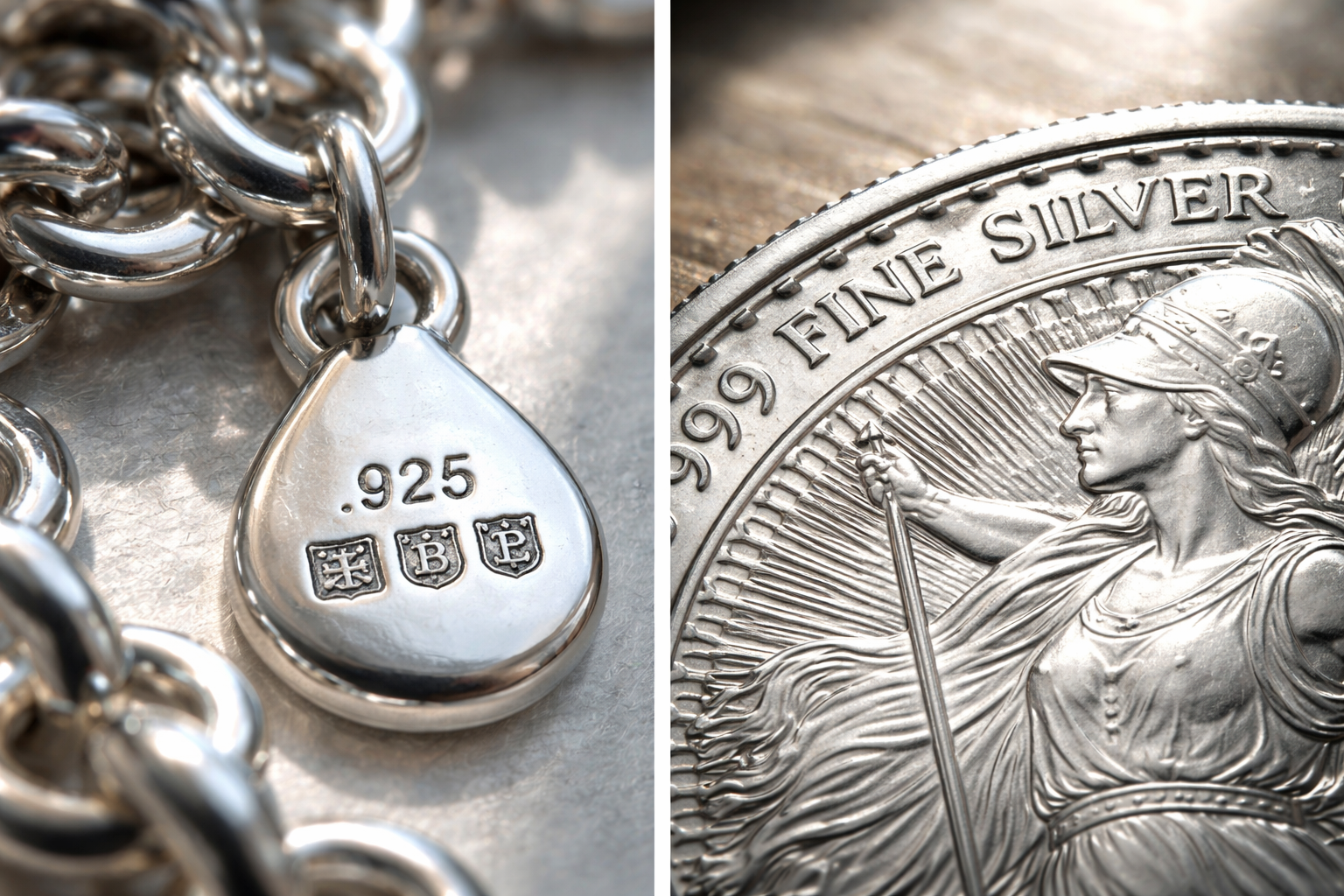
- Purity: Modern sterling jewellery is typically hallmarked 925 (92.5% silver). Bullion bars and coins may be 999 fine. Non‑hallmarked or foreign items might need testing.
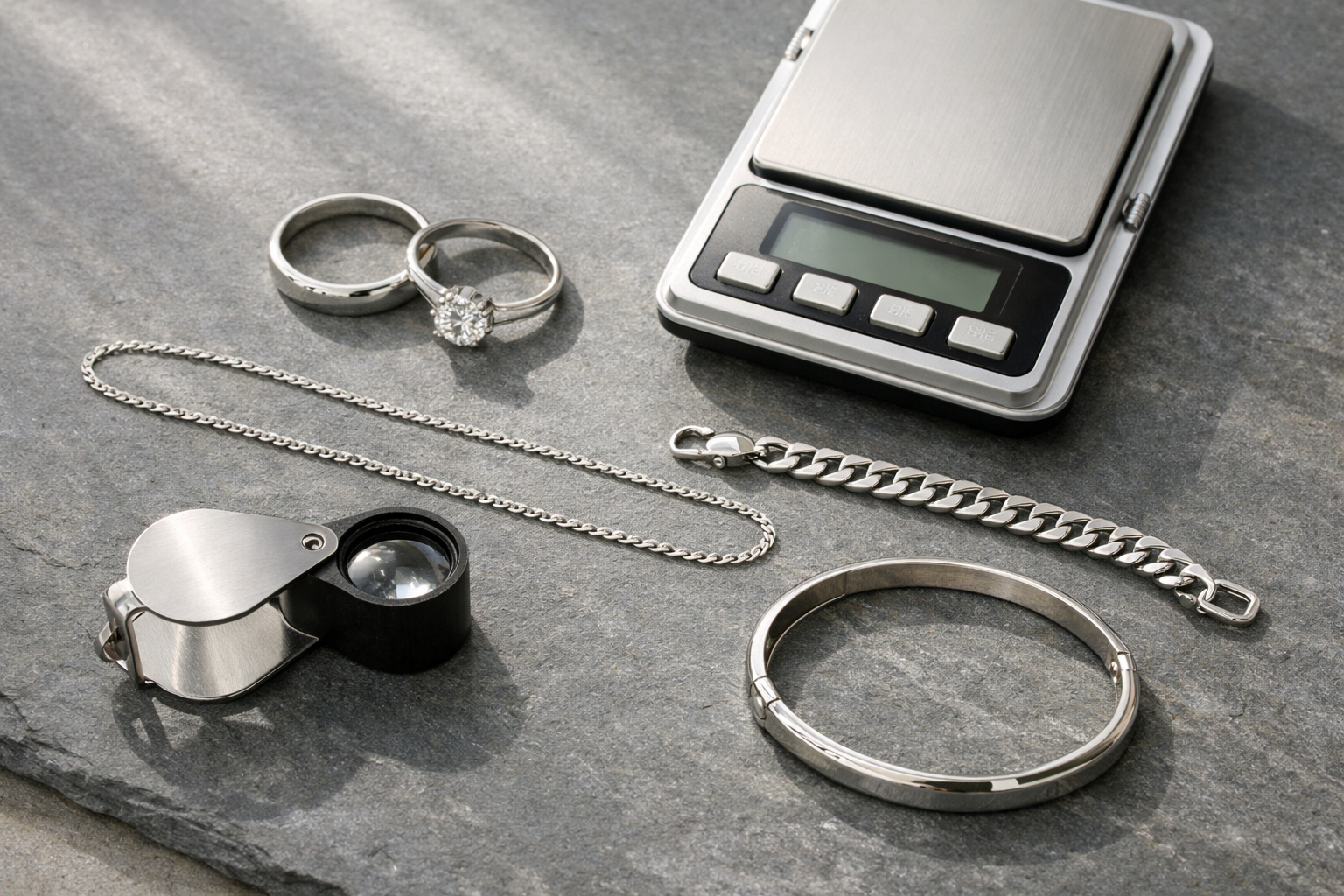
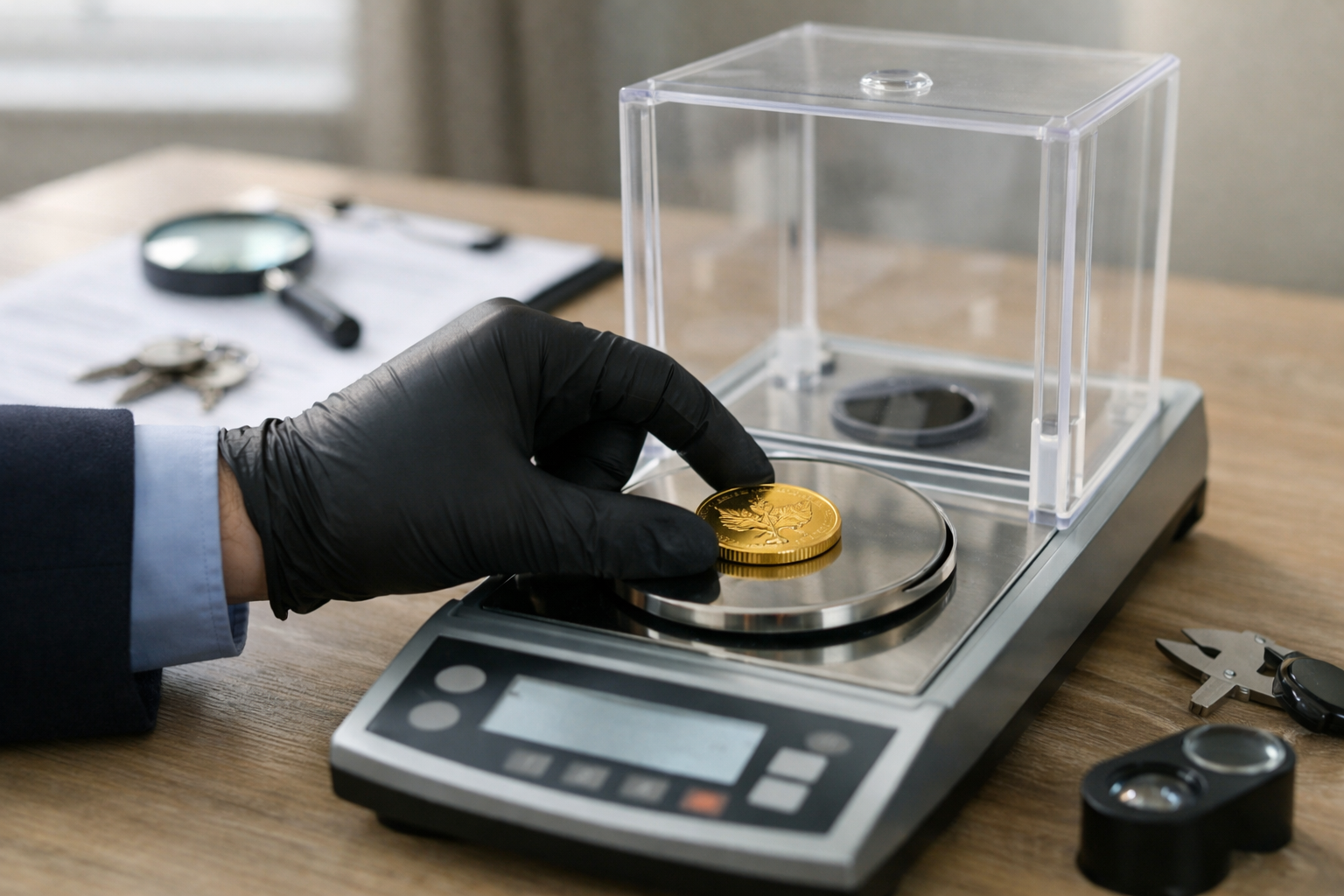
- Weight: Silver is valued by mass and purity. Buyers weigh items on calibrated scales, often in grams, then calculate the precious‑metal content by fineness.
- Live market link: Rates move daily. A fair buyer pegs offers to current silver prices rather than a fixed in‑store chart.
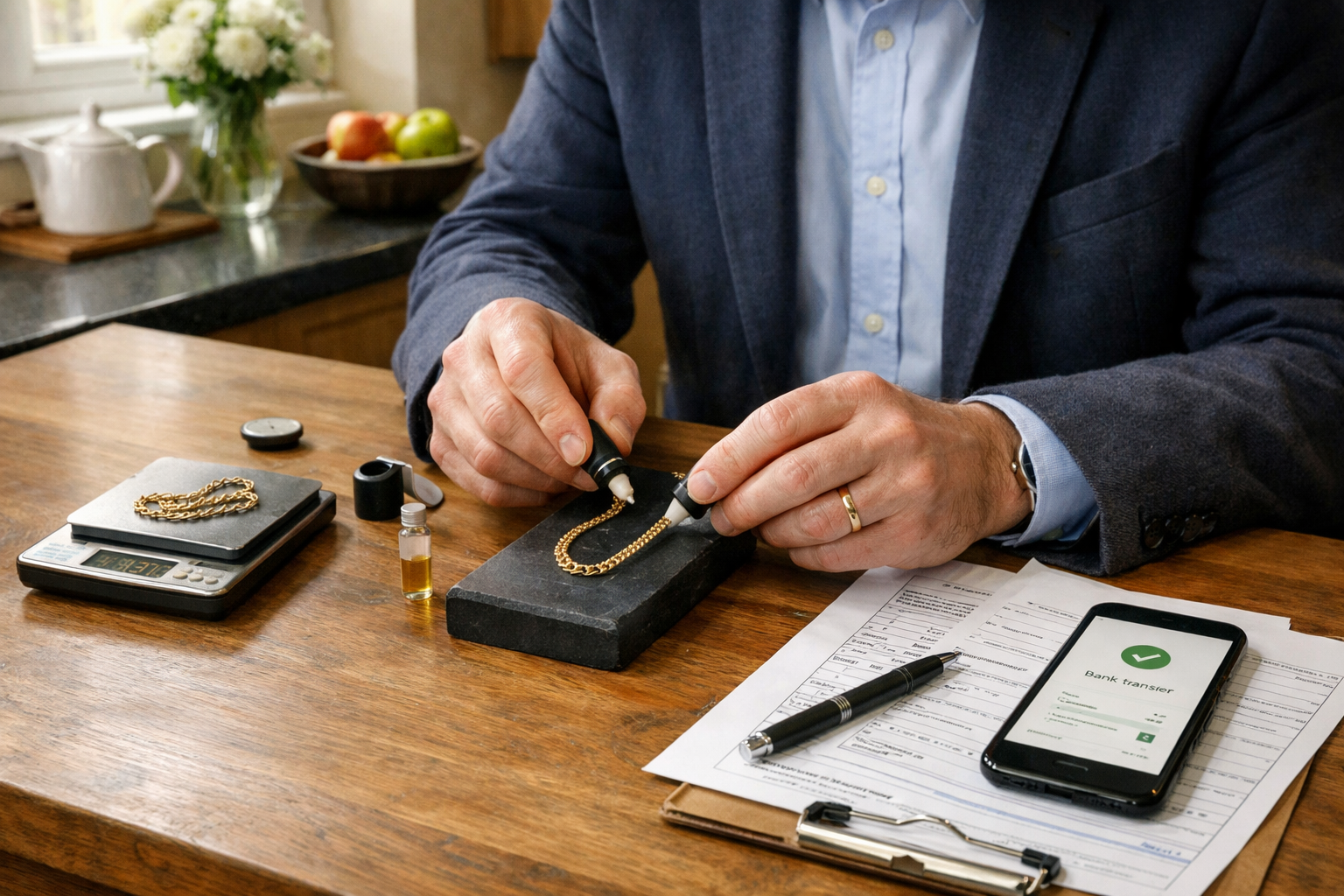
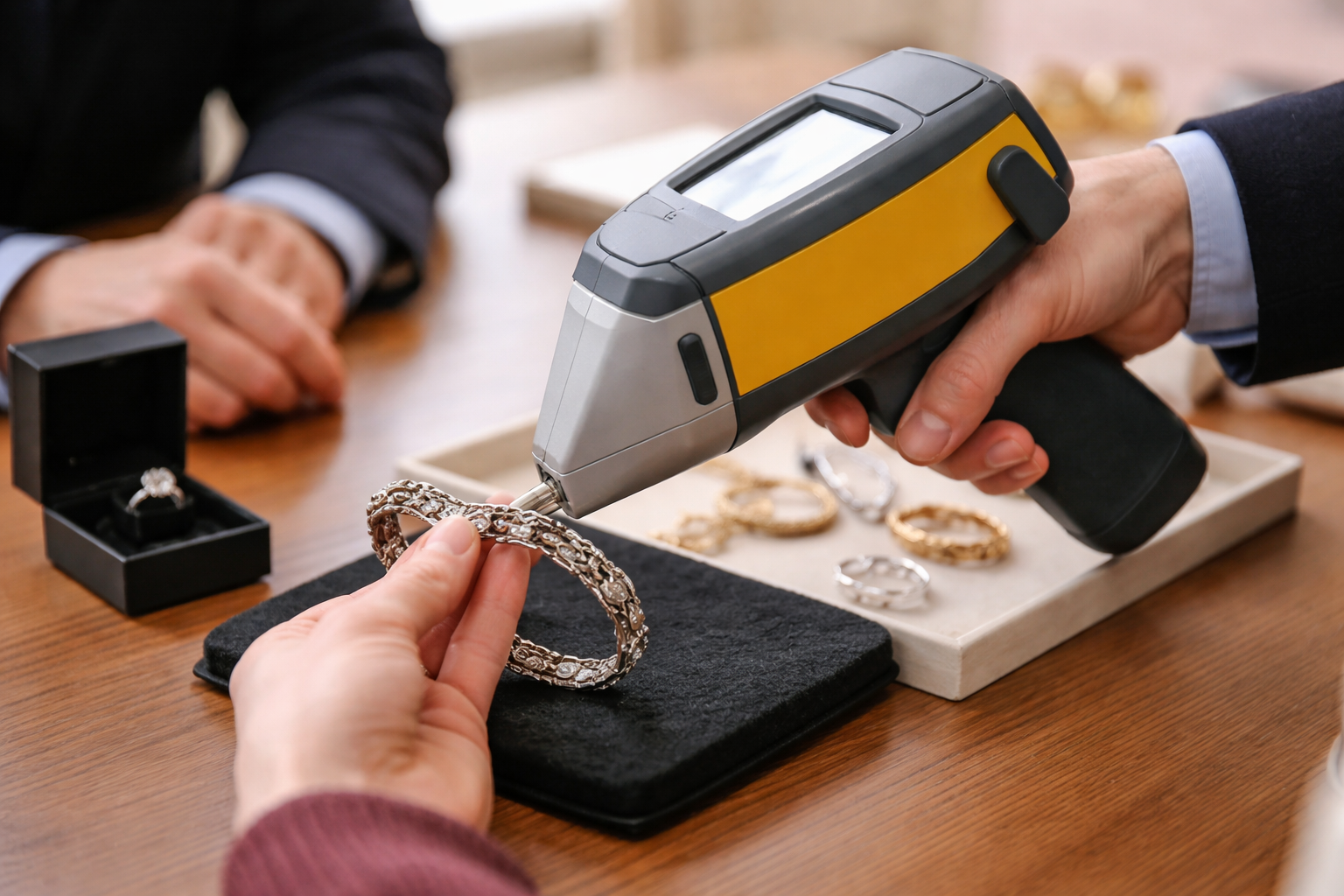
Expect transparent testing: a handheld analyser or acid tests for uncertain items, and a clear explanation before you accept any offer. You should also be asked for ID to meet UK anti‑money‑laundering practices. If something feels rushed or unclear, pause and ask questions.
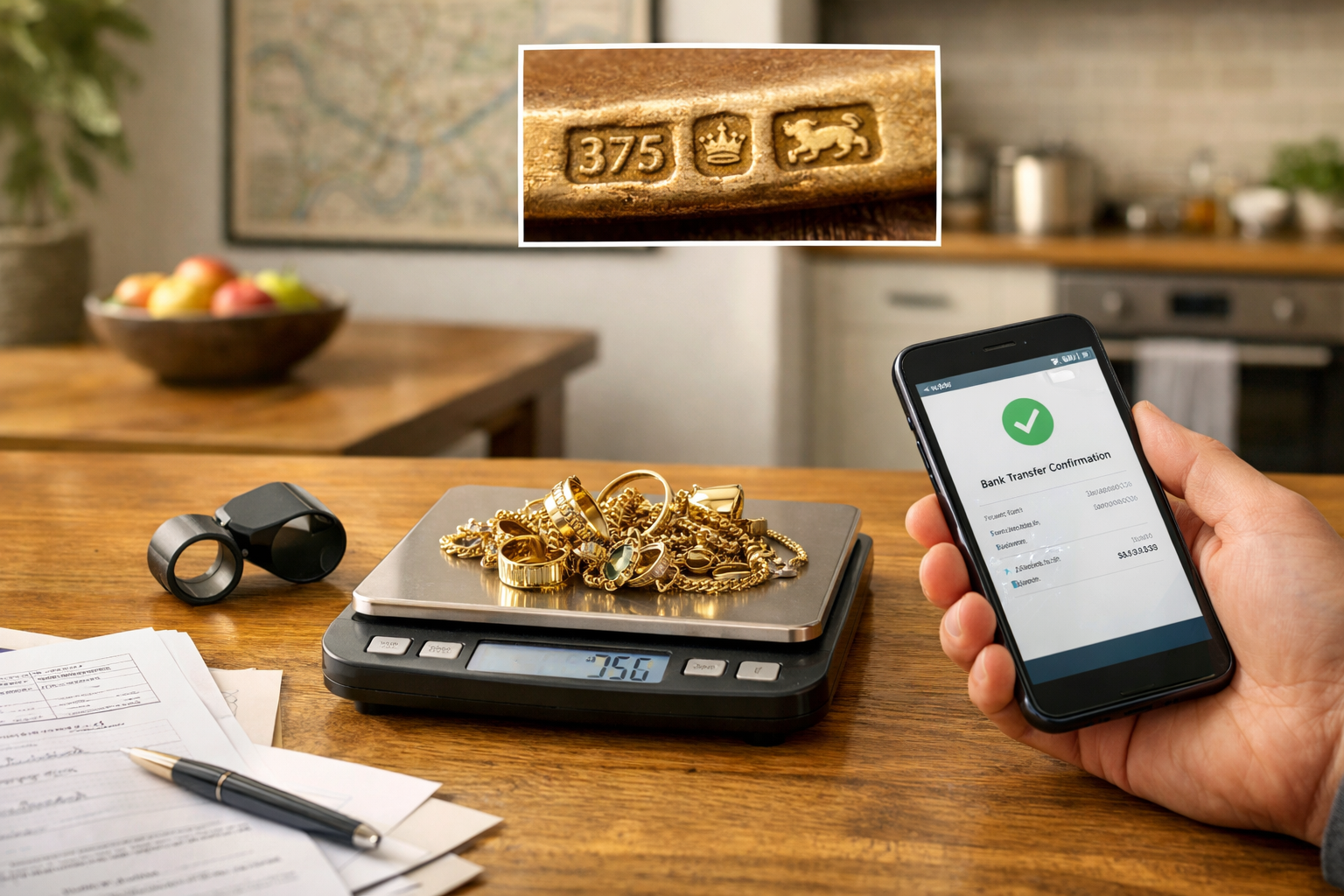
For hallmark basics, see official guidance on UK hallmarking. And if you opt to ship valuables, use insured, tracked services, keep records, and photograph items before sending. In‑person valuations, such as a home visit or a pop‑up, remove shipping variables while keeping the process convenient.
Gold Buyer’s representatives are ID‑checked, discreet, and will explain each step—testing, weighing, and calculation tied to the live silver rate—before offering same‑day bank transfer if you accept.
Step‑by‑Step: Prepare Your Silver for a Confident Sale
Whether you own jewellery, coins, bullion, or scrap, these steps will help you present items clearly, speed up quotes, and support a better outcome.
- Gather everything in one place. Include odd earrings, broken chains, damaged flatware, and dental pieces—silver value is in the metal content, not condition.
- Do a gentle clean. Wipe with a soft cloth to remove surface oils and dust. Avoid harsh polishing on collectable coins—original surfaces can matter to specialists.
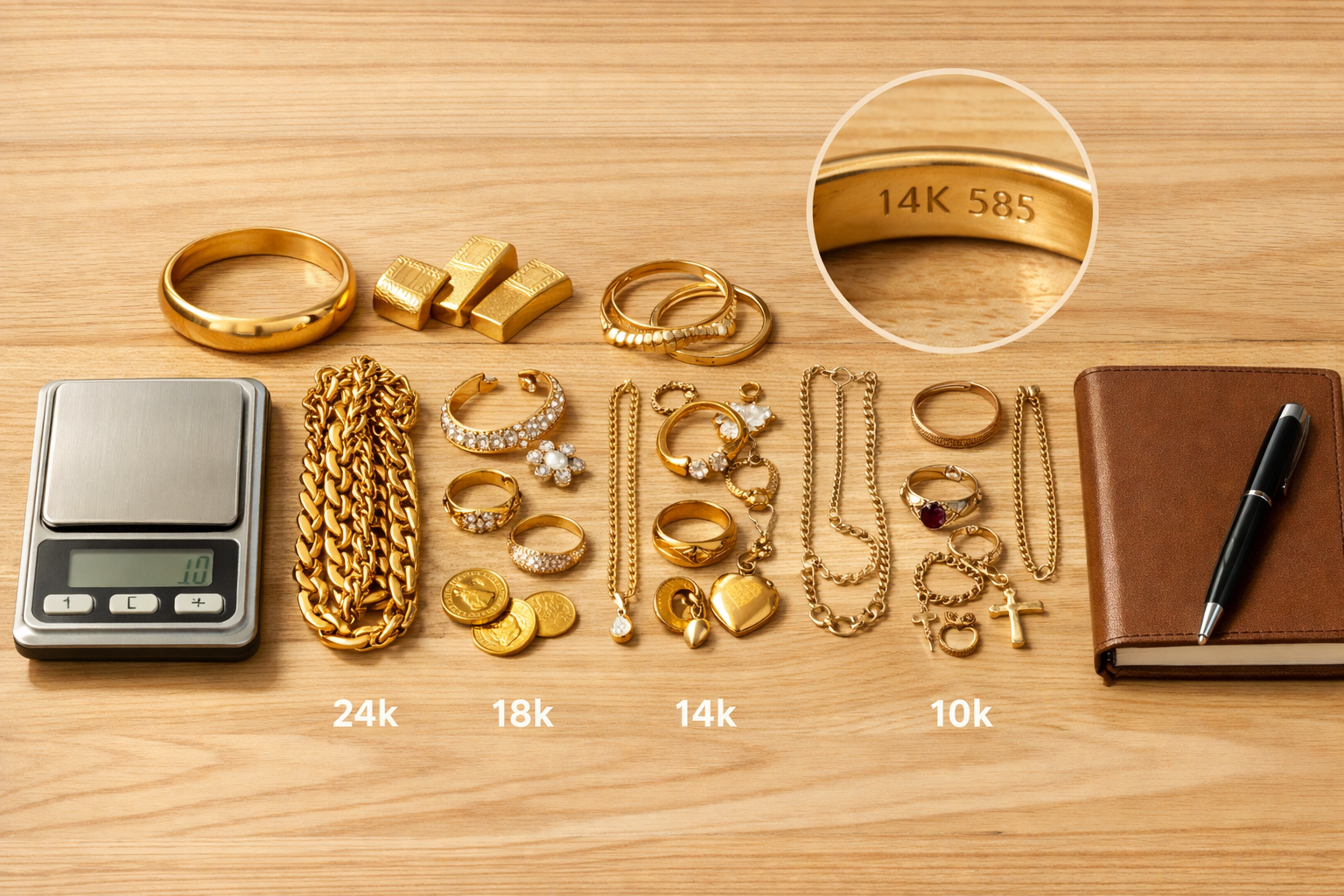
- Identify hallmarks and fineness marks. Look for 925 (sterling), 958 (Britannia silver), or 999 (fine silver). On coins and bullion, check the issuing mint and weight.
- Group like‑for‑like items. Keep sterling jewellery together, separate plated or base‑metal pieces, and set aside coins/bullion by type or mint.
- Note any brand or provenance. Original boxes for designer pieces, receipts, or certificates for bullion can support collector premiums.
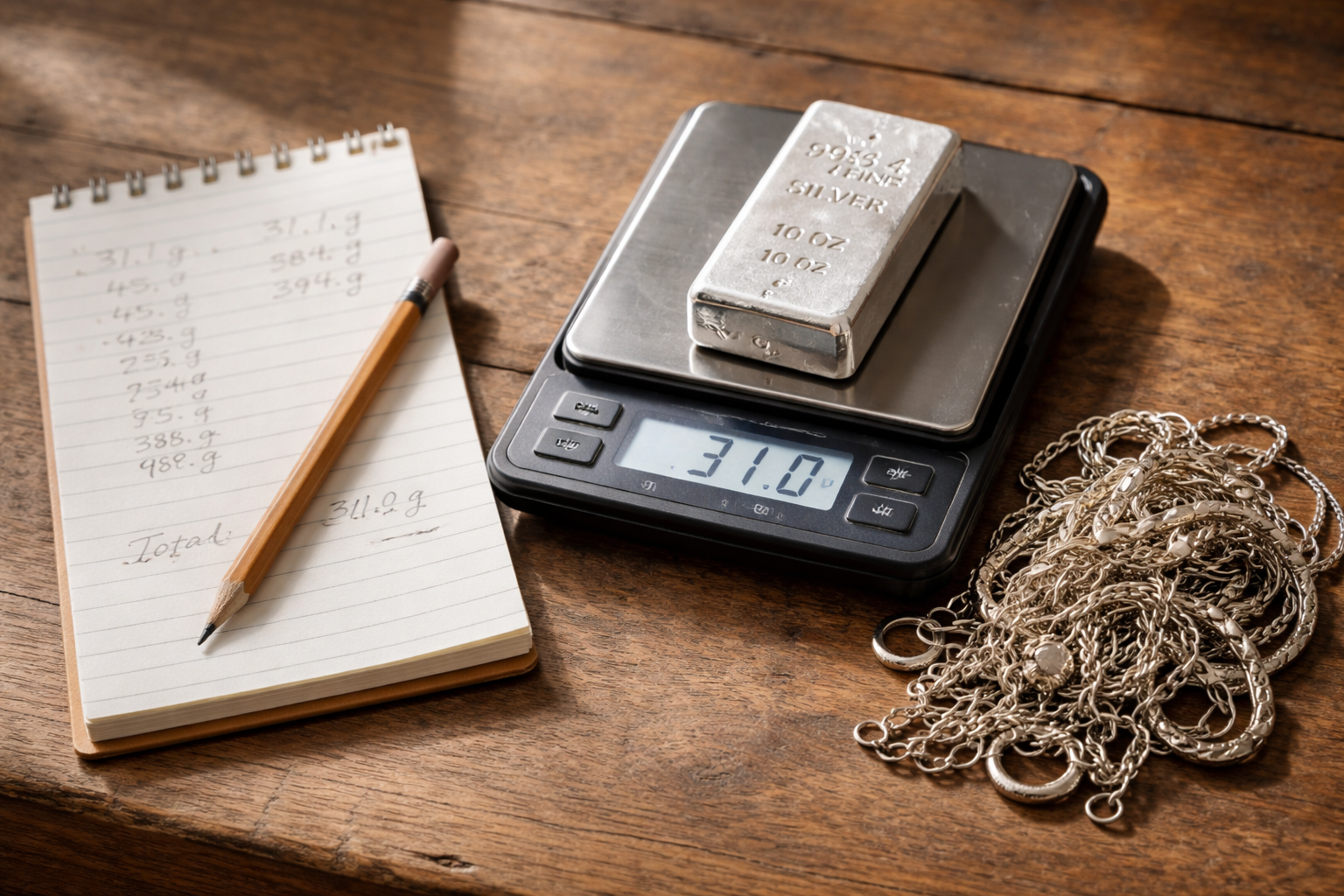
- Weigh what you can—separately. If you have kitchen scales, weigh batches (not individual stones or non‑silver components). Note: buyers will use calibrated scales.
- Photograph and list. A quick photo record and bullet list (type, hallmark, weight) speeds discussions and is helpful if you post items.
- Check live silver context. Prices shift; knowing that today’s offers reflect today’s market helps set expectations.
- Choose your selling route. Home visit, pop‑up, or postal kit; consider your schedule and appetite for in‑person verification versus shipping.
- Prepare ID. A current photo ID and proof of address help complete the transaction smoothly at the valuation.
Once you’re ready, arrange a visit or request a kit. At the appointment, a specialist will test any unmarked pieces, weigh everything, and calculate an offer based on purity and live rates, minus any reasonable handling or assay costs if applicable.
What Affects Your Silver Price Today?
Silver pricing has two layers: intrinsic metal value and collectability. Understanding both helps you interpret offers and decide the best route to sell.
- Fineness and weight: 999 fine silver commands more per gram than 925 sterling, all else equal. Heavier items yield more intrinsic value.
- Form: Coins and bars are straightforward to price against spot. Jewellery typically realises intrinsic value unless designer or antique.
- Brand and rarity: Notable makers, limited editions, or desirable series can exceed metal value through collector demand.
- Condition: For bullion, nicks are usually fine; for numismatic coins, condition matters a lot; for scrap, condition is largely irrelevant.
- Market timing: Silver can be volatile. Offers reflect the current market. You can reference broad spot prices via the LBMA precious metal prices as context.
Expect professional buyers to explain line by line: tested purity, total weight, any premium for collectable pieces, and the live rate reference used. If anything is unclear, ask how they derived each figure and what would change the offer (for example, confirmation of a higher fineness).
Gold Buyer ties valuations to live silver rates and will separate potential collector items from scrap so you can decide whether to sell as bullion, as collectables, or as metal value.
Is It Better to Sell at Home, a Pop‑Up, or by Post?
Each route can be safe and efficient when done with a reputable buyer; the right choice depends on how you prioritise convenience, control, and turnaround time.
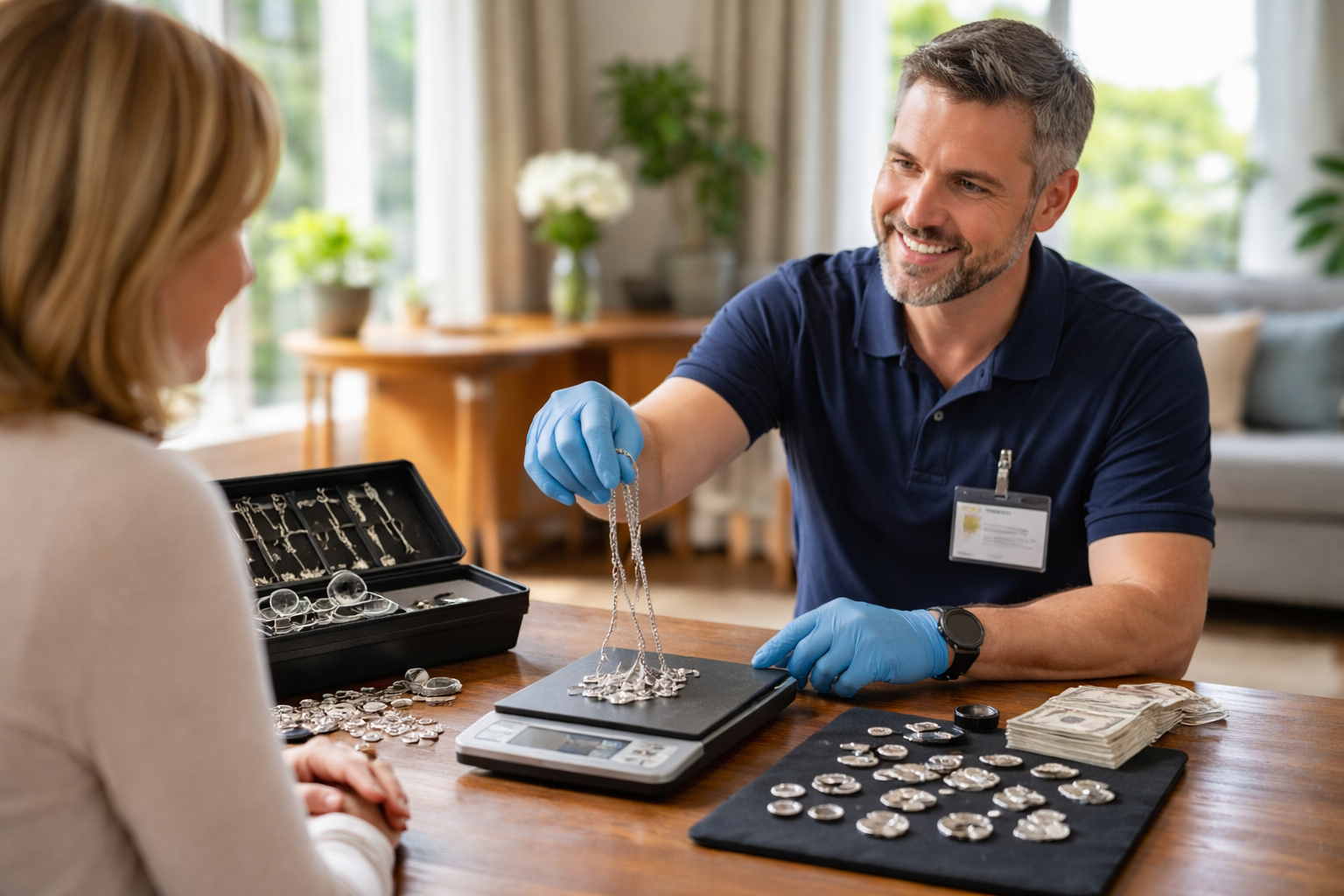
- Home visit: A discreet, ID‑checked representative visits you. You keep sight of items during testing and get a same‑day bank transfer if you accept. Great for larger lots or when you prefer face‑to‑face clarity without travelling.
- Local pop‑up: Similar benefits in a neutral venue. Useful if your schedule is flexible and you’re near an event.
- Postal kit: Ideal when you can’t book an appointment. Look for pre‑paid insured postage, tracking, itemised intake, and a no‑obligation quote with free return if declined.
Gold Buyer offers all three: home visits across the UK, pop‑up events, and a home selling kit, plus an office listed in Chesterfield for those who prefer a fixed location. If you’re thinking "where can i sell my silver" but prefer not to travel, a home visit or postal kit keeps things simple.
Want to move forward now? Book a valuation and choose a home visit or request a home selling kit—expect transparent pricing, clear ID checks, and same‑day payment by bank transfer on acceptance.
How to Compare Buyers Without Guesswork: A Practical Table
Use the table below to weigh speed, transparency, and total costs across common selling routes. Remember that collectable premiums can vary by buyer expertise, especially for coins or designer silver.
| Route | Speed to Cash | Price Transparency | Typical Fees/Costs | Risk/Control | Best For |
|---|---|---|---|---|---|
| Mobile buyer (home visit) | Same day (bank transfer) | High—live rate explained face‐to‐face | Usually none beyond standard testing | High control; you keep items in view | Mixed lots, larger values, convenience |
| Local pop‐up | Same day | High—open testing on site | None/minimal | High control during appointment | Nearby sellers, flexible schedule |
| Insured postal kit | 1–3 working days | Good if itemised and photographed | Potential postage if you decline (check policy) | Moderate—rely on tracking and insurance | Remote areas, time‐poor sellers |
| High‐street jeweller/pawnbroker | Same day | Varies—some use fixed boards | Offers may be conservative | Good control; travel required | Small lots, quick local sale |
| Specialist auction | Weeks (sale + settlement) | Good catalogue estimates | Seller’s commission + listing fees | Market exposure; price uncertainty | Rare/brand items with collector demand |
| Peer‐to‐peer marketplace | Uncertain | Low—buyer knowledge varies | Platform + shipping costs | Higher fraud/shipping risk | Unique pieces, willing to manage risk |
For practical pointers on weighing precious metals and understanding payouts, see Gold Buyer’s practical pricing tips and same‑day payouts. If you plan to sell bars, the checklist for selling bullion bars offers a helpful process that also applies to silver.
Due diligence matters: verify ID at the door, confirm payment timings, and be cautious with unsolicited offers. For general scam awareness, review guidance on Action Fraud.
Example Scenarios: Coins, Jewellery, Scrap and Dental Silver
Here are practical, clearly hypothetical examples that demonstrate how different items are handled—and why the route you choose can change outcomes:
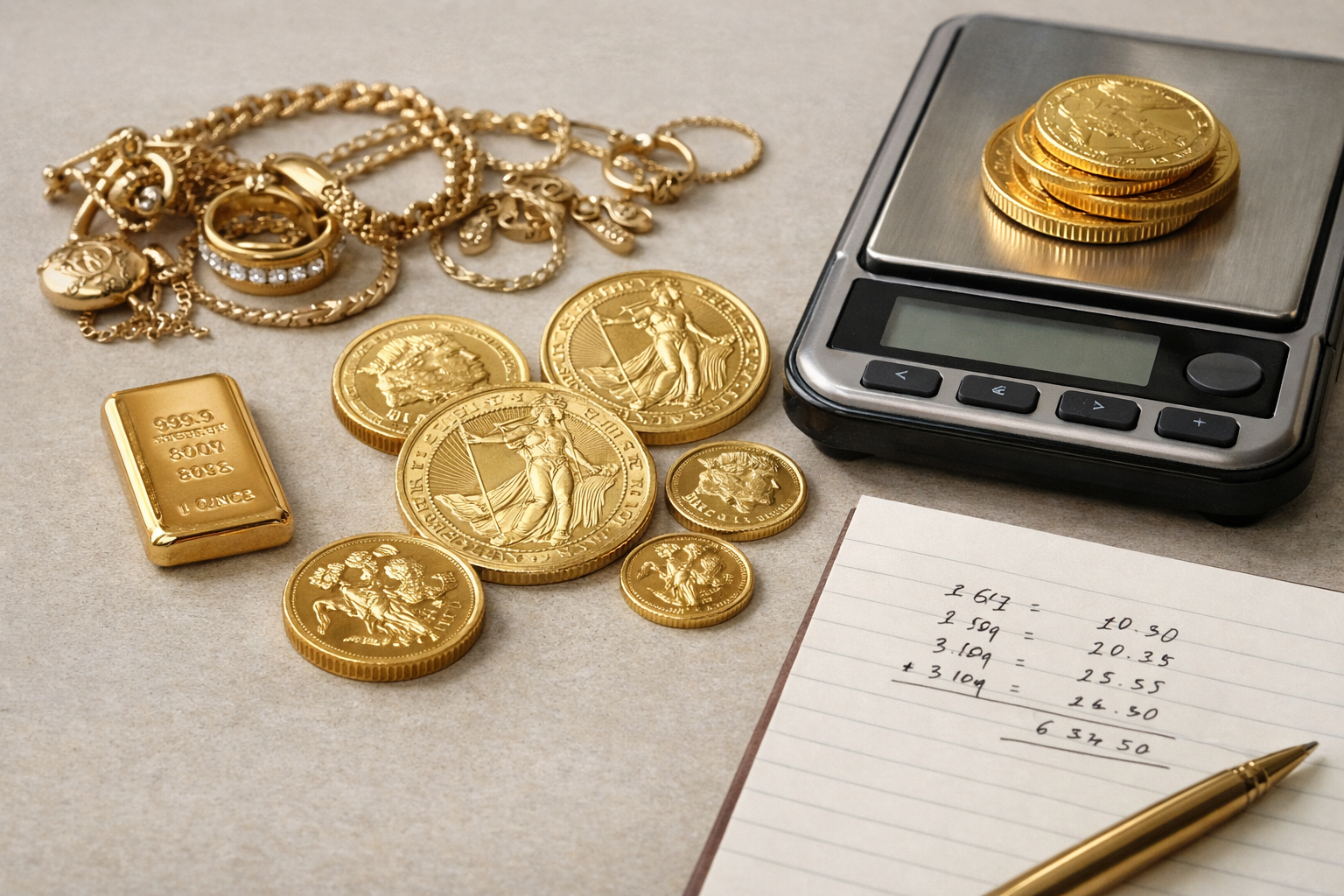
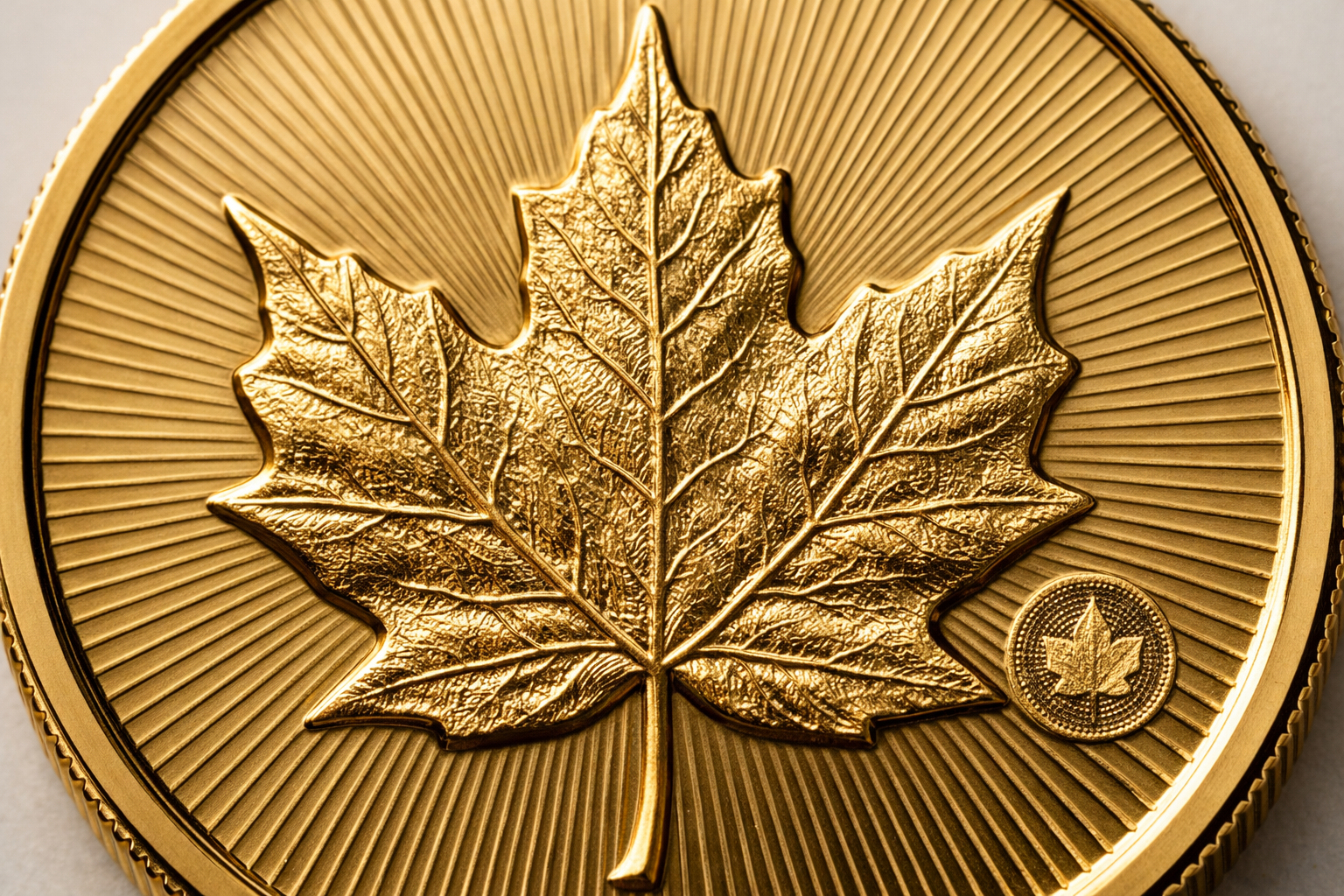
- Coins (e.g., Britannia, Maple Leaf): Imagine you hold ten 1 oz bullion coins. A buyer values these against current spot silver, typically with a clear premium/discount framework. If you’re unsure how coin selling works in practice, Gold Buyer’s expert FAQ on selling UK bullion coins outlines the UK process (principles apply across precious metals).
- Designer jewellery: Suppose you have a branded sterling cuff with original box. A mobile valuation can assess both intrinsic value and any brand‑driven premium; you’ll then choose whether to accept a blended offer or sell as scrap if the premium is minimal.
- Mixed household silver: Picture a drawer of odd earrings, broken chains, and a dented napkin ring. Group and weigh before the visit. Expect testing for any unmarked items, then a consolidated offer based on total silver weight and fineness.
- Scrap and dental silver: Dental alloys vary. A responsible buyer explains testing, potential refining deductions, and timing if an assay is required. Many lots are still eligible for same‑day payout if fineness is confirmed on the spot.
- Bars vs. rounds: If you own bars with certificates and tamper‑evident packaging, have them ready. Rounds are fine to sell by weight; just note the mint and weight. A bar checklist—like the principles in the UK bullion bar checklist—also suits silver sellers.
For scrap processes and fast‑sale pointers, see Gold Buyer’s expert guide to selling scrap precious metal quickly. The same fundamentals—purity, weight, and live pricing—apply to silver.
When Timing Matters: Navigating Volatility and Weekend Pricing
Silver’s market price can move quickly during active trading sessions. People often wonder "where can i sell my silver" when headlines turn bullish, but the best result isn’t only about timing—it’s about having your items prepared, verified for purity, and presented to a buyer who pegs offers to the live market.
Some practical timing notes:
- Price context: Use a trusted benchmark like the LBMA to gauge trends, but remember you’ll receive a trade price that reflects handling and buyer overheads.
- Weekends and bank holidays: Spot markets may be closed; some buyers quote from prior sessions. If you prefer intra‑day clarity, book on an active weekday.
- Decision window: Ask how long your quote is valid and whether the buyer will refresh the rate if the market moves before you accept.
- Batching items: If you expect to sell more soon, one consolidated visit can save time and sometimes achieve more streamlined processing.
Ultimately, readiness beats perfect timing. A clear inventory, valid ID, and confidence in your chosen buyer lets you act quickly when you’re happy with the market.
How Silver Buyers Test and Pay: What to Expect on the Day
An in‑person valuation should be methodical and fully explained before you accept an offer. Expect something like this:
- Verification: An ID‑checked representative introduces themselves, outlines the process, and confirms your items match the inventory you prepared.
- Hallmark review: Obvious marks are noted; unmarked items are set aside for non‑destructive testing.
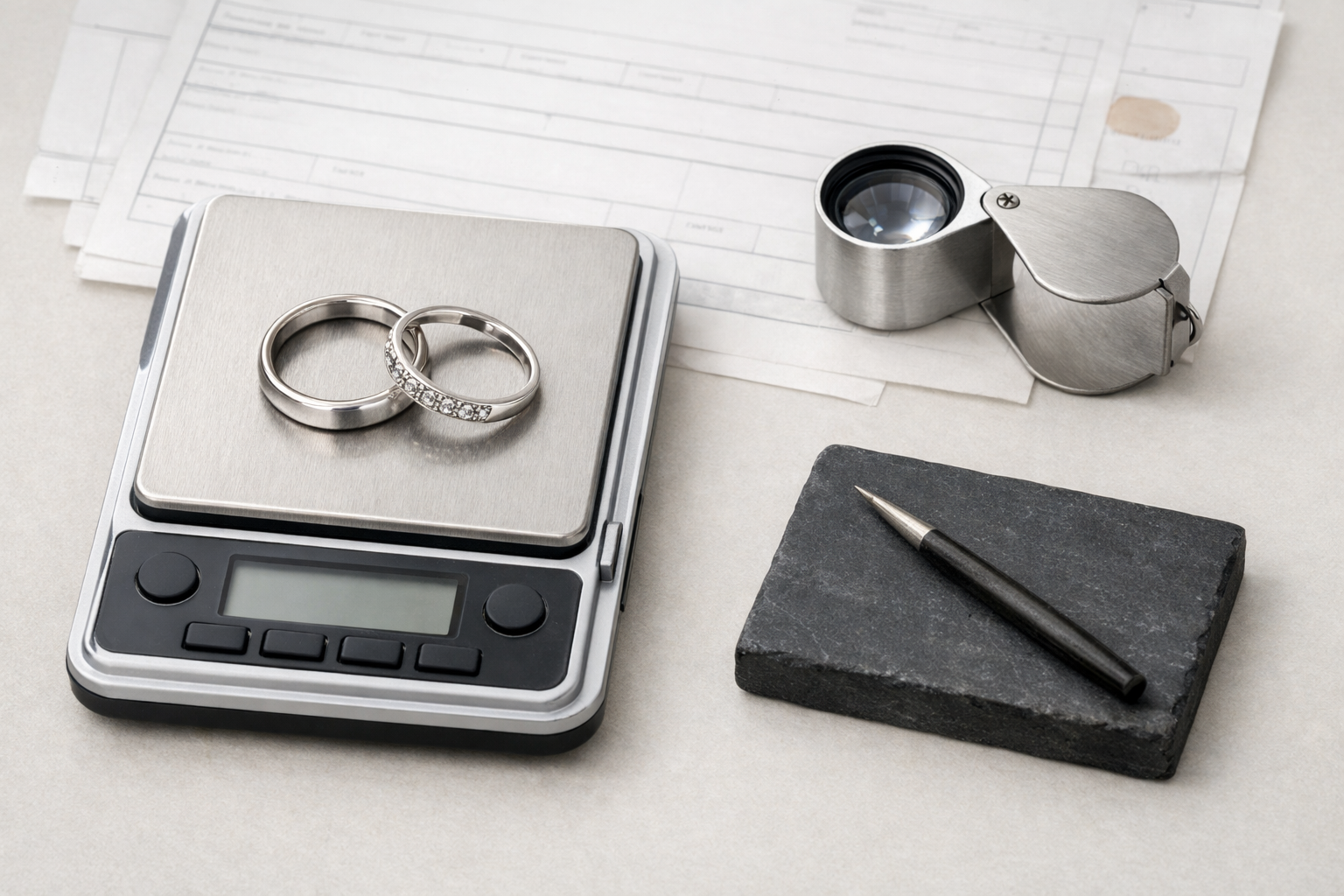
- Testing: Depending on the item, a handheld analyser or acid test confirms fineness. For complex alloys (e.g., dental), a small sample may be required; this is always discussed first.
- Weighing: Items are weighed on calibrated scales in your presence and grouped by fineness.
- Calculation: The buyer explains the live silver reference used and any deductions (e.g., stones, non‑silver components), presenting a line‑by‑line figure.
- Offer and questions: You can accept, negotiate, or decline. There should be no pressure—only clear answers.
- Payment: On acceptance, Gold Buyer issues a same‑day bank transfer. A receipt summarises items and amounts.
Prefer extra caution? Keep photos of each group, note counts and weights, and request a copy of the final itemised receipt. Reputable buyers welcome transparency—because it protects both parties.
Choosing Secure Logistics: In‑Person, Insured Post, or Mix‑and‑Match?
Your logistics choice should match the value, volume, and variety of your items. Here’s a pragmatic way to decide:
- High‑value or mixed lots: Favour a home visit so everything stays in view during testing. This is especially useful if you have jewellery, coins, and scrap in one go.
- Single small lot or remote location: An insured postal kit can be efficient. Confirm tracking, compensation limits, and return terms if you decline the offer.
- Local and flexible: A pop‑up event can be perfect—fast, discreet, and fully equipped for testing and same‑day payout.
Whichever you pick, have ID ready, keep your own list of items, and ask how disputes are handled (for instance, if a piece tests lower fineness than expected). Reputable buyers document intake carefully and communicate findings step by step.
Gold Buyer provides mobile UK‑wide valuations, a Chesterfield office listing, and a home selling kit—giving you secure options without the need to visit a traditional shop.
Frequently Asked Questions
Do I need hallmarks to sell my silver?
No. Hallmarks make assessment faster, but reputable buyers can test unmarked items with handheld analysers or acid tests and explain results. If an item needs more detailed analysis (e.g., certain dental alloys), a buyer may discuss a small assay sample before proceeding. Expect full transparency and no‑pressure explanations in 2026.
How quickly will I be paid after accepting an offer?
With professional mobile buyers, payment is typically same‑day by bank transfer once you accept. At an auction house, settlement can take weeks. Postal kit timelines depend on shipping and processing—usually one to three working days from arrival to payment, assuming you accept the quote.
Will stones, clasps or non‑silver parts affect the price?
Yes. Buyers pay for the silver content. Non‑silver components are weighed or deducted accordingly. If you have set stones or steel findings, the representative will separate or estimate their weight so you’re only quoted on the actual metal value, with the calculations explained line by line.
Is it safer to sell in person or post items?
Both can be safe when done correctly. In‑person valuations offer maximum control since items never leave your sight. With post, choose insured, tracked services, photograph contents, and confirm return terms. Reputable buyers document intake thoroughly and keep you updated at each stage.
What’s the difference between scrap value and collector value?
Scrap value reflects metal content by weight and fineness at current market rates. Collector value comes from brand, rarity, demand and condition, which can raise prices above scrap. A good buyer will separate potential collector pieces and explain both routes so you can decide which suits your goals.
Ready to Get a Same‑Day Offer?
Arrange a discreet home visit, pop‑up appointment, or request a fully insured home selling kit with transparent, market‑based pricing. Book a valuation to get a clear, on‑the‑spot offer and same‑day bank transfer from Gold Buyer.