How to Sell Jewellery Safely and Get a Fair Valuation
To learn how to sell jewellery safely, start by identifying what you own, checking its condition and choosing a buyer who explains how the offer is calculated. Compare valuations where practical, understand whether stones or craftsmanship are included, and agree on payment before handing anything over. A home visit or selling kit can make the process convenient without a trip to a shop.
How to Sell Jewellery: What Matters First?
Jewellery can be worth more than its precious-metal content, but not every item will have a substantial resale value beyond the metal. A buyer assessing a broken chain for refining may approach it differently from a specialist considering a signed vintage piece. Before seeking an offer, decide whether you want a quick sale, a specialist assessment or time to explore both.
Separate pieces you are ready to sell from those you are uncertain about. Gather any receipts, previous valuations or information about the maker, but do not worry if you no longer have paperwork. Existing documents provide useful context; they do not guarantee what a buyer will pay today.
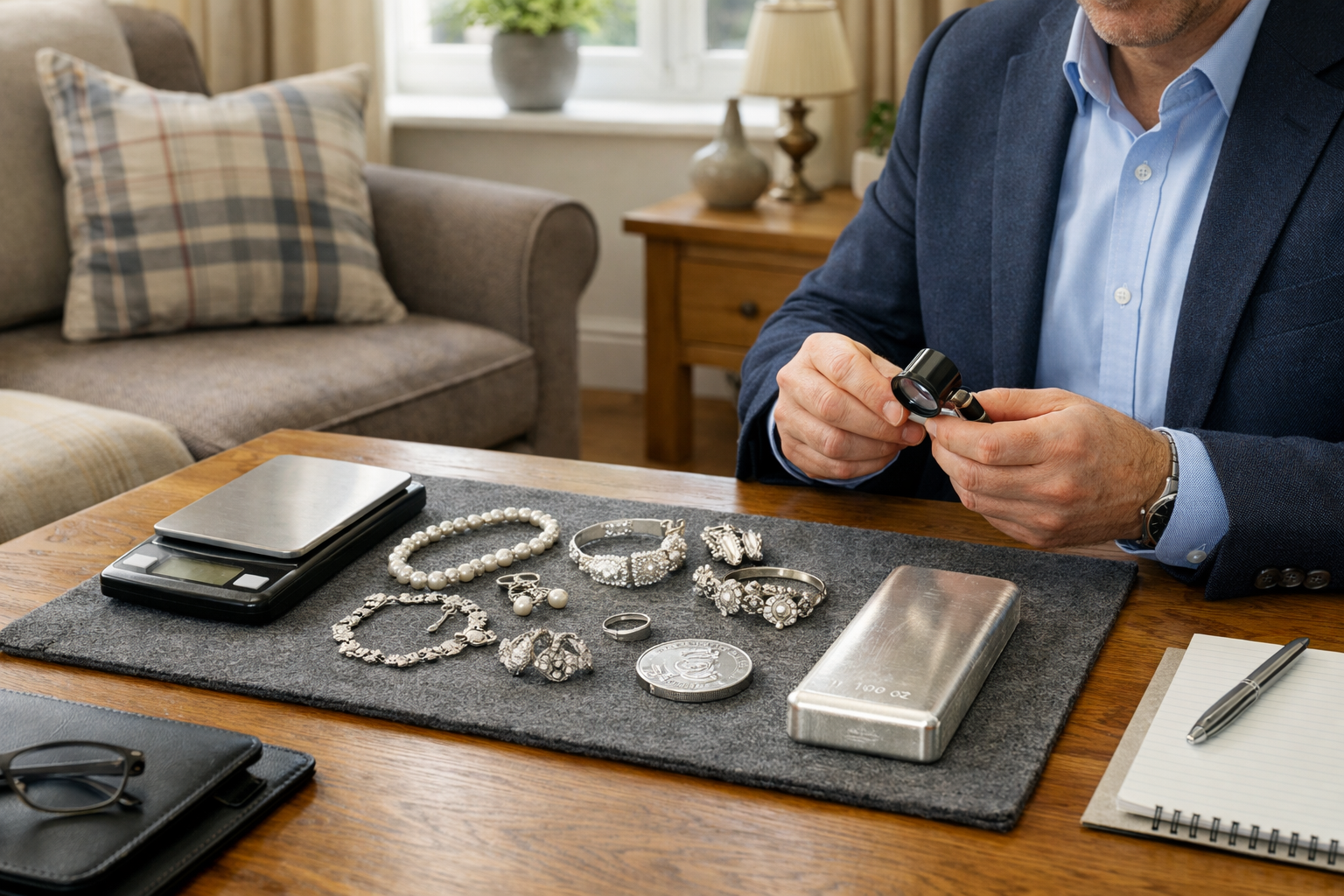
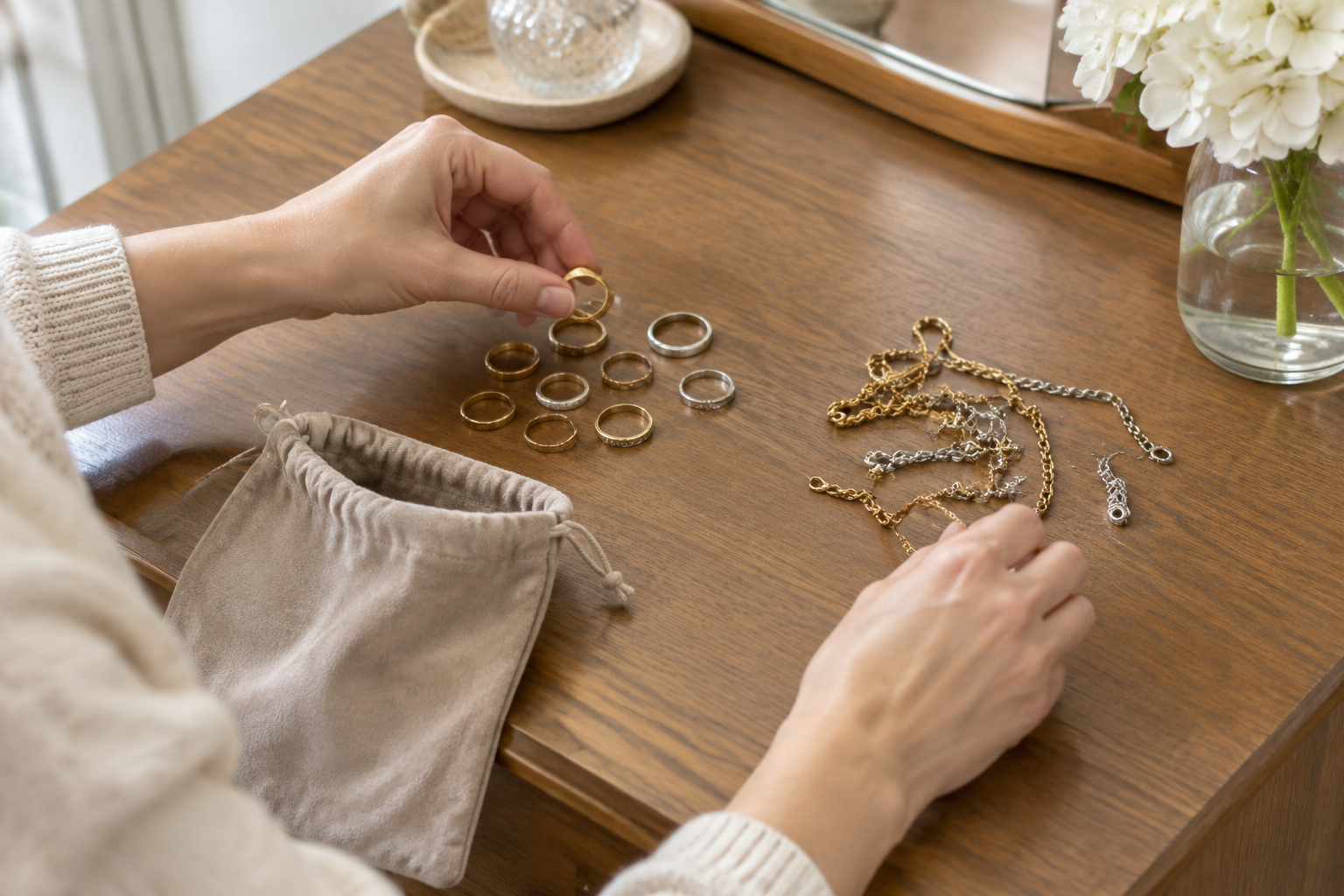
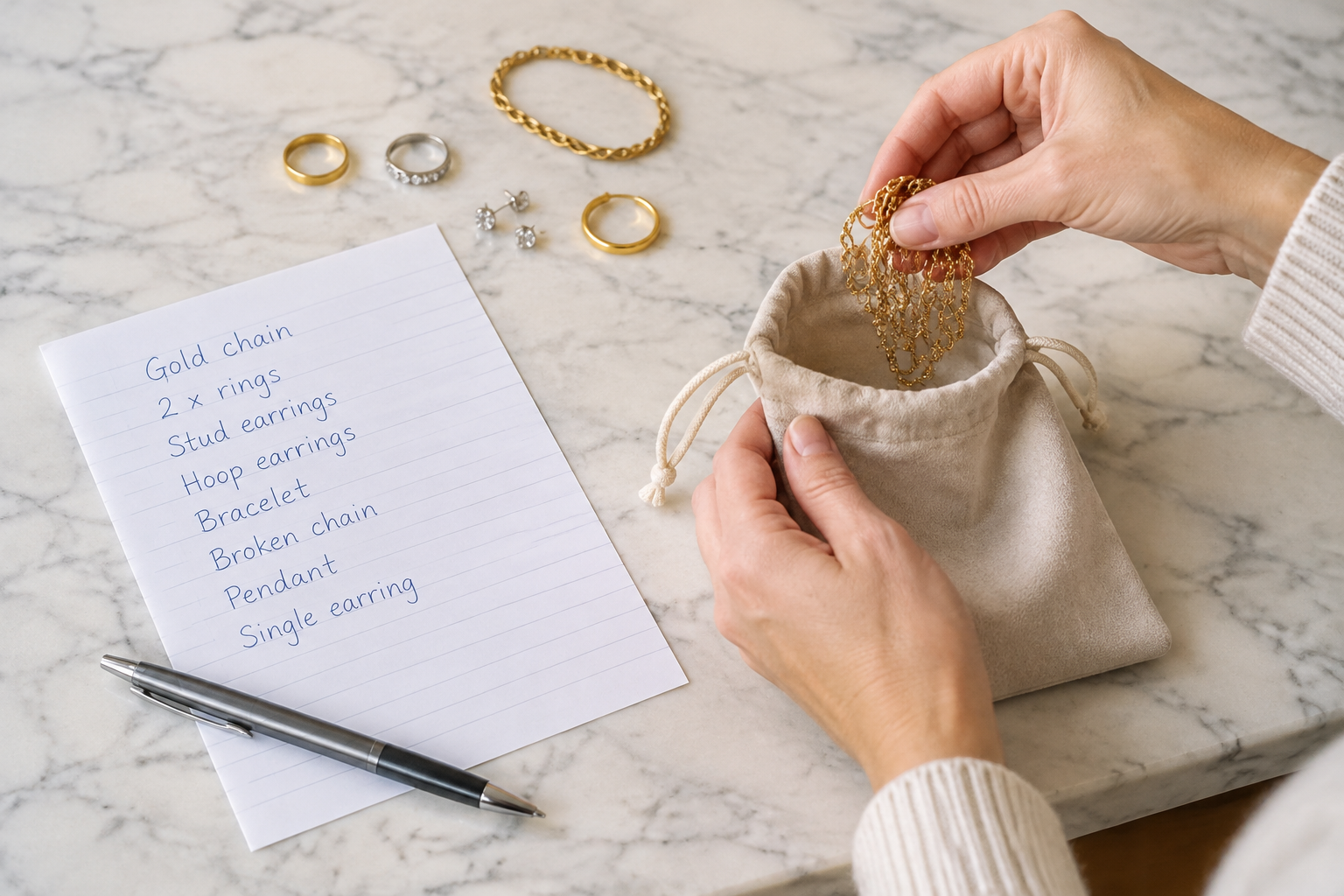
When making your list, describe each piece in terms you can recognise later, such as its colour, shape, visible marks and any damage. Note whether it belongs to a set and whether you want to sell the set together. This gives you a practical reference when discussing several similar items or checking what has been returned after an assessment.
Check for hallmarks and obvious damage, then make a simple list of the items. Avoid polishing, dismantling or removing stones before an assessment: you could damage a piece or make it harder to judge its original condition. If something might be antique, unusually designed or signed by a recognised maker, consider an appropriate specialist opinion before accepting a metal-only offer.
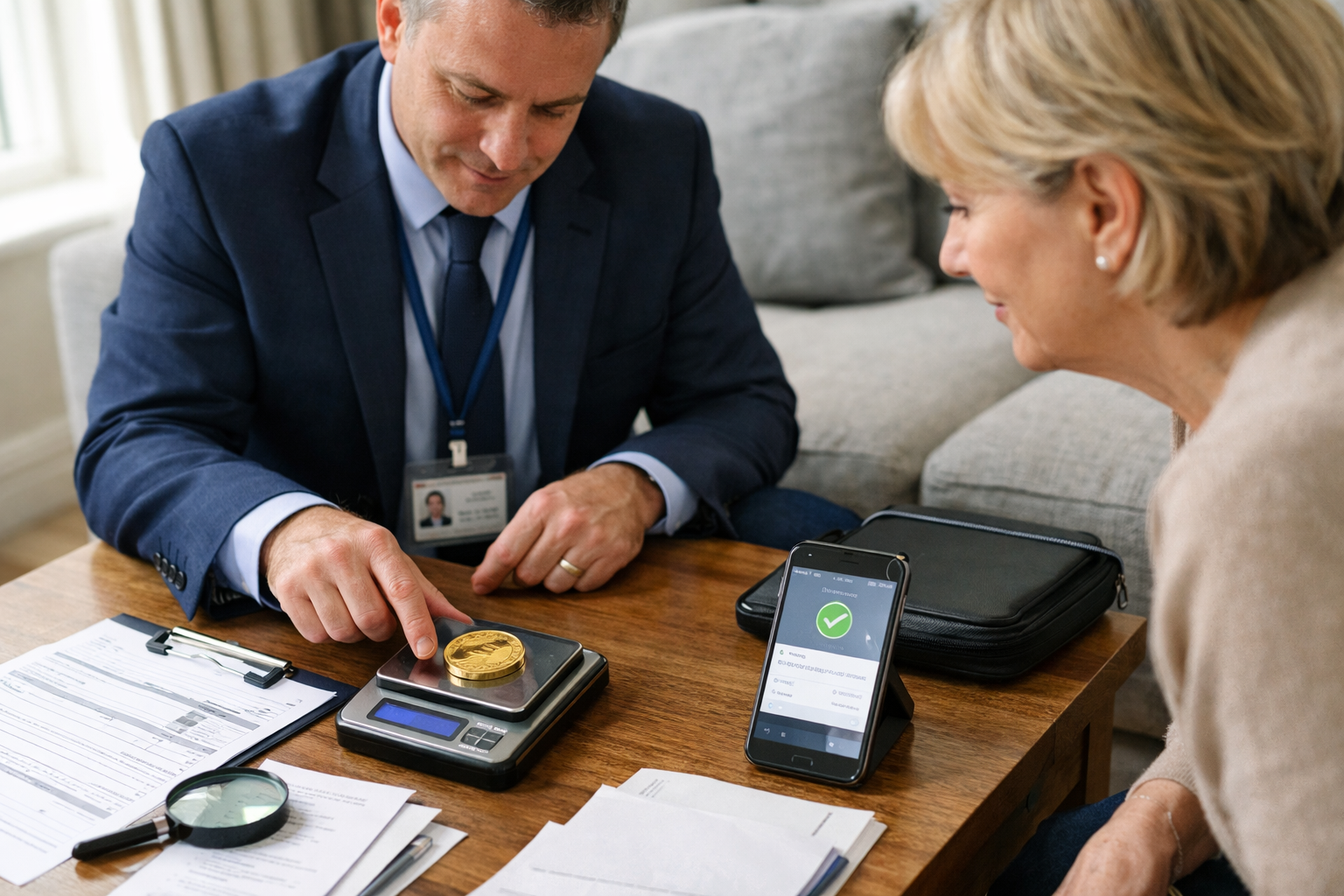
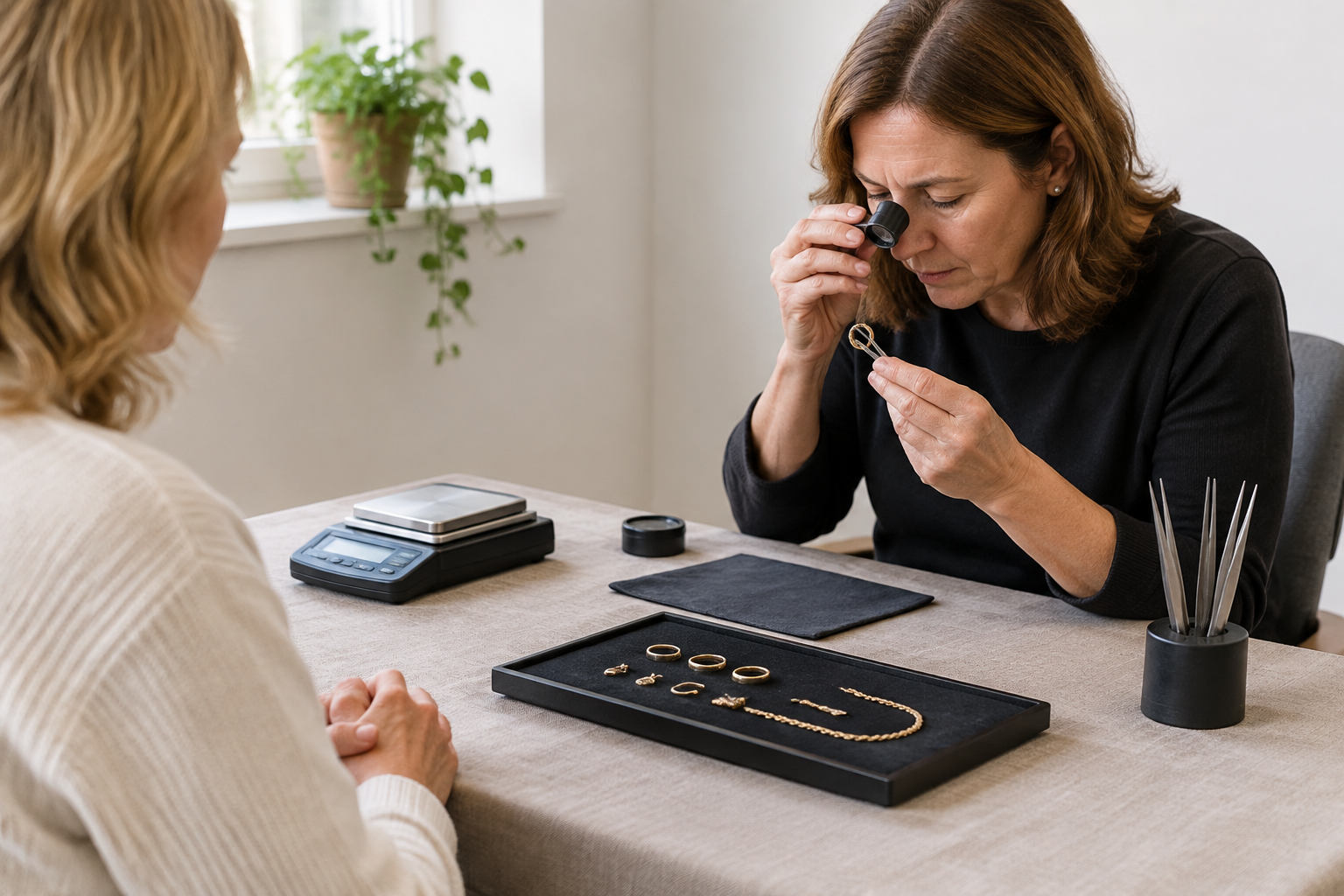
Gold Buyer purchases precious-metal items and offers mobile valuations, local pop-up events and a home selling kit. Its representatives can value items on the spot during a visit, with same-day payment by bank transfer if a sale is agreed. Ask about the arrangements available in your area and which items the buyer can assess before booking.
Which Jewellery-Selling Myths Could Cost You Money?
It is easy to mistake a useful shortcut for a rule. The following distinctions can help you ask better questions before you sell.
| Myth | Fact | What to ask |
|---|---|---|
| All gold jewellery is valued at the same rate. | Purity, weight and the buyer's pricing affect a metal-based offer. | What purity and weight have you used? |
| The live gold price is the amount I will receive. | A market reference is not necessarily a buyer's offer; testing, processing and commercial costs can affect the price paid. | How does your offer relate to the current market price? |
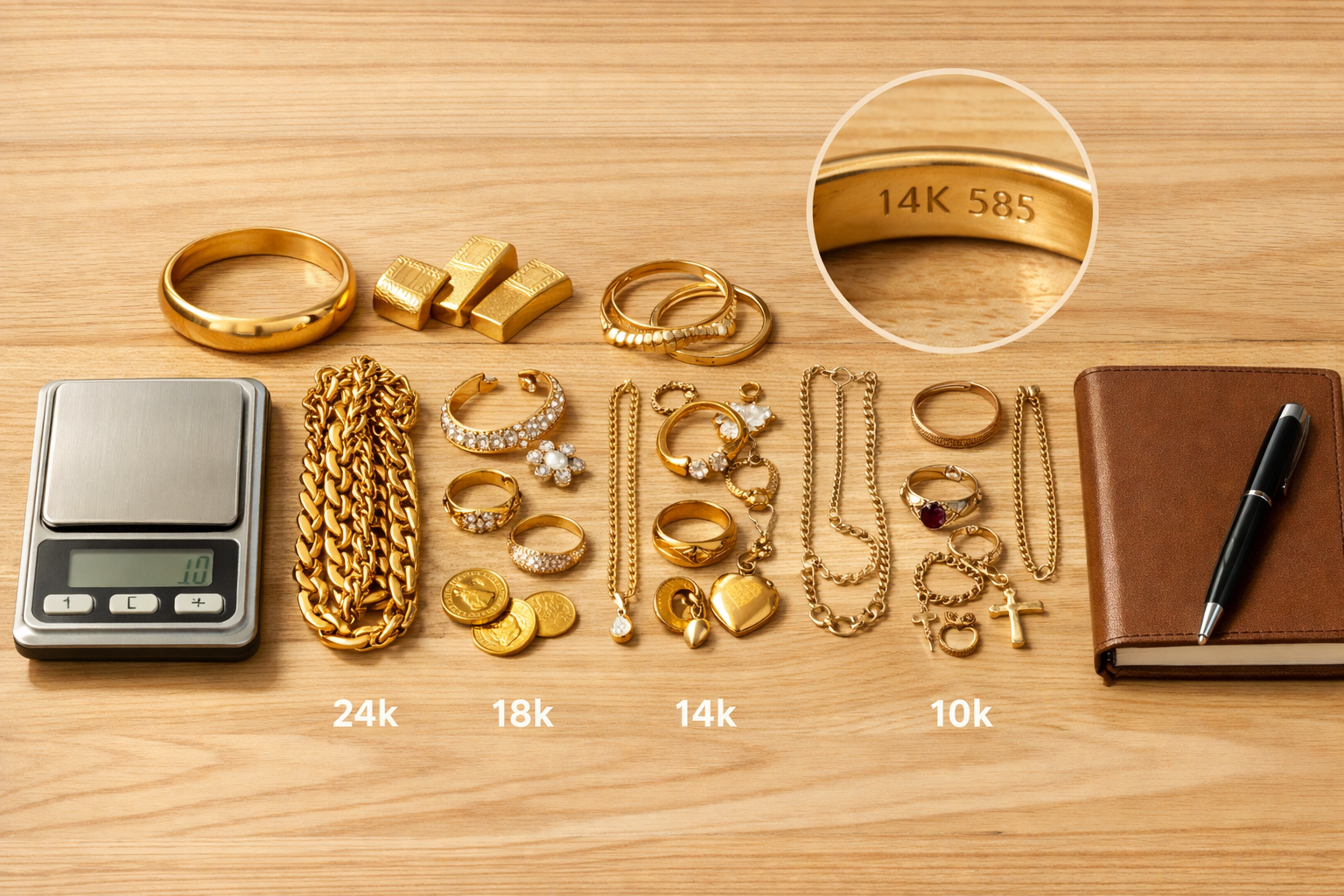
| A hallmark proves a piece is valuable as jewellery. | A hallmark identifies relevant metal standards, not the quality of a design, a stone's value or the resale price. | Is this offer for metal only? |
| Broken jewellery has no value. | Damaged items may still contain recoverable precious metal. | Can you assess these pieces as scrap? |
| Gemstones are always included in the offer. | Some metal buyers may exclude stones or value them separately. | Are the stones included, and what happens to them? |
| A home visit means I must sell. | Ask about the valuation and any charges or obligations before arranging a visit. | Am I free to decline, and are there any fees? |
The right question is not simply which buyer offers the highest headline rate. It is what that rate applies to, how the item has been assessed and how much you will actually receive. A clear explanation makes it easier to compare offers on the same basis.
Does a Hallmark Tell You What Jewellery Is Worth?
Myth: A hallmark is a price tag. Fact: It is useful evidence about an item's precious-metal standard, but it cannot tell you its current market value or whether its design has additional resale appeal.
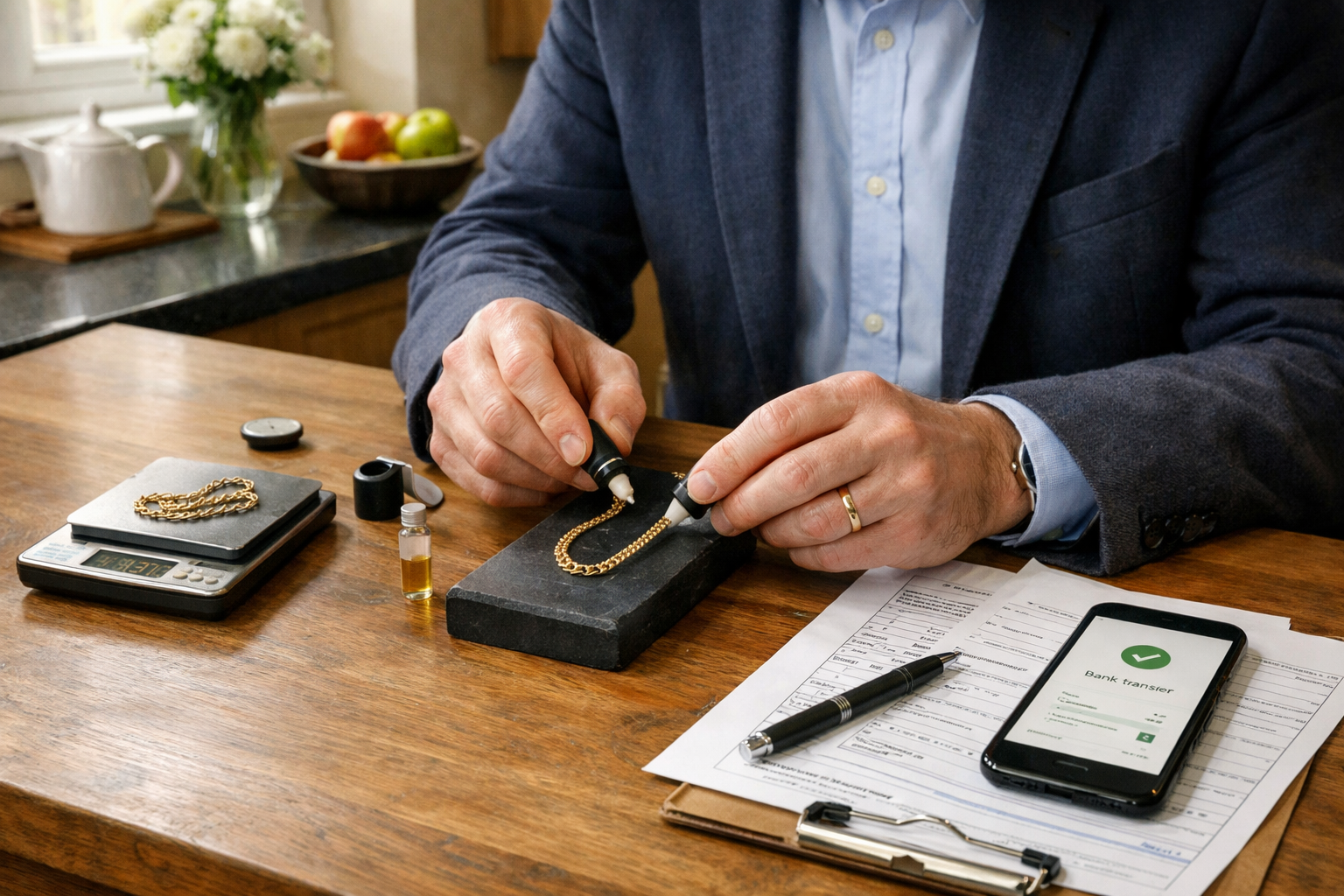
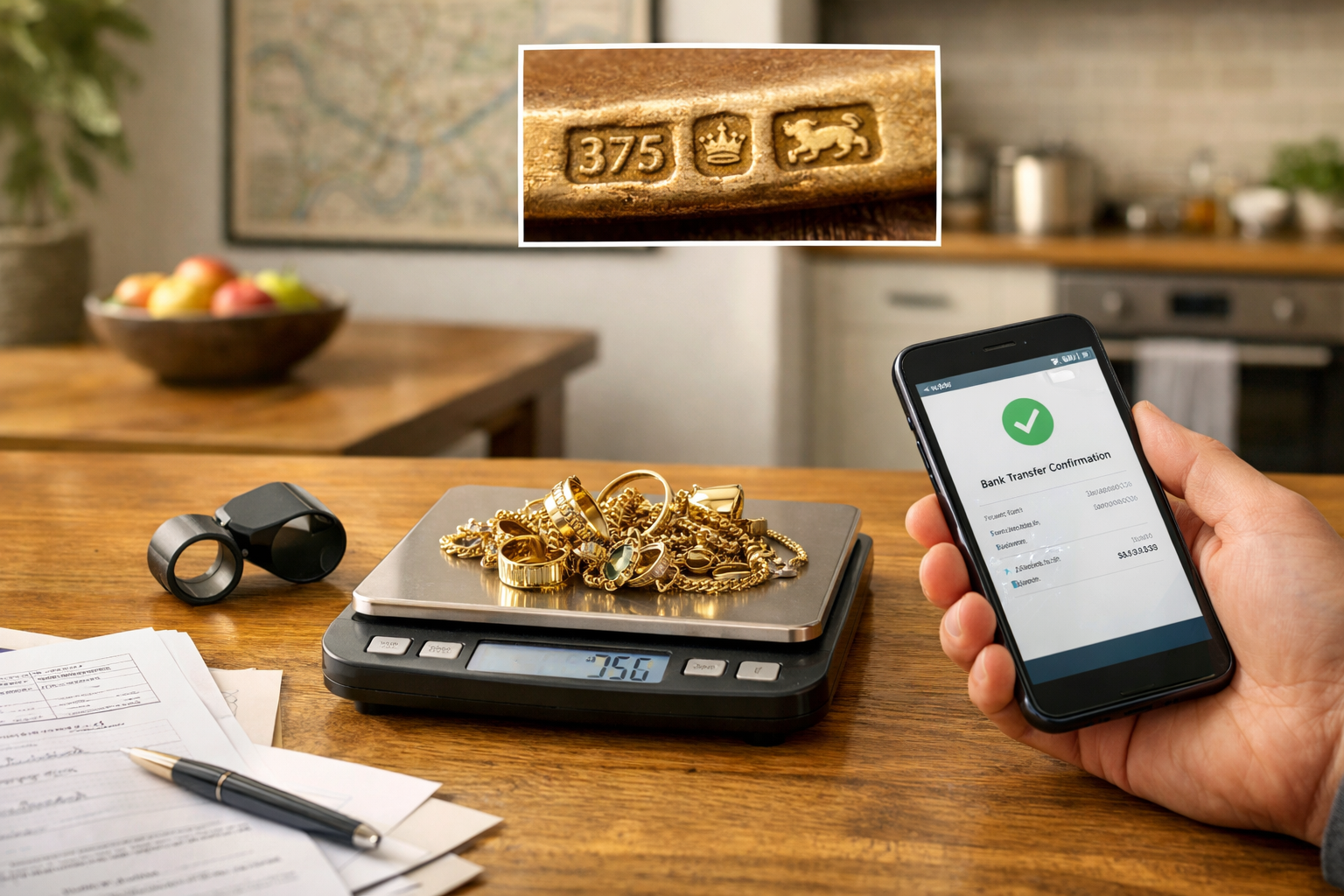
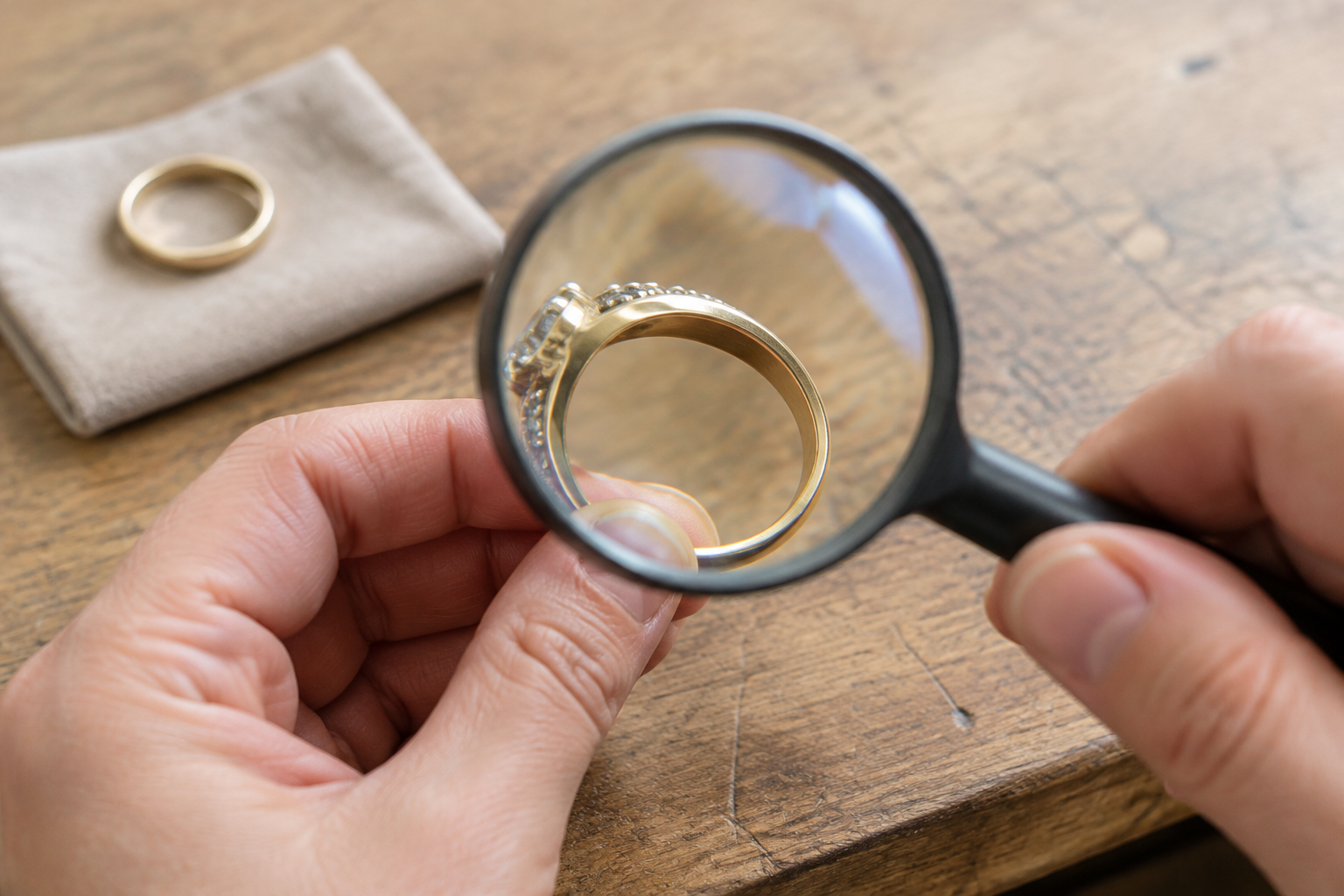
Look inside rings, on clasps and on other discreet parts of a piece. Marks can be small or worn, so use a magnifying glass and good light rather than scratching the surface. Different metals and standards have different marks. The UK government guidance on hallmarking precious metals explains the marking system and its purpose.
A missing or unclear mark does not automatically mean an item contains no precious metal. Equally, a colour or a stamp alone should not be treated as conclusive proof. A buyer may need to test the piece and should explain the proposed method before doing so. Ask whether testing could mark the jewellery, especially if you may wish to keep it or obtain another opinion.
White jewellery also needs careful identification. White gold and platinum are different metals, even when they look similar. For more on purity, pricing and evidence, read the guide to selling white gold.
How Are Jewellery Offers Calculated?
Myth: The weight on a kitchen scale multiplied by a live gold price is the cash offer. Fact: A metal-based valuation depends on the quantity of the relevant precious metal, its purity and the buyer's terms.
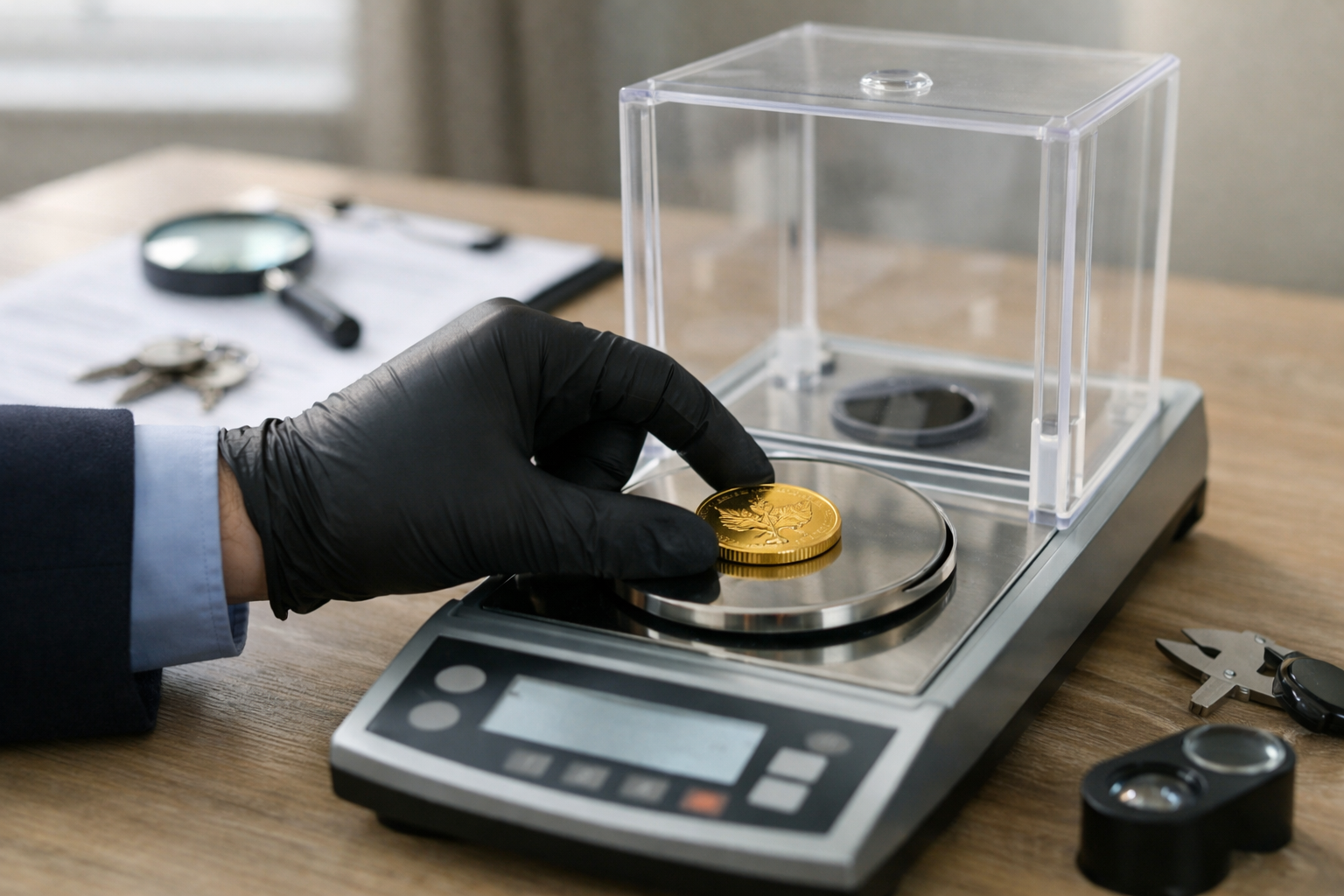
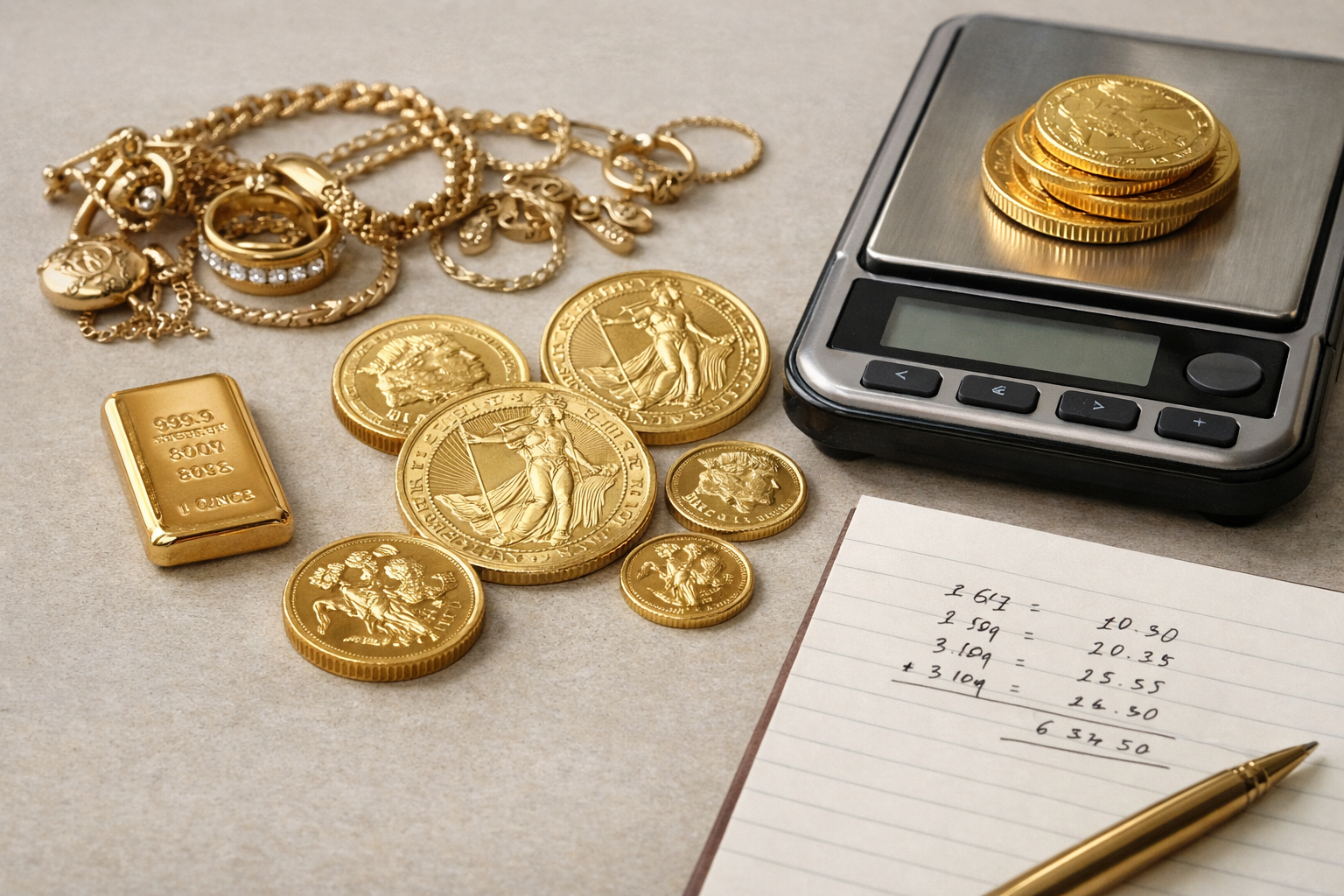
A buyer will usually identify the metal, assess its purity and weigh the item. The gross weight of a ring with stones is not necessarily the weight of its precious metal. Clasps, springs and mixed-metal components can also complicate an assessment. Ask the representative to explain any deductions or estimates rather than assuming the whole item is treated as one metal.
The live market rate is a reference point that can change. A buyer's offer may be lower than the theoretical value of the metal because the business must account for testing, handling, refining and other costs. Offers can also differ between buyers. If a price is quoted by weight, check the metal, purity and unit it applies to, and ask whether any fees will be deducted.
Hypothetical example: You have an intact gold ring with a stone. One buyer offers a metal-only price after estimating the metal content; another considers it for resale as a complete piece. The offers are not necessarily directly comparable until you know whether the stone and design are included, what fees apply and when each buyer will pay.
When comparing offers for a group of items, ask whether the buyer can explain the assessment of each piece rather than giving only a combined figure. Record the date, the items covered and any conditions attached to each offer. That way, you can distinguish a difference in price from a difference in what is being purchased or the costs deducted.
Gold Buyer says its pricing is tied to live gold rates. Ask for the valuation to be explained at the appointment, including how the current rate and the assessed purity and weight relate to the amount offered. For a closer look at these factors, see how much your gold may be worth.
Can You Sell Broken or Unfashionable Jewellery?
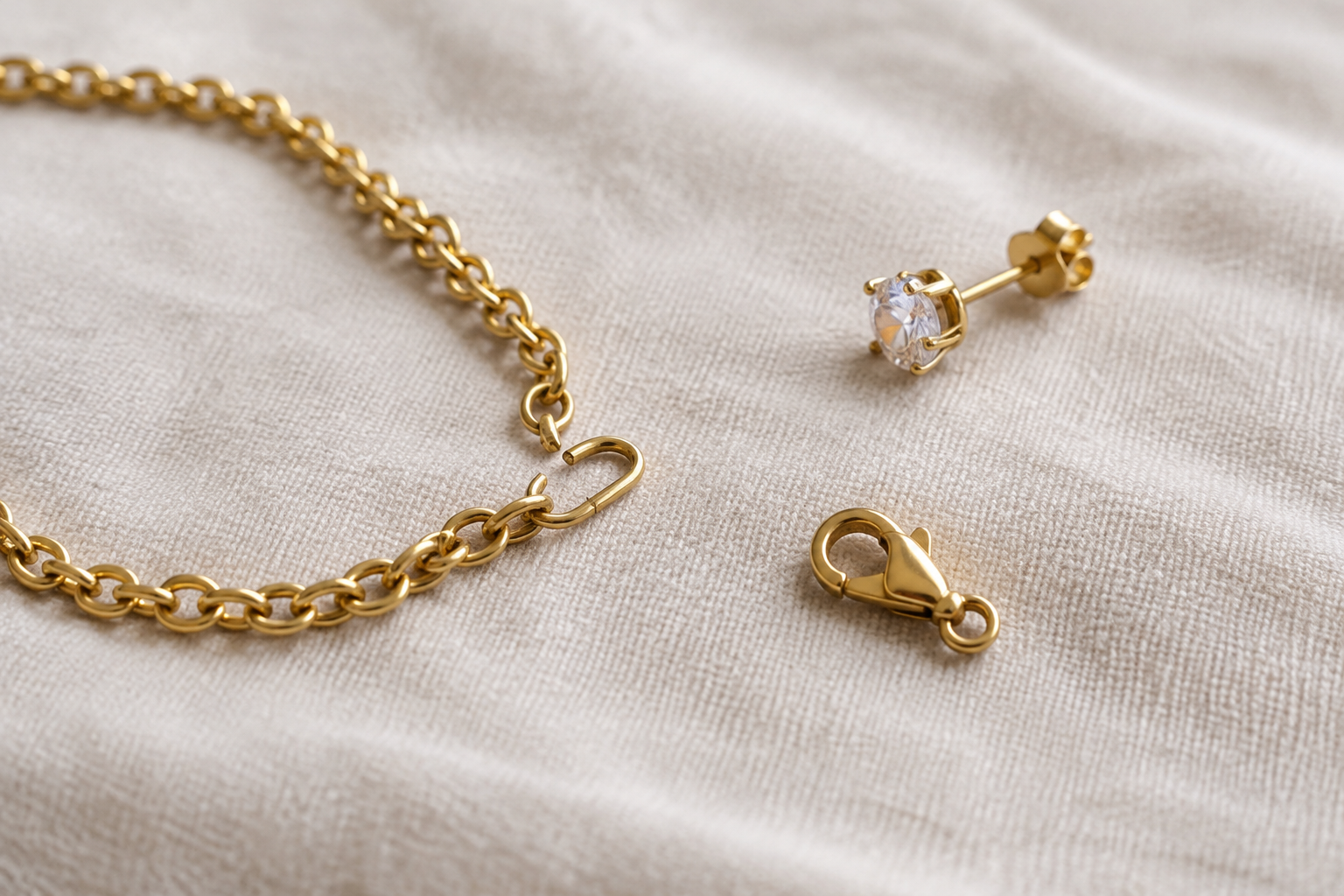
Myth: Only wearable pieces are worth taking to a buyer. Fact: Broken chains, single earrings and damaged rings can still contain precious metal, even if they are unsuitable for resale as jewellery.
Collect loose pieces carefully and keep items you think belong together in separate bags or small containers. Do not throw away a broken clasp simply because it looks insignificant: let the buyer assess it. At the same time, do not assume every gold-coloured item is solid gold. Plated, filled and costume jewellery need to be identified accurately, and a precious-metal buyer may not make an offer for every item.
Tell the buyer if a piece has personal significance or if you would prefer to keep any stones. Ask whether stones can be returned, whether removal could damage them, and whether a separate service or charge would apply. Do not assume a metal buyer offers stone removal or a gemstone valuation.
For damaged gold items, the guide to selling scrap gold explains what to prepare and which questions to ask.
Should You Choose a Home Visit, Event or Selling Kit?
Myth: You have to visit a high-street shop to get jewellery valued. Fact: Mobile appointments, local events and postal arrangements can offer alternatives, although the process and timing differ.
A home visit may suit someone who wants to discuss several pieces face to face without travelling. Gold Buyer offers home visits and says its representatives are ID-checked and discreet. Before booking, confirm the location, appointment arrangements and how you can identify the representative. Ask what identification you will need to provide and whether anyone else can be present.
A local pop-up event may be convenient if one is available nearby and you prefer not to invite a visitor into your home. Check the event details with the business before attending. Keep your items secure while travelling and avoid discussing what you are carrying in public.
A home selling kit may suit you if you would rather prepare items yourself than arrange a visit. Before sending anything, ask how the kit works, what delivery or insurance arrangements apply, when you will receive an offer and how items are returned if you decline. Do not assume that the payment timing for an in-person valuation also applies to a kit.
For a kit, compare your own item list with the contents before sealing the package, and keep any dispatch confirmation. Ask how to contact the business if the package appears delayed and how you will be told that it has arrived. Check the stated insurance conditions against the items you intend to send before choosing this route.
Whichever route you choose, confirm any fees, cancellation conditions and payment arrangements in advance. If you would like to discuss the options or arrange an assessment, book a jewellery valuation with Gold Buyer.
How Can You Check a Buyer and Protect Your Payment?
Myth: A quick sale means skipping checks. Fact: A few practical questions can make a convenient transaction easier to understand and safer to manage.
- Contact the business through a route you have checked. Confirm the appointment and location directly, rather than relying on an unexpected caller's instructions.
- Verify who is attending. Ask how the representative will identify themselves and what to do if the visitor's details do not match the booking.
- Keep an item list. Note what you intend to show and, where helpful, take your own photographs before the appointment or dispatch.
- Request an itemised explanation. Ask which items are included, how they were assessed and whether the offer covers stones as well as metal.
- Agree on the net amount and payment method. Check whether there are deductions and when the transfer will be made. Do not hand over items unless you understand and accept the terms.
- Keep the transaction record. Ask what receipt or confirmation you will receive and retain it with your own notes.
If an offer covers only some of your items, check the receipt or confirmation against your list so it is clear which pieces you have agreed to sell. Keep any items you are retaining separate from those included in the transaction. If a term is unclear, ask for it to be explained before accepting rather than trying to resolve the uncertainty afterwards.
For bank transfers, provide only the details needed to receive payment and never share passwords or one-time security codes. Check your account through your normal banking channel rather than relying solely on a message or image presented by someone else. The National Cyber Security Centre's guidance on phishing scams offers practical advice on suspicious messages.
Gold Buyer offers same-day bank transfer following an agreed sale. Ask the representative to explain the payment process at your appointment, including when the transfer will be initiated and what confirmation you will receive. Bank processing times can vary, so check the status through your own bank if needed.
What Should You Watch Before a Valuation?
A practical demonstration can help you recognise common hallmarks and understand why purity and weight matter. Treat a video as preparation rather than a substitute for a buyer inspecting your particular items, and check that any pricing advice is current and relevant to the UK.
Frequently Asked Questions
Do I need a receipt to sell jewellery?
A receipt can help establish an item's history or original purchase details, but it is not the same as a current valuation. Ask the buyer what documents and identification are required before an appointment. If you have no receipt, the buyer may still be able to assess the metal and make an offer, depending on the item and their checks.
Can I sell jewellery without a hallmark?
Potentially, but an unmarked item may need further assessment to establish its metal and purity. A missing mark is not proof that a piece is worthless, and appearance alone is not proof that it is precious metal. Ask how the buyer proposes to test it and whether that process could affect its condition.
Will a buyer pay for diamonds or other stones?
That depends on the buyer and the item. A precious-metal offer may exclude stones, while a jewellery or gemstone specialist may assess them separately. Ask exactly what the offer covers and whether stones can be returned if you want to keep them. If the stones may be valuable, consider a specialist opinion before agreeing to a metal-only sale.
Can I decline an offer after a valuation?
Ask about your right to decline, along with any valuation, testing, postage or return charges, before you proceed. The practical arrangements may differ between a home visit and a selling kit. Make sure you understand when ownership would transfer and how you would recover your items if you decide not to sell.
Is an old insurance valuation the same as a sale price?
No. An insurance valuation may have been prepared for a different purpose, such as replacement, and may not reflect a buyer's current offer. It can still provide useful details about a piece. Share it with the buyer if appropriate, but ask for a fresh explanation of the proposed price and what it includes.
Ready to explore your options? Contact Gold Buyer to arrange a valuation or ask about a home visit, local event or selling kit.