
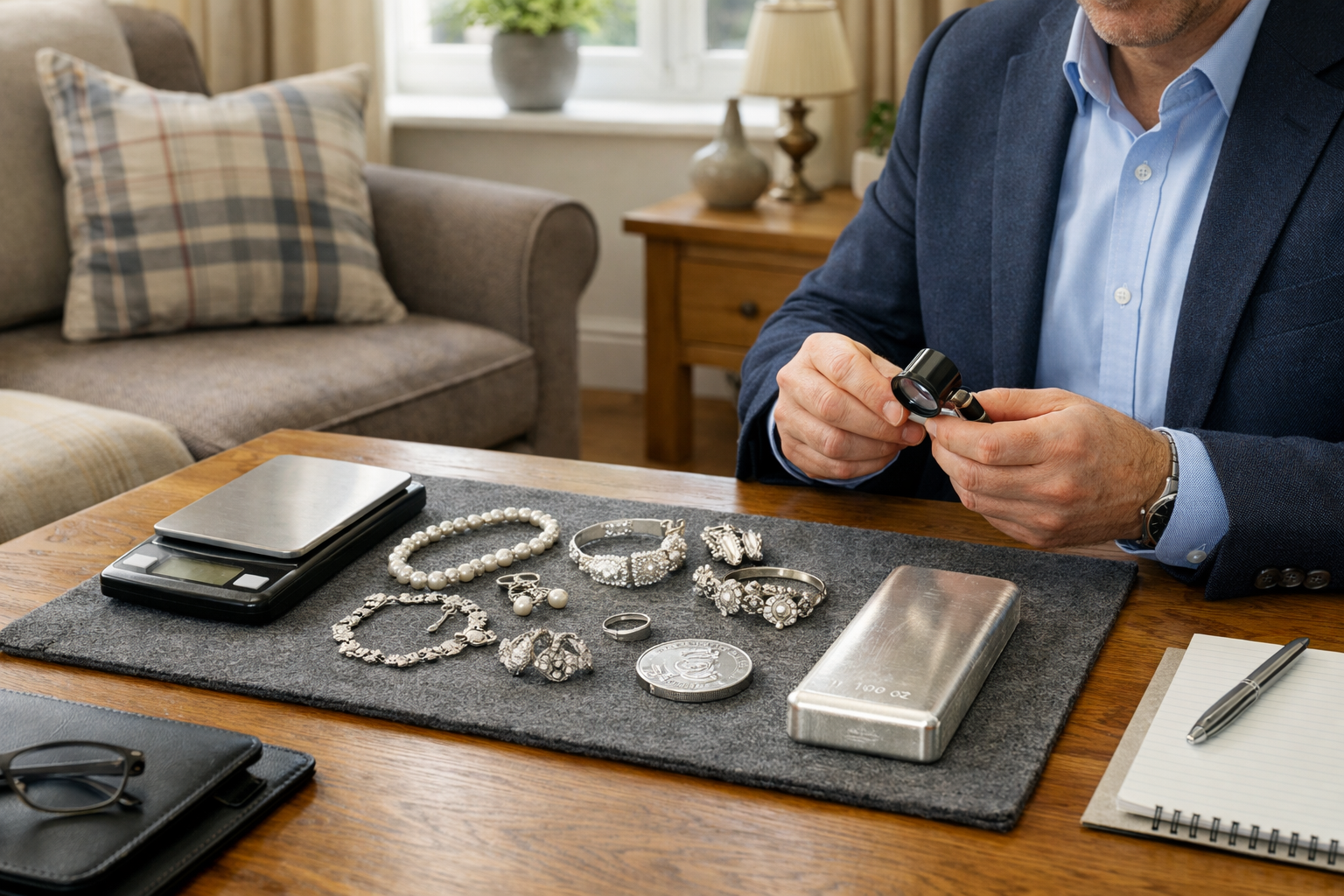
Sell a canadian maple leaf 1oz gold coin — Fast, Safe UK Payouts: Practical Tips
To sell a canadian maple leaf 1oz gold coin quickly and fairly in the UK, confirm authenticity, check the live spot price, and choose a buyer who values in front of you and pays the same day. With Gold Buyer, you can arrange a home visit or request a postal kit, provide ID and bank details, and receive a transparent, market-based offer.
What Is the canadian maple leaf 1oz gold coin, and Why Do UK Sellers Choose It?
The Maple Leaf is a flagship bullion coin of the Royal Canadian Mint, globally recognised for its high purity (usually 99.99% fine gold) and dependable liquidity. Each piece contains one troy ounce of fine gold, making it straightforward for both private sellers and professional dealers to value. For UK sellers, that combination of recognisability and fineness translates to a clear, market-tied price with little explanation needed when you present the coin for valuation.
Because the coin is 24‑carat and widely traded, it tends to be bought near the prevailing spot price of gold, less a small professional margin to cover handling and resale. While British legal-tender coins like Sovereigns and Britannias can be more tax‑efficient for some UK investors, many people inherit or hold Maple Leafs and want a fast, fair route to sell without visiting a high‑street shop. That is where mobile buyers and secure postal services become especially valuable.
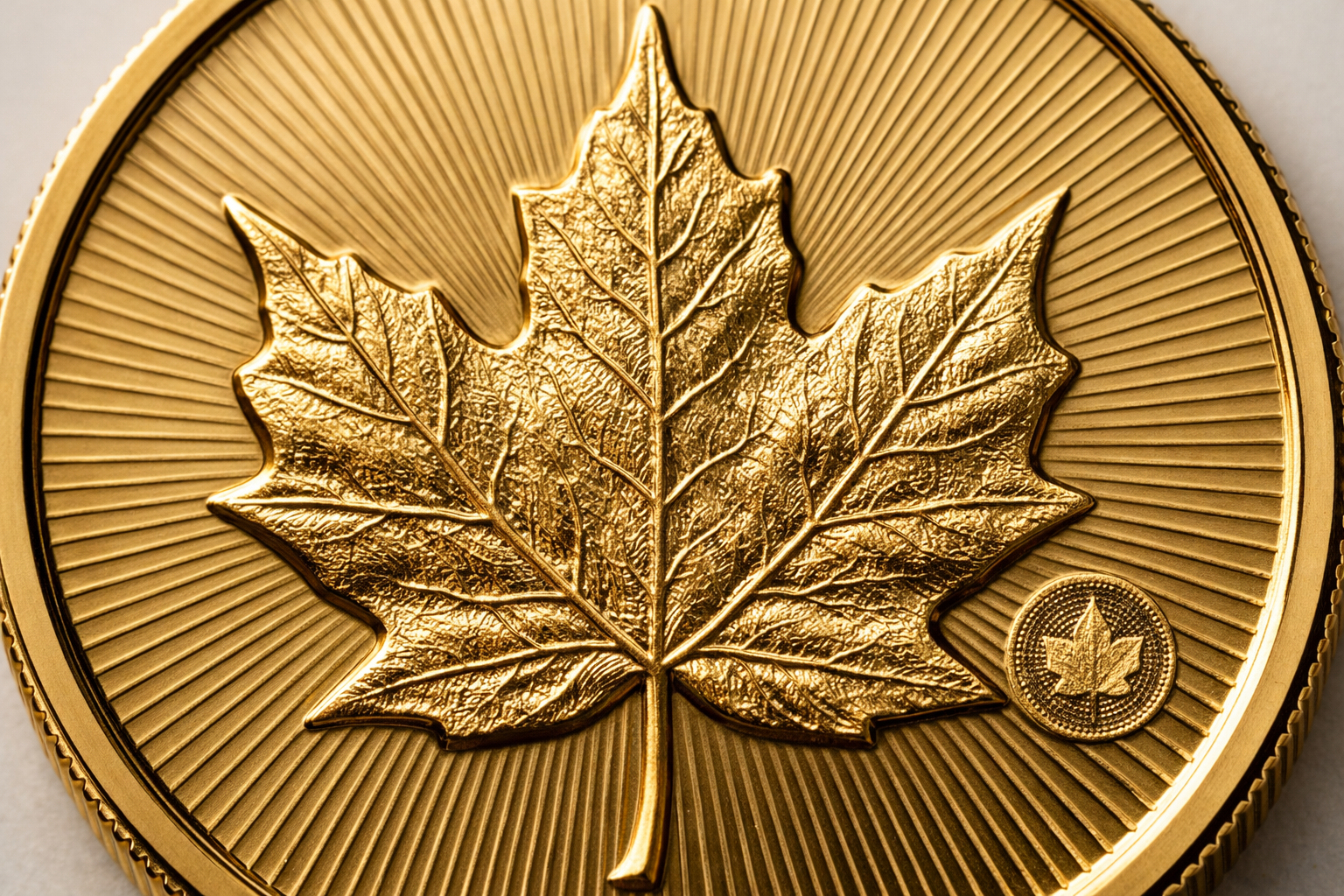
Security features have improved over time. Coins from 2013 onwards typically show precision radial lines and a tiny micro‑engraved maple leaf privy mark. Earlier years lack these features yet remain easy to value by weight and dimensions. In day‑to‑day practice, condition matters less than with numismatic pieces; a lightly scuffed bullion coin will still track gold value closely, though proof or special‑edition variants may carry an added premium with the right buyer.
When selling, stick to clear, replicable checks: correct weight and diameter; familiar designs and edge; and an in‑person test regime you can see and understand. Choose a buyer who weighs and assesses your coin in front of you, references a live market rate, and can pay via faster bank transfer before leaving.
Quick-Reference: Specs, Checks and What Drives Value
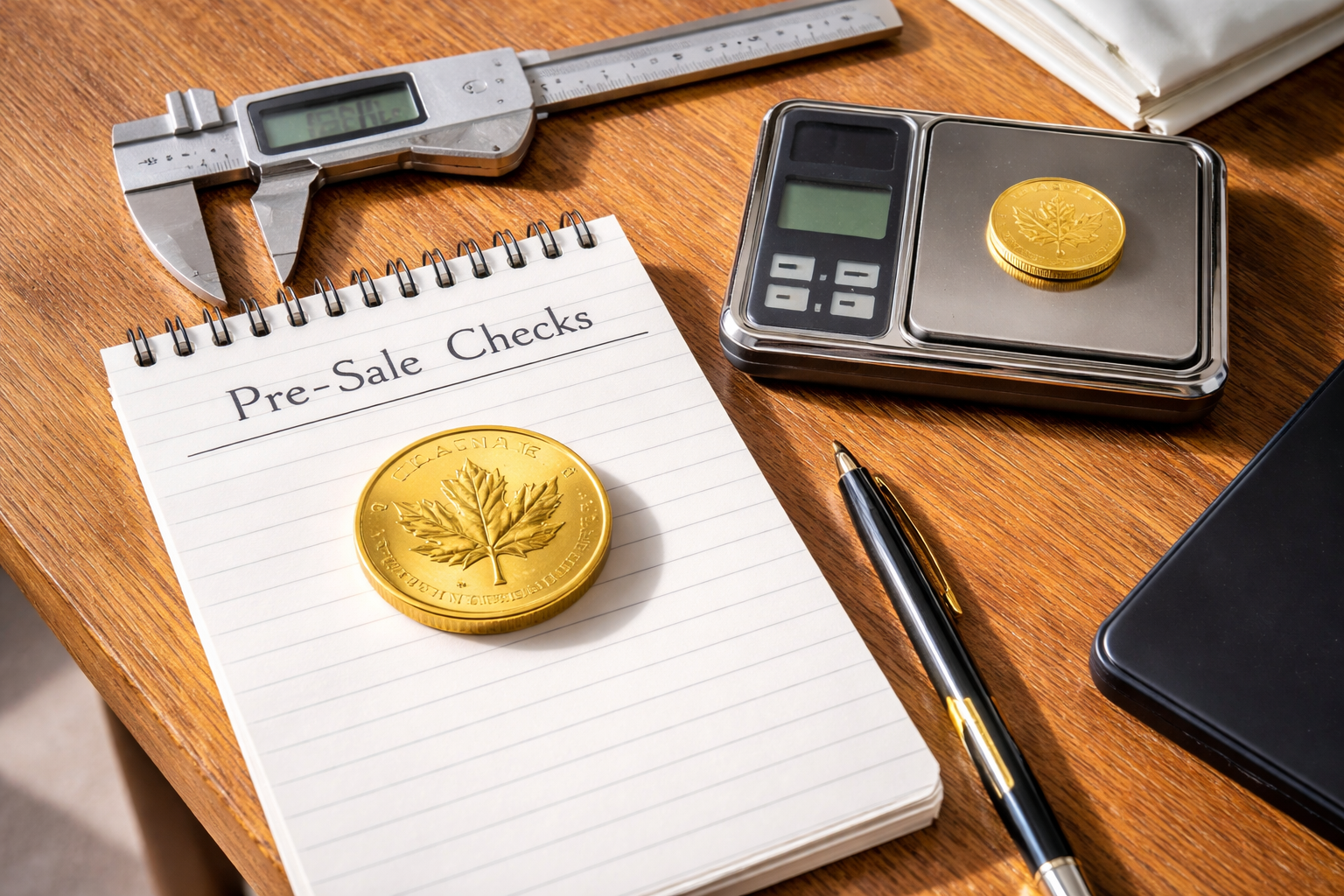
Use this quick-reference section as a pre‑sale checklist. Confirm physical specifications, run simple authenticity checks you can do without damaging the coin, and get comfortable with the pricing inputs your buyer will use. Specifications are published by the mint; markets move with global gold pricing and the pound–dollar exchange rate. If anything seems off, pause the sale and get a second opinion.
| Item to Check | What to Look For | Why It Matters |
|---|---|---|
| Fineness | Typically 999.9 (24‑carat) pure gold | Explains why the coin tracks the spot price closely; fineness is central to melt value. |
| Weight | 1 troy ounce of fine gold (c. 31.1035 g total) | Weight confirms core value; significant deviation can indicate a counterfeit or damage. |
| Diameter & Thickness | Approx. 30 mm diameter; typical thickness around 2.8 mm | Dimensions should align with mint specs; mismatch can flag fakes or altered pieces. |
| Design & Security | Maple leaf reverse; Queen Elizabeth II or King Charles III obverse; post‑2013 radial lines and micro‐leaf privy mark on many issues | Design accuracy and micro‐features help confirm authenticity, especially on newer coins. |
| Condition | From mint‐fresh to lightly scuffed; avoid polishing | Bullion value dominates, but harsh cleaning reduces desirability and potential premiums. |
| Market Inputs | Live gold spot price and GBP/USD exchange rate | These determine the baseline; your final offer is the fine‐gold value minus a dealer margin. |
| Verification Source | Compare against Royal Canadian Mint bullion information | Official data supports confident, transparent valuations. |
For official specification context and current‑year design details, see the Royal Canadian Mint bullion specifications. If you want a deeper dive into features, real‑world comparisons and what UK buyers watch for, review our Ultimate UK Guide to the Maple Leaf 1 oz before you book a valuation.
How Do You Confirm Authenticity Without Lab Gear?
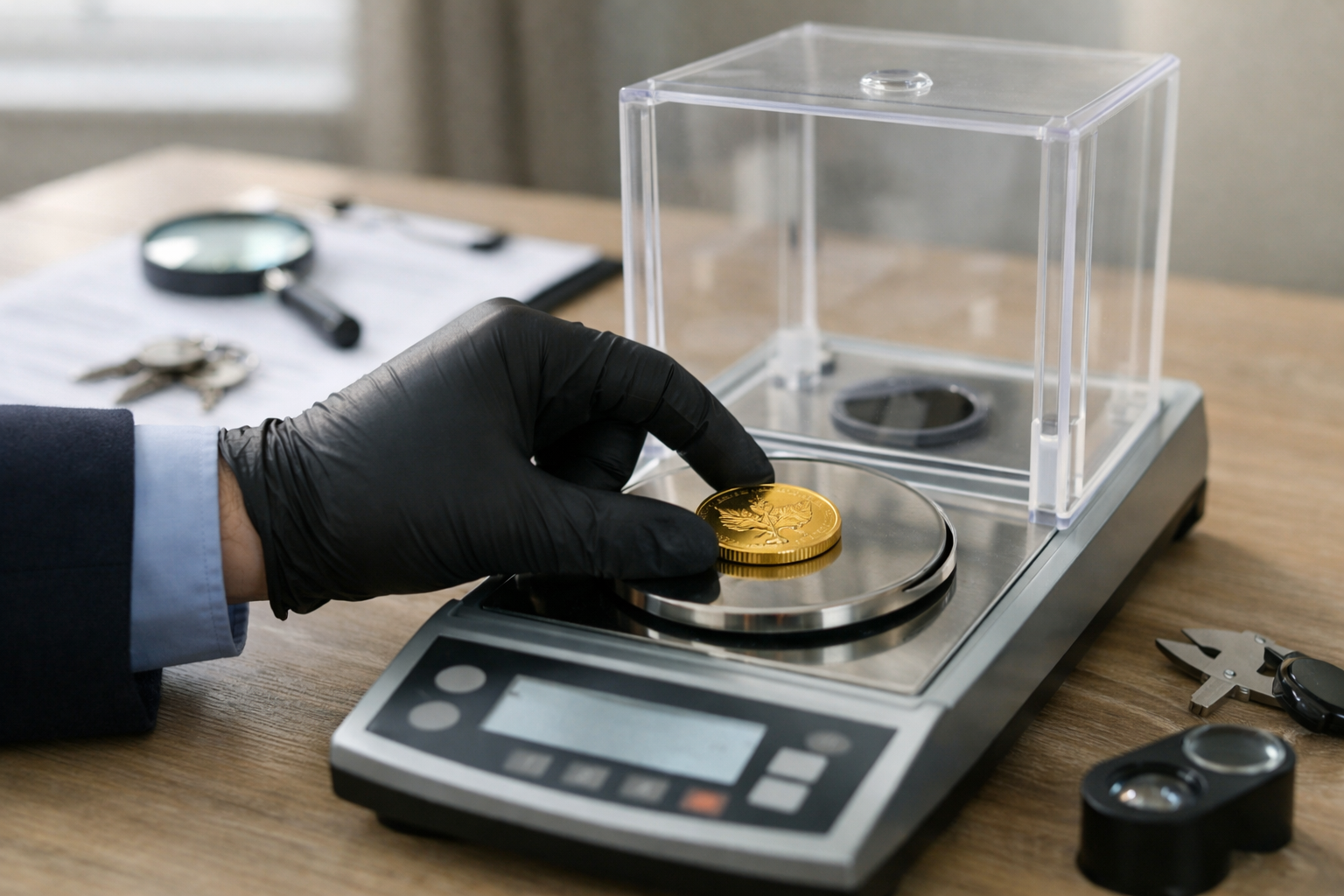
Professional buyers use a combination of weight, measurement, visual inspection, and non‑destructive instruments. At home, you want simple checks that avoid damage. Start with weight: a reliable digital scale that reads to 0.01 g is ideal. Next, measure diameter (and thickness if you can) using calipers. Genuine pieces should cluster very closely around published mint specifications.
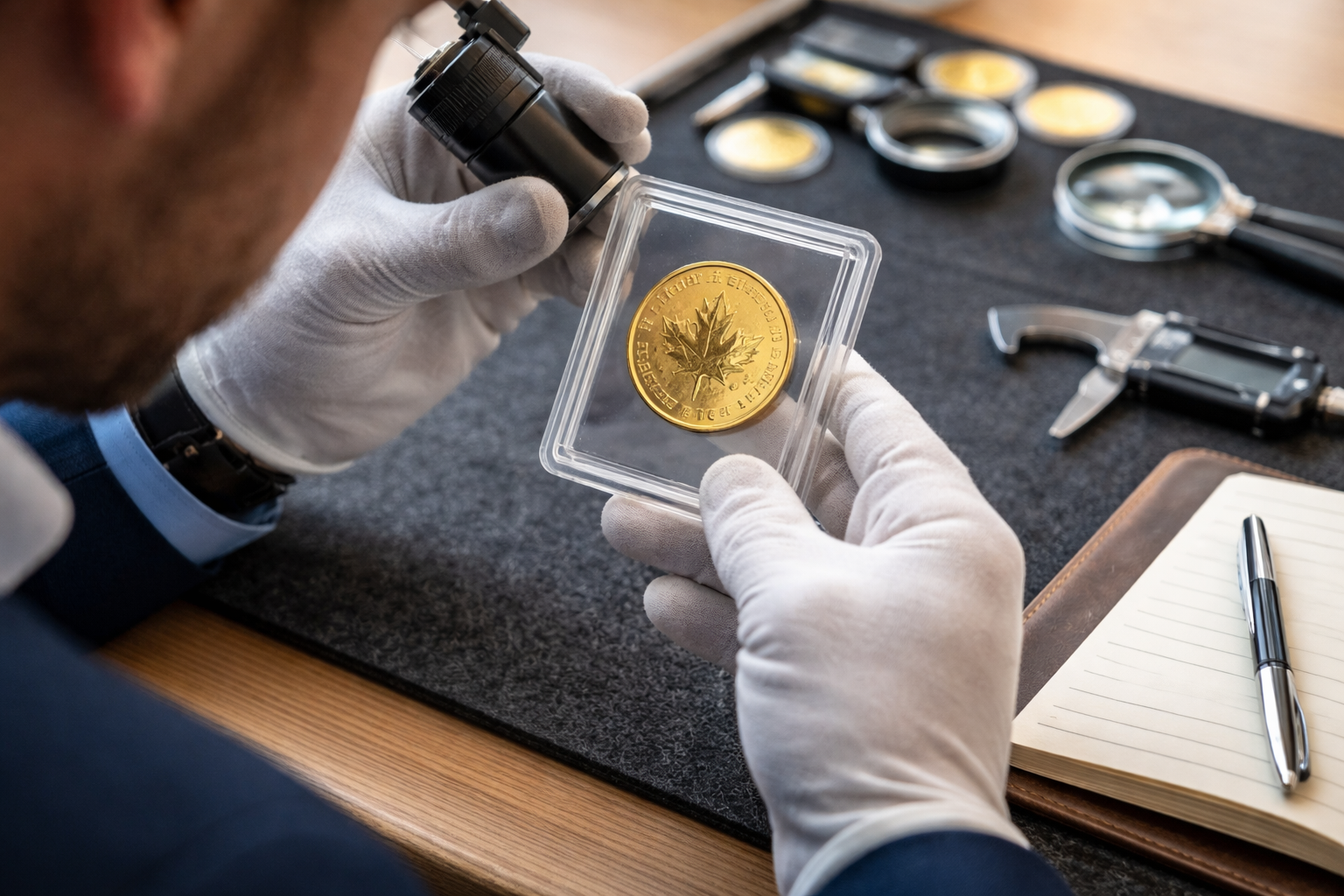
Visual features matter. Look for sharp, machine‑precise radial lines on recent‑year coins and a micro‑engraved maple leaf privy mark (with a tiny year code visible under magnification). Fonts and portrait details should be crisp, not blobby. Edge quality should be even and consistent. Avoid acid tests—they scar the surface and destroy collector appeal; good dealers won’t need them for mainstream bullion coins.
Magnet checks can be useful: pure gold is non‑magnetic, so the coin should not be attracted to a magnet. However, counterfeiters can also use non‑magnetic alloys; treat this as a supporting signal, not proof. The same goes for “ring tests”—they’re subjective and risky around hard surfaces.
If anything feels off, ask your buyer to explain each reading and demonstrate with calibrated kit. A transparent valuation is one you can follow step‑by‑step: weigh in front of you, measure in front of you, then reference a clear live price to build the quote. Sensible buyers will happily slow down and answer questions.
What Paperwork and ID Will You Need in 2026?
Reputable UK buyers must confirm who they are dealing with and keep accurate transaction records. Expect to show government‑issued photo ID (passport or driving licence) and proof of UK address (recent utility bill, council tax, or bank statement). You will also need the bank details for the account you want paid—most professional buyers pay by same‑day Faster Payments.
Why all the formality? Authentic businesses operate within anti‑money laundering controls and need a clear audit trail. From your side, this is a safety feature: a buyer who asks for the right documents, treats your data professionally, and pays into an account in your name is demonstrating responsible practice. Keep any purchase receipts, grading certificates (if any), and your own notes handy, although bullion coins do not generally require certificates.
Before the appointment or when using a postal kit, confirm in writing what will happen on the day: how the coin will be assessed; how the price is calculated (live spot basis and margin); whether there are any fees (there should not be hidden charges); and when funds will arrive. Keep your phone ready to confirm receipt of payment before the representative leaves or before you authorise a postal‑kit payout.
How to Read Live Prices and Time Your Sale
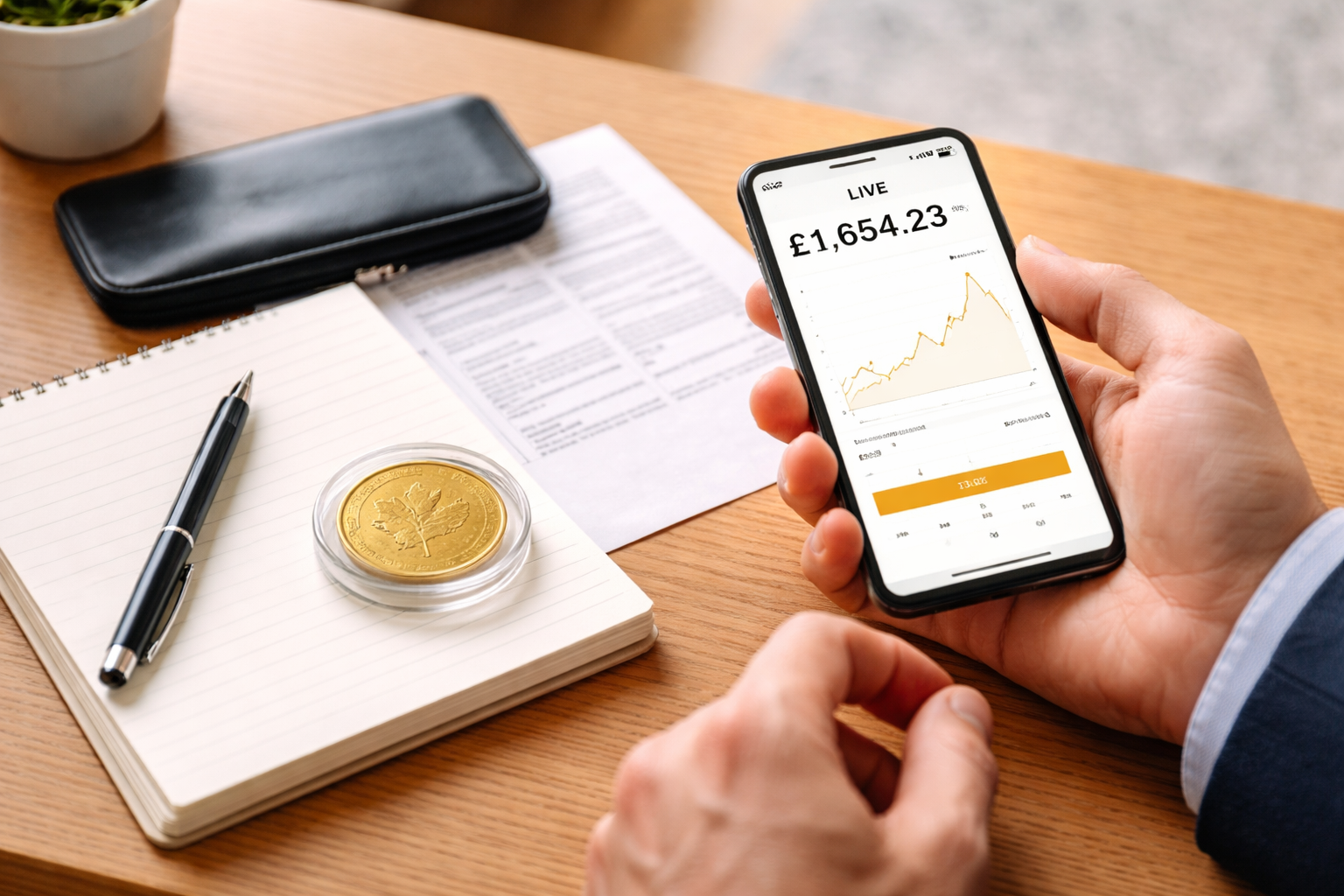
Gold is priced globally in US dollars per troy ounce, with UK offers reflecting both the gold spot and the GBP/USD exchange rate. No one can predict short‑term moves, so the practical approach is: check a credible benchmark such as the LBMA gold price, then work with a buyer who references a live feed and shows their calculation in front of you. That way, you see exactly how the quote is built.
For most private sellers, trying to “top‑tick” the market is a false economy. Focus instead on removing avoidable discounts: present a clean, unpolished coin in a capsule if you have one; ensure your ID and bank details are ready; and choose a process that suits you (home visit, pop‑up, or postal kit) so there is no delay. If prices are unusually volatile, you can ask your buyer to fix the rate immediately before testing begins.
Want a professional, mobile service that values in front of you and pays the same day? Book a valuation with Gold Buyer and choose a home visit or a discreet local pop‑up—your choice, your timetable. For extra context on pricing inputs, read our practical tips on how much your gold is worth before you confirm an appointment.
Home Visit vs Pop-Up vs Postal Kit: Which Is Safest and Fastest?
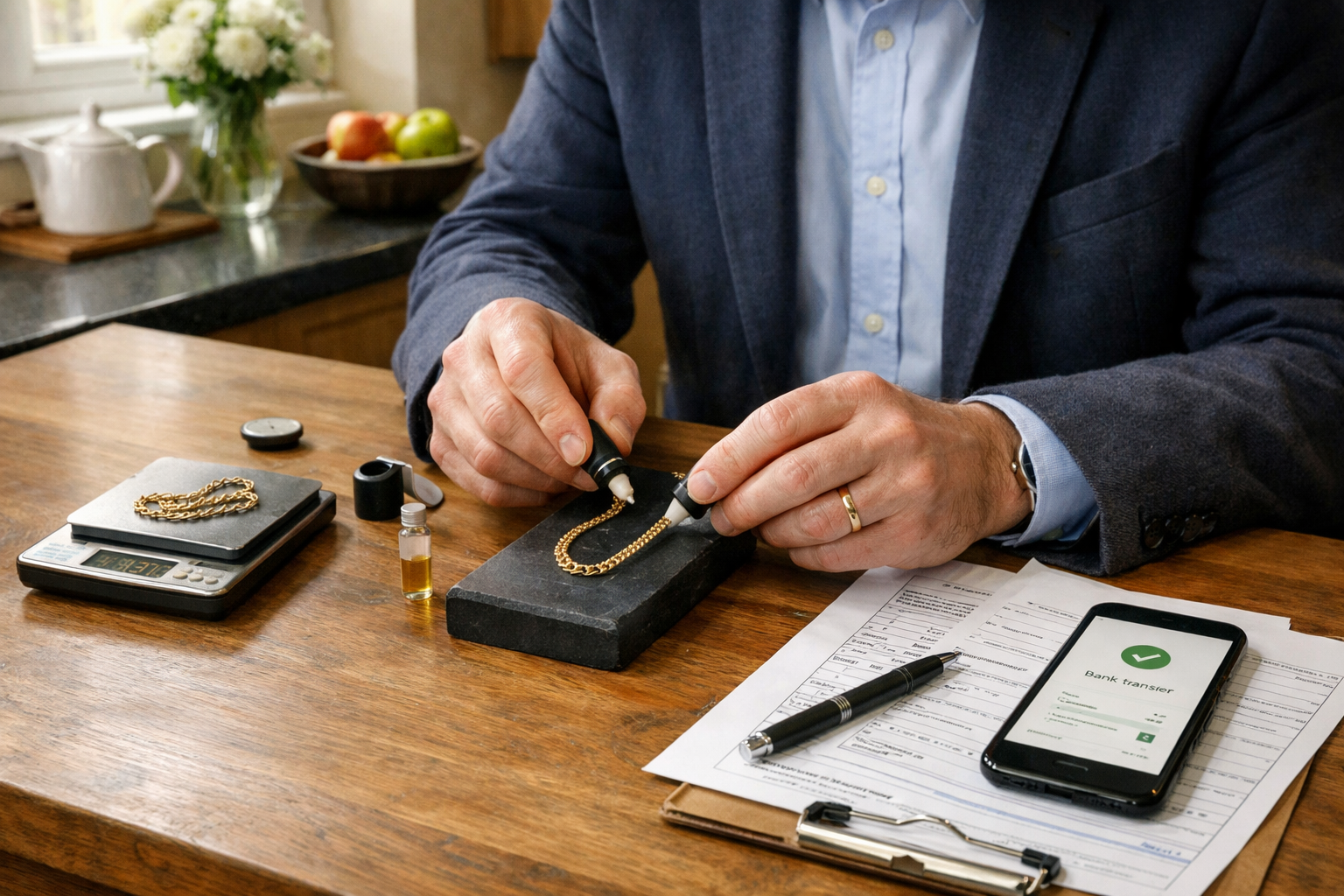
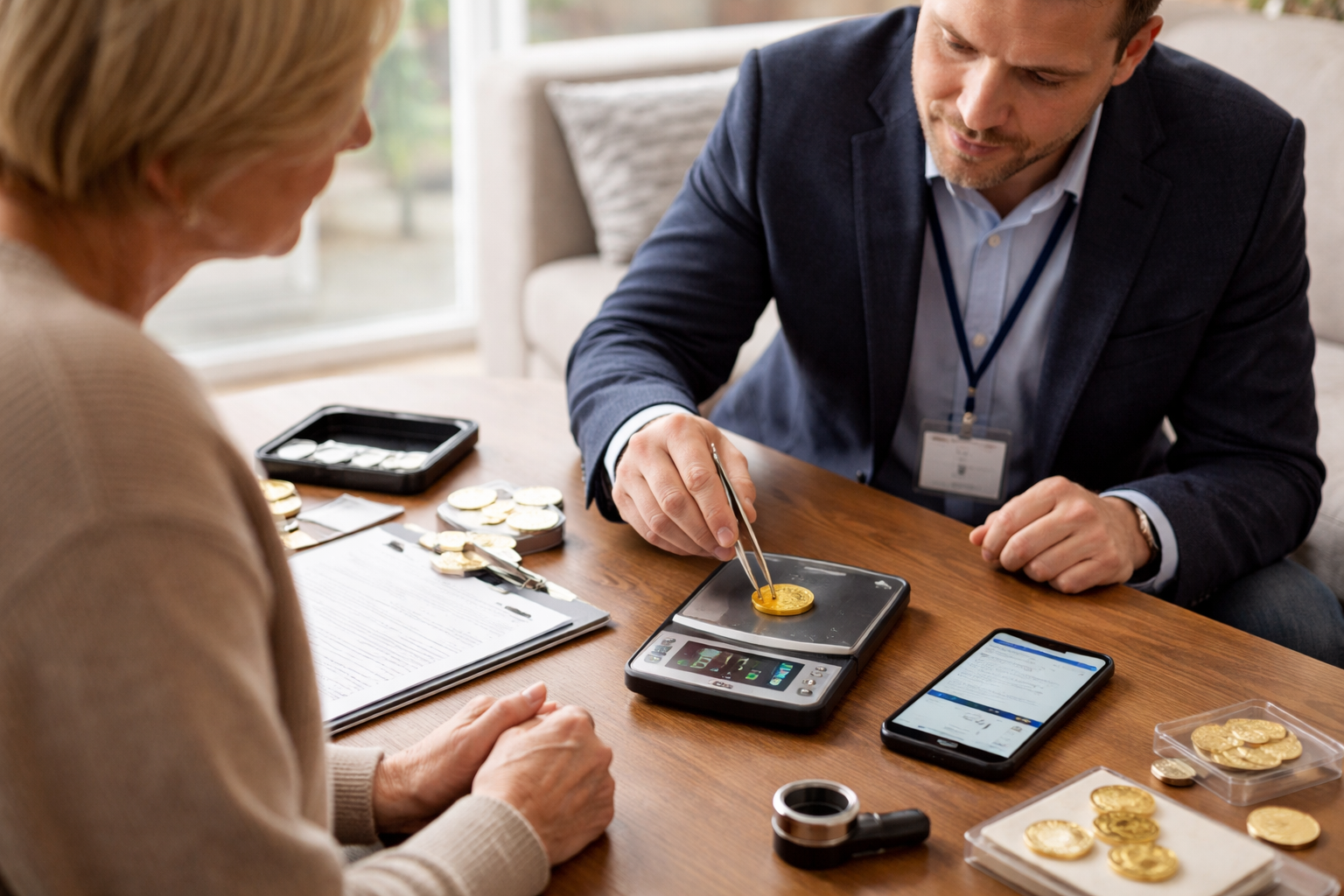
Each method can be both safe and fast if the buyer is organised and transparent. Home visits suit those who value privacy and convenience. The representative brings a portable scale and testing tools, checks your ID, values the coin in front of you, and pays by bank transfer there and then. You never have to travel with the coin, and the entire process can take under an hour once the appointment starts.
Pop‑up events are useful if you would rather meet away from home but still want an in‑person valuation. Look for a quiet, discreet venue and clear signage so you know who you are dealing with. The process mirrors a home visit: testing while you watch, a quote built on a live rate, and same‑day bank transfer once you accept.
Postal kits work for people who cannot schedule a visit or prefer to send from a distance. Confirm the exact chain of custody: how the pack is tracked and insured, when the video‑recorded opening takes place, whether you receive a pre‑call to talk through the valuation, and how you approve a final figure. You should be able to decline and have the coin returned if you are not happy. Whichever route you choose, ask all your practical questions in advance so there are no surprises.
Will Condition, Year or Packaging Change Your Payout?
Bullion coins are valued primarily for fine‑gold content, so minor marks generally won’t derail a fair quote. That said, presentation does help in two ways. First, a coin that has lived safely in a capsule or tube is easier to inspect quickly (fewer questions for the buyer), which can support keener pricing. Second, special issues—proofs, privy‑marks, or sealed sets—may command a premium with the right buyer network.
Do not polish the coin. Cleaning can leave hairlines or a tell‑tale sheen that actually reduces interest and undermines premiums. If you have multiple coins, keep them separated to avoid contact rub. If your piece has milk spots or handling marks, be frank about it; a professional buyer will typically price it as normal bullion unless the surface damage is extreme.
Year matters mainly for design context and security features. Newer pieces with radial lines and the micro‑leaf privy are quick to verify; older pieces are just as saleable when the weight and diameter check out. Original mint packaging is nice to have but not essential for a straightforward bullion transaction. If you suspect you have a proof, avoid opening the capsule—let the buyer inspect it intact to preserve any potential premium.
How Do You Negotiate Transparently and Avoid Common Pitfalls?
A good negotiation is structured, not adversarial. Ask your buyer to outline their formula up front: fine‑gold content multiplied by a live spot price, minus a clearly stated margin. Request that the weighing and measurements are done in front of you, and that you’re shown a recognised pricing source. If you’re selling several coins, enquire about a blended rate for the lot—handling efficiencies can sometimes improve the net per‑coin offer.
Get your quote in writing before you part with the coin. Confirm there are no “handling” or “test” fees deducted after the fact; with reputable buyers, there shouldn’t be. Stay alert to pressure tactics, such as claims that a price is valid for only a minute, or that the coin is “hard to move”—Maple Leafs are among the easiest bullion coins to place with clients. If something doesn’t sit right, pause the process and seek a second opinion.
Want a sense of a real‑world conversation? Read our practical scenario walkthrough for selling a Maple Leaf 1 oz coin. It shows how a professional buyer explains each step so you can follow and approve the process calmly and confidently.
What About Tax, Reporting and Staying Safe?
Tax first: while UK legal‑tender gold coins (e.g., Britannias and Sovereigns) can be Capital Gains Tax‑exempt, non‑UK legal‑tender bullion like Maple Leafs doesn’t have the same blanket exemption. Whether you owe CGT depends on your overall gains in the tax year and HMRC rules at the time of sale. For up‑to‑date information, review HMRC’s Capital Gains Tax guidance and speak to a qualified adviser if needed.
Data and personal safety matter as much as price. For home visits, expect ID‑checked, discreet representatives who confirm their name and arrival time in advance. Keep valuables out of sight, and have a friend or family member present if you prefer. Watch the testing process; don’t leave the room with the coin out. For postal kits, use the insured label, photograph the package and contents, and keep tracking details to hand.
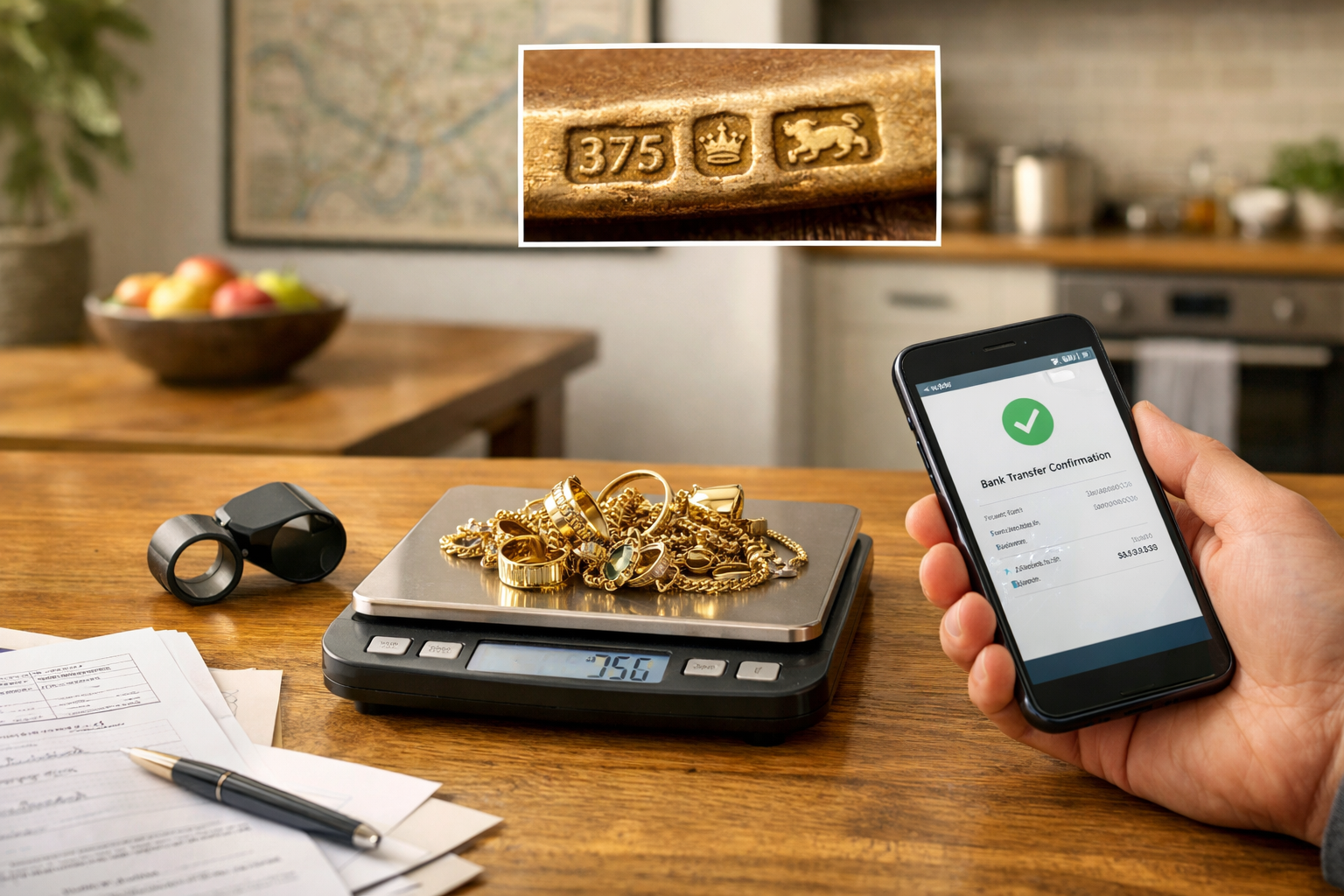
Finally, be payment‑ready. Ensure your bank details are correct, keep your phone nearby to confirm receipt of funds, and ask your buyer to demonstrate the outbound transfer on their device. Many sellers value a video‑recorded valuation and a digital receipt for their records. For broader pricing context before you proceed, skim our guide to how much your gold is worth.
Frequently Asked Questions
How quickly can I be paid after an at‑home valuation?
With a professional mobile buyer, the typical flow is: verify ID, test the coin in front of you, agree a live‑rate quote, and complete a Faster Payments bank transfer before the representative leaves. You should receive a digital or paper receipt on the spot. Always confirm the funds have arrived in your account before the appointment ends.
Should I remove the coin from its capsule or tube?
Leave it in place unless the buyer asks you to open it together. Capsules and tubes protect the surface and speed up inspection. If a closer look is needed, agree the safest way to handle it—a professional will avoid unnecessary contact and use a soft mat, clean gloves, and appropriate tools to minimise risk.
Do scratches or milk spots reduce the offer?
For standard bullion, modest marks usually have little effect because the coin tracks the melt value. Heavy damage can narrow the pool of resale options and may prompt a more conservative margin. Avoid polishing, which can leave visible hairlines. A proof or special edition is more sensitive to condition, so keep any premium pieces sealed.
Do I need the original receipt or a certificate?
Not for normal bullion sales. The coin’s weight, dimensions and authenticity tests carry the valuation. If you have purchase paperwork, grading notes or an invoice, bring them—they help with record‑keeping. Proof or collector versions sometimes come with certificates; keep them with the coin to preserve any additional value.
Can I sell multiple coins at once for a better rate?
Often, yes. Handling efficiencies on testing and settlement can lead to a sharper blended margin on a multi‑coin sale. Ask the buyer to quote both the per‑coin figure and the total for the lot, and ensure the rate is tied to a visible live price when you’re ready to accept.
Ready to sell? Book a valuation with Gold Buyer today for a discreet home visit or a secure postal kit, transparent live‑rate pricing, and same‑day bank transfer: Book a valuation.