Canadian Maple Leaf Gold Coin 1 oz: The Ultimate UK Guide with a Real-World Comparison
The canadian maple leaf gold coin 1 oz is a 24-carat, globally recognised bullion piece that typically sells close to the live gold price, adjusted for condition and market demand. In the UK, you can secure a fair, market-based valuation and same‑day bank transfer without visiting a shop by booking a reputable mobile buyer who prices transparently against live rates.
What Is the canadian maple leaf gold coin 1 oz and How Is It Valued?
The 1 oz Canadian Maple Leaf is a flagship bullion coin from the Royal Canadian Mint, renowned for its 99.99% purity (24 carat) and precision finish. Introduced in 1979 and refined over time, it has become a staple for collectors and investors alike due to its high purity and global liquidity. UK sellers value it because it is straightforward to authenticate and tends to track the spot price closely, making pricing more predictable than some niche numismatic items.
Valuation rests on a few pillars. First is the live spot price of gold per troy ounce, which changes throughout the day based on global trading. Second is the coin’s specific market premium or discount, reflecting brand reputation, supply, and buyer demand at that moment. Third are physical characteristics: authenticity, condition (e.g., contact marks, milk spots, capsule presence), and whether it comes with original packaging. Finally, buyer-specific factors such as logistics, settlement speed, and risk management affect the bid.
Unlike proof or commemorative strikes, standard bullion Maples are typically priced for their metal content rather than collectability. However, discrete year issues in pristine condition, or coins sealed in mint packaging, can sometimes command a better rate than loose, heavily handled pieces. Sellers should expect a transparent explanation of how the price relates to spot, and why any adjustments (for condition, verification time, or bulk) are applied.
Because the coin is 24 carat, even light wear does not reduce fineness, but visible surface abrasions may gently lower what a buyer will bid if they expect to resell to a collector-focused audience. Reputable buyers will explain these nuances upfront and provide an on‑the‑spot valuation that references current market data.

How Do UK Buyers Price 1 oz Maple Leafs Today?
Professional UK buyers typically start with the live gold spot price per troy ounce, then calculate a bid that reflects real-world costs (insurance, secure transport, and hedging) and resale dynamics. Reputable firms source pricing data from established market references (for example, LBMA benchmarks) and update bids throughout the day to reflect movement.
In practice, the process looks like this: the buyer verifies authenticity, checks the coin’s condition, and then quotes a price derived from spot minus a small buyer margin (or spot plus a small premium if market conditions favour that brand at the time). Market scarcity, collector demand for specific dates, and whether the coin is sealed in mint packaging can influence the final figure. A fair bid should be explained clearly and be reproducible if you ask for a breakdown.
It is useful to remember that the Maple Leaf usually trades at a modest premium compared with generic bars of the same weight due to its recognisable brand, security features, and high liquidity. However, it may trade at a slightly different level to UK‑legal‑tender coins, which can have distinct demand drivers in the British market.
Tip: Comparing offers within the same day is more accurate than spacing quotes over several days because gold moves in real time. Always compare like-for-like on the same live price basis.
For background on market references, see the London Bullion Market Association’s overview of precious metal prices. If your buyer uses a dynamic screen-based valuation in front of you, ask them to show how the bid tracks spot and what margin applies for the coin type and condition.
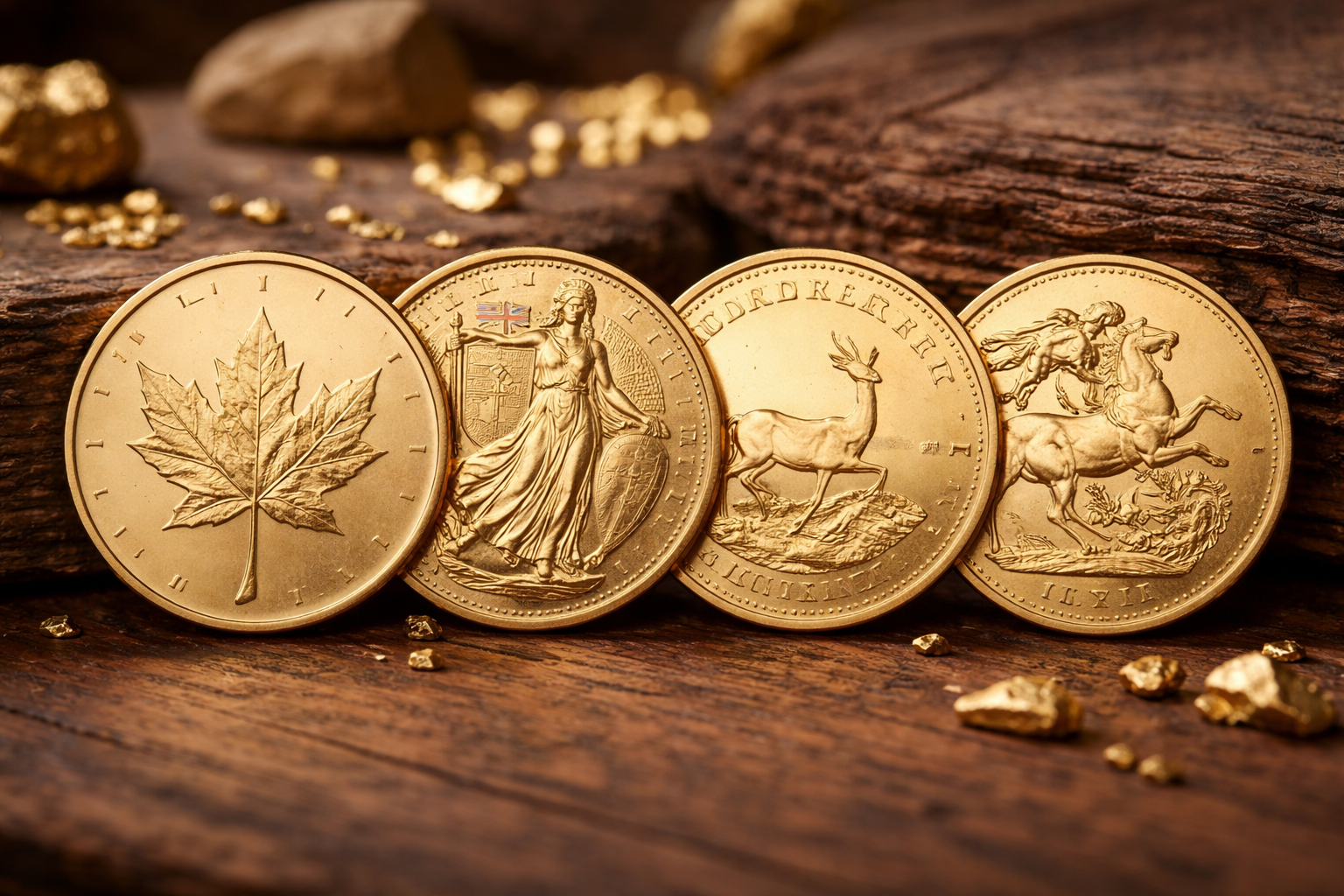
Maple Leaf vs Britannia vs Krugerrand vs Sovereign: What’s the Practical Difference?
If you are deciding what to sell first—or simply want to understand where your Maple Leaf sits among popular coins—this side‑by‑side comparison focuses on what UK sellers actually experience: purity, popularity, and how ease of resale translates into the bid. While exact bid/ask spreads vary daily, the attributes below are consistent reference points when comparing top coins.
| Coin | Fineness & Gold Content | Legal Tender | UK CGT Considerations | Security Features | Liquidity in UK | Handling Wear Sensitivity |
|---|---|---|---|---|---|---|
| Maple Leaf 1 oz | 99.99% fine; 1 troy oz gold | Canada (CAD $50 face) | Not UK legal tender; CGT may apply | Radial lines, micro-engraved maple mark | Very high | 24k shows marks easily; keep in capsule |
| Britannia 1 oz (2013+) | 99.99% fine; 1 troy oz gold | United Kingdom (£100 face) | Generally CGT‐free (UK legal tender) | Advanced anti‐counterfeit features | Very high | 24k; protect from scuffs |
| Krugerrand 1 oz | 91.67% fine; 1 troy oz pure gold content | South Africa | Not UK legal tender; CGT may apply | Classic design, fewer modern features | Very high | 22k alloy resists wear better |
| Sovereign | 91.67% fine; ~0.235 troy oz gold | United Kingdom (£1 face) | Generally CGT‐free (UK legal tender) | Historic, smaller format | Very high | 22k alloy; robust |
Two practical takeaways: First, coins that are UK legal tender (Sovereign and Britannia) are typically considered CGT‑free for individuals, which can matter when disposing of larger holdings; always refer to Capital Gains Tax guidance for the latest rules. Second, purity affects handling: 24‑carat coins scuff easily, so careful storage can support a better bid. For sellers comparing alternatives, our guide on how to sell Gold Britannia coins in the UK explains what drives demand on British‑minted pieces.
How Do You Confirm a Maple Leaf Is Genuine and in Good Condition?
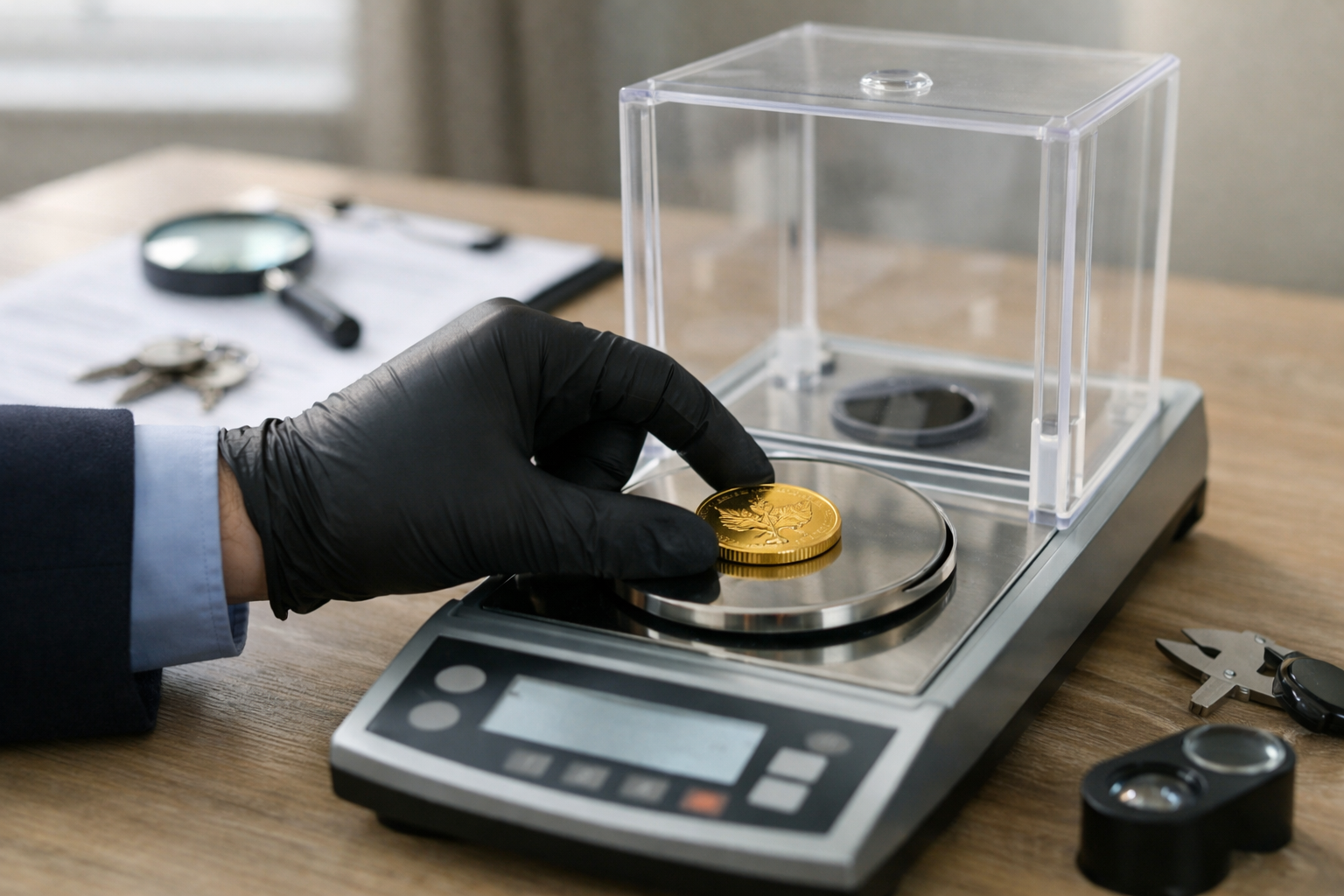
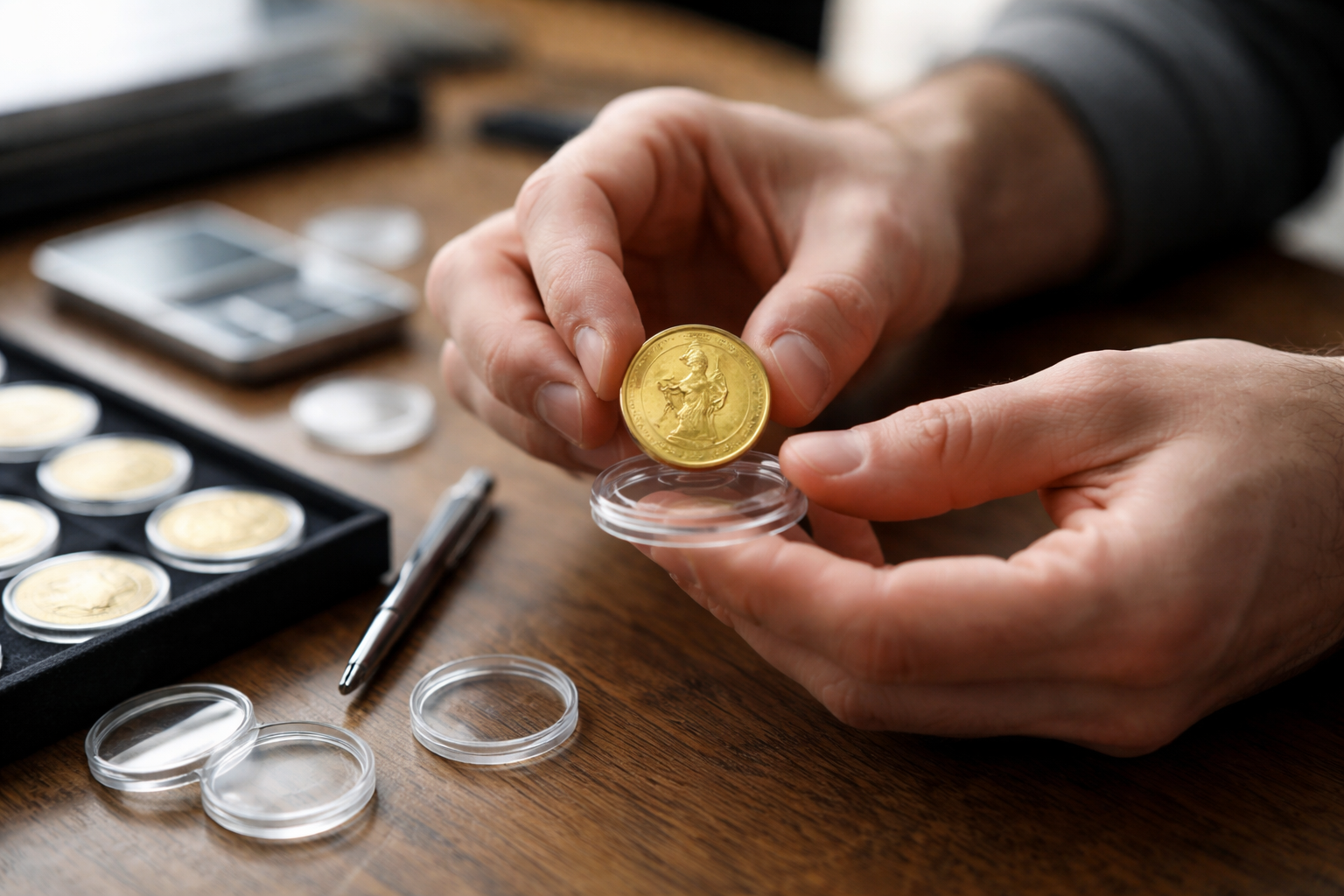
Authenticating a Maple Leaf is a disciplined, step‑by‑step process. Start with dimensions and mass: a 1 oz Maple Leaf should be 30 mm in diameter and about 2.8 mm thick, weighing precisely one troy ounce. Measure with digital calipers and a 0.01 g scale. Next, examine the fine radial lines on both faces—modern coins have tightly spaced lines that produce a distinctive optical effect under angled light.
Look for the micro‑engraved maple leaf privy mark near the 5 o’clock position on the reverse (on recent issues). Under magnification, it should contain tiny details (including the last two digits of the year on specific releases). The Royal Canadian Mint outlines these security features on its bullion pages; review their official overview of Maple Leaf bullion coins for reference images and specifications.
Simple at‑home checks have limits. Basic magnet tests should show no attraction, but counterfeiters can use non‑magnetic cores too. The ring or sound test is unreliable unless you have a verified comparison coin and a quiet environment. A specific gravity test can be indicative but is best handled by professionals to avoid water damage. Avoid filing or acid tests on bullion coins—these permanently damage value.
Condition matters. While 24‑carat coins remain chemically pure regardless of scuffs, visible abrasions, milk spots, or edge knocks may slightly reduce bids compared with perfect, capsule‑kept examples. If you have multiple coins, separate them with soft flips or original capsules to prevent contact marks before your appointment.

Step-by-Step: Selling Your Maple Leaf with a Mobile, Same‑Day Service
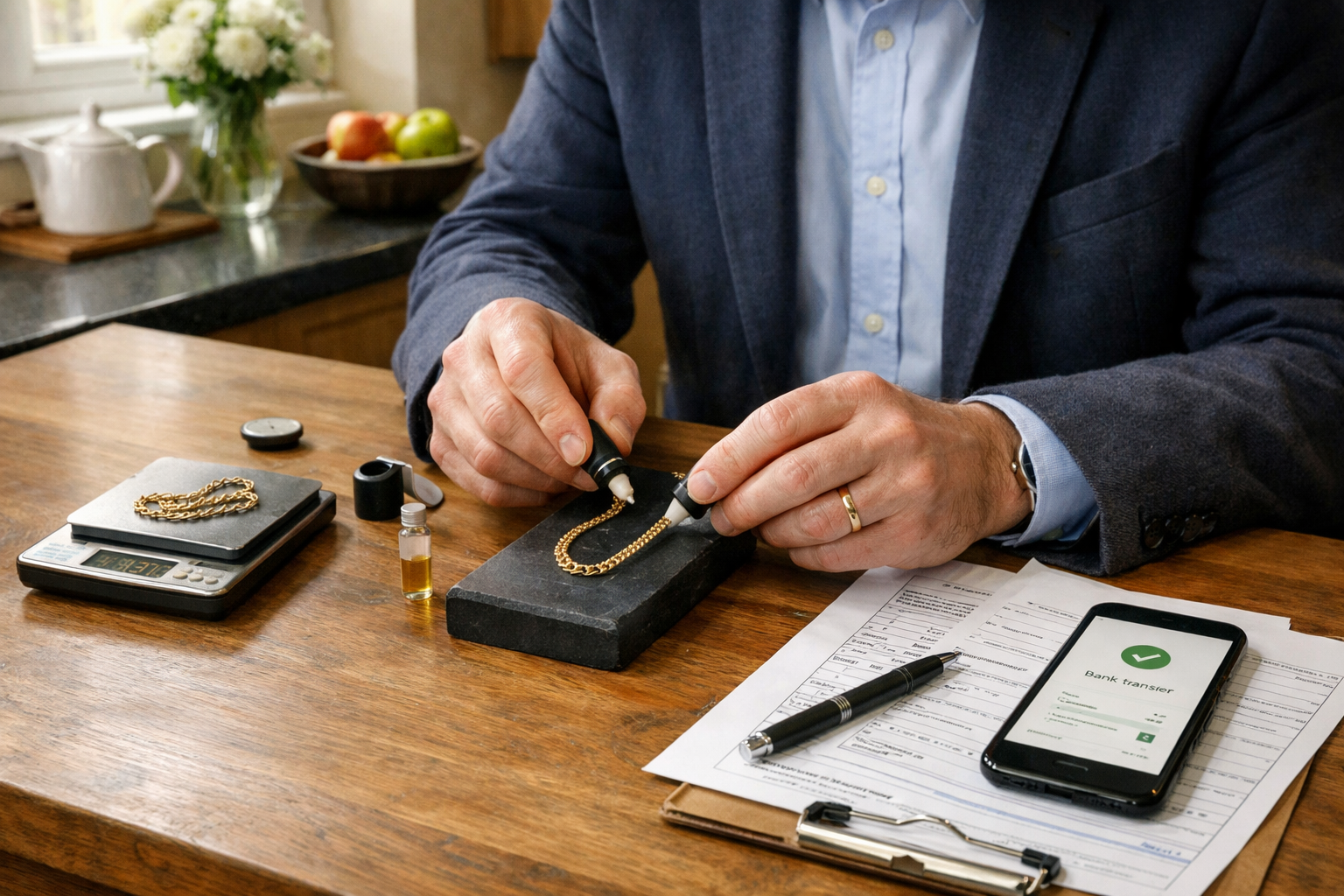
Selling a Maple Leaf in the UK no longer requires a shop visit. A mobile buyer like Gold Buyer comes to you—via an at‑home appointment or a discreet local pop‑up—verifies your coin in front of you, and pays by bank transfer the same day. Here’s a straightforward path from first contact to cleared funds.
- Initial enquiry: Share what you have (e.g., one 1 oz Maple Leaf in capsule, year, any paperwork). Ask for the live pricing basis and expected margin. Transparency now prevents surprises later.
- Appointment options: Choose a home visit, meet at a local event, or request a prepaid home selling kit if you prefer not to meet. Confirm that a government‑issued photo ID will be required—standard practice under anti‑money‑laundering rules.
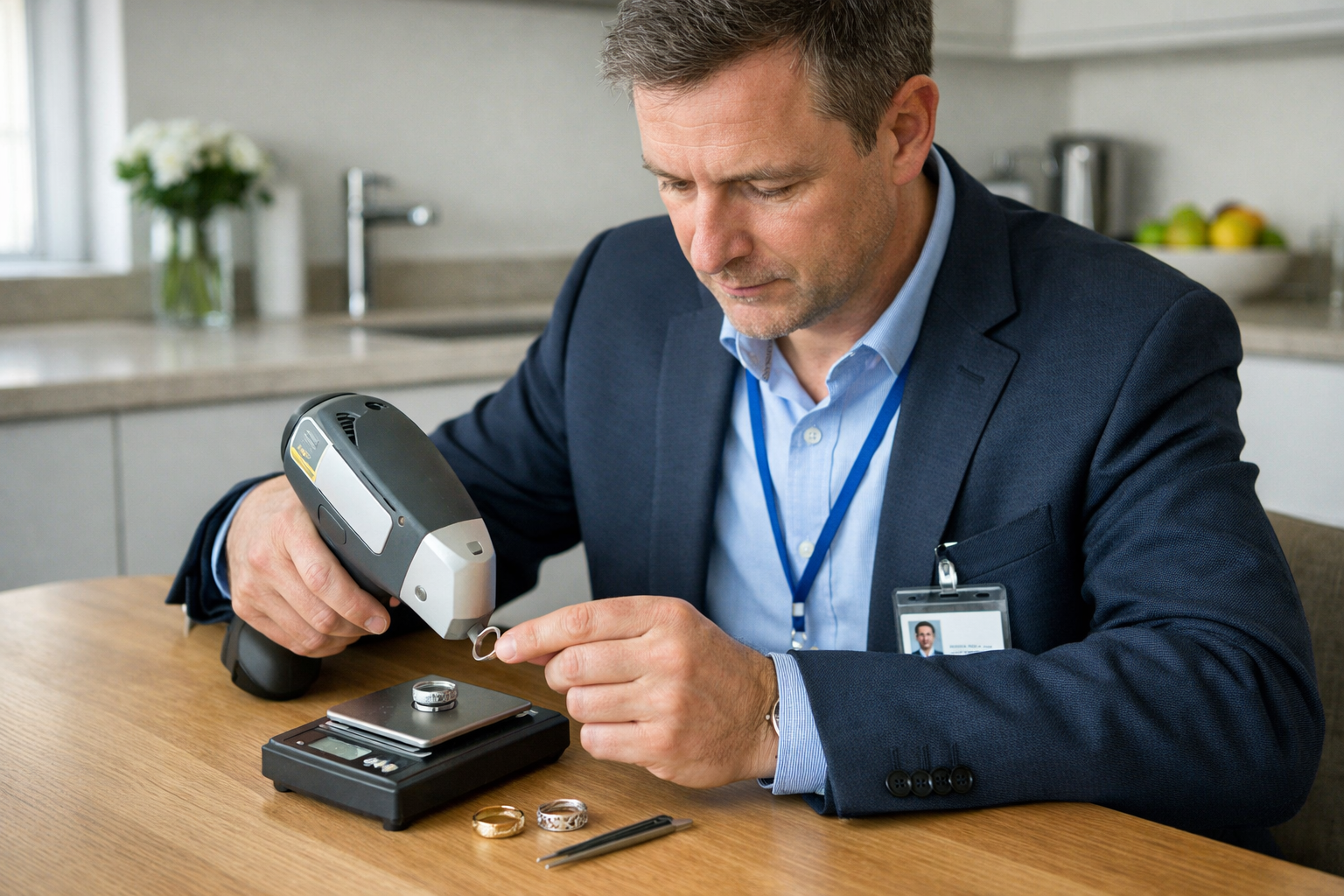
- On‑the‑spot verification: The representative inspects dimensions, weight, and security features, explains findings, and references live spot pricing on screen.
- Instant valuation: You receive a clear quote tied to the current market, including any adjustment for condition or bulk.
- Same‑day payment: Accept the offer and receive a bank transfer, typically while the representative is present. You keep a full receipt.
Prefer to lock a slot now? Book a valuation for an at‑home visit or to request a home selling kit. Your coin is handled discreetly by ID‑checked staff, with pricing tied to live rates and an audit trail throughout.
For a realistic walkthrough of how a single coin sale might unfold, explore our scenario guide on selling a Maple Leaf 1oz gold coin, covering typical questions, timeframes and what influences the final bid.
When you’re ready to discuss multiple items—such as coins plus jewellery or scrap—tell your buyer in advance. Groups of items can streamline verification and may improve overall pricing by saving time and logistics across the visit.
When Should You Sell and How Do You Avoid Common Pitfalls?
Timing matters because gold prices move with global macro events, currency shifts, and market sentiment. Rather than trying to “catch the top”, it’s more practical to decide in advance what outcome you would be happy with and act when the market reaches it. A simple approach is to set a realistic target range against recent price behaviour, then ask for a live quote and decide promptly.
Avoid these common pitfalls. First, comparing a morning quote with an afternoon quote on another day is misleading; the underlying spot price likely changed. Ask both buyers to reference the same time and spot to make an apples‑to‑apples comparison. Second, watch for hidden fees: some firms headline a high figure but later deduct handling, assay or bank charges. Always request an all‑inclusive number and a plain‑English explanation of how it’s calculated.
Third, protect condition. Loose 24‑carat coins can scuff in a pocket or mixed bag. Before your appointment, place the coin in a soft flip or its original capsule and avoid unnecessary handling. Fourth, insist on in‑person verification or a traceable, insured postal kit—never drop valuable items into untracked mail. Lastly, confirm bank transfer timing in writing; reputable buyers pay same day and provide a receipt on the spot.
Remember that even if you ultimately sell another product first (e.g., a Britannia or Krugerrand), the same principles apply: clear, live pricing; professional verification; and immediate, documented settlement.
What’s a Realistic Outcome for Different UK Sellers?
Every sale is unique, but walking through hypothetical cases can prepare you for the process. Imagine a private individual with a single Maple Leaf in its original capsule. After a basic pre‑call, they schedule a home visit. The representative confirms authenticity using scale and calipers, shows the live spot price on a tablet, and offers a bid that reflects a modest, transparent margin. Because the coin is pristine, there’s no deduction for condition. Payment is made by bank transfer before the representative leaves, and an emailed and printed receipt confirm the transaction.
Now consider someone with five coins from different years, two with light surface marks. The buyer checks each coin, grouping them into “as issued” and “lightly handled”. The quote may show a combined figure with a small differential for the two marked pieces to reflect resale expectations. The seller appreciates that the coins were priced consistently against spot, and that the condition notes matched what they could see under a loupe.
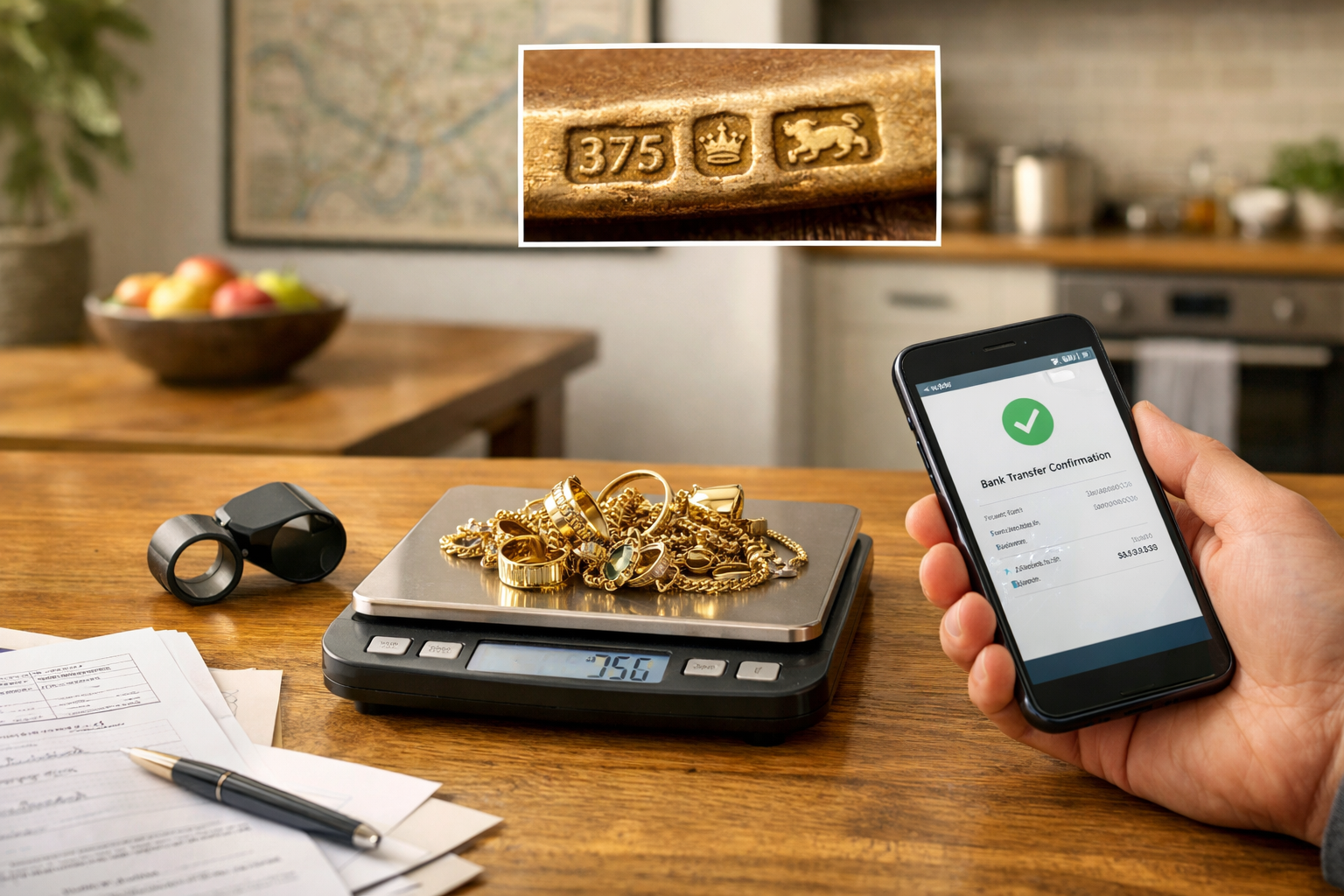
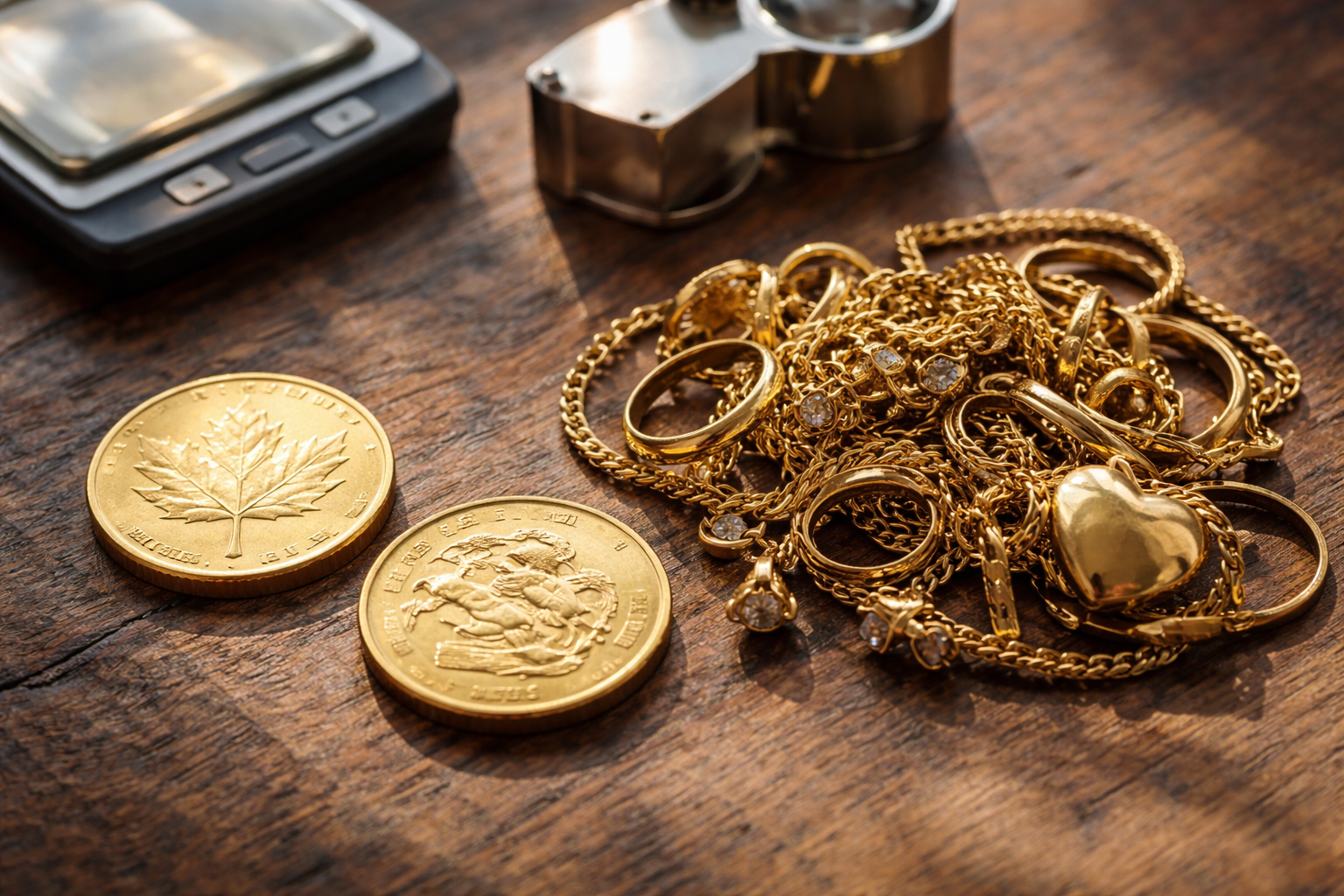
Finally, picture a small inheritance: one Maple Leaf, a Britannia, and a few Sovereigns mixed with an old signet ring. The buyer separates bullion from jewellery, identifies hallmarks, and explains that bullion coins are priced differently to scrap gold. The bullion sells at a live‑tracked rate, while the ring is weighed and priced by carat against the day’s scrap buy price. Grouping items into a single visit saves time, improves clarity, and typically leads to a faster overall settlement.
If you want an actionable, coin‑specific checklist before a visit, see our article Canadian Maple Leaf: 15 practical tips to check, value and sell in the UK —it covers simple preparation steps that can help you present your coin at its best.
What Legal, ID and Tax Points Should UK Sellers Know?
Reputable buyers must conduct ID checks to comply with anti‑money‑laundering (AML) regulations. Expect to show a government‑issued photo ID and, in some cases, a proof of address. This protects both parties by ensuring a clear, auditable record of the transaction. For more on the policy background, see the UK government’s introduction to the Money Laundering Regulations.
On tax, UK legal tender bullion coins such as the Sovereign and Britannia are generally CGT‑free for individuals. The Maple Leaf, while globally popular, is not UK legal tender, so Capital Gains Tax may apply if your total gains exceed the annual allowance. It’s important to read HMRC’s latest Capital Gains Tax guidance and consider personal advice if you hold a large position. Where sales are modest and gains small, tax may not be due, but always check the current thresholds and rules.
Receipts matter. A proper receipt documents what was sold (e.g., “1 oz Maple Leaf, year, condition notes”), the gross price, date, buyer details, and settlement method. Keep this with your records, especially if you later need to evidence acquisition costs or disposal proceeds. Professional buyers will also confirm payment timing and maintain data security when handling your personal information.
Finally, safety and privacy: choose ID‑checked representatives, insist on discreet handling, and if you use a postal kit, confirm that it is insured, trackable, and designed for high‑value items. A credible buyer will explain each step in writing and be comfortable answering questions before you commit.
Where Does a Maple Leaf Fit When You’re Selling Mixed Precious Metals?
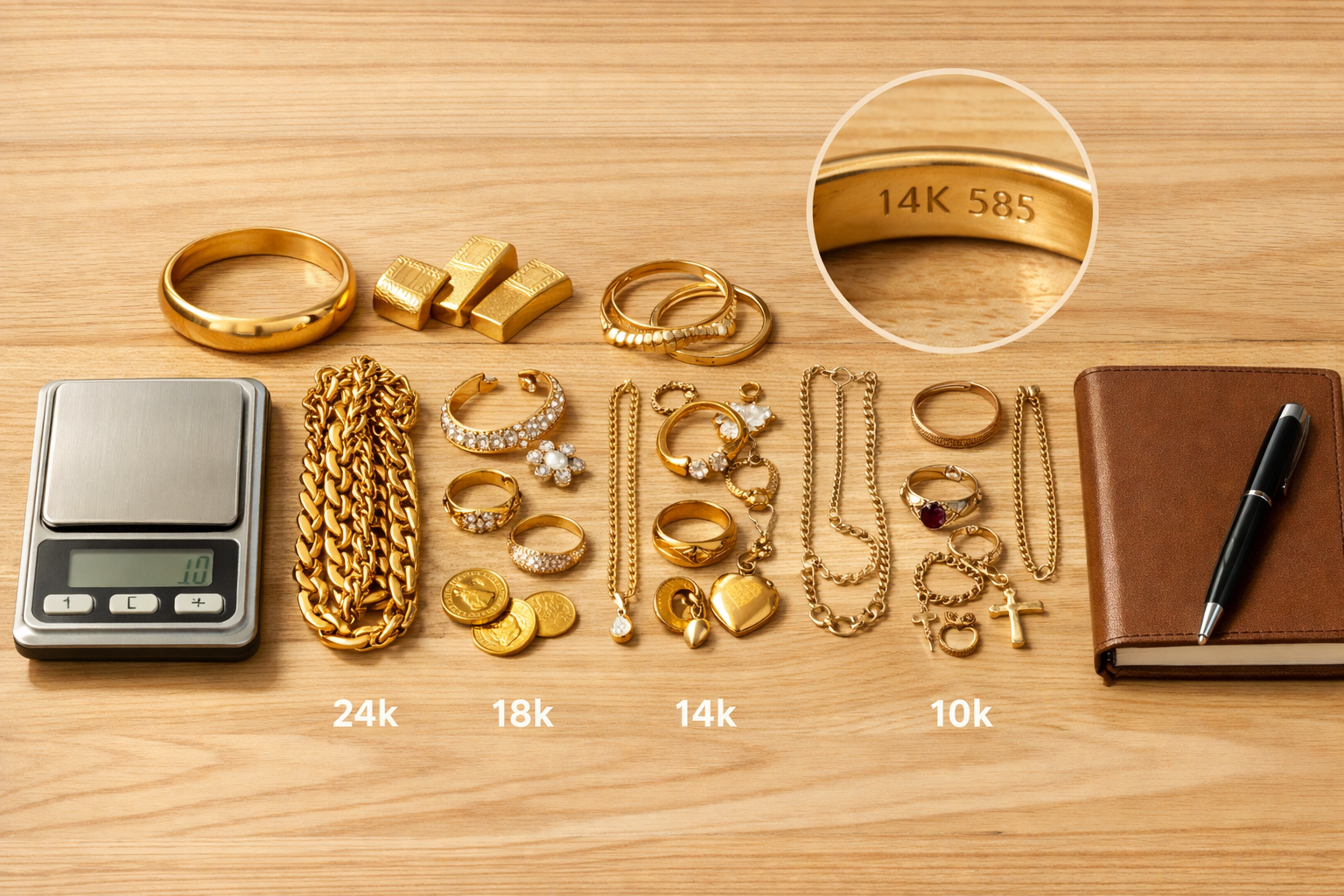
Many sellers don’t have a single coin—they have a mixture: a Maple Leaf or two, a part‑set of Sovereigns, a spare Britannia, and some old jewellery or dental gold. In that situation, it’s useful to segment everything into three lanes: bullion coins, bullion bars, and scrap/other precious metals. Each lane is valued differently, and understanding that upfront speeds your appointment.
Bullion coins like the Maple Leaf are valued almost entirely for fine gold content and brand liquidity. Bullion bars track spot closely too, but premiums/discounts vary by brand and bar condition. Scrap items—white gold chains, broken rings, or dental gold—are assessed by carat, weight, and assay expectations; they won’t command a coin premium because they require refining. Telling your buyer in advance what’s in the mix helps them plan test equipment and timing so you achieve an efficient session.
Practically speaking, group coins in capsules or flips, and separate scrap by carat if you know it. Do not clean or polish items—this risks damage and doesn’t improve value. If you suspect any piece is unusual (e.g., a proof coin or an antique ring with gem settings), flag it so it can be assessed appropriately rather than treated as standard bullion or scrap.
Some sellers decide to part with coins first, then revisit jewellery later. That’s fine—mobile buyers are flexible. If you reach out to book, simply note whether you prefer a single comprehensive appointment or a shorter coin‑only visit first, followed by a second session for the rest.
How Does a Maple Leaf’s Purity and Finish Affect the Bid?
The Maple Leaf is 99.99% pure, which reassures buyers that its gold content is both high and consistently minted. This purity contributes to its worldwide acceptance—but it also means the coin’s surface is softer than a 22‑carat alternative. Small hairlines, contact marks, or “milk spots” (a known aesthetic issue for some 24‑carat coins) can slightly influence the bid if the coin is destined for a collector who values cosmetics.
That said, bullion buyers primarily care about authenticity and fine gold weight. If your coin has normal circulation scuffs but is unquestionably genuine, the price difference versus a perfect coin may be marginal and can disappear entirely in strong markets. Keeping Maple Leafs in capsules reduces the chance of edge knocks and helps them present well during assessment.
When comparing with a 22‑carat Krugerrand, you might notice the latter tolerates handling better. That’s due to its copper‑gold alloy, which hardens the surface. But because both carry one troy ounce of fine gold, both will reference the same spot price during valuation, with brand‑ and condition‑specific adjustments applied as needed. Always ask your buyer whether condition is relevant to their resale route—trade‑oriented buyers may quote the same across typical bullion wear.
For UK sellers considering alternatives, learning how to sell Gold Britannia coins can provide a helpful benchmark, especially around CGT treatment and demand patterns unique to British‑minted bullion.
Is the canadian maple leaf gold coin 1 oz a Good Choice to Sell First?
Yes—if you’re looking for speed, transparency, and broad market demand, the Maple Leaf is an excellent first item to sell. It’s widely recognised across dealers and private buyers, carries advanced security features that aid quick verification, and normally attracts competitive bids relative to spot. If you have mixed pieces and want to “test the waters”, starting with a Maple Leaf often gives you a clear and positive experience.
Sellers with UK‑legal‑tender coins (e.g., Britannias or Sovereigns) may choose to prioritise those for CGT considerations, especially when disposing of larger holdings. However, for many private sellers with a small number of coins, the practical priority is straightforward: secure a fair, on‑the‑spot valuation with same‑day payment from a buyer who explains their pricing. The Maple Leaf ticks the right boxes for verification speed and resale demand, making it a reliable first choice.
If you hold a commemorative or proof Maple Leaf, mention this when booking. Proofs are assessed differently: condition and presentation (original box and certificate) play a bigger role. Even then, a reputable buyer will break down whether the coin is being purchased for bullion value alone or with a collector premium in mind.
Where possible, present your Maple Leaf in a capsule and bring any original purchase documents. While not required, paperwork can speed identity checks on the coin’s origin, which some buyers appreciate when they resell into collector channels.
Frequently Asked Questions
How fast can I be paid after an at‑home valuation?
Professional mobile buyers typically pay the same day by bank transfer once you accept the quote and complete ID checks. In many cases, funds are sent during the visit, with a digital and printed receipt provided. Ask your buyer to confirm transfer timelines in writing before the appointment so expectations are clear.
Do I need the original capsule or packaging to sell?
No—but it helps. Original capsules reduce contact marks and can support a slightly better bid if the buyer resells to condition‑conscious collectors. If your coin is loose, place it in a soft flip before the appointment. Don’t attempt to clean or polish the surface; this can create fine scratches that won’t improve value.
Will condition matter if the coin is clearly authentic?
For standard bullion transactions, authenticity and fine gold content drive most of the price. Typical scuffs may have little or no impact, especially in strong markets. More visible issues—deep scratches, edge knocks, or heavy milk spotting—can lead to small adjustments. A reputable buyer will explain any condition allowance openly during the quote.
Can I sell several coins and some jewellery in one visit?
Yes. Tell your buyer what’s in the mix—coins, bars, and scrap items—so they arrive with the right testing tools and time. Bullion coins are priced against live spot with brand‑specific factors, while jewellery is weighed by carat. Combining items in a single, planned session often speeds verification and can simplify settlement.
How do I compare two offers fairly in a moving market?
Ask both buyers to quote at the same time and to show the live spot price they’re using. Request an all‑inclusive figure (no hidden fees) and a short explanation of any margin or condition allowance. Comparing quotes made hours or days apart can be misleading because the underlying gold price may have moved materially.
Ready to Sell with Same‑Day Payment? Arrange a discreet home visit, get a transparent, market‑based valuation in minutes, and receive same‑day funds by bank transfer. Book a valuation to sell your coin confidently in 2026. If you prefer not to meet, request a secure home selling kit and complete the process from home.