
Sell My Scrap Gold in the UK: Fast, Safe and Fair Prices
If your goal is to sell my scrap gold quickly, the simplest route is a trusted mobile buyer who weighs, tests and values on the spot against live market rates, then pays by same-day bank transfer. Prepare ID, sort items by carat where possible, and expect transparent pricing, a written offer and no-obligation acceptance in your own home.
What Counts as Scrap Gold and What Affects the Price?
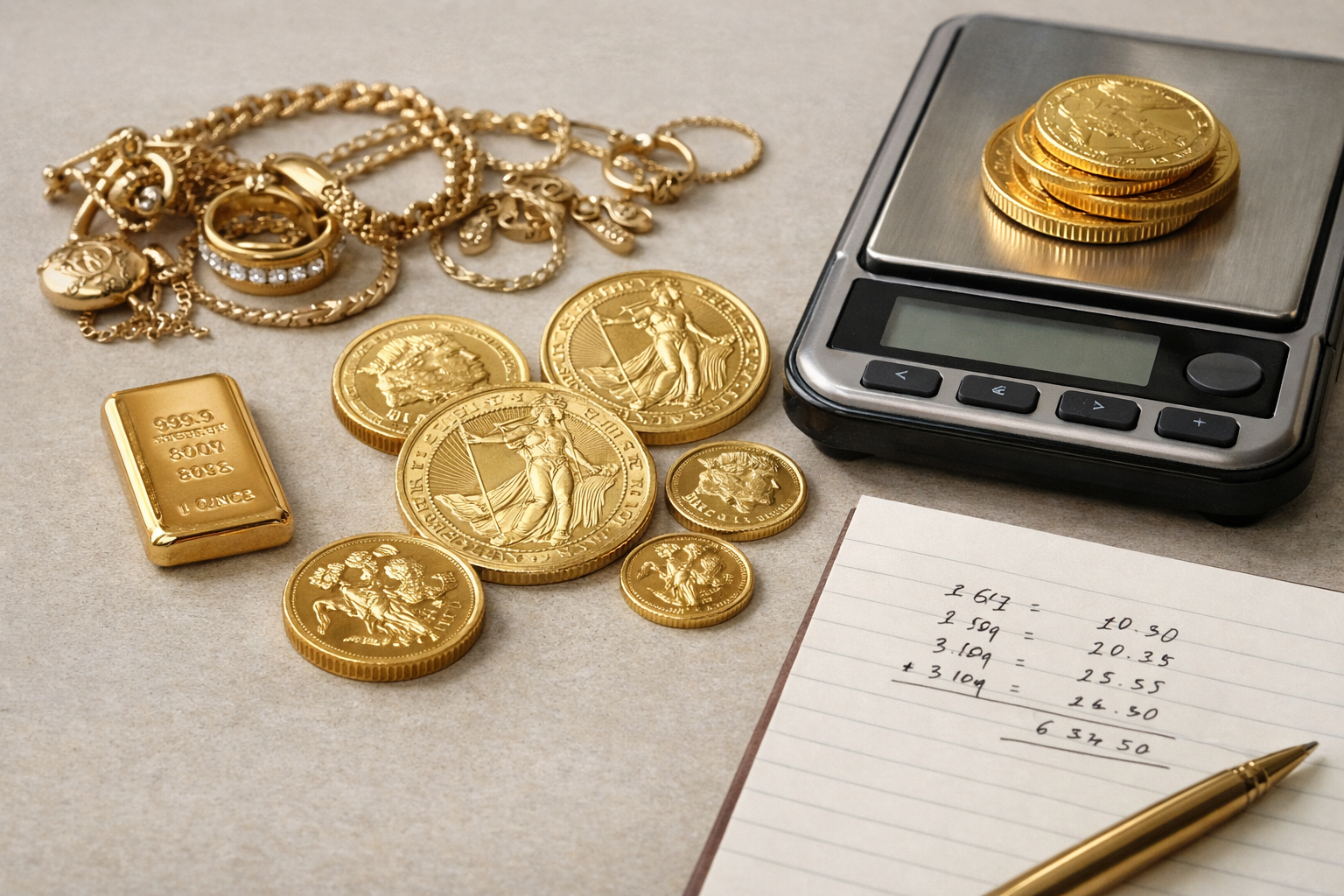
“Scrap” gold is any gold item being sold primarily for its metal content rather than its design or collectible value. That includes broken chains, single earrings, damaged bracelets, worn-out wedding bands, old dental alloys, and items with missing stones or fastenings. Even aesthetically pleasing pieces may be classed as “scrap” if they’re unbranded, out of fashion, or too worn to command a resale premium as jewellery.
The price you receive is influenced by three main factors: purity (carat), weight, and the live gold market at the time of sale. Purity determines what percentage of your item is actually gold; weight determines how much gold you are selling; the market sets the underlying value per unit of fine gold. Condition is typically less important for scrap than for resellable jewellery, although intact hallmarks and original components make testing faster and more accurate.
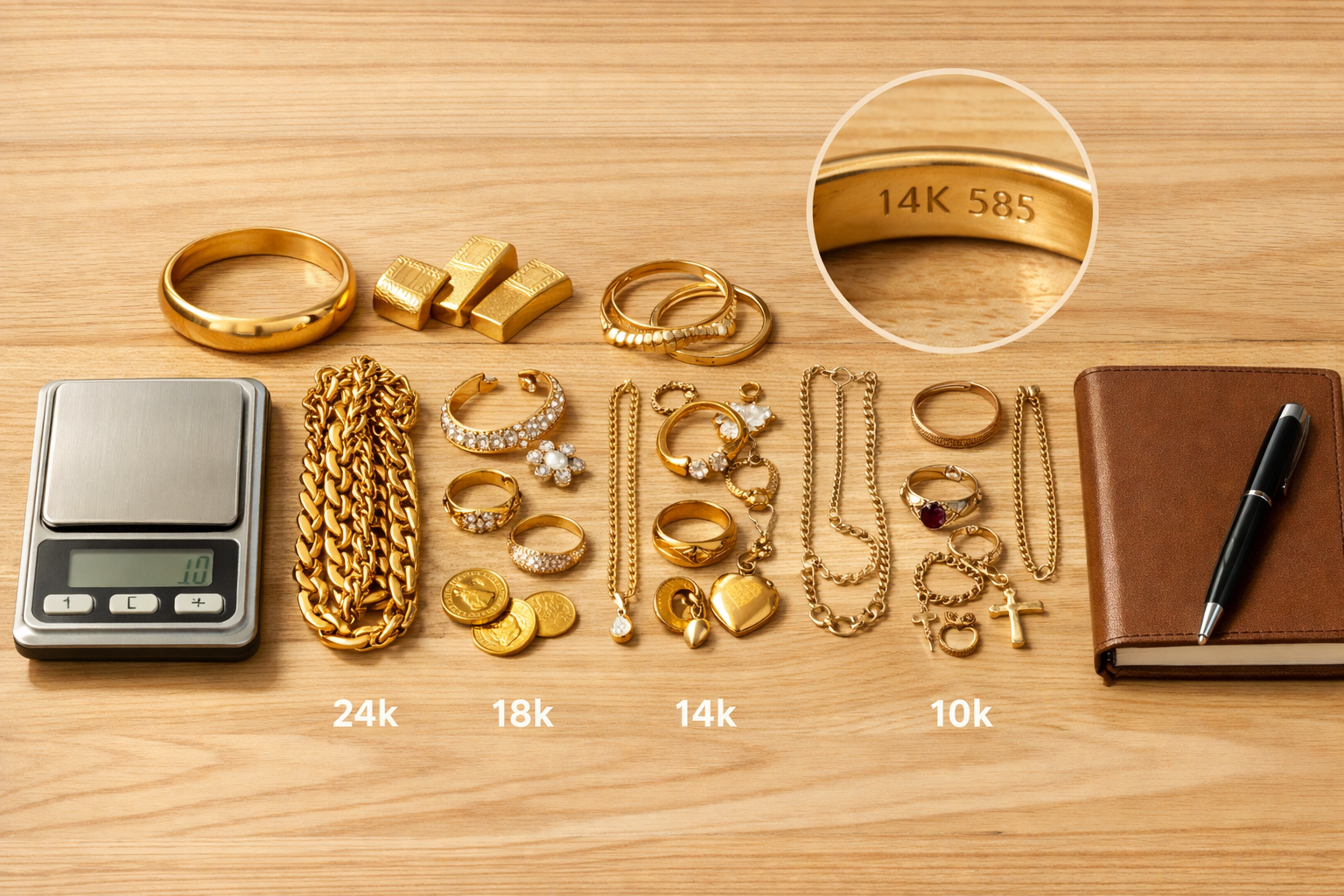
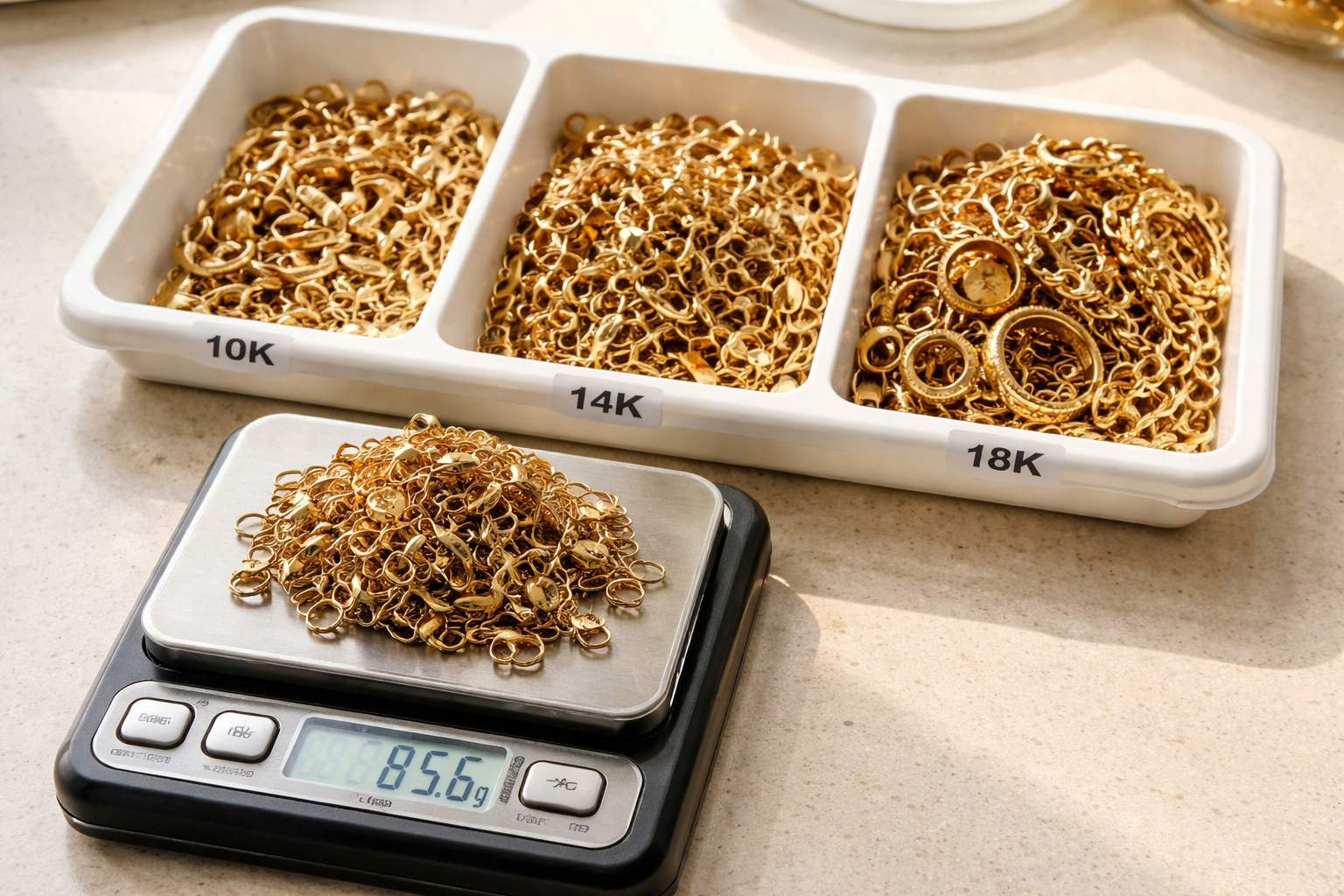
Carat stamps (e.g., 9ct, 14ct, 18ct, 22ct) indicate gold content, and British hallmarks give added confidence in the metal’s fineness. Mixed lots (a tangle of different chains of different carats) can still be assessed, but you’ll usually get a clearer price when items are sorted by carat and non-gold parts (like steel springs or base metal clasps) are separated.
Here’s a quick reference to help frame expectations before your valuation:
| Carat | Approx. Gold Fineness | Common UK Uses | Notes for Sellers |
|---|---|---|---|
| 9ct | 37.5% gold | Everyday jewellery | Lower purity; more alloy metals, often durable |
| 14ct | 58.5% gold | Imported jewellery | Mid-range purity; common in non-UK pieces |
| 18ct | 75% gold | Fine jewellery, wedding rings | Higher purity; commands more per gram |
| 22ct | 91.6% gold | Asian jewellery, coins | Very high purity; softer metal |
When I’m deciding the best way to sell my scrap gold, I focus on purity, weight and whether any item could fetch more than its melt value (e.g., certain branded pieces or coins). A reputable buyer will discuss both routes and explain their pricing clearly before you decide.
How Do On-the-Spot Valuations Work With Live Gold Prices?
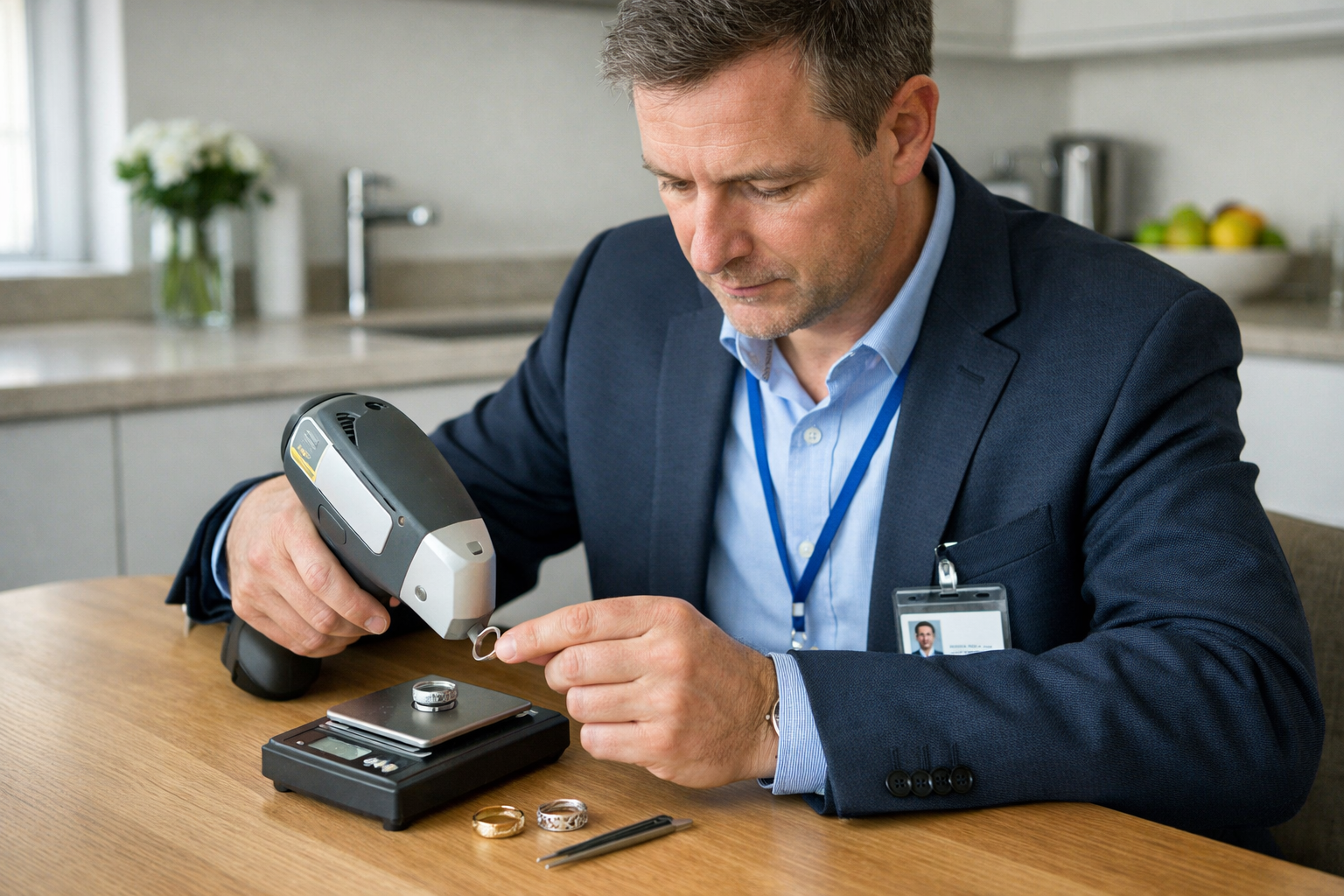
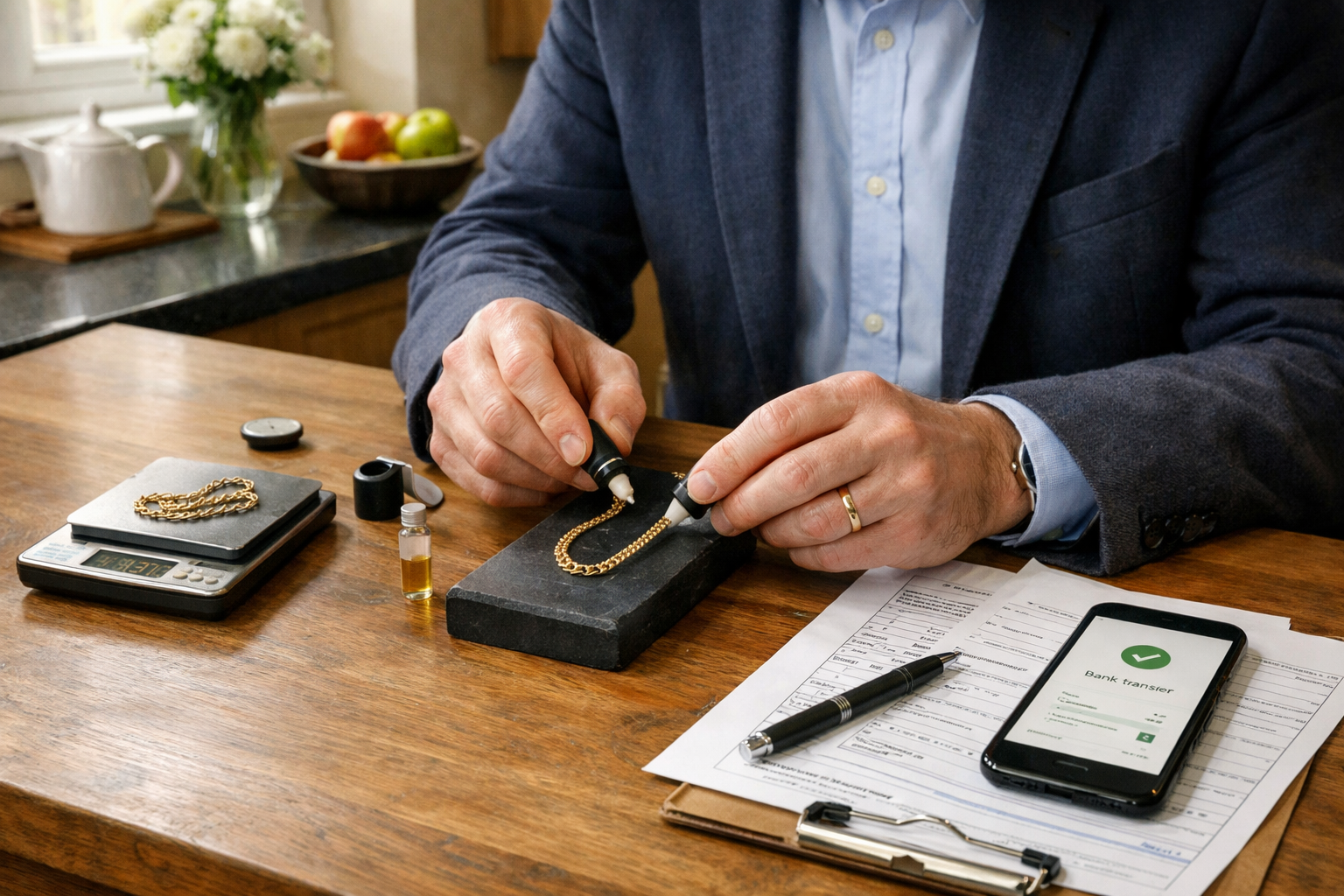
On-the-spot valuations are designed to be transparent and fast while reflecting real market conditions. Your buyer will typically start by visually inspecting and sorting items, looking for hallmarks, stamps and obvious non-gold components. Next comes weighing on calibrated scales, often by carat group. If needed, they perform non-destructive tests and, only where necessary, tiny spot tests to confirm alloy type.
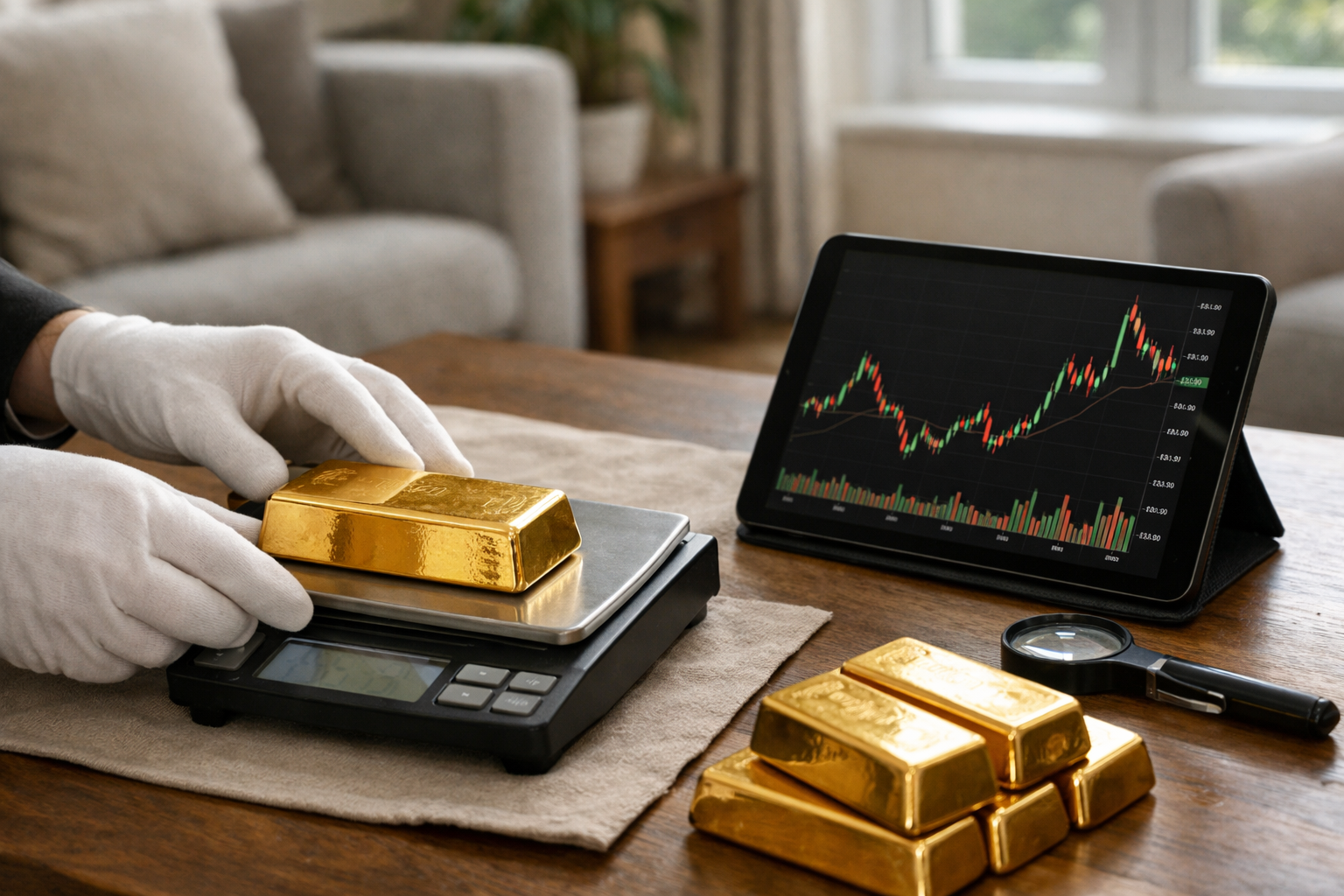
The underlying gold price used to calculate your offer is tied to the live market, often referenced against recognised benchmarks such as LBMA precious metal prices. Because the market moves continuously, valuations are time-sensitive: the cleaner and more clearly sorted your items, the quicker your buyer can lock a quote. Some buyers detail their margin openly; you should feel comfortable asking how their payout relates to the current market per gram of fine gold.
An expert will also identify if any item merits a valuation beyond its melt value. For example, a sought-after designer ring in good condition may make sense to appraise as jewellery first. However, most broken or unbranded items are best assessed for metal value alone. If I want to sell my scrap gold efficiently, I’ll accept that the price is largely dictated by weight, purity and the live market at that moment.
Where and How Can I sell my scrap gold?
You have three convenient routes: a home visit from a vetted representative, a local pop-up event, or a postal option using a home selling kit. Home visits are ideal if you want a private, face-to-face valuation without travelling. Pop-up days suit those who prefer a neutral venue at set times. Postal kits work if your diary is full or you’d rather avoid appointments.
For a home visit, the representative will arrive at your chosen time, check ID when appropriate, and value your items using portable testing tools and scales. You’ll receive a same-day offer and, on acceptance, a bank transfer initiated while you’re present. With pop-ups, bring your items along; you’ll get the same process and the same transparent pricing linked to live rates. Postal kits are safe and insured as specified by the provider; you pack your items and receive an offer after testing.
If your priority is a swift, no-hassle outcome, you can book a valuation to arrange a home visit or request a home selling kit. It’s especially useful when you’re dealing with mixed lots, dental alloys or bulky quantities that are awkward to take to a shop. I often choose this option when I need to sell my scrap gold with minimal disruption.
What Should I Prepare Before a Home Visit?
Preparation streamlines your appointment and helps you feel fully in control. First, gather photo ID and, where available, any provenance such as receipts or old valuations. Buying precious metals generally requires the buyer to verify identity to meet anti–money laundering obligations. Having your documents ready saves time and enables same-day payment once you accept the quote.
Second, sort your items by suspected carat and separate any non-gold components like steel keyrings, base metal clasps, or watch straps. If you’re unsure of carat, group items by colour and known origin (e.g., UK-marked 9ct vs. unknown imported pieces). This helps your buyer weigh more efficiently and price accurately. Don’t worry if you can’t sort perfectly—an expert will always test as needed.
Third, give items a gentle clean to remove surface dirt and oils. Avoid harsh chemicals or abrasive polishing, which can damage plating or delicate areas. A soft cloth with warm water and mild soap is usually enough to improve visibility of hallmarks and condition, making testing easier.
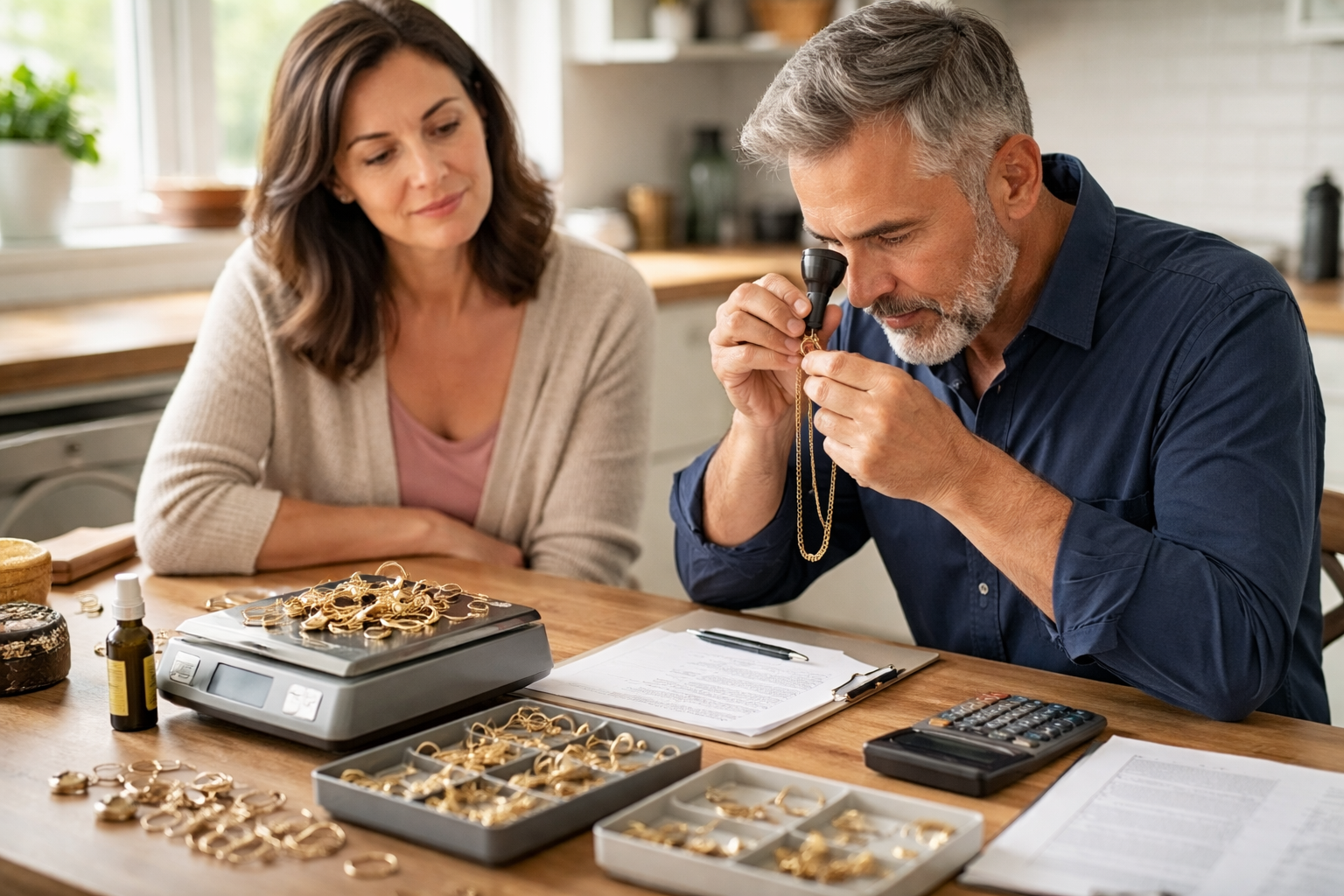
Finally, choose a well-lit table and ensure there’s space to lay out items, scales and paperwork. Ask questions at any point. A good buyer will talk you through testing steps, how the live price is applied, and when you’ll see funds in your bank. The result is a smooth, confident valuation experience at home.
Is It Better to Sell Jewellery, Coins or Scrap by Weight?
It depends on the item. Some pieces fetch more than melt value, and others won’t. A plain, worn 9ct bracelet with a repaired clasp will generally be worth its gold content only; an 18ct designer bangle in pristine condition might command a premium if resold as jewellery. Coins are a special case: bullion coins tend to track the metal price closely, while collectible numismatic coins can exceed metal value if rarity and demand align.
As a rule of thumb, scrap pricing suits items with little resale appeal—broken chains, single earrings, outdated designs or pieces missing stones. By contrast, bullion coins and bars follow live pricing tightly, and reputable buyers will reflect that in their offer. If you’re weighing options around bullion, you may find this guide handy: Selling Gold Bullion Bars: A Practical UK Walkthrough. For modern jewellery alloys, white gold often raises specific questions about rhodium plating and carat—see Selling White Gold: A Practical UK Step‑by‑Step Guide for more nuance.
When I plan to sell my scrap gold, I ask: Is any single item a candidate for resale above melt? If not, grouping by carat and going by weight is efficient and fair. A transparent buyer will explain both options and help you choose the best route for each piece.
Understanding Hallmarks, Carat and Weight: What Do Buyers Look For?
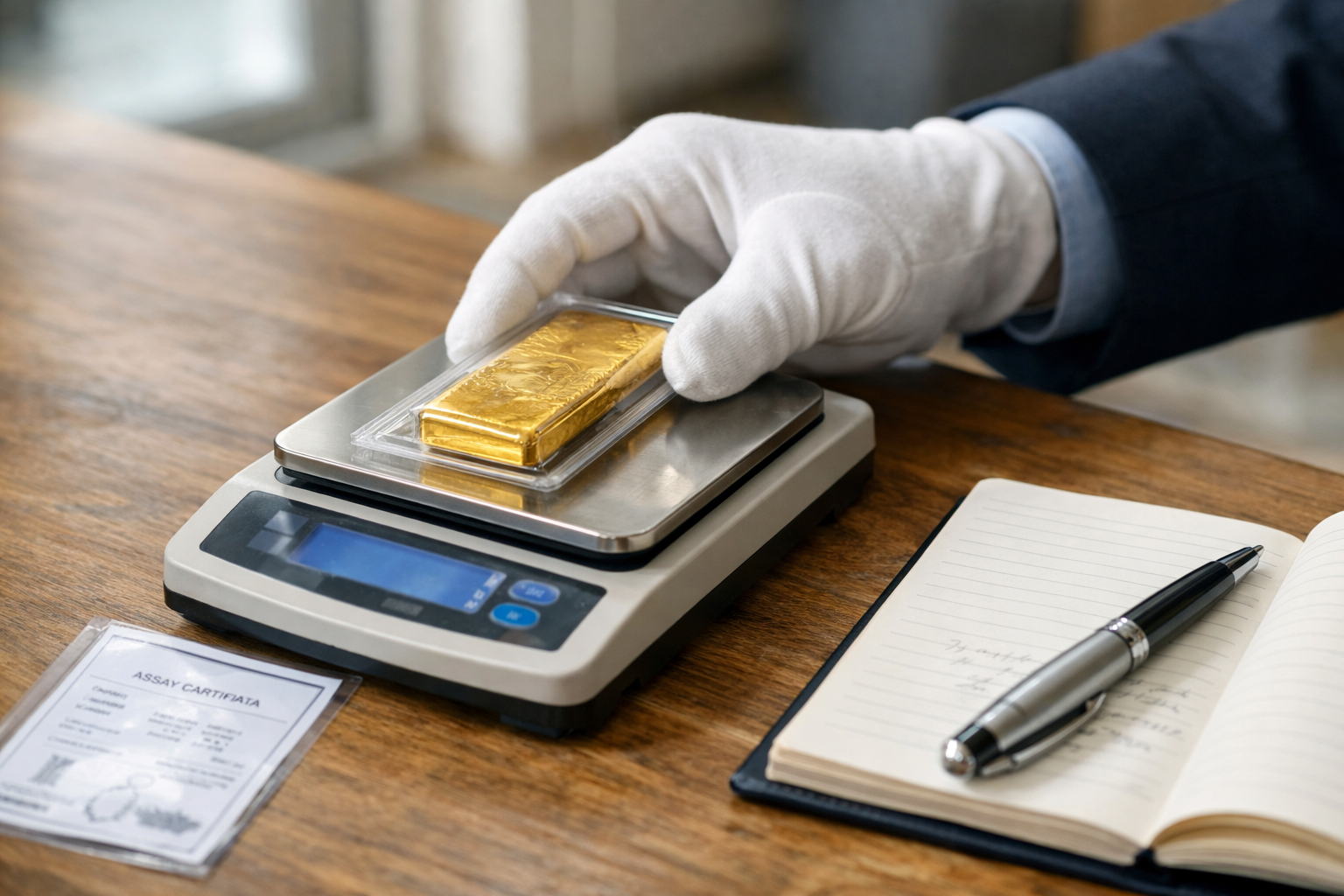
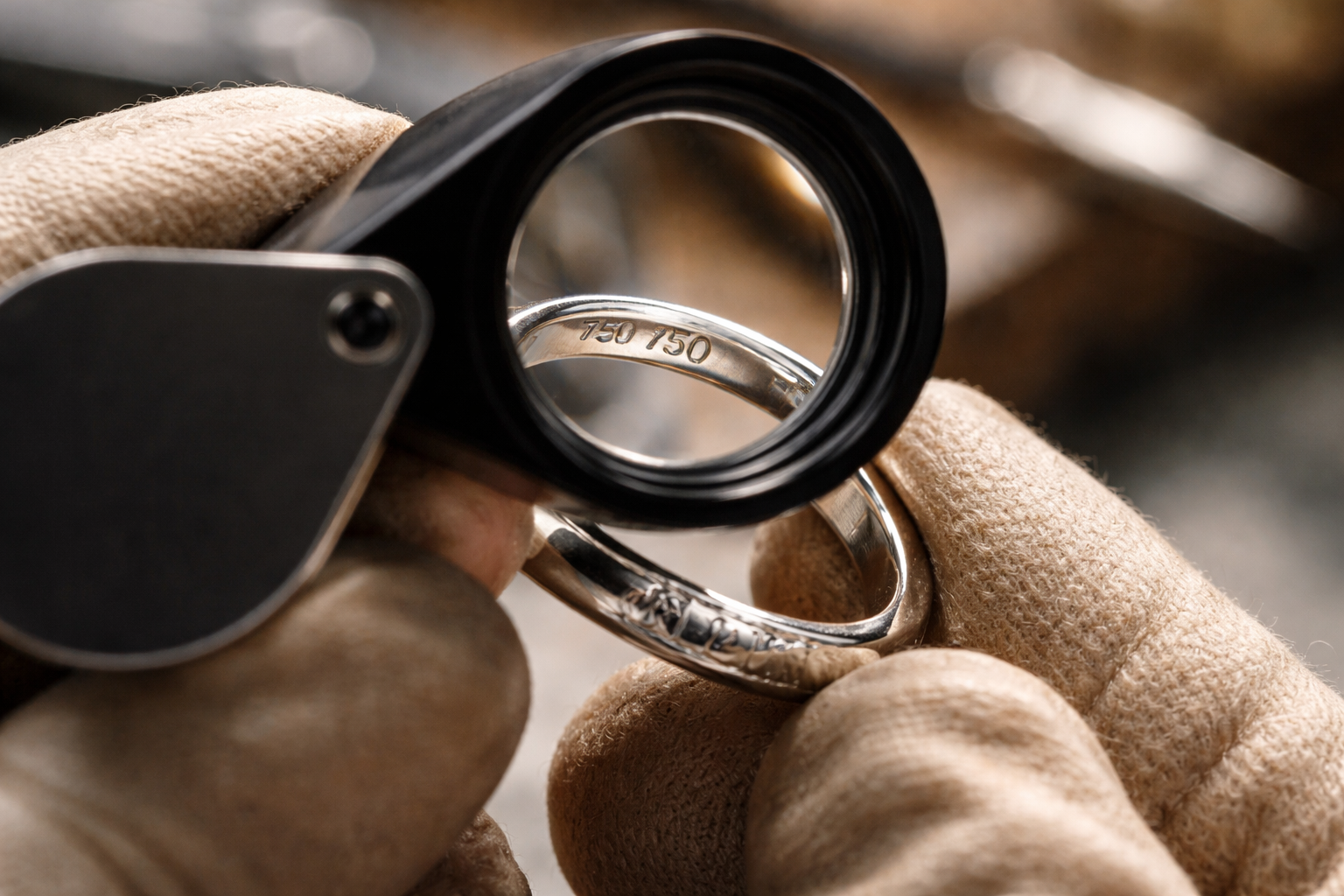
Hallmarks and carat stamps are the fastest way to identify gold content. In the UK, hallmarking by an Assay Office verifies fineness above minimum weights and protects consumers. If your item is hallmarked “375,” it denotes 9ct gold (37.5% fineness). Other common fineness numbers are 585 (14ct), 750 (18ct) and 916 (22ct). You can learn more from the official guidance on hallmarking in the UK.
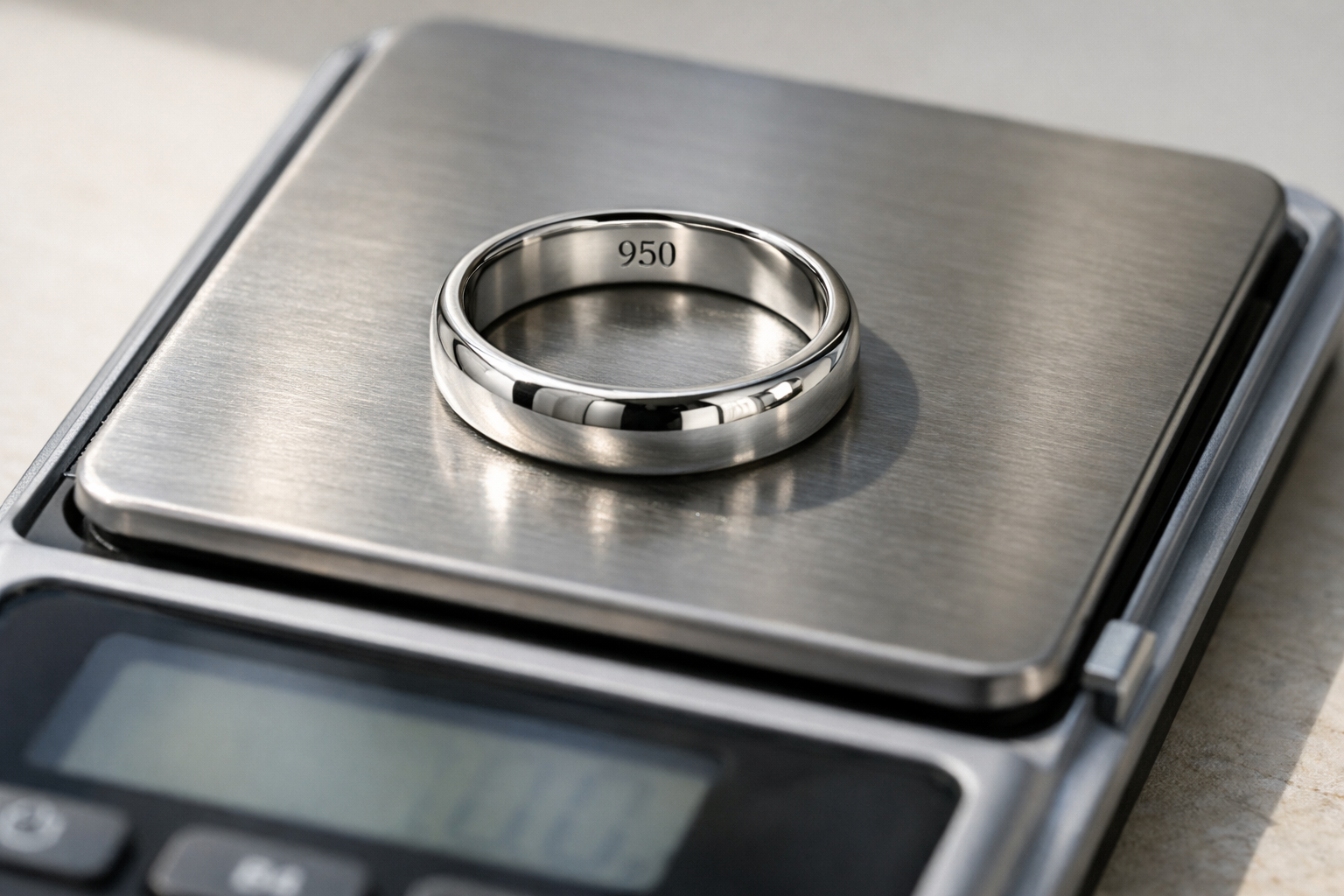
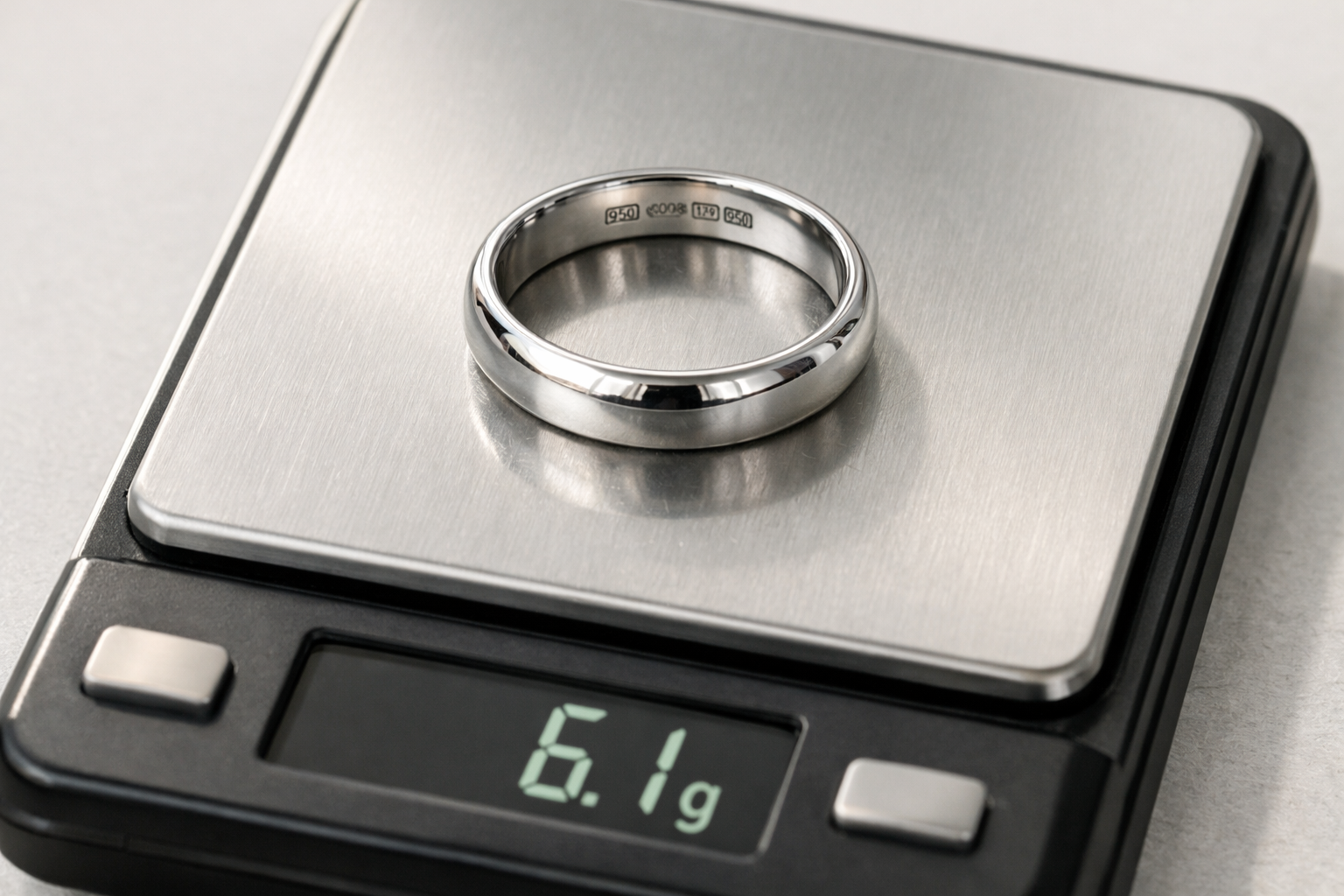
Weight is measured precisely using calibrated scales, often to two decimal places in grams. Buyers will usually test unmarked items or where carat stamps are unclear. For mixed-metal designs (e.g., gold with stainless components or springs), they’ll determine the net gold weight once non-gold parts are excluded. The testing process may include acid spot tests on inconspicuous areas, electronic testing, and, rarely, XRF analysis for fine-grained alloy reads.
Carat and fineness convert directly to the proportion of fine gold contained in an item. This reference helps you understand quotes:
| Stamp | Carat | Fineness (Gold %) | Example Use |
|---|---|---|---|
| 375 | 9ct | 37.5% | Everyday UK jewellery |
| 585 | 14ct | 58.5% | Imported jewellery |
| 750 | 18ct | 75% | Fine jewellery |
| 916 | 22ct | 91.6% | High-purity jewellery & some coins |
In practice, your buyer calculates the fine gold content (weight × fineness) and then applies a live market rate to arrive at a value. Their payout may reflect processing costs and business margin. Ask for a clear breakdown: weight by carat, the applied rate, and how the final figure was reached. This is how you compare offers transparently.
What About White Gold, Dental Gold and Mixed-Metal Items?
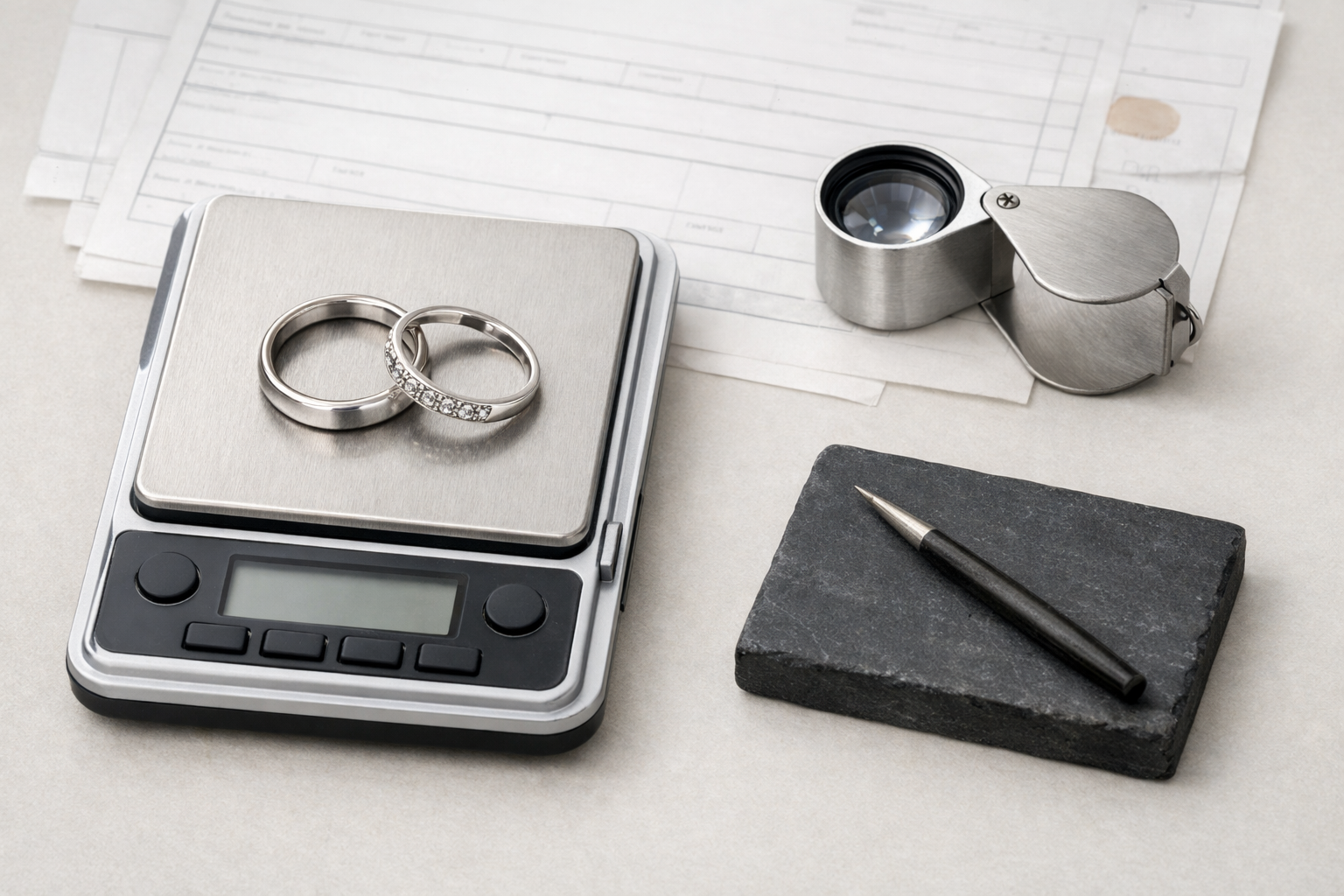
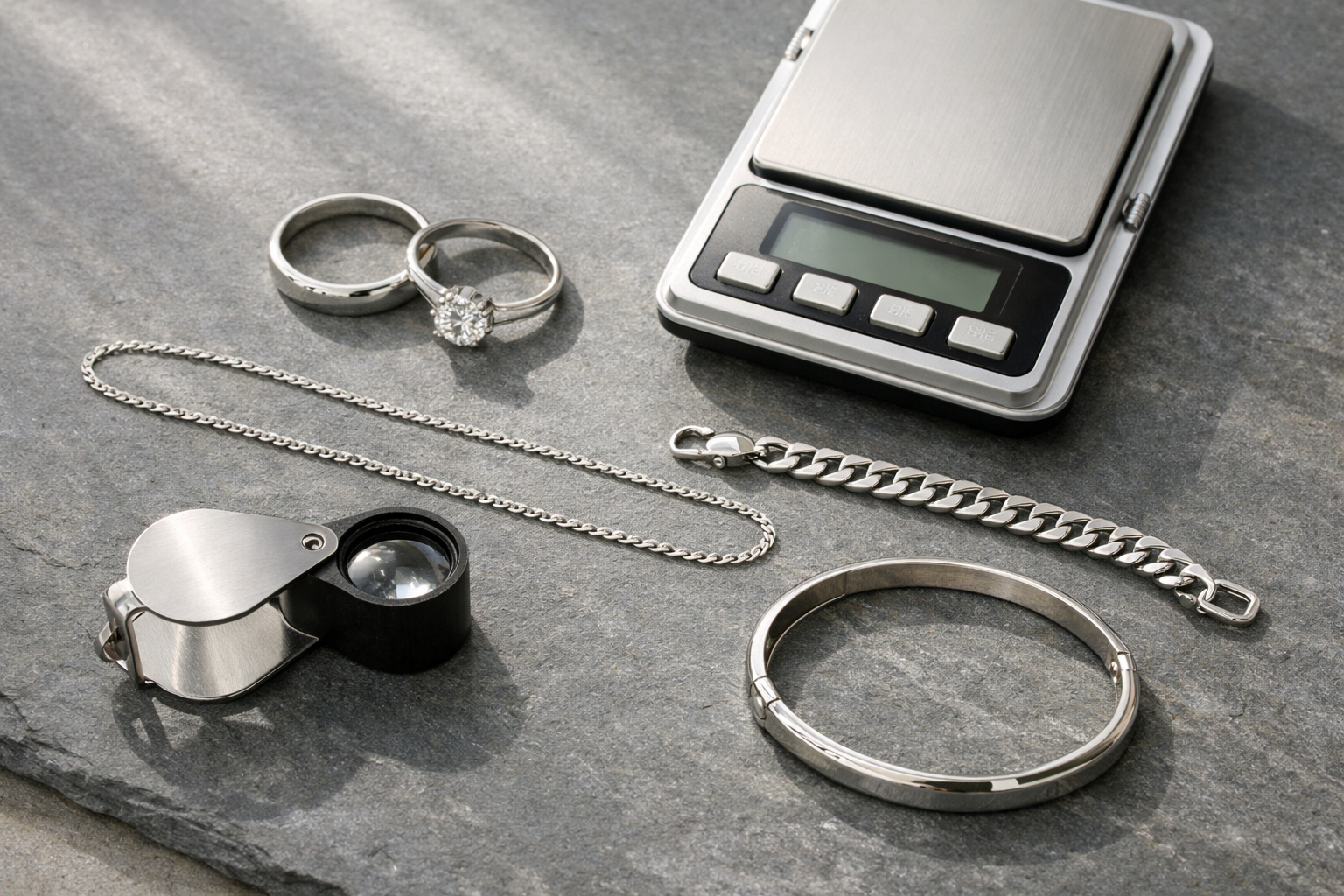
White gold is an alloy of gold with white metals (like palladium or nickel) and often rhodium-plated for a bright finish. The plating doesn’t affect the underlying carat but can mislead the eye in testing; experienced buyers will test beyond colour alone. Understanding whether your ring is 9ct or 18ct is far more important than whether it looks pale or yellow after wear. If you’re weighing up options, our detailed guide on selling white gold in the UK explains the process step by step.
Dental gold varies widely in composition. Older crowns and bridges can be high in gold, but modern dental alloys may contain less or be predominantly non-precious. If you’re unsure what’s in your dental work, your buyer will conduct tests to separate precious from non-precious components. For background on dental crown materials, see the NHS overview of dental crowns. Remove any ceramic or resin where practical, but don’t risk injury; professionals can safely sort and weigh.
Mixed-metal pieces (e.g., gold chains with non-gold clasps, watches with gold caps, or items with steel springs) will be tested for net gold content. Expect the buyer to deduct non-gold weight to arrive at a fair figure. If I plan to sell my scrap gold that includes dental alloys or parts of unknown composition, I budget extra time for testing and welcome the buyer walking me through each step.
Payment, Paperwork and Security: How Do I Get Paid Same Day?
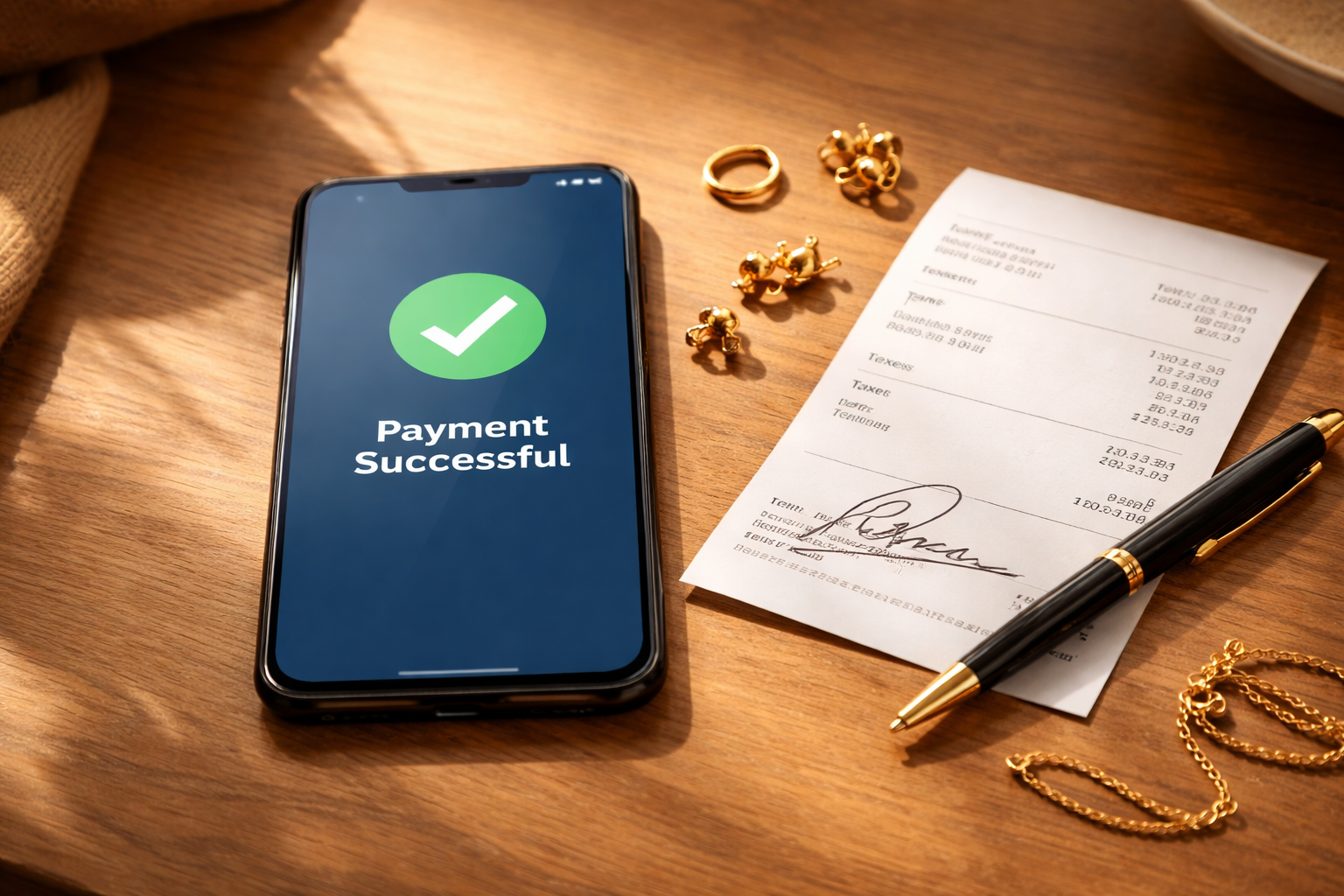
For a fast, traceable transaction, bank transfer is the norm. Once you accept a written offer, your buyer initiates payment directly to your account—often while you’re present—so you can receive funds the same day, depending on your bank. You’ll be given a receipt detailing items assessed, how values were calculated, and the total amount paid.
Expect standard ID checks, especially for higher-value transactions. Reputable buyers follow anti–money laundering procedures and keep accurate records. This protects both parties and ensures a compliant, professional process. If you have concerns about privacy, ask how your information is stored and for how long; trustworthy firms will explain their data practices clearly.
For your comfort and security at home, set up a clear, well-lit table, and feel free to have a friend or family member present. Representatives should arrive at the agreed time, carry identification, and be happy to explain their testing kit and steps before they begin. If any part of the offer or process isn’t clear, ask for clarification before deciding. I find this approach lets me sell my scrap gold with confidence and visible audit trails.
Can I Test My Gold at Home, and Should I?
Home tests can offer clues, but they’re not definitive. A basic magnet test may identify ferrous metals, but many non-gold alloys aren’t magnetic, so a pass doesn’t prove gold. Acid kits can give indications of carat, yet they require care, good lighting and experience to interpret correctly. Over-scratching can remove plating or damage delicate items.
Electronic testers and specific gravity methods are useful but still benefit from a trained eye, especially with modern alloys, solder joints and rhodium plating. Hallmarks are a strong indicator in the UK, but counterfeits and misleading stamps exist. Ultimately, professional testing combines multiple methods, including XRF where needed, and references findings against live market data to price accurately and fairly.
If you enjoy experimenting, treat home testing as education rather than a final verdict. Keep chemicals away from children and pets, wear gloves and eye protection, and avoid testing valuable-looking or sentimental items yourself. For high-value decisions, an expert valuation is the safest route; it prevents under-pricing, over-etching and mistaken assumptions that could cost you money.
Frequently Asked Questions
How do buyers handle items with stones, clasps or watch parts?
Non-gold components are removed or their weight is deducted before calculating value. Stones are typically not priced unless they carry obvious, verifiable resale value. For watches with gold parts, the buyer will separate gold caps or solid-gold sections from steel mechanisms to arrive at a net gold weight before pricing against the live market.
What happens if my gold isn’t hallmarked?
Unhallmarked items can still be purchased. The buyer will test the alloy to determine approximate carat and then weigh and value accordingly. Expect a bit more testing time (and possibly a small sample test in an inconspicuous area). You’ll receive a transparent explanation of results before accepting or declining the offer.
Can I get a quote without committing to sell?
Yes. Reputable buyers provide no-obligation valuations, whether at home, at a pop-up event, or via a postal kit assessment. You should receive a clear, written offer that you can accept or refuse. If you’re comparing options, ask for a breakdown showing weight by carat and how the live market price was applied to reach the figure.
How quickly will I receive funds?
Once you accept the offer and complete ID checks, same-day bank transfer is standard, subject to your bank’s processing. You’ll receive a receipt and confirmation of the transfer. If a postal kit is used, the payment is typically sent the day you accept the final valuation after testing, again dependent on bank processing times.
Should I remove dental ceramics or stones myself?
Only if it’s safe and easy. Do not risk injury or damage. Buyers have the tools and experience to remove non-precious parts and calculate net precious-metal weight accurately. If you’re unsure, leave items as they are; the representative can separate components during testing so you’re paid fairly for the gold content.
Ready to move on your items? Arrange a discreet home visit or ask for a home selling kit to get a transparent, market-based valuation and same-day bank transfer. If you’ve been thinking “it’s time to sell my scrap gold”, preparation and a reputable buyer make all the difference.