
How to Sell My Scrap Gold Fast in the UK: Expert FAQ-Led Guide
If you want to sell my scrap gold quickly and safely, book a professional, on-the-spot valuation linked to live market rates and get paid by bank transfer the same day. Gold Buyer offers home visits, local pop-ups and a postal kit, so you can choose what’s most convenient while staying fully informed and in control.
What does ‘scrap gold’ include and how is it valued?
Scrap gold is simply the precious metal content in items that are being sold for their intrinsic value rather than for their design or collectable appeal. That can include broken or tangled chains, single earrings, worn rings, dented bangles, old cufflinks, dental gold, damaged watch cases and bracelets, and even non-collectable coins. If it contains gold, it has value, but what you’re paid depends on purity, weight and the current market rate.
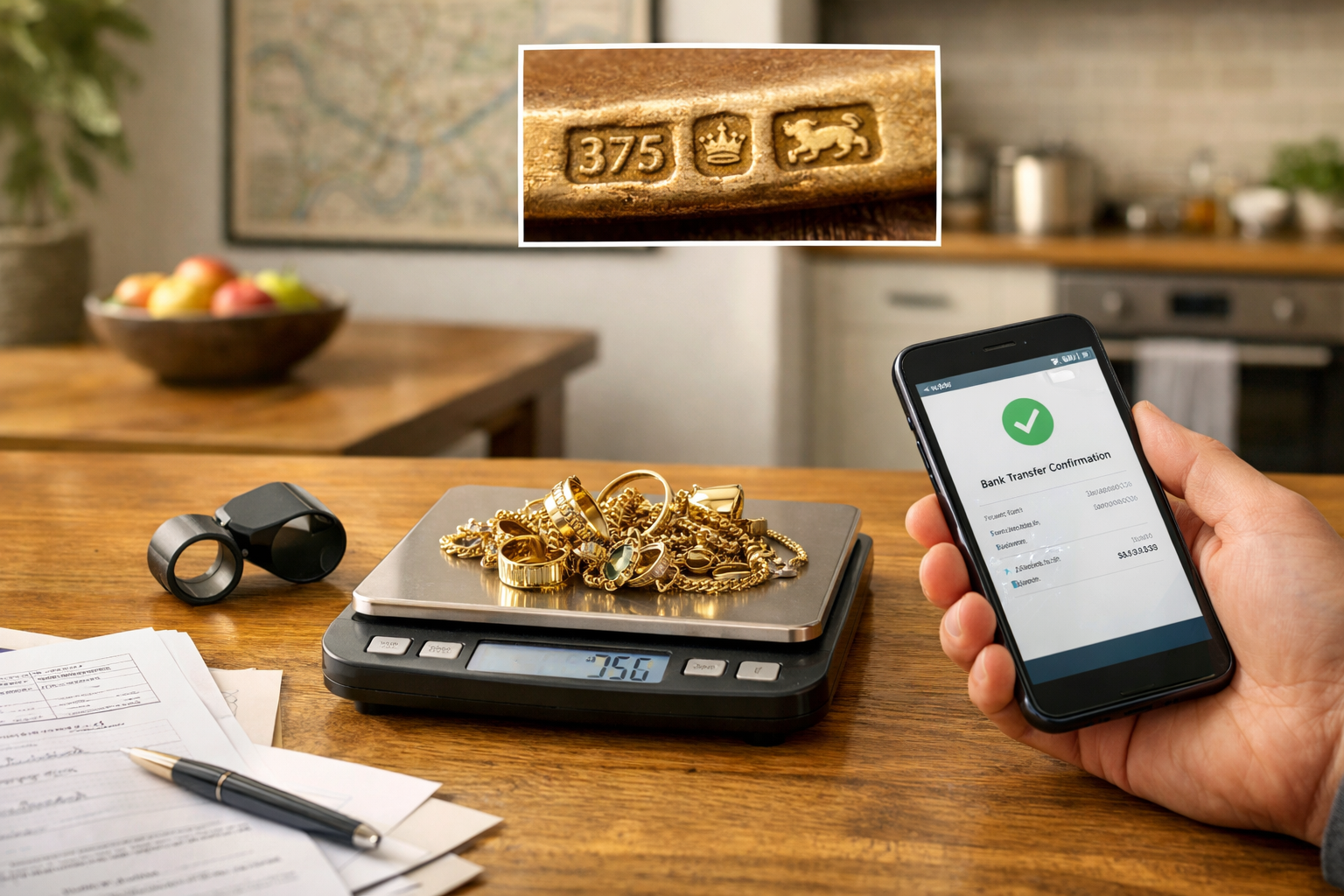
Buyers start by determining the carat or fineness (e.g., 9ct at 375 parts per thousand, 14ct at 585, 18ct at 750, 22ct at 916). Then they weigh the item, often after removing stones or non-gold elements. The buyer converts the gross weight to fine gold weight by multiplying by the fineness, then calculates a price using the live gold price minus a small margin to cover refining, handling and transfer fees. Reputable buyers explain each step openly so you understand exactly how the offer is formed.
People often type “sell my scrap gold” when they’re clearing out old jewellery boxes or updating a watch collection. If an item has designer or historical significance, it might achieve more as a finished piece; otherwise, it’s usually more efficient to sell it for gold content. Either way, a transparent buyer will point out value-add factors (e.g., intact designer clasps, original hallmarks, or collectible coins) so you can decide.
Dental gold often has a high gold content, but it may be alloyed with other metals. It’s perfectly acceptable to sell crowns, bridges and inlays for recycling; the metal will be refined, not reused as-is. Practical buyers will estimate purity through testing, then pay you for the gold content only, removing ceramic or tooth material first.
How do I sell my scrap gold without visiting a shop?
You have several convenient, secure options that avoid a traditional counter sale. Gold Buyer specialises in mobile services: a discreet home visit scheduled at a time that suits you, or a local pop-up event where you can be seen quickly without travelling far. Alternatively, you can request a postal home selling kit if you prefer not to book an appointment. Each option leads to a professional, market-based valuation and same-day bank transfer.
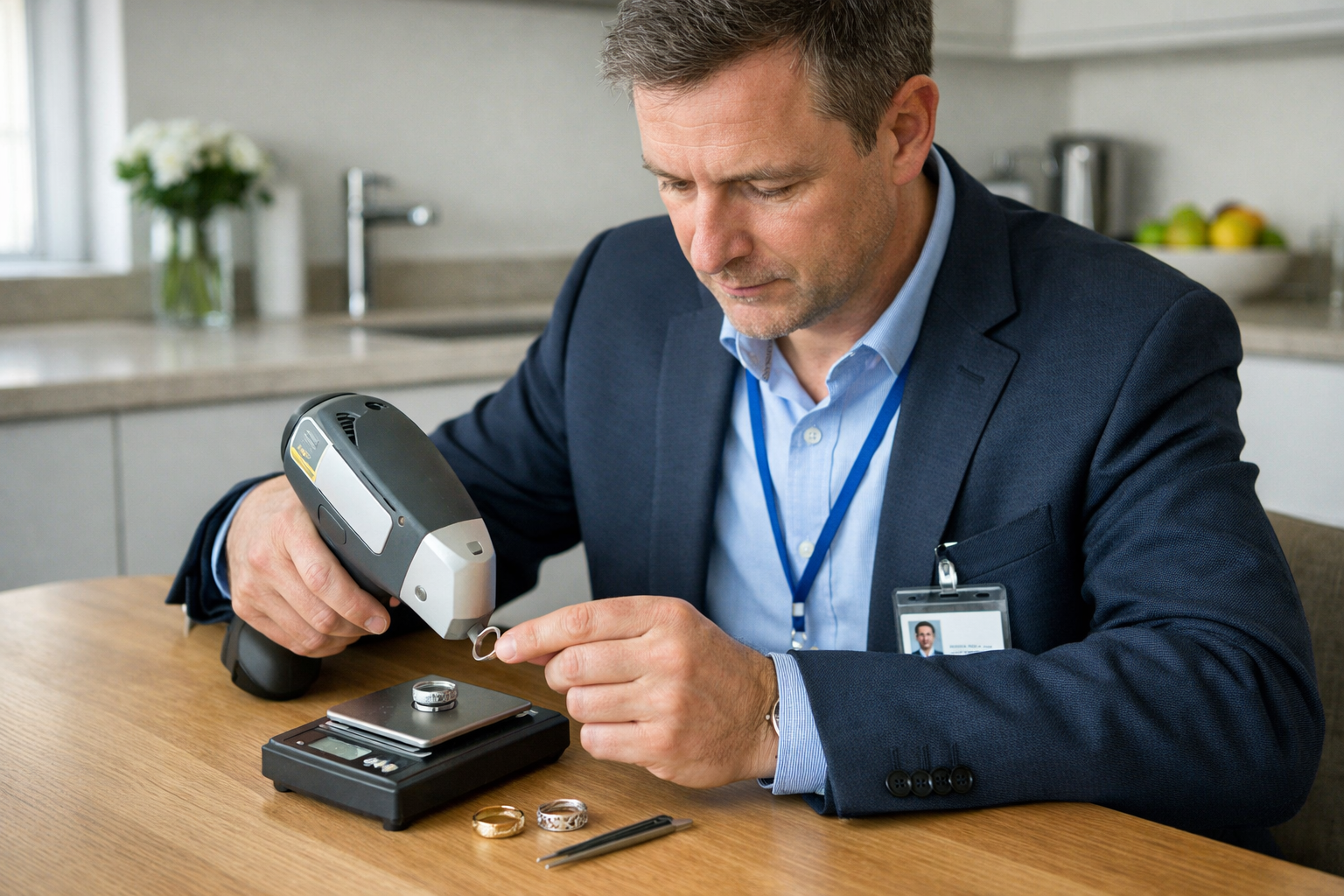
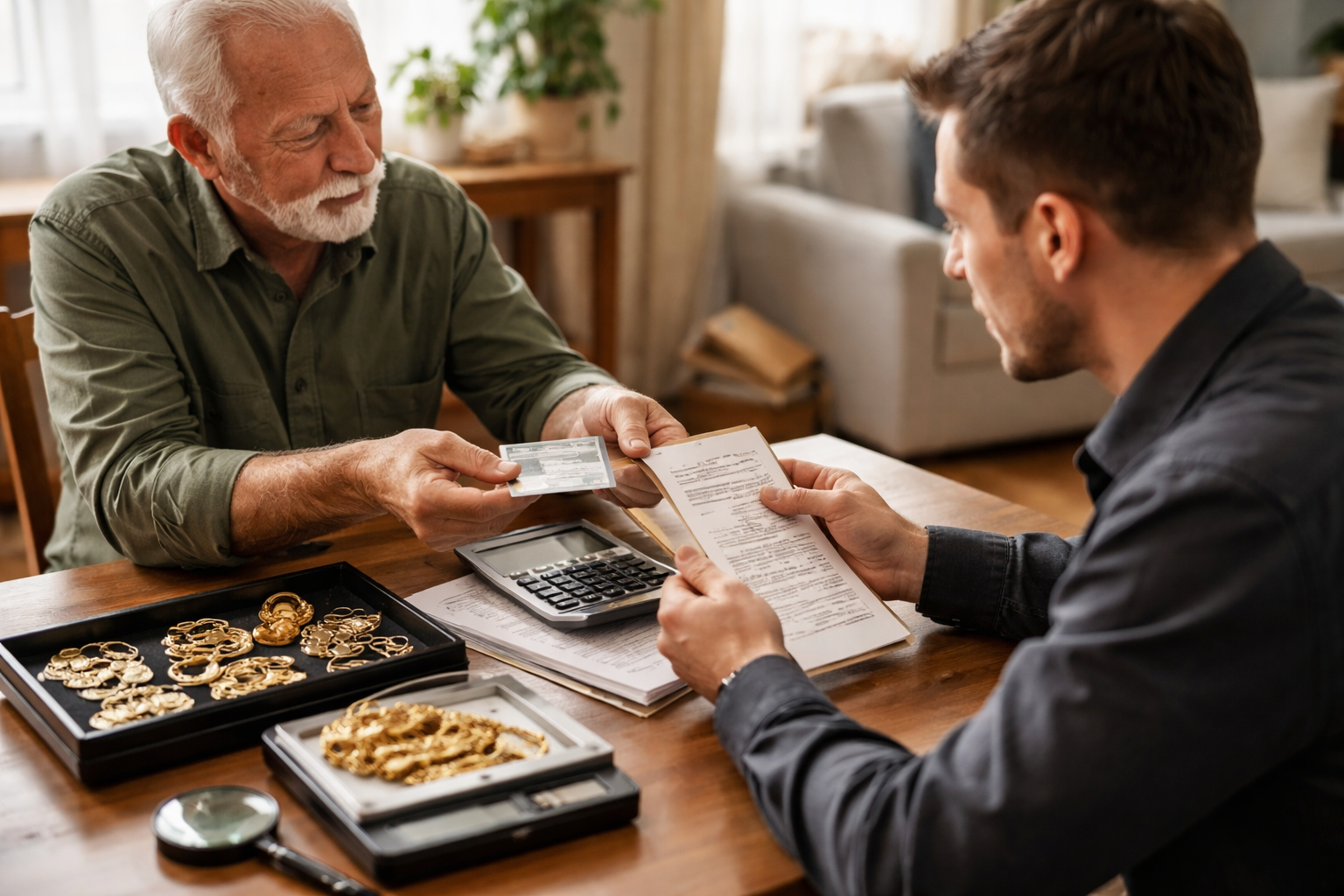
During a home visit, an ID-checked representative arrives with scales and testing tools, values your items in front of you and explains precisely how the offer is calculated. If you accept, payment is sent immediately by bank transfer while they’re still present. For pop-up events, you can expect the same approach, just in a community setting. Postal kits provide tracked postage from your home and typically include tamper-evident packaging and insurance guidance; your items are tested upon arrival and you receive an offer to accept or decline.
Being able to sell my scrap gold remotely or at home removes friction: no queues, no pressure, and no lost time travelling. Choose the format that fits your day—many sellers like the assurance of an in-person home appointment, while others prefer the speed of dropping a secure kit at the post office. Whichever you choose, insist on live-rate pricing, a clear item-by-item breakdown, and same-day settlement once you accept.
Spot price vs payout: how rates translate to your final offer
The gold “spot price” is the live market rate for one troy ounce of pure gold. It moves continuously during trading hours. Your payout is based on how much fine gold your items contain, multiplied by this market rate, less a small margin for handling and refining. The purity of your items (9ct, 14ct, 18ct, 22ct) dictates how much fine gold is present per gram of jewellery weight.
For example, a 10g 18ct ring contains roughly 7.5g of fine gold (18/24). A reputable buyer will show you the weight, confirm the hallmark or use testing, and then calculate the fine gold content openly. Rates are typically tied to the same-day spot price or a morning fix; ask how the buyer sources prices and when they lock them in. You can compare market context at the London Bullion Market Association’s prices and data for an independent reference point.
If you want a step-by-step breakdown of calculating scrap values and what a real-world offer includes, see Gold Buyer’s practical UK tips and rates. It explains carat conversions, weighing, and typical deductions in plain terms, so you know what to expect before you book. When planning to sell my scrap gold at home or via a postal kit, it also helps to separate known carats so the valuation runs faster.
Hallmarks, carats and testing: simple checks before you book
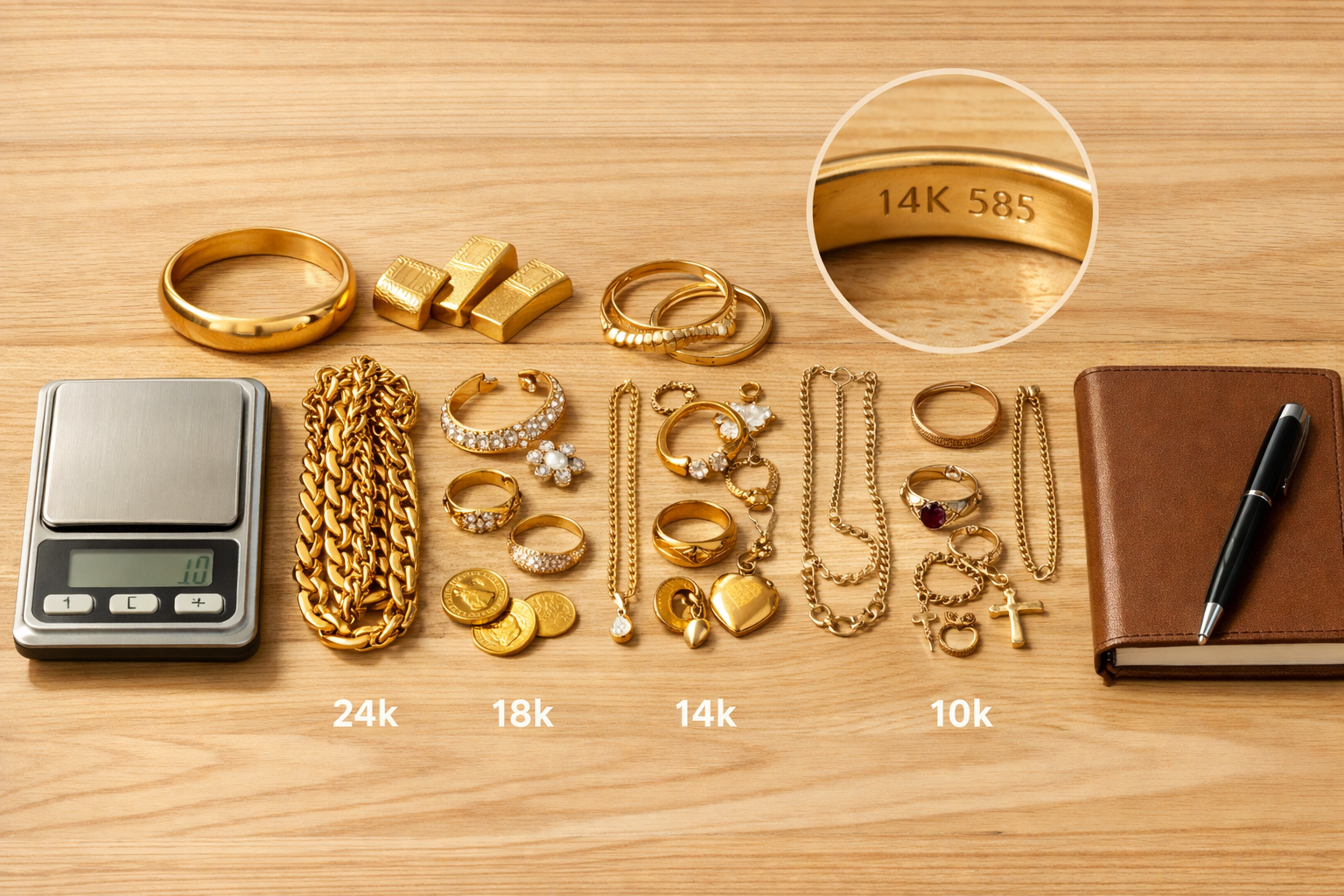
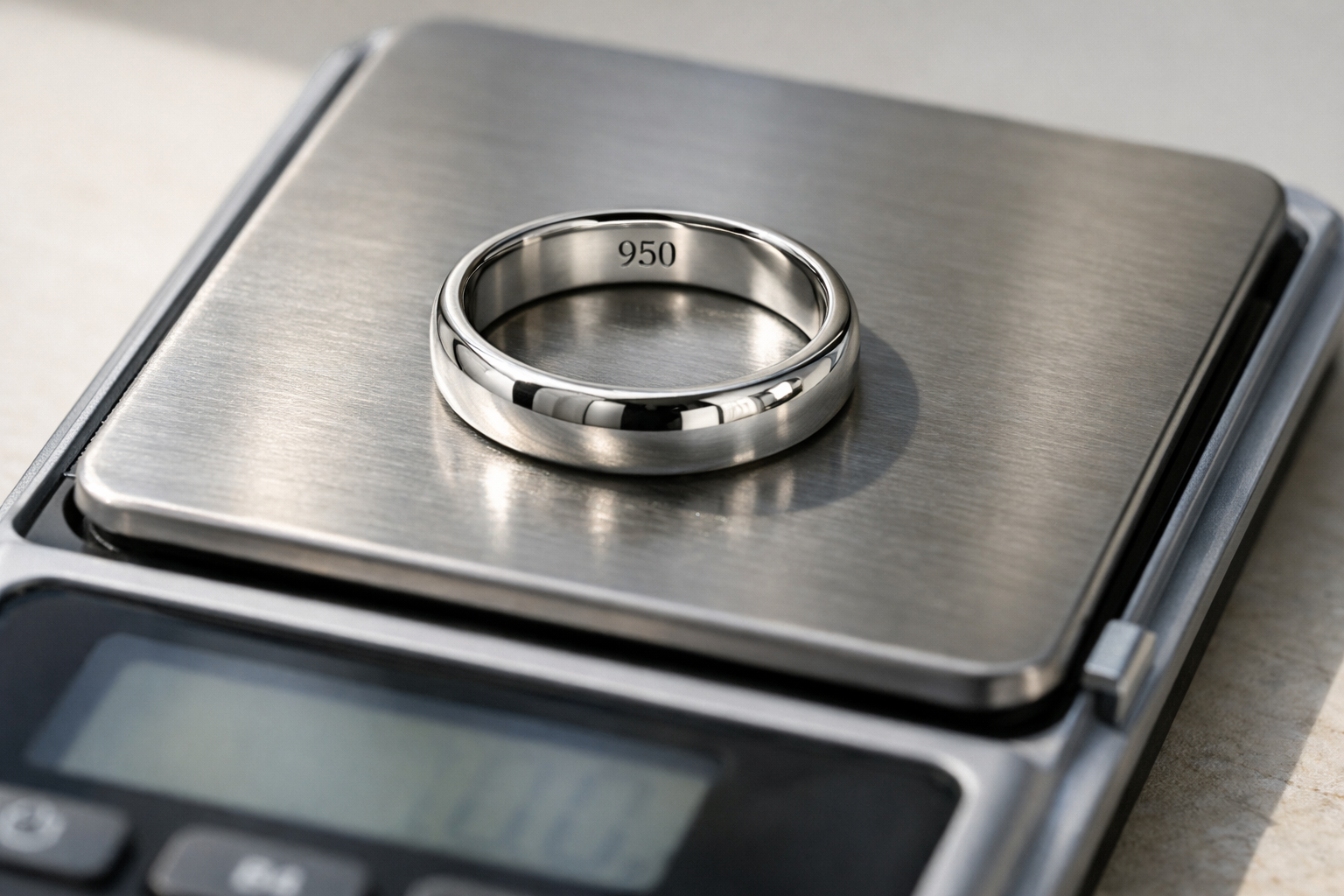
Hallmarks are a fast indicator of precious-metal content. In the UK, a full hallmark typically includes a sponsor’s mark, fineness mark (e.g., 375, 585, 750, 916) and an assay office mark. Modern pieces may also show carat numbers like 9ct or 18ct. Check near clasps, inside ring shanks and on case backs. For an overview of how hallmarking works, see Hallmarking in the UK on GOV.UK.
Not all valuable items are hallmarked, especially older or foreign pieces. That’s where testing comes in. A gold buyer may use a touchstone and acids, an electronic tester, or XRF (X-ray fluorescence) to assess metal composition. At home, you can do quick pre-checks: a magnet won’t pick up real gold; inspect for colour wear at edges (plating can reveal base metal beneath), and group like-for-like pieces to streamline testing.
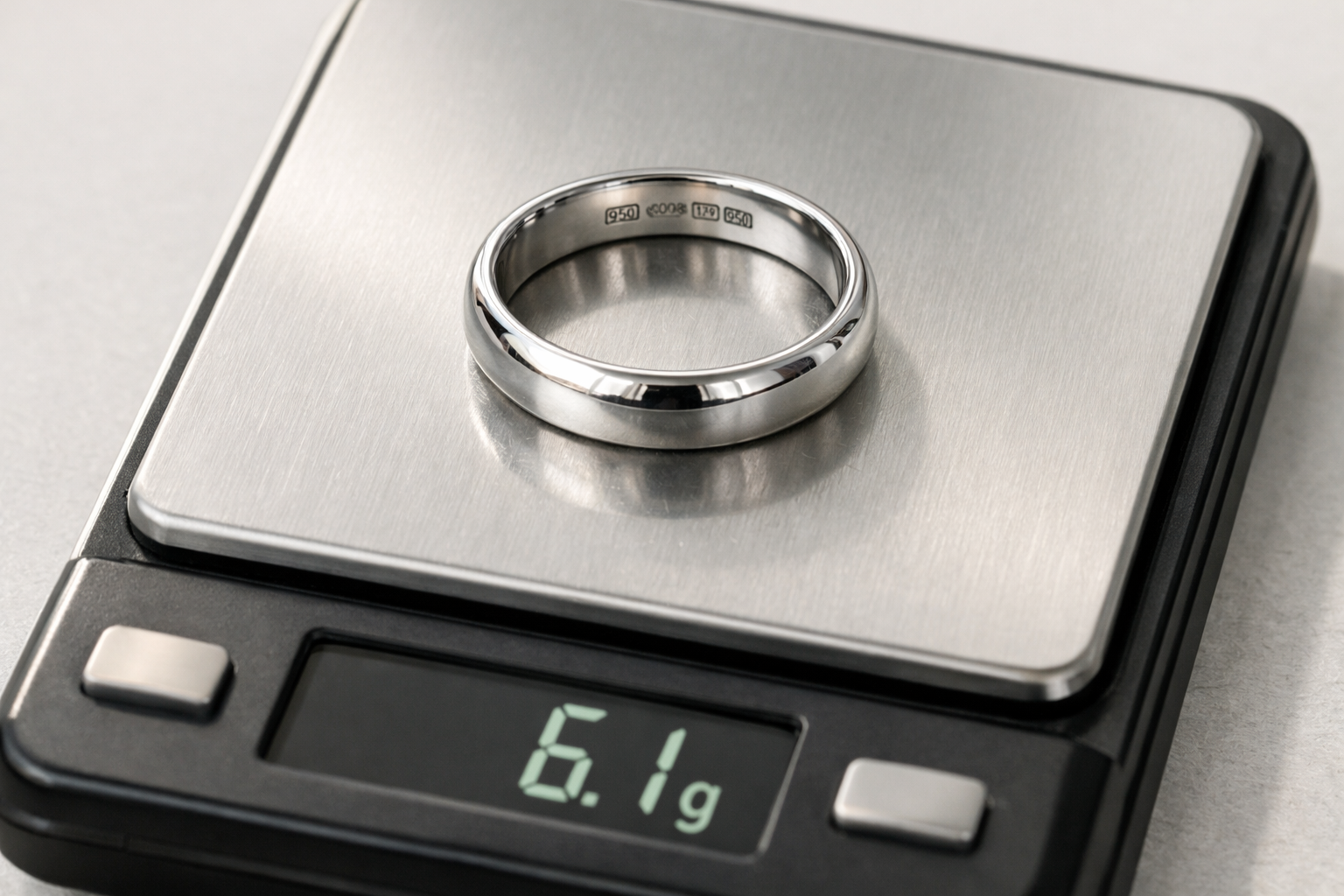
Weigh items without stones or non-gold components if possible. If you can’t remove stones safely, don’t force it—your buyer will weigh and deduct the non-gold weight correctly. Keep pairs together, retain any clasps or tags, and note any documentation that came with higher-value pieces (e.g., watch paperwork), even if you expect a scrap valuation. Honest buyers test in front of you and are happy to explain each step before making an offer.
Weighing up your options: home visit, pop-up event or postal kit?
Each selling route offers real advantages; the best option depends on how you balance convenience, privacy and turnaround time. A home visit puts you in control: a trained, ID-checked representative visits your address—whether you’re in a busy city or near Gold Buyer’s Chesterfield office—tests items in your presence, explains pricing tied to the day’s live rate and pays you immediately by bank transfer. It’s discreet, appointment-based and avoids travel entirely.
Pop-up events are ideal if you prefer a quick stop at a local venue. They work like a home visit but in a community setting with easy parking and short wait times. Postal home kits are useful if your schedule is unpredictable. You’ll receive secure packaging and instructions, send your items via tracked service, then receive a call or email offer based on the same testing standards. You can accept for same-day payment or decline and have items returned.
Ready to sell my scrap gold with minimal hassle? Book a valuation for a home visit or ask for a postal kit. Transparent, market-based pricing and same-day bank transfer are standard, and you’ll get a clear, itemised breakdown before making any decision.
How the Gold Buyer home visit works, step by step
A home visit keeps the entire process in your hands from start to finish. First, you arrange an appointment for a convenient time and provide a rough idea of what you plan to show: broken jewellery, dental gold, coins or watch parts. On the day, the representative confirms their ID at the door and sets up a portable scale and testing kit at your table, keeping your items in view at all times. Stones or non-gold parts are set aside before weighing.
Next, they check hallmarks and perform non-destructive tests where needed. They record weights by carat group, explain the live gold rate being used, and calculate an offer in front of you. If you accept, payment is initiated by bank transfer on the spot; many sellers like to see the funds arrive before the representative leaves. You’ll receive a digital or printed receipt and, if required, any compliance documentation. If you decide not to sell, your items are returned immediately with no obligation.
If I were planning to sell my scrap gold this way, I’d prepare by sorting items into rough groups (9ct chains, 18ct rings, unmarked pieces, and dental gold) and setting aside any hallmarked silver or platinum for separate evaluation. That simple step speeds up testing and helps you understand your total by category.
Which items are worth separating—and which are not?
Separating items by metal type and carat helps you understand value and avoid time-consuming deductions. Remove obviously non-gold parts if it’s safe (e.g., base-metal keyrings attached to gold charms), but don’t risk damaging jewellery or injuring yourself—experienced buyers have tools for safe removal. Stone-set jewellery is typically bought for gold content alone; setting weight will be deducted, while diamonds or gemstones may be returned or priced separately if they have resale potential.
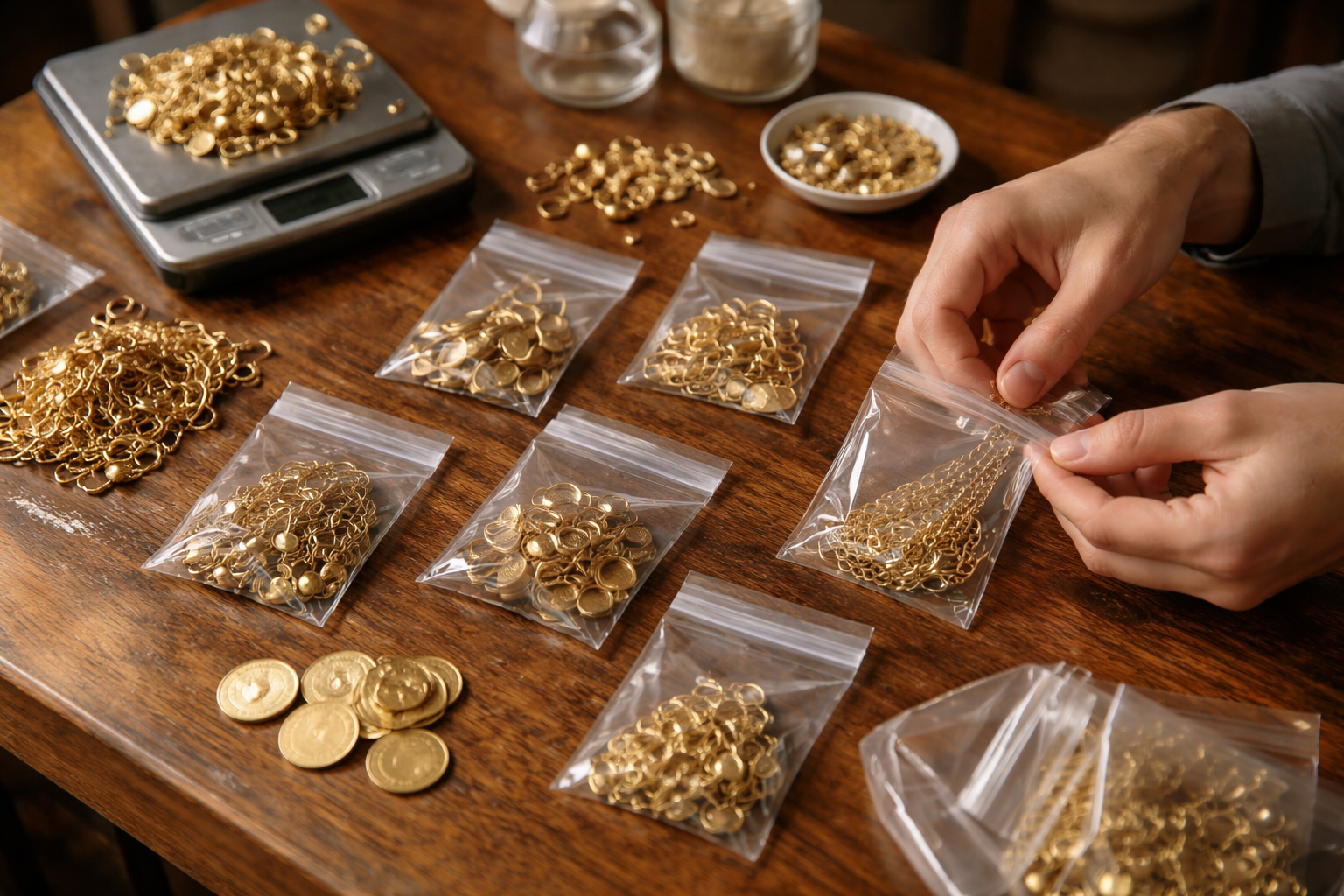
Coins can be a special case. Some bullion coins, like modern investment issues, price close to pure gold content, while collectable numismatic pieces can attract a premium. Watch cases may be gold even if bracelets are plated or stainless steel; clasps, spring bars and screws are often non-gold. Dental gold includes crowns and bridges; buyers will remove porcelain or dental cement before weighing the alloy itself. Keep different categories in small bags with quick notes—it makes your appointment more efficient.
| Item Type | What to Separate | What Affects Payout | Quick Tip |
|---|---|---|---|
| Broken chains, bracelets | Group by 9ct/14ct/18ct/22ct | Carat, total weight, solder content | Keep clasps attached; they’re often gold too |
| Rings with stones | Keep stones in; buyer will deduct safely | Carat, ring shank weight, stone setting weight | Note any hallmarks inside the shank |
| Watches (cases/bracelets) | Separate gold cases from non-gold bracelets | Case carat, case-back composition, movement weight | Bring paperwork; some watches sell above scrap |
| Coins (bullion vs collectable) | Identify bullion vs numismatic | Purity, market premiums, condition | Ask if a coin merits above-scrap pricing |
| Dental gold | Remove non-metal if possible (don’t force) | Alloy composition, non-gold content | Bag separately to avoid loss of small pieces |
If you’re deciding between a gold-content sale and a bullion route, consider reading the checklist for selling gold bars —it explains premiums, packaging and verification that don’t apply to typical jewellery. For coins, some pieces merit a specific approach; for example, our step-by-step guide to selling Krugerrands covers identification, premiums and the selling process.
Safety, ID and paperwork: what to expect
Reputable buyers follow UK anti-money laundering rules and record basic details of each transaction to keep the process safe for everyone. You’ll be asked for valid photo identification and, if the value is high, proof of address. These checks protect you and the business and are normal across the industry. For context, see UK guidance for high-value dealers under the Money Laundering Regulations on GOV.UK. In practical terms, it means the representative will verify your identity before purchasing.
On the day, you should expect a written or digital receipt showing items, weights, carats (where known/tested), price per gram (or equivalent) and the total paid. Keep this with your records. If you’re selling on behalf of a relative, bring any documents that clarify ownership; clear provenance prevents delays. Professional buyers also carry insurance and will keep your items in sight throughout testing. Discretion matters too: representatives arrive in unbranded vehicles and handle payments privately.
If I were to sell my scrap gold for the first time, I’d prepare my ID in advance, list the items I plan to show, and clear a small working area at home. That simple preparation avoids delays and helps you focus on the valuation rather than the admin. And if you choose a postal kit, expect instructions on packaging, tracking and what to do if you later decide not to sell.
Timing the market: live prices, premiums and practical tactics
Gold prices move daily, influenced by currency, interest rates and global risk sentiment. There’s no perfect time to sell, but you can still be tactical. Check recent trends and note when buyers lock prices (e.g., at the morning rate for all appointments that day). The LBMA prices and data page is a good independent reference for understanding ranges. If you’re flexible on timing, you might wait for stronger days; if you prefer certainty, fix a rate during your appointment.
Premiums vary by product type. Pure bullion bars and some sovereign coins can trade above or near intrinsic value, whereas mixed jewellery is priced purely on gold content. Condition rarely affects scrap valuation unless it preserves recognisable designer value. If you’re sorting metals, remember that white gold and platinum are different markets; if you have both, ask for separate quotes. For white gold in particular, you may find this guide to selling white gold helpful on fineness and proof-of-content.
From a practical standpoint, organise ahead: group by carat, set aside obviously non-gold pieces, and gather any coin capsules or paperwork. The payoff is speed, clarity and usually a stronger, clearly explained offer. Even if you’re only clearing out a drawer, a few minutes of preparation can make the difference between a hesitant valuation and a confident, same-day bank transfer.
Frequently Asked Questions
What affects the price I’m offered for broken jewellery?
Three main factors: purity (carat/fineness), weight and the live gold price at the time of valuation. Non-gold elements (stones, springs, steel parts) are excluded from the payable weight. A transparent buyer will show you the test results, explain the market rate they’re using and provide a clear, itemised breakdown before you decide.
Is dental gold worth selling, and how is it handled?
Yes. Dental crowns and bridges often contain high-grade gold alloys. Buyers remove porcelain or cement, test the metal and pay based on its gold content. Expect a discussion about alloy variability and a fair deduction for non-gold material. You’ll receive a clear calculation of net weight and purity before any offer is finalised.
Can I change my mind after receiving a postal kit offer?
In most cases, yes. Postal services are designed to give you an offer you can accept or decline. If you decline, your items are returned using tracked postage. Always confirm return terms and any insurance limits before you send, and keep your proof of postage and photographs for your records.
How fast will payment arrive after I accept?
With a home visit or pop-up event, payment is typically initiated immediately and often arrives before the representative leaves. With postal kits, same-day transfers are made once you accept the quoted offer. Ask which bank transfer method is used and whether there are cut-off times for same-day settlement.
What ID do I need to provide?
Bring a valid photo ID (such as a passport or driving licence). For higher-value transactions, proof of address may also be requested. These are standard checks under UK regulations to keep the process secure. Your buyer should store your information in line with data protection requirements and provide a proper receipt.
Want a fast, transparent valuation at home, a nearby pop-up event, or via a secure postal kit? Book an appointment with Gold Buyer today for same-day bank transfer and pricing tied to live gold rates: Book a valuation .