

How Much for My Gold? 21 Practical Tips, Rates and Real-World Steps

Epicurus One • October 30, 2026

Short answer: the price you’ll get depends on weight, purity (karat), and the live market rate, minus any fees. To estimate how much for my gold today, check hallmarks, weigh accurately, match karat to fineness, and apply the current London spot price. Well-run buyers pay same-day at transparent, market-linked rates.

How Much for My Gold? Quick Answer and What to Expect

If you’re asking how much for my gold, start with three pillars: weight, purity and the live gold price. Weight is measured in grams (or troy ounces for bullion). Purity is shown by karat (e.g., 22ct) or a fineness hallmark (e.g., 916). The live gold price changes daily based on global markets, and fair buyers peg their offers to it, minus a small margin for refining and handling.

Here’s what a good valuation process looks like. First, the buyer tests for karat/fineness and separates mixed items by purity. Second, they weigh each group on a calibrated scale and show you the result. Third, they state the live rate reference (for example, the London morning or afternoon price) and how their margin is applied. Finally, they give you an on-the-spot offer and pay promptly once you accept.

Expect different treatment for different item types. Investment coins and bullion are usually quoted near the live rate for their fine-gold content. Scrap jewellery may be discounted a little more due to refining. Designer or antique pieces can sometimes achieve more than melt value if they have resale potential, but only when the buyer has a route to sell them intact. Above all, insist on transparency: you should understand the maths that creates your offer.

What Factors Drive the Price You’re Offered?

Before you sell, it helps to understand the main levers that move your payout. Some are within your control (how you sort and present items), while others are market realities (the day’s spot price). Together they determine the final figure you see.

  • Live market rate: Gold trades globally, and reputable UK buyers reference widely recognised benchmarks such as London prices published daily. If the market is volatile, offers may be time-limited because the underlying rate moves throughout the day.
  • Purity (karat/fineness): The higher the karat, the more fine gold per gram. For example, 22ct (916) contains about 91.6% pure gold, while 9ct (375) contains 37.5%. Mixed-karat lots are paid proportionally, so accurate sorting protects value.
  • Weight and form: Bullion bars and sovereign-grade coins typically command tighter margins than mixed-jewellery scrap because they are easier to verify and resell. Very small or damaged pieces might require more handling, which can slightly increase costs.
  • Resale vs melt: If a piece has a premium above metal value (e.g., collectable coins or branded jewellery with strong demand), a specialist buyer may pay more than melt. Without that path to resale, the melt value sets the ceiling.
  • Testing and refining costs: Acid tests, XRF scans and professional handling have costs. Ethical buyers explain these overheads as a clear, fixed margin rather than burying them in confusing deductions.
  • Compliance and ID checks: UK regulations require anti-money laundering checks. This doesn’t lower your price; it affects the process (you’ll be asked for valid photo ID and proof of address).
  • Payment method and speed: Same-day bank transfer is standard with professional firms. Beware of offers contingent on delayed settlement unless terms are spelled out and you’re comfortable with them.

Put simply, you’ll maximise your payout by presenting well-sorted items, understanding karats, and choosing a buyer who shows calculations tied to a live reference rate and a stated, fair margin.

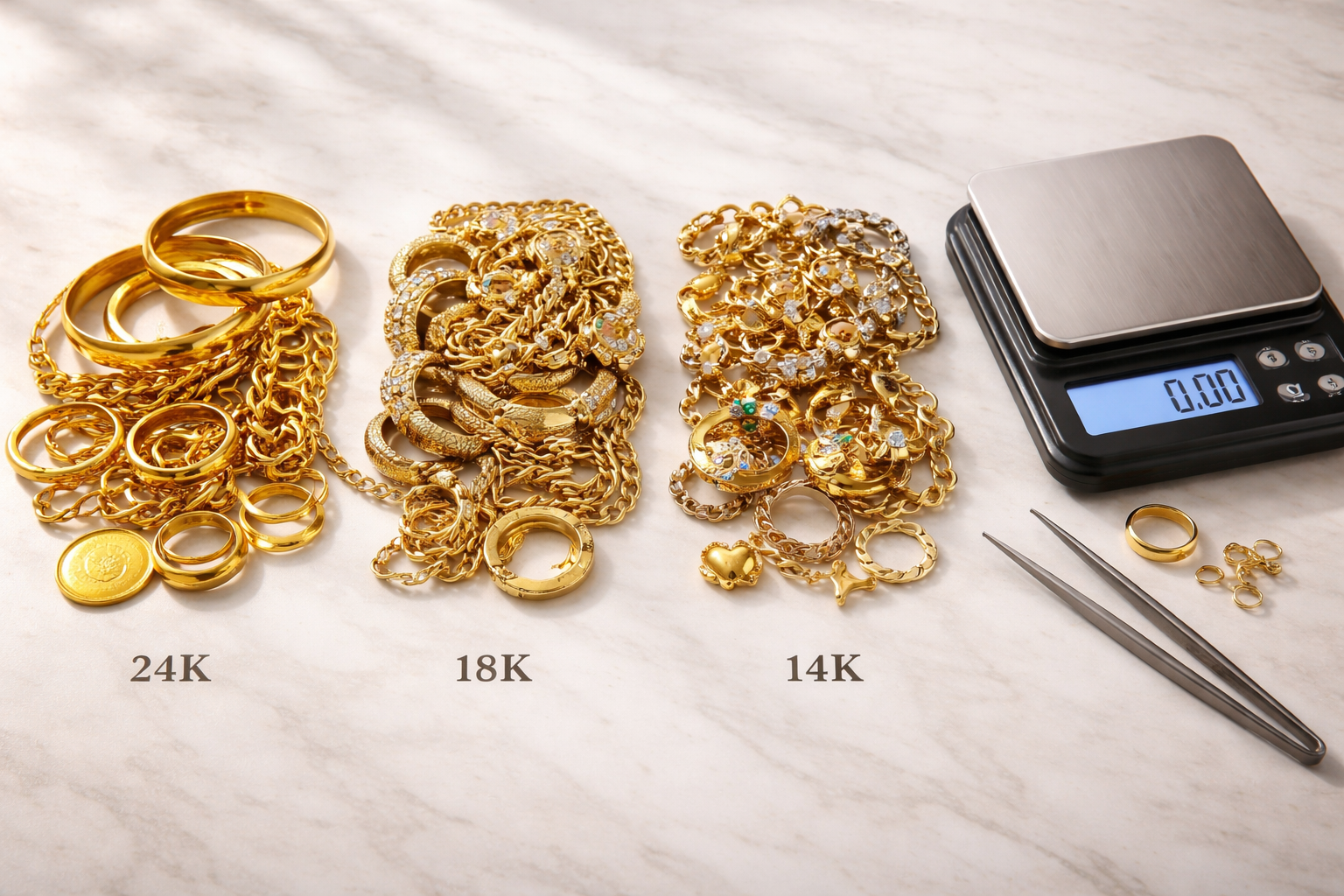
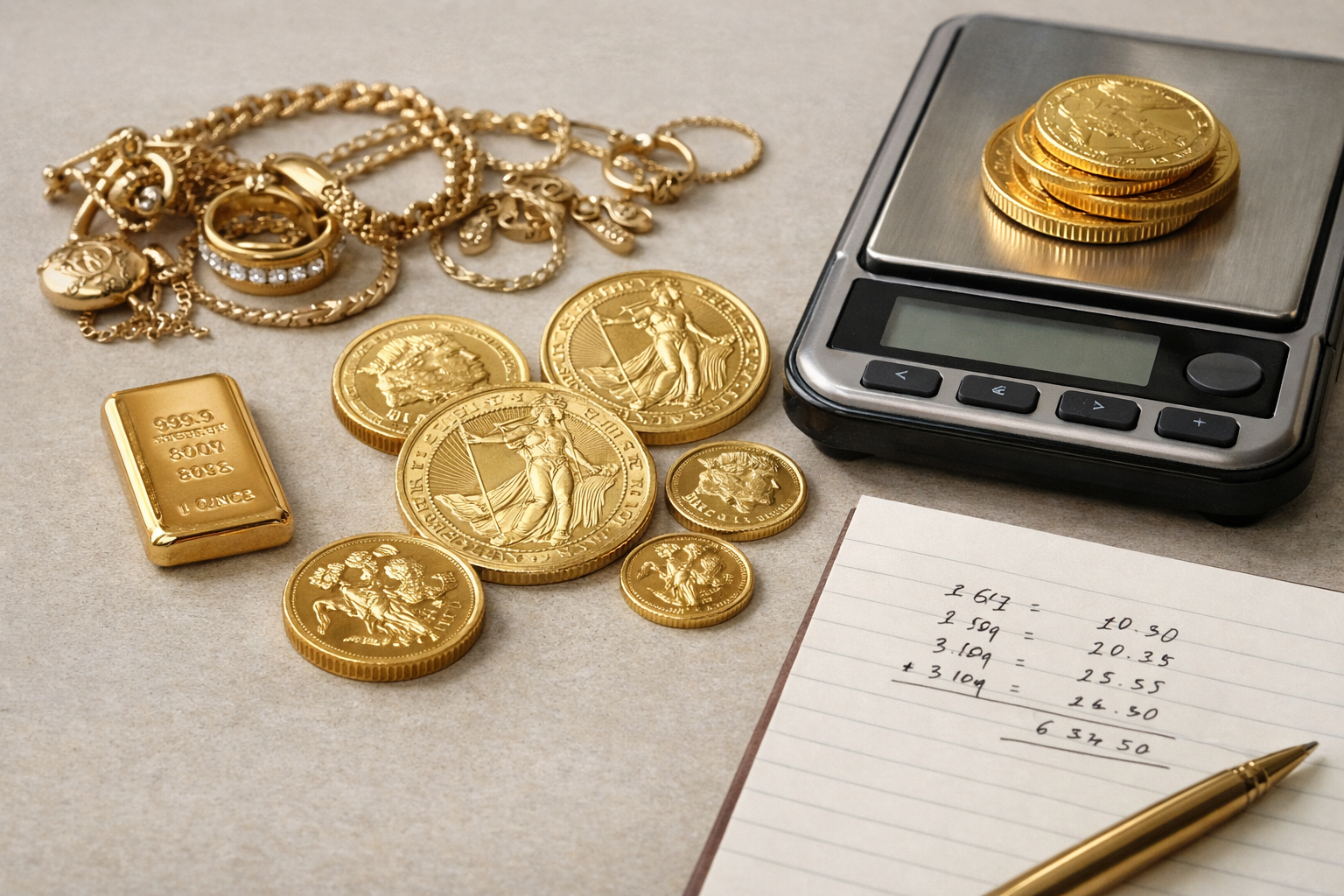
Assorted gold jewellery separated by karat next to a digital scale

12 Practical Tips to Maximise Your Offer

These field-tested, seller-friendly tips help you turn a drawer of mixed items into a confident, top-of-market result.

  1. Gather everything once: Include broken chains, single earrings, clasps, dental gold, odd charms and inherited pieces. A small handful of overlooked scrap can add meaningful grams to your payout.
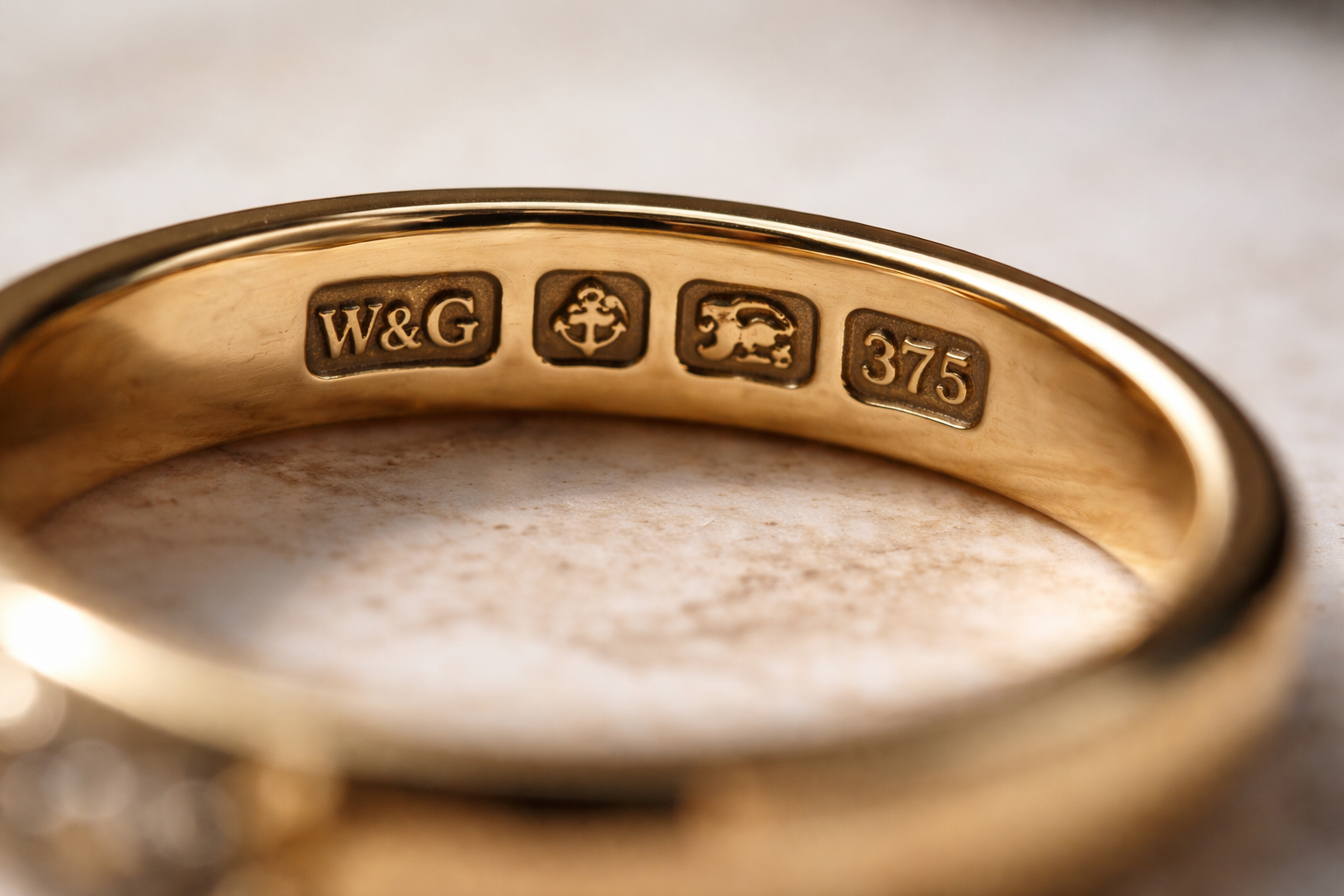
  2. Sort by hallmark: Separate items by 375 (9ct), 585 (14ct), 750 (18ct), 916 (22ct) and 999 (24ct) where marked. If unmarked, keep them aside for testing. Sorting reduces the risk of a blended, lower average.
  3. Weigh accurately at home: Use a calibrated 0.01g jewellery scale. Note totals per karat group. Kitchen scales can misread small items, so double-check if weights seem off.
  4. Remove non‑gold parts: Take off watch straps, beads, stones and steel fasteners where practical. Don’t force anything—you can ask the buyer to remove elements professionally to avoid damage.
  5. Know coin specs: Investment coins like Sovereigns, Krugerrands and Britannias have published fine-gold content. Having these figures to hand speeds up and strengthens your negotiation.
  6. Ask for the rate reference: Request the live benchmark used (e.g., London prices) and the buyer’s margin. A clear calculation is the best protection against lowball offers.
  7. Get multiple quotes—same day: Because the market moves, obtain comparable quotes within a few hours. Provide the same item list, weights and karats so the offers are apples-to-apples.
  8. Time it smartly: If prices have surged or are volatile, confirm how long your quote is valid. A quick decision can lock in a strong market moment.
  9. Consider premiums: Some coins carry collector or brand premiums above melt. Ask whether your pieces qualify; if not, you should still be paid the fair melt value.
  10. Clarify deductions: Ensure you understand any refining or handling fees upfront. Transparent buyers state one simple margin instead of line-by-line surprises.
  11. Use secure, documented service: Choose a buyer with ID-checked representatives, insured handling and written receipts. Good process equals good price—and peace of mind.
  12. Keep the decision power: You’re under no obligation until you accept. If the calculation doesn’t add up, ask questions or walk away.

Applied together, these steps help answer the practical side of the question: how much for my gold, and how do I keep every legitimate penny?

Quick-Reference Table: Karats, Fineness and Estimating Value

Use this table to match common UK hallmarks to purity and see how estimations work. For coins, published specifications from established mints also help confirm content before you sell.

Karat Mark Fineness (‰) Approx. Pure Gold % Typical UK Hallmark How to Estimate Value
24ct 999 99.9% "999" Fine gold weight = item weight × 0.999; multiply by live price per gram of pure gold; subtract agreed margin.
22ct 916 91.6% "916" Fine gold weight = item weight × 0.916; apply live price; subtract agreed margin.
18ct 750 75.0% "750" Fine gold weight = item weight × 0.750; apply live price; subtract agreed margin.
14ct 585 58.5% "585" Fine gold weight = item weight × 0.585; apply live price; subtract agreed margin.
9ct 375 37.5% "375" Fine gold weight = item weight × 0.375; apply live price; subtract agreed margin.

For official UK hallmarking guidance, see GOV.UK hallmarking. For coin specifications, see The Royal Mint’s coin specifications. To follow benchmark rates, consult LBMA precious metal prices.

Close-up of UK gold hallmarks stamped on a ring shank

How to Weigh and Sort at Home (Accurately and Safely)

Start by laying out a clean, well-lit surface. Gather a loupe or magnifying glass, a notepad, small zip bags, and a jewellery scale with 0.01g resolution. Sort your items into piles by visible hallmark—375, 585, 750, 916 and 999 are common in the UK. If you only see “9ct” or “18ct”, put those in the equivalent stacks. Keep anything unmarked in a separate pile for testing.

Weigh each pile separately and record the result. Don’t include stones or non-gold parts if you can remove them without damage; if unsure, leave them in place so a professional can help. Remember that very light chain links and hollow pieces can be deceptively bulky without adding much weight; accurate scales are essential. If a kitchen scale is your only option, cross-check totals with a jewellery scale at valuation to avoid surprises.

For mixed lots containing white, rose and yellow gold, focus on the hallmark rather than colour. White gold, for example, often uses rhodium plating that adds negligible weight but can hide wear. If you suspect some pieces are gold-plated rather than solid, set them aside—plated items have minimal gold content and are valued differently.

Coins and Bullion vs Jewellery: Which Pays More, and Why?

Pure bullion bars and recognised investment coins typically command tighter margins because they are standardised and easy to verify. Jewellery values hinge on purity and weight; while many pieces sell for melt value, branded or period items with resale cachet can sometimes exceed melt. As a rule of thumb, the more standardised the item, the closer to benchmark pricing you can expect.

If you hold investment coins, it helps to know their typical specifications before requesting quotes. For example, you can review practical selling steps in How to Sell Krugerrands in the UK and common questions in How to Sell Gold Britannia Coins: Expert Answers to UK FAQs. Maple Leaf owners can prepare with the guide 15 Practical Tips to Sell Canadian Maple Leafs. If you’re holding bars, see the Practical UK Walkthrough for Selling Gold Bullion Bars.

For jewellery, yields vary by karat. A simple 22ct bangle often maps closely to melt value because it’s high purity and easy to weigh. A complex 9ct ring with stones will settle nearer melt value after the non-gold weight is removed from the calculation. Always ask the buyer to show working: karat confirmation, net weight, rate reference and any margin.

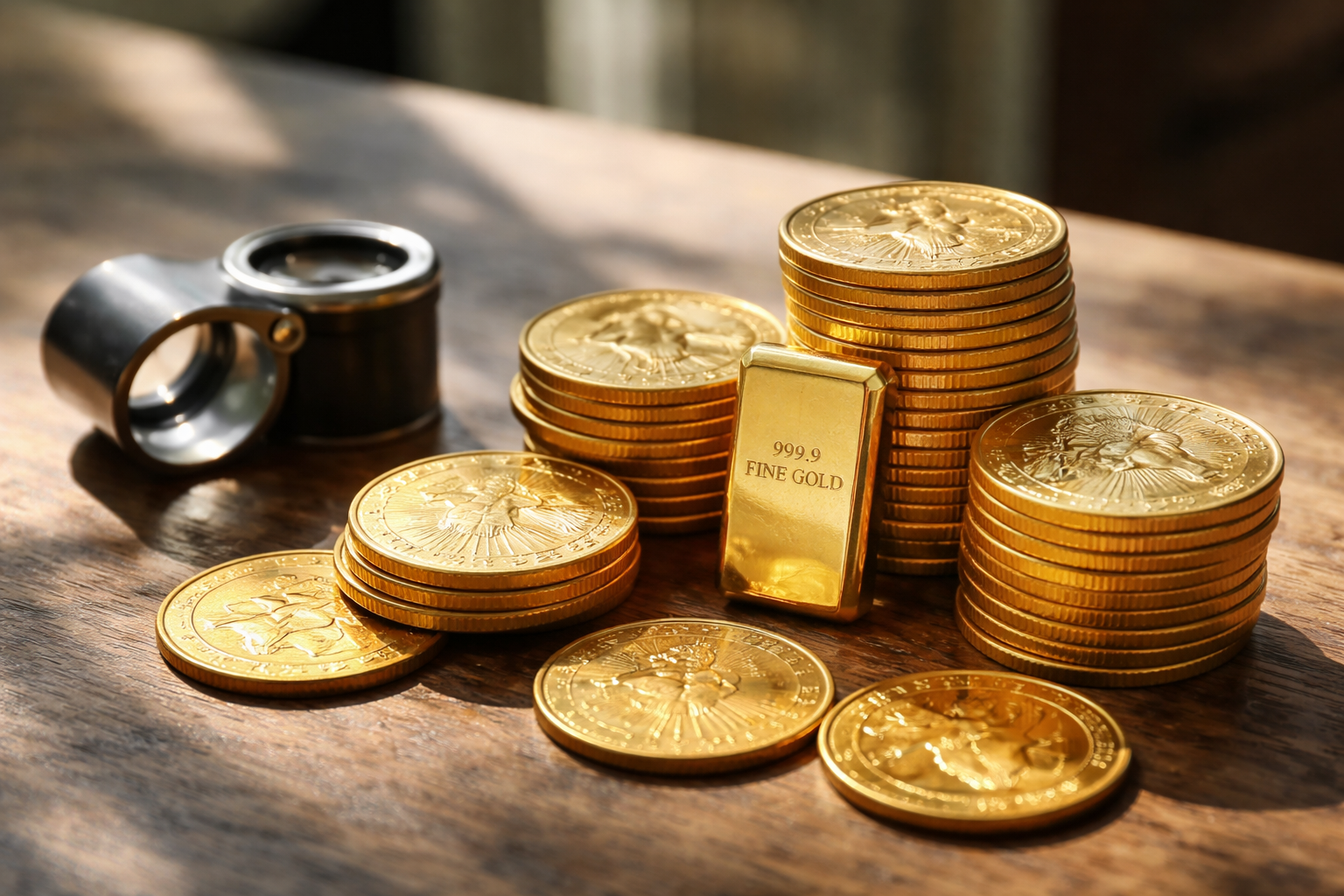
Gold bullion coins and a small bar neatly arranged beside a loupe

Do You Need Hallmarks, Receipts or ID?

Hallmarks are helpful but not essential. A hallmark speeds up verification of fineness, but reputable buyers can test unmarked items with non-destructive methods such as XRF or spot testing. If a piece is too worn to show the mark clearly, it will simply be tested to determine purity before weighing.

Receipts are nice-to-have for designer or collectible items that may carry a premium above melt; certificates help too. However, for standard jewellery scrap, the metal value typically drives the price regardless of receipts. Keep in mind that stones are assessed separately; most everyday stones add little to melt value unless they have independent resale appeal.

In the UK, expect to show government-issued photo ID and, often, a recent proof of address. This is normal under anti-money laundering rules and protects both parties. Compliant buyers will handle your information discreetly and only for the purpose of completing the transaction.

Mobile Valuations, Home Selling Kits and Security: How the Process Works

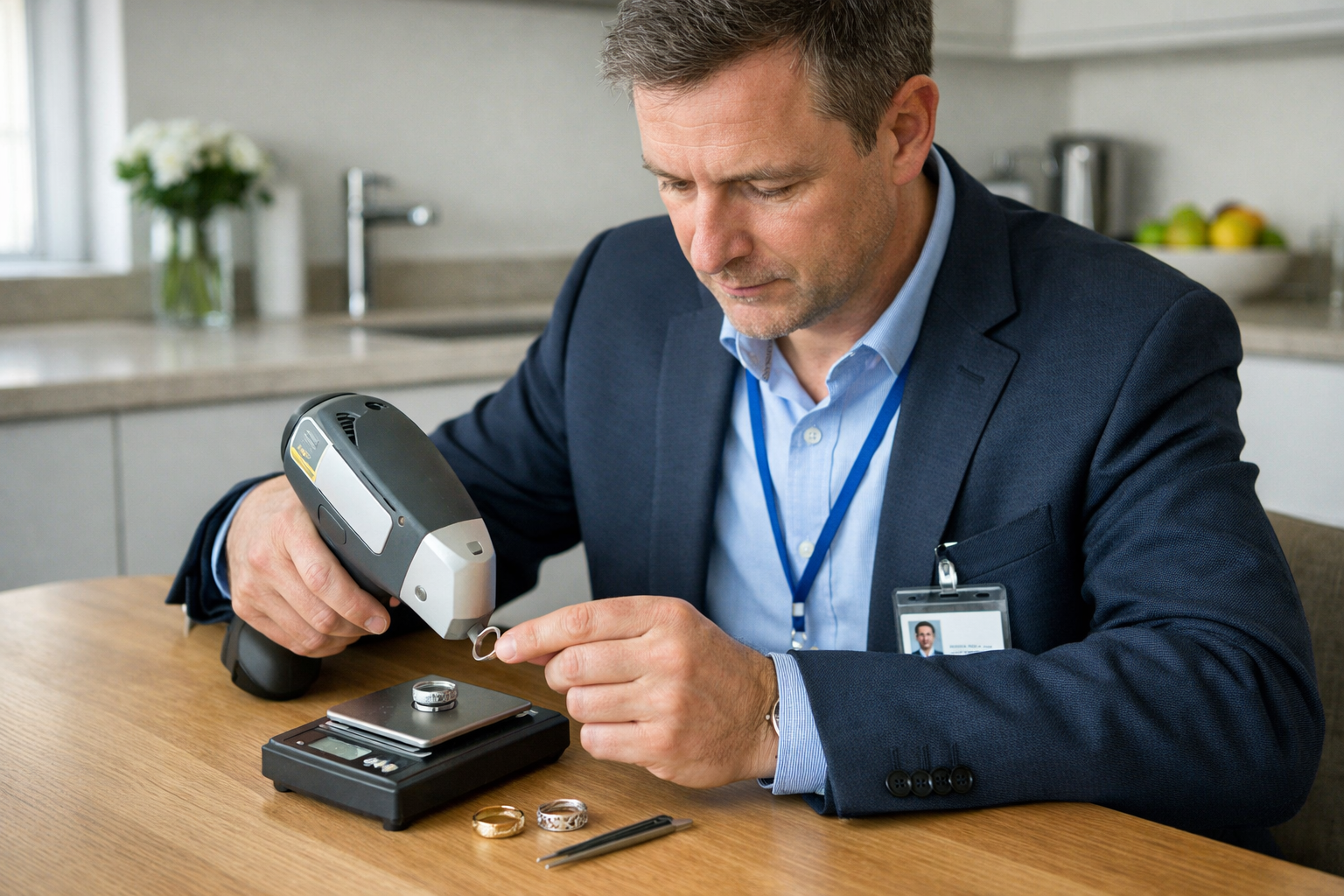
With a mobile service, a trained, ID-checked representative visits your home at a convenient time. They’ll test, sort and weigh items in front of you, explain the live rate they’re using and outline their margin clearly. You receive an instant valuation and, if you accept, same-day payment via bank transfer—no need to travel or wait.

If you prefer to handle things by post, a home selling kit typically includes insured packaging and step-by-step instructions. You send your items, receive a valuation based on the same transparent process, and approve the offer before payment. Discreet handling, insured transit and clear documentation are the hallmarks of a professional kit.

For those who like face-to-face contact without a home appointment, some firms run local pop-up events. You can also visit a listed office—in this case, Chesterfield is available—if you prefer an on-premise assessment. Whichever route you choose, ask how your items are insured throughout and request a written breakdown of weight, purity and rate.

Ready to get a transparent, market-based offer? Book a valuation for a home visit or request a secure selling kit today.

Discreet mobile valuation taking place at a kitchen table with paperwork

When Is the Best Time to Sell? Reading Live Prices Without Guessing

Trying to “time the top” is difficult—even professionals struggle. Instead, aim to be price-informed and process-ready. Check benchmark prices from recognised sources like the LBMA, note general trends (rising, falling, range-bound), and decide thresholds that work for you. If the market hits your target, you’ll be prepared to act quickly with weights and karats already documented.

Volatility creates opportunity and risk. On volatile days, ask how long your quote stands—30 to 60 minutes is common. If prices gap higher, reputable buyers may allow you to requote at the improved rate; if they drop, the reverse applies. What matters is that the reference is consistent and the margin is fixed, not moving with the wind. Focus on clarity: a stated benchmark, timestamp and calculation you can verify.

Finally, personal timing matters. If you have a financial goal (a home improvement, funding a move, or reducing debt), the “best” time may be when the price is acceptable and the money is useful. The combination of fair market linkage and fast settlement often outweighs the gamble of waiting.

Fees, Deductions and Red Flags: How to Avoid Undervaluation

Most of your final price is simply metal content times the live rate, minus a margin. Problems arise when that margin is hidden by confusing deductions. Common red flags include vague “melt losses” without testing notes, blended weights for mixed-karat lots, and quotes based on outdated price screens rather than current benchmarks. Ask the buyer to write the calculation down so you can check it later.

  • Insist on per-karat weighing: Mixed 9ct and 18ct jewellery should never be lumped together. Separate piles protect the higher-karat value.
  • Ask for the timestamped rate: “Today’s price” should correspond to a verifiable time window. If the market is moving, see whether the quote is fixed for a reasonable period.
  • Clarify non-gold deductions: Stones, springs and steel pins should be removed from the weight. If the buyer removes them, they should explain how much weight they deducted.
  • Know your right to walk away: If the maths seems off, pause the process. A professional won’t pressure you.

For many sellers, a short explainer can help demystify the steps from karat to payout.

Step-by-Step: From First Enquiry to Same-Day Payment

Here’s a simple, real-world journey you can follow to keep control and confidence at each stage.

  1. Initial contact: Describe your items (e.g., “9ct bracelets, 18ct ring, mixed coins”), share any weights you’ve recorded, and ask what live benchmark and margin the buyer uses.
  2. Home visit or kit request: Choose a mobile appointment for on-the-spot testing and valuation, or request an insured home selling kit if you prefer not to host a visit.
  3. On-the-spot testing: The representative verifies karats, separates items, and weighs each group on a calibrated scale, explaining each step as they go.
  4. Transparent calculation: You see the fine-gold maths: weight × fineness × live rate − margin. This is the moment to ask questions if anything is unclear.
  5. Offer and acceptance: You receive an itemised offer. If you accept, you sign a simple receipt that records weights, karats, rate reference and your details for compliance.
  6. Same-day payment: Funds are sent via bank transfer the same day. Keep the receipt for your records—particularly useful if you’re selling part of an estate or shared items.

This sequence makes the numbers tangible. If you’ve wondered “how much for my gold” in practical terms, the answer emerges transparently at step four when the rate and weights meet on paper.

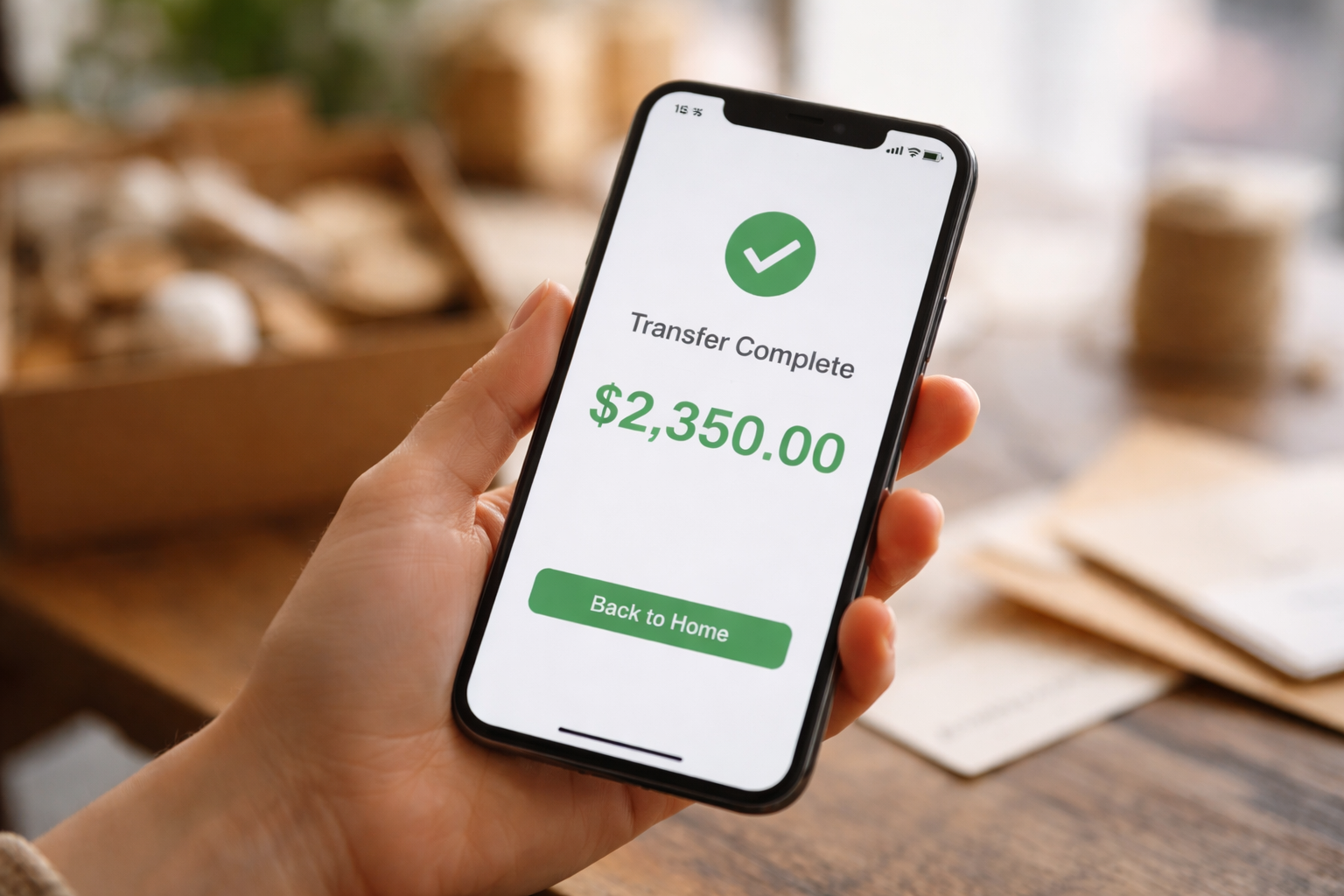
Close-up of digital bank transfer confirmation on a phone after a sale

Frequently Asked Questions

Can white gold and yellow gold be valued together?

Yes—what matters is karat, not colour. White, rose and yellow gold of the same hallmark have the same fine-gold percentage. Keep colours together only if their hallmarks match (e.g., 750 with 750). If you’re unsure whether a white piece is plated or solid, keep it aside for professional testing before it’s weighed for value.

Do diamonds or gemstones increase my payout?

Usually not when selling for metal value. Everyday stones are often removed before calculating gold weight and rarely add to scrap value. However, high-quality diamonds or branded pieces might be appraised separately if the buyer has a resale route. Ask whether stones will be removed and returned and how their presence affects the net weight recorded.

Is it safe to sell from home in .date('Y').?

Yes, with professional, ID-checked representatives and clear procedures. Expect appointment confirmations, named visitors, and on-the-spot testing in your presence. You should also receive written documentation of weights, purity and the rate used, and same-day bank transfer on acceptance. Ask how your items are insured during handling for full peace of mind.

What about dental gold—how is it priced?

Dental alloys vary in purity and may include non-gold metals. Reputable buyers test each piece, separate mixed materials and price according to the measured fine-gold content. Because composition can differ widely, dental items are typically valued purely on melt basis. Label any parts you can identify to streamline testing and speed up your offer.

Will polishing or cleaning increase my price?

Not for melt value. Cleaning doesn’t change weight or purity and can introduce risk if abrasives remove material. A light wipe to remove surface dust is fine; avoid chemical cleaners. If you think a piece has resale potential above melt, bring any boxes, receipts or certificates, which can help realise a premium where appropriate.

Want a clear, market-linked offer and same-day payment? Book a valuation for a mobile visit or request a secure home selling kit now.

By Epicurus One • October 30, 2026
Learn how UK buyers value gold, check karats, weigh at home, and get paid fast. Includes a quick-reference table, practical tips, and secure home-visit options.
By Epicurus One • October 29, 2026
Learn how to value, prepare and sell white gold in the UK. Compare options, avoid pitfalls and get paid fast with transparent, market‑based pricing.
By Epicurus One • October 29, 2026
Sell white gold in the UK with confidence. Learn how value is calculated, what to prepare, where to sell, and how to get safe, same-day payment.
By Epicurus One • October 28, 2026
Learn how to sell a platinum ring fast and securely with a UK scenario: hallmarks, pricing, mobile valuations, same‑day bank transfer, paperwork and safety.
By Epicurus One • October 28, 2026
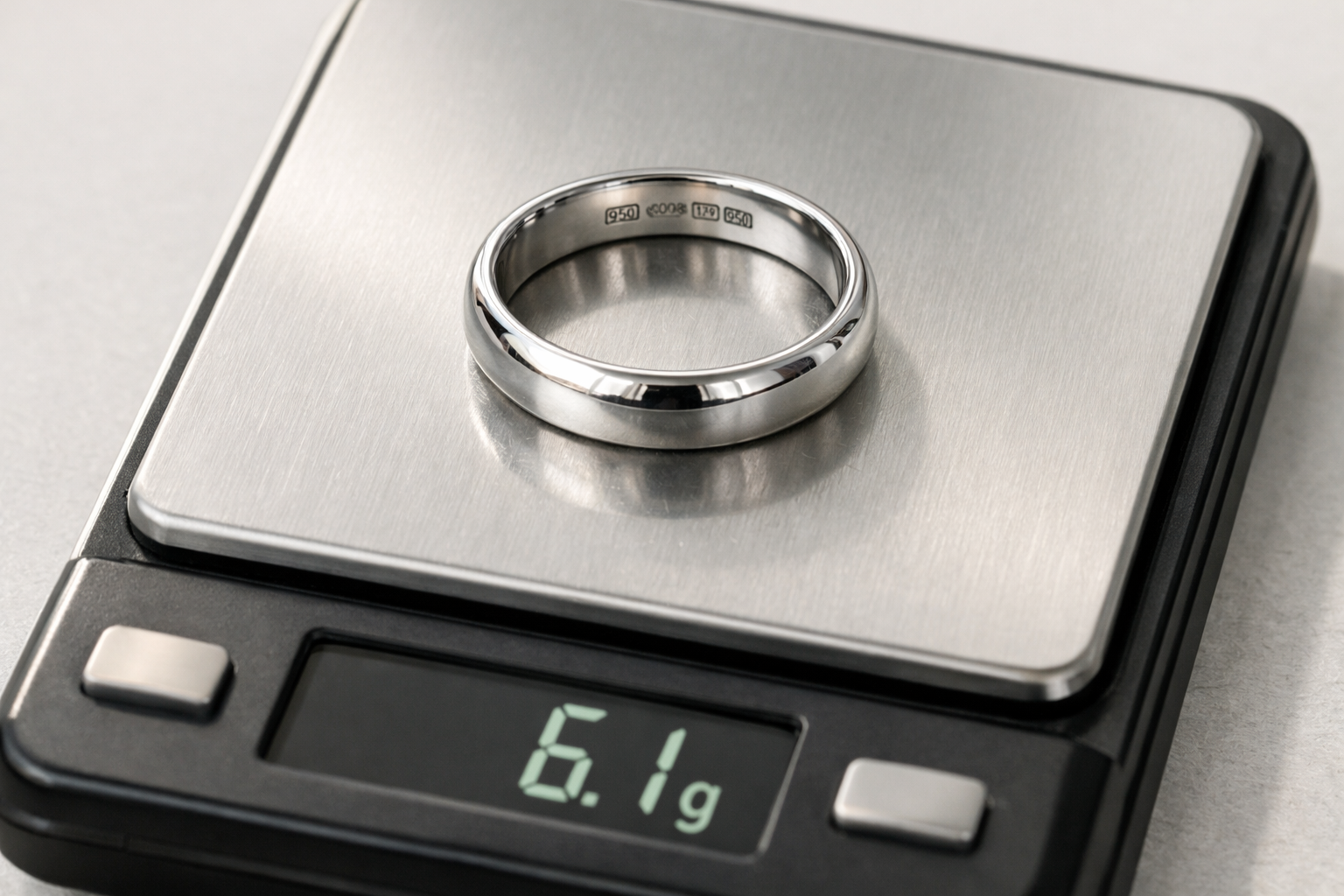
Get a fair, fast price for your platinum ring. Learn hallmarks, pricing, ID, and where to sell for same-day payment. Mobile valuations across the UK.
By Epicurus One • October 27, 2026
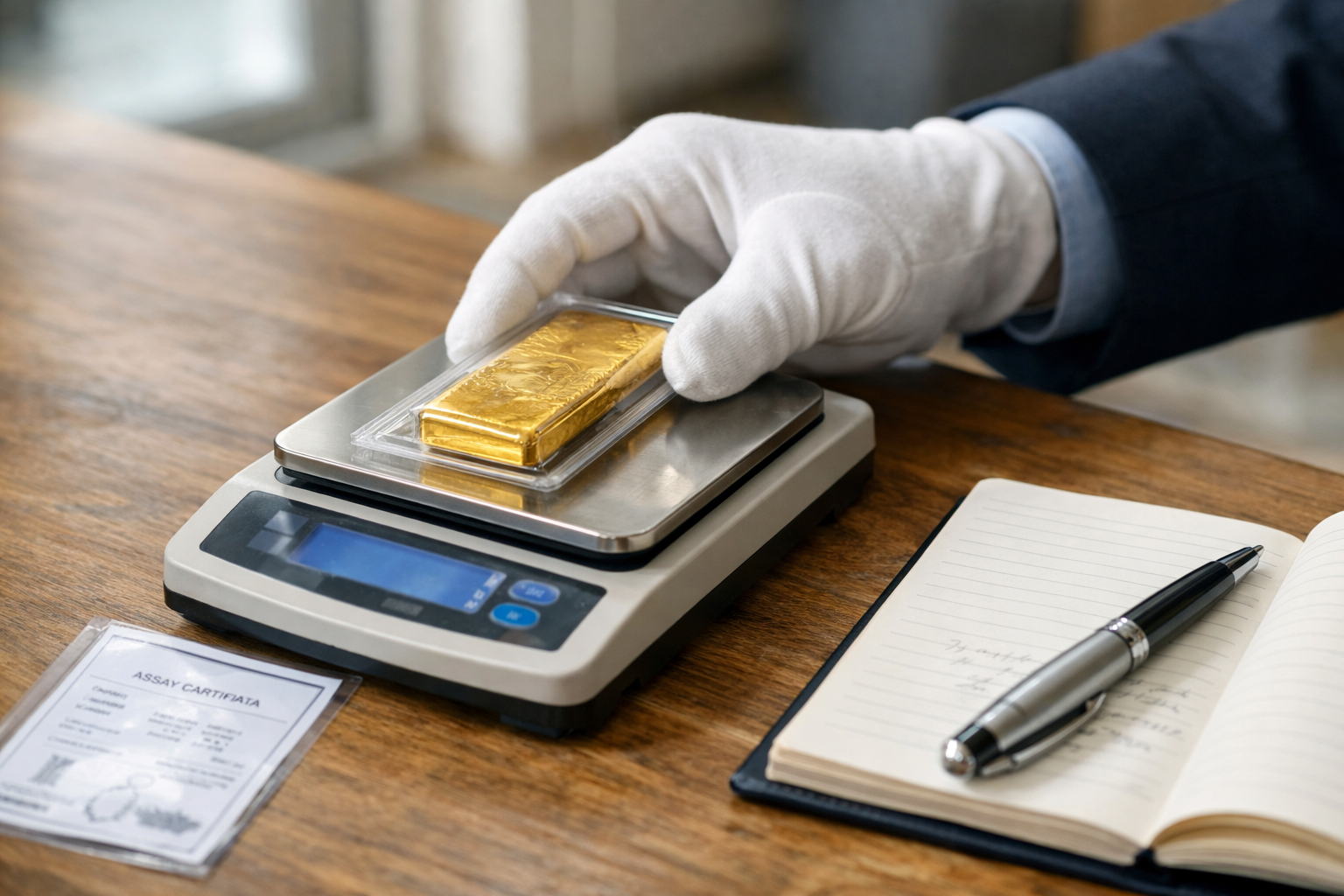
A step‑by‑step UK checklist for selling gold bullion bars: prep, ID, testing, live pricing, and same‑day payment. Secure, transparent and mobile options.
By Epicurus One • October 27, 2026
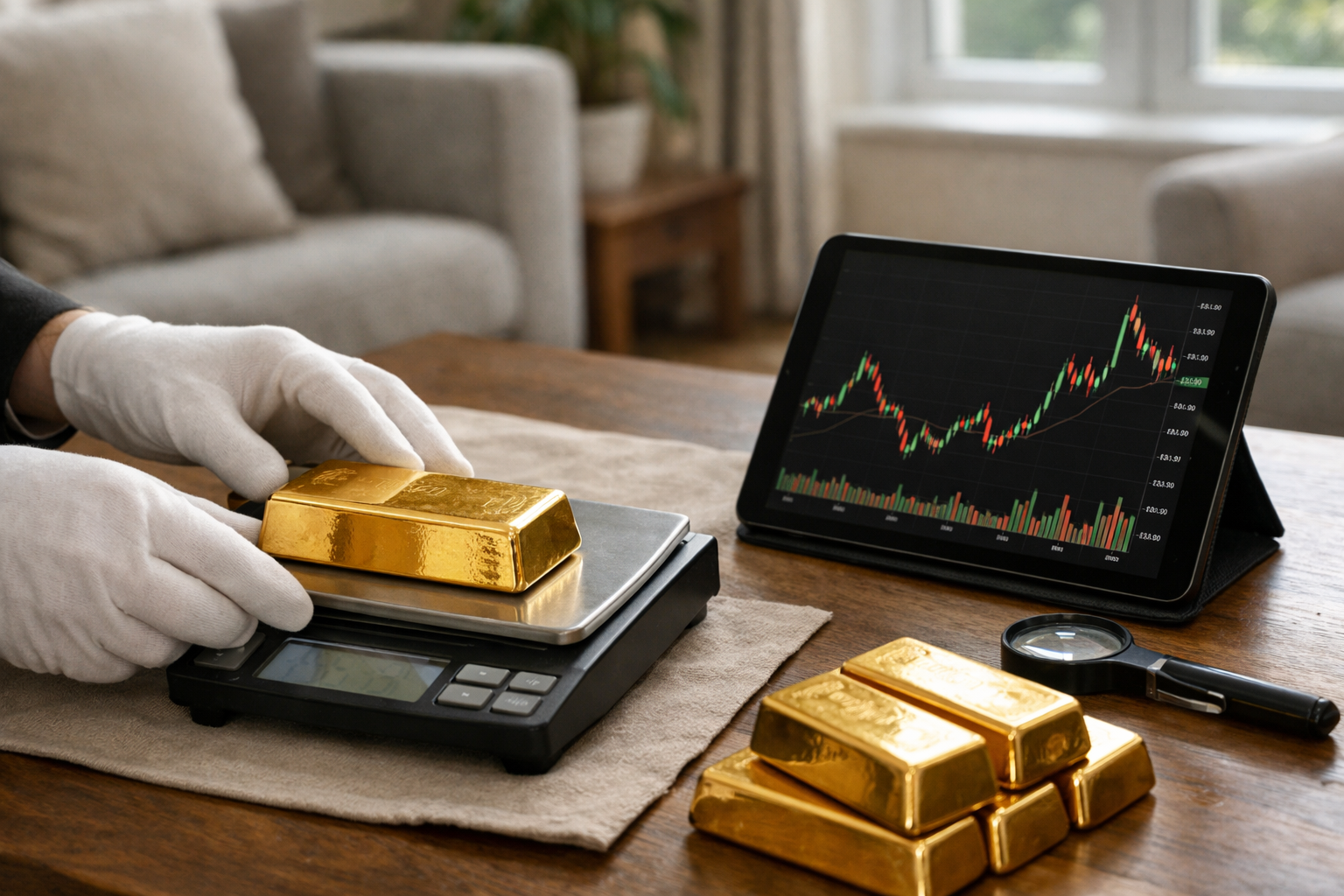
Learn how to sell gold bars in the UK with a clear scenario walkthrough: valuations, ID, timing, fees, home visits vs postal kits, and same-day payment.
By Epicurus One • October 26, 2026
Discover how much a platinum ring is worth in the UK. See price-by-gram tables, purity, hallmarking, stones, and quick same-day sale options.
By Epicurus One • October 26, 2026
Wondering how much a platinum ring is worth? See UK price drivers, worked examples, and a clear payout table. Book a mobile valuation with same-day payment.
By Epicurus One • October 25, 2026
Wondering who buys watches for the best price in the UK? Learn the myths vs facts, how values are set, and how Gold Buyer pays same day by bank transfer.
Show More