Canadian Coins Gold: How to Value and Sell Yours
Canadian coins gold sellers often start with a Gold Maple Leaf, but the right price depends on the coin’s type, gold content, condition and the market when you sell. Identify what you have, estimate its metal value and compare an offer before agreeing. A home valuation can provide a convenient way to sell without visiting a shop.
What Should You Check Before Selling Canadian Coins Gold?
Start by separating identification from valuation. A coin can be made in Canada without being a Gold Maple Leaf, and a gold-coloured coin is not necessarily solid gold. The design, date, denomination and any stated weight or fineness are useful starting points, but a buyer may also need to inspect and test the coin.
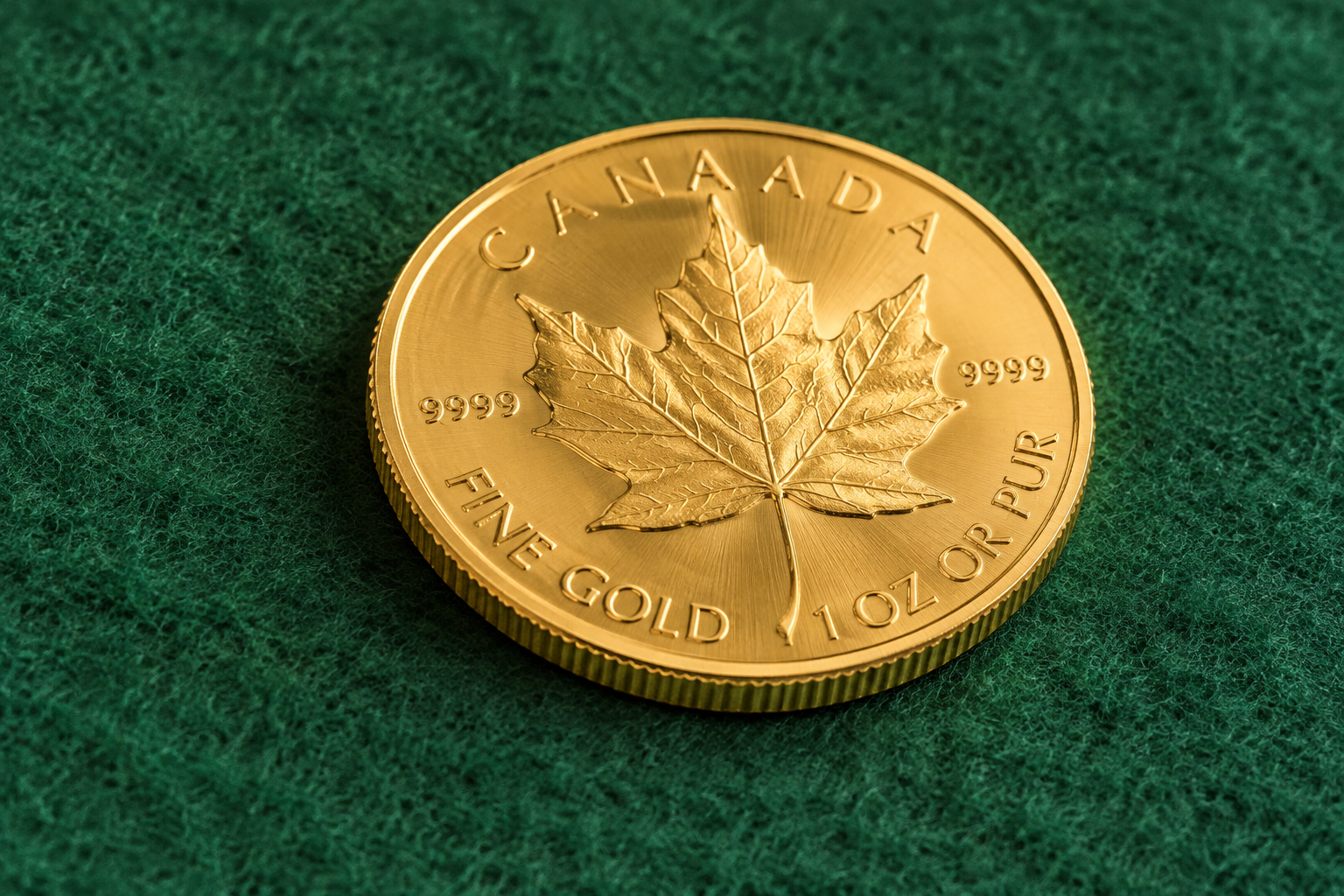
The Royal Canadian Mint produces Gold Maple Leaf bullion coins as well as other precious-metal and collector coins. Its official website is a useful place to check current products and explore the Mint’s information. Look for the precise coin and issue rather than assuming every maple-leaf design has the same specifications.
Use the checklist below to organise your first inspection. It is not a substitute for authentication or a firm offer.
| What to check | Why it matters | Practical action |
|---|---|---|
| Design and date | Help distinguish the issue and possible collector interest | Compare both sides with reliable information for that issue |
| Weight and fineness | Determine the amount of fine gold, if genuine | Read the markings and ask the buyer to confirm them |
| Condition | Can affect resale appeal or collector value | Leave the coin in its existing protective holder |
| Packaging and paperwork | May help identify a special issue, but do not prove authenticity on their own | Keep any original materials together |
| Offer and payment | Determine what you actually receive | Ask for the amount, deductions and payment method before accepting |
Do not worry if you cannot identify every detail. A clear description and photographs of both sides can help you begin a conversation with a buyer, while a physical inspection may still be needed for a final valuation.
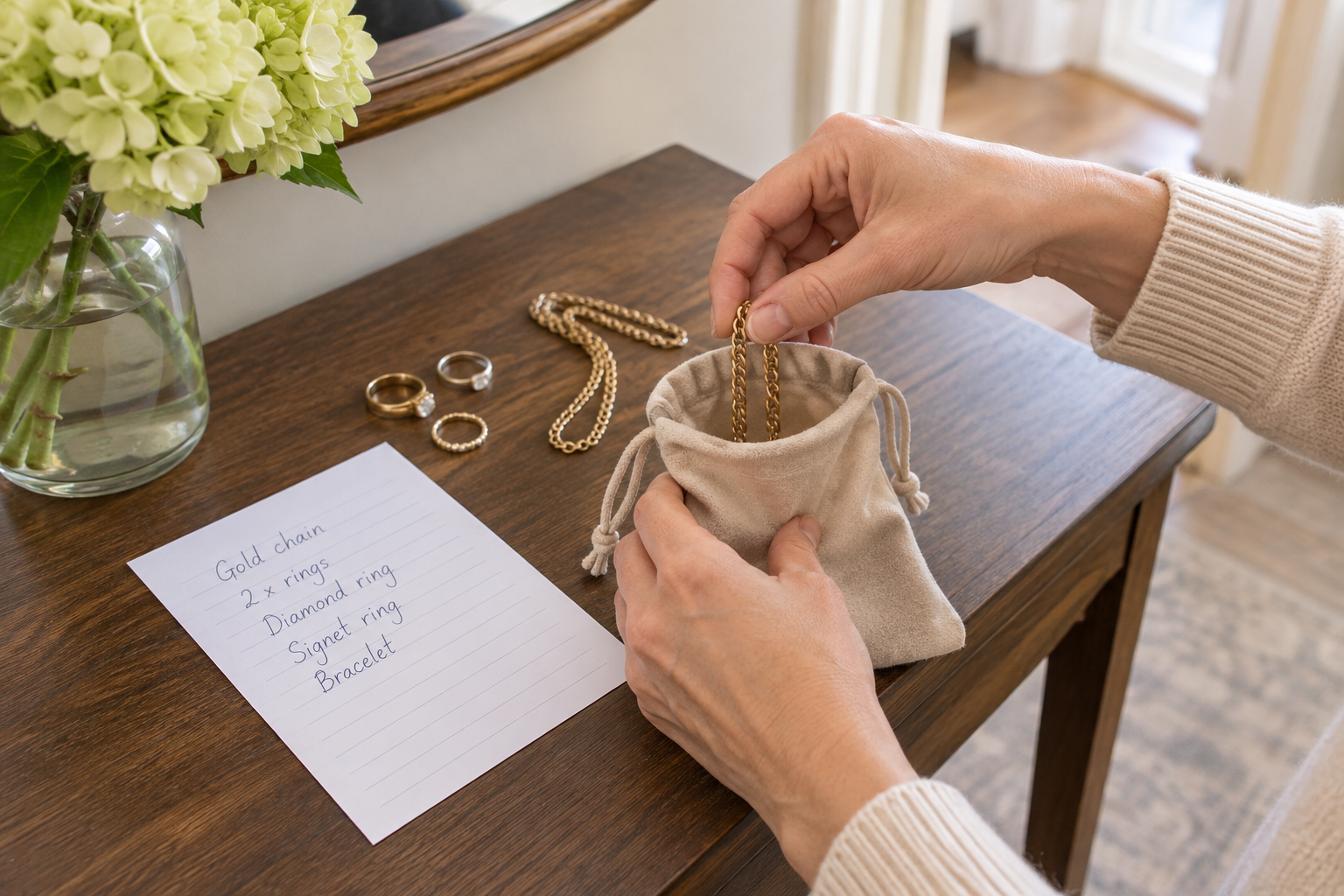
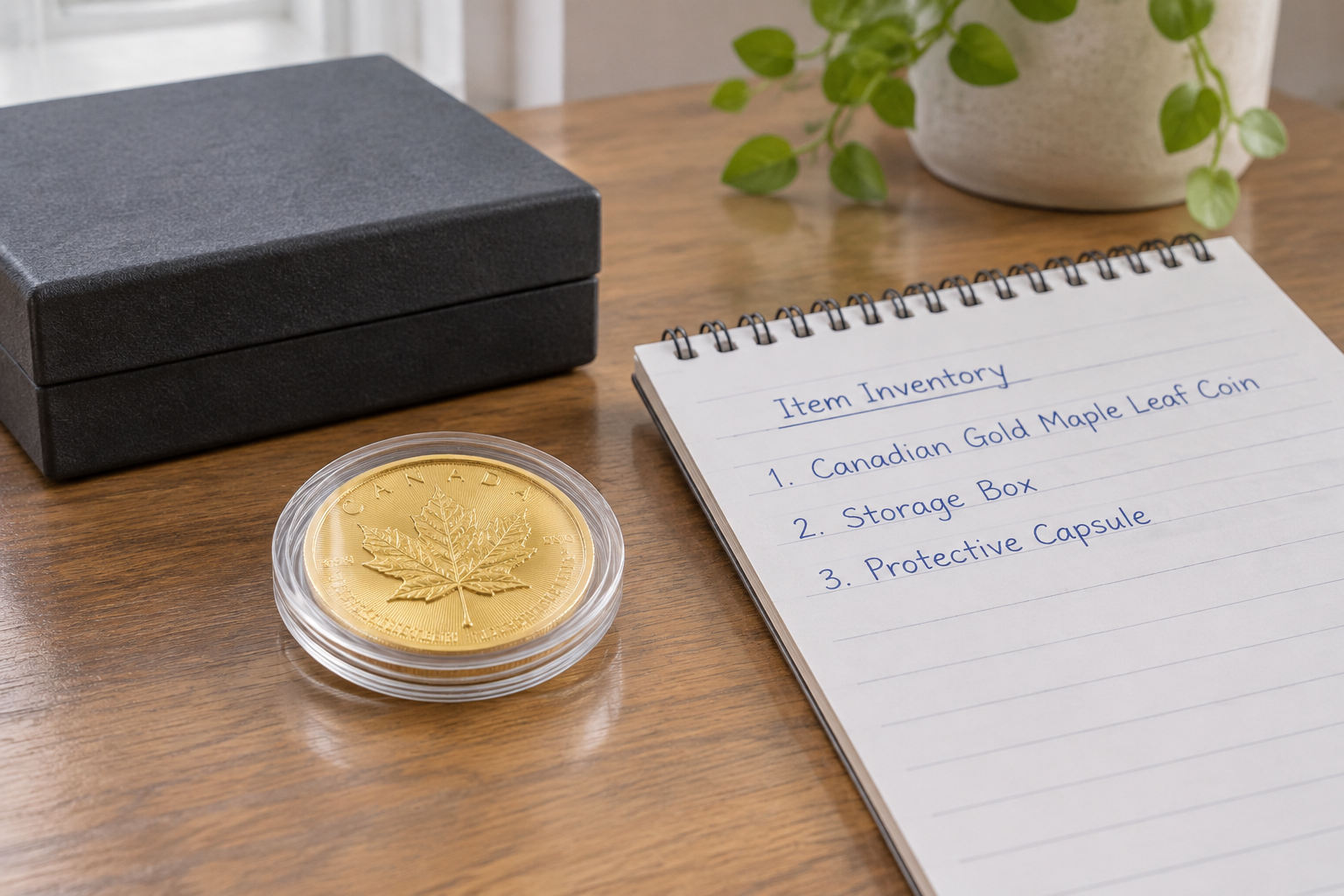
Tip 1: Make a short inventory before contacting anyone. Note the number of coins, their apparent denominations and dates, and whether each is loose or in a capsule. Keep that list private until you are speaking to a buyer you have checked.
How Do You Identify a Canadian Gold Coin?
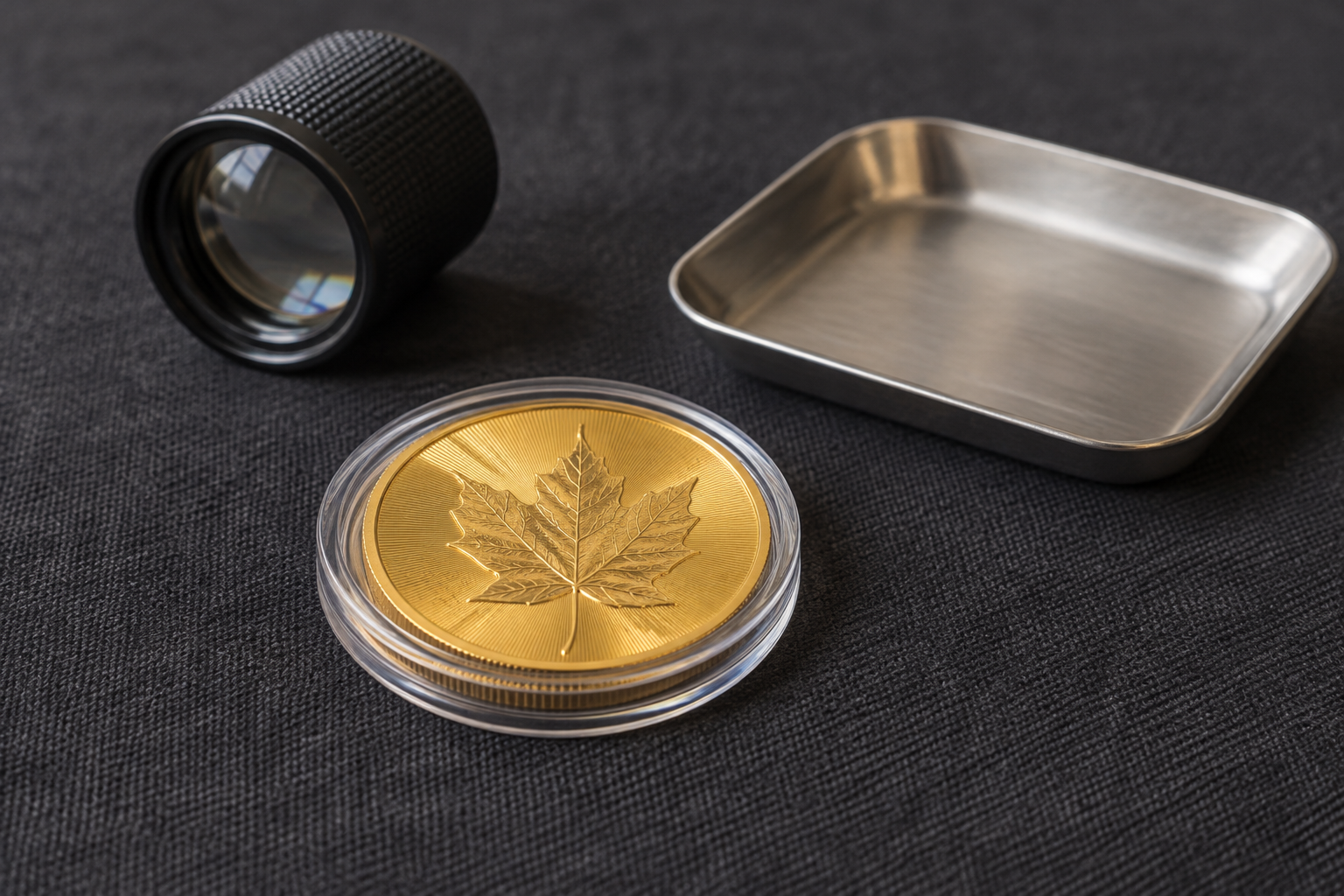
Tip 2: Read both faces and the edge where visible. A Gold Maple Leaf is associated with the maple-leaf design, but appearance alone is not enough to establish the issue, metal content or authenticity. Some coins are sold in protective packaging that obscures part of the edge; do not force the packaging open just to inspect it.
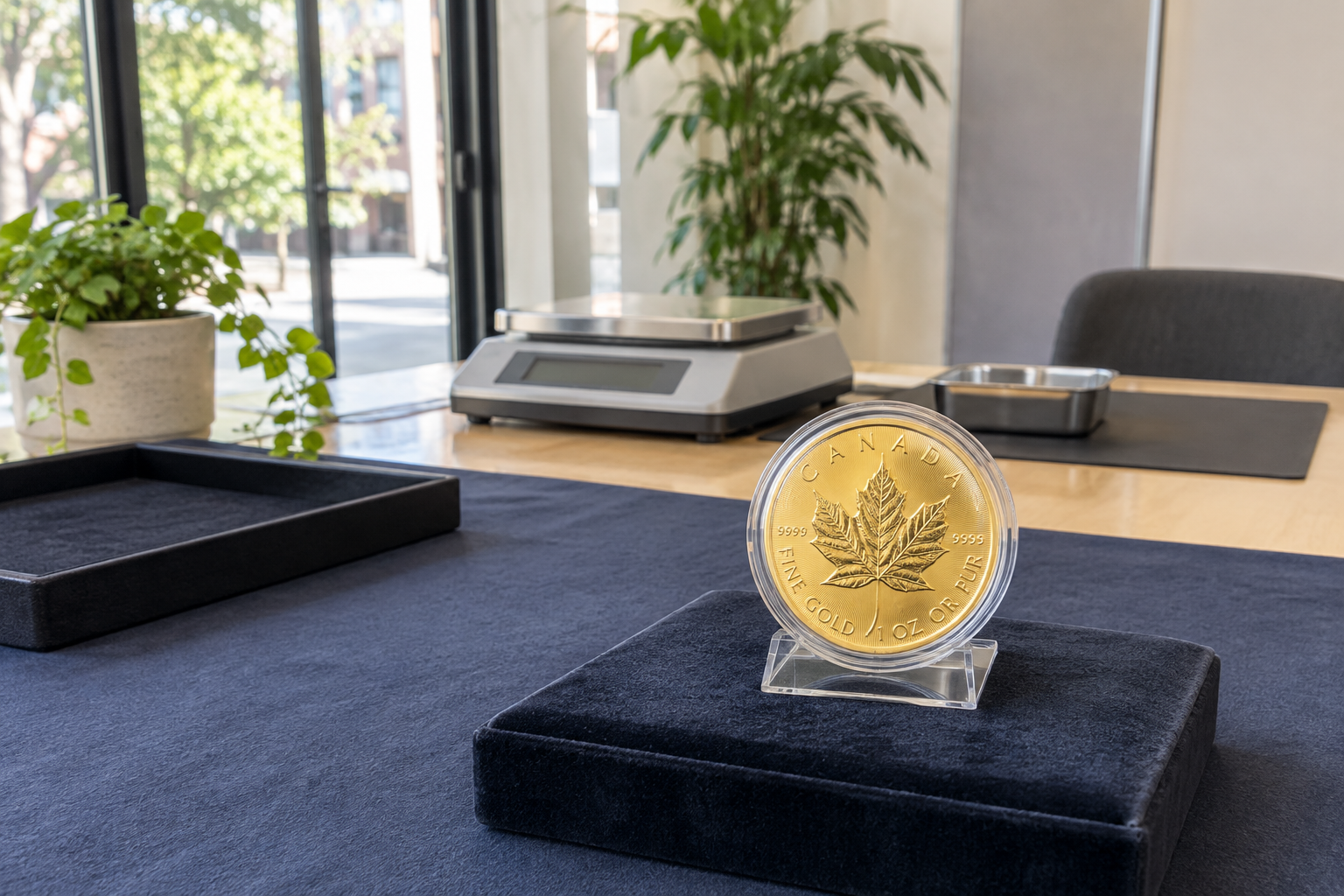
Look for the issuing country, denomination, year and any weight or purity markings. Check those details against information for the exact issue, including its date. Specifications can differ between products and issues, so avoid applying the details of one coin to another simply because they look similar.
Tip 3: Distinguish bullion from a collector issue. Bullion coins are generally bought and sold primarily for their precious-metal content, although their type and saleability can affect an offer. Proof, commemorative or limited-issue coins may have additional collector interest. That potential is not guaranteed, and an asking price online is not evidence of what someone will pay.
If your coin appears unusual, mention any original case, presentation materials or documentation when requesting a valuation. A precious-metal buyer can explain the metal-based offer; a specialist coin dealer may be better placed to assess any separate numismatic premium. You can seek both opinions before deciding where to sell.
How Is a Canadian Gold Coin Valued?
Tip 4: Begin with the fine gold content, not the face value. A denomination is part of the coin’s identity; it is not a reliable estimate of what a buyer will pay for its gold. The starting metal calculation is the quantity of fine gold multiplied by the relevant gold price in the same units and currency.
For example, if a genuine coin contains a known quantity of fine gold, you can multiply that quantity by a current indicative price per matching unit. This produces an estimate of metal value, not a guaranteed purchase offer. A buyer’s quote can differ because of market movement, verification, handling, resale considerations and any applicable margin.
The London Bullion Market Association’s precious-metal price information provides a recognised market reference. Check the currency and unit before calculating: gold may be quoted in US dollars and by troy weight, while an offer to a UK seller will normally be in pounds. Exchange rates can therefore affect the comparison as well as the gold price itself.
Tip 5: Ask the buyer to explain the calculation in plain language. Which coin and gold content are they valuing? What market reference are they using, and when? Does the amount quoted include all deductions? You do not need to know a dealer’s entire business model, but you should understand the net amount you would receive.
A live or recently checked reference is more useful than a price copied from an old article. Because markets move, two genuine quotes obtained at different times may not be directly comparable. Record when each was given and whether it is provisional or firm after inspection.
How Can You Protect the Coin Before a Valuation?
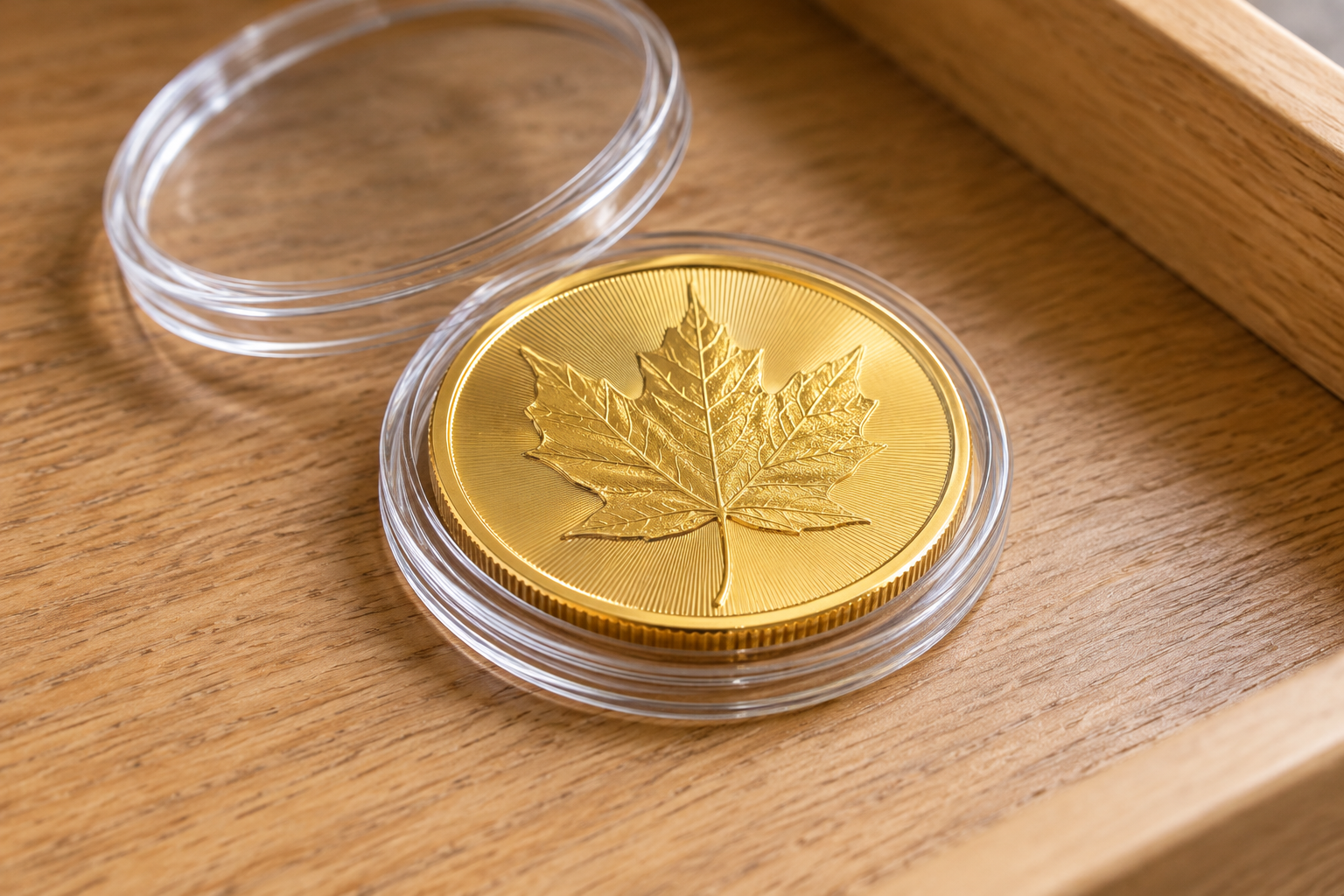
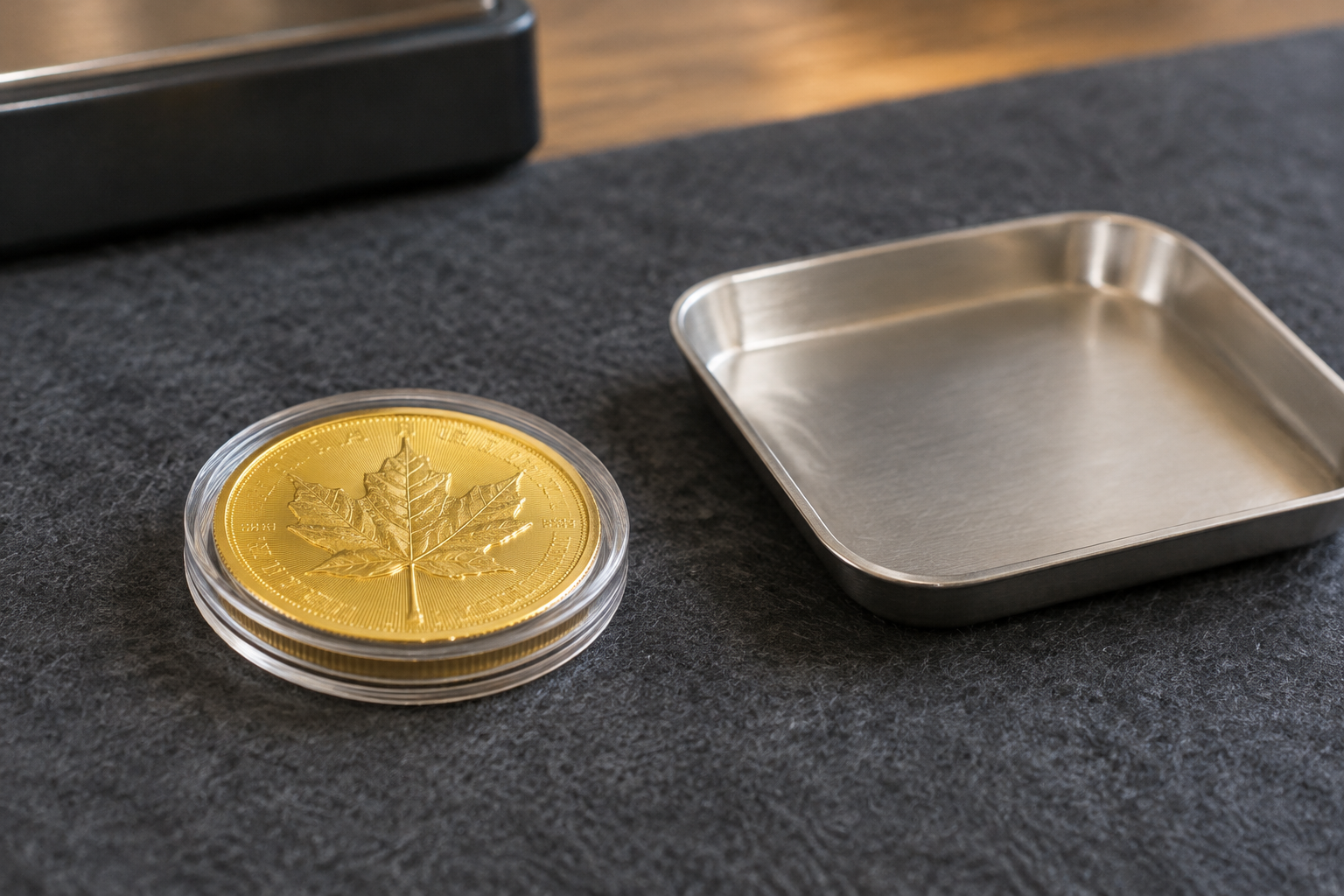
Tip 6: Handle the coin as little as possible. If it is already in a capsule or original packaging, leave it there unless a qualified buyer explains why removal is necessary. Fingerprints, scratches and cleaning can make a coin less appealing to collectors, even where the underlying gold content is unchanged.
Do not polish the surface or use household cleaners. If you need photographs, place the protected coin on a clean, soft surface in good natural light. Photograph both faces without obscuring the date or markings, and avoid sharing images that reveal your address or other personal information.
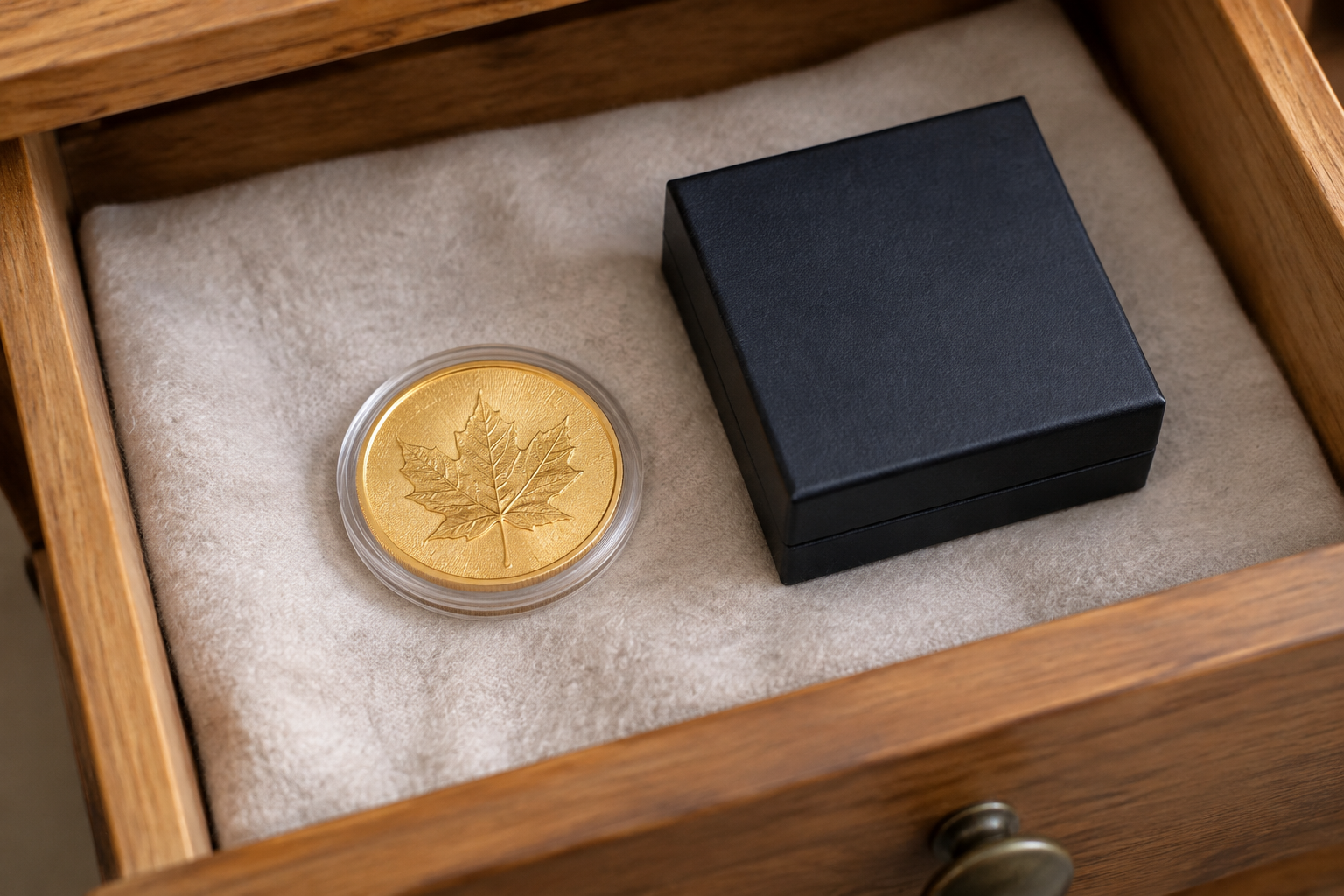
Tip 7: Keep related packaging together without assuming it adds a particular amount. A case or document may help a specialist identify an issue, but it cannot independently establish that the coin is genuine. Tell the buyer what you have and let them inspect the complete set where relevant.
If you own several coins, keep their details separate. Similar-looking pieces may have different dates, weights or finishes. An itemised assessment helps you see whether the offer reflects each coin rather than an unexplained total for the whole collection.
Where Can You Sell Canadian Gold Coins in the UK?
Tip 8: Choose a route that fits both the coin and your priorities. A bullion or precious-metal buyer may suit a seller who wants a straightforward metal-based valuation. A specialist coin dealer may be worth consulting if the issue could have collector value. A private sale may allow you to set an asking price, but finding a buyer and arranging safe payment are your responsibility.
Compare the net offer, not just a headline percentage or a claim to follow the market. Ask whether the price depends on a later inspection, whether any costs will be deducted and how long the quote remains available. If a business is unable to give a firm price without seeing the coin, that is a reason to clarify the process rather than assume the first estimate is final.
For a closer look at a common issue, read the guide to valuing and selling a 1 oz Canadian Gold Maple Leaf coin. If you also have jewellery to sell, the guidance on selling jewellery safely and getting a fair valuation explains the different considerations for mixed items.
Tip 9: Consider a home visit if travelling with valuables is inconvenient. Gold Buyer offers mobile valuations, including home visits and local pop-up events, and can discuss a home selling kit if you prefer not to arrange a visit. Availability and arrangements should be confirmed directly.
To discuss your coins and the available selling options, book a valuation with Gold Buyer. Describe the items you have and ask what to prepare before an appointment.
What Happens at a Home Valuation?
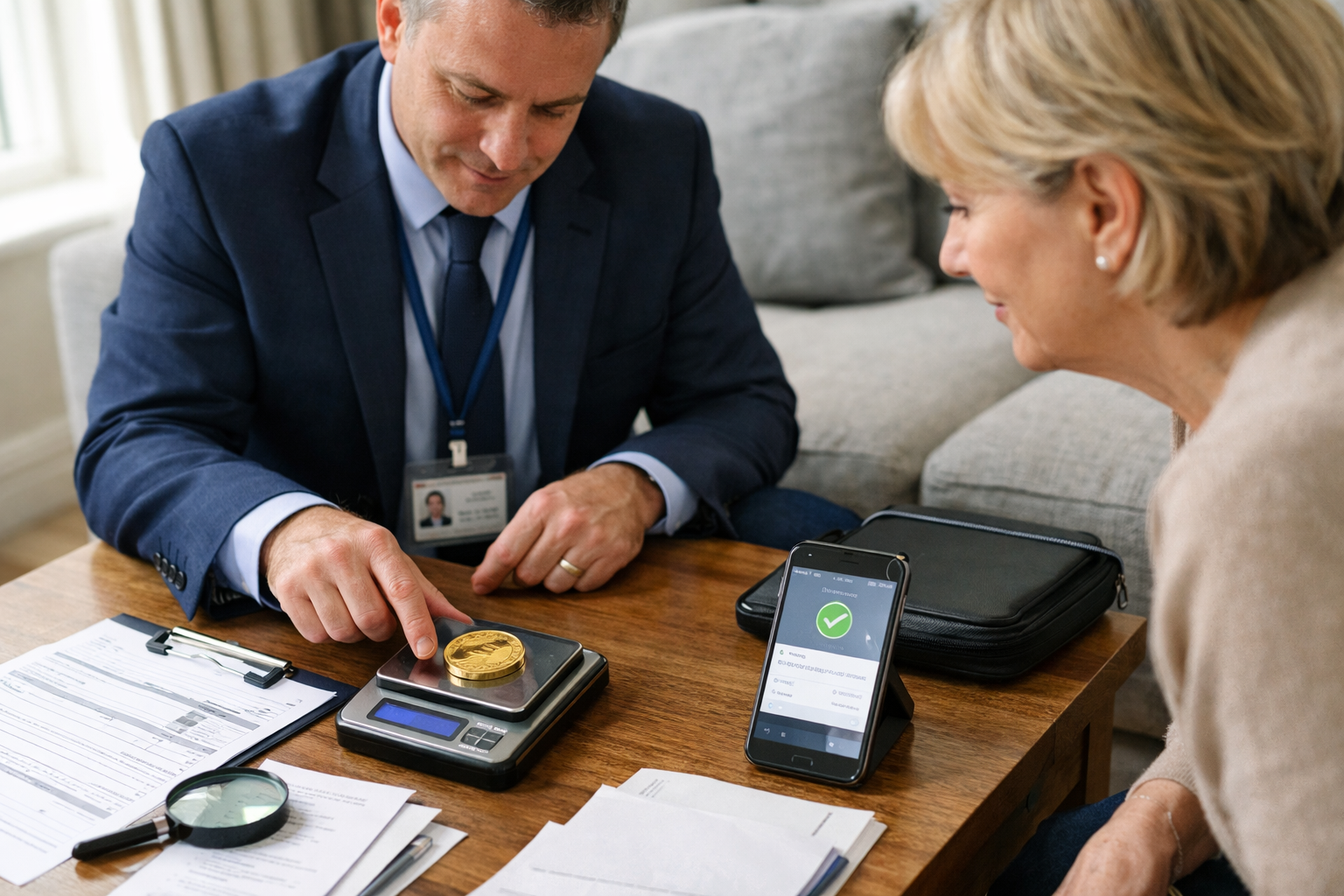
Tip 10: Agree the practical details beforehand. Confirm where the meeting will take place, who is attending, what identification the representative will provide and which items you want assessed. Gold Buyer describes its representatives as ID-checked and discreet; you can still ask to see identification and independently confirm an appointment if you are unsure.
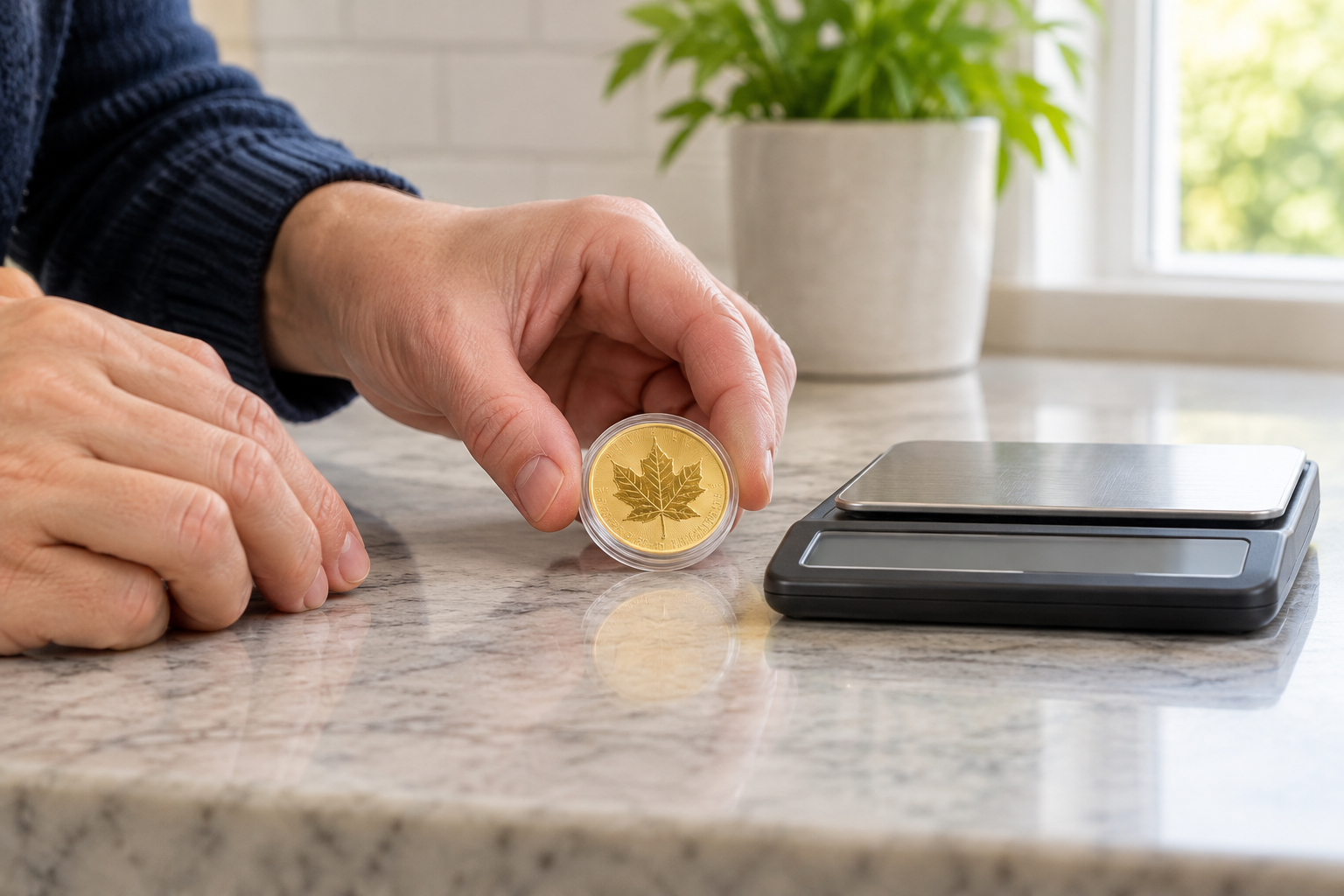
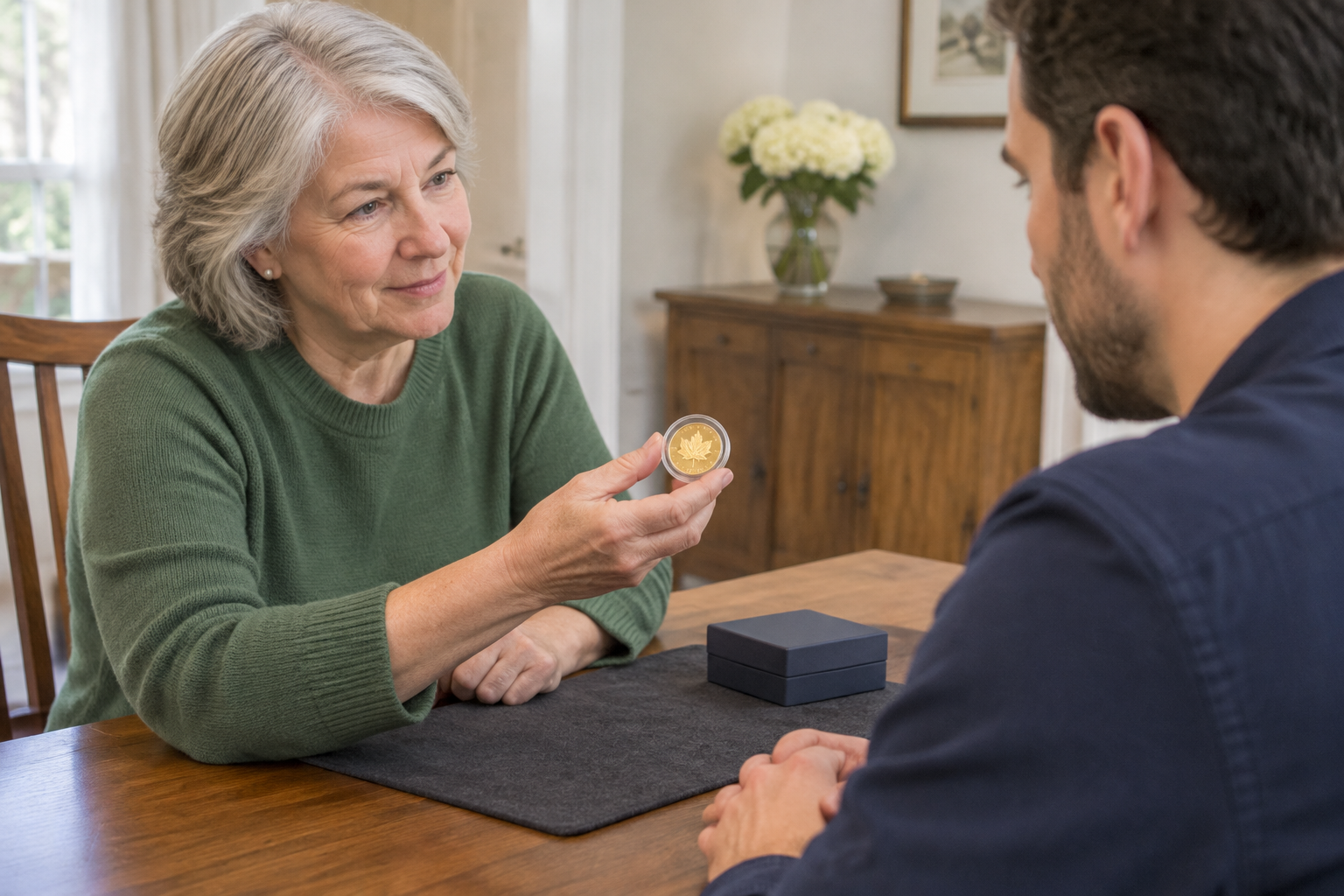
At the appointment, show the coins and any associated packaging. The representative can inspect the items and explain the valuation. Ask whether any proposed test involves removing a coin from its holder or could affect its appearance, particularly if it may have collector value. You can ask questions before agreeing to a test.
Tip 11: Request an itemised explanation when selling more than one piece. Check which metal and weight have been used for each item and whether the offer is based only on precious-metal content. If a coin needs specialist assessment or you are not comfortable with the quote, take time to consider another opinion.
Gold Buyer offers an on-the-spot valuation and same-day payment by bank transfer when a sale is agreed. Confirm the amount and payment arrangements before handing over your items. Keep your own record of what was sold and the terms agreed, and check that payment has arrived before treating the transaction as complete.
How Do You Compare Offers and Sell Safely?
Tip 12: Make like-for-like comparisons. Give each prospective buyer the same accurate description, including the date, apparent weight, condition and any packaging. Tell them if the coin has not yet been authenticated. A cautious provisional estimate may be more useful than an attractive figure that depends on assumptions you cannot verify.
Ask whether the quote is for the coin as a collectible or only for its gold content. If one buyer identifies possible collector interest and another does not, the difference may reflect their expertise and intended resale route rather than a simple disagreement about the gold market.
Tip 13: Check the business and the payment process independently. Use contact details you have found yourself rather than relying solely on a message from an unfamiliar caller. Before an appointment, tell someone you trust about your plans if that makes you more comfortable. Avoid advertising the location of valuable items publicly.
If you use a selling kit or postal service, clarify the instructions, any insurance or compensation limits, tracking arrangements and what happens if you decline the offer. Do not assume that every carrier permits precious metals or covers their full value. Keep a list and photographs of the items you send, and obtain proof of dispatch.
Keep the decision yours. A clear valuation should give you enough information to understand the offer; you do not have to accept a price simply because an inspection has taken place. Check any terms communicated before arranging a visit or sending items, including what happens if you choose not to sell.
Watch How Canadian Gold Coins Are Assessed
A visual demonstration can help you understand coin handling and the kinds of markings a buyer may inspect. Compare what you see with information for your own issue, and remember that a video cannot authenticate your coin or establish a current offer.
Look for demonstrations from established mints, bullion dealers or coin specialists. Be cautious of videos promising a fixed price or suggesting that a single visual feature proves authenticity.
Frequently Asked Questions
Are all Canadian Maple Leaf coins made of gold?
No. The Maple Leaf name is used for coins in different precious metals, so the design alone does not establish that yours is gold. Check the stated metal, denomination, date and other markings against the exact issue. A buyer can inspect the coin and, where appropriate, test it before making a firm offer.
Does the date on my Canadian gold coin affect its value?
It can. The date helps identify the issue and may matter to collectors, particularly when combined with the coin’s finish, condition and original packaging. For a straightforward bullion purchase, the gold content and current market may be more influential. Ask whether the offer includes any collector value or is based on the metal alone.
Should I clean my coin before selling it?
No. Cleaning or polishing can scratch the surface or alter its appearance and may reduce collector appeal. Leave the coin in its existing capsule or packaging where possible. If it needs examination outside its holder, ask the buyer how it will be handled and whether the proposed inspection could affect its condition.
Can I get a valuation without leaving home?
Gold Buyer offers home visits and a home selling kit as alternatives to visiting a shop. Contact the company to confirm which option is available to you and how it works. An initial description or photograph may help, but a final offer can depend on physically inspecting and verifying the coin.
Is the gold price the amount I will be paid?
Not necessarily. A market gold price is a reference for calculating metal value, while a buyer’s offer can reflect verification, handling, resale considerations and a margin. Prices and exchange rates can also move. Ask for the net amount you would receive, any deductions and when the quote was calculated before deciding.
Ready to find out what your Canadian gold coins may be worth? Contact Gold Buyer to discuss a home visit, a local event or a home selling kit, and ask for a clear explanation of your valuation.