Cash for Gold: Sell Unwanted Gold for Fast Bank Payment
Quick Answer
Cash for gold is a fast way to turn unwanted gold into a bank payment, but the best result comes from choosing a trusted buyer, understanding how your item is tested, and comparing offers before you accept. Legitimate cash for gold services explain pricing clearly, verify identity, and pay securely by bank transfer.
Cash for gold is simple in concept, but the details matter if you want a fair offer and a safe payment. You send or bring your gold to a trusted buyer, it is tested and valued, and you receive payment once you accept the offer. That process should be clear, discreet and secure. For sellers in the Midlands and South UK, convenience matters too. Many people want a local expert, not a mystery company. They also want fast bank payment, transparent pricing and the confidence that their jewellery, coins or scrap gold are being assessed properly. If you are starting your search, our sell unwanted gold page explains what can be sold and how the service works. In this guide, we cover legitimacy, payment methods, ID checks, valuation steps and how to avoid poor cash for gold offers. We also explain what affects price, so you know what to expect before you speak to a buyer.
Cash for Gold from a Trusted UK Gold Buyer
Cash for gold should feel secure from the first enquiry to the final payment. A trustworthy service explains how it tests gold, how it calculates value and when you will be paid. It should also make it easy to speak with a real buyer or book a local visit.
For many sellers, that local reassurance is important. If you are in the Midlands or South UK, you may prefer a face-to-face valuation or a discreet home visit. You can also review our cash for gold companies guide to see what separates a legitimate buyer from a risky one. If you want a nearby option, our cash for gold near me page helps you find a local route.
Legitimacy is not about flashy promises. It is about clarity. A serious gold buyer should tell you how the offer is built, whether it is based on purity and weight, and how payment is sent. Gold Buyer also offers routes for contacting our team directly, which helps sellers get answers before they part with anything.
Cash for gold services vary widely. Some focus on postal kits. Others use local appointments. The best approach depends on your comfort level and the type of item you own. However, the same principle applies every time: you should understand the process before you agree to sell. That is how you protect yourself and improve your result.
If you prefer to compare with broader market options, educational pages such as what gold buyers typically purchase and items commonly accepted by gold buyers can help you understand the market. They are useful reference points, but your final offer should still depend on your exact item, purity and weight.
How Much Cash Can You Get for Gold?
The amount you get from cash for gold depends on purity, weight, current gold price and the buyer’s terms. There is no single figure that fits every item, because a 9ct chain, a sovereign and a broken bracelet are valued differently.
The most useful answer is this: the cleaner and more accurately identified your gold is, the easier it is to price. A buyer will usually look at karat, weight and whether there are stones or non-gold parts. For a live reference point, see our gold price today guide. That page helps sellers understand how rates are tracked for different purities.
If you are asking, “How much is 1g of 9ct gold worth?”, the honest answer is that it changes with the market and the buyer’s terms. A fair quote should always be explained in relation to current pricing, the item’s purity and any processing costs. In other words, cash for gold should not be a mystery calculation.
As a general rule, sellers do better when they separate high-value items from mixed scrap. A gold sovereign, for example, may be assessed differently from broken jewellery. Likewise, hallmarked jewellery can be easier to value than unmarked scrap. That is why an accurate appraisal matters more than a quick headline promise.
If you want to understand how a buyer reaches the offer, our gold valuation in the Midlands page shows the weighing and valuation approach in practical terms. It is especially useful if you want to compare offers with confidence.
How the cash for gold Process Works
The cash for gold process should be straightforward. You tell the buyer what you have, they test and value it, and then you accept or decline the offer. A clear process reduces mistakes and helps you avoid pressure.
Here is the simplest version: share details first, let the buyer inspect the gold, then decide only when you are happy with the explanation. If you are selling from the Midlands or South UK, a local service can also reduce postage anxiety and let you ask questions in person. For some sellers, that makes the experience much easier.
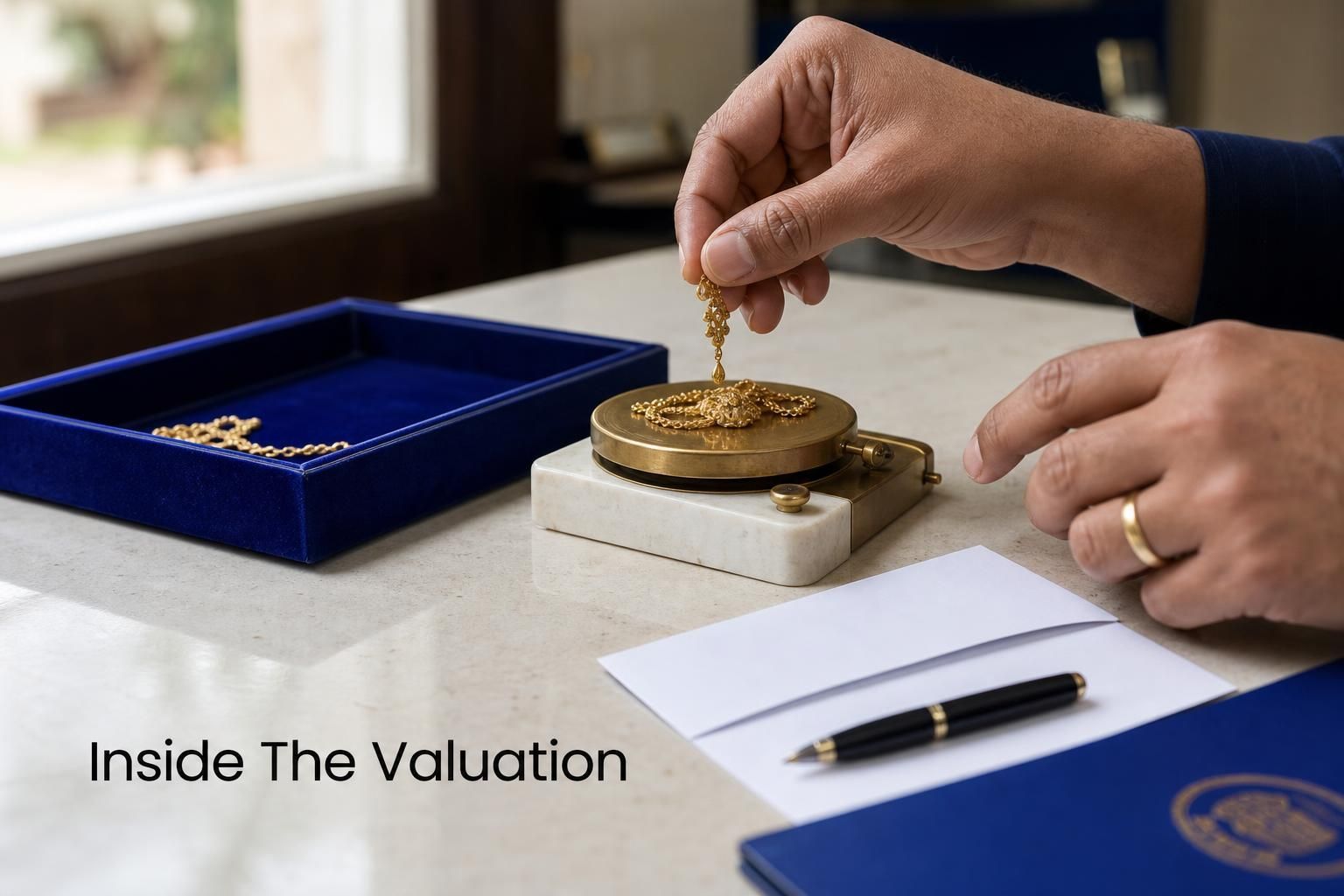
Before you hand over anything, ask how the item will be checked. Gold should be tested carefully. Depending on the item, that may involve weighing, acid testing, electronic testing or hallmark review. A legitimate buyer will explain why each step matters. Cash for gold should never depend on vague language or unexplained deductions.
If you are selling a specific item type, targeted pages help. For example, our sell gold jewellery page is useful for chains, rings and bracelets, while our scrap gold buyer page explains mixed or broken items. That kind of guidance helps you prepare before the valuation.
The most important rule is simple. Never feel rushed. A good buyer gives you time to review the offer and ask how it was reached. If the explanation is clear, cash for gold becomes a practical and secure sale rather than a gamble.
Step 1: Tell Us What You Have
Start by describing the item clearly. Mention the type of gold, any hallmark, any stones and whether it is broken or complete.
This helps the buyer prepare a more accurate valuation. It also prevents confusion if you are selling several pieces together. If you are unsure what counts as scrap, our sell scrap gold UK page is a helpful reference.
Good sellers do not need perfect knowledge. They just need a clear description and honest details. That makes the cash for gold process smoother from the start.
Step 2: Gold Testing and Valuation
Testing should be careful and easy to understand. A buyer should explain what they are checking and why the result affects the quote.
For many items, purity and weight are the main factors. However, condition and item type can also matter. If you want a deeper explanation, our selling gold in the UK guide breaks down the valuation steps in plain English.
Step 3: Accept the Offer and Receive Payment
Once you accept the offer, payment should be quick and secure. For many sellers, bank transfer is the preferred option because it creates a clear record.
Cash for gold should not leave you wondering when money will arrive. Ask when the transfer is sent and whether any verification is required first. A reliable buyer explains the timing before you agree.
Is Cash for Gold Legitimate?
Cash for gold can be completely legitimate when you use a proper buyer with transparent terms. It becomes risky when the company hides its pricing, pressures you to sell or avoids clear identification and payment details.
So, is cash for gold a rip-off? Not by default. The risk comes from poor practices, not from gold buying itself. A fair service will show how it tests your item, explain the valuation and let you decide without pressure. It should also offer a secure payment method and a clear contact route.
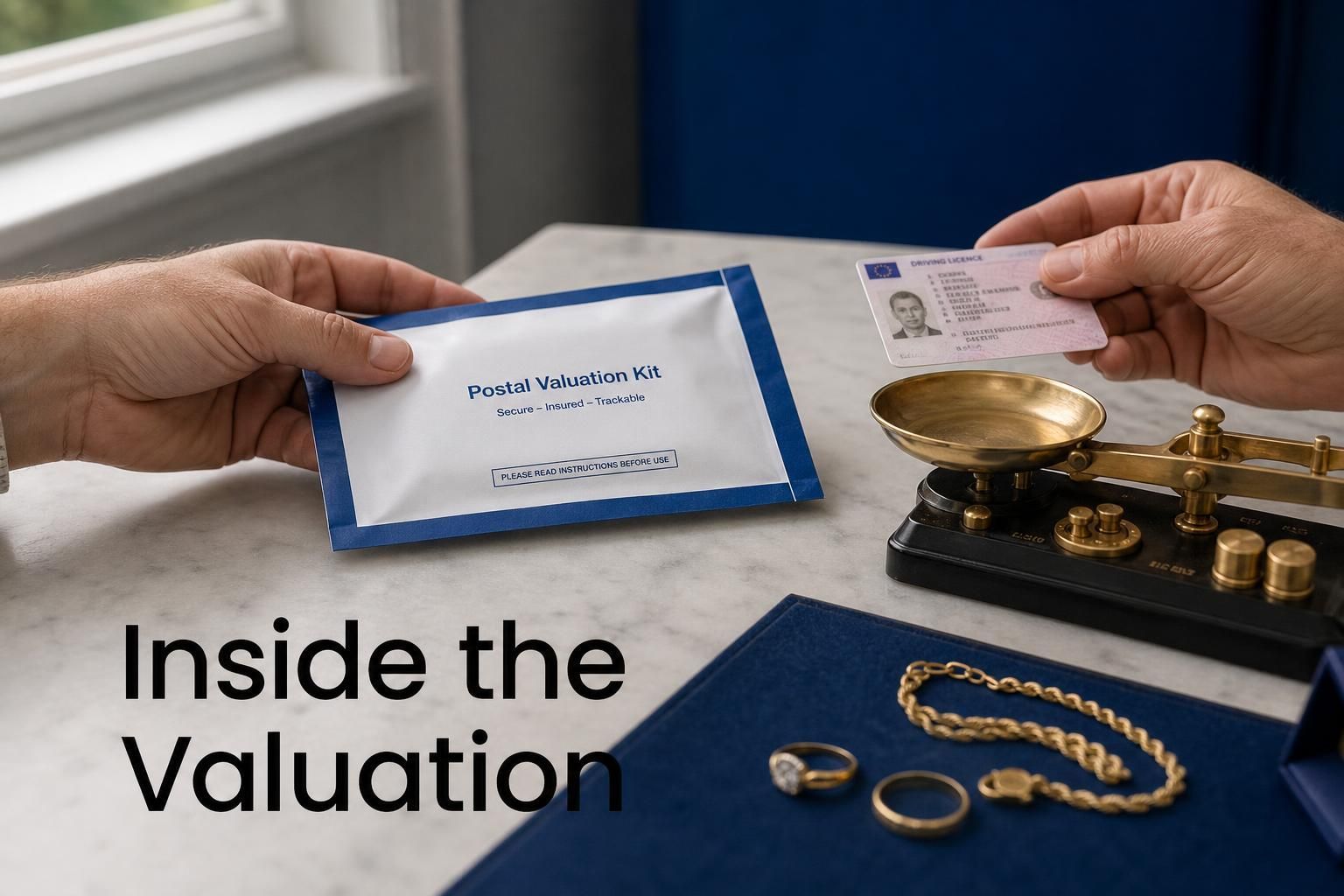
Legitimate buyers usually ask for ID checks when they pay by bank transfer or when anti-fraud rules require it. That is normal. It protects both sides and supports a traceable sale. It is also a good sign when a buyer can explain why the check is needed. If a service seems vague about identity, payment or ownership, treat that as a warning sign.
For extra reassurance, many sellers like to compare multiple educational sources before choosing a buyer. Independent pages such as cash for gold buying guidance can help you understand the standard process. Meanwhile, a good local buyer should still be happy to explain their own approach directly.
If you want a location-based service, our gold buyers near me page is useful for checking how a trusted local buyer works. Cash for gold is legitimate when the offer is transparent, the payment is secure and the seller never feels pushed.
What Gold Items Can Be Sold for Cash?
Most gold items can be sold for cash if they contain genuine gold. That includes jewellery, necklaces, sovereigns, bullion, scrap gold and dental gold, provided the buyer accepts the item type.
Cash for gold is not limited to perfect pieces. Broken chains, single earrings and inherited jewellery often still have value. If you have damaged items, see our broken gold buyer page for a practical explanation. If your item is a necklace, our sell gold necklaces page is more specific.
Coins and bars are usually handled differently from scrap. That is because investment gold may have a different valuation approach. If you own sovereigns, our sell gold sovereigns page is the best place to start. For larger investment pieces, our sell gold bullion and sell gold bars safely pages explain secure valuation routes.
If you are comparing service types, it helps to look at what buyers actually accept. Some services focus on jewellery. Others also handle coins and bullion. Gold Buyer is set up for practical sellers who want a local, discreet and easy route. That makes cash for gold more convenient for people clearing estates, downsizing or turning unused items into money.
A modern selling example can help here. Watching a dealer assess a gold bar shows why weight, purity and trust matter. It also shows why a bank payment can be the cleaner option for many sellers.
How to Avoid Being Underpaid for Gold
You avoid being underpaid by comparing offers, checking the valuation method and refusing to sell until the numbers make sense. Cash for gold should reward preparation, not speed alone.
First, ask how the buyer determines purity and weight. Second, ask whether there are deductions or fees. Third, ask how payment will be made and when it will arrive. If any of those answers are unclear, keep looking. A fair offer can be explained in plain language.
It also helps to know whether you are selling a single item or a mixed lot. High-value pieces should usually be assessed separately where possible. Mixed scrap may still be fine to sell together, but the buyer should explain how the combined price is reached. That transparency matters.
For sellers in our service area, local convenience can help you stay in control. Our sell gold for cash in the Midlands page and cash for gold locations guide show where we serve. If you want a broader local search, sell gold near me explains how to choose a nearby buyer.
Finally, keep paperwork or item notes where possible. A record of what you sold helps you track the offer and compare future quotes. That is especially useful if you are selling inherited items and want confidence that nothing was overlooked. Cash for gold works best when you stay informed from start to finish.
Key Takeaways
- Cash for gold works best when the buyer explains pricing, testing and payment clearly.
- Bank transfer is often the safest payment method because it creates a traceable record.
- The value of gold depends on purity, weight, item type and current market conditions.
- ID checks are normal and help protect both the seller and the buyer.
- Comparing offers and asking for a clear valuation is the best way to avoid being underpaid.
Frequently Asked Questions
Who pays the most cash for gold?
The highest cash for gold offer usually comes from the buyer who explains pricing clearly and prices your exact item fairly. That depends on purity, weight, item type and payment terms. The best offer is not always the headline promise; it is the one with the clearest valuation and the fewest hidden deductions.
Is cash for gold a rip-off?
Cash for gold is not automatically a rip-off. It becomes a poor deal when a buyer hides the method, pressures you to accept or offers unclear pricing. A legitimate buyer will test your gold, explain the value and let you decide without pressure.
How much is 1g of 9ct gold worth?
There is no fixed figure because the value changes with the market and the buyer’s terms. A fair cash for gold quote should be based on current pricing, the item’s purity and any relevant deductions, and the buyer should explain that calculation clearly.
How much cash do you get for gold?
You get as much as the item’s purity, weight and type justify in the market. Cash for gold offers vary, so the best approach is to compare at least one or two quotes and make sure the buyer explains how the offer was calculated.