Dental Gold Buyers: Sell Gold Crowns, Bridges and Dental Scrap
Quick Answer
Dental gold buyers test, weigh and value gold crowns, bridges and dental scrap, then make a discreet cash offer based on the gold content and condition of the item. If you want a secure sale, choose dental gold buyers who explain the process clearly, pay promptly and handle items confidentially.
Dental gold buyers give you a practical way to turn old crowns, bridges and mixed dental scrap into cash. The right buyer will test the metal, explain what affects the offer, and keep the process discreet from start to finish. That matters if you are selling inherited items, old dental work, or broken pieces you would rather not post around. At Gold Buyer, the focus is on safe valuation, clear pricing and convenient payment, including local appointments and other selling options. If you are comparing services, start with our Dental Gold Buyer page and then check how broader services like Cash for Gold and Gold Valuation in the Midlands work. In this guide, you will learn what dental gold buyers actually buy, how dental gold is tested, and why non-gold material can change the final price. You will also see how to sell discreetly without feeling rushed or pressured.
Sell Dental Gold Safely
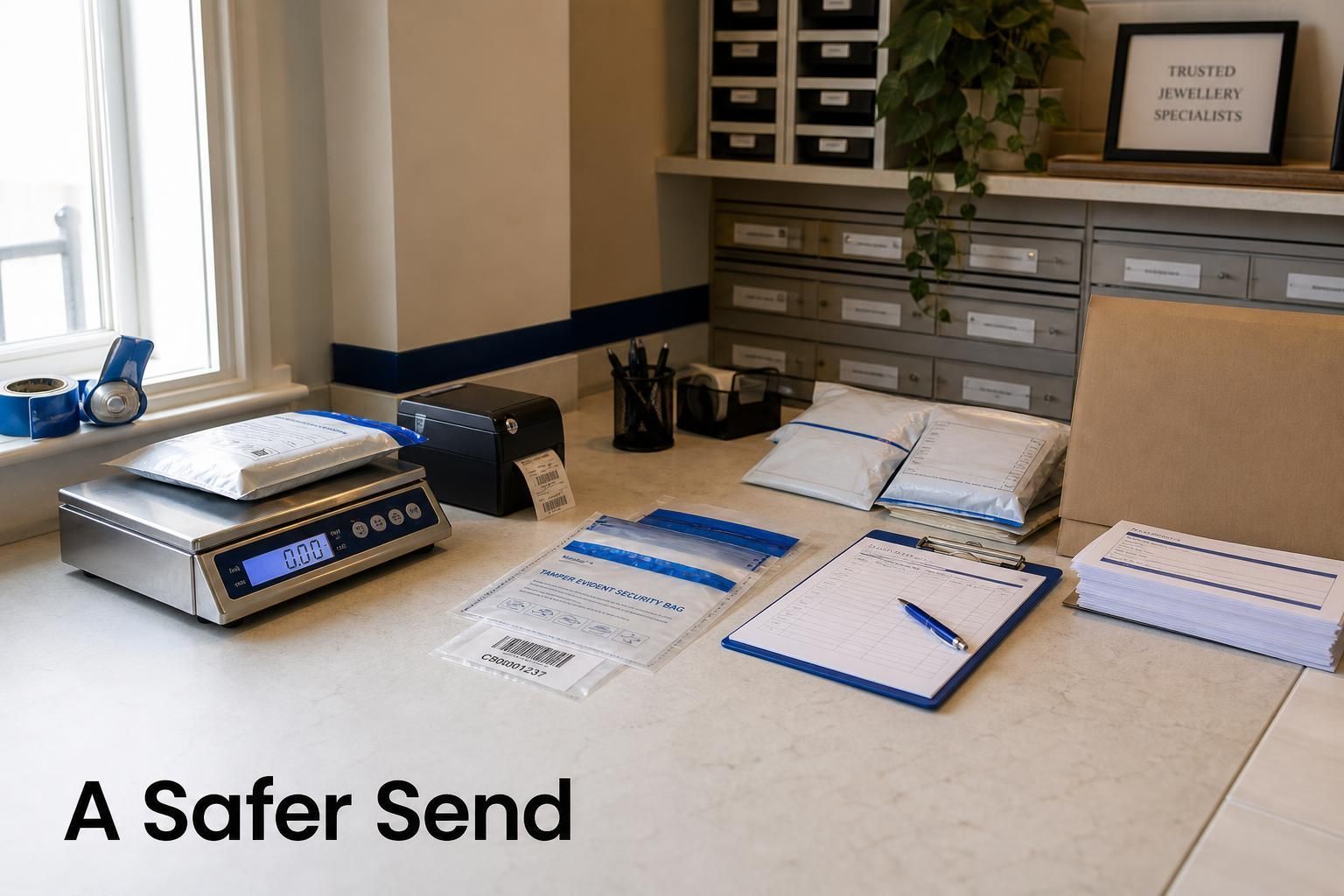
Dental gold buyers should make the sale simple, discreet and easy to understand. The best ones explain how they test the item, how they separate gold from other materials, and how payment works before you agree to sell.
That is important because dental gold is rarely sold every day. Many people only handle it once, so they need clear steps and a buyer they can trust. A good service will weigh the item, assess its gold content and confirm whether it contains solder, porcelain or tooth material. If you want a local option, our Contact Gold Buyer page is the easiest place to arrange a valuation. You can also compare the wider process in our guide to Selling Gold in the UK.
For a sense of how specialist sellers describe the process, see the educational pages from a dental gold buying guide from Gold Traders, APMEX’s guide to selling dental gold and Portland Gold Buyers’ overview of dental gold. These resources reinforce the same core point: the value comes from the recoverable gold, not the shape of the item.
Dental gold buyers are also useful when the item is small or awkward. A crown, bridge or fragment of scrap can still hold value. Therefore, it is worth asking for a test before you decide to throw anything away.
Key things to look for:
- Clear testing before any offer
- Plain explanation of weight and purity
- Discreet handling of the item
- Fast, secure payment
- No pressure to accept on the spot
If the buyer cannot explain their valuation, keep looking. Trust and transparency matter more than a quick headline offer.
What is dental gold?
Dental gold is gold alloy used in crowns, bridges and other dental restorations. It can also refer to scrap pieces recovered from old dental work.
The exact value depends on how much gold the item contains and what other metals are mixed in. That is why dental gold buyers test each piece rather than guessing.
Dental Gold Buyers and the Items We Buy
Dental gold buyers usually buy more than one type of item. Crowns, bridges and mixed dental scrap are all common, and each can be tested and valued separately.
If you also have other precious metal items, you may want to bundle them into one appointment. For example, we also buy Sell Gold Necklaces, Sell Gold Sovereigns and Sell Gold Bullion. That can make the process more convenient if you are sorting an estate or clearing out unwanted valuables.
Dental gold buyers are especially helpful for inherited items. Families often find old crowns in jewellery boxes or mixed with other scrap. Even when an item looks small, it may still be worth selling. However, if it is attached to porcelain, ceramic or tooth material, the final value may be lower because the non-gold parts are not payable.
A reputable buyer will separate the item carefully and explain the offer. That is the right approach for anyone who wants a secure, low-stress sale.
Gold crowns
Gold crowns are one of the most common items dental gold buyers see. They may be solid gold alloy or mixed with other metals, so testing matters.
A crown can still have value even if it is old or unattractive. The buyer is interested in the gold content, not the appearance.
Gold bridges
Gold bridges can contain more metal than a single crown, but they may also include solder and other materials. That affects the final valuation.
Dental gold buyers will usually weigh the bridge, test the composition and assess any non-gold sections before making an offer.
Mixed dental scrap
Mixed dental scrap often includes small fragments from lab work, restorations or broken pieces. It may look insignificant, but specialist buyers can still test it.
This is where a focused buyer is useful, because mixed scrap needs careful sorting and honest valuation.
How Dental Gold Is Valued by Dental Gold Buyers
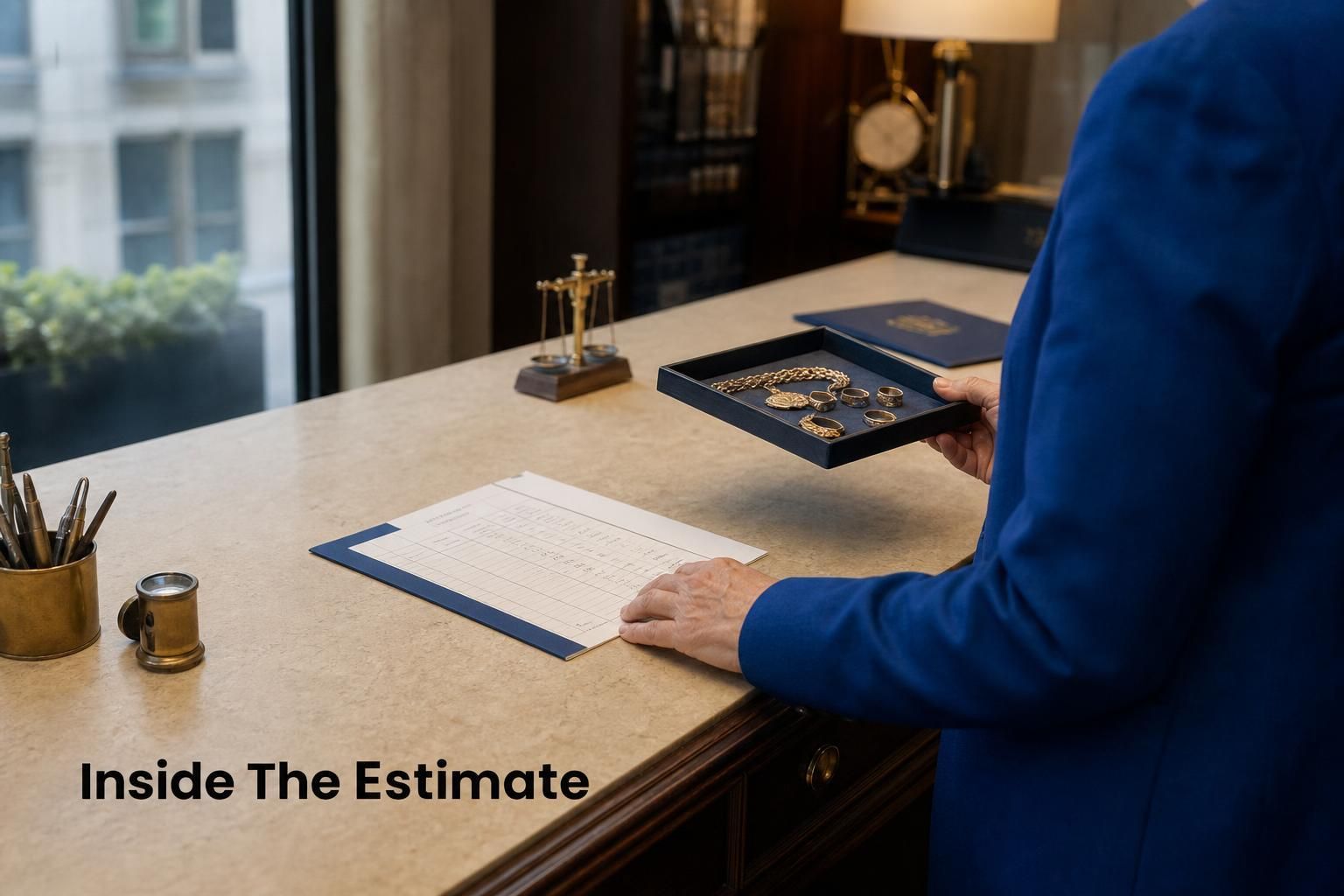
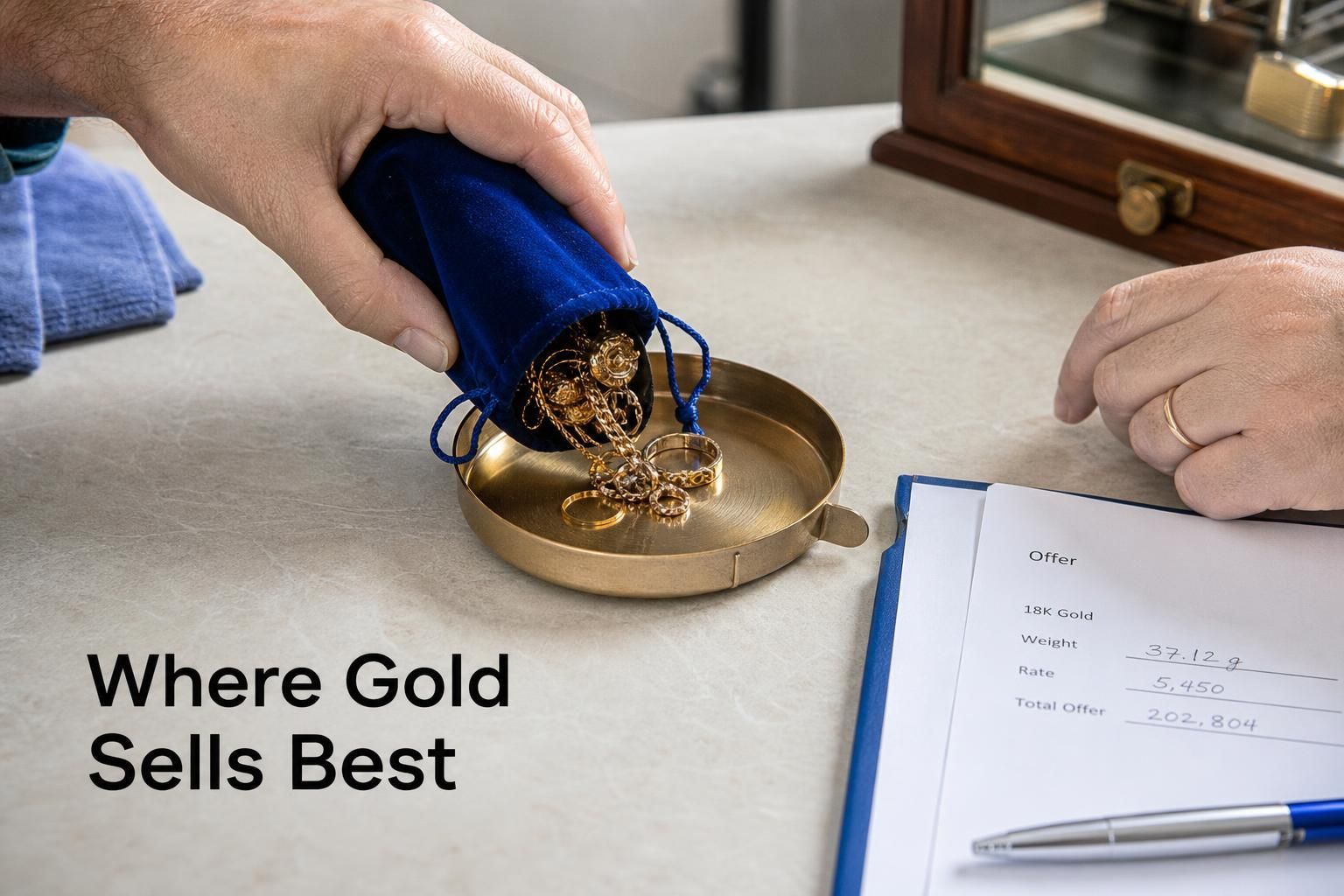
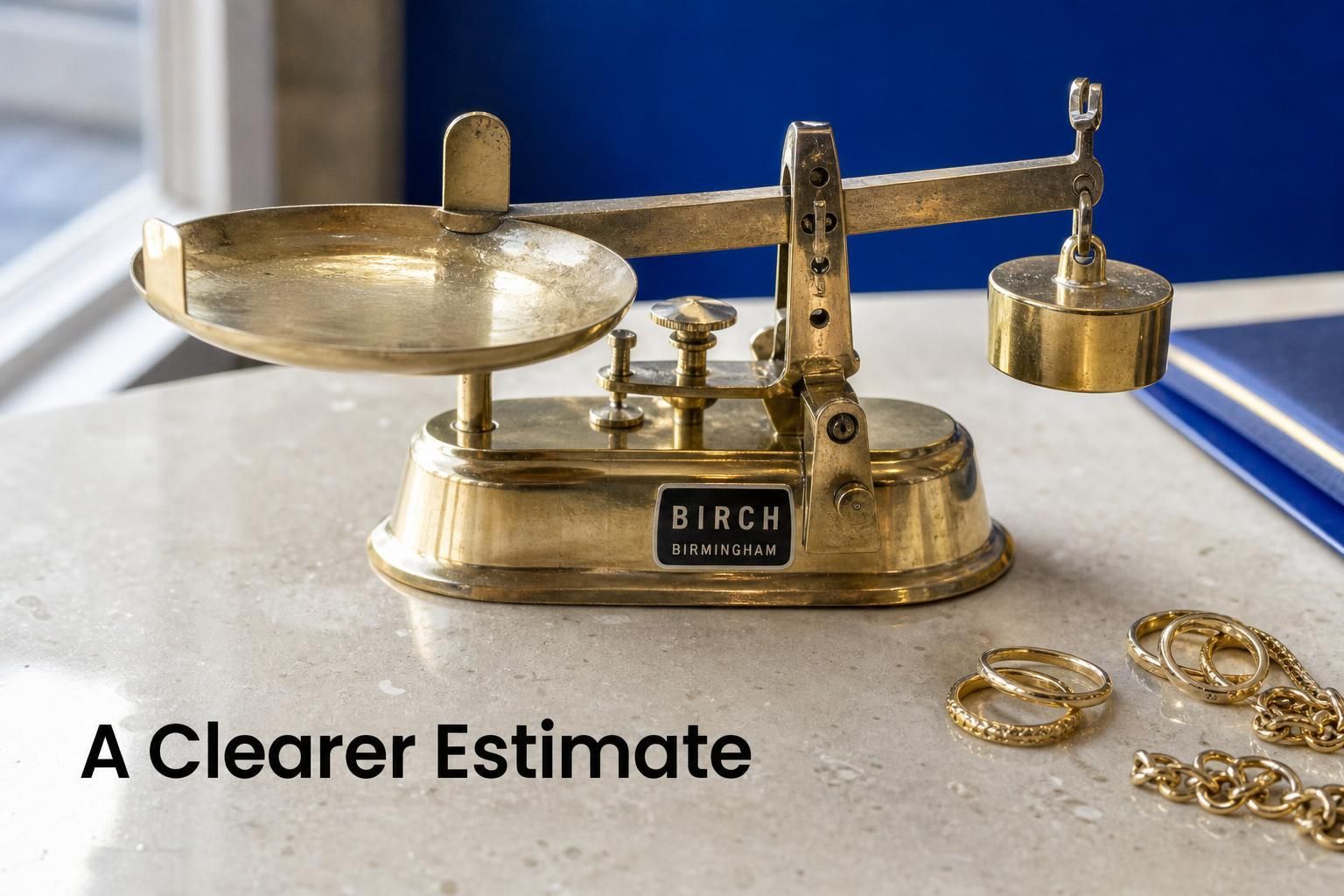
Dental gold buyers value items by testing the metal, weighing the recoverable gold and checking for contaminants. In simple terms, the offer reflects what can realistically be recovered from the item.
That means the final price may differ from a normal jewellery estimate. Dental restorations often contain solder, porcelain or other non-payable parts. As a result, the item may not be treated as pure gold. If you want to compare pricing logic, our guide to Gold Price Per Gram UK explains how carat affects value in general.
The practical point is straightforward. Dental gold buyers do not price by appearance. They price by composition, weight and recoverable gold content. That is why an accurate test matters more than a quick guess.
You can also learn from independent selling guides such as this dental gold buying explanation from Ramsdens. It shows the same principle: testing comes first, then valuation.
A fair process usually follows this order:
- Visual check
- Metal testing
- Weighing the item
- Explanation of non-gold material
- Offer and payment
If you are unsure what you have, ask for a valuation before cleaning, cutting or altering the item. That keeps the original gold content intact and avoids reducing the value.
How much is 1 gram of dental gold worth?
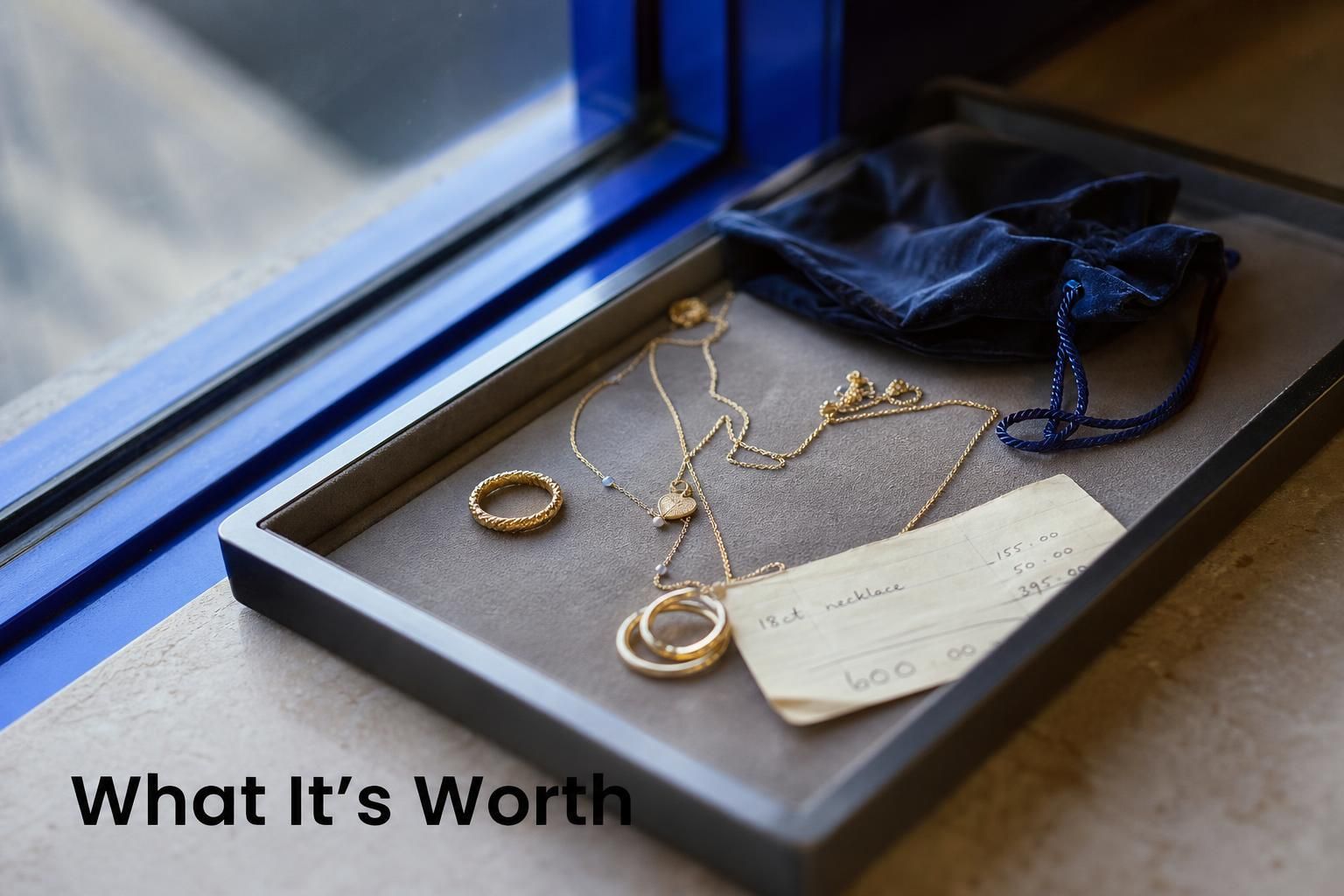
The value of 1 gram of dental gold depends on its gold content, not just its weight. A high-gold crown will be worth more than a lower-grade alloy of the same weight.
Dental gold buyers therefore test the item first. They then base the offer on recoverable gold, so two items with the same size can have different values.
Do Teeth or Non-Gold Materials Affect the Price?
Yes, non-gold materials can reduce the price because they are not part of the recoverable precious metal value. Porcelain, ceramic, cement and tooth material may all affect the final offer.
That is why dental gold buyers separate the valuable metal from everything else. A crown or bridge that includes non-gold sections will usually be priced lower than a cleaner, higher-purity piece. The same applies if solder or mixed alloys are present.
This does not mean the item has no value. It means the buyer is paying for the recoverable gold, not the entire object. Many sellers appreciate that clarity because it removes guesswork. If you are also selling other damaged items, our Broken Gold Buyer page explains how damaged precious metals are handled.
When you are comparing offers, ask three questions:
- What part of the item is gold?
- What parts will be excluded?
- How is the final offer calculated?
Those questions help you judge whether the buyer understands dental scrap. They also make it easier to compare dental gold buyers fairly.
Can I sell my gold tooth?
Yes, you can usually sell a gold tooth if it contains recoverable gold. The buyer will test it and determine whether it is a crown, bridge part or other dental piece.
If it includes tooth material or porcelain, those parts will not add value. However, the gold itself may still make it worth selling.
Discreet Selling Options from Dental Gold Buyers
Dental gold buyers should offer a discreet process, especially for inherited items or personal dental work. You should be able to get a valuation without feeling awkward or rushed.
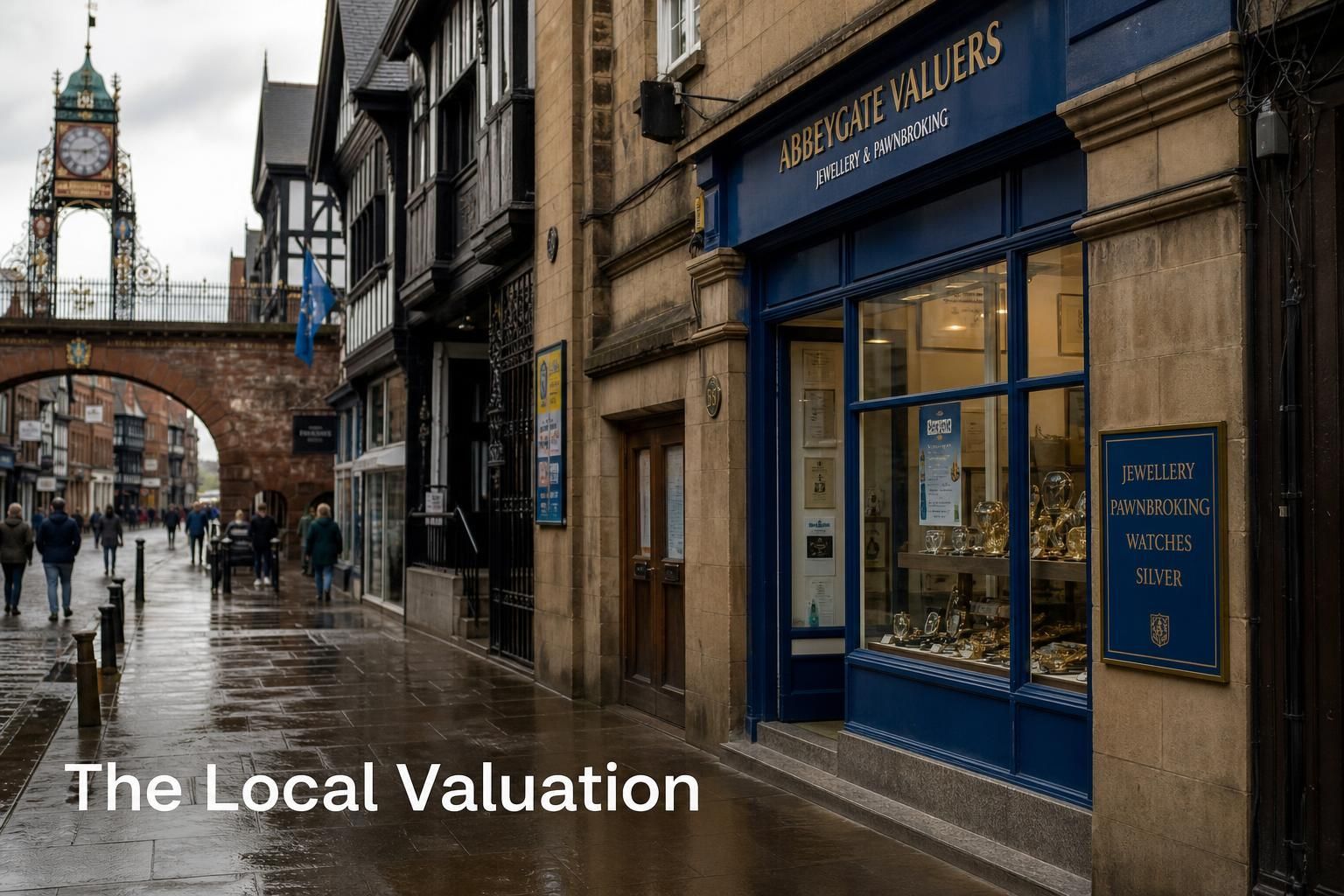
That is why many sellers prefer a local appointment or a controlled selling journey. A secure handover, clear identity checks and fast payment help build confidence. If you want to review your options, our pages on Sell Gold Near Me and Cash for Gold Near Me explain how local selling works in the Midlands and South.
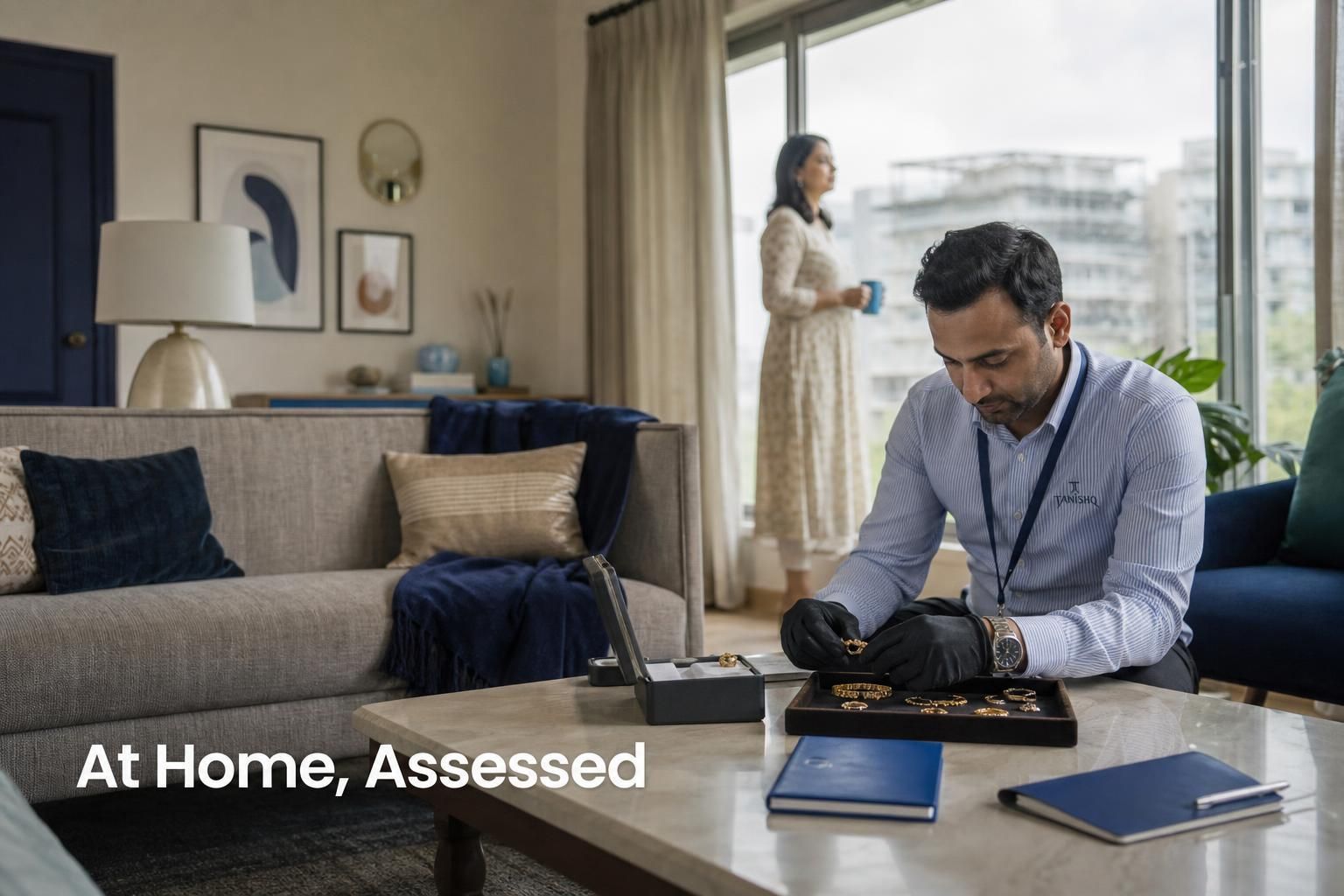
For context, the phrase “discreet” matters because dental gold is often personal. Some sellers want to keep the process private. Others simply want a convenient sale without posting valuable items. A home visit, appointment-based valuation or secure in-person handover can all suit that need.
If you want to see how different sellers present this kind of service, the short video below gives a useful perspective on comparison and price checking:
The main rule is simple. Choose dental gold buyers who explain the process clearly and let you decide without pressure. That keeps the sale safe and gives you time to compare offers if needed.
How quickly will I get paid?
Payment timing depends on the buyer’s process, but reputable dental gold buyers aim to pay promptly after you accept the offer.
Ask how payment is made before you visit. Clear payment terms are a sign of a professional service.
Frequently Asked Questions About Dental Gold Buyers
Dental gold buyers are a specialist service, so it is normal to have questions before selling. The answers below cover the most common concerns and help you decide whether to book a valuation.
If you are comparing services, it can also help to review our trust and valuation process guide before you sell.
How much is a 1 gold tooth?
A gold tooth can be worth a meaningful amount, but the value depends on its gold content, weight and any non-gold material attached to it.
Dental gold buyers test the item first, so there is no reliable one-size-fits-all answer. A small tooth with high-gold alloy may be worth more than a larger mixed piece.
Does dental gold have value?
Yes, dental gold has value whenever it contains recoverable precious metal. The value comes from the gold content, not from the item’s age or appearance.
That is why dental gold buyers can assess crowns, bridges and scrap even when the pieces look worn or broken.
Can I sell my gold tooth?
Yes, you can usually sell a gold tooth if it contains gold alloy. A specialist buyer will test it and tell you whether it is suitable for purchase.
If you are unsure, bring the item in as it is. Dental gold buyers prefer original condition because it helps protect the value.
What should I bring to a valuation?
Bring the dental gold item itself, plus any related scrap if you have it. You do not usually need a lot of paperwork for a basic valuation.
However, if the item came from an estate or a larger collection, it helps to bring everything together so the buyer can assess all the gold at once.
What to expect from dental gold buyers before you sell
The best dental gold buyers make the experience clear from the first conversation. They tell you what they buy, how they test it and when you will be paid.
That is what makes the sale feel safe. It also helps you avoid underpriced offers or vague explanations. If you want a broader view of selling options, our Sell Unwanted Gold guide is a useful next step.
For a real-world look at appraising a gold tooth, this video can help you understand the process more clearly:
In the end, dental gold buyers are about certainty. You get the item tested, the value explained and the payment handled discreetly. That is the best route if you want to sell gold crowns, bridges or dental scrap without hassle.
Key Takeaways
- Dental gold buyers test, weigh and value crowns, bridges and scrap based on recoverable gold content.
- Non-gold materials like porcelain, cement and tooth material can reduce the final offer.
- A trustworthy buyer explains the process clearly, offers discreet handling and pays promptly.
- Dental gold still has value even when it is old, broken or inherited.
- Comparing offers helps you avoid pressure and get a fairer result.
Frequently Asked Questions
How much is 1 gram of dental gold worth?
The value of 1 gram of dental gold depends on the item’s actual gold content and any non-gold material mixed in. Dental gold buyers test the piece first, then calculate the offer from the recoverable precious metal rather than from appearance alone.
Does dental gold have value?
Yes, dental gold has value when it contains recoverable gold alloy. Dental gold buyers can usually assess crowns, bridges and scrap even if the item looks old, damaged or small.
How much is a 1 gold tooth?
There is no single fixed value for a gold tooth. Dental gold buyers price it by weight, purity and any attached tooth or porcelain material, so two similar-looking items can be worth different amounts.
Can I sell my gold tooth?
Yes, you can usually sell your gold tooth if it contains gold alloy. A specialist buyer will test it and confirm whether it is suitable, then make a discreet cash offer if it is accepted.