Scrap Gold Buyer: How to Sell Scrap Gold Safely
Quick Answer
A scrap gold buyer pays for unwanted gold based on purity, weight, and the live market price. The safest way to sell is to compare offers, confirm how items are tested, and choose a trusted scrap gold buyer that explains the valuation clearly before you agree to sell.
If you are looking for a scrap gold buyer, the safest sale starts with clear valuation and a buyer you can trust. Broken chains, single earrings, inherited jewellery, sovereigns, bullion, and dental gold can all have real value when they are weighed and tested properly. A good scrap gold buyer explains each step, so you know why an offer is made and what happens next. That matters if you want cash without the risks of sending valuables to an unknown postal service or accepting a rushed offer.
This guide shows how a scrap gold buyer values items, what affects the price, and how to avoid common mistakes. It also explains when a local appointment is better than posting your gold, and where to start if you live in Chesterfield, the Midlands, or the South. If you want to compare your options, you can also explore Gold Valuation in the Midlands or see how a cash for gold near me service works before you book. The goal is simple: sell scrap gold safely, get a fair price, and keep control of the process from start to finish.
What Does a Scrap Gold Buyer Do?
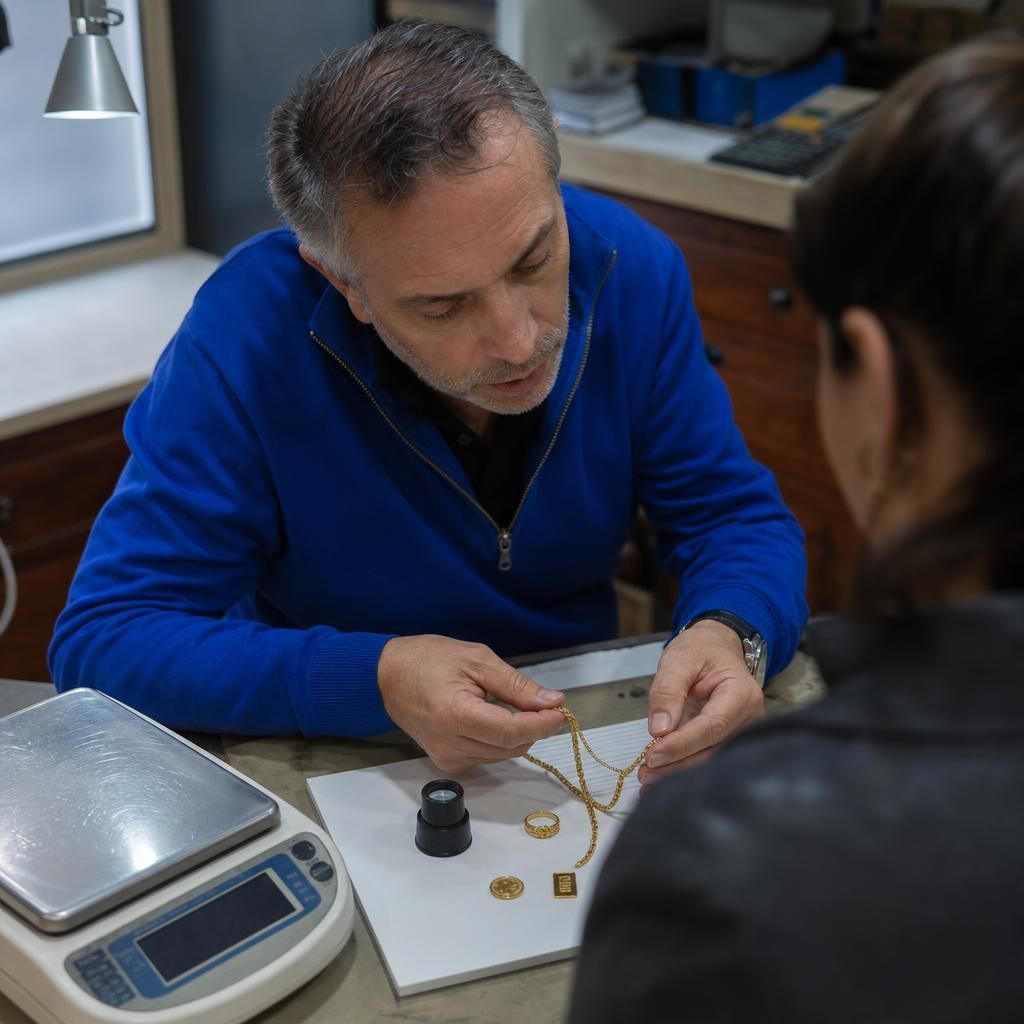
A scrap gold buyer buys gold items for their metal value, not for their design value. In practice, that means the buyer checks purity, weighs the item, and uses the current gold price to build an offer.
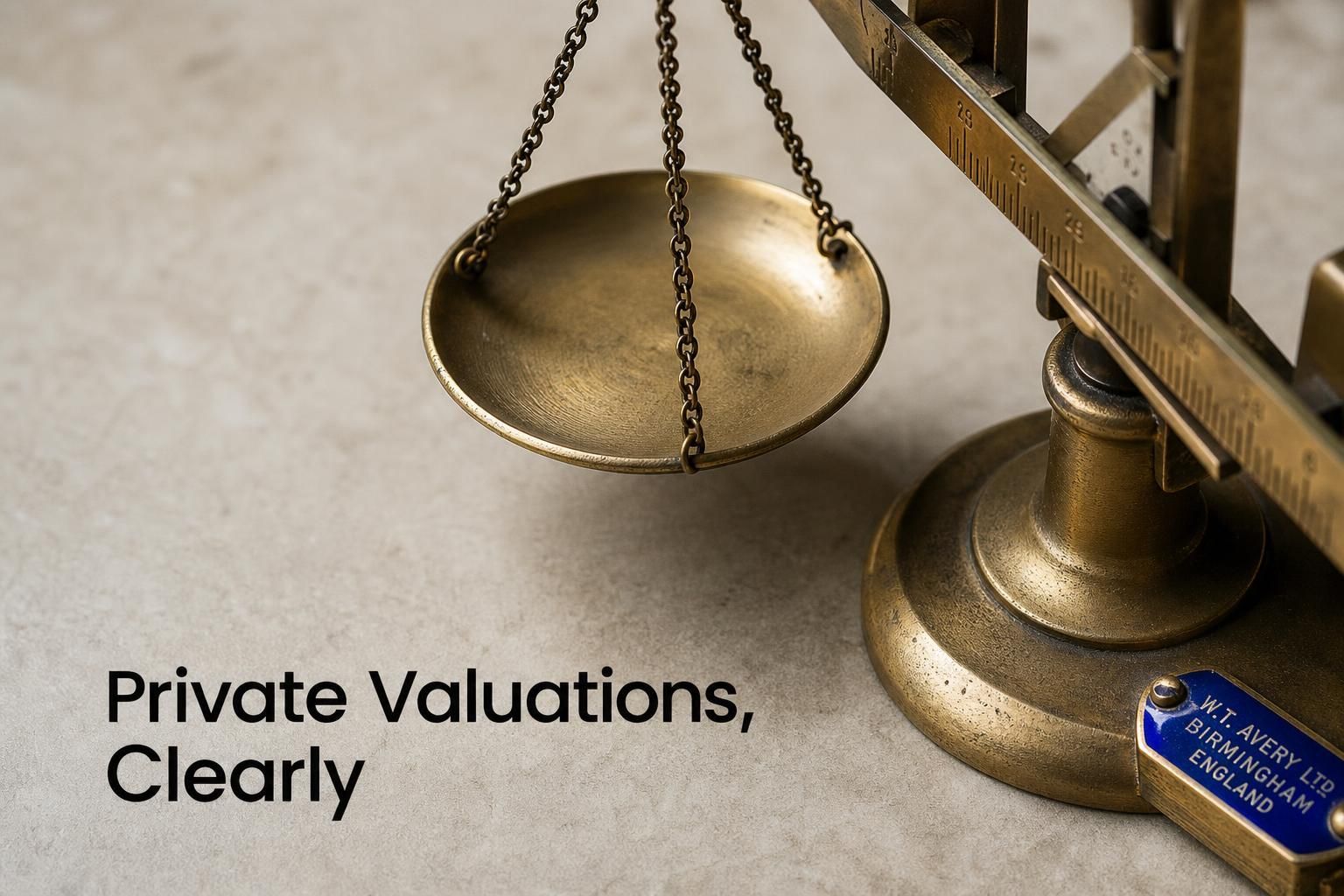
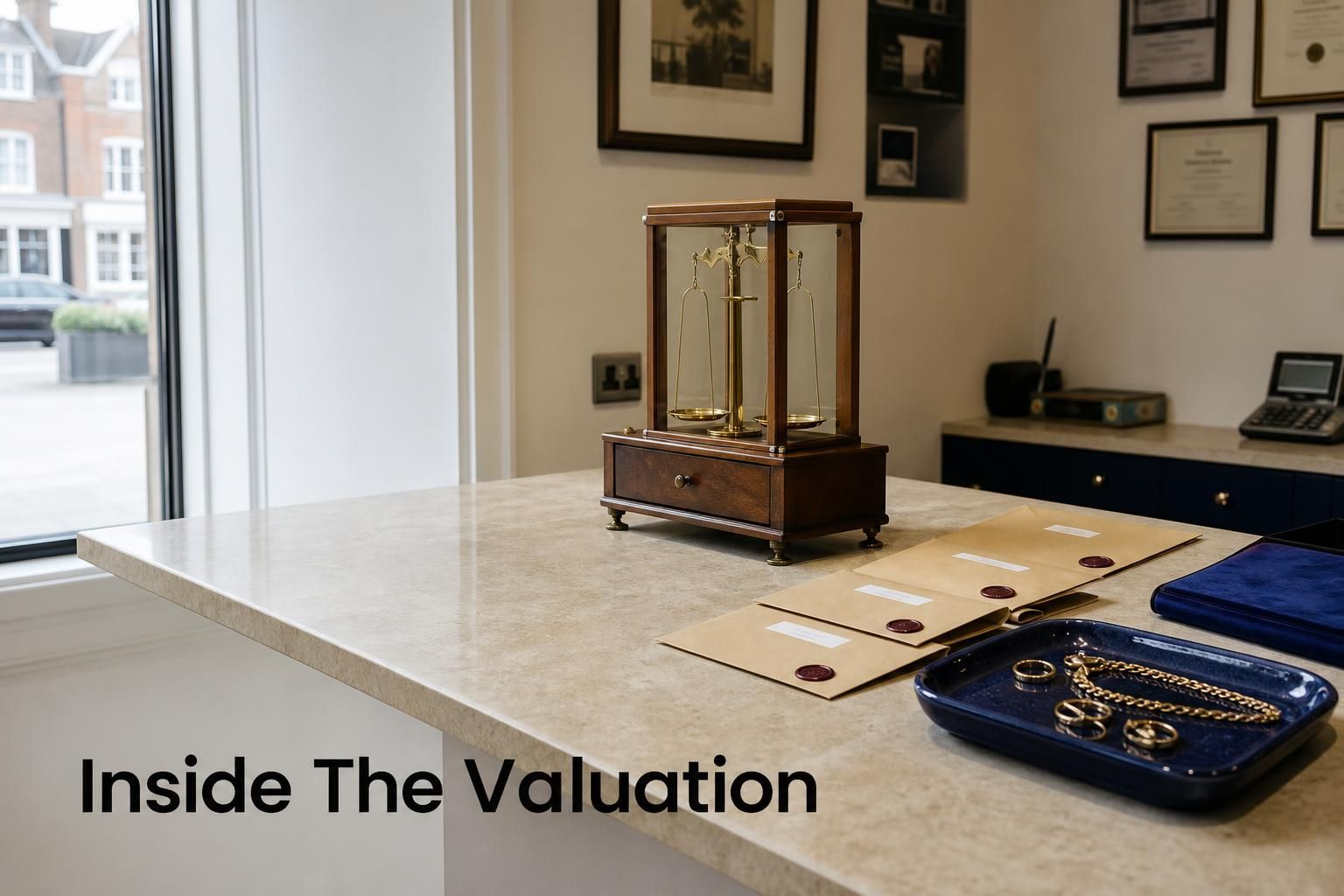
A reliable scrap gold buyer should explain the testing method, show the weight, and tell you which parts of the item are actually gold. That is especially important for clasped chains, mixed-metal jewellery, and items with stones. If you want to understand the process in more detail, our gold buying service explains how valuations are handled, and Contact Gold Buyer is the best place to arrange a local appointment.
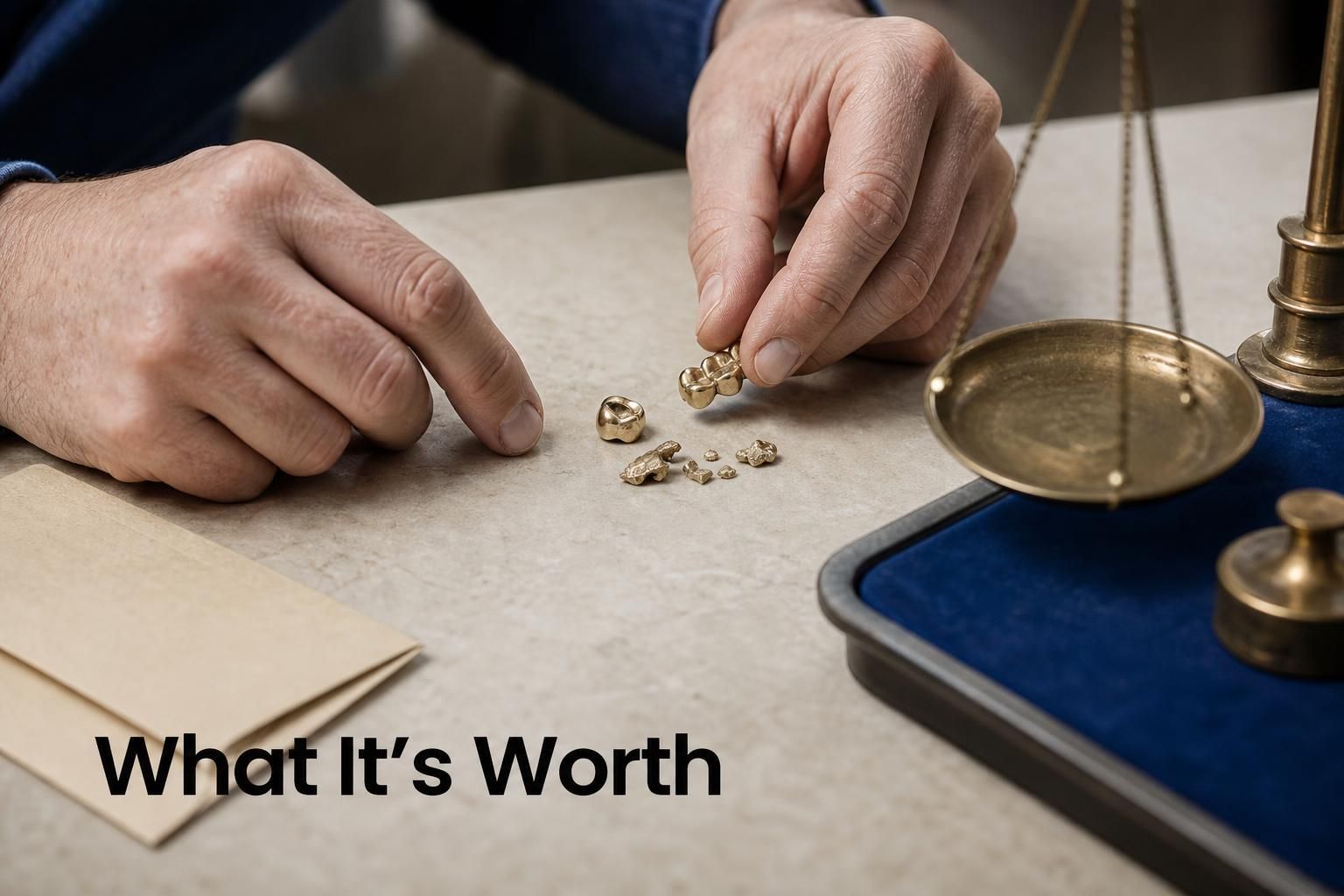
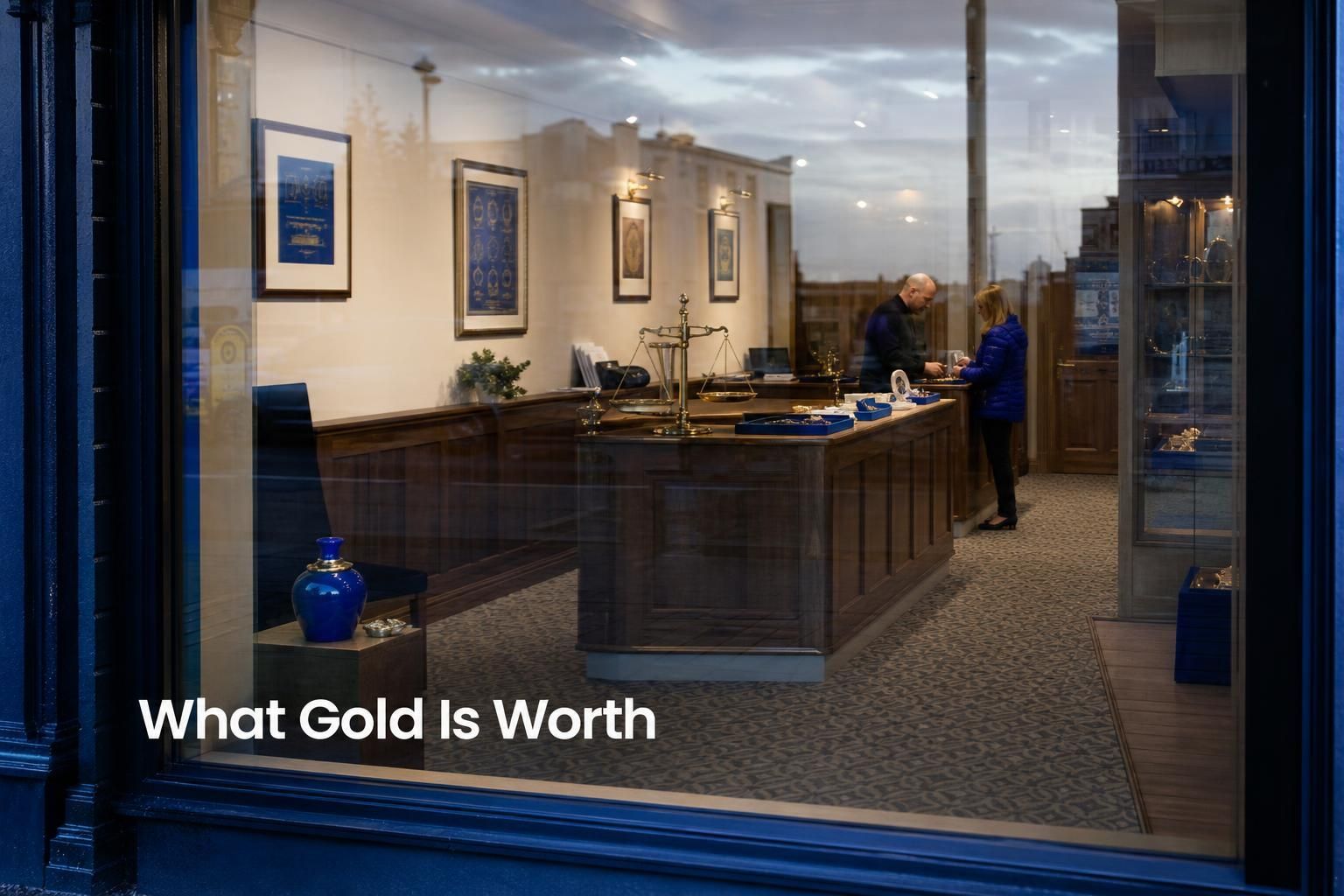
A scrap gold buyer may also purchase items beyond jewellery. That can include sovereigns, bullion bars, gold coins, dental gold, and damaged or incomplete pieces. For sellers in the Midlands, a local visit can be easier because you can ask questions in person and see the valuation process directly.
For a practical look at how a real transaction works, this walkthrough from The Auction Professor is useful. It shows the kind of checks a professional buyer makes and why the explanation matters before you accept an offer.
You should expect three things from any scrap gold buyer:
- Clear testing and weighing
- A plain explanation of the offer
- No pressure to accept on the spot
If you are selling specific items, it can help to start with the right page. For example, Sell Gold Necklaces is useful if you have chains or pendants, while Sell Gold is better for sovereigns and investment-style pieces. That kind of focus usually leads to a smoother sale.
How does a scrap gold buyer test items?
A scrap gold buyer usually tests items with visual checks, weighing, and a purity test. The buyer may use acids, electronic testers, or other verification methods depending on the item.
The key point is transparency. If the buyer can show how the result was reached, you can judge whether the offer makes sense. That is why many sellers prefer a face-to-face appointment over a vague online quote.
What Scrap Gold Buyers Look For
A scrap gold buyer looks at three main factors: purity, weight, and the current gold price. These are the basics behind almost every fair offer, whether you are selling a ring, a chain, a coin, or a small bullion bar.
A trustworthy scrap gold buyer will also notice condition. However, condition matters far less than gold content when an item is sold as scrap. A broken chain can still be worth more than a larger-looking plated item because plated items are not solid gold. If your pieces are damaged, Broken Gold Buyer in the Midlands explains how damaged items are assessed, and Sell Unwanted Gold is useful if you are clearing old boxes or inherited jewellery.
Many sellers ask, how much is 1 gram of scrap gold worth? The honest answer is that it depends on purity and the live market price. A gram of 9ct gold is worth less than a gram of 18ct gold because the gold content is lower. That is also why two similar-looking items can produce very different offers.
If you want to compare pricing logic, use educational sources rather than marketing claims. Scrap Gold prices and market guidance can help you understand how rates move, while a live UK scrap gold price calculator shows how online tools frame the valuation.
The best scrap gold buyer will not hide behind jargon. Instead, they will explain what your item contains and how that becomes an offer.
Carat and Purity
Purity tells you how much gold is in the item. In the UK, you will commonly see 9ct, 14ct, 18ct, 22ct, and 24ct.
A scrap gold buyer must price each item according to its gold content. Therefore, a lower-carat item usually receives a lower scrap offer, even if it looks larger or heavier.
Weight
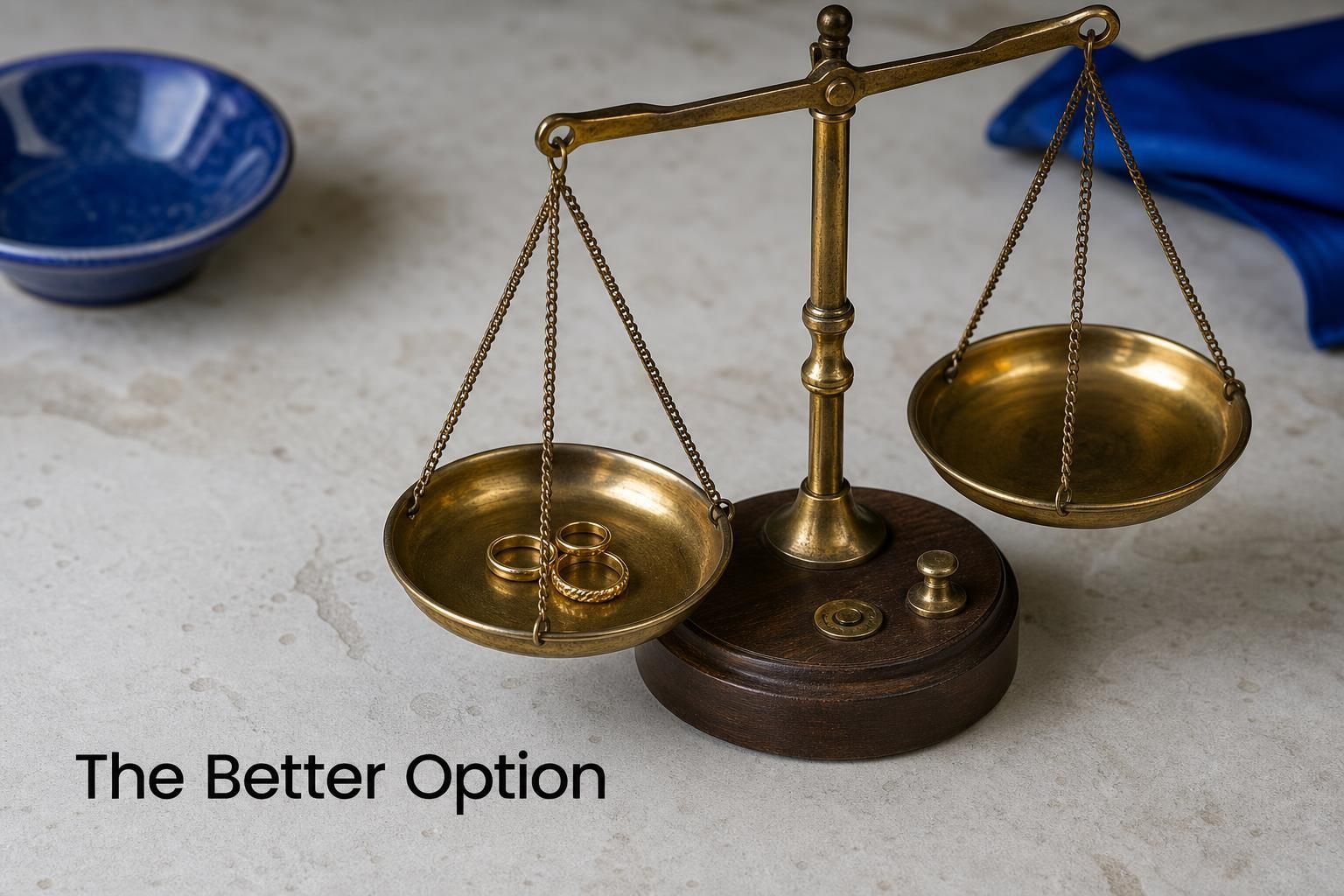
Weight matters because scrap gold is priced by mass. A heavier item usually earns more, provided the purity is the same.
However, weight alone can mislead. Stones, clasps, hinges, and non-gold parts may be removed or excluded from the valuation.
Current Gold Price
The market price changes constantly, so timing affects the offer. A scrap gold buyer uses the current market rate as the starting point.
That is why it helps to compare offers on the same day. If you wait too long, the final figure may move with the market.
How to Avoid Undervaluing Scrap Gold
You avoid undervaluing scrap gold by slowing down, asking questions, and comparing offers. A good scrap gold buyer should make the sale feel straightforward, not confusing.
Start by sorting your items into categories. Keep jewellery, coins, bullion, and dental gold separate if possible. Then check for hallmarks, receipts, or original packaging. These details help a scrap gold buyer identify purity faster and reduce mistakes.
Next, ask how the offer was calculated. You should know the weight used, the purity assumed, and whether stones or non-gold parts were removed. If the buyer cannot explain the figure, that is a warning sign. It may also help to compare a local offer with a broader market reference point. Our Sell Scrap Gold UK guide explains what counts as scrap gold, and Selling Gold in the UK covers the usual sale process and what to expect.
This CBS New York segment is a useful reminder that high prices can attract interest, but sellers still benefit from comparing offers and understanding market conditions before choosing a buyer.
Also, watch for these common undervaluation traps:
- Accepting the first offer without checking alternatives
- Selling mixed items before separating high-value pieces
- Forgetting that sovereigns, bullion, and coins may deserve specialist treatment
- Posting gold to a company that does not clearly explain testing and returns
A careful scrap gold buyer will welcome questions. If the seller feels rushed, the deal may not be in their best interest. For many people, a local valuation visit gives the best balance of convenience and control.
How much will I get for scrap gold?
You will get the value of the gold content after the buyer’s pricing method is applied. The final amount depends on purity, weight, and the buyer’s margin.
Because of that, two sellers with similar-looking items can receive different offers. Coins, sovereigns, and bullion can also be priced differently from jewellery.
Should You Use a Local or Postal Scrap Gold Buyer?
For many sellers, a local scrap gold buyer is safer because you can see the process in person. Postal services can be convenient, but they add distance and reduce control.
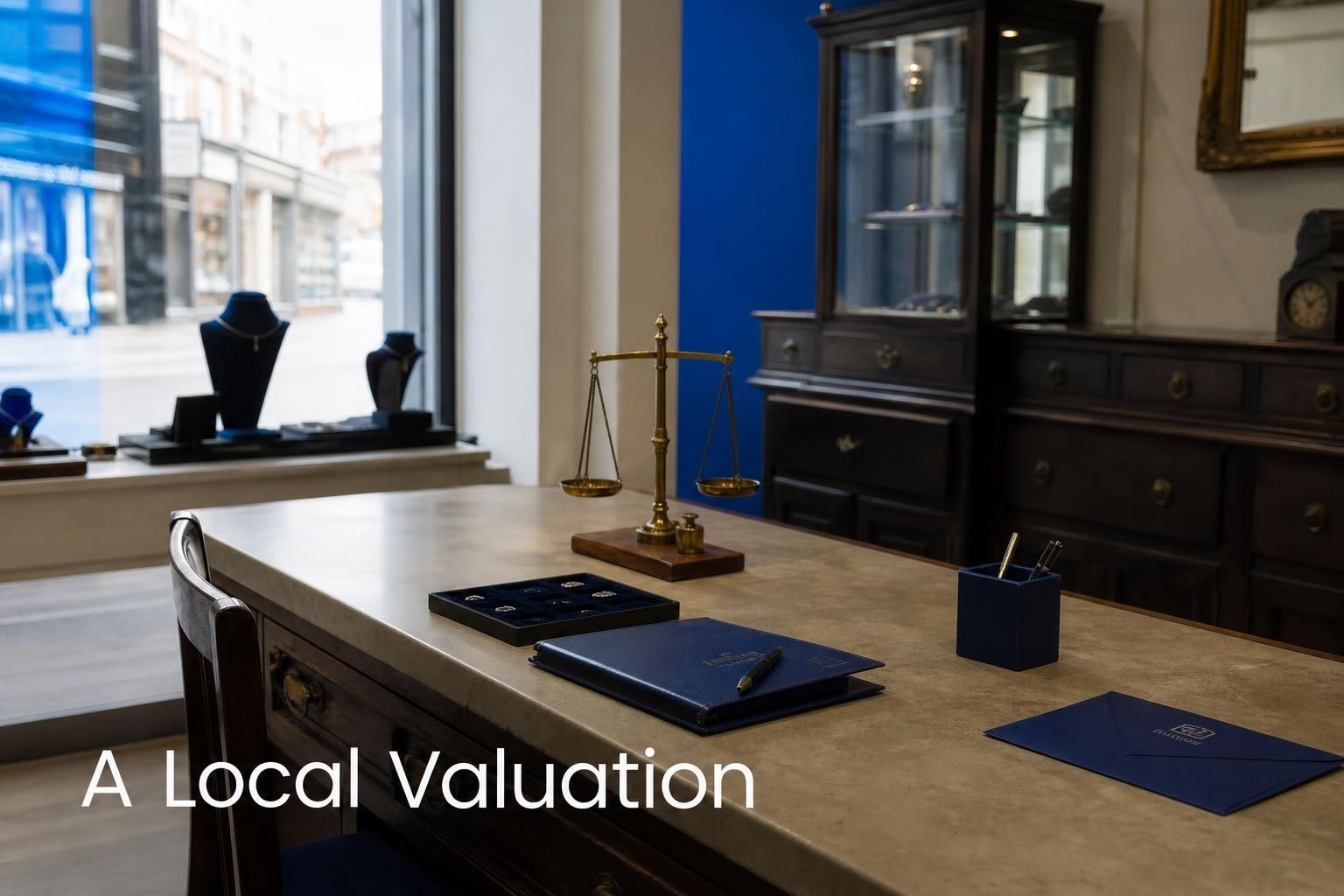
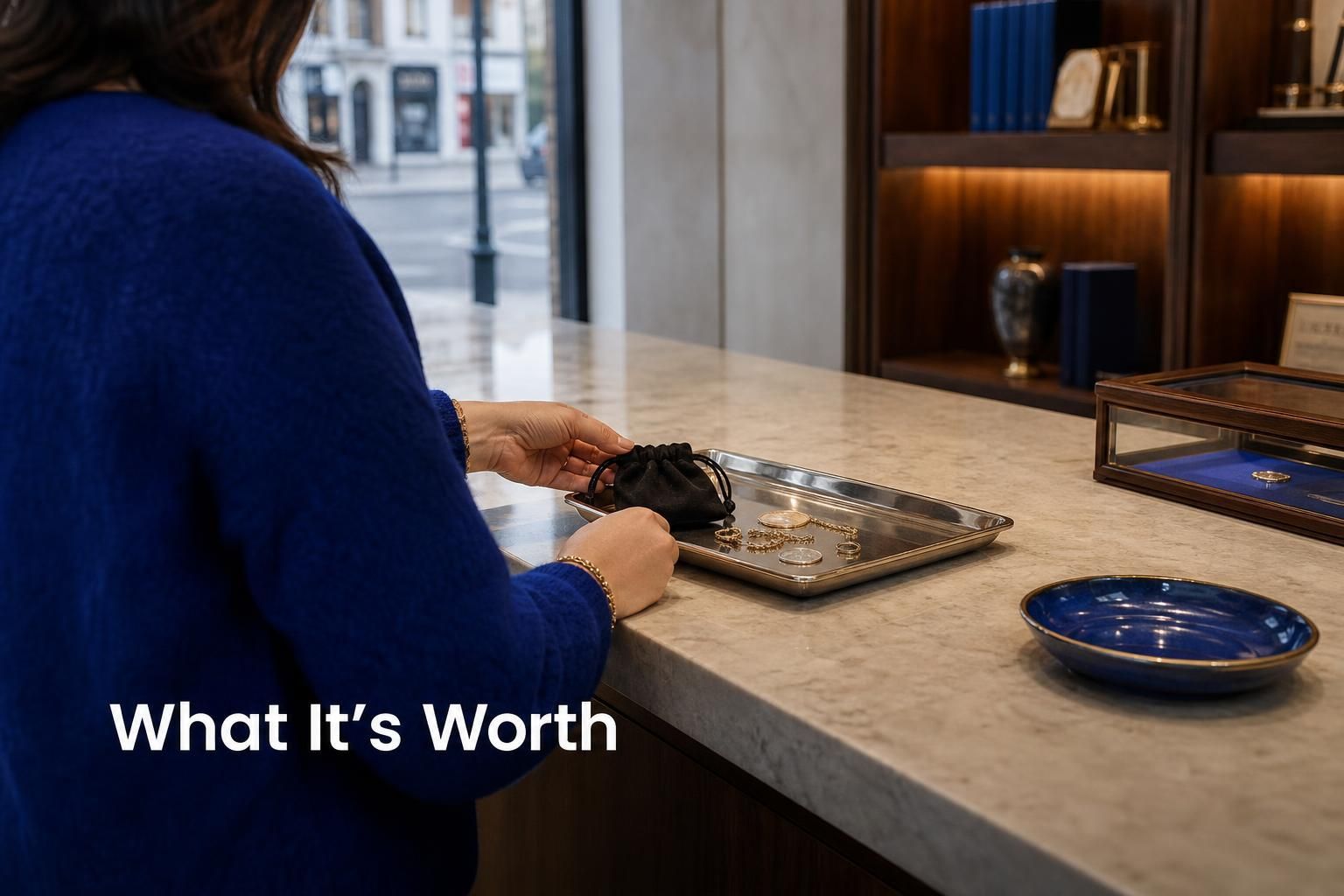
A local scrap gold buyer lets you ask questions, watch the weighing, and decide whether the offer suits you before you hand over anything. That is especially helpful for inherited items, sentimental pieces, and higher-value gold. If you are comparing your options, our Best Place to Sell Gold guide explains the differences between a local buyer, pawnbroker, and postal route. You can also review Gold Buyers Near Me to see how to choose a trusted local service.
Postal buyers may suit sellers who already know the market and are comfortable with tracked shipping and insured handling. Even then, read the terms carefully. Check who pays return postage, how long the valuation takes, and what happens if you decline the offer. A scrap gold buyer with a physical presence often feels easier to trust because the transaction is visible.
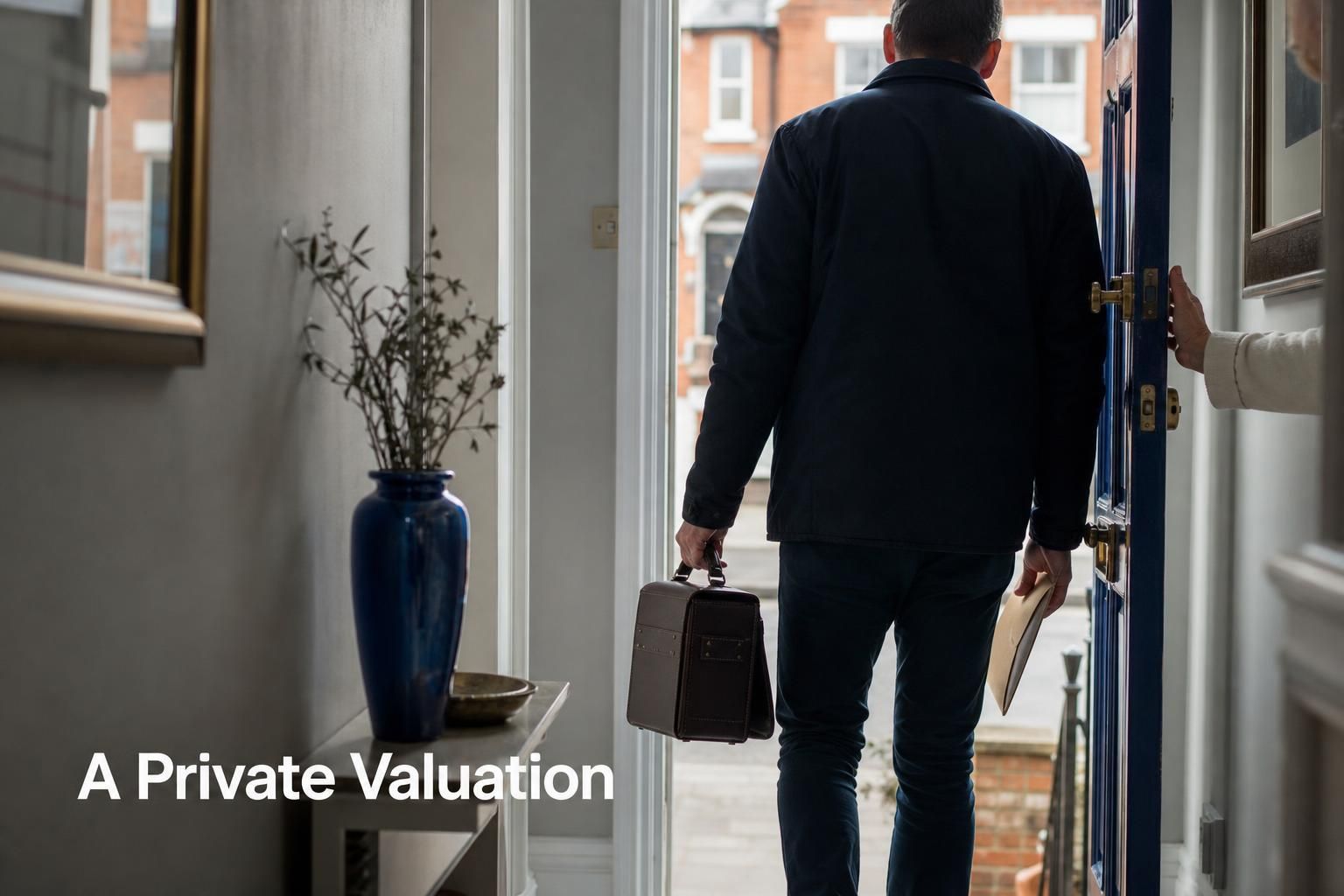
For sellers in Chesterfield, the Midlands, and nearby areas, a local appointment can reduce stress and improve clarity. If you want to see where appointments are available, visit Cash for Gold Locations or explore Sell Gold for Cash in the Midlands.
The safest choice is usually the one that gives you the most information before you commit.
Who will pay the most for scrap gold?
The highest-paying scrap gold buyer is usually the one that gives the clearest valuation and the smallest hidden deductions. Price alone is not enough.
Look for transparent testing, open weighing, and a clear explanation of any fees or exclusions. The best offer is the one you understand, not just the one that sounds highest.
What Documents Might You Need?
A scrap gold buyer may ask for basic identification, especially for higher-value sales. This is normal and helps the buyer comply with anti-fraud and anti-money-laundering procedures.
In many cases, a valid photo ID and proof of address are enough. A receipt, valuation note, or hallmark card can also help if you have one. If you are selling an unusual item such as dental gold or investment pieces, extra context may be useful. For example, our Sell Gold Bullion page explains how bullion items are handled, while Sell Gold for Cash in the Midlands is a useful route for local sellers who want an in-person valuation.
A professional scrap gold buyer should explain why documents are needed. This is a good sign, not a barrier. It shows the business is operating properly and wants to keep transactions secure.
Before you visit, it helps to prepare a simple checklist:
- Photo ID
- Proof of address if requested
- Any receipts or certificates
- A clear list of the items you want to sell
If you are unsure whether an item is suitable, ask first. A quick call or message can prevent wasted time. You can do that through the Contact Gold Buyer page.
How much is 1g of 9ct gold worth scrap?
1g of 9ct gold is worth less than 1g of 18ct or 22ct gold because it contains less pure gold. The exact figure changes with the market price.
A scrap gold buyer should explain the purity basis before naming an offer. That makes the quote easier to compare and helps you spot any unfair deduction.
Sell Scrap Gold in the Midlands
If you want to sell scrap gold in the Midlands, choose a scrap gold buyer that combines convenience with clear valuation. That is usually the easiest path for people who want cash, confidence, and a local contact point.
Gold Buyer serves sellers who want to turn unwanted gold into cash without sending it away to an anonymous buyer. That includes broken jewellery, necklaces, sovereigns, bullion, and other gold items. If you want a focused starting point, our Sell Gold Jewellery in the Midlands page is useful for personal pieces, while Sell Gold Necklaces is ideal for chains and pendants.
For buyers who prefer a location-based path, the Midlands and South coverage pages make it easier to plan a visit. They also help you compare a local scrap gold buyer with larger anonymous services. That local option matters because it gives you a human conversation, a clear check of your items, and a chance to ask about payment before you agree.
If your item is not simply scrap, the same service can still help. Sovereigns and bullion often deserve their own route, and coins may be handled differently from broken jewellery. The right scrap gold buyer should explain that distinction instead of forcing every item into one pricing bucket.
Ready to sell? Start with Contact Gold Buyer for a direct conversation, or review Gold Buying to see the full service range before you book.
What to bring to a valuation visit
Bring the items you want to sell, any documents you have, and a clear idea of which pieces are sentimental or replaceable.
A good scrap gold buyer will respect that distinction. Therefore, you can decide what to sell now and what to keep for later.
Key Takeaways
- A scrap gold buyer values items by purity, weight, and the live gold price.
- A local, transparent valuation is usually safer than a rushed or anonymous sale.
- 9ct gold is worth less per gram than higher-carat gold because it contains less pure gold.
- Coins, sovereigns, bullion, and jewellery may need different selling routes.
- Comparing offers and asking how the valuation was calculated helps prevent undervaluing your gold.
Frequently Asked Questions
How much is 1 gram of scrap gold worth?
It depends on purity and the live gold market. A scrap gold buyer calculates value from the gold content, so 1 gram of 9ct gold will be worth less than 1 gram of 18ct or 24ct gold. The best way to compare is to ask for a clear purity-based quote and check whether any deductions apply.
Who will pay the most for scrap gold?
The highest-paying scrap gold buyer is usually the one that is transparent about testing, weighing, and pricing. The best offer is not always the biggest headline number. It is the offer you can verify, understand, and accept with confidence.
How much will I get for scrap gold?
You will get the value of the gold content after the buyer’s pricing method is applied. The final amount depends on purity, weight, and how the buyer handles stones, fittings, or non-gold parts.
How much is 1g of 9ct gold worth scrap?
1g of 9ct gold is worth less than a gram of higher-carat gold because it contains less pure gold. A scrap gold buyer should tell you the purity basis first, then explain the offer so you can compare it fairly.