
How to Sell Gold Coins Without Being Underpaid
Quick Answer
The best way to learn how to sell gold coins is to identify the coin, check its gold content and weight, compare melt value with collector value, and get a secure valuation from a trusted buyer before you agree to any offer. That helps you avoid underpayment and choose the right selling route.
If you are searching for how to sell gold coins, the first goal is simple: understand what you have before you accept an offer. Gold coins can be worth melt value, collector value, or both, so the right sale route depends on the coin, its purity, and its condition. That is why a careful valuation matters more than a quick headline price. For sellers in the Midlands and South UK, a local, discreet buyer can make the process easier and safer. You can also compare services such as Sell Gold Sovereigns: Get a Secure Valuation for Full and Half Sovereigns if you already know you are holding sovereigns. In this guide, we will explain how to sell gold coins step by step, how to spot low offers, and how to choose between local buyers, bullion dealers, and postal services. You will also see where coin condition, rarity, and gold content affect the final price.
Step-by-Step Guide to How to Sell Gold Coins
The best way to learn how to sell gold coins is to follow a clear process. Start by identifying the coin, then check its weight, purity, and condition. After that, compare at least two sale routes before you accept an offer. This keeps you in control and reduces the chance of selling too cheaply.
First, separate investment coins from jewellery and scrap. A sovereign is not priced the same way as a damaged necklace or mixed scrap gold. If you need help with mixed items, Sell Gold and Silver: Jewellery, Coins, Bullion and Mixed Precious Metals explains how a buyer handles different pieces in one visit. For readers who prefer a local route, Gold Buyers Near Me: How to Choose a Trusted Local Gold Buyer is a useful starting point.
Next, ask for a valuation in person or through a secure service. A good buyer will explain how they test the coin and how they arrive at the figure. That transparency matters because it helps you compare offers on the same basis. You should also keep the coin clean and unpolished. Cleaning can reduce collector appeal.
Then decide whether the coin is best sold for melt value or as a collectible. Some coins are mainly valued for their gold content. Others may have numismatic value because of date, mint mark, or rarity. That distinction can make a major difference to the final offer.
A practical rule is this: if you are unsure, do not rush. A careful seller usually gets a better outcome than someone who accepts the first price. If you want a broader comparison of selling routes, Best Place to Sell Gold: Local Gold Buyer, Pawnbroker or Postal Service? can help you weigh convenience against control.
For context, many sellers also review independent bullion buyer pages before deciding. For example, Sell Gold Coins shows how established buyers frame the process, while a guide such as How do I turn my gold coins into cash? highlights the importance of checking the coin before you sell.
If you want the short version of how to sell gold coins safely, it is this: identify the coin, confirm the value basis, compare offers, and choose a buyer who explains their pricing clearly.
What should you prepare before a valuation?
Have the coins ready, but do not clean them. If you have any paperwork, keep it with the coins. Provenance can matter for collectible pieces. It also helps to note whether you are selling one coin or a larger group. That makes the valuation faster and more accurate.
How to Sell Gold Coins by Identifying the Coin Type
You need to know what kind of coin you hold before you sell it. That is because how to sell gold coins depends on whether the item is a sovereign, bullion coin, proof coin, or a more unusual collectible. Each type is priced differently.
A sovereign is often treated as an investment coin, while some limited-edition coins may attract extra interest from collectors. Bullion coins are usually valued mainly on gold content and market pricing. Proof coins may need original packaging to reach their strongest value, although the packaging is not always essential.
If you have sovereigns, a dedicated page such as Sell Gold | Gold Buyer | Midlands & South UK or Sell Gold Sovereigns: Get a Secure Valuation for Full and Half Sovereigns is the most relevant next step. If your coins sit alongside bars or other investment pieces, Sell Gold Bullion | Gold Buyer | Midlands & South is a better match.
A common mistake is assuming every gold coin should be sold to the first dealer who will buy it. That can leave money on the table if the coin has collector appeal. Another mistake is confusing plated or commemorative coins with genuine gold coins. Weight and purity matter. So does the exact issue.
You should also check whether your coins are loose, sealed, or accompanied by certificates. While certificates do not always change the price, they can help confirm authenticity and sometimes support a stronger offer. That is especially true for premium bullion or proof items.
In short, how to sell gold coins starts with correct identification. Once you know the coin type, you can approach the right buyer and avoid a generic scrap price when a better valuation may be available.
Why coin type changes the selling route
Some coins are easy to value because they track closely to gold content. Others need a specialist eye. Therefore, the more specific the coin type, the more important it is to choose a buyer who understands bullion and collectables.
How to Sell Gold Coins by Checking Weight, Gold Content and Condition
Gold content is one of the main drivers of price. Weight matters too, because buyers use both to calculate what the metal is worth. Condition then helps determine whether a coin should be sold as bullion, scrap, or something with added collectible appeal.
When learning how to sell gold coins, do not guess the purity. Look for markings if they are present, but remember that markings alone do not confirm value. A trusted buyer will test the coin and explain the result. That is why an instant online headline price can be misleading if it ignores the real coin details.
Condition is especially important for coins with collector demand. Scratches, cleaning, bends, and harsh polishing can reduce value. However, a worn bullion coin may still sell well if its gold content is strong. In that case, the metal value often matters more than appearance.
If you have inherited coins, mixed holdings, or damaged pieces, it can help to compare them with other gold types you own. For example, Broken Gold Buyer in the Midlands: Sell Damaged Gold Items is useful if your collection includes both coins and damaged jewellery, while Scrap Gold Buyer: How to Sell Scrap Gold Safely covers lower-grade gold items.
A good valuation should make clear whether the buyer is paying for melt value only or adding any premium for rarity. If the explanation is vague, ask for a breakdown. Clarity protects you from underpayment.
For a broader understanding of market pricing, Gold Price Today: Live UK Rates for 9ct, 14ct, 18ct, 22ct and 24ct Gold helps explain how gold grades affect buying decisions. That context is useful even when your item is a coin, because the underlying metal calculation still matters.
What is the difference between melt value and collector value?
Melt value is the worth of the gold inside the coin. Collector value is what a buyer may pay because the coin is rare, desirable, or in exceptional condition. The right sale route depends on which value is stronger.
Where to Sell Gold Coins: Local Buyers, Online Dealers or the Bank?
The best answer to how to sell gold coins is not the same for every seller. Your choice depends on security, convenience, speed, and whether the coin has specialist value. Local buyers often suit people who want face-to-face service and quick payment. Postal services suit sellers who are comfortable sending valuables away. Bullion dealers may be better for coins that are mostly investment-grade.
If you prefer a nearby service, Sell Gold Near Me: Local Gold Buyer for the Midlands and South UK and Contact Gold Buyer | Gold Buyer | Midlands & South are practical entry points. They are especially useful if you want to speak to a buyer before booking a visit. For people in specific regions, Cash for Gold Locations: Midlands Areas We Serve can help confirm service coverage.
Banks are usually not the best option for selling gold coins. Some banks may let you deposit or discuss items, but they are not generally set up as specialist coin buyers. If you are asking, “Can I sell gold coins to my bank?”, the short answer is often no, not in the way you can with a dedicated buyer. That is why specialist sellers usually compare bullion dealers and local gold buyers instead.
If you want an external reference point, sources like Sell Bullion Gold Coins and Sell Gold Bars and Coins show how bullion-focused sellers present coin valuations. That comparison can help you understand the market, even if you ultimately choose a local buyer.
Overall, how to sell gold coins comes down to matching the coin to the right buyer. The more specialised the coin, the more carefully you should choose the route.
When does a local appointment make the most sense?
A local appointment works well when you want privacy, quick feedback, and the chance to ask questions. It is often the safest choice for inherited coins or mixed collections because you can discuss everything in one place.
Questions to Ask Before You Accept an Offer
The best offer is not always the highest-sounding one. When you learn how to sell gold coins, you should check how the buyer reached the figure, what they are paying for, and whether any fees will reduce the payout.
Ask whether the price is based on melt value, collectability, or both. Ask how the coin was tested. Ask whether the offer is locked in for long enough to compare other quotes. These questions help you avoid pressure and make a fair comparison.
You should also ask how payment works. Many sellers prefer fast bank payment because it is simple and traceable. If you are comparing services more broadly, Cash for Gold: Sell Unwanted Gold for Fast Bank Payment explains the payment side in more detail. That is useful if your sale includes more than coins.
Be cautious if a buyer avoids specifics. A serious buyer should be able to explain their testing, the purity assumption, and whether the coin will be treated as bullion or collectible. If they cannot, that is a warning sign.
You may also want to compare the buyer against a general guide such as Can I sell gold coins to my bank?. While that is not a selling destination, it shows why specialist buyers often make more sense than a generic financial institution.
If you want the safest selling outcome, focus on process, not just price. Clear explanations usually lead to clearer deals.
What are the warning signs of a low offer?
Watch for vague pricing, pressure to decide immediately, and missing explanation of testing. Also be careful if the buyer ignores condition or collector value. Those signs often mean the offer is built to favour the buyer, not you.
Where to Get a Gold Coin Valuation
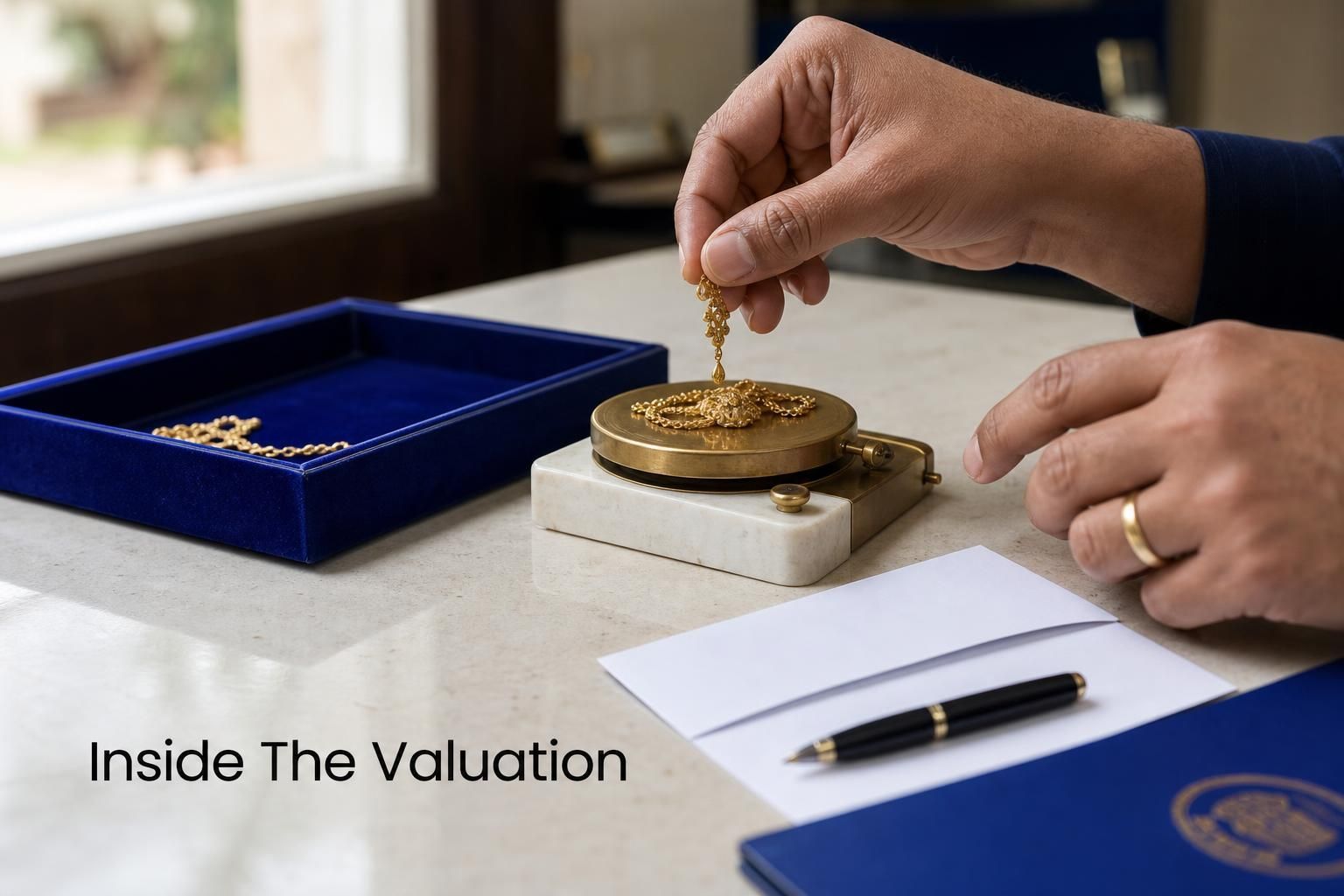
A proper valuation is the most important part of how to sell gold coins. It tells you what the coin is, what it is worth, and which sale route makes sense.
Gold Buyer offers practical ways to value coins, including in-person support and secure selling options. If you are in the Midlands or South UK, Gold Valuation in the Midlands: How We Weigh and Value Your Gold is a good fit for learning how the process works. If your collection includes jewellery as well, Sell Gold Jewellery in the Midlands can help you bundle items sensibly.
For sellers who want a broader first step, Gold Buying | Gold Buyer is the main starting point. It links the article to the service pages that matter most, including sovereigns, bullion, and other gold items.
A strong valuation should leave you with three clear answers. First, what the item is. Second, how it was priced. Third, what happens next if you want to sell. If a buyer cannot explain those three points simply, keep looking.
That is the real answer to how to sell gold coins without being underpaid. You do not need to be an expert dealer. You just need a careful valuation, a clear explanation, and a buyer who treats your coins as more than a generic lump of metal.
How can Gold Buyer help if you have mixed items?
If your coins are part of a broader collection, Gold Buyer can assess coins, jewellery, bullion, and other gold types in context. That makes it easier to choose the best route for each item rather than forcing everything into one sale method.
Key Takeaways
- how to sell gold coins starts with identifying the coin type, purity, weight, and condition before requesting an offer.
- The strongest price depends on whether the coin is worth melt value, collector value, or both.
- Local, specialist buyers are often better than banks or generic services because they can explain the valuation clearly.
- Do not clean coins before selling, and always ask how the buyer tested and priced them.
- If you are unsure, get a secure valuation first and compare it with other reputable selling routes.
Frequently Asked Questions
What is the best way to sell a gold coin?
The best way to sell a gold coin is to identify the coin, check whether it has collector value, and get a secure valuation from a specialist buyer. That approach gives you the clearest price basis and reduces the risk of accepting a scrap-only offer when the coin may be worth more.
Can you sell gold coins easily?
Yes, you can sell gold coins easily if you know what type of coin you have and choose the right buyer. The process is usually straightforward when the coin is genuine, the seller has a clear valuation, and payment is handled securely by bank transfer or an agreed method.
How do I turn my gold coins into cash?
You turn gold coins into cash by having them valued and then accepting an offer from a trusted buyer. For the smoothest result, gather the coins, avoid cleaning them, compare offers, and choose a seller that explains whether the price is based on melt value or collectable value.
Can I sell gold coins to my bank?
Usually, no. Banks are not typically specialist gold coin buyers, so they are rarely the best route for a fair sale. A dedicated gold buyer or bullion dealer is usually a better option because they can test the coin, explain the valuation, and pay according to the coin type.