
How to Sell Gold Safely: ID Checks, Valuations, Insurance and Payment

Gold Buyer • September 26, 2026

Quick Answer

The safest way to sell gold safely is to choose a reputable buyer, confirm their ID and valuation process, understand how payment works before you agree, and use tracked or in-person handover methods. Keep every item documented, ask for a clear offer, and never feel pressured to accept on the spot.

Selling gold should feel secure, not rushed. If you are comparing home visits, postal kits or a private appointment, the key is knowing how to sell gold safely before you hand over anything valuable. A trustworthy buyer will explain ID checks, weigh and test items in front of you, and make the offer clear before you commit. That matters whether you are selling inherited jewellery, a broken chain, sovereigns or bullion. It also matters if you want a discreet process that avoids a high-street counter. For local buyers and secure appointments, you can start with Gold Buying | Gold Buyer or use the Gold Valuation Near Me page to book a secure assessment. In this guide, we will show you how to sell gold safely with practical checks, common red flags and the payment steps that protect you.

Why safety matters when you learn how to sell gold safely

The safest gold sale is one where you understand the process before anyone touches your items. That is the core of how to sell gold safely. It protects you from rushed offers, unclear testing and avoidable disputes.

Gold is a high-value item, so the risks are different from ordinary second-hand selling. You may be dealing with sentimental jewellery, investment pieces, or mixed scrap. In each case, the buyer should explain how they assess purity, weight and market price. If they do not, that is a warning sign.

Safety also means keeping control of the handover. A reputable service should confirm what happens during the valuation, what ID may be required, whether the item stays with you if you decline, and when payment is released. If you want to compare methods, this external guide on buying and selling gold safely is useful for the broader decision-making process. For a second practical perspective, Campbell's Coins discusses where sellers face the most risk in this video on selling channels:

One reason people search for how to sell gold safely is simple. They want fair value without pressure. That is especially true when the gold is inherited, unlabeled or mixed with stones. A secure process gives you time to ask questions and compare offers. It also reduces the chance of misunderstanding around purity, carat and deductions.

If you are selling necklaces, sovereigns or bullion, safety and price should work together. You do not need to choose between them. A clear buyer can offer both.

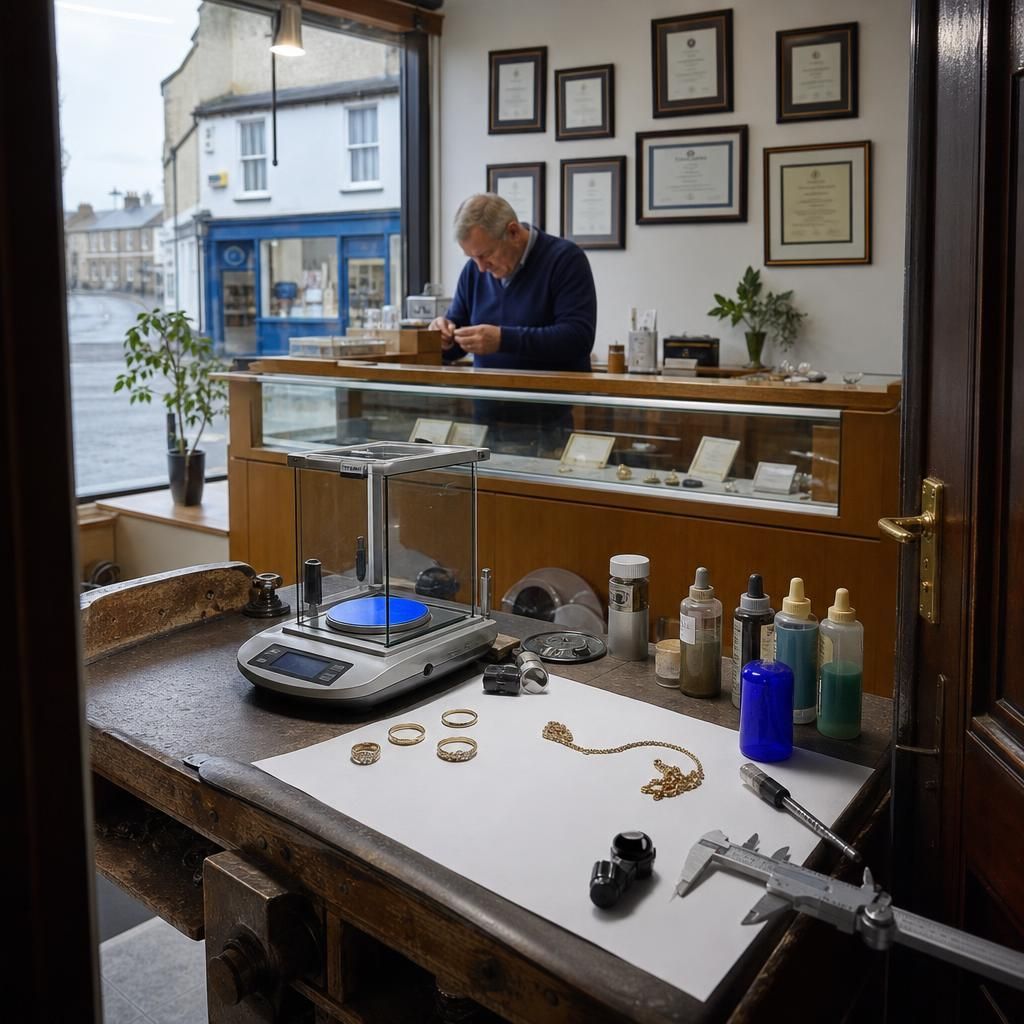
Jeweler’s workbench with gold testing tools and jewelry 

What makes a gold sale secure?

A secure sale keeps the process transparent from start to finish. You should know who is buying, how they assess the item, and how you will be paid.

In practice, that means clear identity checks, visible weighing, a plain explanation of the offer, and no pressure to accept immediately.

How to check a gold buyer before you sell

You can reduce most risks before the valuation even starts. The safest version of how to sell gold safely begins with checking the buyer, not the gold.

Look for a business that explains its process openly. Their website should say how valuations work, what items they buy, what ID may be needed, and when payment happens. It should also be easy to contact them. If you need to speak to a person first, use the Contact Gold Buyer | Gold Buyer | Midlands & South page to ask questions before booking.

A trustworthy buyer will not hide the valuation method. They should explain how they test, weigh and price gold. For a deeper look at that process, see How Gold Buyer Values Your Gold: Testing, Weighing, ID and Payment Explained. That kind of clarity helps you compare offers and avoid guesswork.

You should also look for signs that the buyer handles different categories carefully. For example, coins and bullion need different checks from scrap jewellery. Inherited pieces may need slower handling than mixed oddments. A buyer who understands those differences is usually better prepared.

External educational sources can also help you spot good practice. The article secure, transparent and trustworthy precious metals exchange services is a useful reminder that transparency should be visible in every step, not just promised in marketing.

Finally, trust your instincts. If a buyer pushes urgency, avoids questions, or will not explain the numbers, walk away. How to sell gold safely often comes down to refusing pressure.

Questions to ask before booking

Ask how the item will be tested, whether the offer is based on live market pricing, and what happens if you decline.

Also ask whether the buyer handles jewellery, scrap, coins or bullion, because specialism usually leads to a clearer valuation.

What ID checks are required when you sell gold safely?

ID checks are normal in legitimate gold sales. They help the buyer confirm identity and keep the transaction compliant. That is why ID checks are part of how to sell gold safely, not a nuisance to avoid.

The exact documents required can vary by buyer and transaction type. A good company explains the requirement in advance. You can review the basics on What ID Do You Need to Sell Gold in the UK? before your appointment so there are no surprises.

In most cases, the buyer wants to match the seller to the transaction and keep records accurate. That matters if you are selling investment gold, inherited pieces or higher-value collections. It also protects both sides if a question is raised later.

The best process is simple. Bring the requested ID, make sure your details match, and ask how the information is stored. You should never feel that the buyer is collecting unnecessary information without explanation. If the ID request seems vague or inconsistent, ask for clarification before proceeding.

Here is the practical rule: if a buyer cannot explain why they need ID, do not proceed. How to sell gold safely includes knowing what is standard and what is not.

If you want a formal overview of the trust process, the page Why Choose Gold Buyer? Trust, ID Checks, Valuation Process and Payment Security is a useful reference point.

Remember, ID checks should support security. They should not create pressure. A professional buyer will explain the process calmly and clearly.

What to bring to the appointment

Bring the ID the buyer requested, the gold items you plan to sell, and any original packaging or certificates you still have.

If you are selling coins or bullion, supporting paperwork can help the buyer identify the item faster and reduce confusion.

How does a professional valuation work when you sell gold safely?

A professional valuation should be transparent, measured and easy to follow. That is the practical heart of how to sell gold safely.

First, the buyer identifies the item type. Then they check purity, weight and condition. Next, they explain how those factors affect the offer. You should see the process, hear the explanation and have time to ask questions. If the buyer is vague about testing, that is a problem.

For a more detailed breakdown, read How Gold Valuations Are Calculated Before You Sell. If you want to estimate value by item type first, the Gold Price Calculator: Estimate Your Gold Value by Carat and Weight can also help you prepare before a valuation.

This is also where item category matters. A gold necklace may be valued differently from a sovereign coin or bullion bar. Scrap gold can include mixed pieces, broken clasps and worn settings. A buyer should not treat all of those the same way. If they do, the offer may be too blunt.

Many sellers also like to compare guidance from outside the market. The video How to Sell Your Silver and Gold for the MOST MONEY is not a substitute for a valuation, but it is a useful reminder to compare offers carefully. For a general overview of local buying methods, Campbell's Coins also discusses which selling channels can carry more risk: That kind of practical advice fits the goal of how to sell gold safely.

A good valuation ends with a clear offer, not a sales pitch. You should understand the figure before you decide.

Why valuation transparency matters

Transparency lets you compare offers fairly. It also helps you understand whether a lower offer is due to purity, weight, condition or market movement.

That clarity is essential if you are selling inherited jewellery, mixed scrap or investment pieces.

Postal kit safety, tracking and insurance: how to sell gold safely by post

Postal kits can be convenient, but they must be handled carefully. If you use this route, how to sell gold safely means checking tracking, packaging and insurance before you send anything.

Start by confirming how the kit works. You should know what packaging is provided, whether you get a tracking number, and how the parcel is handled in transit. Ask what happens if the package is delayed, damaged or does not arrive. A clear process matters more than convenience.

If you are considering remote selling, the page Sell Gold Online or Use a Local Gold Buyer? Pros, Cons and Safety Checks helps you compare methods. You may also want to review Home Visit Gold Buyer vs Postal Gold Buyer: Which Is Safer? if you are choosing between remote and in-person selling.

Insurance is another important point. If the buyer says your gold is covered while in transit, ask what that means and when cover begins. Do not assume every parcel service offers the same protection. Read the terms carefully.

Also keep your own records. Photograph the items before posting them. Note any distinguishing features, such as a hallmark, a clasp, a coin capsule or a certificate. That record helps if you need to check what was sent.

For people selling broken jewellery, odd earrings or mixed scrap, a postal kit can work well when the buyer communicates clearly. Gold Buyer’s Sell Scrap Gold: Broken Jewellery, Odd Earrings and Unwanted Gold Bought page is a useful example of how item categories should be explained before you post.

Convenience is helpful. However, transparency still comes first.

Checklist before you post

Take photos, keep a copy of the tracking details, and read the insurance terms.

Make sure you know how long the valuation usually takes and how you will be informed of the offer.

Home visit safety: how to sell gold safely at your own door

A home visit can be one of the safest ways to sell gold when it is run properly. You stay in control, you can ask questions face to face, and you see the valuation happen in real time.

That makes home visits a strong choice for people who want privacy or do not want to travel with valuable items. If this sounds like your preference, the Home Visit Gold Buyer vs Pawn Shop vs Postal Gold Buyer: Which Is Best? page explains the options well.

The safest setup is straightforward. The buyer should arrange a clear appointment time, explain what will happen, and carry out the valuation respectfully. You should never be rushed to hand over items before you understand the offer. If you do not want to proceed, the transaction should stop there.

Home visits are especially useful for larger collections, heavy bullion or multiple pieces. They can also help if you are selling something sensitive, such as inherited jewellery or dental gold. For those item types, a calm setting matters.

If you are selling in the Midlands or South, a local appointment may be easier to manage than travelling to a counter. You can also compare the service with location pages such as Sell Gold Birmingham: Jewellery, Bullion, Sovereigns and Scrap Gold or Sell Gold in Nottingham: Secure Local Gold Valuations.

The basic safety rule is simple. Keep the appointment at a time and place that feels comfortable. Ask questions. Expect a calm process. That is still how to sell gold safely when the valuation happens at home.

What a safe home visit looks like

A safe visit starts with clear communication and a known appointment window.

It ends only when you understand the offer and decide whether to accept. There should be no pressure, no confusion and no unclear handover.

Secure payment and offer acceptance when you sell gold safely

Payment is the final trust point in any sale. How to sell gold safely is not complete until you know exactly how and when money will arrive.

Before you accept an offer, ask how payment is made and what triggers it. Many sellers prefer instant bank payment after a valuation is accepted because it is fast and easy to track. If that suits you, review Sell Gold UK for a Fair Valuation and Instant Bank Payment or the broader Cash for Gold: Sell Unwanted Gold for Fast Bank Payment page.

The offer should be clear enough for you to repeat it back in your own words. If you cannot explain how the amount was reached, ask for a simpler explanation. A reputable buyer will not mind.

If you decline, the item should be returned without drama. That is a key trust signal. It shows the buyer is selling a service, not creating pressure.

You can also compare the practical view from an external guide like quick tips for selling gold safely. Although the market is different, the safety principles are familiar: confirm the offer, understand the process, and avoid rushing.

If you are selling coins, bullion or jewellery, never let payment and acceptance become vague. The clearer the sequence, the safer the sale. That is the final step in how to sell gold safely.

Should you accept the first offer?

Not always. A fair offer should be explained, not demanded.

If you feel unsure, compare it with another reputable buyer or take time to review the valuation details first.

Red flags to avoid when learning how to sell gold safely

The biggest red flags are usually simple to spot once you know what to look for. They are the opposite of how to sell gold safely.

Watch out for pressure tactics, rushed valuations, vague pricing and refusals to explain testing. If a buyer will not tell you how they reached the offer, leave. If they push you to decide immediately, leave. If they change the terms after weighing, leave.

Another red flag is poor documentation. You should have a clear record of what was assessed and what you agreed to. If the buyer avoids written confirmation or gives conflicting information, treat that seriously.

Be cautious if the buyer dismisses your questions about item type. Gold necklaces, sovereigns, bullion bars, scrap gold and dental gold all need different handling. A serious buyer knows that. For item-specific support, pages like Sell Gold | Gold Buyer | Midlands & South UK, Sell Gold Bullion | Gold Buyer | Midlands & South and Sell Dental Gold: Crowns, Bridges and Old Dental Scrap Valuations show how category-specific a proper service should be.

A final red flag is silence around rejection. If the buyer cannot clearly explain what happens when you say no, that is not a good sign. You should always be able to walk away.

When in doubt, pause. The safest answer to how to sell gold safely is almost always the one that gives you time, clarity and control.

Common warning signs

Avoid buyers who are vague, pushy or unwilling to explain the valuation.

Also avoid anyone who discourages questions, changes terms at the last minute, or rushes you into accepting.

Key Takeaways

  • Choose a buyer that explains testing, pricing, ID and payment before you agree.
  • How to sell gold safely depends on transparency, not just the headline offer.
  • Postal kits and home visits can be safe when tracking, insurance and handover steps are clear.
  • You should always be able to decline the offer and take your gold back.
  • Red flags include pressure, vague valuations, weak documentation and refusal to answer questions.

Frequently Asked Questions

What is the best way to sell my gold?

The best way to sell your gold is through a reputable buyer who explains testing, pricing, ID and payment clearly. If you want how to sell gold safely, choose the method that gives you the most transparency, whether that is a private appointment, a tracked postal kit or a home visit.

What are the risks of selling gold for cash?

The main risks are underpayment, unclear testing, pressure to accept quickly and weak handover security. How to sell gold safely means reducing those risks by checking the buyer, confirming the valuation method, and making sure you understand payment before you agree.

How much tax do I pay if I sell gold?

Tax depends on your circumstances, the type of gold and whether the sale creates a taxable gain. If you are unsure, check HMRC guidance or ask a qualified tax professional. For most people, how to sell gold safely also means checking the tax position before selling investment pieces.

What is the best way to sell unwanted gold?

The best way to sell unwanted gold is the route that gives you the clearest valuation and safest handover. For many sellers, that means a trusted local buyer, a home visit or a tracked postal kit with clear terms. The safest process is still how to sell gold safely, not just how to sell quickly.

Do I have to accept the offer after a valuation?

No, you should not feel forced to accept. A proper valuation should leave you free to decline and take your item back. That freedom to walk away is a big part of how to sell gold safely.

Cash for Gold Chesterfield: Local Gold Valuations and Fast Payment
By Gold Buyer • September 25, 2026
If you are looking for cash for gold Chesterfield, the key is to choose a buyer who explains how your items are tested, weighed and priced before you agree to sell. That matters whether you have a broken necklace, inherited jewellery, a sovereign collection or a bullion bar. Gold Buyer offers a simple route for people who want a local, low-pressure sale with clear valuations and fast payment. You can start with our gold valuation UK guide, then decide whether a home visit, a postal kit or a…
Gold Price Calculator: Estimate Your Gold Value by Carat and Weight
By Gold Buyer • September 24, 2026
A gold price calculator is the fastest way to understand what your gold may be worth before you sell. It turns carat, weight, and current market pricing into a simple estimate, which is especially useful if you have inherited jewellery, broken chains, sovereigns, or bullion. At Gold Buyer, we use clear valuation steps so you can compare your estimate with a real offer, not guesswork. If you want to understand the wider process too, our how gold is valued guide explains how testing, weighing…
Gold Valuation Near Me: Book a Secure Gold Assessment
By Gold Buyer • September 23, 2026
If you are searching for a gold valuation near me, you probably want two things: trust and convenience. You may not be ready to sell yet, but you do want a clear idea of what your gold is worth, how it will be tested, and whether the process feels safe. Gold Buyer gives you a local route that fits around your schedule, with private appointments, home visits, and a free selling kit for people who prefer postal handling. That means you can explore a gold valuation near me without standing at a…
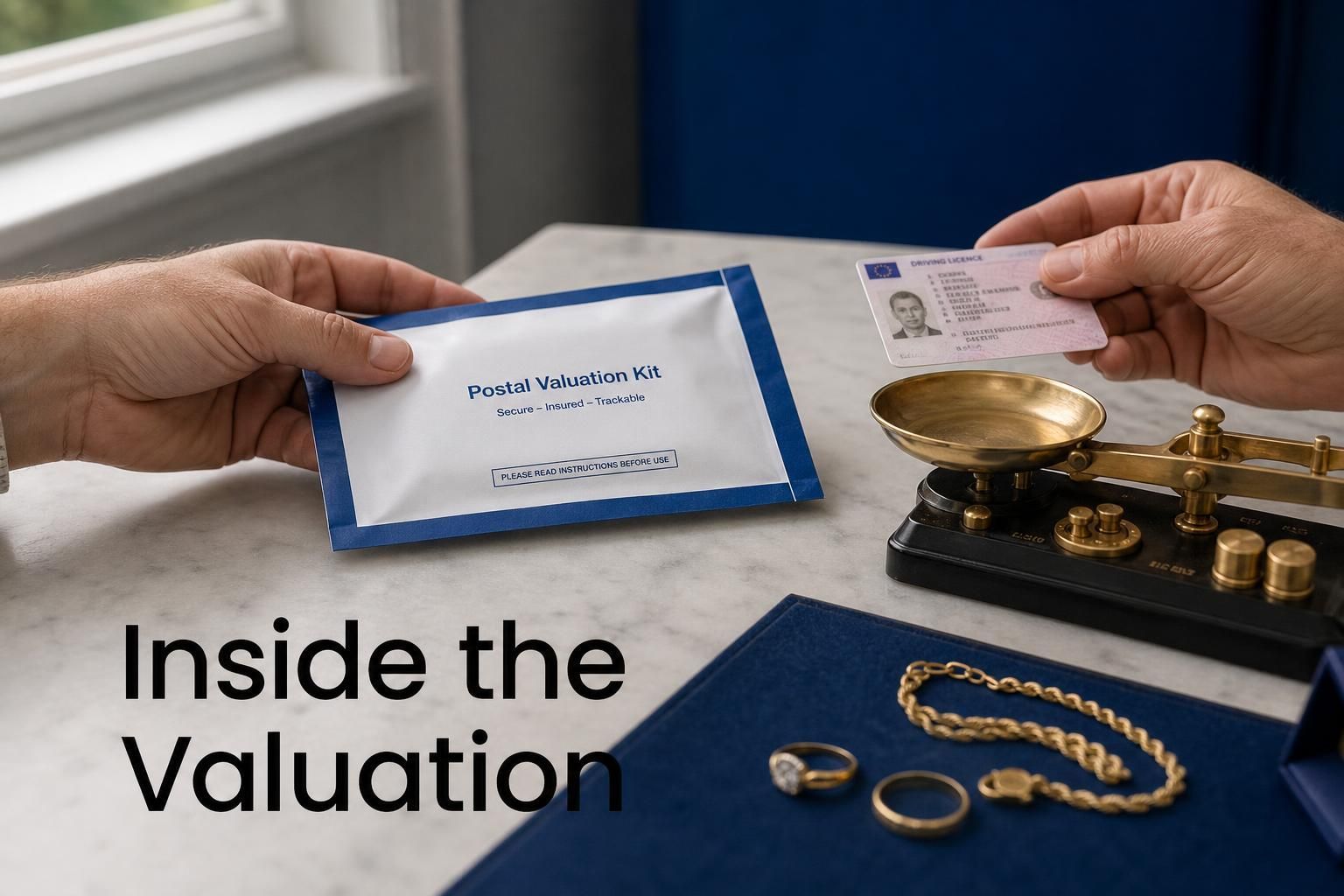
Gold Buyer FAQ: Valuations, ID, Payment, Postal Kits and Home Visits
By Gold Buyer • September 22, 2026
If you are thinking about selling jewellery, coins, bullion, or scrap, this gold buyer FAQ gives you the clear answers most people want before they commit. It explains how valuations work, what ID you may need, when payment happens, and how home visits and postal kits are handled. It also helps you compare the safest way to sell without feeling rushed. If you want to explore the process in more detail, our how gold is valued page is a useful place to start. This gold buyer FAQ is written for…
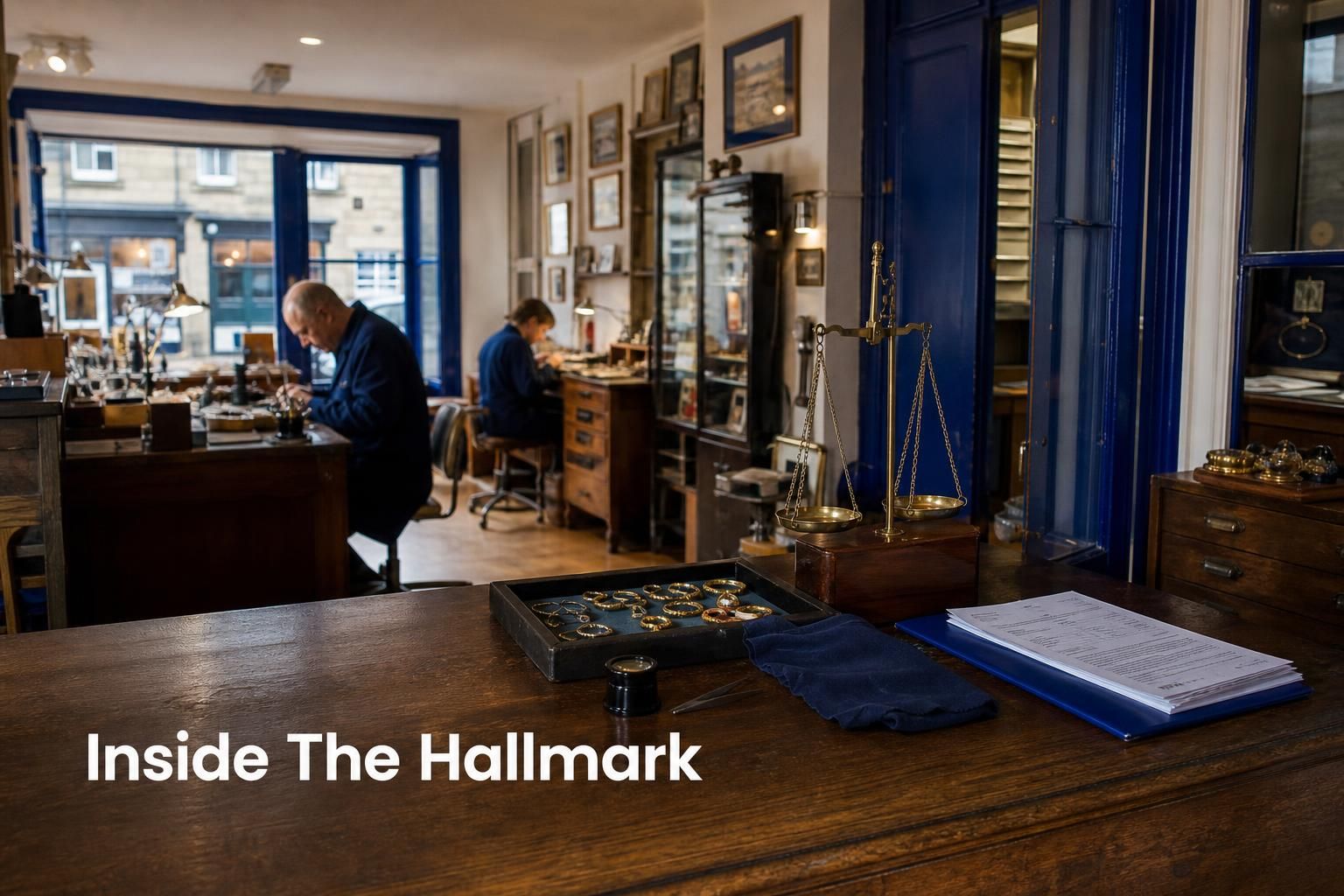
How to Identify Gold Purity: UK gold hallmarks, Carats and Testing Explained
By Gold Buyer • September 21, 2026
If you own old jewellery, inherited pieces or broken chains, gold hallmarks are the quickest place to start. They tell you the likely purity, and they often explain why one item is worth far more than another of the same size. For anyone thinking about selling, understanding gold hallmarks can save time, reduce guesswork and help you spot items that deserve a proper valuation. It also makes the process less intimidating, especially if you are comparing 9ct, 14ct, 18ct, 22ct and 24ct gold…
By Gold Buyer • September 20, 2026
If you want to sell gold chesterfield, the safest route is usually a local valuation with clear testing, a fair explanation of the offer, and fast payment after you agree. That matters whether you are selling broken jewellery, old sovereigns, bullion bars, or inherited pieces you do not want to post away. Gold Buyer offers a friendly, discreet service for people who prefer a more personal approach than a faceless online form. You can start with our Sell Gold in Chesterfield service page, then…
Live Gold Prices UK – Get the best price for gold UK Today
By Gold Buyer • September 19, 2026
If you are comparing offers and want the best price for gold UK, the key is simple: know the live market price, understand your gold’s carat, and choose a buyer who explains every deduction before you agree. That matters whether you are selling broken jewellery, inherited pieces, sovereigns, bullion, or scrap gold. At Gold Buyer, we make that process straightforward with private valuations, local home visits, and fast payment options. You can also start by checking our Gold Price Per Gram UK…
Gold Buyers Chesterfield – Local Cash for Gold Service
By Gold Buyer • September 18, 2026
If you are comparing gold buyers Chesterfield, the main things to look for are trust, convenience, and clear payment terms. A good local service should value your items in person, explain how the offer is worked out, and let you choose a payment method that suits you. That matters whether you are selling inherited jewellery, a broken necklace, sovereigns, bullion, or scrap gold. Gold Buyer offers a friendly local approach with home valuation visits, fast payment, and support for sellers across…
By Gold Buyer • September 17, 2026
If you want to understand the gold price per gram UK today, you need more than a headline rate. You need to know how each carat is priced, how weight affects payout, and why two buyers can quote different figures for the same item. That matters whether you are selling a broken chain, inherited jewellery, sovereigns, or bullion. In this guide, we break down the gold price per gram UK in a simple, practical way, so you can judge an offer with confidence. You will also see how a live calculator…
How Gold Buyer Values Your Gold: Testing, Weighing, ID and Payment Explained
By Gold Buyer • September 16, 2026
If you are wondering how gold is valued, the short answer is that a buyer identifies the item, tests purity, weighs it accurately, and then applies the current market price to the pure gold content. That process should be simple, clear, and fully explained before you agree to sell. At Gold Buyer, we focus on making how gold is valued feel transparent, whether you are selling jewellery, a sovereign, bullion, or scrap pieces. This matters because most sellers do not want guesswork. They want to…
Show More