
Gold Buyer FAQ: Valuations, ID, Payment, Postal Kits and Home Visits
Quick Answer
The gold buyer FAQ explains how valuations, ID checks, payment timing, home visits, and postal kits work before you sell. A good gold buyer FAQ should show how purity and weight are checked, when you are paid, what happens if you decline the offer, and how your gold is protected throughout the process.
If you are thinking about selling jewellery, coins, bullion, or scrap, this gold buyer FAQ gives you the clear answers most people want before they commit. It explains how valuations work, what ID you may need, when payment happens, and how home visits and postal kits are handled. It also helps you compare the safest way to sell without feeling rushed. If you want to explore the process in more detail, our how gold is valued page is a useful place to start. This gold buyer FAQ is written for UK sellers who want a secure, friendly, and straightforward experience. Whether you are dealing with inherited jewellery, old sovereigns, bullion bars, or broken items, the goal is the same: understand the process first, then decide with confidence. A good gold buyer FAQ should remove uncertainty, not create it. That is exactly what this guide aims to do.
How Gold Valuations Work in a gold buyer FAQ
A gold buyer FAQ should explain valuations in plain English. The core idea is simple: the buyer checks what your item is made of, weighs it, and then makes an offer based on purity and current market conditions.
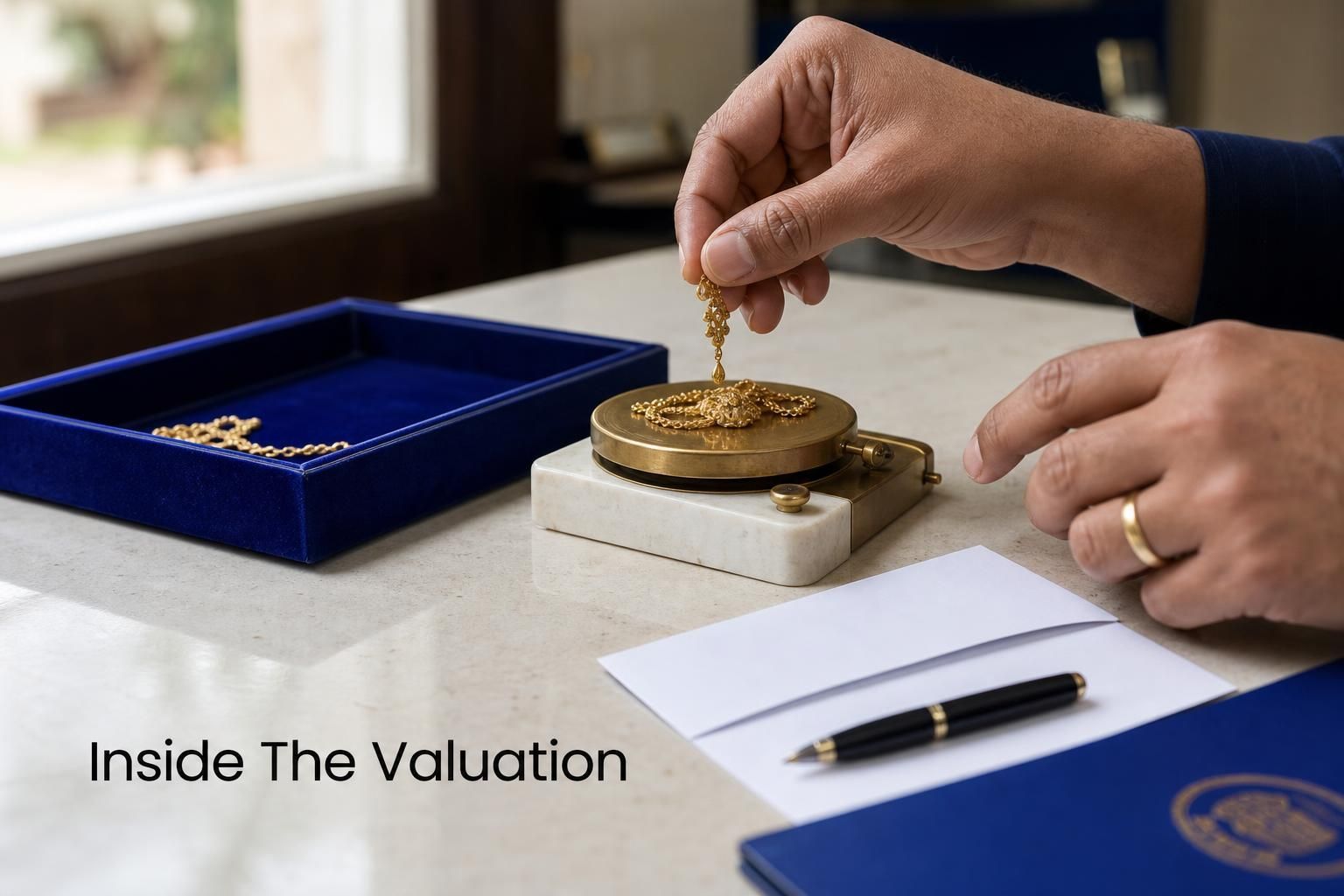
The valuation process usually starts with a visual check. Hallmarks, condition, and item type all matter. Then the gold is tested, often with non-destructive methods first. After that, the item is weighed and priced. If you want a fuller breakdown, our how gold valuations are calculated guide explains the logic behind each step.
This is also where a trustworthy gold buyer FAQ matters most. Many sellers worry that a broken chain, odd earring, or old ring will be ignored. In reality, scrap gold, inherited pieces, and mixed items can still have strong value if the gold content is genuine. That is why we also publish dedicated pages for sell scrap gold and sell inherited gold.
A helpful valuation should be transparent. You should be told what was tested, what was weighed, and why the offer is what it is. You should also have time to think. A pressure-free gold buyer FAQ protects you from accepting an offer before you are ready.
If you are comparing services, look for these signs of clarity:
- The buyer explains the test method
- The buyer separates purity from weight
- The buyer tells you how payment works
- The buyer lets you decline without pressure
- The buyer answers questions before you hand anything over
For a simple external reference on gold pricing basics, you can also read the educational DeepSeek FAQ from Stratechery on how structured FAQ content is presented clearly for readers and systems. While it is not about gold, it is a good example of how direct answers improve trust and usability.
If you want to see what we buy, the main Gold Buyer homepage provides a quick overview of jewellery, coins, bullion, and scrap items we handle.
### What affects the offer you receive?
The main factors are purity, weight, item type, and market conditions. A gold buyer FAQ should make it clear that workmanship or brand value may matter for some items, but melt value often drives the offer for scrap or broken gold.
### What if your gold is old or damaged?
Old or damaged gold can still be valuable. A bent bangle, single earring, or broken chain may still be worth selling if the metal is genuine.
What is a gold valuation?
A gold valuation is the process of identifying what your item contains and estimating what it is worth to a buyer. In a gold buyer FAQ, this should mean a clear explanation of testing, weighing, and offer calculation. It should never mean guesswork.
What ID Do I Need to Sell Gold in a gold buyer FAQ?
A gold buyer FAQ should tell you that ID is usually needed when you sell gold in the UK. That is normal for compliant precious metals buying, and it helps protect both the seller and the buyer.
The exact ID required can vary by service type and appointment style. In many cases, a photo ID and proof of address are the most common documents requested. The safest approach is to check the buyer’s policy before your appointment. Our dedicated ID requirements when selling gold in the UK page gives more detail.
Why does this matter? Because a serious gold buyer FAQ should address compliance early. If a buyer does not explain ID clearly, that is a warning sign. Good businesses explain why they ask, what they record, and how they handle your personal information.
It also helps to know that ID checks are not a sign of doubt. They are part of responsible trade. If you are selling inherited jewellery, bullion, or sovereigns, the paperwork helps create a cleaner transaction. Our trust and payment security page expands on how we keep the process straightforward.
Before your visit or postal sale, prepare the following:
- A valid photo ID
- A recent proof of address, if requested
- Any paperwork for bullion or coins, if you have it
- A quiet place to review the offer
A good gold buyer FAQ should also reassure you that your data should only be used for legitimate compliance purposes. If you are ever unsure, ask how records are stored and who can access them.
For customers selling coins or bars, extra documentation can be helpful but is not always required. If you are selling sovereigns or bullion, our sell gold sovereigns and sell gold bars pages may help you understand what to expect.
### Do I need ID for every gold sale?
Usually, yes, some form of ID is expected. A gold buyer FAQ should prepare you for that so you are not surprised at the point of sale.
### Is ID required for home visits and postal kits?
Often, yes. The exact checks may differ, but a reputable buyer still needs to follow compliance rules and confirm the seller properly.
What documents are usually accepted?
Accepted documents commonly include a passport, driving licence, or other government-issued photo ID. Some buyers may also request proof of address. A gold buyer FAQ should encourage you to confirm this before booking, especially if you are using a home visit or postal kit.
How and When Will I Be Paid in a gold buyer FAQ?
A gold buyer FAQ should answer payment timing clearly. In most cases, payment is made only after you accept the offer and the buyer has completed the checks required for the transaction.
For many sellers, the biggest question is not the amount alone. It is how fast the money arrives. That is why we make payment clarity a priority on our sell gold in the UK and cash for gold pages. If you prefer a structured explanation of the process, our how gold is valued page also covers the steps from test to payment.
Payment methods can vary, but bank transfer is a common and secure option for many sellers. A strong gold buyer FAQ should never suggest vague timing. You should know whether payment is immediate after acceptance, whether it happens in the appointment itself, and whether any further verification is needed.
If you are selling a higher-value item, such as bullion or multiple pieces, extra checks may be sensible. That is not a delay for its own sake. It is part of responsible buying and helps protect both sides.
A practical payment checklist looks like this:
- Confirm the offer before accepting
- Ask when payment is released
- Check whether funds are sent by bank transfer
- Keep your valuation note or receipt
- Make sure you understand the next step before leaving
If you want to sell a chain, necklace, or mixed jewellery set, our sell gold necklaces page explains how item type can affect valuation. If your main concern is fairness, our how to get the best price for gold page is also useful.
### When is payment not made?
Payment is not made if you reject the offer. A gold buyer FAQ should say this plainly so expectations stay clear.
### Can I leave with my items and think about it?
Yes. A reputable buyer should let you pause and decide without pressure.
Is instant payment really instant?
Instant payment usually means the buyer can release funds soon after you accept the offer and complete the necessary checks. A gold buyer FAQ should define that carefully, because timing can depend on the payment method and the type of sale.
Are Home Gold Valuation Visits Safe? gold buyer FAQ explained
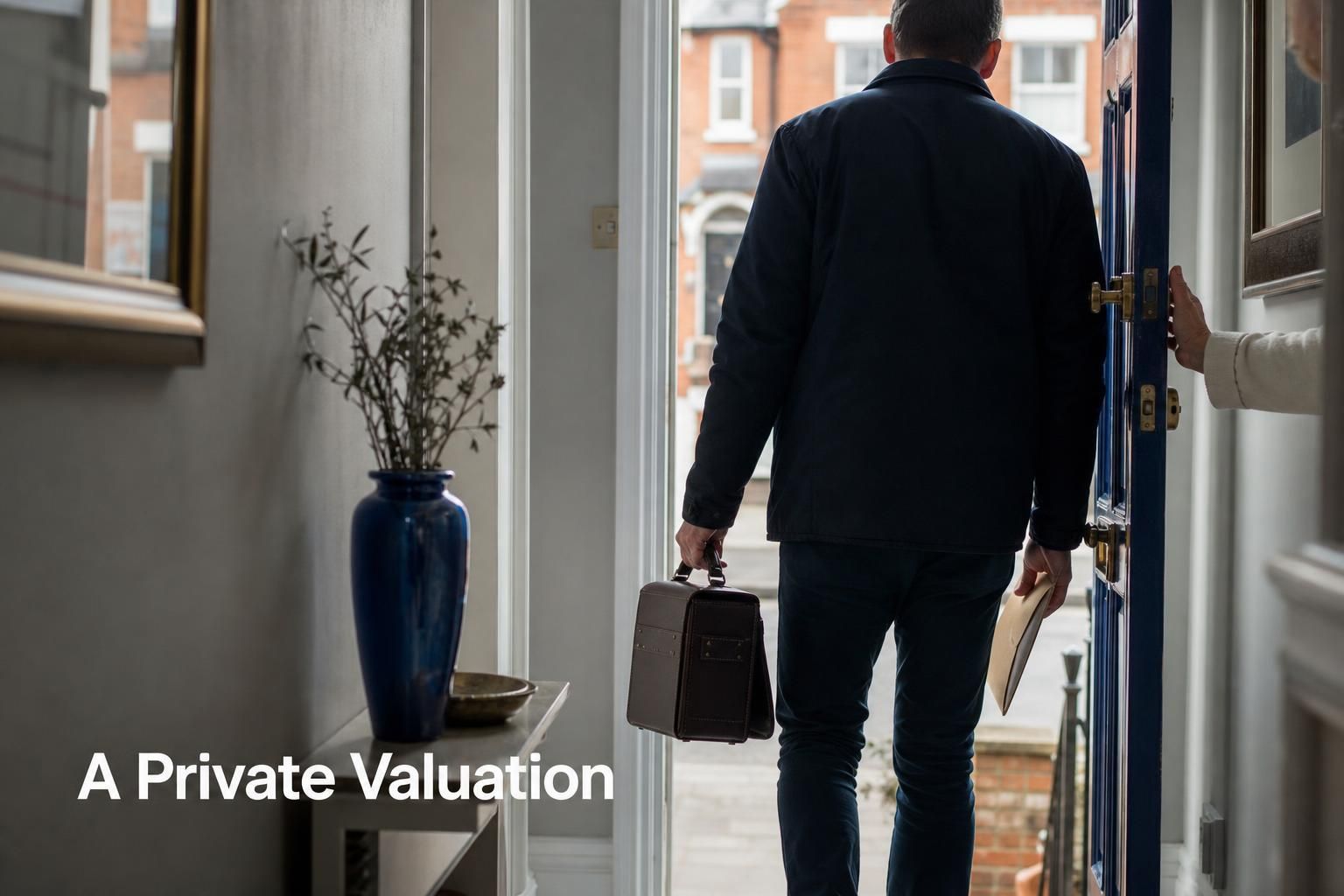
Yes, home gold valuation visits can be safe when they are arranged properly, explained clearly, and handled by a reputable buyer. A good gold buyer FAQ should tell you exactly what happens, who is coming, and how the appointment is managed.
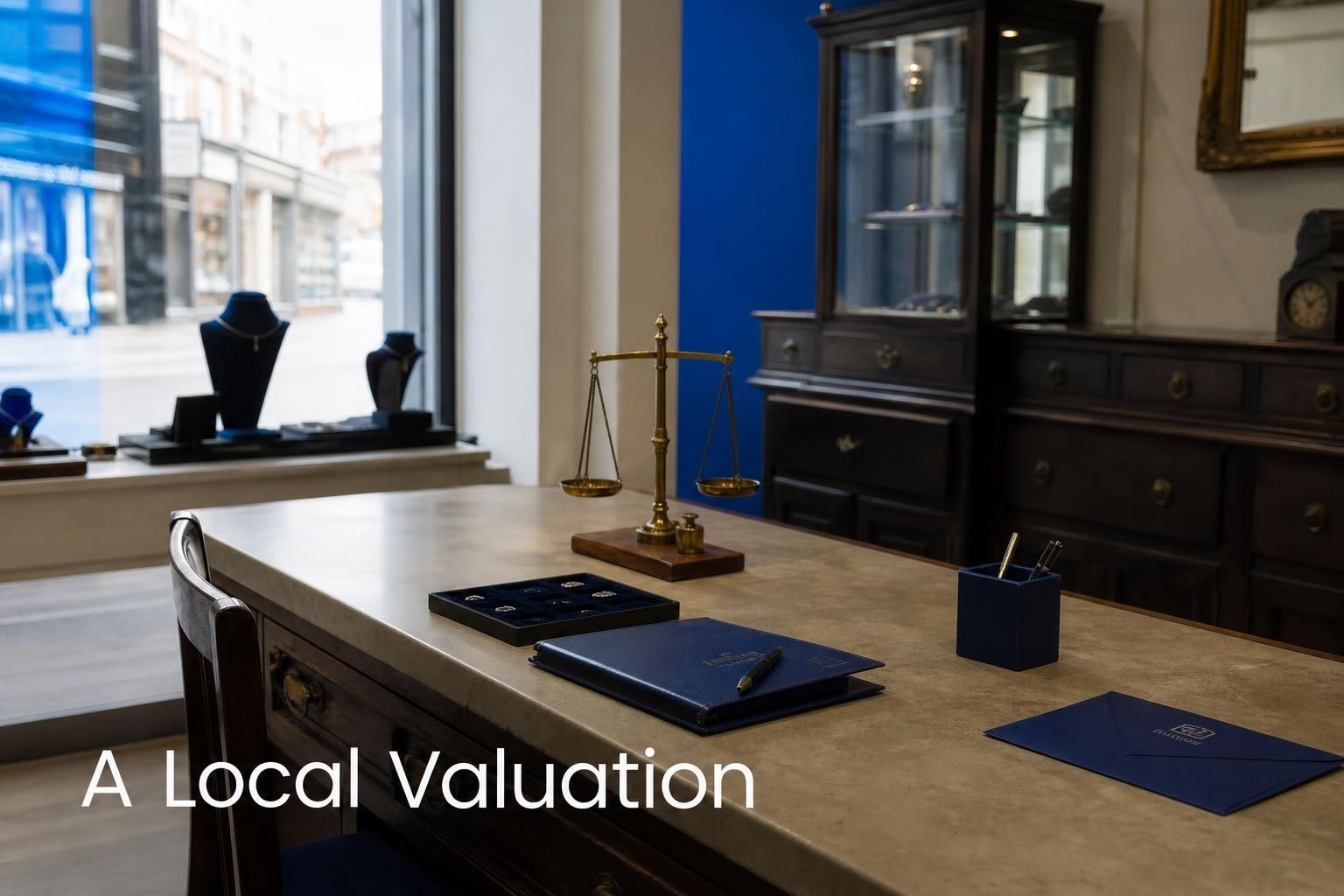
Many people prefer home visits because they are discreet and convenient. Others like them because they can review their items in private. If that sounds like you, our home visit gold buyer page explains how local home appointments can work.
Safety starts with communication. You should know the appointment time, the name of the visitor, and the purpose of the visit. You should also feel free to choose where in your home the valuation takes place. A living room table is often better than a doorway or hallway because it gives you space to review the offer calmly.
A good gold buyer FAQ should also tell you what not to do. Do not feel rushed. Do not hand over valuables before you understand the offer. And do not accept a visit from anyone who refuses to explain their process.
Helpful home visit tips include:
- Ask for clear appointment confirmation
- Keep your items together before the visit
- Choose a visible, comfortable room
- Have your ID ready if needed
- Take your time reviewing the offer
We also cover local service areas on pages like sell gold in Birmingham and sell gold in Nottingham, because many sellers want a nearby, private appointment rather than a postal-only option.
For general buyers who want a broad overview of secure selling routes, you may also find our article on home visit vs postal gold buyer useful.
### What makes a home visit feel secure?
Clear identity, clear communication, and a no-pressure offer. A gold buyer FAQ should make those standards obvious before anyone arrives.
### Should I prepare anything before the visit?
Yes. Gather your items, have your questions ready, and choose a private space where you can review the valuation carefully.
What if I feel unsure during the appointment?
You can pause the appointment at any time. A proper gold buyer FAQ should support that choice. If something feels off, do not proceed until your questions are answered.
How Does the Postal Selling Kit Work? gold buyer FAQ for remote sellers
A gold buyer FAQ should make postal selling feel simple, not risky. The process usually involves requesting a kit, packing your items securely, posting them using the instructions provided, and then receiving a valuation once the package arrives.
Postal kits can suit people who are too far away for a visit or who prefer a remote option. However, they only work well when the process is transparent. If you want to understand the broader choice between methods, our sell gold online guide is a helpful comparison point.
Before you send anything, check what the kit includes. You should know whether you need to list the items, keep a copy of your details, and use a tracked service if asked. A careful gold buyer FAQ should also tell you what happens if the parcel is delayed or the contents do not match the declaration.
Packing matters. Use the provided instructions, keep items separated if requested, and do not include loose extra items unless the buyer has asked for them. If you are sending coins or bars, our sell gold bullion and sell gold coins pages may help you prepare.
A solid postal workflow should include:
- Clear instructions before posting
- A way to identify your parcel or booking
- A timeline for valuation after arrival
- A clear acceptance or rejection step
- A simple route to ask questions
This is also where customer protection matters. A trustworthy gold buyer FAQ should explain what happens if the package arrives and you decide not to sell. The process should not trap you.
### What should I ask before using a postal kit?
Ask how the parcel is tracked, how items are logged, and how quickly you will receive the offer. A gold buyer FAQ should always make these steps visible.
### Is a postal kit suitable for high-value items?
It can be, but only if the buyer’s process is clear and secure. For many sellers, a home visit feels more personal for higher-value gold.
How should I pack items for posting?
Follow the buyer’s instructions exactly. A gold buyer FAQ should remind you to use secure packaging, keep the contents organised, and retain any reference details or proof of postage.
Is My Gold Insured in the Post? gold buyer FAQ and risk questions
A gold buyer FAQ should address postal risk directly. If you are sending valuables, you need to know whether the service is insured, what level of cover applies, and who is responsible at each stage.
Insurance details depend on the service model, so you should always confirm them before you post anything. Do not assume protection exists unless it is clearly stated. A professional buyer will explain how items are handled from dispatch to receipt.
This matters because many sellers are not just sending scrap. They may be sending inherited jewellery, a sentimental piece, or investment items like sovereigns and bullion. If that sounds familiar, our sell gold and silver near me page can help you compare local options before choosing a postal route.
A practical gold buyer FAQ should also explain that insurance is only one part of security. You also want tracking, item logging, and a clear paper trail. The more open the buyer is about the process, the easier it is to trust the outcome.
Before posting, ask these questions:
- Is the package tracked?
- Is the parcel insured while in transit?
- What happens if the item is lost or damaged?
- When is the parcel checked in?
- How is the offer documented?
For many people, the safest option is the one that matches their comfort level. That may be postal, or it may be a private appointment. Our gold buyer near me page is useful if you want to explore local home valuation options first.
### Does insurance replace good handling?
No. Insurance helps, but good packing, tracking, and clear communication matter just as much.
### Should I avoid posting inherited items?
Not necessarily. A gold buyer FAQ should simply advise you to confirm cover and consider whether a home visit feels better for sentimental pieces.
What proof should I keep after posting?
Keep your postage receipt, any tracking number, and a copy of the item list. A gold buyer FAQ should encourage this because it makes the process easier to follow if you need to ask a question later.
What Happens If I Reject the Offer? gold buyer FAQ clarity on no-pressure selling
If you reject the offer, the sale should stop there. A gold buyer FAQ should say this plainly so you know you are not locked in.
This is one of the most important trust questions for any seller. People want to know they can decline without argument, delay, or hidden fees. That is especially true for inherited gold, sentimental jewellery, and items whose value may surprise you. If you want to read more about a low-pressure approach, our best way to sell gold in the UK page compares your main options.
A fair buyer should return your items promptly if you do not accept the offer. There should be no embarrassment and no pressure. A good gold buyer FAQ treats your decision as part of the process, not a problem.
You may want to reject an offer if:
- The valuation feels lower than expected
- You want time to compare options
- You are not comfortable with the process
- You want to keep a sentimental item
- You are waiting for a second opinion
That is perfectly reasonable. In fact, a strong gold buyer FAQ should encourage sellers to compare calmly. If you are still learning how prices are worked out, our gold price per gram UK page is a helpful reference.
If you later decide to sell, you can move forward on your own terms. The best sales are the ones that feel informed and unhurried.
### Can I ask for my items back straight away?
Yes. A good buyer should return them once you decide not to proceed.
### Will I be charged for declining?
A trustworthy gold buyer FAQ should make clear if there are any charges, but in a normal valuation there should be no hidden surprise costs.
Why does no-pressure selling matter?
No-pressure selling protects trust. A gold buyer FAQ that respects your choice is more useful than one that rushes you into a decision.
How Gold Purity and Weight Are Checked in a gold buyer FAQ
A gold buyer FAQ should explain that purity and weight drive most offers. That is because gold value depends on how much fine gold is present and how much the item weighs.
Purity is often checked with hallmarks, testing methods, and experience. Weight is measured carefully. Together, these determine the basis of the offer. If you want a deeper explanation of purity marks and testing, our gold hallmarks guide is designed for that purpose.
It is also helpful to understand that not every item is priced the same way. A chain, a sovereign, a bullion bar, and a dental item may each need a slightly different approach. That is why we have separate pages for sell dental gold and sell gold bullion.
A careful gold buyer FAQ should stress that testing should be as transparent as possible. You should be told if the item is being checked for hallmark, purity, or both. You should also know whether the test affects the item’s condition.
For many sellers, this section is the key to confidence. Once you understand the process, the sale feels less mysterious. It becomes a simple question of whether the offer suits you.
### Why is weight so important?
Because gold is usually bought on metal content. A heavier item often contains more gold, though purity still matters.
### Do all gold items have to be hallmarked?
No. A gold buyer FAQ should note that some genuine items may lack a clear hallmark, which is why testing matters.
How can I prepare before valuation?
Sort your items into groups, if you can, and bring any supporting paperwork. A gold buyer FAQ should help you arrive prepared, because that makes the valuation quicker and easier to understand.
Customer Protection and Compliance in a gold buyer FAQ
A gold buyer FAQ should end with protection, because trust is the whole point of the page. Customers need to know that the buyer follows sensible compliance checks, records transactions properly, and handles personal data carefully.
This is especially important for people selling gold for the first time. If you are nervous about pricing, identity checks, or how items are handled, a transparent buyer should welcome those questions. Our why choose Gold Buyer page explains our trust-first approach in more detail.
Compliance is not there to make the process harder. It is there to keep it legitimate and fair. That is why a strong gold buyer FAQ should mention ID, record keeping, secure payment, and clear communication together.
If you are selling in the Midlands or South, local service matters too. A buyer who offers home appointments, postal kits, and item-specific pages for necklaces, sovereigns, and bullion gives you more control. You can choose the route that feels right for your situation.
If you want to discuss a sale, our contact Gold Buyer page is the best place to start. That can be especially useful if you have mixed items, inherited jewellery, or questions about whether a home visit or postal kit is better.
A practical protection checklist includes:
- Clear identification of the buyer
- Written or recorded offer details
- Transparent payment timing
- A no-pressure decision process
- Straight answers to your questions
For anyone researching the broader market, a gold buyer FAQ should make one thing clear: the safest buyer is usually the one that explains the process before asking for your items.
### What should a trustworthy buyer never hide?
They should never hide the offer basis, the payment method, or the return process if you decline.
### Why does compliance help sellers?
Because it creates a cleaner, safer transaction and reduces confusion at every stage.
What is the best sign of a trustworthy gold buyer?
The best sign is clarity. If a gold buyer FAQ answers ID, payment, testing, and returns without hedging, that is usually a strong signal of a well-run service.
How to use this gold buyer FAQ before you sell
Use this gold buyer FAQ as a checklist before you book a visit, request a postal kit, or contact a buyer about an item. The right questions help you avoid confusion and make a more confident decision.
Start with the basics. Ask how valuation works, what ID is needed, when payment happens, and what happens if you decline. Then decide whether a home visit, postal kit, or local appointment suits you best. If you want to compare item types, our pages for sell gold in the UK, sell gold sovereigns, and sell gold bars can help you narrow things down.
For beginners, this sort of gold buyer FAQ works best when it reduces the feeling of risk. It should tell you what to expect, not just what the buyer wants from you. That is why clear FAQs are useful on every transactional page.
If you are still learning how physical gold buying works, two helpful starter videos are worth watching. First, here is a beginner-friendly overview of how to buy physical gold:
For practical, no-hype advice on gold and silver buying basics, this second guide is also useful:
After that, compare your options calmly. If you own jewellery, bullion, or inherited items, you do not need to rush. A good gold buyer FAQ should help you take the next step with confidence, not pressure.
### Final thought
The best sale is usually the one you understand before you make it. That is the real purpose of a strong gold buyer FAQ.
Key Takeaways
- A strong gold buyer FAQ should explain valuation, ID, payment, and returns before you sell.
- Home visits and postal kits can both be safe when the process is clear and the buyer is transparent.
- Purity and weight drive most gold offers, so testing and weighing should be easy to understand.
- You should always be able to reject an offer without pressure and keep your items if you change your mind.
- Clear compliance, secure payment, and honest communication are the best signs of a trustworthy gold buyer.
Frequently Asked Questions
What is a gold buyer FAQ?
A gold buyer FAQ is a set of clear answers about selling gold, including valuations, ID, payment, home visits, and postal kits. It helps you understand the process before you hand over any items. A good gold buyer FAQ should reduce confusion and make the sale feel safer.
Do I need ID to sell gold in the UK?
Yes, you will usually need some form of ID. A gold buyer FAQ should tell you this upfront because responsible buyers need to confirm the seller and follow compliance rules. The exact documents can vary, so it is best to ask before your appointment.
How long does payment take when I sell gold?
Payment timing depends on the buyer and the method used, but it is usually made after you accept the offer and the checks are complete. A strong gold buyer FAQ should explain whether payment is immediate, same day, or sent by bank transfer.
Is a home gold valuation visit safe?
Yes, it can be safe if the appointment is arranged clearly and handled by a reputable buyer. A gold buyer FAQ should explain who is visiting, what happens during the appointment, and how you can review the offer without pressure.
Can I reject the offer and keep my gold?
Yes, you should be able to reject the offer and keep your items. A good gold buyer FAQ should make that clear. There should be no pressure, and your gold should be returned promptly if you decide not to sell.