
How Gold Buyer Values Your Gold: Testing, Weighing, ID and Payment Explained

Gold Buyer • September 16, 2026

Quick Answer

How gold is valued comes down to three things: what the item is, how pure it is, and how much it weighs. A trusted buyer also checks identity, explains the testing method, and confirms payment before you agree to sell. Transparency is what protects you from underpayment.

If you are wondering how gold is valued, the short answer is that a buyer identifies the item, tests purity, weighs it accurately, and then applies the current market price to the pure gold content. That process should be simple, clear, and fully explained before you agree to sell. At Gold Buyer, we focus on making how gold is valued feel transparent, whether you are selling jewellery, a sovereign, bullion, or scrap pieces. This matters because most sellers do not want guesswork. They want to know why one ring is worth more than another, why a hallmark is only the starting point, and why payment should match the agreed valuation. If you want a broader overview of our service, start with our gold valuation UK guide. If you are nervous about selling inherited items, our inherited gold selling guide also helps you understand the process calmly and safely.

What Happens During a Gold Valuation Appointment?

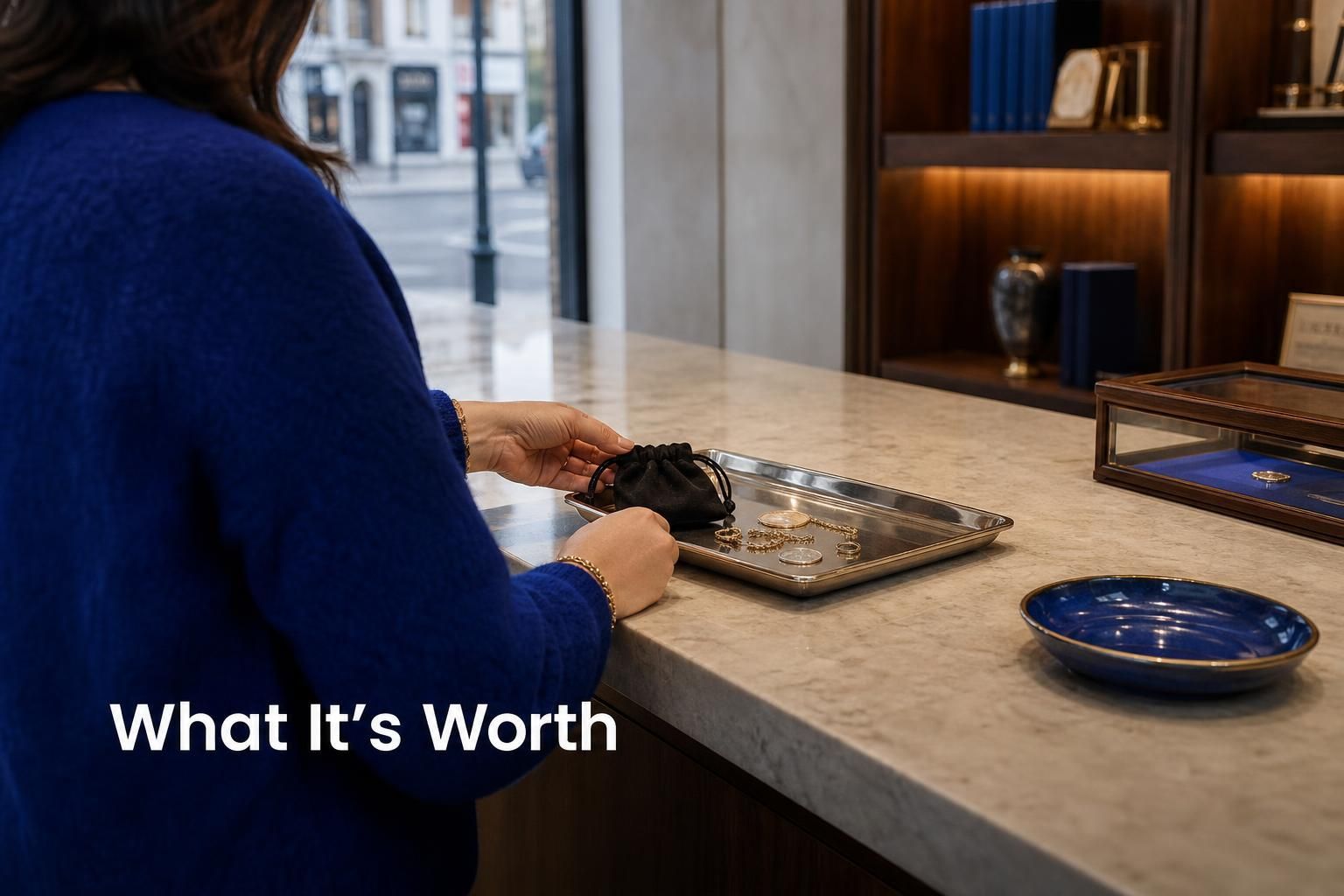
How gold is valued during an appointment should be straightforward and easy to follow. The buyer identifies the item, checks purity, weighs it, and explains the offer in plain English before any sale is completed.

That process is designed to remove uncertainty. You should never be rushed, and you should always be told how the final figure was reached. If you are selling at home or at a private appointment, the valuation should feel calm and secure from start to finish.

A good appointment usually follows the same pattern. First comes inspection. Then testing. Then weighing. Finally, the buyer calculates the offer and confirms the payment method. That structure is especially useful if you are selling items like necklaces, sovereigns, bullion, or broken pieces. You can see our service pages for sell gold necklaces and sell gold sovereigns if you want to understand how item type affects the process.

This is also where trust matters most. Gold is a high-value asset, so you should expect clear answers at every stage. A reliable buyer will show the weight, explain the karat or fineness, and discuss any deductions only if they truly apply. If you prefer a local appointment, our contact Gold Buyer page is the easiest place to arrange one.

Many sellers find that the appointment becomes much less stressful once they understand how gold is valued. In practice, the process is about verification, not pressure.

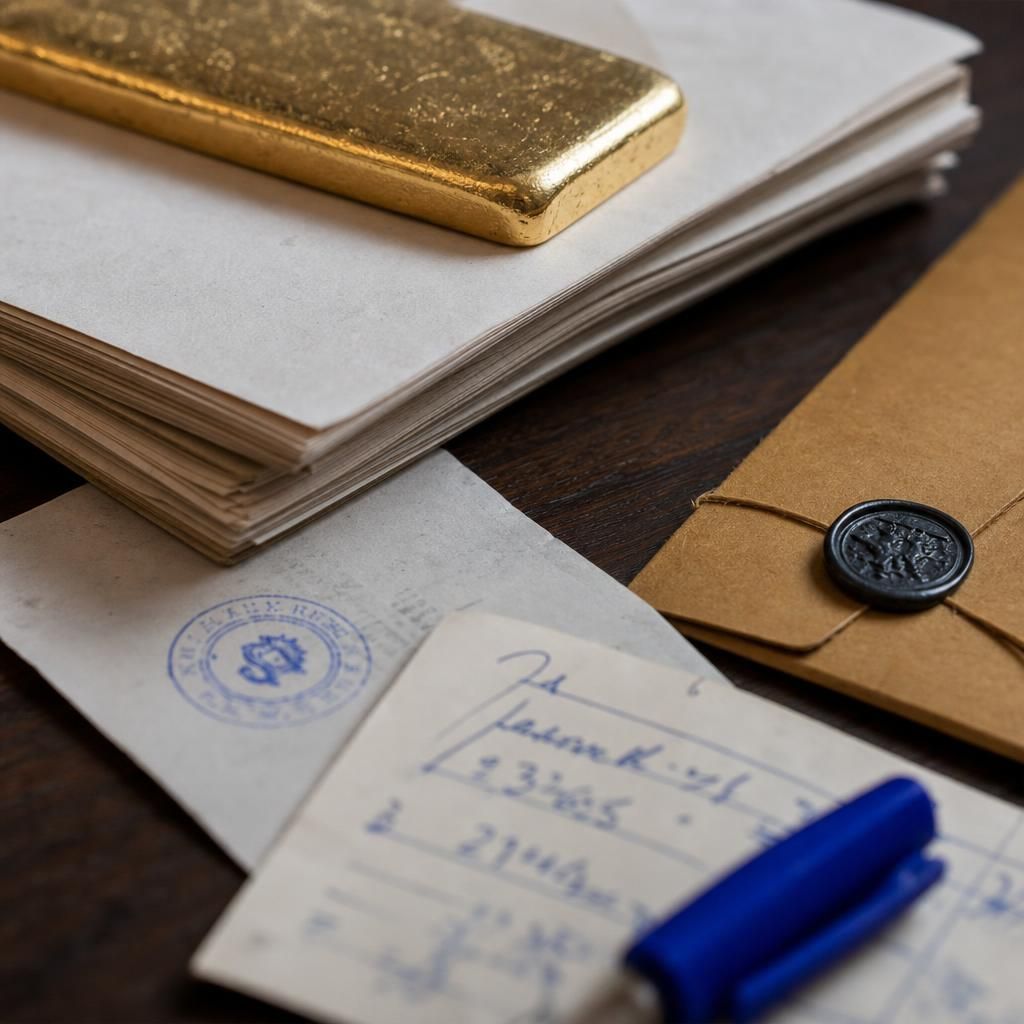
Bullion receipts and payment confirmation slip on counter 

What should a trustworthy valuation feel like?

A trustworthy valuation should feel calm, transparent, and non-pressured. You should be able to ask questions about testing, weight, purity, and payment before you agree to anything.

In addition, the buyer should explain any differences between jewellery value and bullion value. A chain, ring, or bracelet may contain the same metal, but the offer can differ because purity and weight differ. That is normal. What is not normal is a vague answer.

How gold is valued: Item identification and hallmarks

How gold is valued starts with identifying what the item actually is. A hallmark, maker’s mark, or design clue can help the buyer understand the likely purity and category of the gold.

This step matters because not every yellow item is the same. A 9ct ring, 18ct necklace, 22ct bracelet, and 24ct bar are all valued differently. Gold-plated pieces are also different from solid gold. Therefore, identification protects both the buyer and the seller.

In the UK, hallmarks are a helpful starting point, but they are not the whole story. Wear, repairs, stamps, and old settings can make visual identification uncertain. That is why reputable buyers do not rely on a stamp alone. They inspect the item closely and test it if needed.

If you are selling mixed items, such as broken jewellery or odd earrings, identification is still important. You can learn more on our scrap gold selling page and our dental gold page. Both categories often require close inspection before valuation.

For context on why gold remains a durable store of value, the Bank of England’s history of gold’s value over time gives useful background. You can also see the wider economic story in the BBC’s explanation of why we value gold.

In short, how gold is valued begins with knowing what the item is before anyone talks about price.

How gold is valued: Testing methods buyers use

How gold is valued depends heavily on testing, because testing confirms whether an item is solid gold and how pure it is. A proper test should match the item type and be explained clearly.

Good buyers use more than one clue when needed. They may combine visual checks, hallmark inspection, and a physical or electronic test. The aim is not to damage your gold. The aim is to confirm purity so the offer is fair.

A gold buyer should also explain why one method is chosen over another. For example, a coin may be handled differently from a ring. A heavy bar may be treated differently from a stone-set necklace. That is normal and sensible. It shows the buyer is adjusting the process to the item, not forcing every piece through the same test.

If you want to understand valuation mechanics in more detail, our how gold valuations are calculated guide explains the logic behind the offer. You can also review our gold price per gram UK page for a clearer view of purity-based pricing.

When people ask how gold is valued, testing is usually the part they worry about most. That is understandable. The best response is simple: a legitimate buyer should explain the method, show the result, and avoid any hidden assumptions.

Visual checks

Visual checks are the first step in most valuations. They help the buyer spot hallmarks, wear patterns, settings, and obvious non-gold parts.

This matters because visual inspection can quickly separate solid gold from plated or mixed-metal items. It is not a final test on its own, but it helps guide the rest of the process.

Acid testing

Acid testing uses test acids to help confirm gold purity. It is a common method for jewellery and scrap gold when a quick purity check is needed.

A careful buyer should use this method only when appropriate and should explain what the result means. It is one part of how gold is valued, not the entire decision.

Electronic or XRF-style testing where applicable

Electronic or XRF-style testing can be useful for certain items, especially when a non-destructive check is preferred. These methods can support a valuation without relying only on acid tests.

However, the key point is consistency. Whatever method is used, the buyer should explain the result in plain language so you know how gold is valued and why the offer makes sense.

How gold is valued: Weighing your gold accurately

How gold is valued always depends on accurate weighing, because weight is the second half of the calculation. Even a pure item is only worth what its pure gold content weighs.

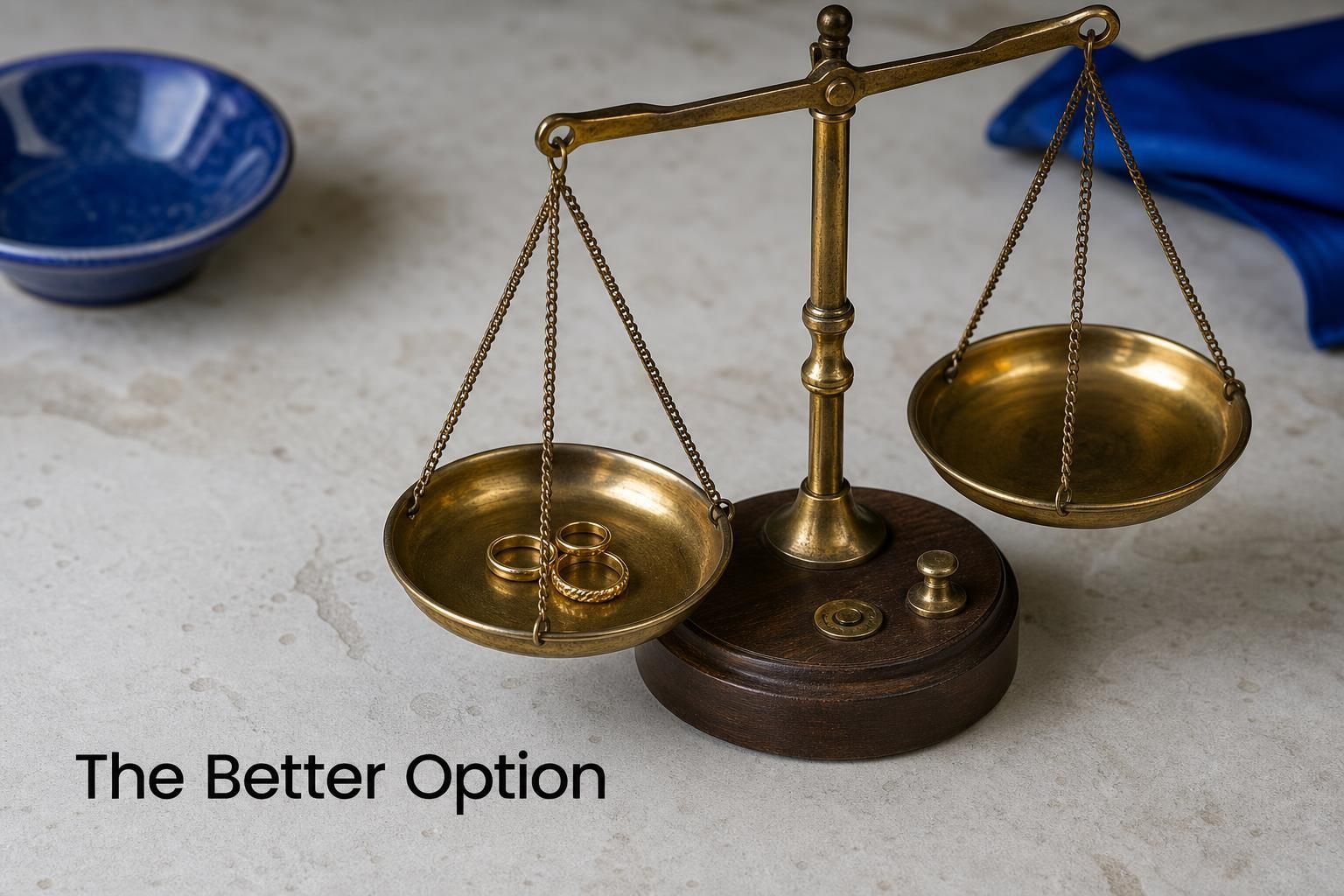
The best practice is to weigh gold on calibrated scales and show the result openly. You should be able to see the weight before the offer is made. That is especially important for chains, bangles, rings, and bullion bars, where small weight differences can affect the valuation.

Weight alone does not determine value, though. A 10g item of 9ct gold will not be valued the same as a 10g item of 24ct gold, because the pure gold content is different. Therefore, purity and weight must be considered together.

If you are selling investment pieces, our sell gold bullion page and sell gold bars guide explain why bars and coins can be treated differently from scrap jewellery. Likewise, sovereigns may include both metal value and collector considerations.

A transparent buyer will also tell you if stones, clasps, or non-gold components are excluded from weight. That is fair when those parts are not part of the gold value. What matters is that the exclusion is explained before you decide.

Once again, how gold is valued should feel measurable, not mysterious. Accurate weighing is one of the clearest signs of a trustworthy buyer.

How gold is valued: Calculating the offer and market price

How gold is valued ends with a simple calculation: purity, weight, and the current gold market price are combined to produce the offer. The buyer then decides the final payment amount based on that gold content and any item-specific factors.

For many sellers, this is the most important stage because it turns testing into money. The buyer should explain the rate used, the purity category, and whether the item is being treated as scrap, jewellery, or bullion. That clarity helps you compare offers fairly.

Gold prices move over time. For a broader explanation of the forces behind those changes, the Royal Mint gold price page is a useful public reference. You can also watch the video below for a clear market explanation.

Here is a wider explainer on why gold still matters in global finance:

If you want to judge the quality of an offer, ask three questions. What purity are you using? What weight did you record? What rate did you apply? Those questions are simple, and they are exactly how gold is valued in a transparent transaction.

If you are comparing services, our best price for gold guide and cash for gold page can help you understand what makes one offer better than another.

ID Requirements When Selling Gold

ID is usually required when you sell gold in the UK, and that is a normal part of a secure transaction. It helps support anti-money laundering checks and protects both sides of the sale.

A reputable buyer should tell you what ID is needed before the appointment. That means there should be no surprises when you arrive or when a home visit begins. If you want a full breakdown, our UK ID requirements guide explains the process clearly.

This step is important because how gold is valued is only one part of the sale. Identity checks help create a documented, lawful transaction. They also reduce the risk of selling stolen items or accidentally accepting a suspicious offer from an unsafe buyer.

If you are selling inherited gold, the need for calm documentation matters even more. A clear record can make the whole process feel safer. If that applies to you, our how to sell inherited gold guide is a helpful next step.

The main point is simple. Good ID checks are not there to make selling harder. They are there to make selling safer, traceable, and more professional.

Cash and Bank Transfer Payment Security

Payment security is the final part of how gold is valued, and it should be just as clear as the testing stage. You should know exactly when payment will be made, how it will be made, and what proof you will receive.

Many sellers prefer instant bank transfer because it is simple and traceable. Others like cash when it is legally and appropriately offered. The key is that the payment method should be explained before the transaction is completed, not after.

A secure buyer will confirm the agreed amount, complete any required checks, and then pay promptly. That avoids confusion and helps you feel in control. If you are visiting from the Midlands or South, you can also review our home visit gold buyer guide to see how discreet appointments work.

For some sellers, a home visit is better than posting gold because it keeps the item visible throughout the process. Our home visit vs postal gold buyer page explains that difference in practical terms.

To understand the consumer side of selling decisions, this Wall Street Journal explainer is also useful:

Ultimately, how gold is valued should end with secure, clear payment. If the buyer cannot explain the transfer process, that is a warning sign.

Key Takeaways

  • How gold is valued comes down to identification, purity testing, accurate weighing, and a transparent price calculation.
  • A trustworthy buyer explains the process clearly and does not rely on a hallmark alone.
  • ID checks and secure payment are part of a safe, lawful gold sale in the UK.
  • Different items need different handling, especially jewellery, scrap gold, sovereigns, and bullion.
  • The best offers are easy to understand because the buyer shows how the valuation was reached.

Frequently Asked Questions

How much is 1 g of gold worth?

The value of 1 g of gold depends on purity and the live market price. A gram of 24ct gold is worth more than a gram of 9ct gold because it contains more pure gold. When people ask how gold is valued, the correct answer is always based on karat, weight, and the rate used on the day.

How can I value my gold?

You can value your gold by identifying the item, checking the hallmark, weighing it, and confirming purity. If you want a quick estimate, compare your item against our gold price per gram UK guide and then ask a buyer to test it properly. That is the safest way to understand how gold is valued without guessing.

How is gold valuable?

Gold is valuable because it is scarce, durable, widely recognised, and easy to trade. It has long been used as a store of value, and that reputation still matters today. If you want the deeper background, the Investopedia explanation of why gold has always had value is a useful overview.

Will gold be valuable in 100 years?

No one can guarantee future prices, but gold has remained valuable across very long periods. That is why many people still trust it as a tangible asset. When thinking about how gold is valued in the future, the safest view is that its scarcity, recognisability, and global demand are likely to keep it relevant.

By Gold Buyer September 15, 2026
If you want to sell gold in Birmingham, the best option is often the one that feels secure, private, and easy to manage. That is exactly where Gold Buyer fits in. Instead of rushing into a busy counter or posting valuable items away, you can arrange a discreet appointment and talk through your gold at home. This works well for people selling jewellery, sovereigns, bullion, scrap gold, or inherited pieces. It also suits anyone who wants a calm, no-pressure experience. For a broader overview of…
By Gold Buyer September 14, 2026
If you want to sell gold in Nottingham, the best starting point is a secure local valuation with no pressure to hand over your items. That matters because gold prices move with the market, but the real difference is often in how carefully your items are tested, weighed, and explained to you. At Gold Buyer, we focus on private appointments, discreet home visits, and simple payment options, so you can make a calm decision without posting valuables away. If you are comparing routes, our gold…
By Gold Buyer September 13, 2026
If you want to sell gold in Derby, you probably want three things: a fair price, a safe process, and no wasted time. That is exactly why many sellers prefer a local gold buyer that can arrange a private appointment or a discreet home visit. It works well for unwanted jewellery, inherited pieces, sovereigns, bullion, and even scrap items that have been sitting in a drawer for years. Gold Buyer helps people compare their options without pressure, and you can start with a gold valuation or…
By Gold Buyer September 12, 2026
If you want to sell gold in Chesterfield, you may want more than a quick quote. You may want privacy, clear testing, and a convenient way to compare offers without visiting a busy high street shop. Gold Buyer offers private gold valuations and home visit appointments for people across Chesterfield who want to sell gold in Chesterfield with less stress and more control. That includes unwanted jewellery, inherited pieces, coins, sovereigns, bullion, and scrap gold. It also suits anyone who…
Sell Scrap Gold: Broken Jewellery, Odd Earrings and Unwanted Gold Bought
By Gold Buyer September 11, 2026
If you want to sell scrap gold, the good news is that damaged or incomplete items can still be valuable. Broken chains, single earrings, bent rings, old necklaces, and inherited gold all have worth when they contain precious metal. What matters is usually purity, weight, and how confidently the gold can be tested. That means a messy jewellery box may hold more value than it looks. Gold Buyer helps UK customers turn unwanted gold into a clear offer, with options for a home visit, valuation…
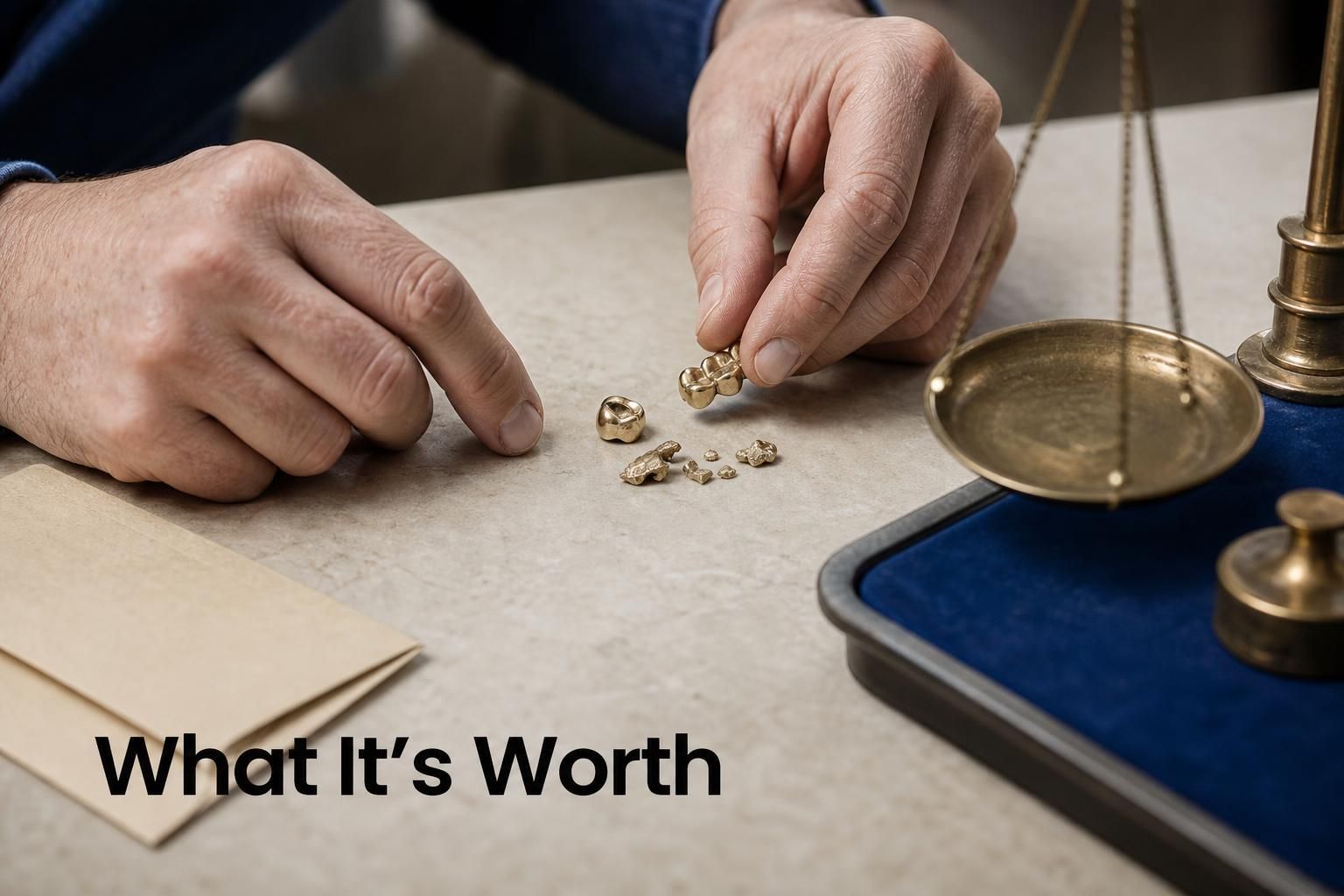
Sell Dental Gold: Crowns, Bridges and Old Dental Scrap Valuations
By Gold Buyer September 10, 2026
If you want to sell dental gold, the first thing to know is simple: old crowns, bridges and dental scrap can still have real value. Even small items may contain gold, platinum, palladium or other precious metals, so they are worth checking before you throw them away. That is especially true if the pieces were inherited or removed years ago and you are not sure what they are made of. At Gold Buyer, we help UK sellers understand what they have and how to sell dental gold securely, with clear…
Gold Valuation UK: How to Find Out What Your Gold Is Worth Today
By Gold Buyer September 9, 2026
Gold valuation is the practical way to work out what a ring, chain, coin, bar, or scrap item is worth right now. The result is not just about the metal itself. It also depends on purity, weight, the live gold price, and whether the item has resale value beyond melt value. If you want a clear, human explanation instead of an impersonal estimate, a local appointment is often the easiest route. Gold Buyer offers that kind of service, including secure home visits and expert checks for jewellery…
How Gold Valuations Are Calculated Before You Sell
By Gold Buyer September 8, 2026
If you are wondering how gold valuations are calculated, the short answer is that buyers work out the metal content, weigh it, and compare it with the live gold price. Then they decide whether the item should be priced as scrap, jewellery, bullion, or a coin. That process matters because a ring, chain, sovereign, or dental item can all be valued differently. It also helps you spot fair offers and avoid rushed decisions. At Gold Buyer, we keep the valuation process simple and transparent…
Sell Gold and Silver Near Me: Local Valuations Across the Midlands and South
By Gold Buyer September 7, 2026
If you are searching for sell gold and silver near me, you probably want a simple answer, a fair valuation, and fast payment without the usual hassle. That is exactly what a local precious metals buyer should provide. At Gold Buyer, we help customers across the Midlands and South value unwanted jewellery, inherited boxes, mixed coins, bullion, and scrap items in a secure and friendly way. If you are comparing options, a good place to start is our Gold Buying service page, which explains how…
Home Visit Gold Buyer vs Pawn Shop vs Postal Gold Buyer: Which Is Best?
By Gold Buyer September 6, 2026
If you are comparing a home visit gold buyer vs pawn shop, the best choice depends on what you value most: price, security, or convenience. For many UK sellers, the decision is not just about getting cash. It is also about avoiding pressure, protecting sentimental items, and understanding how gold is weighed and priced. That is why it helps to compare a home visit gold buyer vs pawn shop alongside a postal kit option before you decide. Gold Buyer offers home valuations, postal selling kits…
Show More